
The Aesthetics of Feudal Japan: Best Art Books to Understand Its Beauty

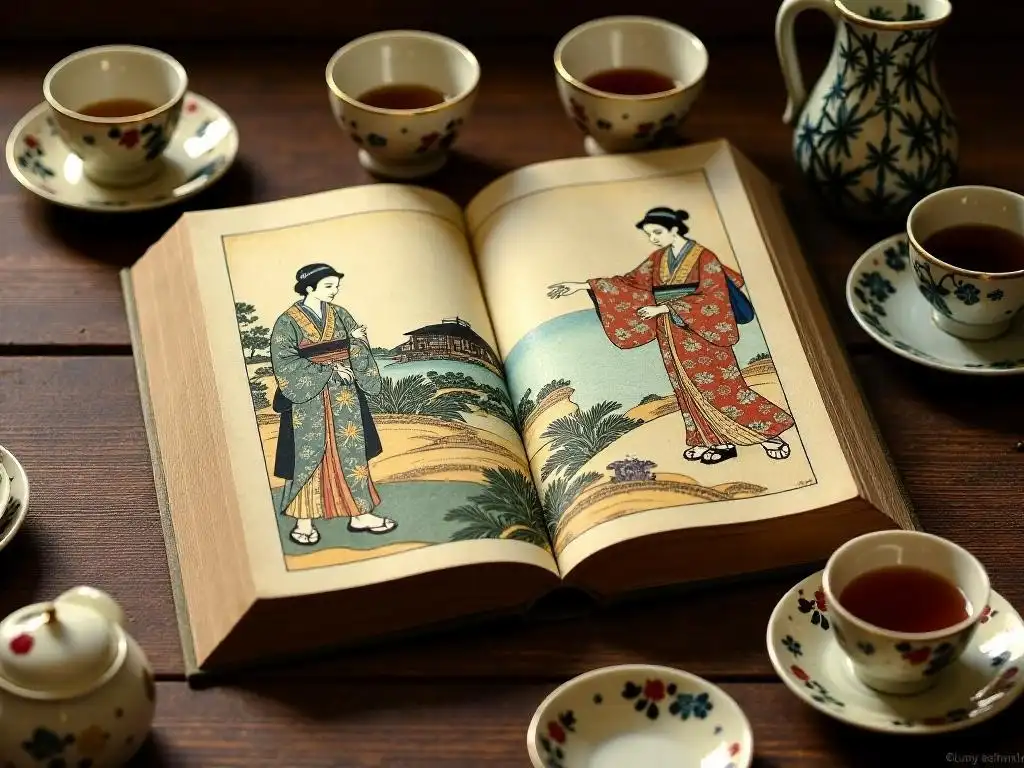
Welcome to Feudal Japan History, where we invite you on a captivating journey through the intricate tapestry of Japan's feudal era. In our featured article, "The Aesthetics of Feudal Japan: Best Art Books to Understand Its Beauty," we delve into the mesmerizing world of art that defined this remarkable period. Discover how these art books not only illuminate the rich cultural heritage of feudal Japan but also provide profound insights into its societal nuances.
Are you ready to unlock the secrets of a bygone era? Join us as we explore the artistic expressions that shaped a nation and continue to inspire generations.
The feudal era of Japan, spanning from the late 12th century to the mid-19th century, is celebrated not only for its complex social hierarchy and militaristic governance but also for its rich and intricate artistic heritage. This period witnessed the emergence of unique artistic expressions, influenced by the samurai class, Buddhist traditions, and the natural beauty of the Japanese landscape.
Understanding the aesthetics of this era is essential for anyone interested in the cultural and historical evolution of Japan. In this article, we will delve into a selection of the best art books that offer profound insights into the beauty of feudal Japan, allowing readers to appreciate the intricate details, themes, and philosophies that shaped this remarkable period.
Introduction to Feudal Japan's Artistic Heritage
Feudal Japan's artistic heritage is a tapestry woven from various influences and traditions. The interplay between nature and humanity is a recurring theme in many artworks from this period, exemplified by:
- Landscape paintings that capture the serene beauty of Japan's mountains, rivers, and flora.
- Calligraphy, which reflects the philosophical and spiritual depth of Japanese culture, often intertwining with poetry and literature.
- Ceramics and textiles, showcasing the craftsmanship and aesthetic sensibilities of the time.
The development of these artistic forms was not isolated; rather, it evolved through the patronage of warlords, the influence of Zen Buddhism, and the flourishing of the merchant class. Each piece of art serves as a window into the values and beliefs of the society that created it, making art books an indispensable resource for anyone looking to grasp the nuances of feudal Japan’s cultural landscape.
The Importance of Art Books on Feudal Japan
Art books on feudal Japan are vital for several reasons:
- Cultural Preservation: They document and preserve the visual history of a pivotal era, ensuring that future generations can appreciate Japan's artistic legacy.
- Educational Value: These books provide context and analysis, helping readers understand the significance of various art forms within their historical and cultural frameworks.
- Inspiration and Appreciation: By showcasing the beauty and intricacy of feudal Japanese art, these publications inspire a deeper appreciation for the aesthetic values that continue to influence contemporary Japanese culture.
In a world increasingly driven by digital media, art books remain a tangible connection to the past, allowing readers to engage with the artistry of feudal Japan in a meaningful way. As we explore the best art books available on this subject, we invite you to uncover the beauty and significance of this extraordinary period in Japanese history.
Key Themes in Feudal Japanese Art
Feudal Japan, spanning from the late 12th century to the late 19th century, was a period marked by remarkable artistic achievements that reflected the complexities of its society, spirituality, and culture. Several key themes can be identified in the art of this era:
- Nature and Seasons: Much of the artwork from feudal Japan is characterized by a deep appreciation for nature. Artists often depicted landscapes, flora, and fauna, drawing inspiration from the changing seasons. This theme not only showcases the beauty of the natural world but also embodies the Japanese philosophical concept of "Mono no Aware," which emphasizes the transient beauty of life.
- Spirituality and Religion: The influence of Buddhism and Shintoism is evident in many art forms, from painting to sculpture. Religious themes often depict deities, sacred sites, and allegorical representations of moral lessons. The intricate designs of Buddhist temples and shrines serve as a testament to the spiritual devotion of the time.
- Warrior Culture: With the rise of the samurai class, themes related to honor, bravery, and the martial spirit became prominent in art. This is particularly evident in armor design, weaponry, and paintings that celebrate significant battles or heroic figures.
- The Everyday Life: Genre paintings that portray scenes of daily life, from market activities to family gatherings, provide a glimpse into the social structures and customs of feudal Japan. These artworks often reflect the aesthetics of the time, emphasizing beauty in the mundane.
- The Floating World (Ukiyo): This theme emerged during the Edo period and is characterized by its focus on the pleasures of urban life, including entertainment, fashion, and the allure of the kabuki theater. Ukiyo-e woodblock prints are particularly notable for capturing this ephemeral lifestyle.
These themes not only highlight the aesthetic values of the time but also provide insight into the societal structures and cultural beliefs of feudal Japan.
Best Art Books on Feudal Japan
To delve deeper into the aesthetics and cultural significance of feudal Japanese art, a selection of exemplary art books can provide invaluable insights. Here are some of the best art books on Feudal Japan that capture the essence of this rich artistic heritage:
1. "The Art of Japanese Architecture" by David Young
In "The Art of Japanese Architecture," David Young explores the unique architectural styles that have defined Japan over centuries. The book covers the evolution of traditional structures, including temples, shrines, and castles, while discussing the influence of natural landscapes on architectural designs. Richly illustrated with photographs and diagrams, it offers readers a comprehensive understanding of the aesthetic principles that guide Japanese architecture and how they reflect the cultural values of feudal society.
2. "Ukiyo-e: The Floating World" by Richard Lane
Richard Lane's "Ukiyo-e: The Floating World" serves as a definitive guide to the Ukiyo-e genre. This book examines the artistry of woodblock prints that depicted the vibrant urban culture of Edo-period Japan. With detailed analyses of notable artists like Hokusai and Hiroshige, Lane highlights how these prints captured fleeting moments of beauty and the lifestyle of the time. The book is filled with stunning reproductions, making it an essential resource for anyone interested in this captivating art form.
3. "Japanese Art: A Cultural History" by Nobuo Tsuji
Nobuo Tsuji’s "Japanese Art: A Cultural History" offers an expansive overview of Japanese art from prehistoric times through the Edo period. Tsuji contextualizes various art forms, including painting, ceramics, and textiles, within the broader cultural and historical framework of Japan. This book is particularly valuable for its exploration of the connections between art and societal changes during the feudal era, providing readers with a deeper appreciation of Japan's artistic heritage.
4. "Samurai: The Last Warrior" by John Man
In "Samurai: The Last Warrior," John Man provides an engaging narrative on the life and culture of the samurai class. While not solely an art book, it includes valuable insights into the aesthetic and cultural expressions of the samurai, such as armor design, sword craftsmanship, and the visual arts associated with their status. The book's combination of historical detail and vivid imagery offers a unique perspective on the warrior ethos that shaped much of Japan’s feudal art.
5. "The World of the Shining Prince: Court Life in Ancient Japan" by Ivan Morris
Ivan Morris’s "The World of the Shining Prince" delves into the refined culture of the Heian court, exploring the aesthetics of literature, art, and daily life during this illustrious period. Through the lens of the classic novel "The Tale of Genji," Morris illustrates the elegance and sophistication of court life, including the arts that flourished in this context. This book is essential for understanding the cultural foundations that influenced later developments in feudal Japanese art.
Comparative Analysis of Art Books on Feudal Japan
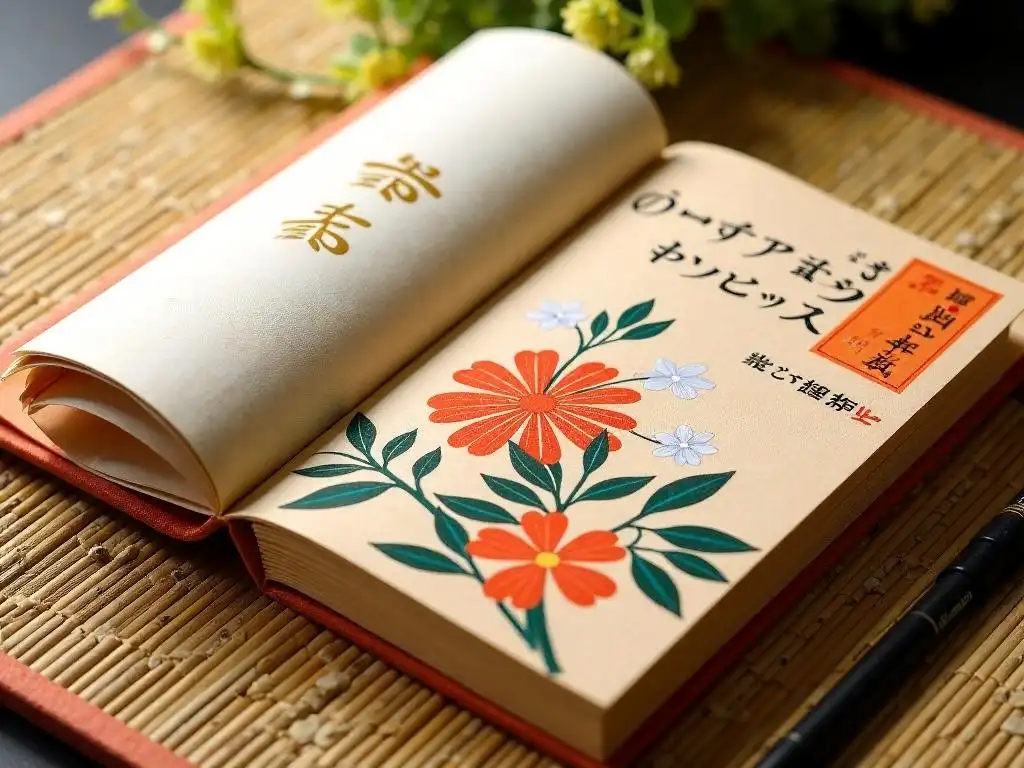
When exploring the rich tapestry of feudal Japanese art, a comparative analysis of various art books reveals distinct perspectives, themes, and methodologies that can enhance our understanding of this complex period. Here are some notable art books that stand out:
- "The World of the Shining Prince: Court Life in Ancient Japan" by Ivan Morris
- This book delves into the Heian period, focusing on the aesthetics of court life. It richly illustrates how art was intertwined with the social and cultural fabric of the time, providing a nuanced view of feudal Japan's elite.
- "Japanese Art: A Cultural History" by John Reeve
- Reeve's work provides a comprehensive overview of art from ancient to modern Japan, with notable emphasis on the feudal era. The book examines the evolution of artistic styles and their socio-political contexts, making it a valuable resource for understanding the broader historical narrative.
- "Art and Culture in Japan" by Robert T. Singer
- This book is particularly useful for those interested in the cultural influences that shaped feudal art. Singer analyzes various art forms, including ceramics, textiles, and painting, highlighting the interplay between art and daily life in feudal Japan.
- "The Flowering of Edo Period Art" by Timothy Clark
- Focusing on the Edo period, this book showcases how art flourished during times of peace. With detailed illustrations and analyses, it captures the vibrancy of ukiyo-e and other art forms, illustrating their significance in Japanese culture.
Through this comparative analysis, readers can appreciate how different authors approach the subject of feudal Japanese art, providing varied insights that contribute to a holistic understanding of the era’s aesthetic values.
How to Use Art Books to Deepen Your Understanding of Feudal Japan
Art books are invaluable tools for anyone looking to deepen their understanding of feudal Japan. Here are several strategies for effectively utilizing these resources:
- Contextual Reading: Start by reading the historical context provided in art books. Understanding the socio-political and cultural background will enhance your appreciation of the artworks and their significance.
- Visual Analysis: Pay close attention to the illustrations. Analyze the techniques, colors, and themes used by artists. Consider how these elements reflect the values and beliefs of feudal society.
- Cross-Referencing: Use multiple art books to compare interpretations of similar themes or artworks. This can reveal divergent perspectives and foster a more nuanced understanding of feudal aesthetics.
- Discussion and Engagement: Join forums or study groups focused on Japanese art. Engaging with others can provide new insights and encourage deeper reflection on the material studied.
- Practical Application: Consider applying what you’ve learned by creating your own art inspired by feudal Japanese techniques. This hands-on approach can solidify your understanding and appreciation of the era's artistry.
By employing these strategies, readers can transform their exploration of art books into a rich, educational experience that reveals the multifaceted beauty of feudal Japan.
Conclusion: The Lasting Impact of Feudal Japanese Art
The art of feudal Japan has left an indelible mark on both the nation's cultural identity and the global art landscape. From the elegant simplicity of Zen gardens to the intricate designs of kimono fabric, the aesthetic principles established during this era continue to resonate today.
Feudal Japanese art is characterized by a unique blend of spirituality, nature, and human emotion. Its enduring themes of harmony and balance have influenced not only Japanese artists but also those around the world. The meticulous craftsmanship and philosophical underpinnings found in this art form offer timeless lessons in beauty and intentionality.
Moreover, contemporary artists and designers often draw inspiration from feudal aesthetics, reinterpreting traditional motifs in modern contexts. This cross-pollination of ideas highlights the relevance of feudal Japanese art in today’s creative expressions.
Understanding the aesthetics of feudal Japan through art books enriches our appreciation of this historical period. The beauty and depth of feudal art continue to inspire and inform, ensuring its place in the annals of art history as a source of cultural pride and artistic innovation.
Additional Resources for Art and Culture Enthusiasts
For those keen to deepen their understanding of the aesthetics of Feudal Japan, there are various additional resources beyond the core art books. These resources offer a wider perspective on the cultural, historical, and artistic elements that shaped Japan during this fascinating era.
Online Courses and Lectures
Many institutions and platforms offer online courses focusing on Japanese art and culture. Websites like Coursera and edX feature courses from universities that explore everything from traditional painting techniques to the philosophy behind Japanese aesthetics. These courses often include video lectures, reading materials, and discussion forums that enhance the learning experience.
Documentaries and Film
Documentaries can provide a vivid portrayal of Feudal Japan’s art and culture. Titles such as "The Art of Japanese Printmaking" and "The Samurai: A History" offer insights into the lives of artists and the evolution of artistic styles during this period. These films often feature interviews with experts and showcase high-quality visuals of artwork, making them an engaging resource for learners.
Museums and Virtual Exhibitions
Many museums around the world have extensive collections of Japanese art. Institutions such as The Metropolitan Museum of Art in New York and The British Museum in London frequently host exhibitions on Japanese culture, sometimes featuring virtual tours that allow you to explore their collections from the comfort of your home. These exhibitions often include detailed descriptions and contextual information that can greatly enhance your understanding.
Art Blogs and Journals
Blogs focused on Asian art, such as "The Art of Japan" or "Japanese Art & Culture", provide articles, reviews, and discussions on various aspects of Feudal Japan’s artistic expressions. Academic journals like "Japanese Studies" or "The Journal of Asian Studies" often publish scholarly articles that delve into specific topics related to art and culture, offering a more rigorous analysis for those interested in academic perspectives.
Social Media and Online Communities
Platforms like Instagram and Pinterest can also serve as valuable resources. Many artists and historians share their insights and findings related to Japanese art, showcasing both historical pieces and contemporary works inspired by Feudal Japan. Joining groups on Facebook or subreddit communities focused on Japanese culture can also facilitate discussions and exchanges of knowledge among enthusiasts.
Incorporating these resources into your exploration of Feudal Japan's art can provide a more rounded understanding of its beauty and complexity, enriching your appreciation of the era's cultural legacy.
- Introduction to Feudal Japan's Artistic Heritage
- The Importance of Art Books on Feudal Japan
- Key Themes in Feudal Japanese Art
- Best Art Books on Feudal Japan
- Comparative Analysis of Art Books on Feudal Japan
- How to Use Art Books to Deepen Your Understanding of Feudal Japan
- Conclusion: The Lasting Impact of Feudal Japanese Art
- Additional Resources for Art and Culture Enthusiasts
Frequently Asked Questions
What are some recommended art books on Feudal Japan?
Several notable titles include "The Art of Japanese Printmaking" and "Feudal Japan: Art and Culture". These books provide insights into the aesthetic principles and cultural significance of the era.
How does art reflect the societal values of Feudal Japan?
Art during this period often emphasized harmony with nature, spirituality, and the samurai ethos. These themes are prevalent in various art forms such as painting, ceramics, and textiles.
What role did religion play in the art of Feudal Japan?
Buddhism and Shinto significantly influenced artistic expression, leading to the creation of works that conveyed spiritual narratives and reflected the natural world.
Why is studying Feudal Japan's art important?
Understanding Feudal Japan's art allows us to grasp the cultural heritage and historical context of the period, shedding light on the social structures and philosophies that shaped Japanese society.
Where can I find more information about Feudal Japan's aesthetics?
For in-depth exploration, consider visiting specialized libraries or online platforms that offer academic articles and art catalogs focused on Feudal Japan's artistic legacy.
Final Reflection: Embracing the Timeless Beauty of Feudal Japan
The aesthetics of Feudal Japan resonate deeply in our contemporary world, reminding us that art is not merely a reflection of its time but a bridge connecting cultures and eras. The intricate beauty found in the art of this period invites us to explore the profound narratives and philosophies that shaped its creation, encouraging us to appreciate the delicate balance between nature and humanity. In a world increasingly driven by technology and fast-paced living, the serene elegance of Feudal Japan offers a much-needed respite and a source of inspiration.
The influence of Feudal Japanese art continues to permeate our cultural landscape, shaping not only artistic expression but also our understanding of harmony and simplicity. As we engage with these art books, we uncover layers of meaning that speak to the human experience, transcending time and geography. Art is the most beautiful of all lies.
This quote encapsulates the essence of how art can evoke emotions and provoke thought, allowing us to connect with the past while reflecting on our present.
As you close this exploration of the aesthetics of Feudal Japan, I invite you to reflect on how these artistic principles can enrich your own life. Consider how the themes of balance, nature, and simplicity can be woven into your daily existence. Let the beauty of Feudal Japan inspire you to seek harmony in your surroundings, to appreciate the artistry in the mundane, and to cultivate a deeper connection with the world around you. Embrace the lessons of the past, and allow them to guide you toward a more thoughtful and aesthetically aware future.
Unveil the Beauty of Feudal Japan Today!
Thank you for diving into the rich aesthetics of Feudal Japan with us! You've explored some exceptional art books that illuminate this unique era, and now it’s time to take the next steps toward embracing its beauty even further.
Here are a few actions you can take right now:
- Dive Deeper: Select one of the featured art books and embark on an immersive reading journey!
- Explore Online: Visit a virtual gallery showcasing Feudal Japanese art and appreciate these stunning works from a fresh perspective.
- Share Your Insights: Engage in discussions about your favorite discoveries with friends or on our community forum, fostering a space for enriching dialogue.
What aspect of Feudal Japan's art resonates most with you, and how will you delve into it further?