
Historical Fiction That Brings Feudal Japan to Life: Top Recommendations

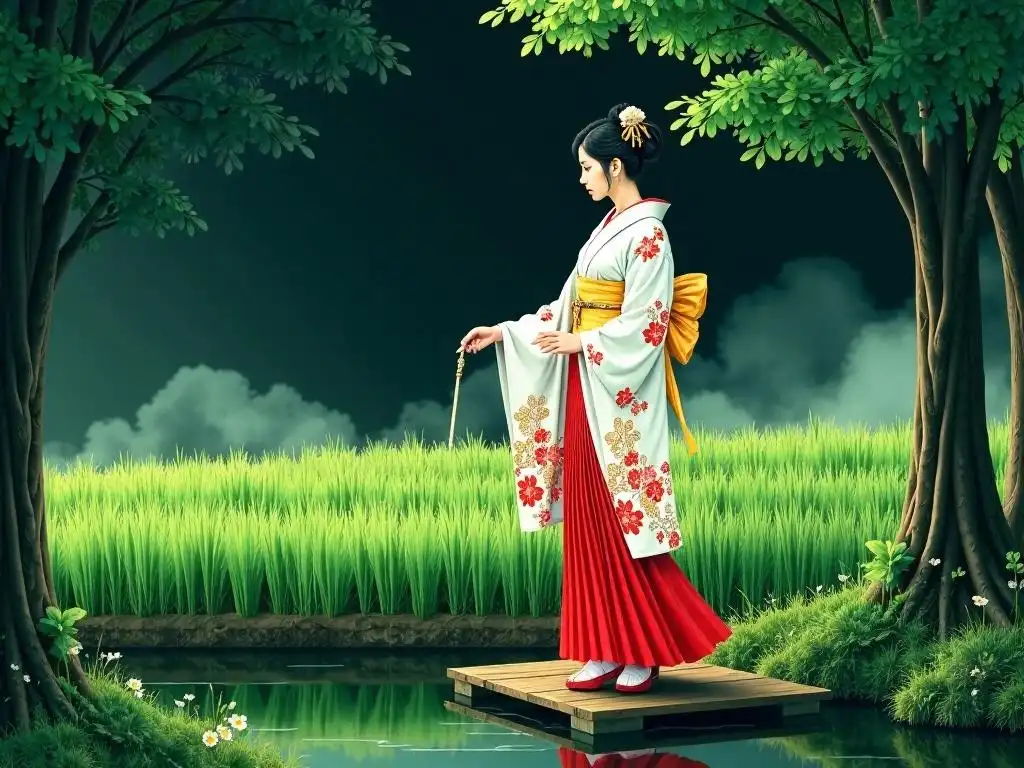
Welcome to Feudal Japan History, where we embark on a captivating journey through the rich tapestry of Japan’s feudal era. Here, history intertwines with storytelling, inviting you to explore the best historical fiction feudal Japan has to offer. Our latest article, "Historical Fiction That Brings Feudal Japan to Life: Top Recommendations," unveils a selection of compelling narratives that not only entertain but also immerse you in the cultural and societal intricacies of this fascinating period.
Curious about which novels can transport you back in time? Dive in and discover the stories that breathe life into the past, compelling you to read on!
- Introduction to Historical Fiction in Feudal Japan
- Best Historical Fiction Feudal Japan: Overview of Key Themes
- Top Recommendations for Best Historical Fiction Feudal Japan
- Comparative Analysis of the Best Historical Fiction Feudal Japan
- Conclusion: Why Historical Fiction Matters for Understanding Feudal Japan
- Additional Resources for Exploring Feudal Japan
-
Frequently Asked Questions
- What is the focus of the article on historical fiction related to feudal Japan?
- Why is historical fiction about feudal Japan significant?
- Can you recommend any specific books mentioned in the article?
- Who are the authors of the recommended historical fiction books?
- How can I find more information about feudal Japan?
- Final Reflection: Embracing the Rich Tapestry of Feudal Japan
- Dive Into the Rich Tapestry of Feudal Japan!
Introduction to Historical Fiction in Feudal Japan
Historical fiction set in feudal Japan offers readers a captivating window into a complex era defined by samurai codes, intricate political intrigue, and rich cultural traditions. This genre not only entertains but also educates, allowing modern audiences to immerse themselves in the lives, struggles, and triumphs of those who lived during a time when honor was paramount, and societal structures were deeply rooted in tradition.
By exploring tales of warriors, peasants, and nobility, these narratives bring to life the vibrant tapestry of feudal Japan, making it an enduring subject of fascination for literature enthusiasts. In this article, we will delve into the best historical fiction that captures the essence of this unique period, highlighting recommendations that resonate with both history buffs and casual readers alike.
Understanding the Appeal of Historical Fiction
The allure of historical fiction lies in its ability to transport readers to different times and places, allowing them to experience events through the eyes of characters who inhabit those worlds. In the context of feudal Japan, several factors contribute to the genre's appeal:
- Rich Cultural Heritage: Japan's feudal era is characterized by its unique customs, art, and philosophy, which can be vividly portrayed through storytelling.
- Complex Characters: The interplay of duty, honor, and personal desire creates dynamic characters whose journeys reflect the broader societal values of their time.
- Dramatic Conflicts: The historical backdrop of power struggles, clan wars, and personal vendettas provides ample material for thrilling narratives.
Readers are drawn to stories that not only entertain but also provide insights into the values and challenges faced by individuals in feudal society. This blend of fact and fiction invites a deeper understanding of the historical context, making it an invaluable tool for learning.
The Importance of Accurate Representation in Feudal Japan Literature
While creativity and narrative flair are essential in historical fiction, the accuracy of cultural and historical representation is crucial. Authentic portrayals of feudal Japan help to:
- Preserve Historical Truth: Accurate representations ensure that the complexities of the era are captured, preventing oversimplification or misrepresentation of events and characters.
- Educate Readers: Well-researched works can enlighten readers about the social hierarchies, political structures, and cultural practices of feudal Japan, fostering a greater appreciation for its history.
- Inspire Further Exploration: Readers intrigued by the authenticity of the stories may seek out more information about the historical events and figures depicted, promoting a lifelong interest in Japanese history.
As we explore our top recommendations for the best historical fiction set in feudal Japan, it is essential to highlight works that not only engage the imagination but also respect and reflect the rich heritage of this fascinating era.
Best Historical Fiction Feudal Japan: Overview of Key Themes
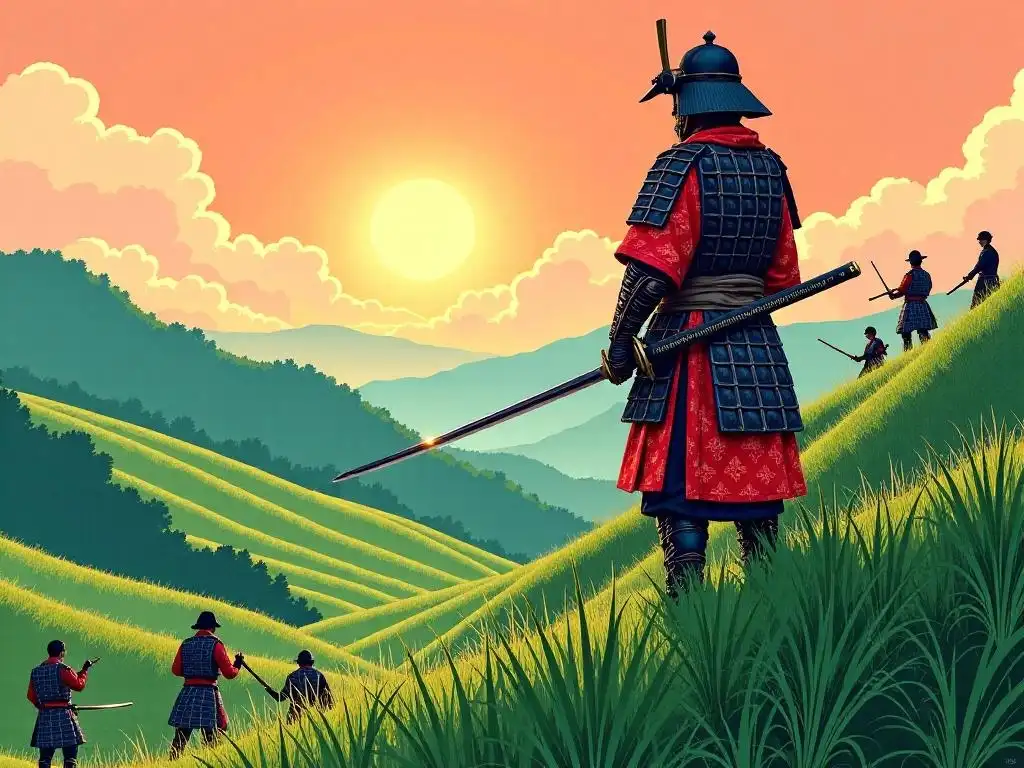
Historical fiction set in feudal Japan offers a unique lens through which readers can explore the intricate tapestry of Japanese culture, society, and history. The best historical fiction feudal Japan not only captivates the imagination but also immerses readers in the values, struggles, and complexities of a bygone era. These narratives often interweave real historical figures and events with fictional elements, creating a rich backdrop for storytelling.
Cultural Insights into Feudal Japan Through Fiction
The portrayal of cultural practices in literature is a vital aspect of understanding feudal Japan. Authors often delve into aspects such as samurai ethics, Zen Buddhism, and the role of women in society. Through vivid storytelling, readers gain insights into:
- Samurai Code (Bushido): Many novels explore the principles of honor, loyalty, and personal sacrifice that defined samurai culture. For instance, works like "Musashi" by Eiji Yoshikawa provide a deep dive into the life of a legendary swordsman, highlighting the philosophical underpinnings of the samurai way.
- Rituals and Festivals: Festivals such as the Gion Matsuri or rituals surrounding the tea ceremony are often depicted, showcasing the importance of seasonal celebrations and spiritual practices in everyday life. These elements serve to illustrate the communal and spiritual aspects of Japanese culture.
- Women’s Roles: Fictional accounts frequently highlight the lives of women during the feudal period, ranging from the noble class to commoners. Books like "The Tale of Genji" (though originally written in the Heian period) have inspired modern retellings that focus on the complexities of women's lives and their influence in a patriarchal society.
Through these cultural insights, readers not only gain knowledge of historical customs but also experience the emotional resonance of characters navigating the challenges of their time.
Major Historical Events Depicted in Fictional Works
Historical fiction serves as a powerful medium for exploring major events that shaped feudal Japan. The best historical fiction feudal Japan often centers around significant battles, political intrigue, and pivotal social changes. Here are some key events frequently depicted:
- The Genpei War (1180-1185): This conflict between the Taira and Minamoto clans is a popular subject in historical novels. Books like "The Tale of the Heike" recount the struggles and the ensuing shift in power that led to the establishment of the Kamakura shogunate.
- The Onin War (1467-1477): Often illustrated in novels set in the late Muromachi period, this civil war marked the beginning of the Warring States period (Sengoku) and showcases the chaos and fragmentation of power. Authors use this backdrop to depict the rise of warlords and the societal upheaval that followed.
- The Arrival of Europeans (1543): The introduction of Portuguese traders and missionaries in Japan has inspired narratives that explore the cultural exchange, conflict, and the eventual isolationist policies of the Tokugawa shogunate. Books like "Silence" by Shusaku Endo explore the tensions between faith and cultural identity during this transformative period.
These events not only provide historical context but also serve as a foundation for character development and thematic exploration in the realm of historical fiction. By immersing readers in these significant moments, authors illuminate the struggles, triumphs, and transformations that characterized feudal Japan.
Top Recommendations for Best Historical Fiction Feudal Japan

1. "Shōgun" by James Clavell
Overview of the Plot and Historical Context
"Shōgun," published in 1975, is a monumental work that intertwines the life of an English navigator, John Blackthorne, with the intricate political landscape of early 17th-century Japan. The novel is set during the time of the Tokugawa shogunate and provides a vivid depiction of the clash between European and Japanese cultures.
The narrative begins with Blackthorne's shipwreck on the shores of Japan, where he becomes embroiled in the power struggles among samurai and daimyōs. The historical context is crucial, as it portrays Japan's isolationist policies and the influence of European traders at the time. Clavell meticulously researched this era, incorporating real historical figures such as Tokugawa Ieyasu, the first shōgun of the Tokugawa shogunate.
Key Themes and Cultural Representation
"Shōgun" explores several themes, including:
- Cultural Clash: The stark differences between Western and Japanese ideologies are explored through Blackthorne's observations and interactions.
- Honor and Loyalty: The samurai code, known as Bushido, is prominently featured, emphasizing honor, loyalty, and the often brutal consequences of betrayal.
- Political Intrigue: The complexities of feudal politics are illustrated through the alliances and rivalries among the ruling class.
The cultural representation is rich, with detailed descriptions of Japanese customs, language, and the hierarchical structure of society, offering readers an immersive experience of feudal Japan.
Why It’s a Must-Read for Feudal Japan Enthusiasts
"Shōgun" is not only a gripping narrative but also serves as an educational resource for those interested in feudal Japan. Clavell's ability to weave history with fiction creates a captivating tale that appeals to both history buffs and general readers. Its impact on popular culture is significant, having inspired adaptations in television and film, further solidifying its place as a cornerstone of historical fiction set in Japan.
2. "Musashi" by Eiji Yoshikawa
Synopsis and Historical Significance
"Musashi," published in 1935, is a historical novel that chronicles the life of Miyamoto Musashi, one of Japan's most legendary swordsmen. The story follows Musashi's journey from a brash and reckless young man to a revered master of the sword, exploring his philosophical and martial evolution.
Set during the early 17th century, the novel highlights the tumultuous period following the Battle of Sekigahara, which set the stage for the Tokugawa shogunate. Yoshikawa's portrayal of Musashi's life is steeped in historical significance, as it reflects the shifting dynamics of power and the cultural landscape of feudal Japan.
Character Development and Cultural Depth
The character development in "Musashi" is profound, depicting Musashi's internal struggles, rivalries, and relationships. Key characters include:
- Miyamoto Musashi: A complex protagonist whose evolution embodies the ideals of the samurai.
- Kojiro Sasaki: Musashi's rival, representing the contrasting philosophies of combat and honor.
- Otsu: A love interest who adds emotional depth and illustrates the role of women in feudal society.
Yoshikawa delves into the cultural depth of samurai life, highlighting the importance of training, spirituality, and the pursuit of perfection. The novel’s exploration of Zen philosophy and the concept of "kata" (forms) enriches the reader's understanding of martial arts in Japan.
Insights into Samurai Life and Philosophy
"Musashi" provides readers with valuable insights into the samurai way of life, emphasizing the values of discipline, perseverance, and self-discovery. The philosophical underpinnings of Musashi's journey resonate with themes of personal growth and the quest for mastery, making it a compelling read for anyone interested in the spiritual and cultural aspects of feudal Japan.
The book's blend of action, introspection, and historical detail establishes it as a seminal work in the genre of historical fiction, often regarded as one of the best representations of samurai culture in literature.
3. "The Tale of the Heike" (translated version)
Historical Background and Narrative Style
"The Tale of the Heike" is an epic account that chronicles the rise and fall of the Taira clan during the late Heian period (794-1185) and the subsequent Genpei War against the Minamoto clan. This historical narrative is steeped in the events that shaped feudal Japan, reflecting the socio-political dynamics of the time. The tale is believed to have been composed in the early 13th century, drawing from oral traditions and earlier texts, showcasing the interplay of history and literature.
The narrative style is characterized by its poetic form, blending prose and verse, which enhances its lyrical quality. The use of monogatari (tales) format allows for a rich exploration of character emotions and motivations, capturing the essence of a turbulent era. The text is not just a historical recounting; it also serves as a poignant reflection on the impermanence of life, a central theme in Japanese aesthetics.
Major Characters and Events in Feudal Japan
Central to "The Tale of the Heike" are several prominent figures such as Taira no Kiyomori, the ambitious leader of the Taira clan, and Minamoto no Yoshinaka, a key adversary representing the Minamoto clan. The narrative details their personal struggles, military strategies, and the ultimate tragedy of their rivalry.
Significant events include the Battle of Dan-no-ura, where the Taira clan faced a devastating defeat, leading to their decline. The tale also introduces legendary moments, such as the death of Taira no Tomomori, who famously tied stones to himself and jumped into the sea, symbolizing the despair of the defeated. Such characters and events not only illustrate the historical context but also embody the values and conflicts of feudal Japan.
Cultural Impact and Legacy of the Tale
"The Tale of the Heike" remains a cornerstone of Japanese literature and has profoundly influenced various cultural expressions, including Noh theatre, Kabuki, and literature. Its themes of honor, loyalty, and the transience of life resonate deeply within Japanese culture, making it a timeless work that continues to be studied and appreciated.
The legacy of the tale extends beyond literature, as it informs modern interpretations of Japanese identity and history. Adaptations in various forms, including films and novels, highlight its enduring relevance and the universal themes that transcend time, ensuring its place in the canon of global historical fiction.
4. "The Samurai's Garden" by Gail Tsukiyama

Overview of the Story and Its Setting
"The Samurai's Garden" is a beautifully woven narrative set against the backdrop of Japan during the early years of World War II. The story follows a young Chinese man named Stephen who is sent to his family's seaside home in Japan to recover from tuberculosis. There, he encounters a small community of individuals who are each grappling with their own struggles amid the tumultuous historical context.
The setting plays a crucial role in the narrative, with the tranquil gardens, the coastal landscape, and the looming mountains symbolizing both healing and the harsh realities of war. The contrast between the serene environment and the chaos of the outside world underscores the personal journeys of the characters.
Themes of War and Peace in Feudal Japan
At its core, "The Samurai's Garden" delves into the complexities of war and peace, exploring how conflict shapes human relationships and personal growth. The historical tensions between Japan and China serve as a backdrop for Stephen's interactions with the locals, particularly with Matsu, a gardener and former samurai.
The narrative highlights the quiet acts of bravery and kindness amidst the turmoil, portraying a nuanced view of the effects of war on individuals and communities. Through Stephen's eyes, readers witness the stark realities of war juxtaposed with moments of peace, reflection, and connection, emphasizing the resilience of the human spirit in the face of adversity.
The Role of Nature and Healing in Japanese Culture
Nature plays a pivotal role in "The Samurai's Garden," serving as both a physical and emotional refuge for the characters. The meticulously crafted gardens symbolize healing and tranquility, reflecting the traditional Japanese belief in the restorative power of nature. The act of tending to the gardens parallels the characters' emotional journeys, illustrating how nature can aid in recovery and self-discovery.
The novel also delves into the significance of Zen principles, such as mindfulness and balance, which are deeply embedded in Japanese culture. Through the characters' interactions with nature, readers gain insight into the profound connection between the natural world and personal well-being, highlighting the importance of harmony and peace in Japanese cultural philosophy.
5. "Cloud of Sparrows" by Takashi Matsuoka
Summary of the Plot and Historical Context
"Cloud of Sparrows," authored by Takashi Matsuoka, is a compelling narrative set against the backdrop of 19th-century Japan during the tumultuous period of Western influence and internal strife. The story unfolds around the conflict between traditional Japanese values and the encroaching changes brought by foreign powers. The protagonist, Lord Kiyoshi, is the last samurai of a noble family who is determined to protect his ancestral lands and uphold his heritage.
The plot intricately weaves together the lives of various characters, including a beautiful Christian missionary and her interactions with feudal lords. The historical context is rich with details about the societal changes Japan experienced during this era, including the clash between samurai culture and the burgeoning influence of Western ideologies. The novel poignantly captures the struggles of a society at a crossroads, making it a significant representation of the feudal era's complexities.
Exploration of Spirituality and Conflict
Matsuoka delves deep into the spiritual dimensions of his characters, showcasing how their beliefs shape their identities and decisions. The narrative explores Shintoism and Buddhism, reflecting on how spirituality serves as both a guiding force and a source of conflict. Lord Kiyoshi grapples with his duty to his family and his own spiritual beliefs, illustrating the internal struggles faced by many during a time of upheaval.
The conflict within the story is not limited to physical battles; it also encompasses moral dilemmas and the clash of cultures. As characters face external threats from foreign powers and internal pressures to adapt, their spiritual journeys intertwine with the broader societal shifts. Matsuoka effectively highlights how spirituality can provide solace and strength in the face of adversity, making it a fundamental aspect of the narrative.
Unique Elements of Feudal Japan Highlighted in the Story
"Cloud of Sparrows" shines a light on several unique elements of feudal Japan, offering readers an immersive experience into the era's culture and customs. Matsuoka meticulously portrays the intricate rituals of the samurai, including bushido—the way of the warrior—which dictates honor, loyalty, and martial prowess. These elements are woven into the fabric of the characters' lives, influencing their actions and decisions.
Additionally, the novel showcases the significance of family lineage and loyalty in samurai culture. The relationships between characters often reflect the rigid social hierarchies and the expectations that come with noble birth. The author also emphasizes traditional Japanese aesthetics, such as the beauty of cherry blossoms and the art of tea ceremonies, which serve as metaphors for the fleeting nature of life and the importance of appreciating beauty amidst chaos.
Through these unique elements, Matsuoka not only tells a captivating story but also educates readers about the rich tapestry of feudal Japan, making "Cloud of Sparrows" a noteworthy addition to the genre of historical fiction focused on this fascinating period.
Comparative Analysis of the Best Historical Fiction Feudal Japan

Comparing Themes and Historical Accuracy
Historical fiction set in feudal Japan often grapples with the intricate balance between narrative engagement and historical authenticity. Each author approaches this challenge differently, leading to a rich tapestry of interpretations that reflect varying aspects of Japanese history and culture.
- Common Themes:
- Honor and Betrayal: Many novels delve into the samurai code of bushido, exploring themes of loyalty, honor, and the consequences of betrayal.
- Social Hierarchies: The rigid class structures of feudal Japan are a recurring theme, showcasing the lives of samurai, peasants, and merchants.
- Spiritual and Supernatural Elements: The influence of Shinto and Buddhism often permeates narratives, incorporating folklore and the supernatural into the storyline.
How Each Book Represents Feudal Japan Differently
- "Shōgun" by James Clavell
- This epic novel offers a Western perspective on feudal Japan, emphasizing cultural clashes and the complexities of samurai life.
- Historical Accuracy: While Clavell captures the essence of the era, some critics argue that the portrayal of Japanese customs may be overly dramatized for Western audiences.
- "Musashi" by Eiji Yoshikawa
- A retelling of the life of Miyamoto Musashi, this novel intertwines historical events and legendary tales, focusing on the quest for mastery in martial arts.
- Historical Accuracy: Yoshikawa's narrative is deeply rooted in historical fact, although it embellishes personal relationships and philosophical elements.
- "The Tale of the Heike" (translated by various authors)
- This classic work presents the epic tales of the Heike clan's rise and fall, steeped in historical events from the Genpei War.
- Historical Accuracy: As a historical text, it provides direct insight into the era, though it is interspersed with poetic elements and dramatizations.
- "The Samurai's Garden" by Gail Tsukiyama
- Set against the backdrop of World War II, this story reflects on the remnants of feudal Japan through personal relationships and cultural introspection.
- Historical Accuracy: While it spans a different time period, it resonates with themes from feudal Japan, particularly in its exploration of honor and societal roles.
Reader Recommendations Based on Interests
When choosing the best historical fiction on feudal Japan, readers should consider their personal interests—be it action, cultural exploration, or deep historical context.
- For Action and Adventure:
- "Shōgun" is ideal for readers seeking a thrilling narrative filled with political intrigue and samurai battles.
- For Deep Historical Context:
- "Musashi" offers a rich exploration of samurai philosophy and historical events, perfect for those interested in martial arts and historical figures.
- For Cultural Exploration:
- "The Samurai's Garden" is recommended for readers who want a more introspective look at Japanese culture and societal norms during turbulent times.
Which Book to Read Based on Historical Focus or Cultural Elements
- Historical Focus:
- If your primary interest lies in significant historical events, consider "The Tale of the Heike" for its direct engagement with pivotal moments in feudal history.
- Cultural Elements:
- For a deep dive into cultural practices and philosophies, "Musashi" and "The Samurai's Garden" are both excellent choices, each providing a unique lens through which to view the cultural landscape of feudal Japan.
This comparative analysis not only highlights the strengths and unique contributions of each book but also aids readers in selecting a title that aligns with their specific interests in the rich historical and cultural backdrop of feudal Japan.
Conclusion: Why Historical Fiction Matters for Understanding Feudal Japan

Historical fiction serves as a powerful tool for understanding the complexities of feudal Japan, allowing readers to immerse themselves in a time and culture that shaped modern Japan. Through the lens of storytelling, authors weave rich narratives that bring historical events, social customs, and cultural nuances to life. This genre not only entertains but also educates, offering insight into the values, struggles, and aspirations of people living in a very different time.
The Role of Literature in Preserving History
Historical fiction plays a vital role in preserving and interpreting history. By blending factual events with imaginative storytelling, authors can convey the essence of an era that might otherwise be lost to time. Here are some key aspects of how literature preserves history:
- Cultural Representation: Historical fiction highlights the cultural practices, beliefs, and social structures of feudal Japan. For instance, the depiction of samurai honor, bushido, and the influence of Zen Buddhism in daily life provides readers with a deeper understanding of the Japanese psyche during this period.
- Character-Driven Narratives: Through well-developed characters, authors create relatable figures that resonate with readers. These characters often face moral dilemmas and societal pressures that mirror the complexities of feudal Japan, allowing audiences to connect emotionally with historical realities.
- Historical Contextualization: Novels often provide context for significant historical events, such as the rise and fall of clans, the impact of foreign trade, or the intricate relationships between lords and vassals. These narratives help readers grasp the significance of these events in shaping Japan's history.
- Sensory Experiences: Authors use vivid descriptions to evoke the sights, sounds, and smells of feudal Japan. This sensory engagement allows readers to visualize the landscapes, clothing, and customs of the time, making history feel more tangible and immediate.
By presenting history in a narrative format, historical fiction not only educates but also inspires curiosity about the past, prompting readers to seek further knowledge about feudal Japan.
Encouragement to Explore Further Reading on Feudal Japan
As you delve deeper into the world of feudal Japan through historical fiction, consider exploring a variety of titles to gain a well-rounded perspective. Here are some suggestions for further reading:
- Diverse Genres: Explore different subgenres within historical fiction, such as romance, adventure, and mystery, all set against the backdrop of feudal Japan.
- Author Recommendations: Seek out works by renowned authors who specialize in Japanese historical fiction, such as Eiji Yoshikawa and Yasushi Inoue, whose narratives often reflect rich historical details.
- Historical Context: Look for novels that are accompanied by historical notes or appendices, providing additional context and information about the era portrayed.
- Cultural Exploration: Consider reading non-fiction works alongside historical fiction to gain a comprehensive understanding of the historical events and cultural practices depicted in the novels.
- Join a Book Club: Engage with fellow readers in discussions about your favorite historical fiction titles on feudal Japan to enrich your understanding and appreciation of the genre.
By immersing yourself in these narratives, you will not only enjoy captivating stories but also cultivate a deeper understanding of the fascinating tapestry that is Japan's feudal history. Happy reading!
Additional Resources for Exploring Feudal Japan
Recommended Websites and Online Courses
To deepen your understanding of feudal Japan beyond the captivating narratives found in historical fiction, a variety of online resources and courses are available. These platforms offer insights into the historical, cultural, and societal aspects of this fascinating era.
- Websites:
- The Japan Society: A rich repository of information on Japanese history, culture, and arts, including resources specifically focused on the feudal period.
- Japan National Tourism Organization: Offers historical context and insights into various locales significant during the feudal era, making it a great starting point for learning about key locations.
- The Samurai Archives: This site is dedicated to the history of the samurai and the military aspects of feudal Japan, featuring articles, forums, and resources for enthusiasts.
- Online Courses:
- Coursera’s “Japan: From the Age of the Samurai to the Modern Era”: This course provides an overview of significant historical developments, including the feudal era, and is offered by a leading university.
- edX’s “Japanese History: The Age of the Samurai”: An accessible course that examines the social, political, and cultural changes during the samurai period, making connections to literature and art.
- The Great Courses: Offers a lecture series on Japanese history, with sessions specifically dedicated to the feudal period and its impact on modern Japan.
These resources will not only enhance your understanding of the best historical fiction set in feudal Japan but will also provide a more comprehensive view of the era’s historical context.
Upcoming Events and Book Clubs Focused on Feudal Japan Literature
Engaging with others who share an interest in feudal Japan literature can enrich your reading experience. Here are some upcoming events and book clubs that focus on this intriguing subject:
- Book Clubs:
- Feudal Japan Literature Club: This online club meets monthly to discuss selected historical fiction titles. Upcoming reads include "Shogun" by James Clavell and "The Tale of the Heike" translated by Helen Craig McCullough.
- Historical Fiction Society: This club often features themes centered around various historical periods, with upcoming discussions on works set in feudal Japan. Check their website for specific meeting dates and titles.
- Events:
- Feudal Japan Literature Festival: Scheduled for [specific date pending], this virtual festival will feature authors, historians, and scholars discussing their works related to feudal Japan. Activities will include panel discussions, book signings, and Q&A sessions.
- Local Libraries and Community Centers: Many libraries host events focused on historical literature. Check with your local library for upcoming events related to feudal Japan or historical fiction.
Participating in these clubs and events will enhance your knowledge and appreciation of feudal Japan, while also allowing you to connect with fellow literature enthusiasts who share your passion for this unique historical period.
Frequently Asked Questions
The article provides top recommendations for historical fiction books that vividly depict the feudal era of Japan, highlighting their cultural and societal aspects.
Why is historical fiction about feudal Japan significant?
Historical fiction about feudal Japan offers insights into the complex social structures, traditions, and conflicts of the time, making it a valuable resource for understanding Japan's history.
Can you recommend any specific books mentioned in the article?
Yes, the article lists several titles that are considered the best historical fiction set in feudal Japan, capturing the essence of the era through engaging narratives.
The authors featured in the article are known for their expertise in writing about Japanese history, blending historical accuracy with compelling storytelling.
How can I find more information about feudal Japan?
For more information, the article suggests exploring expert-driven resources and in-depth articles that cover various aspects of Japan's feudal era.
Final Reflection: Embracing the Rich Tapestry of Feudal Japan
The allure of historical fiction lies in its ability to transport us to different eras, and the stories set in feudal Japan are no exception. These narratives not only captivate our imagination but also provide profound insights into a complex society that shaped the cultural landscape of Japan. As we explore the best historical fiction set in this period, we uncover the threads of honor, conflict, and resilience that define the human experience, reminding us that history is not merely a collection of dates and events, but a vibrant tapestry of lives lived and lessons learned.
Creating a bridge between the past and present, the stories of feudal Japan continue to resonate in our modern world. They challenge us to reflect on our values, our relationships, and our understanding of honor and duty. The characters we meet in these tales often mirror our own struggles and triumphs, making their journeys all the more impactful. As author James Clavell once said, The past is never dead. It's not even past.
This sentiment echoes the importance of historical fiction as a means to connect with our shared humanity, reminding us that the echoes of feudal Japan still reverberate in our lives today.
As you close this exploration of feudal Japan through the lens of historical fiction, I invite you to reflect on the lessons these stories impart. Consider how the themes of loyalty, sacrifice, and the quest for identity resonate within your own life. Let the rich narratives inspire you to delve deeper into history, to appreciate the complexities of the human experience, and perhaps even to share your own story. Embrace the opportunity to learn from the past, for it is in understanding where we come from that we can better navigate the future.
Dive Into the Rich Tapestry of Feudal Japan!
Thank you for exploring the captivating world of historical fiction set in feudal Japan! We hope you’ve discovered stories that not only entertain but also deepen your understanding of this fascinating era. Now, let’s bring those narratives to life through action!
Here’s how you can continue your journey:
- Read the recommended titles! Choose one or two books from our curated list and immerse yourself in the tales that embody the spirit of feudal Japan.
- Share your favorites! Join our community by posting about your selected book on social media or in the comments below. Connect with fellow history enthusiasts and uncover new perspectives.
- Explore more! Visit your local libraries or bookstores for additional historical fiction, or seek out documentaries and podcasts that can provide further insights into this remarkable period.
What intrigues you most about the lives and challenges faced during feudal Japan? We would love to hear your thoughts!