
Capturing the Spirit of the Edo Period: Noteworthy Literature to Explore

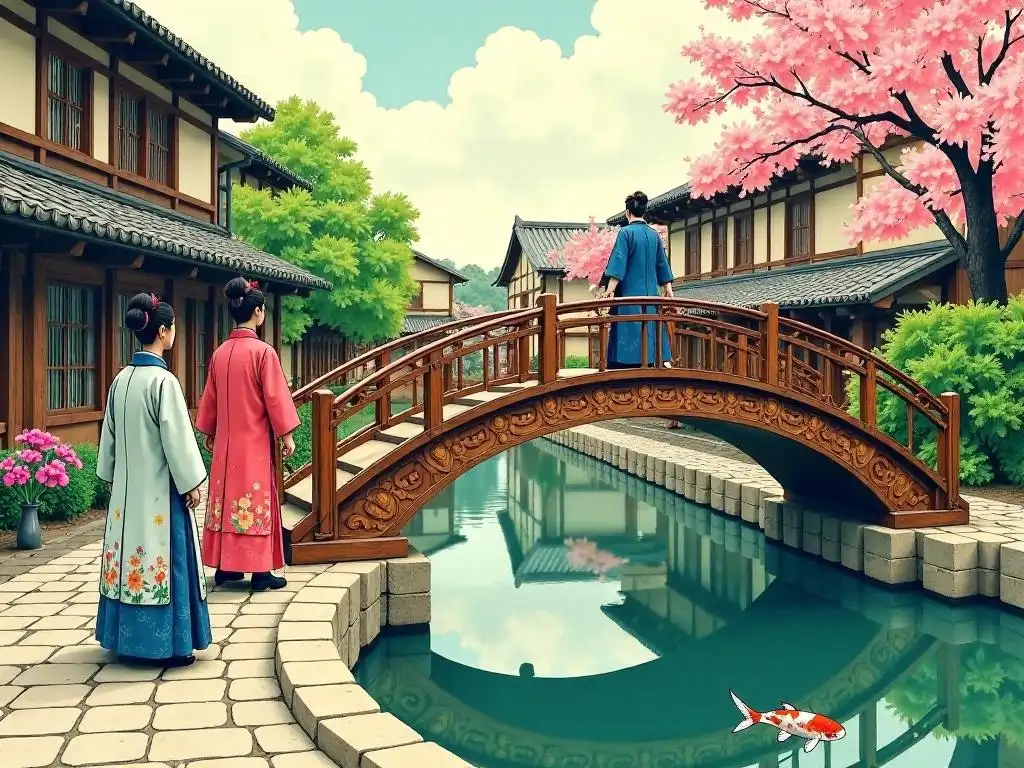
Welcome to Feudal Japan History, where we invite you to embark on an intriguing journey through one of the most fascinating epochs of Japan's past. This exploration delves into the Edo period literature, highlighting the rich tapestry of narratives and creativity that flourished during this remarkable era. From the profound insights of classic texts to the captivating stories that shaped a nation’s identity, prepare to uncover the literary gems that encapsulate the spirit of the Edo period. Join us as we delve deeper into the cultural products that defined a society and sparked an enduring legacy—your adventure begins here!
Introduction to Edo Period Literature Exploration
The Edo period, spanning from 1603 to 1868, represents a pivotal era in Japanese history, characterized by profound cultural, social, and political transformations. This time saw the flourishing of a unique literary landscape that reflected the complexities of life in an increasingly urbanized society. Edo period literature exploration invites readers to delve into the rich tapestry of narratives, poetry, and philosophical musings that emerged during this time, offering insights into the values, struggles, and aspirations of the Japanese people.
As we embark on this literary journey, we encounter a myriad of genres and styles that not only entertain but also educate us about the cultural fabric of feudal Japan. From the emergence of popular fiction to the refinement of traditional forms, the literature of this period serves as a mirror reflecting the vibrant society of Edo. In this article, we will highlight noteworthy works and authors, exploring the themes that define this remarkable epoch.
Key Themes in Edo Period Literature
The literature of the Edo period is marked by several key themes that resonate with the historical and societal context of the time. Understanding these themes is essential for appreciating the depth and diversity of Edo literature.
Cultural Reflections in Edo Literature
Edo period literature often serves as a lens through which we can examine the cultural dynamics of Japan during this era. Some notable reflections include:
- Urbanization and Its Impact: The rise of cities like Edo (modern-day Tokyo) created new social classes, leading to a shift in storytelling that embraced the lives of common folk alongside the samurai.
- Conflicts and Resolutions: Many works addressed the tensions between tradition and modernity, illustrating how characters navigated their identities amidst societal changes.
- Moral Lessons and Social Commentary: Literature frequently contained moral undertones, critiquing societal norms and advocating for virtues such as loyalty, honor, and compassion.
Artistic Expressions: Poetry and Prose
The artistic expressions of the Edo period are diverse and multifaceted, with poetry and prose playing significant roles in the literary canon. Key aspects include:
- Haiku and Tanka: The period saw the refinement of poetic forms, with poets like Matsuo Bashō elevating haiku to an esteemed art form that captured fleeting moments of beauty and nature.
- Ukiyo-zōshi: This genre of popular fiction, often called "books of the floating world," depicted the lives of the urban bourgeoisie, blending romance, adventure, and humor.
- Nihonbashi and Kabuki: Literature intertwined with other cultural expressions such as Kabuki theater, enriching narratives and allowing for a multi-dimensional understanding of Edo life.
Through this exploration of themes and artistic expressions, we can appreciate how Edo period literature not only entertains but also profoundly shapes our understanding of Japan's historical and cultural identity.
Noteworthy Literary Works of the Edo Period
The Edo period, spanning from 1603 to 1868, was a time of profound cultural and artistic development in Japan. This era witnessed the emergence of various literary forms that captured the complexities of society, human emotions, and the changing landscape of Japan. Noteworthy literary works from this period reflect the unique characteristics of Edo society, showcasing both the struggles and the vibrancy of life during these centuries.
Among the most significant contributions to literature during the Edo period are classic novels and poetry collections that not only entertain but also provide insights into the values and norms of the time. These works often serve as a lens through which we can understand the intricate layers of Edo society, making them essential reading for anyone interested in the cultural history of Japan.
Classic Novels to Explore
Edo period literature is perhaps most famously represented by its classic novels, which often intertwine themes of love, duty, and social status. One of the most celebrated novels is "The Tale of Genji" by Murasaki Shikibu, although written in the Heian period, it continued to influence Edo era writers. However, novels such as "The Life of an Amorous Man" by Ihara Saikaku and "The Shogun's Daughter" by Matsuo Bashō are quintessential Edo literature that captures the essence of the time.
- "The Life of an Amorous Man" explores the life and loves of a man in the bustling environment of Edo, reflecting the hedonistic aspects of urban life.
- "The Shogun's Daughter" delves into the intricate relationships within the samurai class, providing a glimpse into the power dynamics of feudal Japan.
These novels not only entertain but also reveal the social mores and aspirations of the characters, making them integral to understanding the Edo period's literary landscape.
Influential Poetry Collections
Poetry thrived during the Edo period, with haiku and other poetic forms becoming particularly popular. The works of poets such as Matsuo Bashō, Yosa Buson, and Kobayashi Issa have left an indelible mark on Japanese literature. Their collections often reflect nature, seasons, and the transient beauty of life.
- Matsuo Bashō's "The Narrow Road to the Deep North" is a travelogue that blends prose with haiku, capturing the essence of his journey through the Japanese countryside while contemplating life and nature.
- Kobayashi Issa's poems often convey deep compassion for the human condition, using simple yet profound language to express complex emotions.
These poetry collections not only showcase the artistry of language but also serve as historical documents that highlight the spiritual and aesthetic values of the Edo period.
The Role of Literature in Edo Society
Literature during the Edo period played a pivotal role in shaping societal norms and providing commentary on the events of the time. It was a medium through which authors could express their thoughts on the prevailing social structures, politics, and the human experience.
Literature as a Reflection of Social Hierarchies
The literature of the Edo period often mirrored the rigid social hierarchies that defined the era. Works frequently depicted the lives of the samurai class, merchants, and the emerging urban populace. The distinction between these social classes was a recurring theme, with many novels highlighting the desires and frustrations of characters navigating their societal roles.
For instance, Ihara Saikaku's works often featured the merchant class, showcasing their wealth and influence, which challenged the traditional samurai dominance. This shift in focus reflected the changing dynamics of power in Edo society and provided a platform for authors to critique the status quo.
Influence of Edo Literature on Modern Japan
The impact of Edo period literature extends far beyond its time, influencing modern Japanese literature and culture. The themes explored in Edo literature, such as individualism, nature, and the complexities of human relationships, continue to resonate with contemporary readers.
Moreover, the narrative styles and poetic forms established during this era laid the groundwork for future literary movements in Japan. Authors like Natsume Sōseki and Yukio Mishima drew inspiration from the Edo period, incorporating its motifs and stylistic elements into their own works, thus bridging the gap between past and present.
Exploring Edo period literature is essential for understanding the historical, cultural, and societal transformations that took place in Japan. The classic novels and poetry collections from this era not only reflect the zeitgeist of their time but also continue to influence the literary landscape of modern Japan.
Exploring Edo Period Literature: Recommended Resources

The Edo period, spanning from 1603 to 1868, was a time of significant cultural growth and literary achievement in Japan. This era saw the emergence of various literary forms, including novels, poetry, and plays that reflect the societal changes and artistic expressions of the time. To delve into this rich literary landscape, a range of resources provides insight into the essential works and authors that define Edo period literature.
Among the most notable literary figures from this era is Matsuo Bashō, whose haikus encapsulate the beauty of nature and human experiences. Another key figure is Ihara Saikaku, celebrated for his novels that explore the lives of the merchant class. Understanding the context of these works is crucial for appreciating their significance. Thus, a curated list of essential readings and online resources is vital for anyone looking to explore Edo period literature comprehensively.
Essential Reading Lists for Edo Literature Enthusiasts
- Classic Works
- "The Tale of Genji" by Murasaki Shikibu: Often considered the world’s first novel, it gives insights into court life, albeit written during the Heian period, its influence persisted into the Edo period.
- "The Life of an Amorous Man" by Ihara Saikaku: A vivid portrayal of the hedonistic lifestyle of the Edo period's merchant class.
- "Narrow Road to the Deep North" by Matsuo Bashō: A travel journal that combines poetry and prose, reflecting on nature and spirituality.
- Modern Interpretations and Analyses
- "Edo: The City That Became Tokyo" by Edward Seidensticker: A blend of historical account and literary exploration, offering context to the literary works of the period.
- "The World of the Shining Prince" by Ivan Morris: This book provides an analysis of the cultural backdrop that influenced Edo literature.
- Poetry and Plays
- "The Complete Poems of Matsuo Bashō": A collection that includes his most famous haikus and offers insights into his philosophy and style.
- "Kabuki: A Pocket Guide" by Fumiko Enin: An introduction to Kabuki theater, which was immensely popular during the Edo period, showcasing its literary significance.
These essential readings form a foundation for understanding the diverse genres and themes prevalent in Edo period literature.
Online Resources and Portals for Further Exploration
For those interested in a deeper dive into Edo period literature, numerous online resources can enhance your understanding and appreciation of this literary era:
- Digital Libraries:
- The National Diet Library of Japan provides access to digitized Edo period texts and historical documents, allowing enthusiasts to explore primary sources directly.
- Academic Journals and Articles:
- Platforms like JSTOR and Project MUSE host scholarly articles analyzing various aspects of Edo literature, offering critical perspectives and interpretations.
- Online Courses and Lectures:
- Websites such as Coursera and edX may offer courses on Japanese literature, which include modules specifically focused on the Edo period.
- Cultural Blogs and Websites:
- Blogs like The Japanese Literature Blog feature discussions on significant works, authors, and trends in Edo literature, providing contemporary insights and analyses.
These online resources serve as valuable tools for expanding one’s knowledge and appreciation of Edo period literature.
Conclusion: Embracing the Spirit of Edo Period Literature
Exploring Edo period literature offers a unique window into Japan's historical and cultural evolution. The recommended resources, from essential readings to online platforms, provide a comprehensive toolkit for enthusiasts eager to immerse themselves in this rich literary tradition. By engaging with the works of iconic authors and understanding their contexts, readers can appreciate the intricate tapestry of life, philosophy, and art that defines the Edo period.
This exploration not only fosters a deeper understanding of Japan's past but also enriches our contemporary perspectives on literature and culture. Embrace the spirit of the Edo period through its literature, and let the words of the past resonate in your present.
Additional Reading and References
To gain a deeper understanding of the Edo period and its literature, a variety of resources offer valuable insights into the cultural, social, and historical contexts that shaped this era. Below is a curated list of books and references that provide a comprehensive overview of Edo period literature, along with thematic explorations and critical analyses.
Key Texts on Edo Literature
- "The World of the Shining Prince: Court Life in Ancient Japan" by Ivan Morris
- This seminal work explores the Heian period's influence on the Edo period's literature, offering insights into the development of narrative forms and aesthetics that persisted into the Edo era.
- "The Tale of Genji" by Murasaki Shikibu
- Often regarded as the world's first novel, this classic text provides a backdrop for understanding the evolution of narrative techniques and themes that resonated throughout the Edo period.
- "Edo Culture: Daily Life and Diversions in Urban Japan, 1600–1868" by Mikiso Hane
- This book delves into the daily lives and cultural practices during the Edo period, including literature, art, and entertainment, providing context for the works produced during this time.
- "Japanese Literature: A History" by Kato Shuichi
- Kato's comprehensive history includes significant discussions on Edo period authors and their contributions, making it an essential resource for literature enthusiasts.
Academic Journals and Articles
- Journal of Japanese Studies
- Featuring peer-reviewed articles on various aspects of Japanese history and literature, this journal is an excellent resource for readers seeking in-depth analyses and scholarly discussions centered on the Edo period.
- "The Aesthetics of Japanese Literature" by David J. Lu
- This article explores the aesthetic principles that underpinned Edo period literature, focusing on key authors and their stylistic contributions.
Online Resources and Archives
- The Edo Period Literature Database
- This digital archive provides access to a vast collection of texts, translations, and critical analyses, making it a valuable tool for researchers and casual readers alike.
- The Japan Times Literature Section
- Regularly publishes book reviews and features on contemporary interpretations and translations of Edo period literature, keeping the discourse alive and accessible.
Supplemental Materials
- Documentaries and Video Lectures
- Various documentaries and online lectures explore the lives of prominent Edo period authors, their works, and the cultural environment of the time. Look for content on platforms like YouTube or educational websites.
These resources will not only enhance your exploration of Edo period literature but also enrich your understanding of the cultural and historical backdrop against which these literary works were created. Engaging with this literature offers a window into the values, struggles, and artistic expressions that defined a significant chapter in Japan's history.
- Introduction to Edo Period Literature Exploration
- Key Themes in Edo Period Literature
- Noteworthy Literary Works of the Edo Period
- The Role of Literature in Edo Society
- Exploring Edo Period Literature: Recommended Resources
- Conclusion: Embracing the Spirit of Edo Period Literature
- Additional Reading and References
Frequently Asked Questions
What is the Edo period in Japan?
The Edo period (1603-1868) was a time of political stability, economic growth, and cultural flourishing in Japan, marked by the rule of the Tokugawa shogunate.
Why is literature from the Edo period significant?
Edo period literature provides insight into the social norms, values, and cultural practices of the time, reflecting the lives and thoughts of people in a unique historical context.
What are some notable literary works from the Edo period?
Key literary works include "The Tale of Genji", "The Book of Five Rings", and various kabuki plays, showcasing the rich diversity of genres and themes present during this era.
How did Edo period literature influence modern Japanese writing?
Edo period literature laid the foundation for modern Japanese literature, influencing contemporary writers with its narrative styles, character development, and thematic depth.
Where can I find more resources for Edo period literature exploration?
You can explore academic journals, specialized books, and online databases focused on Japanese literature to gain deeper insights into the Edo period and its literary contributions.
Final Reflection: Embracing the Legacy of Edo Period Literature
In our exploration of Edo period literature, we uncover a rich tapestry of narratives that not only reflect the cultural and social dynamics of their time but also resonate with contemporary readers. The themes of resilience, identity, and the human experience woven throughout these works remain strikingly relevant today. As we navigate our own complex world, the insights gained from these literary masterpieces remind us of the enduring power of storytelling and its ability to bridge the past with the present.
The influence of Edo period literature extends far beyond its historical context, shaping the cultural landscape and inspiring countless generations. These narratives serve as a mirror to our society, prompting us to reflect on our values and beliefs. As noted by literary scholar Haruki Murakami, A good book is a good book, no matter when it was written.
This sentiment encapsulates the timeless nature of these works, inviting readers to engage with the profound questions they pose and the emotions they evoke. The Edo period's literary contributions continue to inspire modern authors and artists, fostering a deeper appreciation for the art of storytelling.
As we conclude this journey through Edo period literature, I invite you to reflect on the lessons these texts impart and consider how they can enrich your own life. Embrace the opportunity to explore these narratives, allowing them to challenge your perspectives and ignite your imagination. Let the spirit of the Edo period inspire you to seek out stories that resonate with your own experiences and aspirations, reminding you that literature is not just a window into the past, but a guide for the future.
Explore the Rich Tapestry of Edo Period Literature!
Thank you for taking the time to immerse yourself in the captivating world of Edo period literature! You’ve unlocked the essence of an era that is rich in culture and creativity. Now, it’s time to deepen your journey and connect with the spirit of this vibrant age through action.
Here are some simple yet impactful steps you can take:
- Dive into a classic: Read a piece from a noted Edo author, such as **Matsuo Bashō** or **Ihara Saikaku**, to experience the beauty of their prose firsthand.
- Join an online community: Engage with fellow literature enthusiasts on forums or social media platforms to share insights and discuss your interpretations.
- Create a personal reading list: Curate a collection of Edo period works that intrigue you, and challenge yourself to read one each month.
Which literary gem from the Edo period has captured your interest the most, and how can it inspire your next reading adventure?