
Culinary Traditions of Feudal Japan: Books to Savor the Past

Welcome to Feudal Japan History, where we invite you to embark on an enthralling journey through the rich tapestry of Japan's feudal era. Dive deep into the fascinating world of culinary traditions, where every dish tells a story steeped in culture and heritage. In our featured article, Culinary Traditions of Feudal Japan: Books to Savor the Past, you will discover how the flavors of history continue to influence modern Japanese cuisine. Get ready to tantalize your taste buds and broaden your understanding of this captivating period—your exploration begins here!
- Introduction to Culinary Traditions of Feudal Japan
- Essential Elements of Feudal Japanese Cuisine
- Best Books to Explore Culinary Traditions of Feudal Japan
- How to Use These Books to Enhance Your Understanding of Feudal Japanese Cuisine
- Conclusion: The Lasting Impact of Culinary Traditions of Feudal Japan
- Additional Resources for Further Exploration
- Frequently Asked Questions
- Final Reflection: Savoring the Culinary Traditions of Feudal Japan
- Rediscover the Flavors of Feudal Japan!
Introduction to Culinary Traditions of Feudal Japan
The culinary traditions of feudal Japan are a fascinating tapestry woven from the rich cultural, social, and historical threads of the era. During this time, food was not merely a means of sustenance but an integral part of the social fabric, reflecting the values, beliefs, and hierarchical structures of Japanese society.
From the humble meals of the peasantry to the elaborate banquets of the samurai class, each dish tells a story that captures the essence of its time. This article will delve into the exploration of various books that illuminate these culinary traditions, offering readers a chance to savor the past and understand how food shaped the lives of those in feudal Japan.
Understanding the Cultural Significance of Food in Feudal Japan
Food in feudal Japan was laden with meaning, serving as a conduit for cultural expression and social connection. The preparation and consumption of meals were often ritualized, with specific customs and practices that varied between classes and regions. For instance, the concept of ichiju-sansai (one soup and three sides) became a standard, emphasizing balance and harmony in diet, while also showcasing seasonal ingredients.
- Seasonality and Symbolism: Ingredients were chosen not only for their flavor but also for their seasonal availability, reflecting the deep connection between nature and culinary practices. Certain foods, such as rice, were considered sacred and central to the Japanese diet.
- Rituals and Festivals: Festivals often featured traditional foods that held specific cultural significance, such as mochi for New Year celebrations, embodying wishes for health and prosperity. The act of sharing food during these times fostered community bonds and continuity of tradition.
Understanding these aspects of food culture provides insight into the broader social dynamics and cultural values of feudal Japan, making it an essential component of any exploration into its history.
Culinary practices in feudal Japan were profoundly influenced by the rigid social hierarchy that characterized the era. The stratification of society into distinct classes—nobility, samurai, artisans, and farmers—shaped not only what people ate but how they prepared and presented their meals.
- Samurai and Nobility: The upper classes enjoyed elaborate meals featuring a variety of dishes, often presented with great artistry. Banquets were occasions for demonstrating wealth and status, featuring delicacies like sashimi, tempura, and an array of seasonal vegetables. The preparation of meals could involve intricate techniques and combinations, showcasing the cook's skill.
- Peasants and Farmers: In stark contrast, the diet of the working class was much simpler, often consisting of rice, pickled vegetables, and fish. Meals were practical, focusing on sustenance rather than presentation, yet they were no less significant, with communal eating practices fostering kinship and solidarity among families.
- Culinary Exchange: Over time, as trade routes expanded and cultural exchanges occurred, culinary practices began to intermingle. This blending of traditions led to the emergence of unique regional dishes, further reflecting the dynamic interplay between social class and food culture.
By examining the influence of social hierarchy on culinary practices, we gain a clearer understanding of how food served as a marker of identity, status, and cultural heritage in feudal Japan. This exploration can be further deepened through the recommended books that provide an in-depth look at these culinary traditions, bringing the past to life for modern readers.
Essential Elements of Feudal Japanese Cuisine
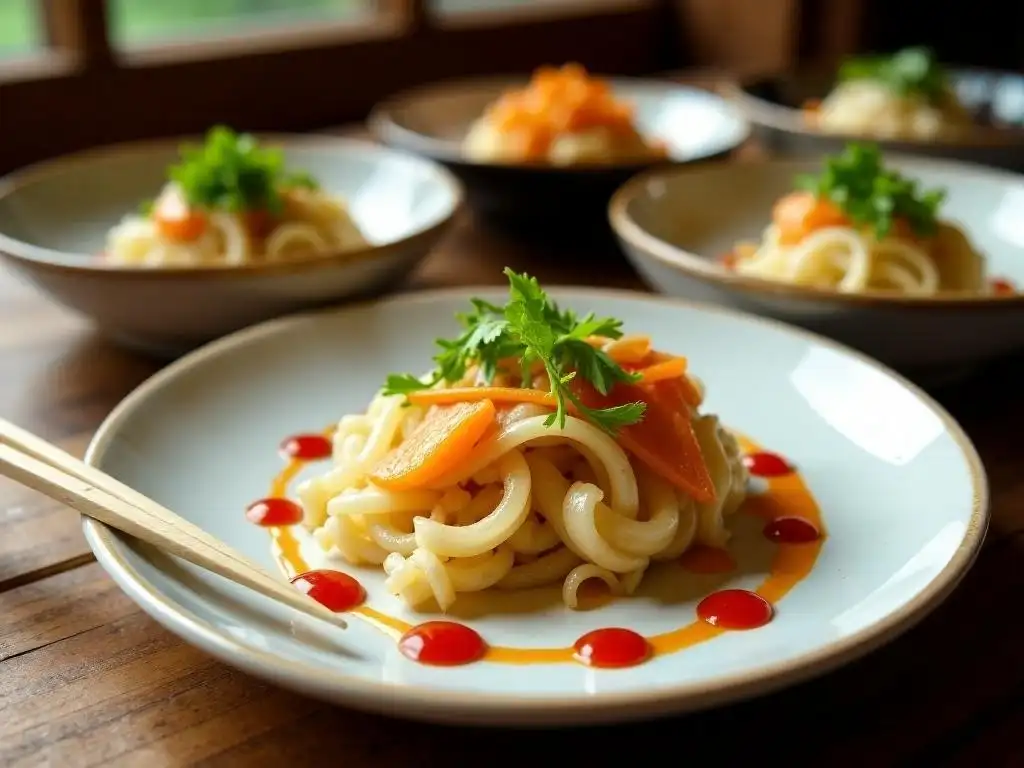
Feudal Japan's culinary traditions are deeply rooted in the country's geography, climate, and cultural practices. The cuisine of this era was not just about sustenance; it was an intricate expression of social status, local resources, and seasonal availability. Understanding the essential elements of feudal Japanese cuisine provides insight into the daily lives of its people, their customs, and their connection to nature.
Key Ingredients in Feudal Japanese Cooking
Feudal Japanese cuisine relied heavily on a few key ingredients that were staples in the diet of the time. These ingredients not only shaped the flavors but also reflected the agricultural practices and trade of the era.
- Rice: The cornerstone of Japanese meals, rice (known as gohan) was considered a symbol of wealth and prosperity. It was often served steamed and was accompanied by various side dishes.
- Soy Sauce: Essential for flavoring, soy sauce ( shoyu) was made from fermented soybeans and was used to enhance the umami taste in many dishes.
- Fish and Seafood: With Japan being an island nation, fish and seafood were primary sources of protein. Techniques such as drying and pickling helped preserve these ingredients for longer periods.
- Vegetables: Root vegetables like daikon and carrots, along with seasonal greens, played a vital role in the diet. Fermented vegetables ( tsukemono) were also common, adding both flavor and nutrition.
- Tofu: Made from soybeans, tofu was a versatile ingredient used in various dishes, providing a protein-rich alternative to meat.
- Herbs and Spices: Ingredients like ginger, garlic, and wasabi were utilized, although the use of spices was more restrained compared to other cultures.
The combination of these ingredients created a balanced diet that emphasized freshness and seasonality, allowing feudal Japanese cuisine to thrive.
Traditional Cooking Techniques of the Era
The culinary practices of feudal Japan were characterized by unique cooking techniques that have influenced modern Japanese cuisine. Here are some notable methods:
- Grilling: Techniques such as yakimono (grilled dishes) were common, with fish and meat often cooked over an open flame or on charcoal.
- Steaming: Steaming, particularly of rice and vegetables, preserved nutrients and flavors. Bamboo steamers were typically used for this purpose.
- Simmering: Dishes like nikujaga (meat and potatoes) were prepared by simmering ingredients in a mixture of soy sauce, sugar, and sake, allowing flavors to meld beautifully.
- Pickling: Tsukemono, or pickled vegetables, were made using salt, vinegar, or rice bran. This technique extended the shelf life of ingredients and added a tangy flavor to meals.
- Fermentation: Fermented foods, including miso and soy sauce, were staples that enhanced the umami taste and contributed to the overall healthfulness of the diet.
These traditional cooking techniques not only highlight the ingenuity of feudal Japanese cooks but also reflect a deep respect for natural ingredients and the seasons.
The Role of Seasonal Ingredients in Culinary Traditions
Seasonality played a pivotal role in the culinary traditions of feudal Japan. The concept of shun, or seasonal eating, emphasizes the importance of consuming ingredients when they are at their peak freshness and flavor. This practice has several implications:
- Flavor and Nutrition: Seasonal ingredients are often more flavorful and nutritious. Eating foods in their natural growing season maximizes their taste and health benefits.
- Cultural Significance: Certain dishes were prepared to celebrate festivals or seasons, such as cherry blossom viewing ( hanami) in spring, where foods like sakura mochi (sweet rice cakes) were traditionally enjoyed.
- Local Availability: The reliance on local ingredients fostered sustainability and minimized the need for long-distance trade. This practice helped communities to thrive and develop a strong connection to their land.
- Culinary Creativity: Chefs and home cooks alike would create dishes based on what was available at the time, leading to a diverse array of recipes and cooking styles that varied regionally.
- Visual Presentation: Seasonal ingredients were often arranged artfully, reflecting the beauty of nature and the changing seasons, which is a hallmark of Japanese cuisine.
Embracing seasonal ingredients not only enriched the culinary landscape of feudal Japan but also fostered a cultural appreciation for the natural world, which continues to resonate in modern Japanese cooking practices.
Best Books to Explore Culinary Traditions of Feudal Japan
1. "The Art of Japanese Cooking: Feudal Era Recipes"
Overview of the Book and Key Themes
"The Art of Japanese Cooking: Feudal Era Recipes" serves as a vivid gateway into the culinary practices that defined feudal Japan. Authored by renowned culinary historian Hiroshi Takahashi, this book provides a meticulous exploration of the social and cultural influences that shaped Japanese cuisine during this period. Thematic chapters guide readers through the evolution of cooking methods, food presentation, and the significance of seasonal ingredients, emphasizing the connection between culinary arts and the socio-political landscape of feudal Japan.
Notable Recipes and Cooking Techniques
Among the many recipes featured, the Kaiseki Ryori, a multi-course dining experience, stands out for its intricate preparation and artistic presentation. The book also includes traditional methods such as:
- Tsukemono (pickled vegetables), which were essential for preserving seasonal produce.
- Dashi (broth), a foundational element in many dishes, illustrating the importance of umami flavors.
- Soba noodles, showcasing the regional variations in preparation and ingredients.
Each recipe is accompanied by detailed instructions and historical anecdotes, allowing readers to not only cook but also appreciate the significance of each dish in the context of feudal society.
Why This Book is Essential for Understanding Culinary Traditions
This book is essential for anyone seeking to understand the culinary traditions of feudal Japan, as it combines authentic recipes with rich historical narratives. Readers gain insights into how food was not merely sustenance but a reflection of cultural identity, status, and the artistry of the era. The book serves as a culinary textbook, a historical document, and a source of inspiration for modern chefs and food enthusiasts alike.
2. "Japanese Foodways in the Early Modern Era"
Detailed Analysis of Historical Context
"Japanese Foodways in the Early Modern Era" by scholar Yuki Matsumoto delves into the transformative period of Japanese history that followed the feudal era, yet its insights into culinary traditions offer valuable context for understanding the preceding centuries. Matsumoto meticulously analyzes how the political stability of the Edo period influenced agricultural practices, trade, and the spread of culinary knowledge.
Examination of Ingredients and Preparation Methods
The book presents a comprehensive examination of key ingredients that defined Japanese cuisine, such as:
- Rice: The staple food, its cultivation, and its central role in feudal society.
- Fish: The significance of seafood in coastal regions and the development of preservation techniques like drying and fermentation.
- Soy Sauce and Miso: Fermented products that became integral to flavor profiles and their historical roots.
The preparation methods discussed range from grilling and steaming to the art of fermentation, providing readers with a deep appreciation of the techniques that shaped the cuisine.
The Book's Contribution to the Study of Feudal Cuisine
Matsumoto's work is a significant contribution to the study of feudal cuisine, as it links culinary practices with broader historical themes, such as trade, social hierarchy, and cultural exchange. By exploring how food systems evolved from the feudal era into the early modern period, the book provides a holistic understanding of Japan's culinary heritage. Readers will find this text invaluable for grasping the continuity and change in food practices, which are essential for appreciating the culinary traditions of feudal Japan.
3. "Savoring Japan: A Culinary History from Feudal to Modern Times"
Exploration of Culinary Evolution in Japan
"Savoring Japan: A Culinary History from Feudal to Modern Times" offers a comprehensive journey through the rich culinary tapestry of Japan, tracing its evolution from the feudal era to contemporary practices. The book meticulously examines how historical events, such as the introduction of foreign ingredients and trade routes, influenced Japanese cuisine.
It delves into the impact of social structures, such as the rigid class system during the feudal period, which shaped dietary restrictions and cooking techniques. The author presents a detailed narrative that connects the past with the present, highlighting how traditional methods and flavors have persisted or transformed over centuries.
Features of Feudal Cooking vs. Modern Adaptations
The book contrasts the simplicity and regionality of feudal cooking with the complexity and global influences seen in modern Japanese cuisine. In feudal times, meals were largely dictated by the seasons and local availability, leading to a focus on fresh, unprocessed ingredients. The text illustrates how techniques such as fermentation and preservation were vital for survival, forming the backbone of many traditional dishes.
In contrast, modern adaptations often incorporate international flavors and cooking styles, showcasing a fusion that reflects Japan's global culinary presence. This juxtaposition not only enriches the reader's understanding of culinary traditions but also highlights the resilience and adaptability of Japanese cuisine throughout history.
Recommendations for Culinary Enthusiasts and Historians
For culinary enthusiasts and historians alike, "Savoring Japan" serves as an essential resource. The book provides a wealth of knowledge through detailed descriptions, historical anecdotes, and engaging narratives. Readers are encouraged to explore recipes that bridge the gap between eras, allowing them to experience the flavors of feudal Japan in their own kitchens. Additionally, the comprehensive bibliography serves as a guide for further reading, making it a valuable reference for anyone looking to deepen their understanding of Japan's culinary heritage.
4. "The Samurai's Kitchen: Cooking in Feudal Japan"
Insight into the Culinary Practices of the Samurai Class
"The Samurai's Kitchen: Cooking in Feudal Japan" offers a unique glimpse into the culinary practices of the samurai class, emphasizing the intersection of food and the warrior ethos. The book explores how the samurai's strict discipline and values influenced their approach to cooking and dining. It examines the role of food in rituals and ceremonies, highlighting how meals were not just sustenance but integral to the samurai's lifestyle and identity. The author provides insights into the ingredients favored by samurai, such as rice, fish, and seasonal vegetables, and how these choices reflected their status and regional availability.
Recipes Inspired by Feudal Traditions
This book is not only informative but also practical, featuring a collection of recipes inspired by feudal traditions. Each recipe is accompanied by historical context, allowing readers to appreciate the cultural significance behind dishes like "nikujaga" (meat and potatoes) and various seasonal delicacies. The clear instructions and accessible ingredients make it easy for home cooks to recreate these historical meals, offering a taste of the samurai's culinary world. The inclusion of tips for presentation and serving further enriches the experience, allowing readers to engage with the traditions of feudal Japan in a hands-on manner.
The Cultural Legacy of Samurai Cuisine
The cultural legacy of samurai cuisine is another vital theme explored in this book. The author discusses how the culinary practices of the samurai have influenced modern Japanese cooking, particularly in high-end dining and the art of kaiseki. This fine dining tradition, which emphasizes seasonal ingredients and artistic presentation, traces its roots to the samurai's appreciation for aesthetics and balance in meals. By examining this legacy, readers gain a deeper understanding of how historical culinary practices continue to shape contemporary Japanese cuisine, preserving the essence of feudal traditions while embracing new influences.
5. "Japanese Tea Ceremony: Tradition and Cuisine"
The Japanese tea ceremony, known as "chanoyu," is much more than a simple act of preparing and serving tea; it embodies the rich culinary traditions of feudal Japan. This ritualistic practice showcases the intricate relationship between food, aesthetics, and spirituality in a cultural context that values harmony, respect, purity, and tranquility. The tea ceremony stands as a reflection of the social structures and customs of feudal Japan, making it a fascinating subject for those interested in culinary history.
The Role of Tea in Feudal Japanese Society
Tea became an integral part of Japanese culture during the feudal era, primarily introduced from China in the early 9th century. Initially consumed by the elite and monks for its medicinal properties, it gradually permeated various social strata. By the 12th century, tea drinking was common among samurai and aristocrats, symbolizing their status and sophistication.
The tea served in these ceremonies was often powdered green tea, known as "matcha." The ceremonial preparation of matcha involved meticulous steps, emphasizing the importance of precision and mindfulness. This ritualistic approach to tea not only fortified social bonds among participants but also served as a means of demonstrating the host's hospitality and refinement. The tea ceremony played a pivotal role in feudal Japan’s social dynamics, bridging relationships among warriors, scholars, and artists.
Connection Between Culinary Practices and Tea Preparation
The connection between culinary practices and tea preparation in feudal Japan is profound. The tea ceremony often included seasonal confections known as "wagashi," which were carefully crafted to enhance the tea experience. These delicacies were more than mere accompaniments; they were an essential part of the aesthetic and sensory experience of the ceremony. Preparing these sweets required skill and artistry, mirroring the precision and dedication demanded in tea preparation.
Moreover, the choice of ingredients for both tea and snacks reflected the seasonal changes, emphasizing a deep appreciation for nature and its cycles. This connection to the natural world was a fundamental aspect of Japanese culinary traditions, showcasing the harmony between food and the environment. The intricate presentation and flavor profiles of these culinary components highlight the sophistication of feudal Japanese cuisine, further enriching the tea ceremony experience.
Essential Read for Those Interested in Japanese Culinary Arts
For those keen on delving into the culinary traditions of feudal Japan, books focusing on the Japanese tea ceremony are invaluable resources. They offer insights not only into the techniques and rituals of tea preparation but also into the broader culinary context of the era. Titles that explore the aesthetics of tea, the historical significance of the ceremony, and the culinary artistry of wagashi provide a comprehensive understanding of this unique cultural practice.
Books such as "The Book of Tea" by Okakura Kakuzō delve into the philosophical underpinnings of the tea ceremony, while "Wagashi: Traditional Japanese Sweets" by Masataka Tsuji offers practical recipes and insights into the delicate art of sweet-making. These works serve as essential reading for anyone interested in the intricate tapestry of Japan's culinary traditions, particularly as they relate to the esteemed practice of the tea ceremony.
How to Use These Books to Enhance Your Understanding of Feudal Japanese Cuisine

Exploring Recipes and Techniques at Home
Utilizing the books on culinary traditions of feudal Japan can significantly enhance your understanding and appreciation of this rich culinary heritage. One effective way to engage with these texts is by exploring recipes and techniques that have stood the test of time. Many of these books provide not only recipes but also detailed instructions on traditional cooking methods that can be quite different from modern practices.
- Select Authentic Recipes: Look for recipes that are rooted in the feudal era, such as:
- Soba (buckwheat noodles): A staple in feudal Japan, often served in broth.
- Tsukemono (pickled vegetables): Essential for balancing flavors in meals.
- Kaiseki ryori (multi-course meal): A complex dining experience reflecting seasonal ingredients and aesthetics.
- Gather Ingredients: Some ingredients may be hard to find, but many can be sourced from Asian grocery stores. Focus on:
- Fresh vegetables: Daikon, shiso, and seasonal greens.
- Grains: Sushi rice and various types of flour for noodles.
- Fermented products: Miso and soy sauce, which were staples in feudal kitchens.
- Practice Traditional Techniques: The books often detail techniques such as:
- Grilling over charcoal: A method that imparts a unique flavor to dishes.
- Fermentation: Understanding how to make your own miso or tsukemono can be a rewarding experience.
- Presentation: Learn about the aesthetics of arranging food, as presentation was crucial in feudal dining.
Incorporating Historical Context into Culinary Practices
Understanding the historical context of culinary traditions can greatly enrich your cooking experience. Feudal Japan was characterized by various social classes, each with distinct dietary habits and customs that influenced what and how they ate.
- Learn About Social Hierarchies: The samurai class had access to different ingredients and more elaborate meals compared to the peasantry. For instance:
- Samurai often enjoyed sashimi and luxurious dishes, while peasants primarily consumed rice and vegetables.
- Seasonal Eating: The concept of eating seasonally was paramount. By incorporating seasonal produce into your meals, you not only honor the traditions but also experience the flavors that feudal Japanese people enjoyed. For example:
- In spring, focus on sakura (cherry blossoms) and wild vegetables.
- In autumn, incorporate kabocha (pumpkin) and mushrooms.
- Ceremonial Aspects: Many culinary practices were tied to rituals and celebrations. Consider learning about:
- Tea ceremonies: These reflect the importance of tea in feudal Japan and can inspire you to host your own tea gathering.
- Festivals: Explore foods associated with specific festivals, such as mochi during New Year celebrations.
Hosting a Themed Dinner: Tips and Ideas Inspired by the Books
Hosting a themed dinner based on the culinary traditions of feudal Japan can be an immersive experience for you and your guests. Here are some tips to help you create a memorable evening:
- Menu Planning: Curate a menu that reflects the diversity of feudal cuisine. Consider a multi-course meal that includes:
- An appetizer of tsukemono.
- A main dish of nabe (hot pot) featuring seasonal vegetables and proteins.
- A dessert of wagashi (traditional sweets) made from rice flour and sweet bean paste.
- Ambiance: Set the scene to transport your guests to feudal Japan. Ideas include:
- Traditional table settings: Use bamboo mats, lacquerware, and ceramic dishes to replicate a historical dining environment.
- Decorative elements: Incorporate ikebana (flower arranging) and calligraphy scrolls to enhance the cultural atmosphere.
- Engage Guests: Share interesting facts and stories from the books throughout the meal. This can include:
- The significance of certain dishes within the feudal hierarchy.
- Anecdotes about the lives of cooks during the era and the evolution of recipes.
By using these books as guides, you can create a rich and educational culinary experience that not only satisfies the palate but also deepens your understanding of feudal Japanese culture. Enjoy the journey through flavors and history!
Conclusion: The Lasting Impact of Culinary Traditions of Feudal Japan
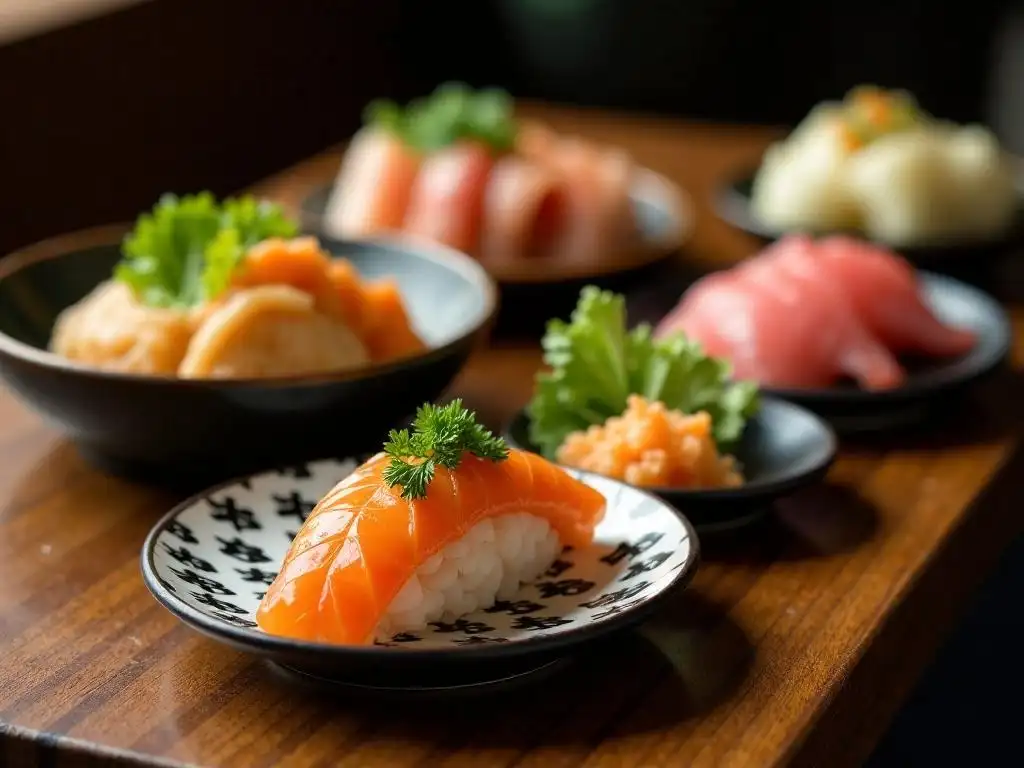
The culinary traditions of feudal Japan have left an indelible mark on contemporary Japanese cuisine, influencing not only the flavors and ingredients used but also the philosophies surrounding food preparation and consumption. In this era, food was not just sustenance; it was a reflection of social status, cultural practices, and the natural environment. Understanding these traditions allows us to appreciate the depth and complexity of modern Japanese culinary practices.
The Relevance of Historical Culinary Practices Today
Historical culinary practices from feudal Japan continue to resonate in various facets of modern life. The meticulous attention to detail seen in traditional Japanese cooking, such as the presentation of kaiseki meals, showcases an aesthetic that values simplicity, seasonality, and harmony. These principles are still evident in contemporary dishes that celebrate seasonal ingredients and the art of plating.
Moreover, the use of specific cooking techniques, such as grilling, simmering, and steaming, has persisted over centuries, emphasizing the importance of texture and flavor balance. Ingredients like soy sauce, miso, and rice remain staples in Japanese kitchens, illustrating the continuity of feudal culinary traditions into modern times.
The legacy of these practices is also reflected in the increasing global interest in Japanese cuisine. Chefs worldwide are exploring these historical techniques and ingredients, adapting them while maintaining a core respect for their origins. This cross-cultural exchange enriches the culinary landscape and highlights the relevance of feudal Japan's culinary heritage in today's culinary arts.
Encouragement to Dive Deeper into Japanese Culinary History
For those interested in exploring the rich tapestry of culinary traditions of feudal Japan, delving into literature that focuses on this era is a rewarding endeavor. Several books provide insights into the historical context, ingredients, and techniques that defined Japanese cuisine during feudal times.
- “The Book of Japanese Cooking” by Masaharu Morimoto: This book not only offers recipes but also provides a historical perspective on how feudal traditions influence modern cooking.
- “Japanese Cooking: A Simple Art” by Shizuo Tsuji: Tsuji's work is a classic that bridges the past and present, teaching readers about the principles of Japanese cuisine rooted in its historical context.
- “Kaiseki: The Exquisite Cuisine of Japan” by Yoshihiro Murata: This book delves into the kaiseki tradition, showcasing how feudal practices can still be experienced in contemporary fine dining.
By engaging with these texts, readers can gain a deeper understanding of how the culinary traditions of feudal Japan shaped both the cuisine and culture of Japan today. Whether through cooking, dining, or simply appreciating the art of food, there are countless avenues to savor the past and acknowledge its influence on the present.
Embarking on this culinary journey not only enhances one’s cooking skills but also fosters a greater appreciation for the historical narratives that accompany each dish. Embrace the flavors of feudal Japan and savor the stories they tell.
Additional Resources for Further Exploration
Online Courses on Feudal Japanese Cooking
Exploring the culinary traditions of feudal Japan can be greatly enriched by taking online courses that delve into historical cooking techniques and traditional recipes. Many platforms offer specialized courses that not only teach cooking skills but also provide context about the era's cultural significance.
- MasterClass: Offers courses from renowned chefs who explore Japanese cuisine. While not exclusively focused on the feudal era, the techniques and flavors discussed provide a strong foundation.
- Udemy: Features various courses on Japanese cooking, including some that highlight traditional methods. Look for courses that specifically mention historical recipes or feudal influences.
- Coursera: Offers courses on Japanese culture and cuisine that may include modules on historical dining practices, giving insight into the feudal culinary landscape.
Documentaries and Shows Highlighting Culinary Traditions
Visual storytelling is a powerful way to connect with the culinary traditions of feudal Japan. Documentaries and television shows can vividly illustrate the practices, rituals, and history behind Japanese cooking.
- "Jiro Dreams of Sushi": While focused on sushi, this acclaimed documentary explores the precision and tradition of Japanese cuisine, reflecting principles that have roots in feudal practices.
- "Noma: My Perfect Storm": This documentary about the innovative chef René Redzepi includes segments where he draws inspiration from traditional Japanese ingredients and cooking methods, bridging past and present.
- "Cooked" (Netflix): This series, hosted by Michael Pollan, explores the cultural significance of cooking. One episode delves into fermentation, a technique prevalent in feudal Japan.
Recommended Websites and Blogs on Feudal Japan Cuisine
For those looking to dive deeper into the culinary traditions of feudal Japan, numerous websites and blogs provide rich resources, recipes, and historical insights.
- Just One Cookbook: A comprehensive blog that offers traditional Japanese recipes and insights. While it covers modern cooking, it often references historical context and traditional methods.
- Japanese Cooking 101: This site focuses on authentic Japanese recipes, featuring sections dedicated to the history and cultural significance of various dishes that can trace their roots back to feudal Japan.
- The Spruce Eats - Japanese Cuisine: This culinary resource includes articles that discuss traditional Japanese cooking practices, often highlighting the historical importance of specific dishes within the feudal context.
By engaging with these resources, readers can deepen their understanding of the culinary traditions of feudal Japan, appreciating both the historical context and the delicious results of these age-old practices.
Frequently Asked Questions
What are the culinary traditions of feudal Japan?
The culinary traditions of feudal Japan were shaped by regional ingredients, seasonal availability, and cultural influences. Dishes often emphasized simplicity and presentation, reflecting the aesthetic values of the time.
In feudal Japan, social status significantly influenced access to various ingredients and cuisines. The samurai class enjoyed elaborate meals, while commoners had to make do with simpler fare, often based on rice and vegetables.
What role did religion play in feudal Japanese cuisine?
Religion played a crucial role in feudal Japanese cuisine, as many dietary customs were influenced by Buddhist beliefs that promoted vegetarianism and seasonal eating. Festivals and rituals often included specific food offerings.
Can you recommend any books on feudal Japanese cuisine?
Yes, several books explore the culinary traditions of feudal Japan. Titles like "The Book of Sushi" and "Japanese Cooking: A Simple Art" provide insights into historical recipes and cooking techniques from that era.
How can one experience the culinary traditions of feudal Japan today?
To experience the culinary traditions of feudal Japan today, one can visit traditional restaurants, participate in cooking classes, or explore historical food festivals that celebrate these age-old practices and flavors.
Final Reflection: Savoring the Culinary Traditions of Feudal Japan
The culinary traditions of feudal Japan are not just relics of the past; they are vibrant expressions of culture that resonate deeply in today's globalized world. As we explore the intricate flavors and historical significance of these traditions, we uncover a rich tapestry that connects us to our ancestors and their ways of life. The art of Japanese cuisine, steeped in centuries of practice and philosophy, continues to inspire chefs and food enthusiasts alike, reminding us that food is more than sustenance—it's a bridge to our history.
Culinary traditions serve as a lens through which we can examine the social and cultural dynamics of feudal Japan, illustrating how food can shape identity and community. The meticulous preparation and presentation of dishes like kaiseki reflect not only the aesthetic values of the time but also the importance of harmony and respect for nature. Food is the ingredient that binds us together.
This quote encapsulates the enduring influence of these culinary practices, which continue to foster connection and appreciation for the artistry of cooking in contemporary society.
As we reflect on the culinary traditions of feudal Japan, let us embrace the lessons they impart about mindfulness, respect for ingredients, and the joy of sharing meals. I invite you to explore these traditions in your own kitchen, to savor the flavors of history, and to create connections with those around you through the universal language of food. By doing so, we honor the past while enriching our present, ensuring that these culinary legacies continue to thrive for generations to come.
Rediscover the Flavors of Feudal Japan!
Thank you for exploring the rich culinary traditions of feudal Japan with us! We hope you enjoyed diving into the timeless flavors and unique practices that have shaped Japanese cuisine. Now, it’s time to take action and savor these insights in your own life.
Here’s how you can engage with these culinary treasures:
- Start a Cooking Journey: Choose a recipe that resonates with you, whether it's a classic dish like sushi or a comforting bowl of miso soup, and recreate it at home. Share your culinary experience with friends and family!
- Join a Local Cooking Class: Uncover the art of Japanese cooking by participating in a class. This is a fantastic way to immerse yourself in the techniques and flavors directly from an expert.
- Share Your Culinary Ventures: Post a photo of your dish on social media or with fellow enthusiasts. Encourage discussions about your favorite culinary traditions!
What unique dish or tradition from feudal Japan are you most excited to try recreating in your kitchen? Share your thoughts below!