
Unveiling the Samurai Spirit: Top NonFiction Books on Feudal Japan

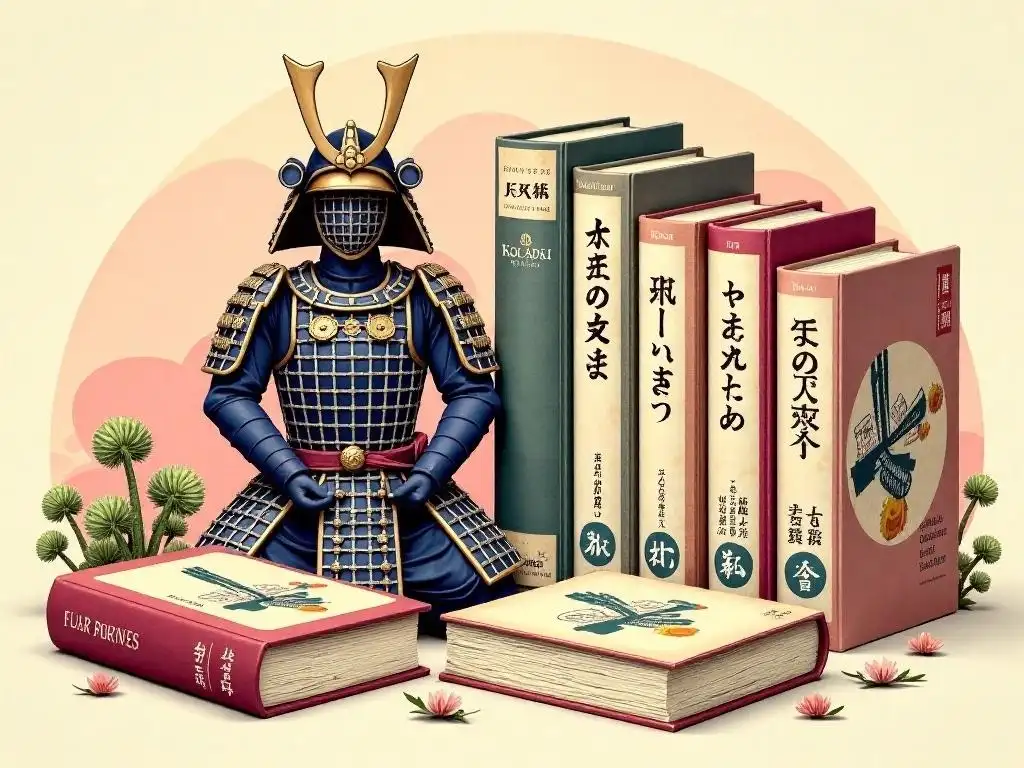
Welcome to Feudal Japan History, where we embark on a captivating journey through the rich tapestry of Japan’s feudal era. Prepare to unlock the secrets of this remarkable period as we delve into the essence of the samurai spirit. In our featured article, "Unveiling the Samurai Spirit: Top NonFiction Books on Feudal Japan," we’ll introduce you to the best books on feudal Japan that illuminate the historical, cultural, and societal intricacies of this fascinating time.
Curious about what shaped the legendary warriors and the society they inhabited? Join us as we explore these essential reads and deepen your understanding of a world where honor and tradition reigned supreme.
Introduction to Feudal Japan
Feudal Japan, a period spanning from the 12th century to the 19th century, is a fascinating chapter in the history of the Land of the Rising Sun. This era was characterized by a unique social structure, with the samurai class at its helm, embodying values such as loyalty, honor, and discipline. The intricate tapestry of feudal society was woven with the threads of war, culture, politics, and philosophy, shaping Japan's identity in profound ways. Understanding this period is essential not only for historians but also for anyone interested in the cultural roots of modern Japan.
In this article, we will delve into the best books on feudal Japan, offering a curated list of nonfiction works that explore the complex dynamics of this captivating era. From the rise of the samurai to the intricacies of bushido—the samurai code of conduct—these books provide invaluable insights into the lives and beliefs of those who shaped the course of Japanese history.
Why Read About Feudal Japan?
Reading about feudal Japan offers a window into a world defined by its unique customs, conflicts, and philosophies. Here are several compelling reasons to explore this historical period through literature:
- Cultural Understanding:
- Gain insights into traditional Japanese values and social hierarchies.
- Explore the influence of Buddhism and Shinto on daily life and governance.
- Historical Context:
- Understand the political structures, including the shogunate and the role of daimyos (feudal lords).
- Learn about pivotal events, such as the Mongol invasions and the unification under Tokugawa Ieyasu.
- Literary Exploration:
- Discover how literature from this era has influenced modern Japanese storytelling and arts.
- Appreciate the aesthetic principles and philosophies that emerged during feudal times.
- Personal Reflection:
- Reflect on the values of honor, loyalty, and sacrifice embodied by samurai culture.
- Consider the relevance of feudal ideals in contemporary society.
By engaging with these nonfiction works, readers can immerse themselves in the rich narrative of feudal Japan, enriching their understanding of a civilization that continues to fascinate and inspire people around the world. 📚✨
The Best Books on Feudal Japan: A Comprehensive Review
The exploration of the samurai spirit and the intricate tapestry of feudal Japan is well-articulated in several seminal works. Each book offers a unique perspective on the culture, philosophy, and historical significance of this captivating period. Below, we delve into some of the best nonfiction books on feudal Japan, highlighting their key insights and contributions to the understanding of this era.
1. Hagakure: The Book of the Samurai by Yamamoto Tsunetomo
Hagakure, written by Yamamoto Tsunetomo in the early 18th century, serves as a profound guide to the samurai way of life. It is a collection of thoughts, anecdotes, and teachings that reflect the ideals of bushido, the samurai code. Tsunetomo emphasizes loyalty, honor, and the acceptance of death as central tenets of the samurai ethos.
This book is not only a historical account but also a philosophical treatise that has influenced modern interpretations of samurai culture. Readers will find reflections on the nature of loyalty, duty, and the importance of self-discipline. Its enduring relevance makes it a must-read for anyone interested in the samurai spirit.
2. The Tale of the Heike (Translated by Helen Craig McCullough)
The Tale of the Heike is an epic narrative that chronicles the struggle between the Taira and Minamoto clans during the Genpei War (1180-1185). Helen Craig McCullough's translation captures the lyrical beauty of the original texts while making the historical context accessible to modern readers.
This work serves as a poignant exploration of themes such as honor, tragedy, and the transitory nature of life, encapsulated in the famous phrase, “the sound of the Gion Shoja bells echoes the impermanence of all things.” Through vivid character portrayals and dramatic battles, it offers a glimpse into the values and beliefs that shaped feudal Japan.
3. Samurai: The Story of a Warrior Tradition by John M. Manjiro
In Samurai: The Story of a Warrior Tradition, John M. Manjiro delivers a comprehensive overview of the samurai's evolution from the Heian period to the Edo period. The book intricately traces the social, military, and political developments that defined the samurai class.
Manjiro's narrative is enriched with illustrations and historical photographs, providing readers with a vivid visual context. The author emphasizes the cultural contributions of the samurai, including their influence on art, literature, and philosophy. This book is an essential resource for understanding the multifaceted role of samurai in Japanese history.
4. Shogun by James Clavell (Historical Fiction with Nonfiction Elements)
While primarily a historical fiction novel, Shogun by James Clavell is steeped in meticulous research and insight into feudal Japan. Set in the early 17th century, the story follows an English navigator, John Blackthorne, who becomes embroiled in the political intrigue and cultural complexities of Japan.
Clavell’s work is celebrated for its rich character development and vivid depiction of samurai culture, code, and the clash of Western and Eastern philosophies. Readers gain not only a gripping narrative but also a nuanced understanding of the feudal system, power dynamics, and the intricacies of samurai honor. The blend of fact and fiction provides a unique lens through which to view this historical period.
5. Bushido: The Soul of Japan by Inazo Nitobe
Inazo Nitobe's Bushido: The Soul of Japan is a seminal work that seeks to explicate the moral and ethical framework of the samurai. Written in the early 20th century, it explores the principles of bushido in relation to Western ethics, providing a cross-cultural perspective.
Nitobe draws on a variety of sources, including literature, history, and philosophy, to articulate the essence of the samurai spirit. Themes such as loyalty, honor, and self-sacrifice resonate throughout the text, making it a significant contribution to both Japanese and global understandings of warrior ethics. This book is especially valuable for those interested in the philosophical underpinnings of samurai culture.
Comparative Analysis of the Best Books on Feudal Japan
The selection of books on feudal Japan offers diverse perspectives and insights into the samurai spirit, each contributing uniquely to the understanding of this complex historical period.
Features to Consider When Choosing Books
When selecting books on feudal Japan, consider the following features:
- Authorship and Expertise: Look for authors who have a deep understanding of Japanese history and culture.
- Historical Accuracy: Assess the balance between narrative engagement and factual representation.
- Cultural Insights: Seek works that provide not just historical facts but also cultural context and philosophical reflections.
- Visual Elements: Books with illustrations, photographs, or maps can enhance comprehension and engagement.
- Reader Accessibility: Consider translations and adaptations that maintain the original text's integrity while being accessible to modern readers.
Comparing Key Themes Across Selected Books
Across the selected books, several key themes emerge:
- Honor and Loyalty: Almost all texts emphasize the concepts of honor and loyalty as central to the samurai identity.
- Impermanence: The transient nature of life and the acceptance of mortality are recurring motifs, particularly in The Tale of the Heike.
- Cultural Influence: The impact of samurai culture on art, literature, and philosophy is a prominent theme, particularly in Samurai: The Story of a Warrior Tradition and Bushido.
- Conflict and Resolution: The dynamics of conflict, both internal and external, are explored in various ways, from the epic battles in The Tale of the Heike to the personal struggles depicted in Shogun.
These themes not only reflect the historical realities of feudal Japan but also resonate with timeless human experiences, making these works enduringly relevant.
How to Choose the Right Nonfiction Book on Feudal Japan

Selecting the perfect nonfiction book on Feudal Japan involves understanding the nuanced dimensions of this rich historical period. Whether you are a novice seeking foundational knowledge or a seasoned scholar looking for in-depth analysis, the choice of book can profoundly influence your comprehension and appreciation of the era. Here are some steps to guide your selection process:
- Identify Your Interest Areas:
- Are you more interested in the political structure, daily life, warfare, or cultural practices? Defining your interests can help narrow down options.
- Consider specific themes such as the role of the samurai, the impact of Buddhism, or the evolution of the shogunate.
- Assess Author Credibility:
- Look for books authored by historians or scholars with expertise in Japanese history. Credentials, previous works, and academic affiliations can indicate reliability.
- Read reviews or critiques to gauge the author’s reputation and the book's reception within the scholarly community.
- Evaluate Content Depth and Breadth:
- Determine whether you prefer a broad overview or a deep dive into specific events or themes. Some books provide a sweeping history, while others focus on niche topics.
- Check the table of contents and index to see if they align with your interests.
- Consider Publication Date:
- Historical interpretations evolve, and newer publications may provide updated insights and perspectives. However, classic texts can also offer foundational viewpoints.
- Be mindful of the historiographical context in which the book was written.
- Read Sample Chapters:
- Many online retailers provide the option to read excerpts. This can help you assess the writing style and determine if it resonates with you.
- Look for engaging prose that balances scholarly rigor with readability.
Factors to Consider
When choosing a nonfiction book on Feudal Japan, various factors can contribute to a fulfilling reading experience:
- Purpose of Reading:
- Are you reading for academic purposes, personal interest, or professional development? Different purposes may require different types of texts.
- Language and Terminology:
- Some books may use complex historical terminology or concepts that require a prior understanding. If you are new to the subject, look for accessible language.
- Visual Aids:
- Consider books that include maps, illustrations, or photographs. Visual aids can enhance understanding and provide context to the narrative.
- Reader Reviews:
- Check reader reviews on platforms like Goodreads or Amazon to gain insights into the book’s strengths and weaknesses.
- Supplementary Materials:
- Some books come with additional resources such as bibliographies, glossaries, or discussion questions that can enrich the reading experience.
Where to Purchase the Best Books on Feudal Japan
Finding the best books on Feudal Japan can be achieved through various avenues:
- Local Bookstores:
- Support local businesses by visiting independent bookstores that may have a curated selection of historical texts.
- Online Retailers:
- Websites like Amazon, Barnes & Noble, or specialized history bookstores often have extensive inventories, including both new and used editions.
- Libraries:
- Don’t overlook your local library. Many libraries offer inter-library loans, allowing you to access a broader range of books.
- Academic Publishers:
- Look for books published by university presses, as they often produce high-quality historical texts.
- E-book Platforms:
- If you prefer digital formats, platforms like Kindle or Apple Books provide a wide array of nonfiction works that can be downloaded instantly.
Conclusion: Embracing the Samurai Spirit Through Literature
Engaging with nonfiction literature about Feudal Japan allows readers not only to understand the historical context but also to appreciate the profound cultural heritage that shaped modern Japan. The samurai spirit, characterized by values such as honor, loyalty, and discipline, resonates through these texts, offering insights into the heart of Japanese society.
By investing time in understanding this era through well-researched books, readers can forge a deeper connection with Japan’s past, enriching their own lives with the wisdom and lessons derived from its history. Embrace this journey of exploration, and let the stories of the samurai guide you through the captivating world of Feudal Japan.
Call to Action
As we conclude this journey through the rich tapestry of feudal Japan, we invite you to delve deeper into the samurai spirit by exploring the recommended nonfiction books. Whether you are a seasoned scholar or a curious newcomer, these works will enhance your understanding of the complexities and nuances of the era.
📚 Get Started Today!
Pick up one of the highlighted titles and immerse yourself in the tales of honor, loyalty, and the intricate social fabric that defined this remarkable period of Japanese history. Each book offers unique perspectives, vivid narratives, and profound insights that will enrich your appreciation of the samurai and their culture.
💬 Join the Conversation!
We encourage you to share your thoughts and experiences with these books. Have you read any of the suggested titles? What insights did you gain? Discuss your favorite passages or characters with fellow enthusiasts in the comments section below.
🔍 Continue Your Exploration!
For those eager to expand their knowledge, consider subscribing to our newsletter for updates on the latest articles, book reviews, and historical insights about feudal Japan. Stay connected with a community that shares your passion for this fascinating era!
👉 Don't Miss Out!
Visit your local bookstore or library, or explore online retailers to find these incredible books. Each title is a gateway to understanding the samurai spirit and the historical context that shaped Japan. Begin your adventure into the world of feudal Japan today!
- Introduction to Feudal Japan
- Why Read About Feudal Japan?
- The Best Books on Feudal Japan: A Comprehensive Review
- Comparative Analysis of the Best Books on Feudal Japan
- How to Choose the Right Nonfiction Book on Feudal Japan
- Conclusion: Embracing the Samurai Spirit Through Literature
- Call to Action
Frequently Asked Questions
What are the best books on feudal Japan?
The best books on feudal Japan offer insights into the historical, cultural, and societal aspects of the era, including notable titles by esteemed authors that explore the samurai spirit and other key themes.
Why is the samurai spirit significant in feudal Japan?
The samurai spirit embodies the values of honor, loyalty, and discipline, which were central to the warrior class and influenced Japanese culture and societal structures during the feudal era.
How did feudalism shape Japanese society?
Feudalism established a hierarchical system where land ownership and military service dictated social status, leading to a distinct class structure that influenced relationships between lords and vassals.
What cultural aspects are covered in books about feudal Japan?
Books on feudal Japan delve into various cultural aspects, including art, literature, religion, and traditions, providing a comprehensive understanding of the societal values and practices of the time.
Yes, several recommended authors, such as Stephen Turnbull and John W. Hall, are known for their extensive research and engaging writing on feudal Japan, making their works essential for readers interested in this historical period.
Final Reflection: Embracing the Legacy of the Samurai Spirit
The exploration of feudal Japan and its samurai culture remains profoundly relevant today, as it invites us to reflect on the values of honor, discipline, and resilience. In a world increasingly defined by rapid change and uncertainty, the lessons drawn from the lives of samurai resonate with our contemporary struggles, reminding us of the strength found in tradition and the pursuit of excellence. The enduring legacy of these warriors challenges us to cultivate our own inner strength and integrity in the face of adversity.
Culture is a living tapestry woven from the threads of history, and the samurai spirit continues to influence our modern narratives. From literature to film, the ideals of the samurai have permeated various aspects of our society, inspiring countless individuals to seek purpose and meaning in their lives. As the renowned author Eiji Yoshikawa once said, “The true samurai is not the one who fights, but the one who knows how to live.” This encapsulates the essence of the samurai ethos, urging us to embody these principles in our daily lives and interactions.
As you close the pages of the books that unveil the samurai spirit, I invite you to reflect on how these timeless lessons can be integrated into your own journey. Consider what it means to live with honor, to embrace discipline, and to face challenges with unwavering resolve. Let the stories of feudal Japan inspire you to forge your path with courage and conviction, carrying forward the legacy of the samurai into the future.
Ignite Your Journey into Feudal Japan!
Thank you for taking the time to explore the captivating world of Feudal Japan through our carefully curated selection of nonfiction books. We hope you feel inspired to delve deeper into the rich history and indomitable spirit of the samurai. Now, let’s transform your newfound knowledge into action!
- Start your reading adventure with one of our recommended books today, and uncover the intricate layers of history and culture that shaped Japan.
- Join our vibrant community! Share insights and engage in discussions about your readings on our forums at feudaljapanhistory.com.
- Consider visiting local libraries or bookstores to discover additional titles that offer unique perspectives on similar themes—each book adds depth to your journey!
Which aspect of the samurai spirit resonates most with you, and how will it guide your next steps in exploring Japanese history?