
Exploring the Lives of the Shoguns: Biographies That Illuminate Feudal Japan

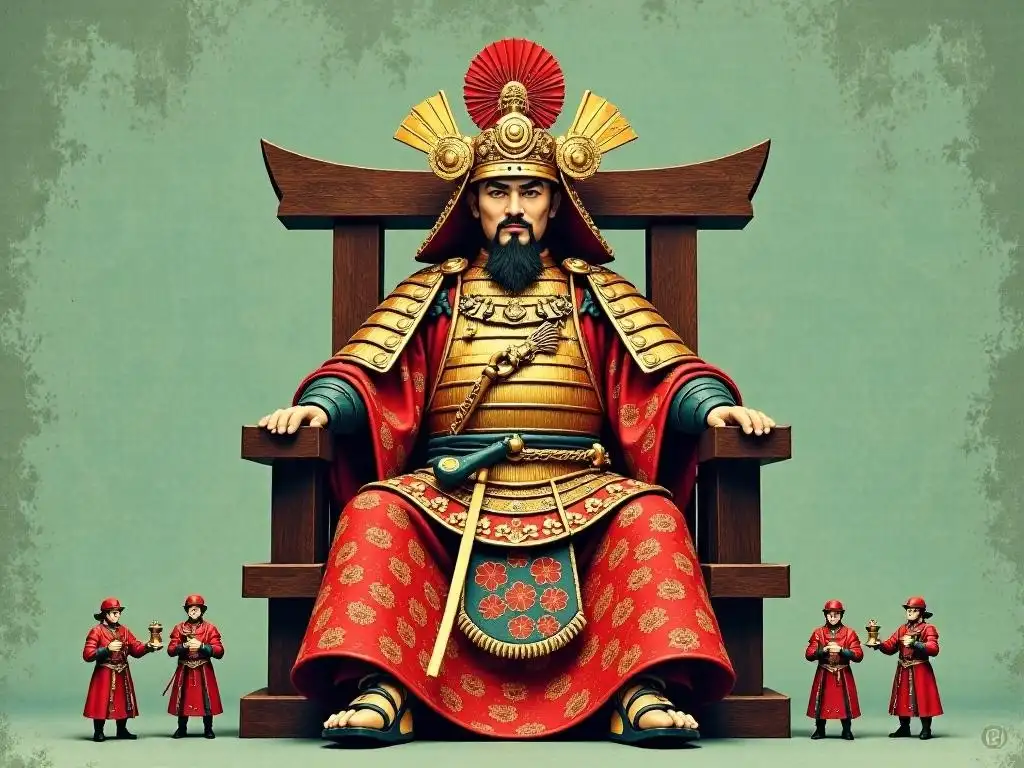
Welcome to Feudal Japan History, where we invite you to embark on a captivating journey through the intricate tapestry of Japan’s feudal era. In our latest article, "Exploring the Lives of the Shoguns: Biographies That Illuminate Feudal Japan," we delve into the powerful and enigmatic lives of Japanese shoguns, revealing the profound influence they had on the nation's culture and society.
Prepare to uncover hidden stories and fascinating insights that will spark your curiosity and deepen your understanding of this remarkable period. Join us as we explore the legacies of these influential leaders and their lasting impact on the world we know today.
-
Exploring the Lives of Japanese Shoguns: Biographies That Illuminate Feudal Japan
- Introduction to the Lives of Japanese Shoguns
- Understanding the Role of Shoguns in Feudal Japan
- Importance of Biographies in Historical Context
- The Historical Context of Shogunate Rule
- Notable Shoguns and Their Impact on Japanese History
- Comparative Analysis of Shogun Biographies
- Cultural Insights from the Lives of Japanese Shoguns
- Exploring Contemporary Interpretations of Shogun Lives
- Conclusion: The Enduring Legacy of the Lives of Japanese Shoguns
- Why Understanding Shoguns Is Essential for Modern Readers
- Final Recommendations for Further Reading on Shogunate History
- Additional Resources for Exploring Feudal Japan
- Call to Action: Discover More About Feudal Japan
- Frequently Asked Questions
- Final Reflection: The Enduring Legacy of the Lives of Japanese Shoguns
- Unveil the Legacy of the Shoguns Today!
Exploring the Lives of Japanese Shoguns: Biographies That Illuminate Feudal Japan
Introduction to the Lives of Japanese Shoguns
The lives of Japanese shoguns represent a fascinating and pivotal chapter in the intricate tapestry of Japan's feudal history. As military leaders who held significant power and authority, shoguns shaped the political and cultural landscape of Japan for centuries.
Their reigns were characterized by a complex interplay of warfare, governance, and societal change, all of which are best understood through the detailed biographies that delve into their personal stories, triumphs, and tribulations. By exploring these narratives, one can gain valuable insights into not only the lives of these influential figures but also the broader historical context of feudal Japan and the enduring legacy they left behind.
Understanding the Role of Shoguns in Feudal Japan
The shogunate system, which established the shogun as the military dictator of Japan, was a crucial element of the country's feudal structure. Shoguns were responsible for maintaining order, leading military campaigns, and overseeing the vast network of samurai who swore allegiance to them. Their authority often overshadowed that of the emperor, who, while considered the divine ruler, had limited political power during much of Japan's feudal era.
- Military Leadership: Shoguns were adept military commanders, often leading their forces into battle and making critical decisions that affected the outcome of wars.
- Political Authority: They wielded significant political power, often implementing policies that shaped Japan's governance, economy, and social structures.
- Cultural Influence: The shoguns were also patrons of the arts and culture, fostering a rich environment that led to the development of distinctive Japanese aesthetics, including Noh theater and the tea ceremony.
Importance of Biographies in Historical Context
Biographies of shoguns serve as essential resources for understanding the complexities of their characters and the times in which they lived. Through these narratives, historians can piece together the motivations and influences that guided their decisions, offering a more nuanced view of feudal Japan.
- Personal Accounts: Biographies often include personal letters, diaries, and accounts from contemporaries that provide intimate glimpses into the shoguns' lives.
- Cultural Legacy: By examining the lives of shoguns, readers can appreciate the cultural and historical significance of their contributions, as well as how their legacies continue to resonate in modern Japan.
- Historical Analysis: These biographies are critical for analyzing the socio-political dynamics of feudal Japan, illustrating how individual actions can have far-reaching effects on history.
The Historical Context of Shogunate Rule
Overview of Feudal Japan and Its Political Structure
Feudal Japan, which spanned from the 12th century to the 19th century, was characterized by a hierarchical social structure deeply rooted in land ownership and military service. At the top of this hierarchy was the emperor, followed by the shogun, daimyos (feudal lords), and samurai. The shogunate established a system of governance that ensured loyalty and order among the warrior class, while also maintaining a delicate balance with the imperial court.
| Social Class | Role |
|---|---|
| Emperor | Divine figure with limited political power |
| Shogun | Military dictator and political leader |
| Daimyos | Feudal lords who governed specific territories |
| Samurai | Warrior class serving the daimyos and shogun |
| Peasants | The working class responsible for agriculture and labor |
Key Events That Shaped the Shogunate Era
Several key events mark the shogunate era, each contributing to the evolution of Japan's political landscape:
- The Gempei War (1180-1185): This conflict between the Taira and Minamoto clans resulted in the establishment of the first shogunate under Minamoto no Yoritomo.
- The Mongol Invasions (1274 and 1281): These invasions tested the shogunate's military capabilities and led to the rise of nationalistic sentiments among the samurai.
- The Sengoku Period (1467-1603): A time of social upheaval and constant military conflict, the Sengoku period saw the emergence of powerful warlords vying for dominance, ultimately leading to the unification of Japan under a single shogun.
Through these events and the lives of the shoguns who navigated them, one can better understand the complexities and challenges of feudal Japan, revealing a rich historical narrative that continues to captivate scholars and enthusiasts alike.
Notable Shoguns and Their Impact on Japanese History

The lives of Japanese shoguns are not only crucial for understanding the political landscape of feudal Japan but also for grasping the cultural and social dynamics that shaped the nation. Each shogun brought unique contributions and challenges, influencing the direction of Japanese history through their leadership, military strategies, and policies. By examining notable shoguns, we gain insight into the evolving power structures and the intricate tapestry of Japanese society during the feudal era.
Minamoto no Yoritomo: The First Shogun
Minamoto no Yoritomo, born in 1147, is recognized as the first shogun of Japan, establishing the Kamakura Shogunate in 1192. His rise to power came after a series of conflicts known as the Genpei War, which saw the Minamoto clan ultimately defeat their rivals, the Taira clan. Yoritomo's leadership marked a significant transition from imperial rule to military governance, as he centralized power in the hands of the shogunate while maintaining a nominal allegiance to the emperor.
Yoritomo implemented a feudal system that divided land among loyal vassals, fostering a sense of loyalty and duty that would characterize the samurai class. His governance also included the establishment of the first shogunal government, which set the precedent for future shogunates. This shift towards a military-led administration not only changed the political landscape but also influenced the cultural identity of Japan, as the samurai emerged as a dominant social class.
Ashikaga Takauji: The Rise of the Ashikaga Shogunate
Ashikaga Takauji, born in 1305, founded the Ashikaga Shogunate in 1336 after leading a rebellion against the Kamakura Shogunate. His ascent to power is notable for the way it marked a return to imperial influence, albeit with a military backdrop. Takauji's regime is often characterized by its efforts to balance power between the emperor and the shogunate, leading to a period of political instability known as the Nanboku-chō period, which saw rival courts vying for legitimacy.
Takauji is significant for promoting cultural developments during his rule, including the flourishing of the arts, literature, and Zen Buddhism. The Ashikaga Shogunate is particularly remembered for its patronage of the arts, which led to the creation of iconic cultural forms such as Noh theater and the tea ceremony. The legacy of Ashikaga Takauji underscores the complexity of shogunal power and its intersections with culture and society.
Tokugawa Ieyasu: The Unifier of Japan
Tokugawa Ieyasu, born in 1543, is perhaps the most renowned of the Japanese shoguns, having unified Japan in 1603 and established the Tokugawa Shogunate, which would last for over 260 years. His rise to power culminated in the decisive Battle of Sekigahara in 1600, where he defeated rival clans and secured his position as the dominant military leader. Ieyasu's governance restored stability after a century of civil war, implementing a strict social hierarchy and a policy of isolationism that profoundly shaped Japan’s development.
Ieyasu's legacy includes the establishment of a centralized feudal system that emphasized loyalty to the shogunate while maintaining the emperor's symbolic role. His policies laid the groundwork for a unique societal structure where the samurai, merchants, and farmers had specific roles, fostering a sense of order and stability. The Tokugawa Shogunate is also noted for its cultural achievements, including the development of urban centers and the rise of a merchant class, which contributed to Japan's economic growth during this period.
Comparative Analysis of Shogun Biographies
In exploring the lives of Japanese shoguns, a comparative analysis of their biographies can yield valuable insights into their differing approaches to governance, military strategy, and cultural influence. Each shogun's story reflects the complexities of their times, revealing how personal ambition, political necessity, and societal expectations shaped their decisions and legacies.
Evaluating Different Perspectives on Shoguns
When evaluating the biographies of shoguns, it is essential to consider the diverse perspectives presented by historians, biographers, and cultural commentators. These narratives can vary significantly based on the author's background, the sources utilized, and the prevailing historical interpretations.
For instance, some biographies may emphasize military prowess and strategic acumen, while others focus on cultural contributions or the impact on social structures. Additionally, interpretations may shift depending on whether the author approaches the subject from a nationalist perspective or a more global viewpoint, which can influence how the shogun's actions are framed within the broader context of world history.
Understanding these different perspectives not only enriches our comprehension of individual shoguns but also highlights the multifaceted nature of leadership during Japan's feudal era. By critically engaging with these biographies, readers can appreciate the nuanced legacies of shoguns and their lasting impact on Japanese history and culture.
Cultural Insights from the Lives of Japanese Shoguns
The lives of Japanese shoguns provide a fascinating window into the cultural landscape of feudal Japan. These military leaders were not just rulers; they were central figures in shaping the social fabric, artistic expressions, and philosophical underpinnings of their time. Understanding their influences helps to appreciate the complex interplay between governance, culture, and societal values in Japan's history.
Shoguns played crucial roles in the patronage of the arts, sponsoring renowned artists, poets, and craftsmen. Their courts became vibrant centers of cultural activity, where traditional practices like Noh theater and tea ceremonies flourished. The aesthetic preferences of shoguns shaped the development of distinct artistic styles, from the delicate brushwork of ink paintings to the intricate designs of textiles. Additionally, the samurai ethos, which emphasized loyalty, honor, and discipline, permeated various cultural expressions, influencing literature, philosophy, and the martial arts.
Influence of Shoguns on Japanese Culture and Society
The shogunate system significantly impacted Japanese culture and society, laying down frameworks that influenced everything from social hierarchies to religious practices. The shoguns established a feudal system that structured society into distinct classes, with samurai at the top. This hierarchy enforced a code of conduct that not only governed behavior but also influenced cultural norms and practices among the populace.
Moreover, the shoguns were instrumental in the spread of Buddhism and Shintoism, integrating these spiritual paradigms into the governance of their domains. Their support for religious institutions helped these beliefs become deeply entrenched in everyday life, shaping rituals, festivals, and community events. The resulting synthesis of spirituality and governance created a unique cultural identity that has persisted throughout Japanese history.
How Shogun Biographies Reflect Feudal Values and Beliefs
Biographies of shoguns are rich texts that encapsulate the values and beliefs of feudal Japan. These narratives often highlight themes of loyalty, honor, and the warrior code, showcasing the ideals that defined the samurai class. Through the personal stories of notable figures such as Minamoto no Yoritomo and Tokugawa Ieyasu, readers gain insights into the moral dilemmas and challenges faced by these leaders, reflecting the societal expectations of their time.
Additionally, shogun biographies often delve into the political strategies and military tactics employed during their reigns, offering a lens through which to examine the complexity of power dynamics in feudal Japan. The conflicts, alliances, and betrayals described in these accounts serve not only to entertain but also to educate readers about the historical context and the cultural values that guided these formidable leaders.
Exploring Contemporary Interpretations of Shogun Lives

In recent years, the study of shogun lives has garnered renewed interest, with modern authors interpreting these historical figures through various lenses. This resurgence reflects a broader fascination with Japan's feudal past and its implications for contemporary society. Biographies are not only informative but also serve as a means to explore themes of leadership, governance, and cultural identity that resonate with today's audiences.
Modern Authors and Their Contributions to Shogun Literature
Contemporary authors have contributed significantly to shogun literature, offering fresh perspectives and interpretations of these historical figures. Writers like Eiko Ikegami and John W. Dower have explored the complexities of shogunal power and its socio-political ramifications, providing nuanced analyses that challenge traditional narratives. Their works often incorporate interdisciplinary approaches, blending history with sociology and cultural studies to enrich the understanding of the shogunate's legacy.
Additionally, novels and historical fiction have also played a pivotal role in popularizing shogun biographies. Authors such as James Clavell in "Shogun" have captivated audiences, weaving fictional narratives around historical truths, thereby generating greater interest in the actual lives of shoguns and their impact on Japanese history.
Analyzing the Popularity of Shogun Biographies Today
The enduring popularity of shogun biographies today can be attributed to several factors. Firstly, the appeal of feudal Japan's unique culture and the dramatic lives of its leaders attract readers interested in history, adventure, and intrigue. The interplay of power, warfare, and personal stories creates a compelling narrative that captivates audiences.
Moreover, as contemporary society grapples with issues of leadership and governance, the lessons derived from shogunal lives resonate on a deeper level. The exploration of themes such as loyalty, strategy, and ethical dilemmas in leadership roles continues to be relevant, making shogun biographies not just historical accounts, but also valuable resources for understanding modern challenges in various contexts. The intersection of history and contemporary relevance ensures that the lives of Japanese shoguns remain a vibrant topic of exploration and discussion.
Conclusion: The Enduring Legacy of the Lives of Japanese Shoguns
The lives of Japanese shoguns represent a pivotal chapter in the history of Japan, marked by their profound influence on the political, social, and cultural landscape of the nation. Their legacies are not merely historical footnotes; they continue to resonate in contemporary Japan, shaping national identity and cultural narratives. The shoguns were not just military leaders; they were visionaries who wielded power in a complex feudal system, orchestrating intricate alliances and rivalries that defined eras. Through their rule, they established codes of conduct, patronized the arts, and even influenced the development of Japanese religion and philosophy.
One of the most enduring aspects of their legacy is the concept of bushido, the way of the warrior, which extols virtues such as loyalty, honor, and discipline. These values have transcended time, embedding themselves in Japanese culture and society, influencing everything from modern business practices to popular media, including films and literature. Moreover, the lessons drawn from the successes and failures of these shoguns offer valuable insights into leadership and governance, making their stories relevant even today.
Why Understanding Shoguns Is Essential for Modern Readers
Understanding the lives of Japanese shoguns is crucial for modern readers for several reasons. Firstly, these leaders shaped the history of Japan in ways that have lasting implications today. Their decisions regarding governance, warfare, and diplomacy set the stage for Japan's interactions with the world, particularly during pivotal moments like the Meiji Restoration, which catapulted Japan into modernization.
Secondly, the shoguns’ intricate relationships with samurai and peasant classes illuminate the social hierarchies and cultural practices of feudal Japan. By studying these dynamics, readers can gain a deeper appreciation for the complexities of Japanese society and the roots of modern social structures. Furthermore, understanding shogunate history enhances our comprehension of the socio-political landscape in contemporary East Asia, where historical legacies still influence international relations.
Finally, the rich narratives surrounding the shoguns’ lives engage readers not only in the academic study of history but also in the broader context of human experience. Their stories of ambition, conflict, and resilience resonate universally, inviting readers to reflect on themes of power, loyalty, and the quest for identity.
Final Recommendations for Further Reading on Shogunate History

For those eager to delve deeper into the fascinating world of Japanese shoguns, several highly regarded books and resources offer comprehensive insights:
- "The Shoguns: The History and Legacy of Japan's Military Rulers": by Charles River Editors: This book presents a detailed overview of the shogunate, highlighting the key figures and events that defined their rule.
- "Shogun" by James Clavell: While a historical novel, it provides a vivid portrayal of shogunate life and the cultural milieu of feudal Japan, blending historical events with rich narrative.
- "A History of Japan: 1334 to 1615": by George Sansom: This scholarly work offers an in-depth examination of the political and social dynamics during the shogunate period.
- "Samurai: The Last Warrior": by John Man: This book explores the samurai class, which was deeply intertwined with the shogunate, providing context to their societal roles and values.
These books, among others, serve as valuable resources for anyone looking to understand the complexities of shogunate history and its lasting impact.
Additional Resources for Exploring Feudal Japan
As interest in feudal Japan continues to grow, various resources can enhance the understanding of this rich historical period.
Online Platforms and Archives for Japanese History
There are numerous online platforms and archives dedicated to the study of Japanese history, offering a wealth of information and primary sources:
- The National Diet Library of Japan: This library provides access to vast collections of historical documents, manuscripts, and publications related to Japanese history.
- The Japan Times Archives: A treasure trove of articles and essays spanning over a century, these archives cover significant events and figures in Japanese history.
- The Internet Archive: A nonprofit digital library with millions of free books, movies, and music, it includes historical texts on Japan, making it an invaluable resource for researchers.
These platforms are instrumental for both casual readers and academic scholars seeking to deepen their understanding of Japan's feudal past.
Upcoming Events and Lectures on Shogunate Studies
Engaging with experts and scholars can provide unique insights into the lives of Japanese shoguns. Attending events and lectures is a great way to enhance one’s knowledge:
- The Annual Conference on Japanese History: This event often features panels dedicated to the shogunate period, discussing recent research and interpretations.
- Webinars by Academic Institutions: Many universities host online seminars focusing on aspects of Japanese history, including the shogunate. Keeping an eye on institutions like the University of Tokyo or Kyoto University can yield fruitful opportunities.
- Museum Exhibitions: Institutions such as the Tokyo National Museum frequently hold exhibitions that explore the shogunate era through artifacts, art, and interactive displays.
By participating in these events, attendees can engage directly with experts and broaden their understanding of feudal Japan and the lives of its shoguns.
Call to Action: Discover More About Feudal Japan
The lives of Japanese shoguns are more than mere historical accounts; they are windows into the complexities of feudal Japan, revealing the interplay of power, culture, and governance. To fully appreciate this fascinating period, immersing oneself in well-researched biographies is essential. These works not only provide detailed narratives of individual shoguns but also contextualize their actions within the broader tapestry of Japanese history.
As you dive deeper into the lives of these influential figures, you'll discover the intricate relationships between shoguns, emperors, samurai, and the common people. Each biography serves as a stepping stone to understanding the dynamics of feudal society, including the socio-political structures and cultural developments that defined the era.
Reading these biographies offers an opportunity to engage with the past in a profound way, breathing life into the characters who shaped Japan's destiny. Whether you're a history enthusiast, a student, or simply curious about feudal Japan, these biographies will enrich your understanding and appreciation of this unique historical landscape.
Encouraging Readers to Explore Recommended Biographies
To embark on this enlightening journey through the lives of Japanese shoguns, consider exploring the following recommended biographies:
-
"Shogun: The Life of Tokugawa Ieyasu" by John Black
This biography delves into the life of the founder of the Tokugawa shogunate, examining his rise to power and the establishment of a new era in Japanese history.
-
"The Last Shogun: The Life of Tokugawa Yoshinobu" by David J. Lu
A detailed account of the last shogun's life, highlighting the challenges he faced during the tumultuous period leading to the Meiji Restoration.
-
"Minamoto no Yoritomo: The First Shogun" by William Wayne Farris
This book explores the life and legacy of Yoritomo, the first shogun, and his role in shaping the samurai class and the feudal system.
-
"The Shogun's Daughter: A Tale of Feudal Japan" by Joan McCarthy
Although a work of historical fiction, this biography captures the spirit of feudal Japan through the lens of a shogun’s daughter, providing unique insights into the era’s gender dynamics.
-
"Samurai: The Story of a Warrior Tradition" by John M. Manjiro
While not solely focused on shoguns, this biography covers the broader context of samurai culture, which is crucial for understanding the leadership and influence of shoguns throughout history.
By engaging with these texts, you will gain a multifaceted view of the lives of Japanese shoguns, allowing you to appreciate their contributions to Japan's rich history. Each biography offers a unique perspective, ensuring a well-rounded understanding of the complexities and nuances of feudal Japan. Happy reading! 📚✨
Frequently Asked Questions
What were the primary roles of Japanese shoguns during feudal Japan?
Japanese shoguns were military leaders who held political power, overseeing the samurai class and governing Japan, while the emperor remained a figurehead.
How did the lives of Japanese shoguns influence society?
The lives of shoguns shaped the social hierarchy, establishing a system where loyalty and service to the shogunate dictated status and power among the samurai and commoners.
What are some notable shoguns in Japanese history?
Prominent shoguns like Minamoto Yoritomo, Tokugawa Ieyasu, and Oda Nobunaga played key roles in unifying Japan, each leaving a lasting legacy through their military and political achievements.
How did the shogunate impact Japanese culture?
The shogunate significantly influenced Japanese culture, promoting arts like tea ceremonies, Noh theater, and literature, which flourished under their patronage.
What led to the decline of the shogunate system?
The decline of the shogunate was prompted by internal strife, economic challenges, and external pressures from Western powers, culminating in the Meiji Restoration of 1868.
Final Reflection: The Enduring Legacy of the Lives of Japanese Shoguns
The lives of Japanese shoguns are not just historical accounts; they are a testament to the complexities of power, culture, and governance that shaped feudal Japan. As we navigate an increasingly interconnected world, understanding these figures helps us appreciate the intricate tapestry of leadership and its implications on societal development. The lessons drawn from their reigns resonate today, reminding us that the past is a powerful lens through which we can examine our present and future.
The influence of shoguns extends beyond the pages of history books; it permeates our cultural narratives, art, and even modern governance. Their stories reflect the struggles and triumphs of leadership, the delicate balance between authority and responsibility, and the impact of individual choices on the course of history. History is not a burden on the memory but an illumination of the soul.
This quote encapsulates how the lives of shoguns continue to inspire us to reflect on our own roles within our communities and the legacies we wish to leave behind.
As you close this exploration of the lives of Japanese shoguns, I invite you to reflect on the lessons these historical figures impart. Consider how their experiences can inform your own journey, whether in leadership, personal growth, or cultural appreciation. Embrace the opportunity to learn from the past, and let it guide you in shaping a future that honors the complexities of human experience. The stories of shoguns are not just relics of history; they are beacons that illuminate our path forward.
Unveil the Legacy of the Shoguns Today!
Thank you for diving into the rich tapestry of feudal Japan with us! We hope you’ve uncovered fascinating insights into the lives of the shoguns and their lasting influence on history. Now, it’s time to take that newfound knowledge and make it your own.
Here’s how you can continue this exploration:
- Join our community: Connect with fellow history enthusiasts in our forums and share your thoughts on the legacies of the shoguns.
- Dive deeper: Explore our extensive collection of biographies and create a timeline of key events that shaped feudal Japan.
- Spread the word: Share this article with friends and family to ignite conversations about the captivating era of the shoguns.
Which aspect of the shoguns’ legacy intrigues you the most, and in what ways do you believe it continues to influence modern Japan?