
Essential Graphic Novels That Depict Feudal Japan's Rich History


Welcome to Feudal Japan History, where the rich tapestry of Japan's feudal era unfolds before your eyes! Dive into the intriguing world of graphic novels that vividly depict feudal Japan's captivating history. Our latest article, "Essential Graphic Novels That Depict Feudal Japan's Rich History," invites you to explore how these artistic masterpieces blend storytelling with historical authenticity, bringing the past to life in vibrant illustrations. Curious about which graphic novels truly capture the essence of this remarkable period? Embark on this journey with us and uncover the cultural gems that await!
- Essential Graphic Novels Depicting Feudal Japan's Rich History
- The Significance of Graphic Novels in Understanding Feudal Japan History
- How Graphic Novels Bring History to Life
- Key Themes in Graphic Novels About Feudal Japan
- Top Graphic Novels Featuring Feudal Japan History
- How to Choose the Right Graphic Novels on Feudal Japan
- Conclusion: The Impact of Graphic Novels on Feudal Japan History
-
Frequently Asked Questions
- What are some recommended graphic novels about feudal Japan?
- How do graphic novels portray feudal Japan's culture?
- Can graphic novels serve as educational resources for learning about feudal Japan?
- Are there graphic novels that focus on specific events in feudal Japan?
- How do these graphic novels differ from traditional history books?
- Final Reflection: Embracing the Rich Tapestry of Feudal Japan Through Graphic Novels
- Dive Deeper into the World of Feudal Japan!
Essential Graphic Novels Depicting Feudal Japan's Rich History
Introduction to Graphic Novels and Feudal Japan
The rich tapestry of feudal Japan, characterized by its intricate social hierarchies, samurai culture, and pivotal historical events, has long captivated the imaginations of writers, artists, and historians alike. This compelling era, which spanned from the late 12th century to the 19th century, serves as a backdrop for numerous narratives that delve into the complexities of honor, warfare, and societal structure. One of the most engaging mediums to explore this period is through graphic novels.
Graphic novels offer a unique blend of visual storytelling and textual depth, making them an ideal format for conveying the nuances of feudal Japan's history. They allow readers to not only absorb the factual elements of this era but also to experience the emotional and cultural contexts in which these historical events unfolded. Through the vivid illustrations and compelling narratives found in these works, readers can gain a deeper understanding of the samurai's code of bushido, the role of women in a patriarchal society, and the impact of foreign influence during Japan's isolationist periods.
In this article, we will explore several essential graphic novels that vividly depict the rich history of feudal Japan. By examining these works, we aim to highlight their contributions to the understanding of this fascinating period and celebrate the artistry and storytelling that brings Japan's past to life. Whether you are a history enthusiast, a graphic novel aficionado, or simply curious about the cultural heritage of Japan, these titles promise to provide an insightful and enjoyable journey through time.
Stay tuned as we delve into the intricate narratives, stunning artwork, and historical significance of these graphic novels that capture the essence of feudal Japan. 🌸
The Significance of Graphic Novels in Understanding Feudal Japan History
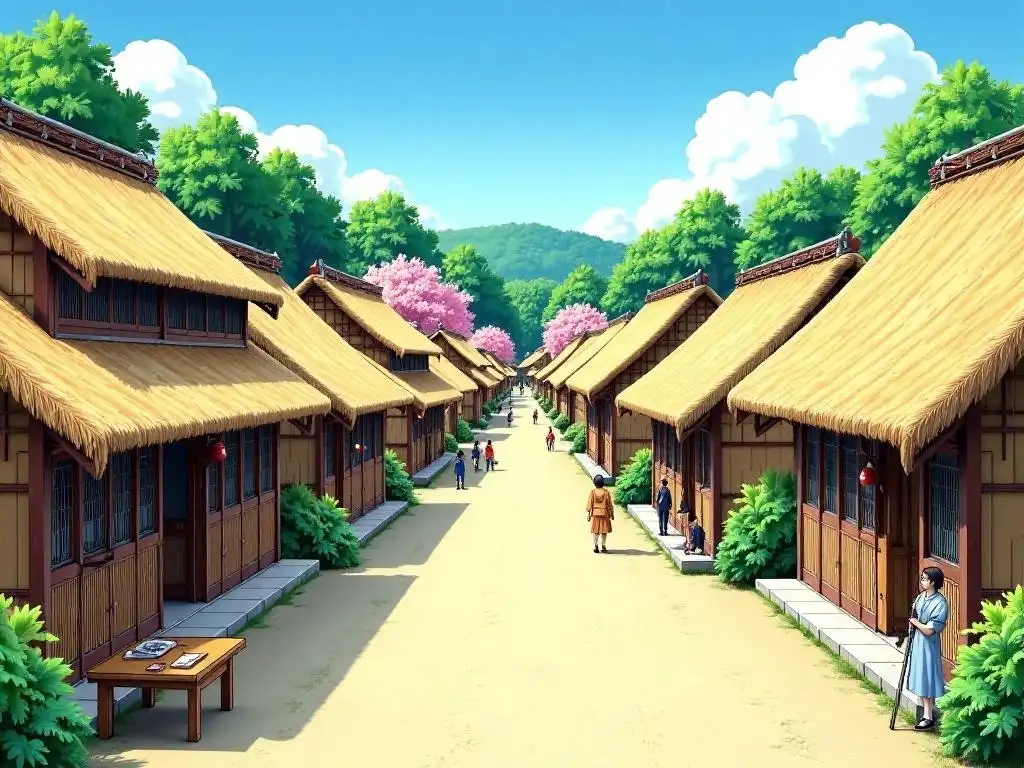
Graphic novels serve as a unique medium that combines visual storytelling with textual narratives, making them an effective tool for exploring complex historical subjects like feudal Japan. The significance of graphic novels in understanding this rich era lies in their ability to engage readers on multiple levels, blending artistic expression with historical accuracy.
Unlike traditional textbooks, graphic novels can convey emotions, cultural nuances, and the intricacies of social hierarchies through carefully crafted illustrations. This visual element not only captures the reader's attention but also helps to contextualize events, providing a deeper understanding of the historical backdrop. For instance, the depiction of samurai, their code of honor, and the landscapes of Japan during the feudal era can evoke a vivid sense of place and time, allowing readers to immerse themselves in the narrative.
Moreover, graphic novels often present diverse perspectives, giving voice to various social classes, from warriors to commoners. This multifaceted view enhances the comprehension of societal structures and the dynamics of power during feudal Japan, making history more relatable and engaging. Consequently, graphic novels are instrumental in sparking curiosity and encouraging further exploration of the historical themes they present.
How Graphic Novels Bring History to Life

Graphic novels breathe life into the historical events of feudal Japan through a combination of visual art and narrative techniques. Here are several ways in which they accomplish this:
- Vivid Illustrations: The artwork in graphic novels often features detailed depictions of traditional clothing, architecture, and landscapes, allowing readers to visualize the era. For example, the intricate designs of samurai armor or the serene beauty of a Japanese garden are brought to life in a way that text alone cannot achieve.
- Character Development: Through character-driven narratives, graphic novels provide insights into the lives of historical figures and everyday people. Whether it’s a tale of a valiant samurai or a struggling farmer, the reader can connect emotionally with the characters, deepening their understanding of the societal context.
- Dialogue and Cultural Context: The dialogue within graphic novels often incorporates historical language and idioms, which serves to immerse readers in the time period. Additionally, footnotes or sidebars can offer explanations of cultural practices, enhancing the educational value of the narrative.
- Dynamic Storytelling: The pacing and structure of graphic novels allow for a unique storytelling rhythm. Flashbacks, juxtaposed panels, and visual metaphors can convey complex ideas and themes about feudal Japan, such as the tension between tradition and change.
By combining these elements, graphic novels not only educate but also entertain, making them a powerful medium for exploring feudal Japan's history.
Key Themes in Graphic Novels About Feudal Japan
Graphic novels that explore feudal Japan often delve into several key themes that reflect the complexities of this historical period. Here are some prominent themes:
- Honor and Loyalty: The samurai code, known as Bushido, is frequently examined, showcasing the values of honor, loyalty, and sacrifice. Stories often highlight the internal conflicts faced by characters as they navigate their duties to their lord versus their personal beliefs.
- Social Hierarchy: The rigid class system of feudal Japan is a recurring theme, illustrating the distinct roles of samurai, peasants, merchants, and artisans. Graphic novels often depict the struggles of individuals within these classes, emphasizing themes of power and oppression.
- Conflict and Warfare: The tumultuous nature of feudal Japan, marked by battles and political intrigue, is vividly illustrated in many graphic novels. These narratives bring to light the strategies, consequences, and human costs of warfare, often focusing on the personal stories behind the historical events.
- Cultural Heritage: Many graphic novels celebrate Japan's rich cultural traditions, including art, literature, and spiritual beliefs. They often intertwine historical narratives with folklore, mythology, and the aesthetic values that shaped Japanese society.
- Change and Transformation: As Japan transitioned from feudalism to modernization, graphic novels often reflect on the tensions between tradition and change. They may explore the impact of Western influences and the resulting cultural shifts, providing a commentary on identity and resilience.
By addressing these themes, graphic novels about feudal Japan not only illuminate historical facts but also provoke thought and discussion about the values and lessons that can be gleaned from this fascinating era.
Top Graphic Novels Featuring Feudal Japan History

1. "Usagi Yojimbo" by Stan Sakai
"Usagi Yojimbo" is a celebrated graphic novel series created by Stan Sakai, first published in 1984. This masterpiece follows the adventures of Miyamoto Usagi, a rabbit ronin (a masterless samurai) navigating the complexities of feudal Japan.
The series intricately weaves historical events, cultural elements, and folklore into its narratives. Each issue provides a rich tapestry of the era, spotlighting:
- Samurai Code: The moral dilemmas faced by samurai, emphasizing bushido (the way of the warrior).
- Cultural Practices: Insights into traditional Japanese customs, such as tea ceremonies and festivals.
- Mythical Creatures: Integration of Japanese mythology, featuring yokai (supernatural entities) that enrich the storytelling.
Through visually stunning illustrations and engaging plots, "Usagi Yojimbo" serves as both a thrilling adventure and a historical lesson, making it an essential read for anyone interested in graphic novels about feudal Japan history.
2. "The Tale of the Heike" Adaptation
"The Tale of the Heike" is a classic epic that chronicles the rise and fall of the Taira clan during the Genpei War (1180-1185). Recent adaptations into graphic novel form have captured the essence of this pivotal moment in Japanese history.
Key elements of these adaptations include:
- Historical Context: Illustrations that depict significant battles, such as the Battle of Dan-no-ura, providing readers with a visual understanding of the conflict’s scale.
- Character Depth: Focus on characters like Yoshitsune and Kiso no Yoshinaka, whose personal stories reflect the broader themes of loyalty, betrayal, and honor during turbulent times.
- Artistic Style: The graphic adaptations often employ traditional Japanese art techniques, enhancing the authenticity of the visuals and bringing the historical narrative to life.
These adaptations not only make the epic accessible to a modern audience but also preserve the rich cultural heritage of feudal Japan, allowing readers to engage with history in a dynamic way.
3. "Samurai: The Usagi Yojimbo Saga" Collection
The "Samurai: The Usagi Yojimbo Saga" is a comprehensive collection that brings together various stories from the "Usagi Yojimbo" series. This compilation is particularly valuable for those looking to explore the depth of feudal Japan through a single volume.
Highlights of this collection include:
- Chronological Narratives: The stories are arranged to reflect Usagi's journey, providing a coherent understanding of his character development against the backdrop of historical events.
- Thematic Exploration: Themes of honor, duty, and the human condition are prevalent, encouraging readers to reflect on the philosophical aspects of samurai life.
- Rich Illustrations: The artwork remains a standout feature, with detailed depictions of landscapes, armor, and the daily life of samurai, offering an immersive visual experience.
By combining entertainment with education, the "Samurai: The Usagi Yojimbo Saga" collection is an indispensable resource for enthusiasts of graphic novels and those interested in the intricate history of feudal Japan.
4. "Miyamoto Musashi: The Way of the Samurai" by Sean Michael Wilson
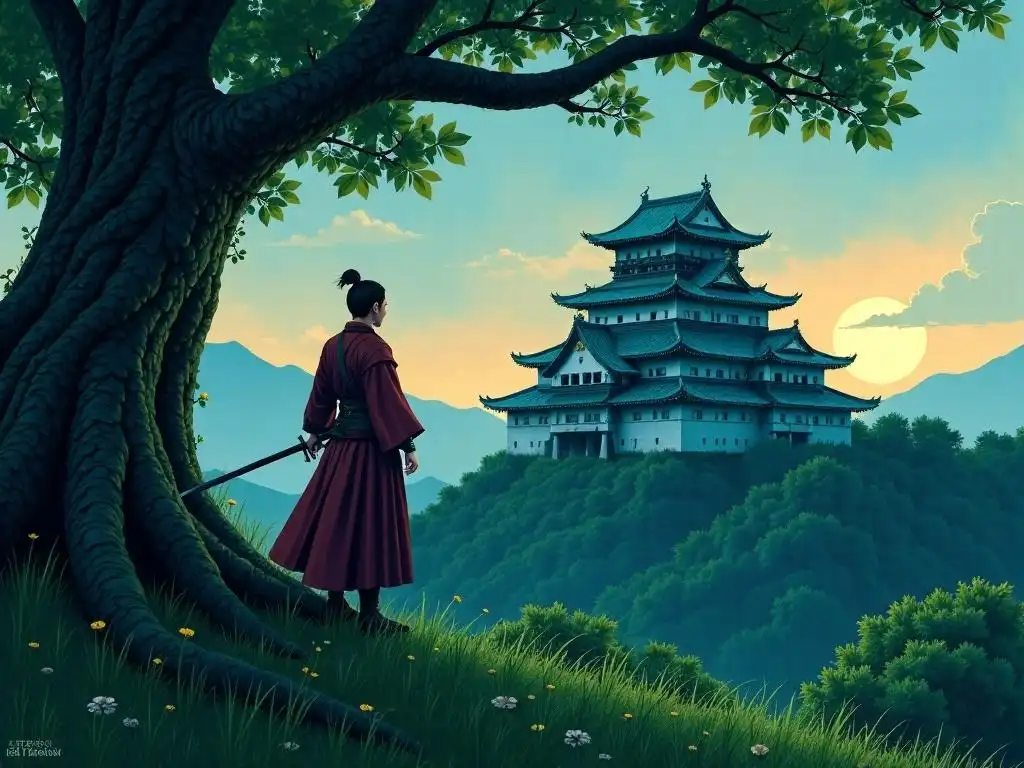
"Miyamoto Musashi: The Way of the Samurai" is a graphic novel that delves into the life of one of Japan's most legendary swordsmen, Miyamoto Musashi. This narrative not only recounts his famed duels and martial arts prowess but also explores the philosophical underpinnings of his life. Musashi, known for his unique two-sword fighting style, was not just a warrior but also a thinker and artist, which the graphic novel captures beautifully.
The artwork in this graphic novel plays a significant role in bringing Musashi's world to life. The illustrations depict the contrasting landscapes of feudal Japan, from serene temples to chaotic battlefields, highlighting the duality of peace and violence that characterized Musashi's life. The visual storytelling complements the text, allowing readers to immerse themselves in the rich cultural and historical context of the era.
Moreover, Sean Michael Wilson’s writing introduces readers to Musashi’s philosophy of "the way of the sword," emphasizing the importance of discipline, strategy, and self-understanding. This graphic novel serves as an accessible entry point for those unfamiliar with Musashi's legacy, while also offering deeper insights for seasoned enthusiasts of Japanese history. Ultimately, "Miyamoto Musashi: The Way of the Samurai" stands out as an essential read for anyone interested in the intersection of martial arts and Japanese culture.
5. "Kengo: The Art of the Samurai" by Mike Johnson
"Kengo: The Art of the Samurai" by Mike Johnson is another compelling graphic novel that immerses readers in the samurai tradition during Japan's feudal period. This work highlights the life of a young samurai who embarks on a journey to master the art of swordsmanship and understand the broader principles that govern the samurai way of life. Johnson’s narrative emphasizes not only the physical aspects of combat but also the moral and ethical dilemmas faced by samurai warriors.
The illustrations in "Kengo" are noteworthy for their detailed portrayal of traditional samurai attire, weaponry, and the stunning landscapes of Japan. The graphic novel effectively uses visual elements to convey action and emotion, drawing readers into the protagonist's struggles and triumphs. The dynamic art style captures the intensity of sword fights while also reflecting the calmness of meditation, a key aspect of samurai training.
Furthermore, the story is enriched by the inclusion of historical events and figures that shaped the samurai ethos. Johnson's careful research is evident in the way he weaves historical context into the narrative, providing readers with a deeper understanding of the societal structures and cultural values of feudal Japan. "Kengo: The Art of the Samurai" is not just a tale of swordsmanship; it's a celebration of the samurai spirit, making it a vital addition to the collection of graphic novels that depict feudal Japan's rich history.
How to Choose the Right Graphic Novels on Feudal Japan
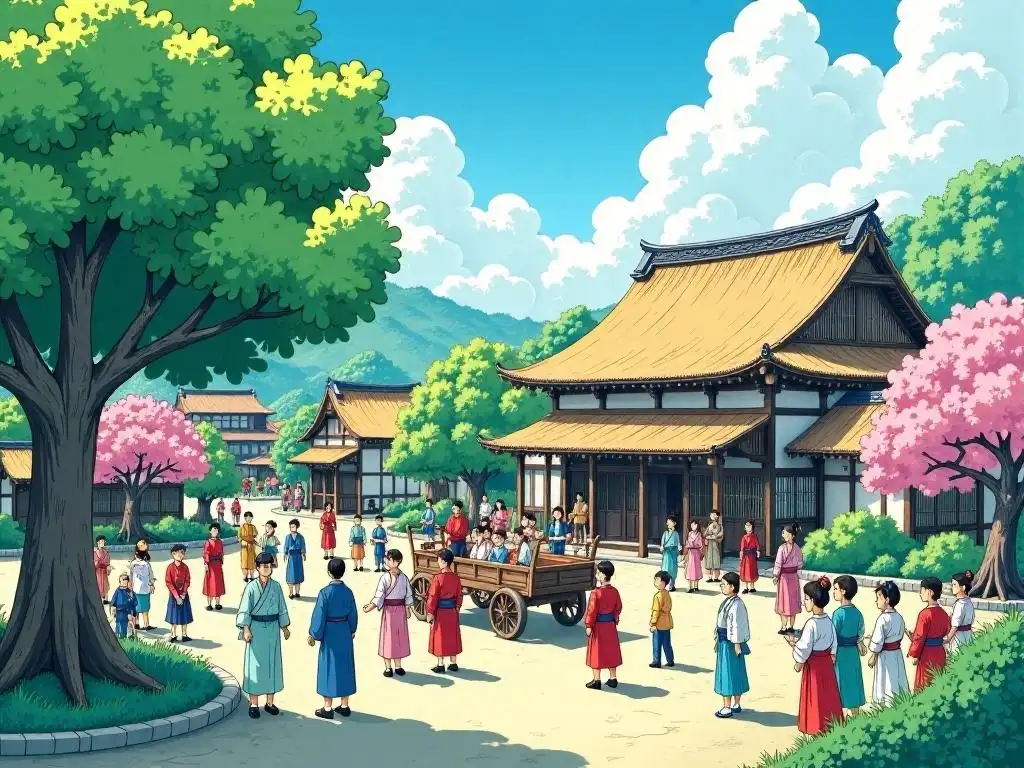
Choosing the right graphic novels that depict feudal Japan’s rich history can be a rewarding experience for readers looking to immerse themselves in this fascinating era. The combination of visual storytelling and historical context provides a unique lens through which to understand the complexities of feudal society. Here are some key strategies to help you select the most appropriate titles for your exploration of feudal Japan.
Factors to Consider When Selecting Graphic Novels
-
Historical Accuracy
When diving into graphic novels based on feudal Japan, it's vital to consider the level of historical accuracy. Look for titles that are well-researched and provide authentic representations of the period's events, culture, and societal norms.
- Author Background: Research the authors and illustrators to see if they have a background in history or Japanese culture.
- Source Materials: Check if the graphic novel references historical texts or scholarly work.
-
Art Style and Presentation
The visual elements of a graphic novel can greatly influence how the story is perceived. Different art styles can evoke various moods and atmospheres, which may enhance or detract from the narrative.
- Illustration Quality: Examine sample pages to assess the quality and style of the illustrations. Are they detailed and immersive?
- Cultural Representation: Ensure the art style respects and accurately represents traditional Japanese aesthetics.
-
Narrative Depth
A compelling narrative is crucial for a graphic novel, especially one that aims to educate about feudal Japan. Look for stories that delve into complex characters and intricate plots.
- Character Development: Consider whether the characters are well-developed and their arcs reflect the struggles and triumphs of the time.
- Thematic Exploration: Evaluate if the graphic novel explores significant themes, such as honor, loyalty, and the samurai code (Bushido).
-
Target Audience
Different graphic novels cater to various audiences, from children to adults. Understanding the target demographic can help you choose appropriately.
- Age Appropriateness: Some graphic novels may contain mature themes or graphic content, which may not be suitable for younger readers.
- Educational Value: Seek out titles that are specifically designed for educational purposes, often featuring supplementary materials or discussions about the historical context.
-
Reviews and Recommendations
Reading reviews and seeking recommendations from other readers can provide insight into which graphic novels are worth exploring.
- Online Platforms: Websites like Goodreads or dedicated book blogs often feature user reviews and ratings.
- Library and Bookstore Staff: Engaging with librarians or bookstore employees can lead to discovering hidden gems that align with your interests.
Additional Recommendations for Exploring Feudal Japan
To further enrich your understanding of feudal Japan through graphic novels, consider the following recommendations:
- Diverse Themes: Look for graphic novels that explore various aspects of feudal life, such as the role of women, the impact of religion, or the interactions between different social classes.
- Related Genres: Explore graphic novels that blend genres, such as historical fiction with fantasy elements, to see how authors creatively interpret feudal Japan.
- Supplementary Materials: Some graphic novels come with additional resources, such as glossaries, maps, or essays, which can enhance your learning experience and provide context.
By carefully considering these factors and exploring additional recommendations, you'll be well-equipped to choose graphic novels that provide a rich and nuanced portrayal of feudal Japan's history. This approach not only enhances your reading experience but also deepens your understanding of this complex and intriguing period.
Conclusion: The Impact of Graphic Novels on Feudal Japan History
The portrayal of feudal Japan through graphic novels serves as a unique bridge between historical scholarship and popular culture. These graphic narratives not only entertain but also educate readers about the complex tapestry of Japan’s feudal era, including its political intrigues, social hierarchies, and cultural practices. By leveraging visual storytelling, graphic novels can convey the emotional weight of historical events, making them more accessible and engaging to a wider audience.
A Medium of Learning and Appreciation
Graphic novels have the potential to reach diverse demographics, including those who may not typically engage with traditional history texts. They provide a vivid representation of historical figures, settings, and events, often accompanied by in-depth research that enriches the reader's understanding of the period. For example, titles that depict samurai culture, the rise of the shogunate, or the impact of foreign influences during the Edo period can spark interest in further exploring Japan’s rich past.
Moreover, the blend of imagery and narrative allows for a multi-sensory experience, which can enhance retention and understanding. Readers can visualize the intricate details of samurai armor, the aesthetics of traditional architecture, and the nuances of daily life in a way that text alone may not convey. This visual representation not only preserves history but also revitalizes it, making it relevant for contemporary audiences.
Fostering Cultural Dialogue
As graphic novels continue to gain popularity, they also foster cultural dialogue and understanding. They can challenge stereotypes and offer nuanced perspectives on Japan’s feudal history. For instance, stories that highlight the experiences of women during this era or the lives of lower-class citizens can provide a more inclusive narrative that contrasts with the traditionally glorified depictions of samurai and nobility.
Furthermore, graphic novels can serve as a starting point for discussions about the implications of feudalism in modern society, drawing parallels between past and present issues. This engagement not only promotes a deeper appreciation for historical context but also encourages critical thinking about the evolution of social structures and cultural identity.
Call to Action
Are you ready to dive deeper into the captivating world of feudal Japan through graphic novels? Explore our curated list of essential titles that not only bring history to life but also offer profound insights into the cultural legacy of this fascinating era. Whether you are a seasoned history buff or a curious newcomer, these graphic novels will enrich your understanding and appreciation of Japan's feudal past. Start your journey today and discover the stories waiting to be told!
Frequently Asked Questions
What are some recommended graphic novels about feudal Japan?
Several graphic novels provide insights into feudal Japan's history, including titles like "Usagi Yojimbo," which features a samurai rabbit navigating the complexities of this era.
How do graphic novels portray feudal Japan's culture?
Graphic novels often use vivid illustrations and storytelling to depict the cultural intricacies of feudal Japan, highlighting themes like honor, warfare, and social structure.
Can graphic novels serve as educational resources for learning about feudal Japan?
Yes, they can be excellent educational tools. They combine engaging narratives with historical context, making them accessible for readers of all ages interested in feudal Japan history.
Are there graphic novels that focus on specific events in feudal Japan?
Absolutely! Some graphic novels focus on significant events such as the Genpei War or the rise of the samurai, providing detailed portrayals of these pivotal moments in Japanese history.
How do these graphic novels differ from traditional history books?
Graphic novels blend art and narrative, offering a visual experience that can make historical events more relatable and engaging, unlike traditional history books, which often focus solely on textual information.
Final Reflection: Embracing the Rich Tapestry of Feudal Japan Through Graphic Novels
The exploration of graphic novels that depict feudal Japan's rich history is not merely an artistic endeavor; it serves as a vital bridge connecting contemporary audiences to a profound cultural legacy. In an age where visual storytelling reigns supreme, these graphic novels provide an accessible medium through which the complexities of feudal Japan can be understood and appreciated. They remind us that history is not just a series of dates and events but a vibrant tapestry woven from the lives, struggles, and triumphs of those who came before us.
The influence of these graphic novels extends beyond mere entertainment; they shape our cultural understanding and foster a deeper appreciation for the narratives that have shaped Japan's identity. As we immerse ourselves in these stories, we find ourselves reflecting on the values, conflicts, and philosophies that resonate even in today's society. Art is the most beautiful of all lies.
This quote encapsulates how these graphic novels, while fictionalized, reveal profound truths about human nature and societal evolution, inviting readers to ponder their own place within this continuum.
As you close this chapter on feudal Japan's history depicted through graphic novels, I invite you to reflect on the lessons these stories impart. Consider how the themes of honor, loyalty, and the struggle for identity resonate in your own life. Let these narratives inspire you to explore your own history and the stories that shape your identity, encouraging you to share and celebrate the rich tapestry of experiences that define us all.
Dive Deeper into the World of Feudal Japan!
Thank you for exploring the captivating world of feudal Japan through the lens of graphic novels. We hope this article has sparked your interest and illuminated the rich tapestry of history, culture, and storytelling. Now, let’s take your journey further!
- Start your next read by selecting one of the recommended graphic novels and immersing yourself in the compelling stories of samurai, honor, and resilience.
- Join the conversation by sharing your thoughts on your favorite graphic novel related to feudal Japan in our community forum.
- Uncover more by exploring additional resources and recommendations on our website for a broader perspective on this incredible period in history.
Which graphic novel will you choose to explore next, and how do you think it will reshape your understanding of feudal Japan? We’d love to hear your insights!