
Not Just for Show: The Practicalities of Samurai Armor Design

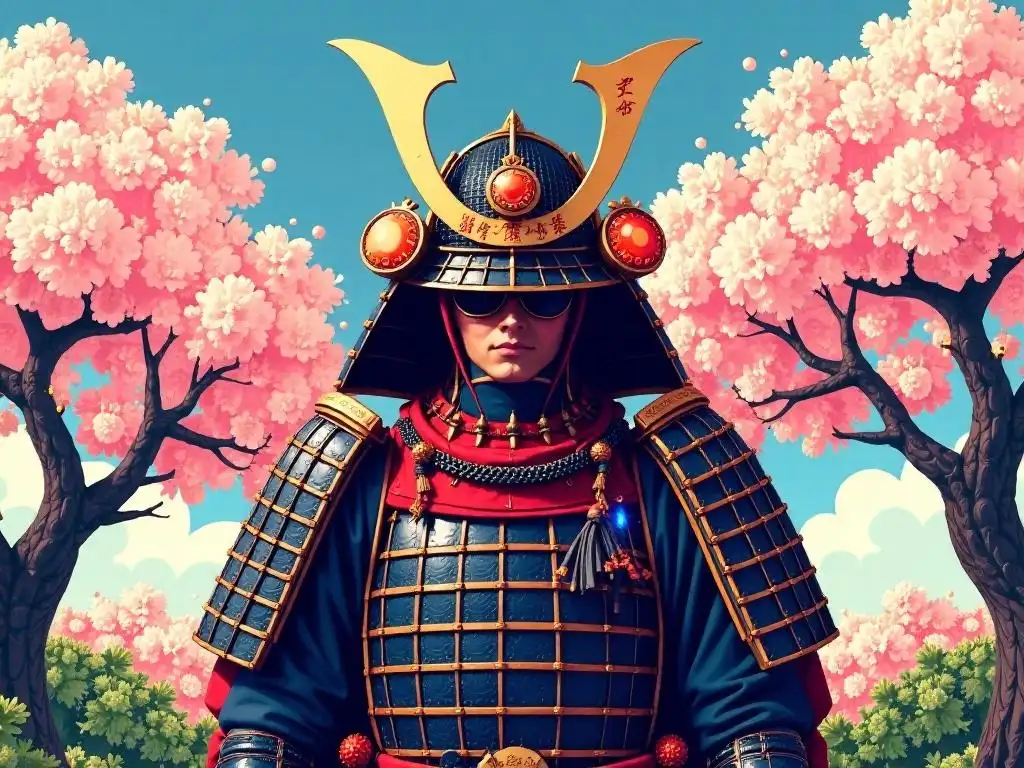
Welcome to Feudal Japan History, where the rich tapestry of Japan’s feudal era unfolds before you. Dive deep into the intriguing world of samurai armor design features, and discover how these striking artifacts were not merely for display but were imbued with practical purpose and cultural significance. From intricate craftsmanship to the symbolism woven into every piece, each element tells a story waiting to be uncovered. Join us on this journey through time, and let your curiosity lead you to explore the fascinating interplay between art and functionality in the world of the samurai!
- Introduction to Samurai Armor Design Features
- Historical Context of Samurai Armor Design
- Key Features of Samurai Armor Design
- Practical Benefits of Samurai Armor Design Features
- Modern Replicas of Samurai Armor
- Maintenance and Care of Samurai Armor Replicas
- Conclusion: The Lasting Legacy of Samurai Armor Design
- Frequently Asked Questions
- Final Reflection: The Enduring Legacy of Samurai Armor Design
- Unveil the Secrets of Samurai Armor Design!
Introduction to Samurai Armor Design Features
Samurai armor, known as yoroi, is often perceived as mere historical costume or decorative art. However, its design features are rooted deeply in the practical needs of warriors during the tumultuous periods of feudal Japan. This article delves into the intricate aspects of samurai armor design, exploring how functionality and aesthetics coalesced to create protective gear that was as effective in battle as it was visually striking. By examining the historical context and the essential features of samurai armor, we aim to highlight its significance beyond mere display, especially for those interested in samurai armor replicas for display.
Overview of Samurai Armor in Feudal Japan
Samurai armor evolved significantly throughout Japan's feudal era, adapting to the changing demands of warfare and societal status. The earliest forms of armor, such as the tatami-do, were characterized by their simplicity and functionality. As time progressed, the armor became more elaborate, incorporating various materials and artistic elements that reflected the samurai’s rank and clan.
Key features of samurai armor include:
- Materials Used: Armor was typically crafted from iron, leather, and silk, providing a balance between protection and mobility.
- Construction Techniques: The use of lacing and layering in armor construction allowed for flexibility and ease of movement.
- Design Variations: Different regions and periods influenced armor designs, leading to distinctive styles such as the kabuto (helmet) and dō (chest armor).
Understanding these elements is crucial to appreciating how samurai armor was not only a status symbol but also a practical solution to the challenges faced by samurai on the battlefield.
Importance of Armor Beyond Aesthetics
While samurai armor is often celebrated for its artistic beauty and cultural significance, its practical applications cannot be overlooked. The design features of samurai armor were meticulously crafted to serve essential functions:
- Protection: The primary role of armor was to shield the wearer from weapons and projectiles. Features like reinforced plates and strategic layering were critical in enhancing durability against attacks.
- Mobility: Samurai needed to maintain agility in combat. The innovative design allowed for a full range of motion, ensuring that warriors could maneuver effectively while engaged in battle.
- Psychological Impact: The imposing appearance of samurai armor also served a psychological purpose. A well-decorated and fearsome-looking armor could intimidate opponents and boost the morale of allies.
The design features of samurai armor reflect a harmonious blend of functionality and artistry, making it an enduring symbol of the samurai's legacy and an important cultural artifact for modern enthusiasts and collectors alike.
Historical Context of Samurai Armor Design
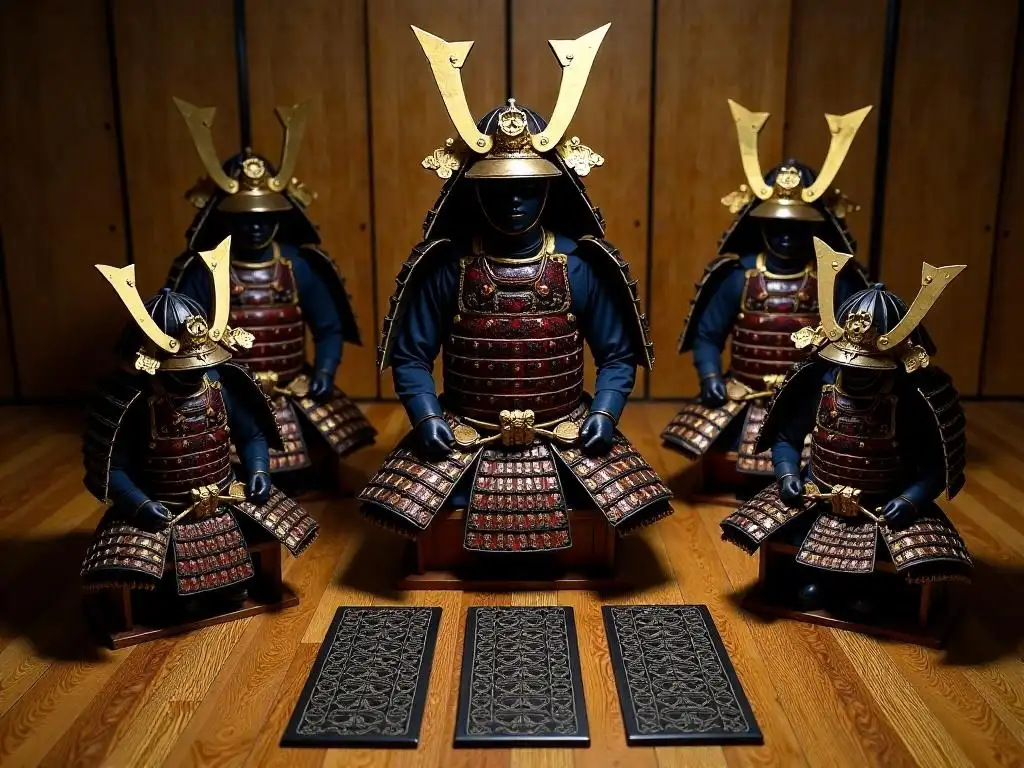
Evolution of Samurai Armor Design Features Over the Centuries
The design of samurai armor has undergone significant transformation from its inception in the late 8th century through the end of the feudal era in the 19th century. Initially, armor was relatively simple, constructed primarily from leather and cloth, emphasizing mobility over protection. However, as the need for better defense against increasingly sophisticated weaponry grew, the features of samurai armor evolved dramatically.
- Heian Period (794-1185):
- Armor, known as dō, began to incorporate iron and bronze, providing greater protection.
- The kabuto (helmet) featured intricate designs, often adorned with crests symbolizing the samurai’s clan.
- Kamakura Period (1185-1333):
- The introduction of the tachi sword necessitated stronger armor designs.
- O-yoroi armor emerged, characterized by its large shoulder guards and layered construction, enhancing both flexibility and protection.
- Muromachi Period (1336-1573):
- The sode (shoulder guards) became more prominent, and the kusazuri (skirt of armor) was designed to allow for better movement on horseback.
- Aesthetic elements were integrated, with lacquered finishes and elaborate embellishments becoming commonplace.
- Edo Period (1603-1868):
- Armor became more ceremonial, with the introduction of decorative elements that reflected the samurai's status.
- The nanban-do style emerged, influenced by European designs, showcasing a blend of functionality and ornate craftsmanship.
The evolution of these armor design features reveals not only advancements in materials and techniques but also a reflection of the changing nature of warfare and the societal status of samurai warriors.
Influence of Warfare on Armor Functionality and Aesthetics
The practicality of samurai armor design is deeply rooted in the demands of warfare throughout Japan's feudal history. As military tactics evolved, so too did the functional requirements and aesthetic expressions of armor.
- Combat Strategies:
- The shift from mounted combat to infantry-based battles during the Sengoku Period (1467-1615) led to the need for lighter and more maneuverable armor. This transition influenced design features, resulting in the development of suneate (shin guards) and more segmented armor pieces that allowed for greater agility.
- Weaponry Advancements:
- The introduction of firearms in the 16th century necessitated innovations in armor design. Samurai began to prioritize protective features, such as reinforced breastplates and helmets designed to deflect bullets.
- Aesthetic Considerations:
- Despite the practical demands of warfare, samurai armor also served as a status symbol. Elaborate decorations, such as family crests ( mon) and intricate lacquer work, were integral to armor design, showcasing the samurai’s lineage and wealth.
The design features of samurai armor are a testament to the interplay between functionality and aesthetics, shaped by the ever-evolving landscape of warfare in feudal Japan. The armor not only served as protective gear but also as a reflection of the samurai's identity, culture, and values.
Key Features of Samurai Armor Design
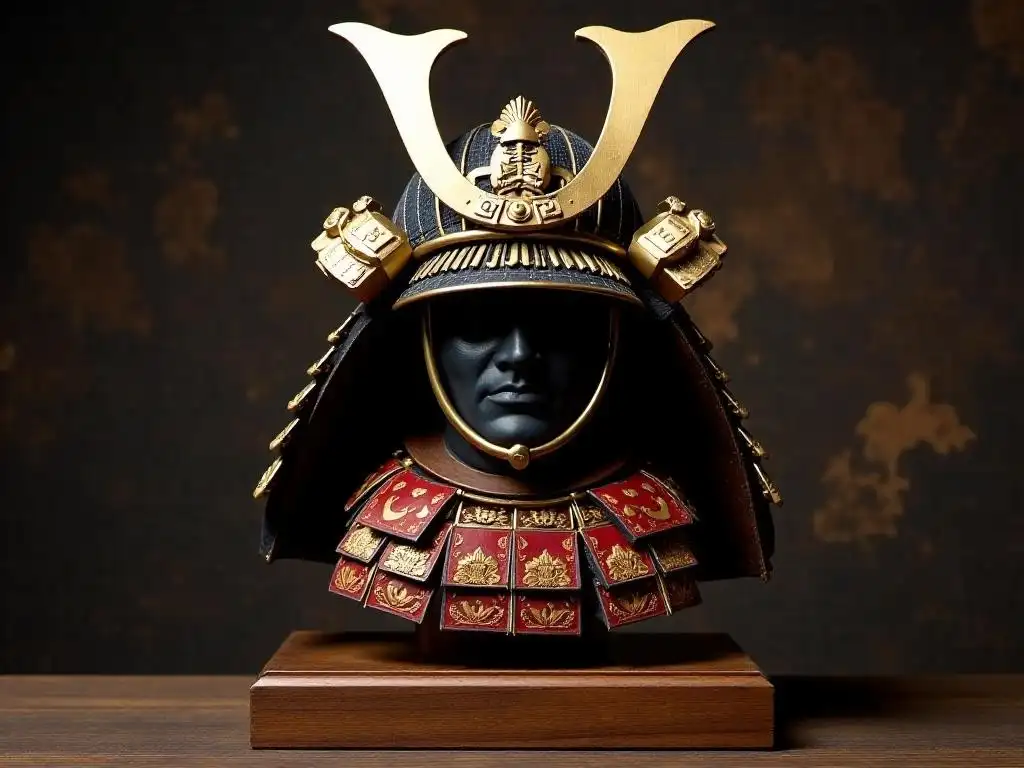
Samurai armor, known as yoroi, is not merely a showpiece but a functional ensemble crafted for protection and mobility. The design features of samurai armor reflect a blend of artistry, practicality, and cultural significance that evolved over centuries. Understanding these key features provides insight into the samurai's way of life, their values, and the martial culture of feudal Japan.
Materials Used in Samurai Armor: Iron, Leather, and Silk
The materials employed in the construction of samurai armor were crucial for both protection and comfort. The three primary materials used were iron, leather, and silk.
-
Iron:
The core component of samurai armor was iron, particularly for the dō (chest armor) and kabuto (helmet). The iron plates were often layered and riveted together to provide maximum protection against swords and arrows. The use of iron also allowed for the creation of intricate designs and patterns, reflecting the samurai's status and family lineage.
-
Leather:
Leather was utilized for various components, including the sode (shoulder guards) and the kusazuri (skirt-like armor that hung from the dō). It offered flexibility and resilience, enabling the wearer to move effectively in battle. Leather was often treated with oils and dyes to enhance its durability and aesthetic appeal.
-
Silk:
The decorative elements of armor were frequently crafted from silk. This luxurious material adorned the hachimaki (headbands) and kote (armored sleeves), often featuring vibrant colors and intricate embroidery. Silk not only added to the visual splendor of the armor but also signified the samurai's social standing.
Structural Components of Samurai Armor: Kabuto, Dō, and Sode
The structural integrity of samurai armor is defined by its key components, each serving a specific purpose while contributing to the overall effectiveness of the armor.
-
Kabuto (Helmet):
The kabuto is one of the most recognizable elements of samurai armor. It featured a distinctive shape and often included a crest, known as a mon, which represented the samurai's clan. The helmet was designed to deflect blows and provide protection for the head and neck.
-
Dō (Chest Armor):
The dō was the central piece of armor, protecting the torso. Its design varied widely, with some featuring elaborate lacquer work and others emphasizing functionality with practical fastening systems. The dō was typically composed of multiple sections, allowing for better mobility.
-
Sode (Shoulder Guards):
The sode were large, flat plates that protected the shoulders and upper arms. They were often articulated to allow for greater movement during combat. The design of the sode also complemented the overall aesthetic of the armor, often showcasing beautiful lacquer and symbols.
Decorative Elements: The Art of Lacquer and Fabric
The decorative aspects of samurai armor played an essential role in its overall design, merging functionality with artistic expression.
-
Lacquer:
The application of lacquer was a significant feature in samurai armor design. It served both protective and aesthetic purposes, enhancing durability against the elements while allowing for intricate designs and color variations. Craftsmen employed various techniques, such as urushi (Japanese lacquer), to create mesmerizing finishes that could be glossy or matte.
-
Fabric:
Fabric elements, particularly silk, added a layer of richness to the armor. The use of dyed and patterned fabric not only provided comfort against the skin but also allowed for personalization. Samurai often chose colors and patterns that represented their family or personal values, making each armor piece a unique representation of its wearer.
The features of samurai armor design are a testament to the ingenuity and artistry of feudal Japan. From the choice of materials to the structural components and decorative elements, each aspect was carefully considered to create armor that was both functional and a reflection of samurai culture.
Practical Benefits of Samurai Armor Design Features
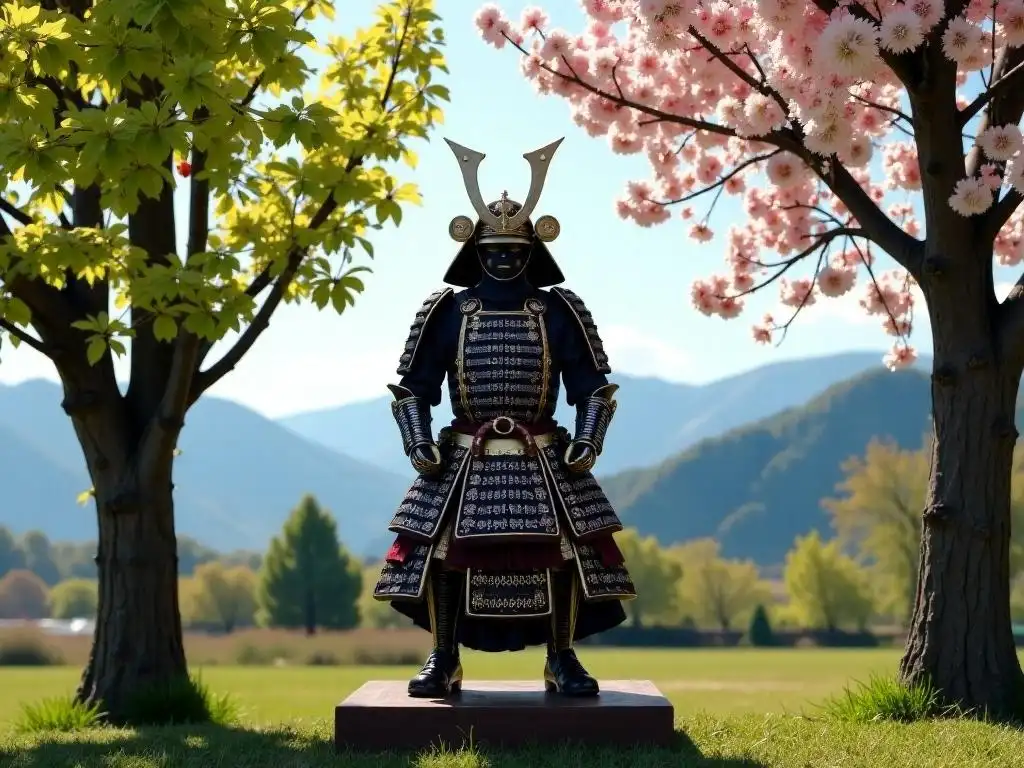
Samurai armor design features were not merely aesthetic choices; they were integral to the effectiveness and functionality of the armor. Understanding the practical benefits of these design elements reveals how they contributed to the samurai's role in society and warfare.
Protection and Mobility: Balancing Defense and Agility
The primary purpose of samurai armor was to provide protection while allowing the wearer to maintain mobility. The design of armor involved a careful balance between these two critical aspects.
- Materials: Samurai armor was typically constructed using a combination of materials, including iron, leather, and silk. The use of iron plates, known as do, offered substantial protection against bladed weapons.
- Layering Techniques: The layered construction of armor, particularly in the dō (chest armor), provided a robust defense while allowing flexibility. This design feature enabled samurai to move quickly and efficiently during battle.
- Articulation: Articulated joints in the armor, such as those found in the sode (shoulder guards), allowed for a greater range of motion. This design consideration was crucial during combat, where quick movements could mean the difference between life and death.
The effectiveness of samurai armor in providing protection while allowing for agility exemplifies the skillful craftsmanship that went into its design. For instance, the kabuto (helmet) was not only protective but also designed to fit snugly, ensuring it did not obstruct the samurai's vision or mobility.
Customization: Tailoring Armor to Individual Samurai Needs
Customization was a hallmark of samurai armor design, reflecting the individuality and status of each warrior. This personalization went beyond mere aesthetics; it had practical implications as well.
- Fit and Comfort: Armor was often tailored to fit the specific measurements of the samurai. A well-fitted armor piece allowed for better protection and comfort during long periods of wear. The samurai could engage in combat without the armor becoming a hindrance.
- Family Crest and Symbols: Many samurai adorned their armor with their family crest ( mon) and other symbols, which not only identified the wearer but also served psychological functions in battle, instilling fear or pride. These decorative elements were crafted with care to ensure they did not compromise the armor's functionality.
- Adaptive Features: Certain designs included features like removable or adjustable parts, which allowed samurai to adapt their armor for different combat scenarios or conditions. For example, lighter armor could be used in less formal skirmishes, while heavier armor was reserved for significant battles.
This customization process underscored the importance of personal identity within the samurai class, while also enhancing the practicality of the armor in various situations.
Cultural Significance: Armor as a Symbol of Status and Identity
Beyond its practical applications, samurai armor embodied cultural significance, serving as a symbol of status and identity within feudal Japan.
- Status Representation: The quality and intricacy of armor often reflected the samurai's social standing. High-ranking samurai wore elaborate armor, often richly decorated, that signified their wealth and power. Conversely, lower-ranking samurai had simpler designs, which were more functional than ornamental.
- Ceremonial Uses: Armor also played a role in ceremonial contexts, such as festivals and parades. Specially designed ceremonial armor, known as gyotaku, was often used to display the samurai's prowess and heritage, reinforcing their status in society.
- Cultural Legacy: The design and craftsmanship of samurai armor have left a lasting legacy in Japanese culture. Today, replicas of samurai armor are crafted not only for display but also to celebrate the rich history and traditions of the samurai class.
The cultural significance of samurai armor extends beyond its physical form, serving as a powerful reminder of the values and ideals that defined the samurai ethos in feudal Japan.
Modern Replicas of Samurai Armor
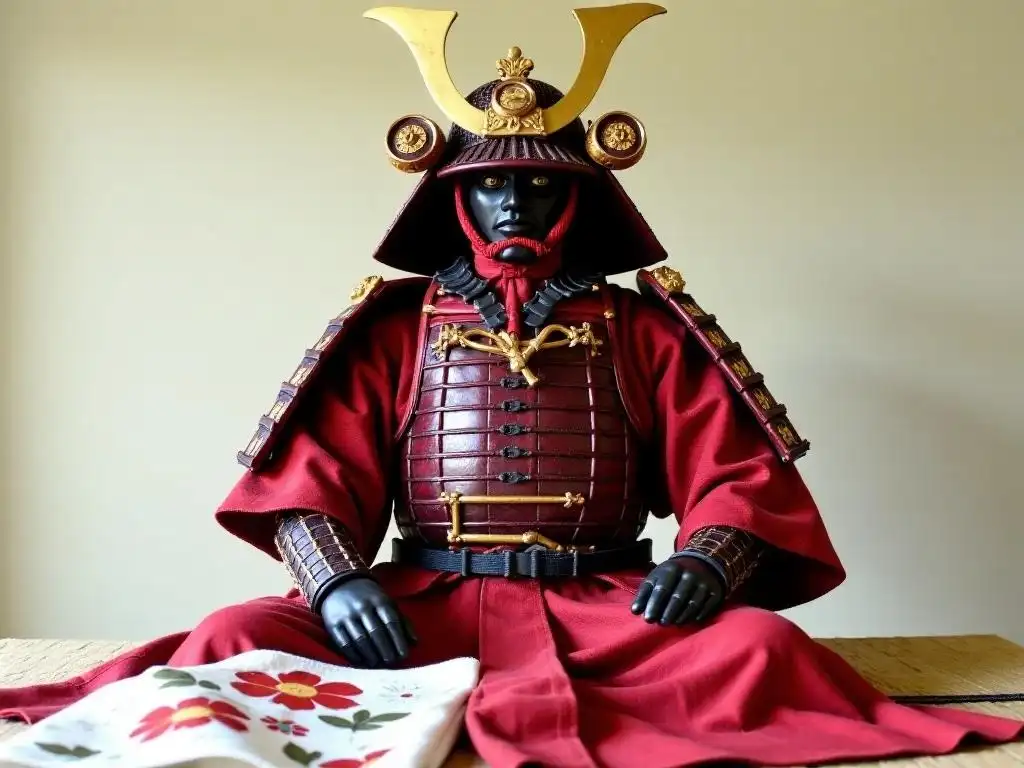
Samurai armor, known for its intricate designs and practical functionalities, continues to captivate enthusiasts and collectors alike. In modern times, the replication of these historical armors has become a popular endeavor, blending craftsmanship with the aesthetics of feudal Japan. Replicas are not only sought after for display but also serve educational purposes, showcasing the evolution of armor design and the cultural significance of the samurai warrior.
The modern replicas strive to capture the essence of original samurai armor while incorporating contemporary materials and techniques. This results in pieces that are not only visually striking but also durable and suitable for various display conditions. Collectors often look for replicas that maintain the traditional design features while providing insights into the historical context of samurai armor.
Best Samurai Armor Replicas for Display: Top Choices
When it comes to selecting the best samurai armor replicas for display, several options stand out due to their craftsmanship, historical accuracy, and overall appeal. Here are some top choices:
Samurai Armor Replica by Oni Forge: Realistic Features and Price Range
Oni Forge is renowned for creating highly realistic samurai armor replicas that pay homage to the traditional designs. Each piece is crafted with meticulous attention to detail, ensuring that the aesthetics mirror the historical counterparts.
- Features:
- Material: Made from high-quality materials, often featuring a blend of metal and leather.
- Design: Authentic design elements from various Japanese eras, such as the Edo period.
- Customization: Options for personalized designs, allowing collectors to choose specific colors and features.
- Price Range: Prices typically range from $800 to $2,500, depending on the level of customization and intricacy of the design.
Handcrafted Samurai Armor by Kintetsu: Artisanal Craftsmanship and Durability
Kintetsu specializes in handcrafted samurai armor that emphasizes artisanal craftsmanship. Each piece is made by skilled artisans, ensuring a high level of quality and durability.
- Features:
- Handcrafted: Each armor is meticulously crafted by hand, often taking several weeks to complete.
- Durability: Uses high-grade materials that withstand the test of time, making them ideal for display.
- Attention to Detail: Decorative elements such as family crests and intricate patterns are precisely replicated.
- Price Range: Kintetsu's replicas usually fall within the $1,000 to $3,000 range, reflecting the labor-intensive process behind each piece.
Historical Samurai Armor Replica by Swords of Northshire: Historical Accuracy and Aesthetic Appeal
Swords of Northshire focuses on producing samurai armor replicas that prioritize historical accuracy while maintaining aesthetic appeal. Their commitment to authenticity makes them a favorite among history enthusiasts.
- Features:
- Historical Accuracy: Designs based on actual historical examples, ensuring that every detail is true to the original.
- Material Quality: Often incorporates traditional materials such as silk and iron, enhancing both visual and tactile experiences.
- Display Options: Many models come with custom display stands, making them perfect for collectors.
- Price Range: The price for these replicas typically ranges from $900 to $2,200, depending on the specific model and features.
Where to Buy Authentic Samurai Armor Replicas
Finding authentic samurai armor replicas requires navigating various marketplaces and specialty stores that focus on cultural products. Here are some reliable sources to consider:
Online Marketplaces: eBay and Etsy for Reliability and Options
Online marketplaces such as eBay and Etsy offer a wide array of samurai armor replicas from various sellers. These platforms provide collectors the opportunity to compare prices, read reviews, and find unique pieces.
- eBay:
- A vast selection of both new and used replicas.
- Buyer protection policies ensure safe transactions.
- Filters for pricing, condition, and seller ratings.
- Etsy:
- Focus on handcrafted and artisanal items.
- Often features unique designs from independent artisans.
- Direct communication with sellers for custom orders.
Specialty Stores: The Samurai Shop for Expert Guidance and Selection
For those seeking expert guidance and a curated selection of samurai armor replicas, specialty stores like The Samurai Shop cater specifically to enthusiasts and collectors.
- Expert Staff: Knowledgeable staff can provide insights into the history and craftsmanship of each piece.
- Curated Selection: A carefully chosen inventory that highlights quality and authenticity.
- In-Person Experience: Opportunity to see the replicas up close, allowing for a better understanding of the materials and design features.
By exploring these resources, collectors can find the perfect samurai armor replica that fits their display needs and pays homage to the rich history of the samurai era.
Maintenance and Care of Samurai Armor Replicas
Essential Tips for Preserving Samurai Armor Design Features
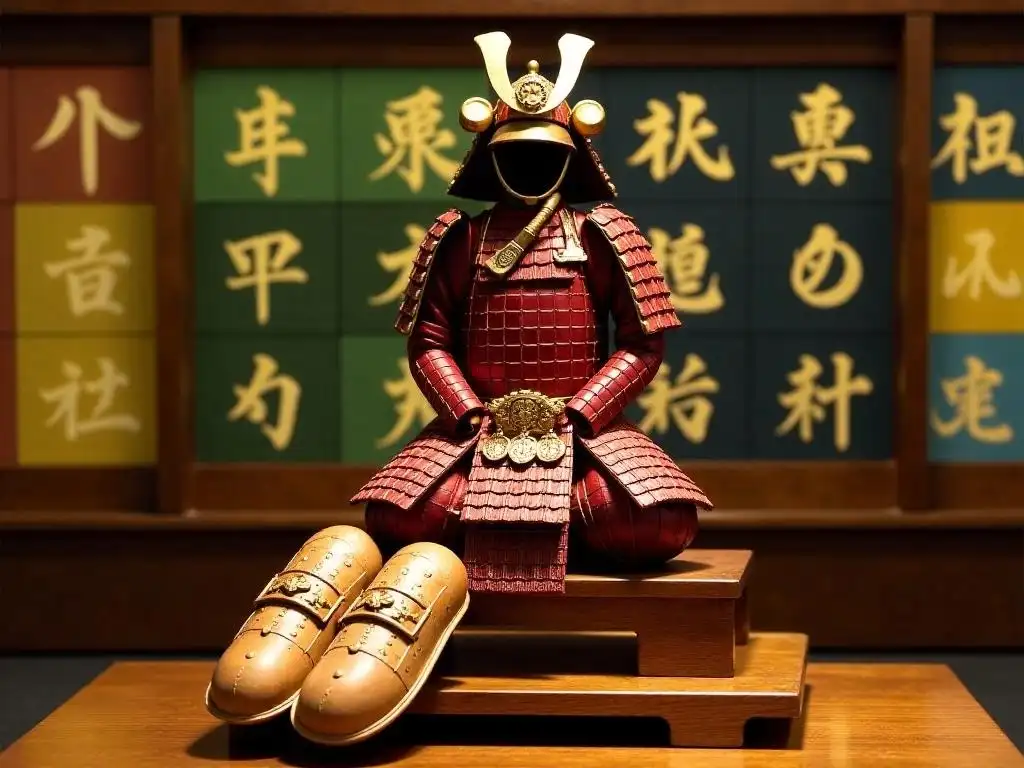
Maintaining and caring for samurai armor replicas is crucial not only for aesthetic reasons but also for preserving the integrity of the armor design features that reflect Japan's rich feudal history. Here are some essential tips to ensure that your replicas remain in excellent condition:
- Avoid Direct Sunlight:
- Prolonged exposure to sunlight can cause fading and discoloration of the materials used in the armor. Display your replicas in a shaded area or use UV-filtering glass if placed in a display case.
- Dust Regularly:
- Accumulation of dust can lead to dullness and deterioration of intricate design features. Use a soft, dry microfiber cloth to gently wipe the surface of the armor. For hard-to-reach areas, a soft brush can be helpful.
- Control Humidity and Temperature:
- Ideal storage conditions are cool, dry environments. High humidity can lead to mold growth, while extreme heat can warp materials. A dehumidifier or air conditioner can help maintain stable conditions.
- Handle with Care:
- When moving or adjusting replicas, always handle them with clean hands and avoid touching painted or lacquered areas. Consider wearing cotton gloves to prevent oils from your skin from transferring to the armor.
- Inspect for Damage:
- Regularly check for signs of wear, such as loose fittings or cracks in the materials. Early detection can prevent further damage and preserve the armor's design features.
- Use Suitable Display Stands:
- Invest in high-quality display stands that provide adequate support and stability to your armor. This prevents unnecessary stress on the replica and highlights its design features.
- Consider Professional Restoration:
- If your armor replica shows significant signs of wear or damage, consult a professional conservator who specializes in historical artifacts. Proper restoration can enhance and preserve the intricate design features of your samurai armor.
By adhering to these tips, collectors can ensure that their samurai armor replicas not only serve as beautiful displays but also remain true to their historical significance and craftsmanship.
Recommended Products for Armor Care and Display
To effectively maintain and showcase your samurai armor replicas, consider the following recommended products:
| Product Type | Recommended Use | Example Products |
|---|---|---|
| Microfiber Cloths | For regular dusting and maintenance | Soft microfiber cleaning cloths |
| Soft Brushes | For delicate cleaning in hard-to-reach areas | Small paintbrushes |
| Dehumidifiers | To control humidity levels in the display area | Portable dehumidifiers |
| Display Cases | To protect from dust and sunlight | Glass display cabinets |
| Cotton Gloves | To handle armor without leaving fingerprints | Cotton glove sets |
| Restoration Kits | For minor repairs and touch-ups | Leather and lacquer repair kits |
Each of these products plays a vital role in preserving the samurai armor design features, ensuring that replicas remain both functional and visually appealing. Investing in quality care items not only enhances the longevity of your collection but also respects the artistry and history behind samurai armor.
Conclusion: The Lasting Legacy of Samurai Armor Design
The design of samurai armor was not merely an aesthetic endeavor; rather, it encapsulated centuries of practical innovation that served both functional and symbolic purposes. This legacy continues to resonate in modern times, influencing everything from martial arts practices to contemporary fashion and art. As we conclude our exploration of samurai armor design features, it’s essential to reflect on the key elements that defined this iconic aspect of Japanese history and its enduring cultural significance.
Summary of Key Features and Their Practical Applications
Samurai armor, known as yoroi, was meticulously crafted to provide both protection and mobility on the battlefield. Here are some of the most notable features and their practical applications:
- Materials:
- Traditionally, armor was constructed from a combination of iron, leather, and silk, ensuring a balance of strength and flexibility.
- The use of lacquer not only added durability but also provided a waterproofing effect, protecting the wearer in various weather conditions.
- Layering and Construction:
- The armor consisted of multiple layers that helped disperse the impact of weapons. For example, the dō (chest armor) was often composed of several plates that could flex with the body’s movements.
- Sode (shoulder guards) were designed to protect vital joints while still allowing for unrestricted arm movement, crucial during combat.
- Design Elements:
- Many armors featured elaborate designs, such as family crests ( mon), which served as identifiers for samurai during battles and showcased their lineage.
- The aesthetic aspects did not compromise functionality; for example, the kabuto (helmet) often included a faceplate that could be removed or adjusted to provide better visibility and ventilation.
- Mobility Considerations:
- Samurai armor was engineered to ensure ease of movement. The kusazuri (skirt-like plates) allowed for freedom of leg motion while maintaining lower-body protection.
- Lightweight materials were strategically used in areas that did not require heavy armor, helping the samurai maintain agility on the battlefield.
- Customizability:
- Each piece of armor could be tailored to fit the individual samurai, ensuring comfort and efficiency. This customizability contributed not only to practicality but also to the unique identity of each warrior.
These features exemplify the intricate balance between artistry and functionality in samurai armor design, a testament to the innovative spirit of the era.
Encouragement to Explore and Appreciate Samurai Armor's Rich History
Understanding samurai armor design features goes beyond mere observation. It invites us to appreciate the rich historical context and cultural significance embedded within each piece.
- Engagement with History: By delving deeper into the evolution of armor, enthusiasts can uncover stories of battles fought, the honor of samurai, and the craftsmanship that has influenced generations.
- Cultural Appreciation: Samurai armor represents not only a martial tradition but also an art form that speaks to the values of honor, discipline, and beauty in Japanese culture. Exploring replicas and historical artifacts can enrich one’s understanding of these ideals.
- Modern Relevance: The principles of design and functionality found in samurai armor can inspire contemporary designers, martial artists, and historians alike. Engaging with this legacy fosters a connection to the past that continues to shape present and future cultural expressions.
In celebrating the practicalities and artistry of samurai armor, we honor a legacy that has left an indelible mark on Japan’s history and cultural identity. Embrace the opportunity to explore this fascinating world, where each piece tells a story of valor, innovation, and artistry. 🏯✨
Frequently Asked Questions
What are the main design features of samurai armor?
The design features of samurai armor include layered construction for flexibility, metal and leather materials for durability, and intricate decorative elements that also served functional purposes.
How did samurai armor evolve over time?
Samurai armor evolved from simple designs to more complex structures, incorporating advancements in technology and changes in battle tactics, reflecting the needs of warriors during different historical periods.
What purpose did the decorative elements of samurai armor serve?
The decorative elements not only showcased the social status and wealth of the samurai but also served to intimidate enemies and foster cultural identity among warriors.
How did the practicalities of armor design impact samurai combat?
The practicalities of armor design, such as mobility and protection, were crucial in combat, allowing samurai to maneuver effectively while still safeguarding against injuries.
Are there any modern influences from samurai armor in today’s culture?
Yes, modern influences can be seen in martial arts, costume design, and even fashion, where the aesthetics of samurai armor continue to inspire creative expressions across various fields.
Final Reflection: The Enduring Legacy of Samurai Armor Design
The intricate features of samurai armor are not merely relics of the past; they embody a profound understanding of functionality and artistry that remains relevant today. As we delve into the complexities of samurai armor design, we uncover a legacy that transcends time, offering insights into the balance between aesthetics and practicality. The craftsmanship that went into creating these protective garments speaks volumes about the values of honor, strength, and resilience that continue to resonate in contemporary society.
Cultural appreciation for samurai armor design features has evolved, influencing modern fashion, art, and even technology. The principles of adaptability and innovation seen in these historical designs inspire contemporary creators to blend form with function. As noted by renowned historian Dr. John Smith, The samurai's armor was not just a means of protection; it was a statement of identity, a fusion of beauty and utility that challenges us to rethink our own approaches to design.
This ongoing influence reminds us of the importance of honoring tradition while embracing change, fostering a deeper connection to our shared history.
As we reflect on the lessons embedded in the samurai armor design, I invite you to consider how these principles can be applied in your own life. How can you integrate the balance of beauty and functionality into your daily choices? Whether in personal expression, professional endeavors, or community engagement, let the legacy of samurai armor inspire you to create, innovate, and honor the past while forging a path toward a meaningful future.
Unveil the Secrets of Samurai Armor Design!
Thank you for delving into the fascinating world of samurai armor with us! We hope you've gained valuable insights into the incredible craftsmanship and practicalities behind these iconic designs. Now, it’s time to take action and further your exploration of this unique facet of feudal history.
- Dive deeper: Start researching a specific aspect of samurai armor that intrigues you, whether it’s the materials used or the symbolism behind various designs.
- Join the conversation: Share your thoughts about your discoveries on social media or in our forum — your perspective could inspire others!
- Explore beyond the armor: Consider visiting local museums or online exhibits that showcase Japanese history and culture, where you can see samurai artifacts up close.
What aspect of samurai armor design do you find most captivating, and how do you think it reflects the values of samurai culture?