
Unlocking Feudal Japan’s Secrets: Key Terms for History Aficionados

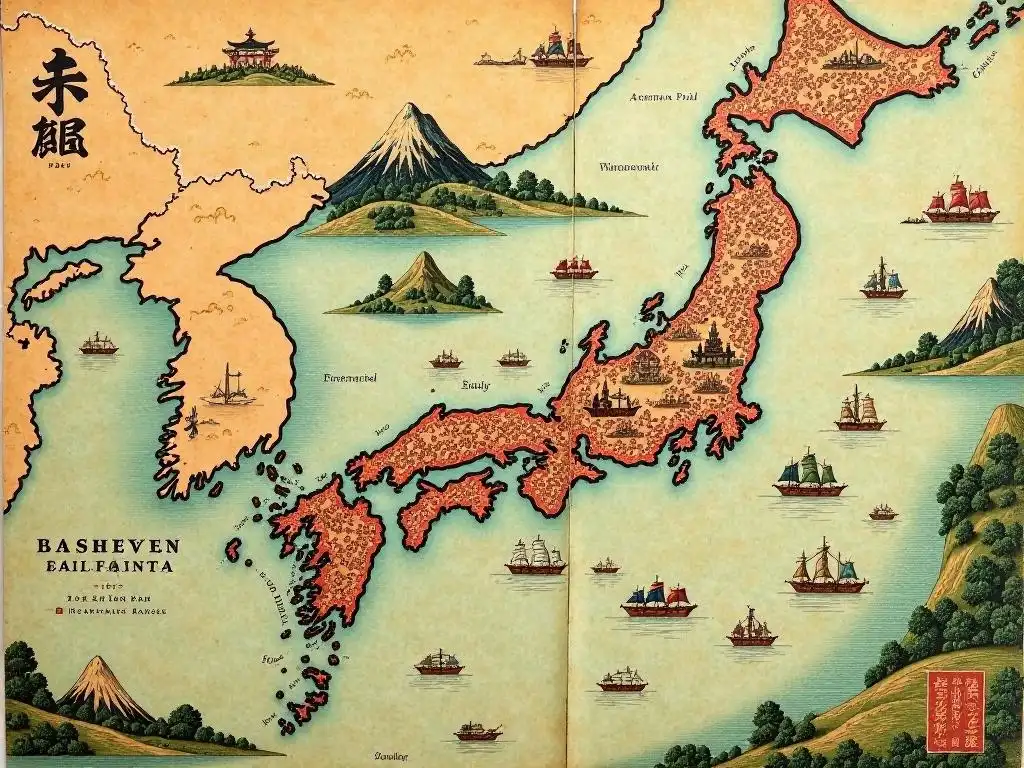
Welcome to Feudal Japan History, where we invite you to embark on a captivating journey through the intricate tapestry of Japan's feudal era. Here, you'll uncover the essential feudal Japan history terms that serve as the keys to understanding this remarkable period. Whether you're a history aficionado or simply curious about the cultural and societal nuances that shaped a nation, our expert-driven articles promise to ignite your passion for learning. Dive deeper with us, and unlock the secrets that lie within the pages of history!
The history of Feudal Japan is a rich tapestry woven from intricate cultural traditions, complex social hierarchies, and pivotal historical events. Understanding the terminology associated with this era is crucial for anyone looking to delve deeper into the profound narratives that shaped Japan from the 12th to the 19th century.
This article serves as a vital resource for history enthusiasts, providing a comprehensive glossary of essential terms that illuminate the intricate dynamics of feudal society. By familiarizing yourself with these key terms, you will unlock a greater appreciation of Japan's feudal era, enhancing both your knowledge and your ability to engage with the fascinating stories of samurai warriors, shoguns, and the everyday lives of citizens.
Understanding Feudal Japan History Terms
Feudal Japan was characterized by a unique social structure and a distinct set of customs, all of which necessitated a specialized vocabulary. Understanding these terms provides invaluable insight into the values and beliefs that governed the lives of people during this period. Terms like daimyo, samurai, and shogunate are not just words; they encapsulate the essence of a historically rich society where power dynamics and cultural practices intertwined.
In addition to political and military terms, the language of Feudal Japan also encompasses various cultural concepts, spiritual beliefs, and social norms that defined the era. The significance of understanding these terms cannot be overstated, as they offer a lens through which to view the complexities of Japanese history. From the art of war to the nuances of daily life, each term serves as a gateway into the values and ideologies that shaped Japan's past.
Essential Feudal Japan History Terms Every Aficionado Should Know
To fully engage with the narratives of Feudal Japan, it is essential to familiarize oneself with the key terms that define this era. Here are some of the most important terms every history aficionado should know:
- Daimyo: The powerful feudal lords who held significant land and authority, commanding loyal samurai.
- Samurai: The warrior class, known for their code of honor (Bushido) and martial prowess.
- Shogun: The military dictator of Japan, often the de facto ruler, who held power over the emperor.
- Ronin: Samurai without a master, often roaming and seeking purpose or employment.
- Bushido: The code of honor and conduct for samurai, emphasizing loyalty, honor, and discipline.
This list is just the beginning, as the language of Feudal Japan is extensive and nuanced. Each term opens the door to further exploration of the historical context, cultural practices, and societal norms that defined this fascinating period.
Cultural Concepts in Feudal Japan History
Beyond the political and military lexicon, Feudal Japan's history is rich with cultural concepts that reflect the values and beliefs of its society. Understanding these cultural terms is key to grasping the essence of daily life during this era. Some notable cultural concepts include:
- Zen Buddhism: A significant spiritual influence that shaped art, philosophy, and the samurai's approach to life and death.
- Shinto: The indigenous spirituality of Japan, emphasizing the worship of kami (spirits) and the natural world.
- Ikebana: The art of flower arrangement, reflecting the cultural appreciation for nature and aesthetics.
- Tea Ceremony (Chanoyu): A ritualized preparation and consumption of tea, symbolizing harmony, respect, and tranquility.
Each of these cultural concepts reveals the intricate relationship between the people of Feudal Japan and their environment, as well as the philosophies that guided their actions and beliefs. By exploring these terms, history enthusiasts can gain a deeper understanding of the values that permeated Japanese society during this notable period.
Societal Structures in Feudal Japan

Feudal Japan was characterized by a complex societal hierarchy that defined the roles and relationships among its inhabitants. At the top of this hierarchy was the Emperor, considered a divine figure but often a mere ceremonial leader. The real power lay with the shogun, the military dictator who governed the country. This duality of power created a unique dynamic in which the emperor's authority was largely symbolic, while the shogun wielded actual control over the military and political affairs.
Below the shogun were the daimyō, powerful feudal lords who controlled vast territories and were responsible for maintaining order within their domains. They were often supported by a retinue of samurai, the warrior class that adhered to the code of bushidō, emphasizing honor, loyalty, and martial prowess. The samurai were not just military leaders; they also played significant roles in the administration and governance of their respective lands.
Peasants formed the backbone of the feudal economy, primarily engaged in agriculture. They were obliged to pay taxes and provide labor, often living under the protection of the daimyō in exchange for their loyalty and service. This economic dependency led to a rigid class system, where social mobility was limited. At the lower end of the scale were the artisans and merchants, who, despite their essential roles in commerce and crafts, were often looked down upon in the feudal hierarchy.
Understanding these societal structures is pivotal for grasping how power dynamics influenced political and cultural developments in feudal Japan. The interactions between these classes shaped the social fabric and laid the groundwork for Japan's historical trajectory.
The Evolution of Language in Feudal Japan
The evolution of language during the feudal era in Japan reflects the broader cultural and societal transformations of the period. The primary language, Japanese, underwent significant changes influenced by various factors, including the introduction of Chinese characters (kanji) and the development of native scripts such as hiragana and katakana.
Initially, the kanji system was adopted for writing, which allowed for the transcription of Buddhist texts and the recording of historical events. This period saw the emergence of classical Japanese, heavily influenced by Chinese syntax and vocabulary. As literacy spread, particularly among the samurai class and the educated elite, a need arose for a more accessible writing system. This led to the development of hiragana and katakana, which simplified the writing process and enabled broader public engagement with literature and administration.
The feudal period also witnessed the flourishing of literature and poetry, notably with works such as The Tale of Genji, which exemplified the sophisticated use of language and its cultural significance. The language not only served as a means of communication but also as a vessel for expressing the values and aesthetics of the time.
Moreover, the regional dialects that emerged during this period added to the richness of the Japanese language, creating a diverse linguistic landscape that varied from one province to another. This evolution of language is essential for understanding the cultural identity of feudal Japan and how it shaped the interactions among different societal classes.
Conclusion: Why Understanding Feudal Japan History Terms Matters
Understanding the key terms related to feudal Japan history is crucial for anyone delving into this fascinating period. These terms are not just words; they encapsulate the complexities of a society that thrived on intricate relationships between power, culture, and economy. By familiarizing oneself with these concepts, history aficionados can gain deeper insights into how feudal structures influenced everyday life, governance, and cultural expressions.
Moreover, a strong grasp of these terms enriches the experience of studying feudal Japan, allowing enthusiasts to engage with historical texts, literature, and scholarly discussions more effectively. The language used to describe this era carries with it the weight of historical significance and cultural nuance, making it essential for a comprehensive understanding of Japan's past.
Mastering the vocabulary of feudal Japan history not only enhances one's appreciation of this rich historical tapestry but also fosters a greater understanding of how these historical dynamics continue to resonate in contemporary Japanese culture.
- Understanding Feudal Japan History Terms
- Essential Feudal Japan History Terms Every Aficionado Should Know
- Cultural Concepts in Feudal Japan History
- Societal Structures in Feudal Japan
- The Evolution of Language in Feudal Japan
- Conclusion: Why Understanding Feudal Japan History Terms Matters
Frequently Asked Questions
What are the key terms associated with Feudal Japan history?
Key terms include shogunate, samurai, daimyō, and bushido. Understanding these terms is essential for grasping the complexities of Japan's feudal system.
How did the shogunate impact Feudal Japan?
The shogunate was a military government that centralized power and control. It established the samurai class as the ruling elite, significantly shaping political and social structures during the era.
What role did the samurai play in Feudal Japan?
The samurai were the warrior class, known for their code of honor called bushido. They served the daimyō (feudal lords) and upheld loyalty, courage, and discipline.
How did culture evolve during Feudal Japan?
Feudal Japan was marked by a rich cultural landscape, including the development of theater, literature, and visual arts. This period fostered unique aesthetic values that influenced later Japanese culture.
What were the major societal structures in Feudal Japan?
Feudal Japan was structured around a hierarchy that included the emperor, shogun, daimyō, samurai, and peasants. This rigid structure defined social relationships and dictated economic roles throughout the era.
Final Reflection: Unveiling the Rich Tapestry of Feudal Japan
In exploring the intricate web of Feudal Japan's history terms, we uncover not just a timeline of events, but a profound narrative that continues to resonate in our contemporary world. The values, social structures, and cultural practices of this era have shaped modern Japanese society and influenced global perspectives on honor, loyalty, and governance. Understanding these terms is not merely an academic exercise; it is a gateway to appreciating the complexities of human civilization and the enduring legacies that define us today.
The impact of Feudal Japan extends far beyond its historical confines, influencing art, literature, and even modern social dynamics. As we delve into the significance of samurai ethics, the role of the shogunate, and the nuances of bushido, we recognize their pervasive presence in contemporary culture. The echoes of this past remind us of the values we hold dear and the lessons we can learn from history. Those who cannot remember the past are condemned to repeat it.
– George Santayana. This quote serves as a poignant reminder of the importance of understanding our history to navigate our present and future wisely.
As you reflect on the insights gained from this exploration of Feudal Japan, I invite you to consider how these historical lessons can be applied in your own life. What values from this era resonate with you, and how can you embody them in your daily interactions?
Embrace the opportunity to learn from the past, allowing it to inform your actions and decisions as you contribute to the tapestry of our shared human experience. Let the secrets of Feudal Japan inspire you to cultivate a deeper understanding of history and its relevance in shaping a more thoughtful and compassionate future.
Dive Deeper into the Mysteries of Feudal Japan!
Thank you for taking the time to explore the fascinating world of Feudal Japan with us. We hope you’ve gained valuable insights into the key terms that shaped this remarkable era. Now, it’s time to take your curiosity a step further!
Here are a few action-packed ways to continue your journey:
- Enroll in an online course to deepen your understanding of feudal systems and their historical impacts.
- Share your newfound knowledge with friends and spark a discussion—consider starting a book club dedicated to exploring the intricacies of Feudal Japan!
- Join our community at feudaljapanhistory.com to connect with fellow history enthusiasts and broaden your learning experience.
What aspect of Feudal Japan are you most eager to explore next?