
10 Essential Feudal Japan Terms Every History Buff Should Know


Welcome to Feudal Japan History, your gateway to a profound understanding of Japan's captivating feudal era! Here, we delve deep into the intricate tapestry of historical, cultural, and societal elements that shaped this fascinating period. Are you ready to enrich your vocabulary with the "feudal Japan key terms" that every history buff should know?
In our featured article, "10 Essential Feudal Japan Terms Every History Buff Should Know," we unveil the foundational terms that unlock the secrets of this extraordinary time. Prepare to embark on a journey that will not only enhance your knowledge but also ignite your curiosity about the rich legacy of feudal Japan. Let’s dive in!
Introduction to Feudal Japan Key Terms
The feudal era of Japan, spanning from the late 12th century to the mid-19th century, represents a pivotal chapter in the nation’s history, characterized by a complex social hierarchy, powerful military clans, and a rich tapestry of cultural practices. Understanding the key terms associated with this period is essential for anyone looking to delve deeper into the historical context and significance of feudal Japan.
This article will explore 10 essential feudal Japan key terms that every history buff should familiarize themselves with, providing insight into the societal structure, influential figures, and cultural nuances that defined this era. From the formidable samurai to the authoritative shogun, these terms not only embody the essence of feudal Japan but also serve as gateways to understanding its historical narrative.
1. Samurai: The Warrior Class of Feudal Japan
The samurai were more than just skilled warriors; they were an integral part of the feudal system, serving as the military nobility of Japan. Emerging during the late 12th century, the samurai class adhered to a strict code of conduct known as Bushido, which emphasized virtues such as loyalty, honor, and discipline.
- Key Aspects of Samurai Life:
- Bushido Code: A moral code that governed the behavior of samurai, stressing loyalty to one's lord and self-discipline.
- Roles: Beyond warfare, samurai often held positions of power and governance, influencing political decisions.
- Cultural Contributions: Samurai were also patrons of the arts, contributing to the development of tea ceremonies, poetry, and literature.
The samurai's legacy continues to resonate in modern Japanese culture, symbolizing bravery and honor.
2. Shogun: The Military Leader of Japan
The term shogun refers to a military leader who held significant power during the feudal period. Originally a title granted to commanders in the field, it evolved into a hereditary position that effectively ruled Japan, often overshadowing the emperor.
- Historical Significance:
- Rise to Power: The first shogun, Minamoto no Yoritomo, established the Kamakura shogunate in 1192, marking the beginning of shogunal rule in Japan.
- Political Structure: Shoguns controlled the samurai class and had the authority to govern the provinces, creating a decentralized form of governance.
- Impact on Society: Shoguns played a crucial role in shaping Japan’s political landscape, leading to periods of stability and conflict that defined feudal Japan.
Understanding the role of shoguns provides valuable insight into the dynamics of power and governance during this transformative era.
3. Daimyo: The Feudal Lords of Japan
The term "Daimyo" refers to the powerful feudal lords who ruled over vast territories during Japan's feudal era, particularly from the 12th to the 19th centuries. These lords were pivotal in shaping Japan's political landscape, wielding significant military and economic power. Daimyos were granted land by the shogunate, the military government, in exchange for loyalty and military service. Their territories were often surrounded by fortified castles, which served as both administrative centers and defensive structures.
The hierarchy of the feudal system placed the daimyos just below the shogun, the highest military authority in Japan. Each daimyō controlled samurai warriors, who served as both their protectors and enforcers. This relationship was characterized by a system of mutual obligation, where the daimyō provided land and protection, and the samurai offered loyalty and military service. The strength of a daimyō was often measured by the size of their domain and the number of samurai they commanded.
In the late 16th century, during the period of unification under Oda Nobunaga and Toyotomi Hideyoshi, daimyos played a critical role in the political consolidation of Japan. This era also saw the emergence of powerful daimyos like Tokugawa Ieyasu, who would eventually establish the Tokugawa shogunate, marking the beginning of the Edo period. The influence of daimyos continued until the Meiji Restoration in the late 19th century, when their power was significantly diminished, and Japan transitioned to a modern nation-state.
4. Bushido: The Way of the Warrior

Bushido, often translated as "the way of the warrior," is a code of conduct that guided the samurai class in feudal Japan. This ethical system emphasized virtues such as loyalty, honor, bravery, and discipline, forming the backbone of samurai identity. Rooted in Zen Buddhism, Shintoism, and Confucianism, bushido evolved over centuries, influencing not only the behavior of samurai but also shaping Japanese culture as a whole.
The principles of bushido dictated that a samurai should uphold their honor above all else. This often meant engaging in seppuku, a ritual suicide, to restore honor in the event of failure or disgrace. The concept of loyalty was paramount; a samurai was expected to serve their lord faithfully, even to death. This unwavering dedication fostered a culture of mutual respect between lords and their samurai, reinforcing the feudal system's hierarchical structure.
In modern times, the ideals of bushido continue to resonate in Japanese society, influencing the nation's martial arts, business ethics, and cultural values. The code is often romanticized in literature and film, symbolizing the noble spirit and the sacrifices made by the samurai class. Understanding bushido is essential for anyone interested in the moral and philosophical foundations of feudal Japan.
5. Ronin: The Masterless Samurai
Ronin refers to samurai warriors who became masterless, often due to the death of their lord or the loss of their clan. The term literally translates to "wave man," symbolizing their wandering existence as they roamed without a permanent home or purpose. The phenomenon of ronin became particularly prominent during the Sengoku period (1467-1603), a time marked by civil war and political instability.
Historically, ronin faced a precarious existence. Without a lord to serve, many struggled to find financial stability and social acceptance. Some chose to become mercenaries, selling their skills to the highest bidder, while others took on roles as bandits or even teachers of martial arts. Despite their often diminished status, ronin were still bound by the samurai code of bushido, which dictated their behavior and values.
One of the most famous tales of ronin is that of the "47 Ronin," a story of loyalty and revenge that has become a symbol of samurai honor. In this tale, a group of ronin avenges their lord's death, highlighting the deep-seated values of loyalty and honor among samurai, even in the face of adversity. The legacy of ronin continues to capture the imagination and serves as a testament to the complexities within the samurai class during feudal Japan.
6. Katanas: The Iconic Samurai Swords
Katanas are perhaps the most recognizable symbol of the samurai and a pivotal element of feudal Japan's martial culture. Characterized by their curved, single-edged blade, katanas were designed for swift, precise cutting. The craftsmanship of these swords is revered, with traditional techniques passed down through generations. A katana typically features a blade length of about 60 to 80 centimeters (approximately 23 to 31 inches), allowing for both agility and effectiveness in combat.
The process of forging a katana is intricate and labor-intensive, often involving multiple stages, including the selection of high-quality steel, folding the metal to increase its strength, and tempering the blade to achieve the perfect balance of hardness and flexibility. This meticulous craftsmanship not only enhances the sword's durability but also imbues it with a unique aesthetic beauty, characterized by the distinctive hamon (temper line) that appears on the blade.
Beyond their practical use as weapons, katanas hold significant cultural and spiritual meaning. They are often regarded as the soul of the samurai, symbolizing honor, loyalty, and the warrior's way of life. Katanas were also associated with various rituals and traditions, including the practice of iaijutsu, or the art of drawing the sword, which emphasizes the importance of swift action and precision. The katana's legacy continues today, inspiring martial arts practitioners and collectors worldwide.
7. Feudal System: The Hierarchical Structure of Society

The feudal system in Japan was a complex social structure that defined the relationships and responsibilities among various classes during the feudal era. At its core, the system was characterized by a hierarchy of power, land ownership, and loyalty, which shaped the socio-economic landscape of the time.
- Emperor: At the top of the hierarchy was the emperor, who held a position of symbolic authority and spiritual significance but wielded little political power during much of the feudal period.
- Shogun: Below the emperor was the shogun, the military ruler who effectively governed the country. The shogun held supreme military authority and controlled the samurai, the warrior class.
- Daimyo: The shogun's power was supported by daimyo, feudal lords who governed specific territories. They were responsible for maintaining order and collecting taxes within their domains.
- Samurai: Serving the daimyo were the samurai, a warrior class bound by a code of conduct known as bushido, which emphasized loyalty, honor, and martial prowess.
- Peasants: At the bottom of the hierarchy were the peasants, who worked the land and provided the agricultural output necessary for the survival of the society. They were often subject to heavy taxation and had limited rights.
This feudal system created a mutually dependent relationship where loyalty and service were exchanged for protection and land. While it fostered a sense of order and stability, it also led to social stratification and conflicts, especially during periods of political unrest and power struggles.
8. Seppuku: The Ritual of Honor
Seppuku, also known as hara-kiri, is a ritual suicide that was practiced by samurai as a means to restore honor following disgrace or failure. This act was deeply embedded in the bushido code, which dictated that a samurai's honor was paramount and that death could be preferable to living with dishonor.
The ritual of seppuku involved a highly ceremonial process. A samurai would typically don a white kimono, symbolizing purity, and prepare a small tanto (dagger). Accompanied by a trusted friend, known as a "kaishakunin," whose role was to assist in the ritual, the samurai would kneel and plunge the tanto into his abdomen, making a swift horizontal cut. The kaishakunin would then perform a decapitating strike to ensure a quick death, preventing prolonged suffering.
Seppuku was not solely an act of despair; it was often seen as a noble choice, demonstrating a samurai's commitment to their principles and willingness to face the consequences of their actions. This practice was prevalent during the late feudal period and was often employed among samurai who faced defeat in battle or were ordered to commit seppuku as a punishment for failure.
The legacy of seppuku remains a complex and poignant aspect of samurai culture, reflecting the values of honor and loyalty that defined the feudal system in Japan. Today, it serves as a subject of fascination and study, illustrating the profound societal norms that shaped the lives of those in feudal Japan.
9. Zen Buddhism: The Influence on Samurai Culture
Zen Buddhism played a pivotal role in shaping the ethos and practices of the samurai during the feudal era of Japan. Originating in China as Chan Buddhism, Zen emphasizes direct experience and meditation as paths to enlightenment. This focus deeply resonated with the samurai class, who valued discipline, mindfulness, and the mastery of their martial skills.
The samurai adopted Zen principles to cultivate mental clarity and emotional resilience. Meditation, a core practice in Zen, became an essential part of their training regimen. By engaging in zazen (seated meditation), samurai learned to focus their minds and remain calm under pressure, which was crucial in battle. This training not only enhanced their combat skills but also instilled a sense of inner peace and purpose.
Furthermore, Zen Buddhism influenced the samurai's philosophy of life and death. The concept of impermanence (anicca) in Zen taught them to accept the fleeting nature of existence, which was particularly relevant in the context of warfare. This acceptance fostered a fearless attitude towards death, enabling samurai to face their enemies with unwavering resolve. The iconic samurai code of honor, bushido, was significantly shaped by these teachings, emphasizing loyalty, courage, and self-discipline.
In addition to martial practice, Zen also permeated the arts and aesthetics admired by the samurai. The simplicity and elegance of Zen principles influenced the development of traditional Japanese arts, including tea ceremonies and ink painting. This cultural exchange enriched both the spiritual and artistic dimensions of feudal Japan, leaving a lasting legacy that continues to resonate in modern Japanese society.
10. Noh and Kabuki: Traditional Japanese Theatre
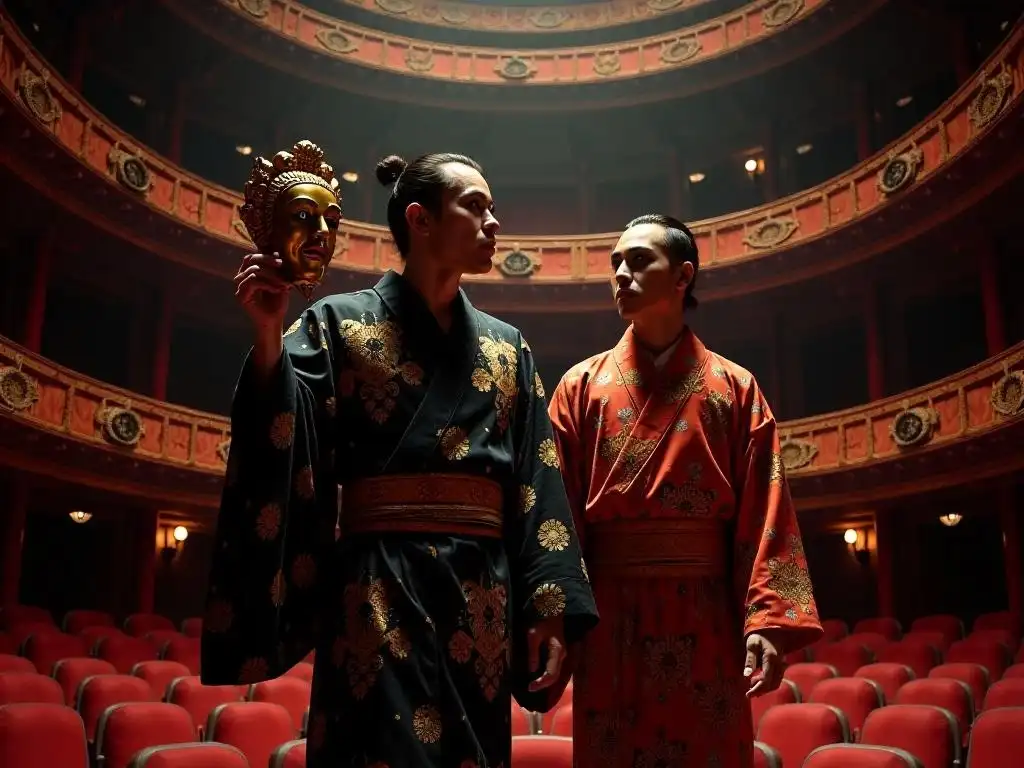
Noh and Kabuki are two distinct forms of traditional Japanese theatre that emerged during the feudal period, each with its unique characteristics and cultural significance.
Noh, which originated in the 14th century, is a form of classical drama characterized by its slow, stylized movements and the use of masks. Noh performances often depict historical events, legends, and philosophical themes, blending poetry, music, and dance. The actors, wearing intricate costumes and masks, convey deep emotion and storytelling through subtle gestures and vocal intonations. The minimalist staging and emphasis on symbolism in Noh reflect the Zen aesthetic, aligning with the samurai's appreciation for simplicity and depth.
Kabuki, on the other hand, emerged in the early 17th century and is known for its vibrant, dynamic performances and elaborate costumes. Unlike Noh, Kabuki is more theatrical and often incorporates exaggerated movements, lively music, and colorful sets. Kabuki plays typically revolve around themes of love, betrayal, and the struggles of common people, making it more accessible to the general public. The performances are marked by the use of onnagata, male actors who specialize in playing female roles, adding a unique layer to the storytelling.
Both Noh and Kabuki reflect the social and cultural dynamics of feudal Japan. While Noh catered more to the aristocracy, Kabuki appealed to the emerging merchant class, showcasing the diverse tastes and values of Japanese society at the time. The interplay between these theatrical forms highlights the rich cultural heritage of Japan, illustrating how art and performance served as a mirror to the historical context of feudal life.
Conclusion: The Importance of Understanding Feudal Japan Key Terms
Understanding the key terms of feudal Japan is essential for anyone interested in delving deeper into this complex historical period. These terms encapsulate the intricate social structures, philosophical beliefs, and cultural practices that defined an era in which samurai, shoguns, and emperors played pivotal roles in shaping the nation’s destiny.
Familiarity with terms like Zen Buddhism, Noh, and Kabuki not only enriches one’s knowledge of Japanese history but also enhances appreciation for the enduring legacies of these concepts in contemporary culture. By grasping the significance of these terms, history buffs can better comprehend the values, conflicts, and artistic expressions that emerged during feudal Japan, fostering a more nuanced understanding of this fascinating chapter in history.
Ultimately, the exploration of feudal Japan key terms serves as a gateway to understanding the broader cultural narratives that continue to influence modern Japan and its society today. Whether you are a casual reader or a dedicated historian, these essential terms provide valuable insights into the rich tapestry of Japan’s feudal past.
Call to Action: Dive Deeper into Feudal Japan History
If you're fascinated by the intricate tapestry of Feudal Japan, now is the perfect time to delve further into this captivating era. Understanding the key terms and concepts is just the beginning. Here are some ways to enhance your knowledge and immerse yourself in the rich history of Feudal Japan:
- Explore Primary Sources: Look for translated texts of historical documents from the period. The Tale of Genji, for example, offers a glimpse into the life and culture during the Heian period, while Nihon Shoki provides insights into Japan's mythology and early history.
- Visit Museums and Exhibitions: Many museums worldwide feature collections dedicated to Japanese history. Engaging with artifacts, art, and interactive exhibits can deepen your appreciation and understanding of the cultural nuances of the time.
- Read Historical Novels and Biographies: Fiction and non-fiction literature can bring the era to life. Works such as Shogun by James Clavell or biographies of key figures like Oda Nobunaga and Tokugawa Ieyasu can provide context and enhance your understanding of their significance.
- Participate in Online Courses or Lectures: Many educational platforms offer courses dedicated to Japanese history, focusing on the Feudal period. Engaging with these resources can provide structured learning opportunities and insights from experts in the field.
- Join Discussion Groups or Forums: Connecting with fellow history enthusiasts can enhance your learning experience. Online forums or local history clubs can provide avenues for discussion, debate, and shared resources, enriching your knowledge of Feudal Japan.
By taking these steps, you can uncover the complexities of Feudal Japan, gaining a deeper understanding of its societal structures, cultural practices, and historical significance. So, grab your resources, and let your journey through the captivating world of Feudal Japan begin!
- Introduction to Feudal Japan Key Terms
- 1. Samurai: The Warrior Class of Feudal Japan
- 2. Shogun: The Military Leader of Japan
- 3. Daimyo: The Feudal Lords of Japan
- 4. Bushido: The Way of the Warrior
- 5. Ronin: The Masterless Samurai
- 6. Katanas: The Iconic Samurai Swords
- 7. Feudal System: The Hierarchical Structure of Society
- 8. Seppuku: The Ritual of Honor
- 9. Zen Buddhism: The Influence on Samurai Culture
- 10. Noh and Kabuki: Traditional Japanese Theatre
- Conclusion: The Importance of Understanding Feudal Japan Key Terms
- Call to Action: Dive Deeper into Feudal Japan History
Frequently Asked Questions
What are the key terms associated with feudal Japan?
The key terms include shogun, daimyo, samurai, bushi, and kubo, each representing important roles and concepts in the feudal system.
How did the feudal system function in Japan?
The feudal system in Japan was a hierarchical structure where land was exchanged for military service, with the shogun at the top and peasants at the bottom.
Why is the term samurai significant in feudal Japan?
The samurai were the warrior class in feudal Japan, known for their code of honor, martial skills, and loyalty to their daimyo.
What role did the daimyo play in feudal Japan?
The daimyo were powerful landowners and feudal lords responsible for managing their territories and providing military support to the shogun.
How did cultural aspects influence feudal Japan?
Cultural aspects such as Zen Buddhism, art, and literature flourished during feudal Japan, shaping the societal values and everyday life of its people.
Final Reflection: Understanding the Foundations of Feudal Japan
The exploration of feudal Japan's key terms not only enriches our historical knowledge but also illuminates the intricate tapestry of culture, society, and power dynamics that shaped this remarkable era. In today's fast-paced world, where history often takes a backseat, revisiting these essential terms offers a profound understanding of how past events influence contemporary society. The lessons learned from feudal Japan resonate with modern themes of governance, loyalty, and social structure, reminding us that history is not merely a collection of dates and events but a living narrative that continues to inform our present.
The influence of feudal Japan extends far beyond its historical timeline, permeating aspects of art, literature, and even modern governance. As we delve into the significance of terms like "shogun," "daimyo," and "samurai," we uncover the values and beliefs that have shaped Japanese identity and continue to inspire global culture.
> “Those who cannot remember the past are condemned to repeat it.” – George Santayana. This quote encapsulates the importance of understanding our history; by grasping these key terms, we not only honor the past but also gain insights that can guide us in navigating the complexities of our current world.
As you reflect on the essential terms of feudal Japan, I invite you to consider how these historical concepts can be applied to your own life. Take a moment to think about the values of loyalty, honor, and duty that were central to this era and how they might resonate with your personal experiences today.
By embracing the lessons of the past, we can cultivate a deeper appreciation for our own cultural narratives and foster a sense of connection to the broader human experience. Let the knowledge of feudal Japan inspire you to explore your own history and the values that shape your identity.
Dive Deeper into the Richness of Feudal Japan!
Thank you for exploring the fascinating world of feudal Japan with us! We hope you’ve gained valuable insights and discovered new concepts that enhance your understanding of this complex era. Now, let’s take that knowledge further!
Here are a few exciting ways you can continue your journey:
- Join an online community dedicated to feudal Japan! Share what you've learned and connect with other history enthusiasts.
- Explore recommended readings or documentaries that provide deeper insights into this rich history and its significance in shaping Japan’s cultural landscape.
- Challenge yourself to write a short essay or blog post discussing your favorite topic related to feudal Japan.
What aspect of feudal Japan do you find most intriguing, and why? Share your thoughts below!