
The Art of Feudal Japanese Language: Key Terms for Historians


Welcome to Feudal Japan History, where we embark on a captivating journey through the intricate tapestry of Japan's feudal era. Here, we delve into the rich historical, cultural, and societal aspects that shaped this fascinating time. In our featured article, "The Art of Feudal Japanese Language: Key Terms for Historians," we unveil the essential language key terms that are pivotal for anyone looking to deepen their understanding of this period.
Are you ready to unlock the secrets of feudal Japan through its language? Join us as we explore the words that defined an era and continue to resonate in modern discourse. Your adventure awaits!
- Introduction to Feudal Japan Language Key Terms
- Essential Feudal Japan Language Key Terms
- The Linguistic Structure of Feudal Japan
- Historical Context of Feudal Japanese Language Development
- Common Misunderstandings About Feudal Japanese Language
- Resources for Learning Feudal Japan Language Key Terms
- Conclusion: Embracing the Language of Feudal Japan
-
Frequently Asked Questions
- What are the key terms used in Feudal Japan language?
- How did the language of Feudal Japan influence its culture?
- What role did Chinese characters play in the language of Feudal Japan?
- Are there specific phrases historians should know when studying Feudal Japan?
- How can understanding Feudal Japan language key terms enhance historical research?
- Final Reflection: Embracing the Legacy of Feudal Japanese Language
- Unlock the Secrets of Feudal Japan Language!
Introduction to Feudal Japan Language Key Terms
The language of Feudal Japan is a rich tapestry woven from centuries of cultural, social, and historical influences that have shaped the nation. Understanding the key terms and phrases from this era is crucial for historians, linguists, and enthusiasts of Japanese culture, as it provides insights into the societal hierarchies, customs, and philosophies that defined the time.
From the intricate writings of samurai to the poetic expressions of court life, the language serves as a window into the past. In this article, we will explore essential Feudal Japan language key terms that are vital for anyone seeking a deeper understanding of this complex historical period.
Understanding the Importance of Language in Feudal Japan
The language of Feudal Japan was not merely a means of communication; it was a reflection of the intricate social structures and the values of the time. The use of language varied significantly between the different classes, including the samurai, farmers, and merchants. Here are some key aspects of why language held such significance during this era:
- Cultural Expression: Language was a vehicle for art, literature, and philosophy. The works of poets like Matsuo Bashō and writers such as Murasaki Shikibu utilized the language to express deep emotions and complex ideas.
- Social Hierarchies: The language used by the samurai class often included terminology that denoted status and power. Different dialects and honorifics were employed to reflect the speaker's position within the social hierarchy.
- Historical Documentation: Many historical texts, such as the Tale of Genji and The Book of Five Rings, are written in classical Japanese, providing invaluable insights into the thoughts and values of the time.
Overview of Feudal Japan's Historical Context
Feudal Japan, spanning from the 12th to the 19th century, was characterized by a decentralized political structure where powerful lords (daimyō) governed their own territories. This period saw the rise of the samurai class, which played a pivotal role in both governance and military affairs. The historical context is essential for understanding the evolution of language during this time:
- Political Fragmentation: The feudal system led to the establishment of regional dialects as local lords exercised control over their domains, influencing the language spoken by the populace.
- Cultural Flourishing: The Edo period (1603-1868) marked a time of peace and stability, allowing arts and literature to thrive. This era produced significant literary works that have influenced modern Japanese language.
- Western Influence: The arrival of Western powers in the 19th century brought new vocabulary and concepts, marking a transition in the language that would continue to evolve.
By examining these key terms and their historical context, historians and enthusiasts can better appreciate the depth and complexity of Feudal Japan's language and its lasting impact on contemporary Japanese culture.
Essential Feudal Japan Language Key Terms

In the rich tapestry of Feudal Japan, language serves as a crucial thread that weaves together the historical and cultural narrative. Understanding key terms associated with this era not only enhances our comprehension but also enriches our appreciation of the societal structures and values of the time. Below, we explore significant terms that encapsulate the essence of Feudal Japan.
Samurai (侍): The Warrior Class and Its Linguistic Significance
The term Samurai (侍) refers to the warrior class that dominated the military and political landscape of Feudal Japan. Etymologically, the word Samurai derives from the Japanese verb saburau, meaning "to serve." This reflects the samurai's role not just as warriors, but as loyal retainers to their lords.
- Cultural Significance: The samurai were bound by a strict code of conduct, which influenced language and communication styles within their class. Terms associated with honor, loyalty, and service became prevalent in their discourse.
- Linguistic Legacy: The samurai also contributed to the development of specific vocabulary related to martial arts and strategy. Words such as katana (刀) for "sword" and bushido (武士道) for "the way of the warrior" emerged from their practices and ethos.
In contemporary Japanese, references to samurai continue to evoke notions of honor and discipline, showcasing the enduring impact of this warrior class on the language.
Daimyo (大名): Feudal Lords and Their Role in Language Evolution
The term Daimyo (大名) designates the powerful feudal lords who ruled vast territories during the Edo period. The word translates to "great name," symbolizing their status and authority.
- Political Context: Daimyos were not just military leaders; they were also administrators and patrons of culture. Their influence led to the creation of a distinctive vocabulary that encompassed governance, land management, and feudal obligations.
- Language Development: The interaction between various daimyos fostered a linguistic exchange, leading to the incorporation of regional dialects and terms into the broader lexicon of Feudal Japan. This melding of languages helped shape modern Japanese.
The legacy of the daimyos is evident in terms used in contemporary political discourse, reflecting their historical significance.
Important Cultural Terms in Feudal Japan
Bushido (武士道): The Way of the Warrior and Its Linguistic Roots
Bushido (武士道), literally "the way of the warrior," represents the ethical code followed by samurai. This term encompasses ideals such as loyalty, honor, and personal courage.
- Philosophical Underpinnings: The principles of bushido were not only practical but philosophical, influencing how samurai communicated their values and beliefs. This complex interplay of ethics and language contributed to a rich vocabulary surrounding honor and duty.
- Cultural Impact: The ideals embedded in bushido have permeated Japanese culture, continuing to influence modern concepts of integrity and respect. Terms derived from bushido are still invoked in discussions about ethics and personal conduct today.
Shinto (神道): The Indigenous Spirituality and Its Lexicon
Shinto (神道), meaning "the way of the gods," is the indigenous spirituality of Japan that flourished during the feudal era. This term is deeply embedded in the cultural lexicon and reflects the spiritual beliefs and practices of the time.
- Religious Context: Shinto terms are integral to understanding the rituals, festivals, and natural phenomena revered in Japanese culture. Words such as kami (神) for "gods" and torii (鳥居) for "gate" are fundamental to Shinto practices.
- Language and Identity: The lexicon of Shinto has influenced various aspects of Japanese language and culture, providing a framework for understanding nature, spirituality, and community. This impact extends to literary and artistic expressions throughout history.
The enduring presence of Shinto terminology in modern Japan highlights the deep-rooted connection between language and cultural identity.
By exploring these Feudal Japan language key terms, we gain insights into the intricate relationship between language and the societal structures of historical Japan. Understanding these terms is essential for any historian or enthusiast seeking to delve deeper into the complexities of Feudal Japan.
The Linguistic Structure of Feudal Japan
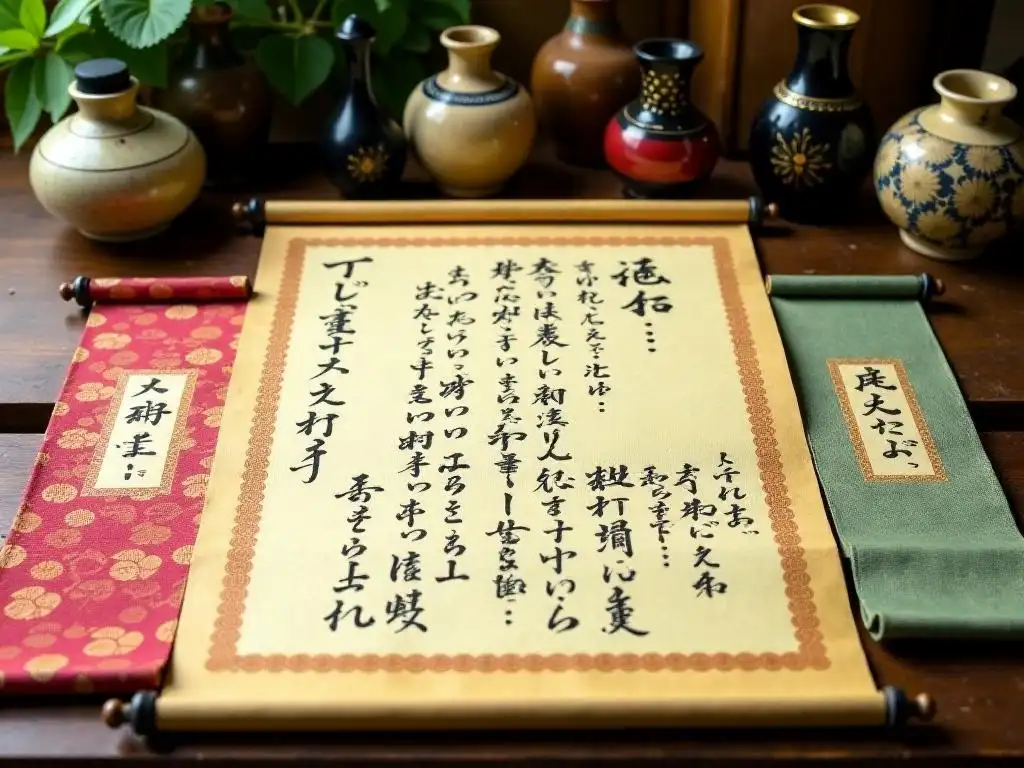
The Japanese Writing System: Kanji, Hiragana, and Katakana
The Japanese writing system is a complex amalgamation of three distinct scripts: Kanji, Hiragana, and Katakana. Each script serves its unique purpose and reflects different aspects of Japanese language and culture, especially during the feudal era. This tripartite system not only facilitates communication but also encapsulates the history and societal structure of feudal Japan.
- Kanji: These are logographic characters borrowed from Chinese, representing words or morphemes. They are crucial for conveying meaning and nuance in the language.
- Hiragana: A phonetic script used primarily for grammatical elements and native Japanese words. It adds fluidity to the language structure.
- Katakana: Also a phonetic script, Katakana is primarily used for foreign words, onomatopoeia, and scientific terms. Its usage in feudal Japan became significant with the introduction of Western concepts.
Understanding these scripts is essential for historians examining the nuances of feudal Japan language key terms, as they provide insight into the societal norms and cultural practices of the time.
How Kanji Reflects Feudal Hierarchy and Concepts
Kanji plays a significant role in representing the hierarchical structure of feudal Japan. Each character embodies specific meanings that often correlate with social status, governance, and cultural practices. For example:
- 大名 (Daimyō): Referring to feudal lords, this term encapsulates the concept of power and land ownership. The characters 大 (big) and 名 (name) signify their prominent status.
- 侍 (Samurai): The character for samurai itself reflects the warrior class's significance. The characters represent a "servant" or "to serve," indicating their duty to their lords.
This hierarchical language is deeply rooted in the socio-political structure, revealing how language was not merely a tool for communication but a reflection of societal values and norms. The use of Kanji in official documents and literature highlights the significance of these terms in maintaining the feudal order and cultural identity.
The Role of Hiragana and Katakana in Feudal Literature
While Kanji primarily conveys meaning, Hiragana and Katakana offer vital insights into the phonetic aspects of the language used during the feudal era.
- Hiragana: This script was essential for writing grammatical particles and native words that did not have Kanji representations. For instance, literary works from the Heian period, such as The Tale of Genji, utilized Hiragana extensively to express emotions and everyday experiences, making literature accessible to a broader audience, including women. This accessibility contributed to the development of a rich literary tradition during the feudal period.
- Katakana: In contrast, Katakana was used for transliterating foreign terms and names, reflecting the increasing interaction with foreign cultures. As Japan encountered Western influences, Katakana became crucial in documenting these new concepts, which were often pivotal in the context of trade and diplomacy.
The interplay of Hiragana and Katakana in literature and documentation illustrates the dynamic nature of the Japanese language during the feudal era, showcasing how different scripts were employed to enrich the narrative and reflect the cultural exchanges that shaped Japan's history.
The study of Feudal Japan language key terms through its writing systems—Kanji, Hiragana, and Katakana—provides a profound understanding of the era's social hierarchies and cultural nuances. Each script not only serves a functional purpose but also embodies the historical and societal context of feudal Japan, making it an essential area of exploration for historians and language enthusiasts alike.
Historical Context of Feudal Japanese Language Development

The language of Feudal Japan was not merely a means of communication; it was a dynamic reflection of the cultural, political, and social shifts that defined the era. The development of the Japanese language during this time was significantly influenced by the rise of the samurai class, the establishment of shogunates, and the flourishing of literature and arts.
Feudal Japan's language evolved through various stages, adapting to the needs of its people and the changing landscape of society. The historical context of this evolution is essential for historians and enthusiasts of Feudal Japan language key terms, as it lays the groundwork for understanding the nuances and intricacies of the language during this period.
Language Evolution During the Kamakura Period (1185-1333)
The Kamakura Period marked a significant turning point in the evolution of the Japanese language. As the first shogunate was established, a more codified form of governance emerged, leading to the development of a distinct linguistic identity. The use of classical Chinese was still prevalent among the educated elite, but the introduction of Japanese kana scripts began to take shape, allowing for a more accessible form of writing.
- Influence of Chinese:
- The adoption of kanji (Chinese characters) influenced vocabulary and grammar. Many terms related to governance, philosophy, and culture were borrowed from Chinese.
- The integration of Chinese concepts also introduced new layers of meaning to existing Japanese words.
- Emergence of Kana:
- The development of hiragana and katakana scripts enabled the representation of native Japanese sounds, facilitating a broader use of written language among common people.
- This shift allowed for the creation of literary works that were more relatable to the general populace, marking a transition from a language primarily used by the elite.
- Regional Dialects:
- The Kamakura Period also saw the diversification of dialects across different regions of Japan, influenced by local customs and lifestyles. This regional variation enriched the linguistic tapestry of the time.
The Role of Literature in Shaping Feudal Japanese Language
Literature played a pivotal role in the development of the Feudal Japanese language, as it was a vehicle for cultural expression and societal commentary. The flourishing of literary works during this period not only showcased the evolving language but also influenced its structure and vocabulary.
- Cultural Reflection:
- Literature reflected the values, beliefs, and experiences of the samurai class and common people, thus shaping the language to express their realities.
- The themes explored in literature often highlighted the contrast between the warrior ethos and the traditional Japanese aesthetic.
- Language Standardization:
- As notable literary works gained popularity, they contributed to the standardization of language, which was crucial for communication and record-keeping in a feudal society.
- Writers of this era began to incorporate local dialects and idiomatic expressions, enriching the language and making it more relatable.
Notable Works: "The Tale of Genji" and Its Linguistic Influence
One of the most significant literary contributions to the Feudal Japanese language is "The Tale of Genji" (源氏物語), often considered the world's first novel. Written by Murasaki Shikibu in the early 11th century, this work had a profound impact on the language and literature of Feudal Japan.
- Linguistic Richness:
- "The Tale of Genji" is renowned for its complex characterizations and intricate narrative style, employing a sophisticated vocabulary that expanded the expressive capabilities of the Japanese language.
- The use of kana alongside kanji in the text allowed for a nuanced representation of sounds and meanings, influencing subsequent generations of writers.
- Cultural Lexicon:
- The novel introduced many terms and phrases that became part of the cultural lexicon, shaping how feelings, relationships, and social dynamics were articulated in the Japanese language.
- Its lasting influence can be seen in modern Japanese, where many expressions and stylistic elements continue to resonate.
- Legacy:
- The linguistic innovations found in "The Tale of Genji" paved the way for future literary works and the overall evolution of Japanese literature, firmly establishing its place in the historical context of Feudal Japan language development.
The historical context of Feudal Japanese language development reveals a rich tapestry woven with influences from literature, regional dialects, and the political landscape of the time. The evolution of language during this period is essential for understanding the complexities of Feudal Japan language key terms and their significance in the broader cultural narrative.
Common Misunderstandings About Feudal Japanese Language
Myth: Feudal Japanese Language is No Longer Relevant
A common misconception about the Feudal Japan language key terms is that they hold no relevance in contemporary society. Many people assume that because the feudal system has long since declined, the language and terminology used during that period have become obsolete. However, this belief overlooks the profound impact that feudal language has had on modern Japanese culture and communication.
For instance, many terms from the feudal era are still prevalent today, especially in literature, history, and even in everyday conversation. Words like "samurai" (侍) and "bushi" (武士) are commonly used not only to refer to the historical warrior class but also to embody ideals of honor and loyalty, which are still valued in Japanese society today.
Moreover, the keigo (敬語) system of honorific language, which was extensively developed during the feudal period, remains a vital aspect of modern Japanese. Understanding this historical context enriches our comprehension of contemporary Japanese interactions and societal hierarchy.
Reality: The Ongoing Influence of Feudal Terms in Modern Japanese
The legacy of Feudal Japan language key terms is woven into the very fabric of modern Japanese. Many words and expressions that originated during the feudal era continue to shape the language. This ongoing influence can be categorized into several key areas:
- Cultural References:
- Terms like "kawaii" (可愛い), meaning "cute," have evolved over time but often reference the aesthetics that were initially influenced by feudal art and literature.
- Historical narratives and folklore, which often include feudal terminology, are still popular in contemporary media, such as anime and film.
- Literature and Arts:
- Classic works from the feudal period, such as "The Tale of Genji" (源氏物語), use a linguistic style that informs modern literary techniques. Many authors today draw on this rich heritage, incorporating kanji and expressions that have their roots in feudal Japan.
- Education and Scholarship:
- Historians and linguists frequently utilize feudal terminology in their studies. Understanding these terms is crucial for anyone delving into Japan's history or linguistic evolution. This emphasizes the importance of learning these key terms for anyone interested in the study of Japanese history.
- Social Etiquette:
- The hierarchical nature of society in feudal Japan is reflected in the use of language today. The respect embedded in feudal language still influences modern communication styles, particularly in business contexts, where keigo continues to play a significant role.
The belief that feudal Japanese language is irrelevant is a myth. The terms and concepts from the feudal era are not only alive but also thriving, influencing various aspects of modern Japanese life. By understanding these key terms, historians and enthusiasts alike can gain deeper insights into both Japan's past and its cultural evolution.
Resources for Learning Feudal Japan Language Key Terms

Recommended Books for Understanding Feudal Japanese Language
"A History of the Japanese Language" by Christopher Seeley
Christopher Seeley's "A History of the Japanese Language" is an essential read for anyone interested in the evolution of the Japanese language, particularly during the feudal era. This book offers a detailed examination of the linguistic changes that occurred over centuries, reflecting the cultural and social transformations within Japan. Key features include:
- Chronological Analysis: The book traces the development of the Japanese language from its ancient roots to modern usage, highlighting significant shifts during the feudal period.
- Linguistic Features: Seeley delves into phonetics, grammar, and vocabulary, providing insights into how feudal society influenced language.
- Cultural Context: The text connects language development to historical events, such as the rise of the samurai class and the influence of Buddhism, offering a holistic understanding of the era.
"Japanese Language: A Comprehensive Overview" by Haruko Momma
In "Japanese Language: A Comprehensive Overview," Haruko Momma presents a broad spectrum of linguistic elements, including syntax, semantics, and pragmatics, all crucial for understanding feudal Japan language key terms. Highlights of this book include:
- In-depth Exploration of Dialects: Momma examines various dialects prevalent in feudal Japan, explaining how geography and social hierarchy influenced language use.
- Glossary of Key Terms: The book features a helpful glossary of terms, making it easier for historians and language learners to acquire essential vocabulary related to the feudal era.
- Cultural Insights: By integrating cultural anecdotes and historical references, Momma provides context that enriches the reader’s understanding of the language's evolution.
Online Courses and Platforms for Language Learning
Coursera: Offering Courses on Japanese Linguistics
Coursera stands out as a leading platform for learning about Japanese linguistics, with multiple courses focusing on language development during the feudal period. Notable features of these courses include:
- Expert Instructors: Courses are taught by experienced linguists and historians who provide authoritative insights into the language of feudal Japan.
- Interactive Learning: Engaging content, including video lectures, quizzes, and discussion forums, encourages active participation and enhances understanding of feudal Japan language key terms.
- Flexibility: Learners can progress at their own pace, allowing for a tailored learning experience that fits individual schedules.
By utilizing these resources, historians and language enthusiasts can deepen their understanding of the intricate language landscape during feudal Japan, enriching their studies and appreciation of this fascinating era.
Conclusion: Embracing the Language of Feudal Japan
The study of Feudal Japan language key terms is not merely an academic exercise; it is a crucial gateway to deeper understanding of the historical, cultural, and societal contexts of the era. By familiarizing oneself with the specific vocabulary used during this time, historians and enthusiasts can unlock a treasure trove of insights that enrich their comprehension of Japan’s feudal past.
The Value of Learning Feudal Japanese Language Key Terms for Historians
Understanding the language of Feudal Japan is essential for historians seeking to accurately interpret texts, documents, and artifacts from the period. Key terms often encapsulate intricate concepts that are fundamental to grasping the nuances of feudal society. For instance:
- Samurai (侍): More than just warriors, samurai were a distinct social class with a complex code of conduct known as Bushido.
- Daimyo (大名): These feudal lords wielded significant power and were responsible for governing vast territories, often balancing loyalty and rivalry with the shogunate.
- Shogun (将軍): The military leader of Japan, whose authority shaped the political landscape and military organization.
By exploring these terms, historians can better appreciate the socio-political dynamics and the philosophical underpinnings of feudal Japan. Moreover, the accurate use of these terms when discussing historical narratives contributes to a more authentic discourse, enabling historians to connect with primary sources on a profound level.
How Understanding Language Enhances Historical Insights
The intricate relationship between language and history becomes evident when one considers how terminology reflects societal values and practices. For instance, the term Noh (能) refers to a traditional form of Japanese theater that originated in the feudal era, showcasing the cultural significance of performance arts in society. Understanding the context of Noh enhances our appreciation of how art served as both entertainment and a reflection of social hierarchies.
Additionally, language serves as a conduit for transmitting knowledge across generations. The use of specific terms related to governance, warfare, and daily life can shed light on the operational mechanics of feudal Japan. By analyzing these terms, historians can reconstruct the lived experiences of individuals within the feudal system, from peasants to nobles.
Embracing the language of Feudal Japan, particularly its key terms, is invaluable for historians. This not only enriches their understanding of the period but also fosters a deeper connection to the culture, philosophy, and societal structures that defined Japan during its feudal era. As we delve into the intricacies of this language, we unlock new perspectives that enhance our appreciation for the rich tapestry of Japan's history.
Frequently Asked Questions
What are the key terms used in Feudal Japan language?
Key terms in Feudal Japan language include samurai, daimyō, and shogunate, each representing important social classes and political structures of the era.
How did the language of Feudal Japan influence its culture?
The language of Feudal Japan greatly influenced its culture through the development of literature, poetry, and theatrical arts, reflecting societal values and beliefs.
What role did Chinese characters play in the language of Feudal Japan?
Chinese characters, known as kanji, were adopted during the feudal period, significantly shaping the Japanese writing system and enriching the vocabulary.
Are there specific phrases historians should know when studying Feudal Japan?
Yes, historians should be familiar with phrases like "bushi" (warrior class) and "kofun" (tomb), as they provide insight into the societal structure and historical context.
How can understanding Feudal Japan language key terms enhance historical research?
Understanding Feudal Japan language key terms allows researchers to grasp cultural nuances and historical significance, enabling a more accurate interpretation of historical texts and artifacts.
Final Reflection: Embracing the Legacy of Feudal Japanese Language
The exploration of Feudal Japan's language and its key terms is not just an academic pursuit; it is a vital connection to understanding the cultural and historical fabric of a society that has shaped modern Japan. As we delve into the intricacies of this language, we uncover the nuances of a civilization that thrived on honor, tradition, and complex social hierarchies. The significance of these key terms resonates today, reminding us of the rich tapestry of human experience that language encapsulates.
The influence of Feudal Japanese language extends far beyond historical texts; it permeates contemporary culture, art, and even modern Japanese language itself. The terms we study today serve as a bridge to the past, illuminating the values and beliefs that defined an era. As noted by renowned historian John W. Hall, Language is the vessel of culture; it carries the weight of history and the essence of identity.
This observation underscores the importance of understanding these key terms, as they not only enrich our knowledge but also foster a deeper appreciation for the cultural heritage that continues to thrive in Japan.
As we reflect on the lessons gleaned from the language of Feudal Japan, I invite you to consider how these insights can be applied in your own life. Engage with history, embrace the beauty of language, and allow the stories of the past to inform your understanding of the present.
In doing so, you not only honor the legacy of those who came before us but also enrich your own journey through the intricate world of human connection and cultural expression. Let the key terms of Feudal Japan inspire you to explore, learn, and grow in your own unique way.
Unlock the Secrets of Feudal Japan Language!
Thank you for diving into the fascinating world of feudal Japanese language with us! By exploring key terms used by historians, you’ve enriched your understanding of this rich culture. Now, it’s time to put that knowledge into action!
Here are some steps to further your exploration:
- Start a Vocabulary Journal: Keep track of the key terms you’ve learned. Write a short definition or example sentence for each to reinforce your memory!
- Engage with Others: Join online forums or social media groups centered on feudal Japanese history and share your insights—discussion brings ideas to life!
- Explore Further Resources: Find books or documentaries on feudal Japan that delve deeper into the language and culture—there’s always more to learn!
What unique insights or terms have you come across that you believe should be shared with fellow enthusiasts of feudal Japan? Let’s expand our knowledge together!