
Decoding Feudal Japan: A Glossary of Terms for History Enthusiasts

Welcome to Feudal Japan History, where we invite you to embark on a fascinating journey through the intricate tapestry of Japan’s feudal era. Dive deep into our latest article, “Decoding Feudal Japan: A Glossary of Terms for History Enthusiasts,” and unlock the rich vocabulary that defines this captivating period. Whether you're a seasoned scholar or a curious newcomer, our expertly crafted glossary will illuminate the historical, cultural, and societal nuances of feudal Japan, sparking your curiosity and enhancing your understanding. Prepare to explore the past like never before—your adventure begins now!
- Understanding Feudal Japan History Glossary
- Key Terms in Feudal Japan History
- Cultural Terms Related to Feudal Japan
- Social Structure of Feudal Japan
- Political Terms in Feudal Japan
- Language and Terminology in Feudal Japan
- Conclusion: The Relevance of a Feudal Japan History Glossary for Today’s Enthusiasts
- Frequently Asked Questions
- Final Reflection: Understanding Feudal Japan's Legacy
- Dive Deeper into Feudal Japan!
Understanding Feudal Japan History Glossary
The history of Feudal Japan is a complex tapestry woven from centuries of cultural, social, and political evolution. Understanding this era is crucial for anyone interested in the rich traditions and historical nuances that shaped modern Japan. A well-structured glossary serves as a vital tool, empowering history enthusiasts to navigate the intricate terminology associated with Feudal Japan. This glossary not only demystifies key terms but also acts as a compass for deeper exploration, helping readers connect the dots between names, events, and concepts that define this fascinating period.
The Importance of a Glossary in Understanding Feudal Japan
A glossary dedicated to Feudal Japan history is more than just a list of definitions; it plays a significant role in facilitating comprehension of the era's complexities. Here's why it matters:
- Contextual Understanding: Terms like samurai, shogun, and daimyō carry historical weight that transcends their definitions. A glossary provides context, allowing readers to grasp the significance of these roles within the societal hierarchy.
- Bridging Language Gaps: Many terms from Feudal Japan are derived from Japanese, which may be unfamiliar to English speakers. A glossary aids in bridging these language gaps, ensuring accurate interpretation of historical texts and discussions.
- Enhanced Learning: Whether you are a student, a scholar, or a casual reader, having a glossary at your fingertips enhances the learning experience. It allows for quick reference and reinforces memory retention of important terms.
How This Glossary Enhances Your Knowledge of Feudal Japan
This glossary is designed to enrich your understanding of Feudal Japan through several key features:
- Comprehensive Definitions: Each term is defined with precision, often accompanied by historical examples or anecdotes that illustrate its relevance.
- Interconnected Terms: The glossary highlights relationships between terms, helping you see how concepts are interlinked. For instance, understanding bushido (the way of the warrior) is essential to grasp the ethos that guided the samurai class.
- Visual Aids: Where applicable, the glossary includes visual elements, such as timelines or tables, to provide a clearer picture of how various terms fit into the broader narrative of Feudal Japan.
- Cultural Insights: Beyond definitions, this glossary offers insights into the cultural significance of terms, enriching your appreciation of Feudal Japan’s legacy.
By utilizing this glossary, you will not only enhance your knowledge of Feudal Japan but also deepen your appreciation for the intricate history that has laid the groundwork for contemporary Japanese society.
Key Terms in Feudal Japan History
Samurai: The Warrior Class of Feudal Japan
The samurai were not only the military elite of feudal Japan but also a significant cultural symbol. Emerging during the late Heian period (794-1185), the samurai class was initially formed to protect the lands of the nobility. Over time, they became a distinct social class, recognized for their skills in martial arts, loyalty, and a strict code of conduct.
Characteristics of Samurai
- Warrior Ethos: Samurai were trained from a young age in the arts of warfare, mastering various weapons, particularly the katana.
- Social Structure: They held a privileged position in the feudal hierarchy, often serving a daimyo (feudal lord) in exchange for land or stipends.
- Cultural Contributions: Beyond their military role, samurai contributed to the arts, literature, and philosophy, embodying the principles of loyalty and honor.
The samurai's influence extended far beyond the battlefield, shaping the very fabric of Japanese culture and society.
Bushido: The Code of the Samurai
Bushido, meaning "the way of the warrior," is the ethical code that guided the samurai's conduct. This code emphasized virtues such as loyalty, honor, courage, and self-discipline, often regarded as the samurai's moral compass.
Key Principles of Bushido
- Loyalty: A samurai's allegiance to their lord was paramount. This loyalty often meant prioritizing their lord's honor above their own life.
- Honor: Maintaining personal and familial honor was crucial. Samurai would go to great lengths to protect their reputation, sometimes resulting in ritual suicide, known as seppuku, in the face of dishonor.
- Courage: Fearlessness in battle was a revered trait, encouraging samurai to face their enemies without hesitation.
- Compassion: Despite their warrior status, samurai were encouraged to show mercy and compassion, particularly towards those unable to defend themselves.
Bushido not only defined the samurai's role as warriors but also influenced Japanese society's values, affecting various aspects of life, including politics and family relationships.
Daimyo: The Feudal Lords
The daimyo were powerful feudal lords who ruled over vast territories in Japan. They played a crucial role in the political and military structure of feudal Japan, serving as vassals to the shogun while maintaining significant autonomy over their lands.
Roles and Responsibilities of Daimyo
- Land Management: Daimyo controlled large estates and were responsible for the agricultural output, which was the backbone of the economy.
- Military Leadership: As leaders of the samurai, daimyo organized and commanded their own armies, often engaging in conflicts with rival lords.
- Political Influence: They held considerable sway in the political landscape of feudal Japan, negotiating alliances and feuds that shaped the country's history.
| Daimyo Characteristics | Description |
|---|---|
| Autonomy | Operated independently under the shogunate. |
| Wealth | Acquired through land and taxation. |
| Cultural Patronage | Supported arts, religion, and education. |
The daimyo were instrumental in maintaining the feudal system in Japan, balancing their ambitions with the overarching authority of the shogun. Their legacy continues to resonate in Japanese history today.
Shogun: The Military Dictator

The term shogun refers to the title given to the military leaders who effectively ruled Japan during the feudal period, particularly from the late 12th century until the 19th century. The word itself translates to "general" or "commander-in-chief," and it is derived from the Japanese shōgun, which is a contraction of seii taishōgun, meaning "barbarian-subduing generalissimo."
The role of the shogun was pivotal in Japanese feudal governance. Although the emperor remained the nominal ruler of Japan, the shogun held actual power and authority over the military and the state. This duality of power often led to conflicts and a complex relationship between the shogunate and the imperial court. The first shogunate, established by Minamoto no Yoritomo in 1192, marked the beginning of a new political structure that emphasized military governance.
Shoguns were responsible for the maintenance of peace and order, the collection of taxes, and the administration of justice in their domains. Notable shogunates include the Kamakura, Ashikaga, and Tokugawa shogunates, each contributing significantly to Japan's political, social, and cultural landscape. The Tokugawa shogunate, which lasted from 1603 to 1868, is particularly famous for its long period of peace known as the Edo period, during which Japan experienced isolation from the outside world and significant internal development.
Ronin: The Masterless Samurai
Ronin refers to samurai warriors who became masterless, typically due to the death or downfall of their lord (daimyō). The term combines the characters for "wave" (浪) and "person" (人), symbolizing a wanderer who has lost their home or purpose. In feudal Japan, samurai were bound by a strict code of loyalty, known as bushidō, which emphasized honor and duty to one's lord. When that bond was severed, a ronin faced a challenging existence.
Many ronin sought new employment, often serving other lords or engaging in various occupations. However, some struggled to find their place and resorted to banditry or other forms of social unrest. The plight of the ronin became a popular theme in Japanese literature and cinema, embodying the ideals of loyalty and honor coupled with the harsh realities of a changing society.
The most famous story of ronin is that of the 47 ronin, a historical incident that occurred in the early 18th century. After their lord was forced to commit seppuku (ritual suicide), these samurai avenged his death, an act that has since been romanticized as a tale of loyalty and honor. The legacy of the ronin continues to resonate in modern Japanese culture, symbolizing the struggle between duty and personal freedom.
Senso: The Concept of War in Feudal Japan
Senso, meaning “war” in Japanese, encapsulates the military conflicts that characterized feudal Japan, particularly during the Sengoku period (1467-1603), also known as the "Warring States" period. This era was marked by constant warfare among competing daimyōs, each vying for territory, power, and influence. The concept of senso extends beyond mere battles; it includes the strategies, philosophies, and cultural implications of warfare in Japanese society.
The samurai class played a crucial role in these conflicts, embodying the ideals of martial prowess and honor. Warfare during this period was not just about conquest; it was also deeply intertwined with the bushidō code, which dictated the conduct of samurai in battle and in life. This code emphasized virtues such as loyalty, bravery, and honor, shaping the conduct of warfare and the samurai’s place in society.
Senso also influenced various aspects of Japanese culture, including art, literature, and philosophy. The portrayal of battles in classical Japanese texts, such as The Tale of the Heike, showcases the tragic and heroic dimensions of war, reflecting the complexities of human experience during times of conflict. The impact of senso on Japan’s historical trajectory is profound, as it shaped not only the political landscape but also the cultural identity of the nation.
Zen Buddhism: Spiritual Influences in Feudal Society
Zen Buddhism, introduced to Japan from China in the 12th century, played a pivotal role in shaping the cultural and spiritual landscape of Feudal Japan. This form of Buddhism emphasizes meditation (zazen), simplicity, and direct experience over doctrinal teachings, which resonated deeply with the samurai class and the broader populace.
- Influence on Samurai Culture: Zen teachings encouraged the samurai to embrace discipline, self-control, and a deep sense of responsibility. The samurai often practiced meditation to cultivate focus and a calm mind, which were crucial in both battle and governance. Famous samurai such as Miyamoto Musashi were known for their Zen practices, integrating them into their martial arts philosophy.
- Art and Aesthetics: The aesthetics of Zen significantly influenced Japanese art forms. This is evident in ink wash painting (sumi-e), ceramics, and garden design, where simplicity and natural beauty are paramount. Zen gardens, with their raked gravel and carefully placed stones, symbolize the essence of nature and provide a space for reflection.
- Literature and Poetry: Zen also permeated Japanese literature, encouraging the development of haiku and other poetic forms that capture fleeting moments of beauty and insight. The simplicity and depth of these literary traditions reflect Zen's core tenets.
Zen Buddhism not only provided spiritual guidance but also shaped the artistic expressions and societal values of Feudal Japan, making it an essential aspect of the period's cultural heritage.
Shinto: The Indigenous Religion of Japan
Shinto, the indigenous religion of Japan, is characterized by its veneration of kami (spirits or gods) and its deep connection to nature. This belief system predates the arrival of Buddhism and has significantly influenced the social and cultural fabric of Feudal Japan.
- Kami and Nature: Shinto teaches that kami inhabit natural elements like trees, rivers, and mountains. This animistic perspective fosters a profound respect for nature, which is reflected in the Japanese landscape and the practices of the time. The rituals and festivals (matsuri) celebrated throughout the year often honor these kami, ensuring their favor and protection.
- Rituals and Practices: Shinto rituals are integral to community life, often involving purification rites, offerings, and prayers at shrines (jinja). These practices served to strengthen communal bonds and maintain harmony within society. During Feudal Japan, the alignment of Shinto practices with the samurai code of honor (bushido) further solidified the religion's role in governance and societal structure.
- Influence on Governance: The imperial family claimed descent from the sun goddess Amaterasu, which reinforced the divine right of rulers. Shinto beliefs justified the authority of the shogunate and fostered a sense of national identity that persisted throughout Japan's history.
In essence, Shinto provided a spiritual foundation for the people of Feudal Japan, influencing their values, customs, and the very governance of the nation.
Noh and Kabuki: Traditional Japanese Theatre
Noh and Kabuki are two prominent forms of traditional Japanese theatre that emerged during the Feudal era, each with its own unique characteristics and cultural significance.
- Noh Theatre: Noh, developed in the 14th century, is known for its austere and refined performances. The plays often explore themes of spirituality, nature, and the human condition, drawing heavily from historical events and folklore. Key features of Noh include:
- Masks: Actors wear intricately crafted masks that convey a range of emotions and characters, allowing for a subtle, expressive performance.
- Movement and Music: The choreography is slow and deliberate, accompanied by traditional instruments like the flute and drums, creating a meditative atmosphere.
- Kabuki Theatre: In contrast, Kabuki, which emerged in the early 17th century, is characterized by its vibrant and exaggerated performances. It combines drama, dance, and music, appealing to a broader audience. Key elements include:
- Elaborate Costumes: Kabuki actors wear colorful costumes and makeup that enhance their characters' personalities and emotions.
- Dynamic Storytelling: The narratives often revolve around love, revenge, and moral conflicts, making them highly engaging for spectators.
Both Noh and Kabuki not only serve as entertainment but also reflect the societal values and artistic expressions of the time. They remain vital components of Japan's cultural heritage, showcasing the diverse influences and perspectives present during the Feudal era.

Feudal Japan was characterized by a distinct social hierarchy that shaped its political, economic, and cultural landscapes. Understanding this social structure is crucial for grasping the complexities of Feudal Japan history. The society was stratified into several classes, each with specific roles, responsibilities, and privileges. This hierarchy influenced everything from land ownership to military obligations, making it a fundamental aspect of the feudal system.
The Hierarchical Society in Feudal Japan
At the apex of the social structure was the Emperor, who, while considered the divine ruler, held little political power during much of the feudal period. Below him were the shoguns, military leaders who exercised actual control over the country. The shogunate was often hereditary, with power concentrated in prominent clans.
The hierarchy continued with the daimyō, powerful feudal lords who governed large territories and maintained their own samurai armies. The samurai class, warriors bound by a strict code of conduct known as Bushido, served the daimyō and were responsible for protecting their lands and enforcing laws.
The social pyramid can be summarized as follows:
- Emperor
- Shogun
- Daimyō
- Samurai
- Peasants
- Artisans
- Merchants
This stratification not only defined roles but also dictated relationships among classes, leading to a complex interplay of loyalty, duty, and economic dependency.
Peasants: The Backbone of Feudal Economy
Peasants formed the largest class in Feudal Japan, making up approximately 80% of the population. They were primarily engaged in agriculture, which was the backbone of the feudal economy. The productivity of the peasant class directly impacted the wealth and power of the daimyō and shogunate.
Peasants were bound to the land they worked, often paying a portion of their harvest as tax to their daimyō. This system of taxation was typically a one-third share of their produce, a practice that ensured the daimyō's wealth while leaving peasants with just enough to sustain their families.
Despite their crucial role, peasants had limited rights and were often subject to the whims of their lords. However, during times of hardship, such as famine or war, the resilience of the peasant class became evident. They often organized uprisings or revolts against oppressive taxation or harsh treatment, highlighting their significant influence on the social fabric of Japan.
Merchants: The Rising Class in Feudal Japan
Although merchants were positioned at the bottom of the social hierarchy in Feudal Japan, their economic influence began to grow significantly towards the later periods of feudalism. Initially regarded as lowly due to their lack of land ownership and warrior status, merchants gradually accumulated wealth through trade and commerce.
As cities developed and trade routes expanded, merchants began to play a vital role in the economy. They facilitated the exchange of goods, ideas, and culture across different regions. Notably, the rise of the sengoku period, characterized by civil war and social upheaval, saw an increase in demand for goods and services, further elevating the merchant class.
The emergence of a money economy, replacing the traditional barter system, also contributed to their rising status. Merchants began to form guilds, which organized trade practices and protected their economic interests. This shift not only altered the dynamics of Feudal Japan but also laid the groundwork for the eventual transition to the Edo period, where merchant influence would further expand, subtly reshaping the social landscape.
Understanding these social dynamics is crucial for any history enthusiast delving into the Feudal Japan history glossary, as they provide context for the relationships and events that defined this era.
Political Terms in Feudal Japan
The Role of the Emperor in Feudal Japan
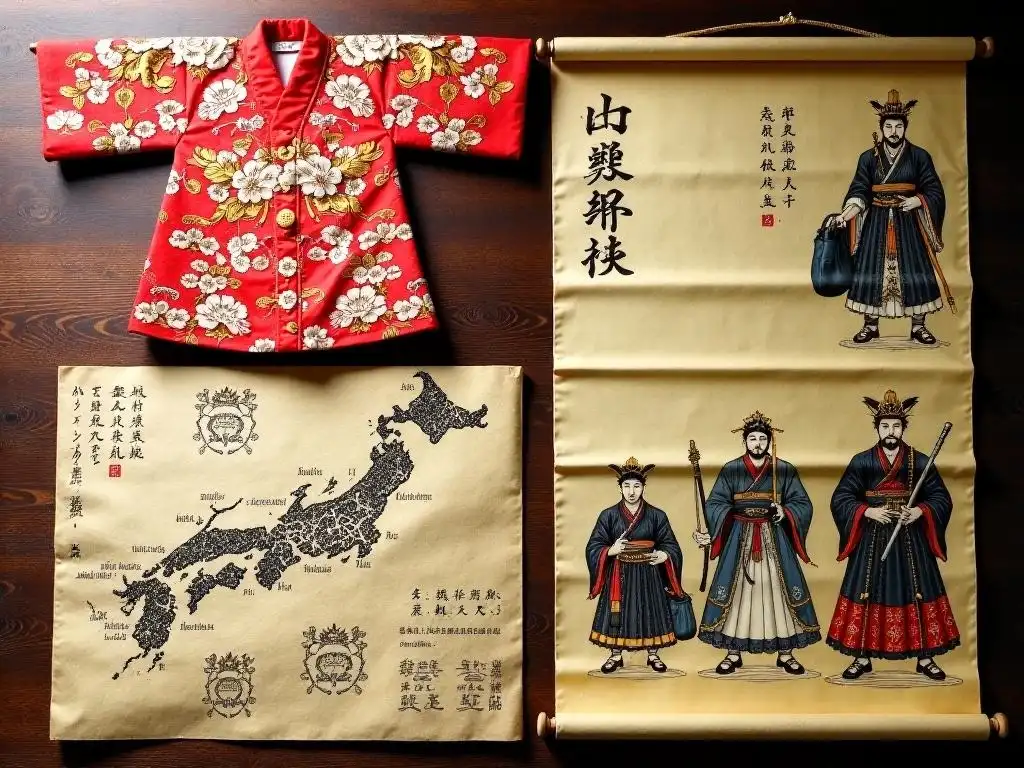
The Emperor of Japan held a position of great symbolic significance throughout the feudal era, yet his actual power fluctuated dramatically. While the Emperor was considered the highest authority in Japanese society, the political reality often placed the shogunate, especially during the Kamakura and Muromachi periods, in control of military and administrative affairs.
- Symbol of Unity: The Emperor was viewed as a divine figure, a descendant of the sun goddess Amaterasu, which granted him a spiritual authority that transcended political machinations.
- Limited Authority: Despite his revered status, the Emperor’s role was largely ceremonial, especially during the periods dominated by powerful shoguns. For instance, during the Kamakura period (1185-1333), the Emperor was often relegated to a position where he had little influence over governance.
- Restoration Movements: The Meiji Restoration in 1868 marked the end of feudalism and sought to restore the Emperor's power, showcasing the enduring importance of the imperial figure in Japanese identity.
The Tokugawa Shogunate: A New Era in Feudal Japan
The Tokugawa Shogunate, established in 1603 by Tokugawa Ieyasu, represented a pivotal moment in Feudal Japan, bringing about an era known as the Edo period. This era was characterized by relative peace, stability, and isolation from foreign influence, which profoundly shaped Japanese society and culture.
- Centralized Power: The Tokugawa Shogunate centralized authority, implementing a rigid class structure that included samurai, farmers, artisans, and merchants. This hierarchy dictated social interactions and economic activities.
- Sankin-kōtai System: A key policy was the sankin-kōtai system, which required feudal lords (daimyō) to spend alternating years in the capital, Edo (modern-day Tokyo). This not only ensured loyalty but also facilitated a flourishing economy through travel and trade.
- Cultural Flourishing: The isolationist policies of the Tokugawa era allowed for unique cultural developments, including the rise of art forms such as ukiyo-e (woodblock prints) and the popularization of kabuki theater, which enriched the cultural fabric of Japan.
Feudalism: The System that Shaped Japan
Feudalism in Japan was a complex and multifaceted system that governed social, political, and economic interactions from the late 12th century until the mid-19th century. It was characterized by a hierarchy of obligations and loyalties that defined relationships among various classes.
- The Samurai Class: At the apex of the feudal structure were the samurai, who served as military retainers for the daimyō. Their code of conduct, known as bushidō, emphasized loyalty, honor, and martial prowess, shaping the ethos of Japanese society.
- Land and Vassalage: Land was the primary currency of power in feudal Japan. Daimyō granted land (known as han) to their samurai in exchange for military service, creating a system of vassalage that was essential for maintaining control and allegiance.
- Economic Implications: The feudal system also influenced agricultural production and trade. The self-sufficient domains of daimyō relied on peasant labor, which sustained local economies and fostered a sense of community among the lower classes.
Understanding these political terms and their implications is vital for grasping the complexities of Feudal Japan's history. Each term encapsulates a significant aspect of the societal framework that defined the era, offering insights into the culture and governance of the time.
Language and Terminology in Feudal Japan
In the context of Feudal Japan, language and terminology played a pivotal role in shaping the cultural and societal structures of the era. The intricate web of relationships between different classes, clans, and regions was often reflected in the specific terminology employed during this period. Understanding these terms not only enriches one's knowledge of Feudal Japan but also provides deeper insights into its history and culture.
Key Phrases and Their Meanings in Feudal Japan
The lexicon of Feudal Japan is filled with terms that encapsulate the essence of its historical context. Below is a selection of key phrases and their meanings:
- Samurai (侍): The warrior class of Feudal Japan, samurai were not only skilled fighters but also adhered to a strict code of ethics known as Bushido (武士道), which emphasized loyalty, honor, and discipline.
- Daimyo (大名): Feudal lords who held vast lands and commanded armies of samurai. The daimyo were pivotal in the hierarchy of feudal society and often engaged in conflicts to expand their territories.
- Shogun (将軍): The military leader of Japan, who held significant power, often more than the emperor. The title shogun was historically granted by the emperor and signified the highest military authority.
- Ronin (浪人): Samurai without a lord or master, often due to the death of their daimyo or losing their position. Ronin had a complex social status and often became mercenaries or wanderers.
- Kuge (公家): The aristocratic class that consisted of court nobles in Kyoto. The kuge held cultural and political influence but often lacked military power compared to the samurai class.
- Ninja (忍者): Covert agents skilled in espionage, sabotage, and assassination. While often romanticized in modern culture, ninjas played a significant role in the shadowy aspects of warfare during Feudal Japan.
- Jito (地頭): Land stewards who were responsible for managing estates on behalf of the daimyo. They played an essential role in local governance and taxation.
- Bushi (武士): Another term for samurai, emphasizing their status as warriors. The term bushi encompasses the ideals and responsibilities of the samurai class.
- Sengoku (戦国): Literally meaning "warring states," this term refers to the period of constant military conflict in Japan during the 15th to 17th centuries, characterized by power struggles among various daimyo.
These terms are just a few examples of the rich vocabulary that defines the historical narrative of Feudal Japan. Understanding these key phrases allows history enthusiasts to appreciate the complexities of social dynamics and the cultural significance behind each term.
Understanding Kanji: The Writing System of Feudal Japan
Kanji, one of the three primary writing systems used in Japan, is integral to understanding the language of Feudal Japan. Originally derived from Chinese characters, kanji represents not just sounds but also meanings, making it a profoundly expressive writing system.
- Composition of Kanji: Each kanji character is typically composed of a radical (部首) that indicates its meaning and phonetic components that suggest its pronunciation. For example, the kanji for "tree" (木) can be combined with others to create terms like "forest" (森) or "wood" (材).
- Cultural Significance: Kanji was not merely a tool for communication but also a reflection of cultural values and social structures. Many kanji characters encapsulate concepts important to samurai, such as honor (名誉) and loyalty (忠誠), illustrating how language intertwined with the societal fabric.
- Use in Literature and Philosophy: The kanji system was utilized in various literary and philosophical texts during Feudal Japan, including works like The Tale of Genji (源氏物語) and the writings of Confucian scholars. This literature often explored themes of love, duty, and the nature of power, all conveyed through the nuanced use of kanji.
- Modern Relevance: While kanji continues to be used in contemporary Japan, its historical applications in Feudal Japan provide a unique lens through which to view the evolution of Japanese language and thought.
Understanding kanji is essential for anyone interested in exploring Feudal Japan's history and culture. Its complex structure and cultural significance offer a rich tapestry of meaning that enhances our appreciation of this fascinating era.
Conclusion: The Relevance of a Feudal Japan History Glossary for Today’s Enthusiasts
The study of Feudal Japan is not just an academic endeavor; it is a fascinating journey into a unique historical period that shaped the culture, politics, and social structures of Japan. A comprehensive Feudal Japan history glossary serves as an essential tool for history enthusiasts, enabling them to navigate the intricate web of terms, concepts, and historical figures that define this era.
Understanding this terminology allows enthusiasts to critically engage with sources, enrich their discussions, and appreciate the depth of historical narratives. A glossary equips readers with the knowledge to interpret primary and secondary sources accurately, fostering a deeper understanding of the complexities of feudal society. As interest in this period continues to grow, the relevance of a well-curated glossary becomes increasingly significant for both casual learners and serious scholars alike.
Continuing Your Learning Journey with Additional Resources
Expanding your understanding of Feudal Japan doesn't stop at mastering the glossary. Here are some suggested resources that can further enhance your knowledge:
- Online Databases and Archives
- The National Diet Library of Japan offers digital collections that include historical documents related to the feudal era.
- JSTOR and Project MUSE provide access to scholarly articles and journals focused on Japanese history.
- Documentaries and Educational Videos
- Platforms like YouTube host numerous documentaries exploring Feudal Japan, providing visual context to historical events and cultural practices.
- Consider series produced by reputable educational channels that offer in-depth analyses of key themes from the feudal period.
- Interactive Websites
- Websites like "History Extra" and "BBC History" often feature articles and interactive timelines that can help you visualize the timeline of Feudal Japan.
Recommended Books and Online Courses on Feudal Japan History
To deepen your understanding of Feudal Japan, here are some highly recommended books and online courses:
| Type | Title | Author/Provider |
|---|---|---|
| Book | "Samurai: The Last Warrior" | John Man |
| Book | "The Making of Modern Japan" | John D. Merriman |
| Book | "Japan: A Story of the Land" | John W. Dower |
| Online Course | "Feudal Japan: The Age of the Samurai" | Coursera (offered by Stanford University) |
| Online Course | "Understanding Japan’s Past" | edX (offered by the University of Tokyo) |
Each of these resources provides valuable insights into the historical, cultural, and societal aspects of Feudal Japan, making them excellent additions to your learning journey. By engaging with these materials, you can gain a well-rounded perspective on the intricate tapestry of life during this fascinating period.
Frequently Asked Questions
What is the significance of the Feudal Japan history glossary?
The Feudal Japan history glossary serves as a valuable resource for understanding the key terms and concepts that define this historical era, making it easier for enthusiasts to grasp the cultural and societal dynamics of the time.
What kinds of terms can one expect to find in the glossary?
The glossary includes historical terms, cultural references, and societal concepts related to feudal Japan, such as samurai, daimyō, and shogunate, providing a comprehensive overview of the period.
How can the glossary enhance the understanding of feudal Japan?
By offering clear definitions and context, the glossary helps readers connect historical events with their cultural implications, thus enriching their overall knowledge of Japan’s feudal era.
Who would benefit from using this glossary?
The glossary is ideal for history enthusiasts, students, and anyone interested in gaining a deeper insight into the complexities of Feudal Japan, whether for academic purposes or personal interest.
Is the glossary regularly updated with new terms?
Yes, the glossary is designed to be dynamic and may be updated periodically to include new findings or terms that emerge from ongoing research in Feudal Japan history.
Final Reflection: Understanding Feudal Japan's Legacy
The intricate tapestry of Feudal Japan continues to resonate in our modern world, as its historical nuances shape our understanding of cultural identity and social structure. The terms and concepts explored in this article serve not only as a gateway to the past but also as a reminder of the enduring impact of these historical frameworks on contemporary society. As we delve into the complexities of Feudal Japan, we uncover lessons that remain relevant today, highlighting the importance of understanding our history to navigate our future.
Cultural narratives and social hierarchies established during Feudal Japan have left an indelible mark on Japanese society and beyond. The values of loyalty, honor, and duty that characterized this era continue to influence modern relationships and societal expectations. As historian John W. Hall once said, The past is never dead. It's not even past.
This observation underscores the ongoing relevance of Feudal Japan's legacy, inviting us to reflect on how these historical elements shape our current cultural landscape and interpersonal dynamics.
As you close this exploration of Feudal Japan, I encourage you to take a moment to reflect on your own relationship with history. Consider how the lessons from the past can inform your actions and decisions today. Embrace the opportunity to engage with history not just as a series of events, but as a living narrative that informs our identities and choices. Let the insights gained from this glossary inspire you to delve deeper into the rich tapestry of history, fostering a greater appreciation for the complexities that have shaped our world.
Dive Deeper into Feudal Japan!
Thank you for taking the time to explore the fascinating world of Feudal Japan with us! We hope you’ve uncovered valuable insights that fuel your passion for history. Now, it's your turn to continue this journey and deepen your understanding of this intriguing era.
Here are some steps you can take right now:
- Explore Related Resources: Check out our extensive library of articles on feudal societies, samurai culture, and political structures.
- Join Our Community: Share your thoughts and findings with fellow history enthusiasts in our online forums. Engaging in discussions can open up new perspectives!
- Create Your Own Glossary: Start compiling your own list of terms and concepts from your readings. This practice enhances retention and enriches your learning experience.
What aspect of Feudal Japan are you most eager to learn about next? Let’s discuss it in the comments!