
Women in Zen: Exploring the Role of Female Figures in Zen History

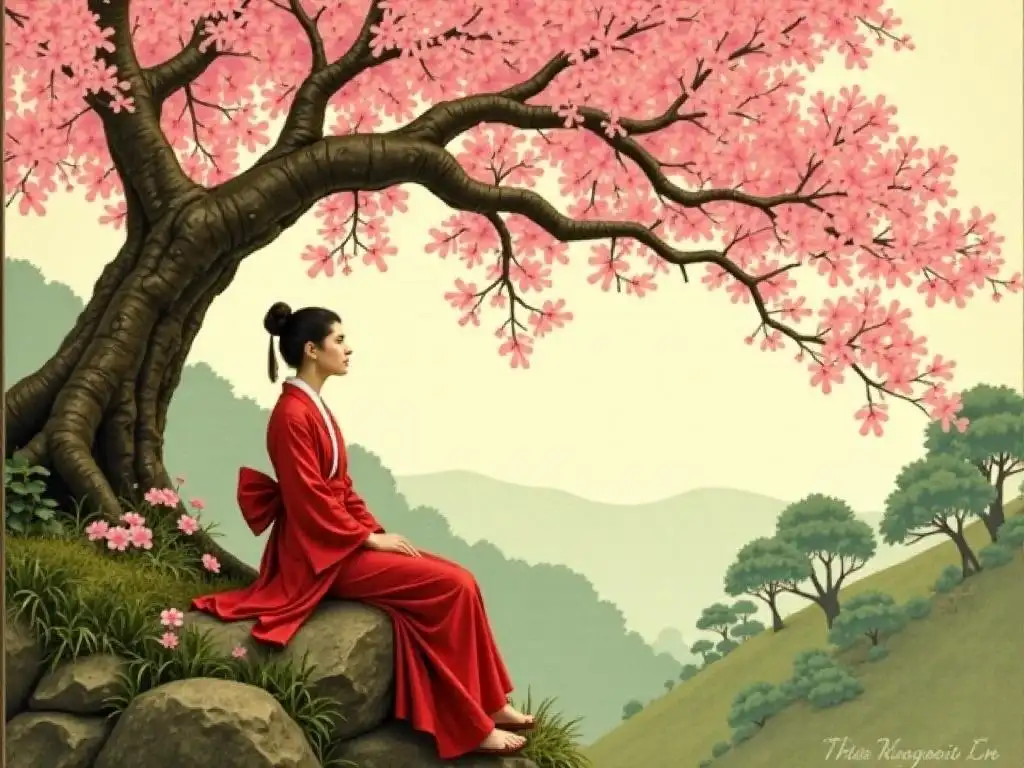
Welcome to Feudal Japan History, where we embark on a captivating journey through the intricate tapestry of Japan's feudal era. In our latest article, “Women in Zen: Exploring the Role of Female Figures in Zen History,” we delve into the often-overlooked contributions of women within the realm of Zen Buddhism. Prepare to uncover the profound impact these remarkable figures had on spirituality and societal norms, challenging the traditional narratives that have long overshadowed them. Join us as we unravel the threads of history, revealing stories that will inspire and ignite your curiosity to explore further!
-
Women in Zen Buddhism History: An In-Depth Exploration
- Introduction to Women in Zen Buddhism
- Historical Context of Women in Zen Buddhism
- Contributions of Women to Zen Philosophy
- Challenges Faced by Women in Zen Buddhism
- Modern Perspectives on Women in Zen Buddhism
- Conclusion: The Legacy of Women in Zen Buddhism History
- References and Further Reading on Women in Zen Buddhism History
-
Frequently Asked Questions
- What was the role of women in Zen Buddhism history?
- Who were some notable female figures in Zen history?
- How did societal views of women affect their participation in Zen Buddhism?
- What impact did female Zen practitioners have on the tradition?
- Are there modern movements that address the role of women in Zen?
- Final Reflection: Embracing the Legacy of Women in Zen Buddhism History
- Embrace the Zen Journey: Connect, Reflect, and Grow!
Women in Zen Buddhism History: An In-Depth Exploration
Introduction to Women in Zen Buddhism
Zen Buddhism, a profound and intricate branch of Mahayana Buddhism, has significantly influenced not only spiritual practices but also cultural and societal dynamics throughout its history. While Zen is often celebrated for its rich traditions and philosophical depth, the narratives surrounding women within this context have often been overlooked.
This article aims to shed light on the essential roles that women have played in Zen Buddhism, examining their contributions, challenges, and the evolving perceptions of female figures within this spiritual framework. By exploring the historical, cultural, and societal aspects of women in Zen Buddhism, we hope to provide a comprehensive understanding of their impact and significance.
Overview of Zen Buddhism and Its Significance
Zen Buddhism emerged in China as Chan Buddhism and later flourished in Japan, emphasizing direct experience and meditation over theoretical knowledge. Central to Zen practice are concepts such as satori (enlightenment) and the use of meditation techniques like zazen (sitting meditation). Zen’s teachings have permeated various aspects of Japanese culture, including art, architecture, and even the way of tea. Despite its significant influence, the historical narratives have predominantly centered around male figures, leaving a gap in the understanding of women's contributions to this spiritual tradition.
The Underrepresentation of Women in Zen History
Women have historically been underrepresented in Zen literature and teachings, which has led to a skewed perception of their roles. This underrepresentation can be attributed to various factors, including societal norms that favored male authority and the patriarchal structures within religious institutions. However, as contemporary scholars and practitioners delve deeper into Zen history, there is a growing recognition of the vital contributions made by women, both as practitioners and as influential figures within Zen communities.
Historical Context of Women in Zen Buddhism
To fully appreciate the contributions of women in Zen Buddhism, it’s essential to understand the historical context in which they operated. From the early days of Zen practices to contemporary interpretations, women have navigated a complex landscape marked by both spiritual pursuit and societal constraints.
The Role of Women in Early Zen Practices
In the early days of Zen, women participated in various practices, often in supportive roles. They contributed to the monastic community, engaged in meditation, and played significant roles in household practices that supported Zen teachings. Some women even founded their own schools of thought, although these narratives are frequently overshadowed by their male counterparts.
Notable Female Figures in Zen Buddhism History
Throughout Zen history, several women have emerged as notable figures, each contributing uniquely to the tradition. For instance, Eihei Dogen, the founder of the Soto school, had female disciples who contributed to the development of his teachings. Additionally, figures like Sōen Nakagawa, a 20th-century Zen master, and Ruth Fuller Sasaki, who played a key role in introducing Zen to the West, exemplify the vital roles women have played in both historical and modern contexts. By recognizing these figures, we can begin to reconstruct a more inclusive narrative of Zen Buddhism that honors the contributions of women throughout its history.
Contributions of Women to Zen Philosophy
Women have played a significant yet often overlooked role in the development and dissemination of Zen philosophy throughout history. Their contributions extend beyond mere participation to shaping and influencing core teachings within Zen Buddhism. Notably, female figures such as Eshinni, the wife of the prominent Pure Land master Shinran, and the Zen nun Taikoji, both exemplify how women have contributed to the rich tapestry of Zen thought.
The writings and teachings of these women often provided unique insights that challenged the predominantly male narratives in Zen. For instance, women like Eshinni expressed deep spiritual understanding through their correspondence, revealing the nuances of Zen practice from a female perspective. This highlights how women were not merely passive observers but active participants in philosophical discourse.
Moreover, the integration of feminine qualities such as compassion, nurturing, and intuition into Zen teachings has enriched the tradition. These qualities have been recognized and valued, promoting a more holistic understanding of Zen philosophy that transcends gender boundaries.
The Influence of Female Zen Masters on Zen Teachings
Throughout Zen history, several female Zen masters have emerged, profoundly influencing Zen teachings and practices. One notable figure is the 13th-century nun and Zen master, Kido Shunsho, who was renowned for her teachings on mindfulness and meditation. Kido emphasized the importance of direct experience in Zen, advocating for a practice that transcended the confines of formal monastic training. Her teachings inspired many, particularly women, to engage deeply with Zen practice.
Another influential figure is the contemporary Zen teacher, Roshi Joan Halifax, who has been instrumental in integrating insights from psychology and social activism into Zen practice. Her work emphasizes the importance of compassion and ethical engagement, reshaping Zen teachings to address modern societal issues. By bringing women’s perspectives to the forefront, these female masters have enriched Zen philosophy and made it more accessible to diverse audiences.
The impact of female Zen masters continues to resonate today, as their teachings challenge traditional patriarchal structures and promote inclusivity within the Zen community. Their legacies serve as an inspiration for future generations of practitioners, demonstrating that Zen is not limited by gender.
Female Perspectives on Zen Meditation and Practice
Women’s perspectives on Zen meditation and practice have added depth and diversity to traditional approaches. Female practitioners often emphasize the relational and communal aspects of Zen, advocating for a practice that fosters connection and support among practitioners. This contrasts with the historical emphasis on solitary meditation, which has been predominantly male-oriented.
In addition, women have brought unique insights into the experience of meditation itself. Many female practitioners report that their meditation practice is deeply intertwined with their lived experiences, including motherhood, caregiving, and community involvement. This perspective underscores the importance of context in understanding meditation and highlights how personal experiences can inform and enrich Zen practice.
Moreover, female teachers have developed specific meditation techniques that cater to the needs of women, addressing issues such as anxiety and self-doubt. These adaptations have made Zen meditation more approachable and relevant to a broader audience, allowing for a more inclusive practice that resonates with women’s experiences.
Challenges Faced by Women in Zen Buddhism
Despite the significant contributions of women to Zen Buddhism, they have historically faced numerous challenges that have hindered their full participation in the tradition. These challenges are deeply rooted in societal norms and the patriarchal structures that have dominated Japanese culture throughout the feudal era and beyond.
Societal Norms and Gender Roles in Feudal Japan
In feudal Japan, societal norms dictated strict gender roles that confined women to domestic spheres. The Confucian ideals prevalent during this period emphasized male authority and female submissiveness, limiting women’s opportunities for education and spiritual practice. This cultural backdrop created formidable barriers for women seeking to engage with Zen, as monastic life and intellectual pursuits were largely reserved for men.
These societal expectations not only restricted women’s access to formal Zen training but also shaped the narratives surrounding female practitioners. Women were often viewed through the lens of their relationships to men, such as daughters, wives, or mothers, rather than as independent spiritual beings. This framework further marginalized women within the Zen community and contributed to the underrepresentation of their voices in Zen literature and teachings.
Barriers to Women's Participation in Zen Monastic Life
The structure of Zen monastic life has historically posed significant barriers to women’s participation. Many Zen temples and monasteries were male-only institutions, effectively excluding women from the monastic experience. Even when women were allowed to enter monasteries, they often faced stringent restrictions that limited their roles and access to teachings.
For instance, while some temples established separate facilities for female practitioners, these spaces were frequently viewed as inferior, offering limited opportunities for spiritual development. Additionally, the absence of female role models in the monastic hierarchy meant that women had fewer avenues for mentorship and guidance.
The challenges faced by women in Zen Buddhism continue to evolve, but the historical context reveals a persistent struggle for recognition and equality. As contemporary Zen communities work towards inclusivity, acknowledging and addressing these barriers remains crucial for the ongoing development of Zen practice.
Modern Perspectives on Women in Zen Buddhism

Modern perspectives on women in Zen Buddhism reflect a significant shift in understanding and appreciation of female figures in this spiritual tradition. Historically, women faced numerous barriers in religious practices and leadership roles within Zen communities. However, recent decades have seen a resurgence of interest in the contributions of women, both historical and contemporary, leading to a more inclusive narrative. This evolution highlights the essential roles that women have played in the development and propagation of Zen teachings, practices, and communities.
Today, many scholars and practitioners emphasize the need to recognize the voices and experiences of women in Zen, reframing the historical narrative that often marginalized them. This shift is facilitated by increased visibility of female Zen teachers and practitioners who challenge traditional patriarchal structures and advocate for gender equality within Zen practice. As a result, the modern context encourages a re-examination of Zen texts, rituals, and teachings through a gender-sensitive lens, enriching the overall understanding of Zen Buddhism.
Contemporary Female Zen Leaders and Their Impact
Contemporary female Zen leaders have made significant strides in shaping the landscape of Zen Buddhism today. Figures such as Joan Halifax, Roshi Pat Enkyo O'Hara, and Thich Nhat Hanh's disciple, Sister Chan Khong, embody the new wave of women leading Zen communities around the world. These leaders not only teach traditional Zen practices but also incorporate social justice, environmental consciousness, and psychological well-being into their teachings.
Their impact extends beyond the Zen community; they influence broader discussions on spirituality, feminism, and social equity. For example, Joan Halifax has been instrumental in integrating mindfulness practices into end-of-life care, thereby merging Buddhist principles with compassionate healthcare. Moreover, the emphasis on inclusivity and community building by these leaders fosters a welcoming environment for practitioners of all genders, encouraging a more diverse and enriched practice.
The Evolution of Women's Roles in Zen Practices Today
The evolution of women's roles in Zen practices today reflects a significant transformation compared to earlier eras. Historically, women were often relegated to secondary roles within Zen monasteries, primarily serving as supporters of male monks. However, contemporary practices have seen women taking on leadership roles as abbesses, teachers, and practitioners.
Modern Zen centers increasingly prioritize gender parity in their leadership structures, with many organizations actively working to create spaces where women can thrive as leaders and practitioners. This evolution is evident in the growing number of female-led Zen centers and the increasing visibility of women in traditional Zen teachings. The integration of female perspectives into Zen practice enriches the community, offering diverse insights and experiences that enhance the collective understanding of Zen principles.
Conclusion: The Legacy of Women in Zen Buddhism History
The legacy of women in Zen Buddhism history is profound and multifaceted. Female practitioners, teachers, and leaders have played pivotal roles in shaping Zen practices and philosophies throughout the centuries. Their contributions, often overlooked in traditional narratives, are now being recognized and celebrated, highlighting the importance of gender inclusivity in the spiritual realm.
Reflection on the Importance of Female Figures in Zen
Reflecting on the importance of female figures in Zen reveals that their experiences and teachings provide essential insights into the understanding of Zen principles. Women have contributed unique perspectives that challenge conventional notions of enlightenment and spiritual practice. By acknowledging and honoring these contributions, practitioners can cultivate a more holistic understanding of Zen Buddhism that encompasses the richness of both male and female experiences.
Moreover, the stories of women in Zen serve as powerful reminders of resilience, determination, and spiritual depth. They inspire current and future generations to pursue their spiritual paths, irrespective of gender, and foster a sense of community within Zen practice.
Future Directions for Women in Zen Practices
Looking ahead, the future directions for women in Zen practices hold promise for further growth and transformation. As the conversation surrounding gender equality in religious contexts continues to evolve, there will likely be more opportunities for women to take on leadership roles within Zen communities.
Efforts to document and share the histories of women in Zen will help to further integrate their narratives into the broader understanding of Buddhist teachings. Additionally, as more women engage in Zen practices and leadership, the development of new methodologies and interpretations will likely emerge, enriching the tradition in innovative ways.
Ultimately, the journey of women in Zen Buddhism history is ongoing, and their contributions will continue to shape the landscape of Zen for generations to come.
References and Further Reading on Women in Zen Buddhism History
The exploration of women's roles in Zen Buddhism is a rich and nuanced field that has been the subject of various scholarly works, articles, and online resources. To deepen your understanding of this fascinating intersection of gender and spirituality, here are some recommended sources that cover the historical, cultural, and societal aspects of women in Zen Buddhism.
Suggested Books and Articles
-
"Women in Zen: The Role of Women in the Development of Zen Buddhism" by Judith E. Simmer-Brown
This essential text delves into the historical contributions of women in Zen, offering insights into how their roles evolved within the tradition.
-
"Zen Women: Beyond Tea Ladies, Iron Maidens, and Macho Masters" by Grace Schireson
Schireson presents an engaging examination of female figures in Zen history, challenging stereotypes and highlighting their significant contributions.
-
"The Hidden Lamp: Stories from Twenty-Five Centuries of Awakened Women" edited by Florence Caplow and Susan Moon
This anthology brings together stories of enlightened women from various traditions, including Zen, providing a broader context for understanding female spiritual practitioners.
-
"The Feminine Face of Buddhism" by Jennifer E. A. DeVries
This article explores the intersection of gender and spiritual practice in Buddhism, with particular attention to Zen's female practitioners.
-
"Zen Women: A Historical Overview" by Koko Kato
This scholarly article offers a comprehensive overview of women's historical roles in Zen, tracing their influence from ancient times to the modern era.
Online Resources and Zen Communities
-
Women in Buddhism Network
This online platform offers a wealth of resources, articles, and discussions focused on women's roles in Buddhism, including Zen. It serves as a community for sharing experiences and insights.
-
Zen Women: A Blog
This blog features posts from various female Zen practitioners, providing personal reflections, teachings, and insights into the contemporary experiences of women in Zen.
-
Tricycle: The Buddhist Review
Tricycle's website often publishes articles and essays on the role of women in Buddhism, including Zen. It's a valuable resource for current discussions and perspectives.
-
Soto Zen International
The official site of Soto Zen International provides resources, teachings, and community information, highlighting the contributions of women within the Soto Zen tradition.
-
Facebook Groups and Online Forums
Numerous online communities, such as "Women in Zen" on Facebook, foster discussions and connections among female practitioners and those interested in the roles of women in Zen Buddhism.
These resources provide a solid foundation for anyone looking to explore the intricate roles of women in Zen Buddhism history, offering both scholarly and personal perspectives that enrich the understanding of this significant aspect of the tradition.
Frequently Asked Questions
What was the role of women in Zen Buddhism history?
Women played a significant role in Zen Buddhism, often as influential figures who contributed to its teachings and practices, despite facing cultural restrictions.
Who were some notable female figures in Zen history?
Notable figures include Kōun Yūzō, a 17th-century nun, and Kōsai Shōrin, known for their spiritual teachings and contributions to Zen literature.
How did societal views of women affect their participation in Zen Buddhism?
Societal views during the feudal era often limited women's roles; however, many women found ways to engage with Zen practices and even lead spiritual communities.
What impact did female Zen practitioners have on the tradition?
Female practitioners helped to preserve and transmit Zen teachings, influencing both the spiritual and cultural landscape of Zen Buddhism throughout history.
Are there modern movements that address the role of women in Zen?
Yes, contemporary movements are increasingly recognizing and celebrating the contributions of women in Zen, aiming to promote gender equality within the practice.
Final Reflection: Embracing the Legacy of Women in Zen Buddhism History
The exploration of women in Zen Buddhism history reveals a profound truth: their contributions have been pivotal yet often overlooked. In a world striving for gender equality, recognizing the impact of female figures in Zen not only honors their legacy but also enriches our understanding of the tradition itself. The stories of these remarkable women serve as a reminder that the path to enlightenment is not limited by gender; rather, it is illuminated by the diverse experiences and insights of all practitioners.
The influence of women in Zen Buddhism continues to resonate in contemporary society, shaping the cultural and spiritual landscape in significant ways. As we reflect on the teachings and lives of these women, we see how their resilience and wisdom have paved the way for future generations. The most important thing is to be true to yourself and to be true to your practice.
This quote encapsulates the essence of what these female figures have imparted: authenticity in one's journey is paramount, and their stories inspire us to embrace our own paths with courage and conviction.
As we conclude this exploration, I invite you to reflect on the lessons learned from the women in Zen Buddhism history. Consider how their experiences can inform your own spiritual journey and encourage you to seek out diverse voices in your practice. Let their stories inspire you to break barriers and foster inclusivity within your own communities. Together, we can honor the legacy of these remarkable women and ensure that their contributions continue to shape the future of Zen Buddhism for all.
Embrace the Zen Journey: Connect, Reflect, and Grow!
Thank you for diving into the fascinating world of female figures in Zen history! We've uncovered the rich contributions and lasting impact of women in this spiritual tradition. Now it’s your turn to take these insights and enrich your own journey.
Here are a few ways you can engage further:
- Explore local Zen communities or meditation groups to connect with like-minded individuals and deepen your practice.
- Share this article with friends or on your social media—let's spread the inspiration and celebrate the remarkable contributions of these women together!
- Consider reading additional works by female Zen practitioners or exploring texts about their philosophies; you may find new perspectives that resonate with you!
What aspect of the contributions made by female Zen figures resonates most with you, and how can you incorporate their wisdom into your life?