
Zen Masters and Their Teachings: Lessons from the Greats of Feudal Japan


Welcome to Feudal Japan History, where we invite you on a captivating journey through the intricate tapestry of Japan's feudal era. Delve deep into the Zen teachings in feudal Japan and discover how these profound philosophies shaped not only the spirituality of a nation but also the very fabric of its society. Our featured article, "Zen Masters and Their Teachings: Lessons from the Greats of Feudal Japan," promises to unravel the wisdom of legendary figures whose insights continue to resonate today.
Are you ready to explore the serene depths of Zen and its lasting impact on culture and thought? Let’s embark on this enlightening adventure together!
- Introduction to Zen Teachings in Feudal Japan
- Prominent Zen Masters of Feudal Japan
- Core Zen Teachings and Their Applications
- The Impact of Zen Teachings on Feudal Japanese Culture
- Lessons from Zen Masters: Timeless Wisdom
- Conclusion: The Lasting Legacy of Zen Teachings in Feudal Japan
- Frequently Asked Questions
- Final Reflection: Embracing the Wisdom of Zen Teachings in Feudal Japan
- Embrace the Wisdom: Take Your Zen Journey Further!
Introduction to Zen Teachings in Feudal Japan
The feudal era of Japan, spanning from the late 12th century to the 19th century, was a period marked by significant social, political, and cultural transformations. Among the many influences that shaped this era, Zen Buddhism emerged as a profound force, guiding not only spiritual practices but also impacting the arts, samurai ethics, and the daily lives of people. Zen teachings in feudal Japan were not merely philosophical ideas; they were practical lessons that encouraged mindfulness, simplicity, and the pursuit of enlightenment.
This article delves into the essence of Zen teachings, exploring the wisdom imparted by the great Zen masters who lived during this transformative time. Through a comprehensive examination of their teachings, we will uncover how these principles influenced the fabric of Japanese society, art, and culture, providing insights that remain relevant even today.
Overview of Zen Buddhism in Japan's Feudal Era
Zen Buddhism was introduced to Japan from China in the late 12th century, gaining traction during the Kamakura period (1185–1333). It offered a distinct approach to spirituality, emphasizing direct experience over theoretical understanding. The key tenets of Zen—such as meditation (zazen) and mindfulness—became essential practices for individuals seeking enlightenment.
Key Characteristics of Zen Buddhism:
- Meditative Practice: Central to Zen is the practice of meditation, allowing practitioners to cultivate a deep sense of awareness and presence.
- Simplicity and Minimalism: Zen aesthetics are characterized by simplicity, which can be seen in garden design, tea ceremonies, and traditional Zen art.
- Direct Transmission: Zen teachings often focus on direct transmission of knowledge from master to student, bypassing written texts.
During the feudal era, Zen was embraced by the samurai class, who found its teachings aligned with their values of discipline, loyalty, and self-control. The practice of Zen not only provided them with a spiritual framework but also honed their mental agility and focus, essential qualities in the tumultuous world of feudal Japan.
Significance of Zen Teachings in Historical Context
The impact of Zen teachings during Japan's feudal era cannot be overstated. They played a crucial role in shaping both individual lives and broader societal structures.
Influential Aspects of Zen in Feudal Society:
- Cultural Influence: Zen principles permeated various art forms, from ink painting to poetry, enhancing the cultural landscape of Japan.
- Samurai Ethics: The samurai adopted Zen teachings, integrating them into their code of conduct, which emphasized honor, discipline, and spiritual depth.
- Community and Monastic Life: Zen monasteries became centers of learning and community, fostering a sense of unity among practitioners and serving as hubs for the exchange of ideas.
Zen teachings in feudal Japan provided not only spiritual guidance but also a framework for ethical living and artistic expression. As we explore the profound insights from Zen masters of this era, we will uncover the lessons that continue to resonate through Japanese culture and philosophy today.
Prominent Zen Masters of Feudal Japan

Dogen Zenji: The Founder of Soto Zen
Dogen Zenji (1200-1253) is recognized as a pivotal figure in the development of Zen Buddhism in Japan, particularly as the founder of the Soto school. His teachings emphasized the notion of zazen, or seated meditation, as the core practice of Zen. Dogen's philosophy was heavily influenced by his studies in China, where he encountered various forms of Chan Buddhism, which later shaped his unique perspective on Zen teachings in feudal Japan.
Key Teachings and Philosophical Contributions
Dogen's seminal work, the Shobogenzo, is a collection of writings that encapsulate his teachings and philosophical insights. Central to his philosophy is the idea of shinjin datsuraku, meaning the dropping away of body and mind. This concept underscores the importance of direct experience in meditation, advocating that enlightenment is not a distant goal but is accessible through the practice itself.
Additionally, Dogen introduced the notion of practice-enlightenment, suggesting that the act of practicing zazen is inherently linked to the experience of enlightenment. He asserted that one cannot separate the two; thus, the journey of spiritual growth is continuous and deeply grounded in the present moment.
To study the Buddha Way is to study the self. To study the self is to forget the self.
- Dogen Zenji
Influence on Zen Practices in Feudal Society
Dogen's teachings had a profound impact on the practices of Zen in feudal Japan. His establishment of the Eihei-ji temple in 1244 served as a vital center for Soto Zen training and education, promoting communal living and the rigorous practice of zazen. Under his guidance, the Soto school emphasized the importance of monastic discipline and the integration of Zen practice into daily life.
The influence of Dogen's teachings extended beyond the confines of the monastery, permeating the broader cultural landscape of feudal Japan. His insistence on the value of simplicity and mindfulness resonated with the samurai class, who adopted Zen principles as a means to cultivate discipline and clarity in their lives and practices. Thus, Dogen's legacy continues to shape the understanding and application of Zen teachings in modern contexts.
Hakuin Ekaku: Revitalizer of Rinzai Zen
Hakuin Ekaku (1686-1769) is often credited with revitalizing the Rinzai school of Zen during a period when it faced decline. His dynamic approach and emphasis on rigorous meditation practices helped to reinvigorate interest in Zen teachings in feudal Japan. Hakuin's innovative methods transformed Zen into a more accessible and practical discipline, attracting a wide range of followers.
Innovative Approaches to Zen Meditation
Hakuin is best known for his development of the koan practice, a form of meditative inquiry that involves puzzling questions or statements aimed at breaking through conventional thinking. His famous koan, "What is the sound of one hand clapping?" exemplifies this method, challenging practitioners to engage deeply with their own minds and perceptions.
Moreover, Hakuin emphasized the importance of shikantaza, or "just sitting," as a form of meditation that requires total concentration and presence. This approach encourages practitioners to let go of distractions and engage fully with their experience, fostering a profound sense of awareness and insight.
Hakuin's Influence on Modern Zen Practices
Hakuin's influence extends into contemporary Zen practices, where his teachings continue to resonate with practitioners around the world. His emphasis on rigorous discipline, the integration of koan study, and the personal experience of enlightenment have all become central elements in modern Zen training programs.
Additionally, Hakuin's artwork, particularly his ink paintings and calligraphy, has left a lasting impact on Japanese culture, illustrating the profound connection between Zen aesthetics and spiritual practice. His legacy is a testament to the enduring relevance of Zen teachings, inspiring new generations to explore the depths of meditation and mindfulness.
The teachings of prominent Zen masters such as Dogen Zenji and Hakuin Ekaku have significantly shaped Zen Buddhism in feudal Japan and continue to influence its practice today. Their insights into meditation, discipline, and the nature of enlightenment reflect a rich tradition that remains deeply relevant in our contemporary world.
Core Zen Teachings and Their Applications
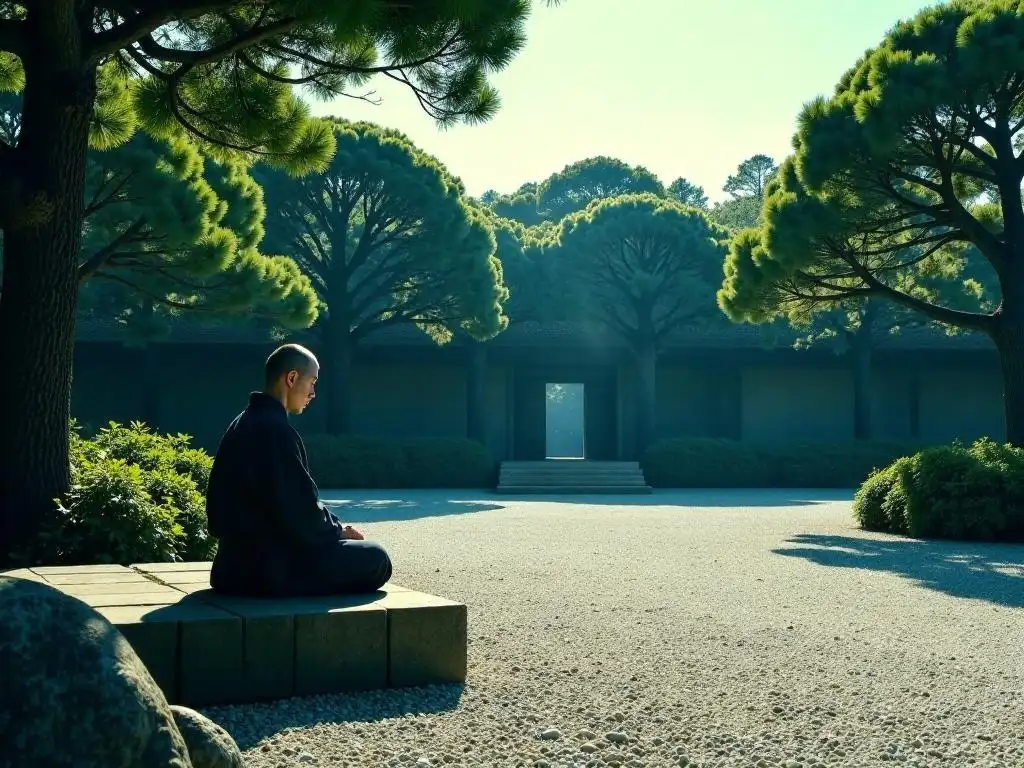
The Concept of Zazen: Sitting Meditation
Zazen, or sitting meditation, is the cornerstone of Zen practice and serves as the primary method through which practitioners engage with their minds and cultivate awareness. This meditative practice emphasizes the importance of posture and breath, creating a profound connection between the body and mind. Rooted in the teachings of early Zen masters, zazen encourages individuals to observe their thoughts without attachment, leading to transformative insights.
Importance of Zazen in Zen Practice
Zazen is not merely a technique; it embodies the essence of Zen philosophy. Through zazen, practitioners can experience direct insight into the nature of existence. The practice aids in developing a deep sense of inner peace and clarity, allowing individuals to confront their habitual patterns and emotional responses. Notably, historical figures such as Dōgen, founder of the Sōtō school of Zen, emphasized that zazen is the practice itself, transcending mere mental exercise to become a profound means of realizing enlightenment.
Techniques and Benefits of Zazen
Zazen involves several key techniques that contribute to its efficacy:
- Posture: Maintaining a stable and upright posture, whether in the full lotus, half lotus, or seiza position, is crucial for effective meditation.
- Breath Awareness: Focusing on the breath helps anchor the mind and cultivates a sense of calm.
- Mind Observation: Practitioners are encouraged to observe thoughts and feelings without judgment, allowing them to dissipate naturally.
The benefits of zazen are manifold:
- Enhanced Concentration: Regular practice sharpens focus and attention, which translates into enhanced productivity in daily life.
- Emotional Regulation: Zazen fosters a greater understanding of one's emotional landscape, promoting resilience and emotional stability.
- Spiritual Growth: Engaging in zazen nurtures spiritual development, guiding practitioners toward enlightenment.
Mindfulness and Presence: Living in the Moment
Mindfulness, a critical aspect of Zen teachings, emphasizes living fully in the present moment. This practice encourages an acute awareness of one's thoughts, emotions, and surroundings, enabling individuals to experience life more authentically. In feudal Japan, mindfulness was not only a personal pursuit but also a societal ethos that influenced various cultural practices.
Practical Applications of Mindfulness in Daily Life
Mindfulness can be integrated into various aspects of daily life, enhancing overall well-being. Some practical applications include:
- Mindful Eating: Paying attention to the sensory experience of eating fosters appreciation for food and cultivates gratitude.
- Walking Meditation: Engaging in slow, deliberate walking allows individuals to connect with their surroundings and promote mindfulness in motion.
- Mindful Communication: Practicing active listening and being fully present during conversations enhances relationships and reduces misunderstandings.
By incorporating these practices, individuals can lead more fulfilling lives grounded in awareness and presence.
Historical Examples of Mindfulness in Feudal Japan
Feudal Japan offers rich historical examples of mindfulness interwoven into daily life. For instance:
- Tea Ceremony (Chanoyu): Rooted in Zen principles, the tea ceremony embodies mindfulness through its emphasis on ritual, presence, and appreciation of simplicity. Each movement in the ceremony is performed with intention, reflecting the importance of being fully engaged in the moment.
- Zen Gardens: The design and maintenance of Zen gardens illustrate mindfulness in nature. Raking the gravel and arranging stones requires focused attention, promoting a meditative state that reflects the broader Zen philosophy.
These historical practices not only highlight the significance of mindfulness in feudal Japan but also serve as enduring lessons in applying Zen teachings in contemporary life.
The Role of Koans in Zen Teaching
Koans play a pivotal role in Zen teachings, serving as powerful tools for meditation and self-exploration. These paradoxical anecdotes or riddles are designed to provoke deep thought and introspection, guiding practitioners to transcend ordinary logic and reach a higher state of consciousness. By challenging the mind's habitual patterns, koans encourage students to break free from conventional thinking and experience a more profound awareness of reality.
In the context of feudal Japan, koans became integral to Zen training, reflecting the unique cultural and philosophical environment of the time. They were not merely intellectual exercises; rather, they were seen as gateways to enlightenment. The use of koans allowed Zen masters to impart wisdom in a manner that was both direct and experiential, enabling students to engage with teachings on a deeper, more personal level.
Understanding Koans: Purpose and Function
Koans function primarily as a means of meditation, encouraging practitioners to focus their minds on seemingly unresolvable questions. Common examples include questions like, “What is the sound of one hand clapping?” or “Does a dog have Buddha-nature?” These questions are not meant to be answered in a conventional sense; instead, they are intended to elicit a state of confusion or enlightenment that can lead to a direct experience of reality.
The purpose of koans extends beyond mere contemplation. They are tools for dismantling the ego and fostering a sense of openness. By engaging with koans, students are prompted to confront their assumptions and beliefs, ultimately leading to a more profound understanding of themselves and their place in the universe. This process aligns with the Zen principle of direct experience, where insight arises not from intellectual understanding but from an innate realization that transcends words.
How Koans Were Used by Zen Masters
In feudal Japan, Zen masters employed koans in a structured manner, often integrating them into formal training sessions. Students would present their understanding of a koan to their master, who would then provide feedback or additional guidance. This dialogue was crucial for the student's growth, as it pushed them to refine their insights and deepen their practice.
One notable example is the story of Hakuin Ekaku, a revered Zen master who revitalized the use of koans during the Edo period. Hakuin emphasized the importance of intense meditation on koans, believing that true understanding could only emerge through rigorous mental engagement. He encouraged his students to persistently grapple with their assigned koans, often leading them to moments of profound clarity and realization.
Moreover, the use of koans was not limited to formal settings. Many Zen masters would incorporate them into daily life, encouraging students to contemplate questions during routine activities. This practice exemplified the Zen approach of integrating teachings into every aspect of existence, thereby fostering a continuous journey of self-discovery and enlightenment.
Koans are an essential component of Zen teachings in feudal Japan, serving as both a method of meditation and a means of personal growth. Through the guidance of Zen masters, practitioners were able to explore the depths of their consciousness, leading to transformative experiences that continue to resonate in Zen practice today.
The Impact of Zen Teachings on Feudal Japanese Culture

Zen Influence on Arts and Aesthetics
Zen teachings profoundly influenced various artistic expressions during the feudal period in Japan. The philosophy emphasizes simplicity, mindfulness, and the beauty of imperfection, which became key principles in the arts. This influence is particularly evident in several domains:
- Literature: Zen's focus on direct experience and the transient nature of life resonated with poets and writers. Haiku, a form of Japanese poetry that captures fleeting moments, often reflects Zen themes. For example, Matsuo Bashō, a notable haiku master, used his poetry to convey profound truths through simple imagery.
- Architecture: Zen aesthetics led to the development of minimalist architectural styles, particularly in Zen temples. The use of natural materials, open spaces, and integration with the surrounding landscape exemplifies the Zen principle of harmony with nature.
- Gardens: Zen gardens, or karesansui, are designed to promote meditation and contemplation. These dry landscapes incorporate rocks, gravel, and minimal vegetation, symbolizing the essence of nature while providing a serene space for reflection.
Zen Buddhism in Japanese Tea Ceremony
The Japanese tea ceremony, or chanoyu, embodies the principles of Zen Buddhism, emphasizing simplicity, tranquility, and mindfulness. The ceremony transforms the act of preparing and drinking tea into a spiritual practice, where every movement and gesture is deliberate and meaningful.
- Philosophical Underpinnings: The tea ceremony is grounded in Zen concepts such as wabi-sabi, which appreciates the beauty of imperfection and transience. This philosophy encourages participants to find joy in simplicity and the moment.
- Ritual Elements: The meticulous preparation of tea involves a series of choreographed steps, each performed with mindfulness. The utensils used, such as the tea bowl and whisk, are often chosen for their aesthetic simplicity and historical significance.
- Social Interaction: The tea ceremony also serves as a medium for social harmony. Guests are encouraged to engage in reflective conversation, fostering a sense of community while embodying Zen principles of respect and humility.
Zen's Impact on Calligraphy and Painting
Zen Buddhism influenced the development of calligraphy and painting, leading to unique artistic styles that reflect the essence of Zen philosophy.
Zen Calligraphy
Zen calligraphy, or shodō, is characterized by its expressive brushwork and emphasis on spontaneity. Practitioners often view calligraphy as a form of meditation, where the act of writing becomes a means of self-expression and insight.
- Spontaneity and Flow: The brush strokes are often fluid, reflecting the artist's immediate state of mind. This spontaneity captures the essence of Zen teachings, emphasizing the importance of the present moment.
- Symbolic Characters: Characters used in Zen calligraphy often carry profound meanings, encouraging viewers to contemplate their significance. The interplay between form and meaning in calligraphy serves as a visual representation of Zen principles.
Zen Painting
Zen painting, particularly the sumi-e (ink wash painting), embodies the simplicity and depth of Zen teachings. Artists such as Sesshū Tōyō utilized monochromatic palettes to evoke emotions and convey the essence of their subjects.
- Minimalism: The use of limited brush strokes and colors reflects Zen's appreciation for simplicity. Each stroke is intentional, capturing the essence of the subject rather than focusing on intricate detail.
- Nature Themes: Many Zen paintings depict natural elements, emphasizing the connection between humanity and the natural world. This aligns with Zen's core belief in the interconnectedness of all beings.
Zen Philosophy in Samurai Ethics
Zen teachings played a crucial role in shaping the ethical framework of the samurai class. The integration of Zen philosophy into the samurai's code of conduct created a unique moral landscape that influenced their actions and decisions during feudal Japan.
Relationship Between Zen and Bushido
Bushido, the way of the warrior, is the ethical code that guided samurai behavior. Zen philosophy significantly influenced this code, instilling principles such as loyalty, honor, and self-discipline.
- Mindfulness in Combat: Samurai trained in Zen practices often approached battle with a calm and focused mind. This mindfulness allowed them to make quick and effective decisions in high-pressure situations, embodying the Zen ideal of being fully present.
- Detachment and Acceptance: Zen teachings encouraged samurai to accept the impermanence of life, leading to a form of emotional detachment that helped them face death without fear. This acceptance became a cornerstone of their courage and resilience.
Zen's Role in Shaping Samurai Morality
The moral framework of the samurai was deeply intertwined with Zen teachings, influencing their behavior both on and off the battlefield.
- Compassion and Benevolence: Zen emphasized compassion towards others, which was reflected in the samurai's duty to protect the weak and uphold justice. This moral duty was seen as an extension of their warrior spirit.
- Self-Discipline and Training: The rigorous training and discipline required in Zen practices mirrored the samurai's commitment to martial arts. This dedication fostered a sense of integrity and responsibility in their conduct.
Zen teachings in feudal Japan played a pivotal role in shaping not only the arts and aesthetics but also the ethical framework of the samurai class. The profound influence of Zen philosophy continues to resonate in various aspects of Japanese culture, reflecting its enduring legacy.
Lessons from Zen Masters: Timeless Wisdom

Zen teachings in feudal Japan offer profound insights that resonate through the ages. Renowned Zen masters such as Dōgen, Hakuin, and Rinzai imparted lessons that not only shaped the spiritual landscape of their time but also continue to influence contemporary thought. Their teachings emphasize mindfulness, simplicity, and a deep appreciation for the present moment, making them essential for those seeking clarity and purpose in their lives.
Embracing Impermanence: A Zen Perspective
How Impermanence Shapes Zen Thought
One of the core tenets of Zen teachings in feudal Japan is the concept of impermanence, or anicca. This principle asserts that all things are in a constant state of flux, and nothing is permanent. Zen masters taught that understanding and accepting this transience leads to a deeper appreciation of life.
For instance, the practice of zazen (seated meditation) encourages practitioners to observe their thoughts and feelings without attachment. Through this lens, impermanence is not something to fear; rather, it is an essential aspect of existence.
The teachings of Dōgen, founder of the Soto school, highlight this beautifully: “To study the Buddha way is to study the self. To study the self is to forget the self. To forget the self is to be awakened by all things.” This illustrates that recognizing the ephemeral nature of life can lead to spiritual awakening.
Lessons for Modern Life from Zen Teachings
The recognition of impermanence can profoundly affect our modern lives. Here are some key lessons derived from Zen teachings that can be applied today:
- Mindfulness: Embracing the present moment helps reduce anxiety about the future and regret over the past.
- Letting Go: Learning to release attachments, whether to material possessions or relationships, fosters a sense of freedom.
- Gratitude: Recognizing the fleeting nature of experiences encourages us to appreciate what we have while we have it.
These lessons remind us that life’s beauty often lies in its temporary moments, urging us to live authentically and fully.
The Interconnectedness of All Things
Zen Teachings on Nature and Relationships
Another pivotal aspect of Zen teachings in feudal Japan is the interconnectedness of all beings and phenomena. Zen masters emphasized that everything in the universe is interrelated, a principle that finds expression in the concept of dependent origination. This understanding encourages practitioners to see beyond the self and recognize their place in the larger tapestry of existence.
For example, Hakuin’s teachings often illustrated how individual actions impact the whole. His famous koan, “What is the sound of one hand clapping?” invites practitioners to explore the relationship between the self and the surrounding world, pushing them to consider the nature of existence and their role within it.
Practical Implications for Today’s Society
Understanding interconnectedness is not just a philosophical idea; it has practical implications for our lives today:
- Environmental Responsibility: Acknowledging our connection to nature fosters a sense of stewardship for the environment, encouraging sustainable practices.
- Community Engagement: Recognizing our interdependence can motivate individuals to engage more meaningfully with their communities, promoting cooperation and compassion.
- Conflict Resolution: By understanding that our actions affect others, we can cultivate empathy, leading to more peaceful resolutions in conflicts.
Incorporating these Zen teachings into modern life can cultivate a more harmonious society, where individuals act with awareness of their impact on others and the world.
The timeless wisdom of Zen masters offers invaluable lessons on impermanence and interconnectedness, encouraging us to embrace the present moment and recognize our bond with all living things. These teachings are not merely historical artifacts but guiding principles that can enhance our lives today.
Conclusion: The Lasting Legacy of Zen Teachings in Feudal Japan
Summary of Key Zen Teachings and Their Relevance
Zen Buddhism flourished during Japan's feudal era, profoundly influencing not only spiritual practices but also cultural norms and societal structures. Some of the key teachings that emerged from this period include:
- Mindfulness and Meditation: Central to Zen practice, these teachings emphasize the importance of being present in the moment. The practice of zazen (sitting meditation) helps practitioners cultivate awareness and clarity, fostering a deep connection to their inner selves and the world around them.
- Simplicity and Minimalism: Zen philosophy advocates for a life of simplicity, encouraging individuals to strip away the unnecessary distractions of life. This principle is evident in Zen gardens and architecture, promoting harmony with nature and a clear mind.
- Non-Duality: Zen teachings often highlight the interconnectedness of all things. This perspective challenges the binary notions of self and other, life and death, urging practitioners to see beyond dualistic thinking and embrace a more holistic understanding of existence.
- Impermanence: Acknowledging the transient nature of life, Zen encourages acceptance of change and the fleeting moments of joy and sorrow. This acceptance cultivates resilience and a deeper appreciation for the present.
The relevance of these teachings extends beyond the confines of Zen Buddhism. They resonate with contemporary practices such as mindfulness-based stress reduction (MBSR) and have influenced various fields, including psychology, art, and even corporate leadership. The principles of Zen encourage a more balanced, aware, and purposeful approach to life, making them valuable in today's fast-paced world.
Encouragement to Explore Further into Zen Buddhism and Its History
As we reflect on the profound impact of Zen teachings during feudal Japan, it becomes evident that these lessons offer timeless wisdom applicable to modern life. For those intrigued by the depth and richness of Zen Buddhism, further exploration is highly encouraged.
- Read Classic Texts: Engaging with foundational Zen literature, such as The Zen Teachings of Bodhidharma or The Book of Tea by Okakura Kakuzō, can provide deeper insights into the philosophy and practices of Zen masters.
- Attend Zen Retreats: Participating in meditation retreats or workshops can offer practical experience in Zen practices and foster a greater understanding of its teachings.
- Explore Cultural Expressions: Investigating the influence of Zen on Japanese arts, such as tea ceremonies, calligraphy, and flower arrangement (ikebana), reveals how these teachings permeated various aspects of life.
The legacy of Zen teachings from feudal Japan remains a vital part of both historical and contemporary discourse on spirituality and personal growth. By delving deeper into Zen Buddhism, individuals can uncover profound insights that resonate across time and culture, enriching their understanding of themselves and the world.
Frequently Asked Questions
What are the main principles of Zen teachings in feudal Japan?
Zen teachings emphasize mindfulness, meditation, and the pursuit of enlightenment. They focus on direct experience and intuition rather than intellectual understanding.
Who were some notable Zen Masters during the feudal era?
Notable Zen Masters include Dōgen, the founder of the Sōtō school, and Hakuin Ekaku, who revitalized Rinzai Zen. Their teachings have had a profound impact on Japanese culture and spirituality.
How did Zen teachings influence Japanese culture?
Zen teachings significantly influenced arts such as tea ceremonies, calligraphy, and gardening. They promoted a sense of aesthetic simplicity and spiritual depth in various cultural practices.
What role did Zen Buddhism play in the samurai class?
Zen Buddhism provided samurai with a framework for discipline, mental clarity, and inner peace. It helped them cultivate the warrior spirit and face the challenges of battle with calmness.
How are Zen teachings relevant to modern life?
Zen teachings offer valuable insights into stress management, mindfulness, and personal growth. They encourage individuals to live in the present moment and find peace amid daily chaos.
Final Reflection: Embracing the Wisdom of Zen Teachings in Feudal Japan
The teachings of Zen masters from feudal Japan resonate profoundly in today's fast-paced world. As we navigate the complexities of modern life, the principles of mindfulness, simplicity, and self-awareness that these masters imparted remain incredibly relevant. In a time when distractions abound, the call to return to a state of inner peace and clarity is more urgent than ever.
The influence of Zen teachings extends far beyond the historical context of feudal Japan; it has woven itself into the fabric of contemporary culture, art, and philosophy. The lessons of these great masters encourage us to cultivate a deeper understanding of ourselves and our surroundings. The mind is everything. What you think, you become.
This quote encapsulates the essence of Zen philosophy, urging us to recognize the power of our thoughts and the importance of nurturing a tranquil mind in our daily lives.
As you reflect on the teachings of these Zen masters, consider how you can integrate their wisdom into your own life. Take a moment to pause, breathe, and embrace the present. Whether through meditation, mindful practices, or simply appreciating the beauty in simplicity, let the lessons from feudal Japan inspire you to cultivate a more peaceful and intentional existence. The journey toward enlightenment begins with a single step—will you take it?
Embrace the Wisdom: Take Your Zen Journey Further!
Thank you for joining us on this enlightening exploration of Zen masters and their timeless teachings from feudal Japan. Your interest in these profound lessons not only enriches your understanding but also paves the way for a more mindful life. Now, let’s transform that inspiration into action!
- Start a daily meditation practice: Dedicate just five minutes each morning to center yourself and reflect on a lesson from a Zen master. This small commitment can lead to significant inner peace.
- Explore Zen philosophy: Dive deeper by reading works from renowned Zen masters and contemporary authors who draw inspiration from their teachings.
- Share these insights: Discuss what you've learned with friends or engage in online communities to inspire others and deepen your understanding.
Which Zen lesson resonates most with you, and how do you plan to incorporate it into your daily life?