
The Evolution of Feudal Class Structures: A Historical Perspective


Welcome to Feudal Japan History, where we invite you to embark on a captivating journey through the intricate tapestry of Japan’s feudal era. Our featured article, “The Evolution of Feudal Class Structures: A Historical Perspective,” delves deep into the layered social hierarchies that defined this remarkable period. Have you ever wondered how these class structures shaped the lives of samurai, farmers, and merchants? Explore the fascinating dynamics of power, culture, and society that forged the very foundation of feudal Japan. The past awaits—dive in and uncover the stories that shaped a nation!
Introduction to Feudal Class Structures in Japan
Feudal class structures in Japan represent a fundamental aspect of the nation's historical and social development, shaping the lives of its people for centuries. This intricate hierarchy established the roles, responsibilities, and privileges of various social classes, influencing everything from governance to daily interactions among individuals. Understanding the evolution of these class structures offers valuable insights into the broader context of Japanese history, particularly during the feudal era, which spanned from the 12th century to the 19th century. In this article, we will delve into the complexities of feudal class structures, examining their origins, significance, and transformation over time.
Overview of Feudalism in Japan
Feudalism in Japan emerged as a response to political instability and the need for local governance during the late Heian period (794-1185). As central authority weakened, powerful landowners, known as daimyōs, began to consolidate power and establish their own domains. This shift marked the beginning of a class-based society, characterized by a hierarchy dominated by the samurai, who served as the military nobility.
The structure can be summarized as follows:
- Emperor: The symbolic leader with limited political power.
- Shogun: The military ruler who held actual power over the country.
- Daimyōs: Feudal lords who governed individual territories.
- Samurai: Warriors who pledged loyalty to the daimyōs.
- Peasants: The largest class, responsible for agricultural production.
- Artisans and Merchants: Lower classes that contributed to the economy.
This hierarchical organization not only defined social roles but also established a system of loyalty and obligation that permeated Japanese society.
Importance of Class Structures in Feudal Society
The class structures in feudal Japan were pivotal in maintaining order and stability within a society often fraught with conflict. Each class had distinct roles and responsibilities, which were crucial in the functioning of the feudal system:
- Loyalty and Service: The samurai were bound by a code of conduct known as Bushido, emphasizing loyalty, honor, and martial prowess.
- Land Ownership: The daimyōs controlled large territories, which were worked by peasants. This landownership was the foundation of their wealth and power.
- Economic Functions: Merchants and artisans played essential roles in the economy, although they were often viewed with disdain by the samurai class due to their commercial pursuits.
Understanding these dynamics provides a clearer picture of the societal framework that governed life during Japan's feudal era.
The Origins of Feudal Class Structures in Japan
Historical Context of Feudalism in Japan
The origins of feudal class structures in Japan can be traced back to the Kamakura period (1185-1333), when the establishment of the Kamakura shogunate marked a significant shift from imperial rule to military governance. The need for military protection and local administration led to the rise of the samurai class, which became essential in maintaining order and enforcing the shogunate's authority.
This period saw the codification of various social roles, with the samurai at the forefront, enforcing the law and collecting taxes from the peasantry. The reliance on a military class for governance created a distinct separation between the ruling elite and the common people, further entrenching the class structure.
Early Social Hierarchies in Japanese Society
Prior to the full development of feudal class structures, Japanese society was characterized by more fluid social hierarchies influenced by factors such as clan allegiance, wealth, and land ownership. During the Asuka (538-710) and Nara (710-794) periods, the emergence of powerful clans began to lay the groundwork for later feudalism. As clans vied for power, they established their own hierarchies, which included:
- Nobles (Uji): Clans that held significant political and military power.
- Commoners (Heimin): The general populace, including farmers and laborers, who were often at the mercy of their clan leaders.
- Outcasts (Eta): A marginalized class involved in occupations considered impure, such as leatherworking.
This early social stratification set the stage for the more rigid class system that would dominate feudal Japan, highlighting the transition from clan-based society to a structured feudal order.
The Hierarchical Structure of Feudal Japan
Feudal Japan was characterized by a rigid hierarchical class structure that dictated social order, political power, and economic roles. This system was deeply influenced by Confucian principles, which emphasized loyalty, duty, and respect for authority. The structure was primarily divided into four main classes, each with distinct roles and responsibilities. Understanding this hierarchy is crucial to grasp the complexities of Japanese society during the feudal era.
Overview of the Four Main Classes
The feudal class structure in Japan can be broken down into four primary categories:
- Samurai: At the top of the hierarchy were the samurai, the warrior class who served the daimyo (feudal lords). They were bound by a code of honor known as bushido, which emphasized loyalty, bravery, and ethical conduct. Samurai were not only warriors but also landowners and administrators.
- Farmers: The next tier comprised farmers, who were essential for the agrarian economy. They worked the land and provided food for the population. Despite their lower social standing, farmers were respected for their hard work and were often seen as the backbone of society.
- Artisans: Below farmers came artisans, skilled workers who produced goods and crafts. This class included carpenters, blacksmiths, and weavers. Artisans played a vital role in the economy, creating tools and products necessary for daily life.
- Merchants: At the bottom of the social ladder were merchants. They engaged in trade and commerce, often viewed with suspicion and disdain by the samurai and farmers. However, as the economy evolved, merchants began to gain wealth and influence, challenging traditional class boundaries.
Role of the Emperor and Nobility in Class Structures
The emperor of Japan, while considered the highest authority, held a largely symbolic role during the feudal period. The real power resided with the shoguns and the daimyo, who governed the provinces. Nobility, comprised of powerful families and warriors, played a crucial role in maintaining the feudal system. They controlled lands and resources, exerting influence over the samurai class while also being responsible for the welfare of the farmers. This intricate relationship between the emperor, nobility, and the various classes was central to the governance and stability of feudal Japan.
The Evolution of Feudal Class Structures Over Time
The feudal class structures in Japan evolved significantly over the centuries, shaped by political changes, social dynamics, and economic developments. Each historical period brought about transformations that affected the hierarchy and the roles of different classes.
Changes During the Heian Period
The Heian Period (794-1185) marked a time of cultural flourishing and the establishment of a more defined class structure. The imperial court became the center of power, and the aristocracy flourished. However, the rise of the samurai class began during this time, as provincial warriors gained influence and started to challenge the authority of the court. This duality laid the foundation for a shifting balance of power that would characterize future periods.
Impact of the Kamakura Shogunate on Class Dynamics
The Kamakura Shogunate (1185-1333) represented a significant shift in feudal class structures. With the establishment of the shogunate, military rulers gained control, diminishing the power of the emperor and the court. The samurai became the ruling class, and their loyalty was directed toward the shogun rather than the emperor. This period also saw the emergence of a more structured class hierarchy, with a clearer distinction between the samurai and the peasantry, as well as the development of vassal relationships.
Feudal Class Structures in the Muromachi Period
During the Muromachi Period (1336-1573), the feudal class structures continued to evolve, particularly with the rise of powerful regional daimyo. The fragmentation of power led to increased competition among the samurai, which in turn affected social dynamics. The merchant class began to gain prominence, particularly in urban areas, challenging the traditional perceptions of social hierarchy. The introduction of new technologies and trade routes further complicated these structures, leading to a more dynamic economy.
Transformation in the Edo Period
The Edo Period (1603-1868) cemented the rigid class structures that characterized feudal Japan. The Tokugawa shogunate enforced a strict social order, with the samurai at the top, followed by farmers, artisans, and merchants. However, this was also a time of relative peace and stability, allowing commerce to flourish. The merchant class began to accumulate wealth, leading to a gradual shift in power dynamics. Despite their low social status, wealthy merchants started to influence culture and society, signaling the beginning of the end for the rigid class structures that had defined earlier periods.
This evolution of feudal class structures in Japan reflects the complexities of social, political, and economic interactions throughout history, illustrating how power dynamics can shift over time.
Factors Influencing Changes in Feudal Class Structures

The evolution of feudal class structures in Japan was influenced by a combination of economic, political, and cultural factors. These elements interacted in complex ways, reshaping the societal landscape throughout the feudal era. Understanding these influences is crucial for comprehending how class structures evolved and eventually declined.
Economic Developments and Class Mobility
Economic developments played a pivotal role in reshaping feudal class structures in Japan. The growth of agriculture during the Heian period (794-1185) laid the groundwork for wealth accumulation among the samurai and landed aristocrats. However, as commerce expanded in the Kamakura (1185-1333) and Muromachi (1336-1573) periods, a new class of merchants began to emerge. This rise of the merchant class challenged the traditional feudal hierarchy, as wealth became less tied to land ownership.
The introduction of rice as the primary currency in feudal Japan further complicated class mobility. Landlords who could produce surplus rice became wealthier, allowing for the rise of a new class of wealthy samurai who could purchase land and elevate their status. Increased trade, particularly with foreign nations during the Sengoku period (1467-1603), also contributed to economic shifts that undermined established class boundaries. The growing affluence of merchants and the potential for social mobility signified a gradual erosion of rigid class distinctions, a change that would have substantial implications for the evolution of feudal class structures.
Political Shifts and Their Effects on Society
Political shifts significantly influenced the feudal class structures in Japan. The power dynamics between the emperor, shogunate, and regional daimyos shifted throughout the centuries, leading to changes in class roles and responsibilities. For instance, during the Kamakura period, the establishment of the shogunate marked a transition where military leaders gained prominence over the imperial court. This decentralization of power allowed regional warlords to assert their authority, leading to the formation of new alliances and rivalries that affected social hierarchies.
The Sengoku period further exacerbated these political changes, as constant warfare and the need for military service elevated the status of the samurai class. As daimyos competed for power, they often rewarded loyal samurai with land and titles, creating a more fluid class structure where merit and loyalty could enhance one’s social standing. However, the eventual unification of Japan under the Tokugawa shogunate in the early 17th century re-established a more rigid class structure, solidifying the distinctions between samurai, farmers, artisans, and merchants once again.
Cultural Influences and Class Perceptions
Cultural influences also played a crucial role in shaping perceptions of class within feudal Japan. The rise of Zen Buddhism and Confucianism emphasized values such as loyalty, honor, and social harmony, which became integral to the samurai ethos. These cultural frameworks reinforced the hierarchical nature of society but also provided moral justification for the samurai’s role as protectors of the realm.
Art, literature, and theater during the Edo period (1603-1868) further reflected and reinforced class distinctions. The proliferation of ukiyo-e (woodblock prints) and kabuki theater highlighted the lifestyles of various classes, from the noble samurai to the bustling merchant class. These artistic representations often romanticized the samurai’s status and valor while simultaneously portraying the merchant class with a degree of disdain, despite their increasing economic power. As a result, cultural narratives perpetuated existing class structures while also subtly influencing their evolution by challenging traditional perceptions.
The Decline of Feudal Class Structures in Japan
The decline of feudal class structures in Japan was a gradual process marked by significant historical events and transformations. By the late 19th century, various factors converged to dismantle the feudal system that had dominated Japanese society for centuries.
Events Leading to the End of Feudalism
Several key events contributed to the decline of feudalism in Japan. The arrival of Commodore Perry in 1853 and the subsequent opening of Japan to Western trade exposed the country to new ideas and economic practices. This influx of foreign influence catalyzed internal unrest, leading to calls for reform among various social classes.
The Boshin War (1868-1869) was a pivotal conflict that saw the samurai class align with the Tokugawa shogunate against forces advocating for imperial restoration. The eventual victory of the imperial faction marked the beginning of the end for feudalism, as the new government sought to modernize Japan and dismantle the rigid class system that had defined the previous era. The abolition of the samurai’s privileged status and the establishment of a conscript army further eroded traditional class distinctions.
Meiji Restoration: A Turning Point in Class Dynamics
The Meiji Restoration of 1868 was a watershed moment in the evolution of class dynamics in Japan. It signified a radical departure from feudalism as the new government implemented sweeping reforms aimed at modernizing the nation. The abolition of the han system (feudal domains) and the establishment of a centralized state dismantled the power of regional daimyos, effectively reducing the influence of the samurai class.
The new Meiji government promoted a meritocratic system, emphasizing education and industrialization. This shift allowed individuals from lower classes to rise based on merit rather than birthright, leading to greater social mobility. The introduction of new laws, such as the Civil Code of 1898, further dismantled the feudal class structure, granting equal rights and opportunities to all citizens regardless of their previous social standings.
As Japan transitioned into the modern era, the legacy of feudal class structures began to fade, paving the way for a more egalitarian society. The impact of these changes continues to resonate in contemporary Japanese culture, shaping societal values and dynamics in profound ways.
Conclusion: The Legacy of Feudal Class Structures in Japan
The feudal class structures in Japan have left an indelible mark on the nation's historical trajectory and societal framework. Emerging from the Kamakura period (1185-1333), these structures shaped not only governance and military organization but also cultural and social norms. The samurai class, with its strict codes of honor and loyalty, became emblematic of Japanese identity, influencing literature, arts, and even modern perceptions of discipline and ethics within Japanese culture.
As Japan transitioned into the Meiji era and beyond, the remnants of these class divisions persisted, albeit in transformed capacities. The abolition of the samurai class in the 19th century did not erase the hierarchical mindset ingrained in society. Instead, the legacy of feudalism can still be observed in contemporary Japanese business practices, social etiquette, and even in the education system, where respect for hierarchy remains paramount.
Lasting Impact on Modern Japanese Society
The feudal class structures have profoundly influenced modern Japanese society in various ways:
- Cultural Norms: Many cultural practices, including the emphasis on respect for authority and seniority, can be traced back to feudal times. The hierarchical relationships initially established during the feudal era continue to resonate in corporate Japan, where age and rank dictate relationships and decision-making processes.
- Social Stratification: Although officially abolished, remnants of feudal class distinctions can be seen in the socio-economic divides present in modern Japan. The social attitudes towards wealth, education, and professional status reflect a historical lineage that still affects social mobility.
- Political Structures: The legacy of feudalism is apparent in Japan's political landscape, where party loyalty and hierarchical organization within political parties echo the loyalty dynamics of samurai and their lords.
In essence, understanding the evolution of feudal class structures provides critical insight into the complexities of modern Japanese society.
Reflections on Feudal Class Structures in Historical Studies
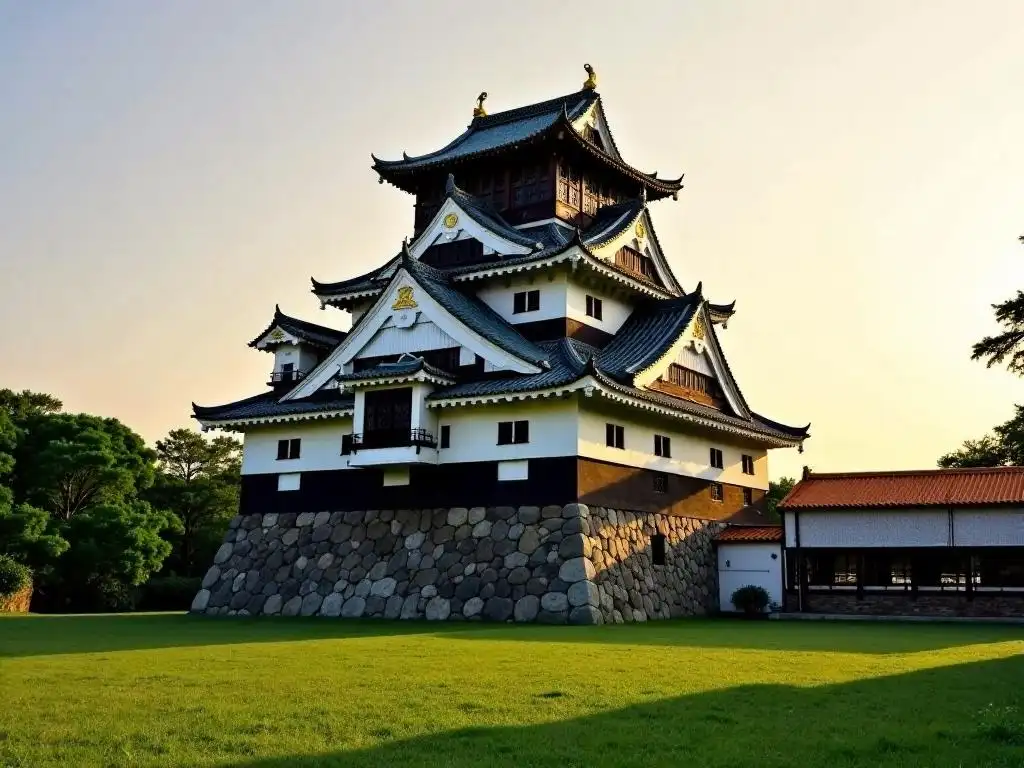
Feudal class structures in Japan have become an essential subject of study for historians and social scientists alike. Scholars continue to explore the implications of these structures on Japan’s historical narrative and cultural identity.
- Interpretative Frameworks: Various historical interpretations analyze how feudalism shaped the political landscape of Japan, including the emergence of the shogunate and the centralization of power under various dynasties. These frameworks also assess the socio-economic implications of class divisions and their impact on the populace.
- Cross-Cultural Comparisons: Comparative studies with other feudal societies, such as those in Europe, provide a broader understanding of feudalism's role in shaping social hierarchies. These studies often highlight the unique characteristics of Japanese feudalism, particularly the samurai's influence on culture and governance.
- Continued Relevance: The study of feudal class structures remains relevant today, as historians and scholars seek to understand the roots of contemporary societal issues, including class disparity and social mobility in Japan.
References for Further Reading on Feudal Class Structures in Japan
Recommended Books and Articles
- "Samurai, Warfare and the State in Early Medieval Japan" by Karl F. Friday - This book offers an in-depth analysis of the samurai's role within the feudal system and their impact on warfare and governance.
- "The Making of Modern Japan" by John Dower - Dower's work provides context on how feudal class structures influenced Japan's transition into the modern era.
- "Japan's Feudal Period: A Historical Overview" by David M. Yamasaki: - This article outlines the key features of feudalism in Japan, discussing its origins and evolution.
Online Resources and Archives on Feudal Japan
- The National Diet Library of Japan: Offers a wealth of historical documents and research materials on Japan's feudal era.
- The Japan Times Archives: Contains articles and opinion pieces that reflect on historical perspectives of feudal class structures in Japan.
- The Japanese History Project: A dedicated resource providing timelines, historical documents, and analyses of Japan's feudal past.
These resources are invaluable for those seeking a deeper understanding of feudal class structures in Japan and their lasting implications.
Call to Action: Exploring More on Feudal Japan History
As we conclude our examination of feudal class structures in Japan, it's clear that this complex hierarchy played a pivotal role in shaping the nation’s social dynamics, economy, and culture. Understanding these structures not only provides insight into the historical context of Japan but also illuminates the influences that continue to resonate in modern society. To further enrich your understanding, we invite you to explore additional resources and articles on our platform that delve into various facets of feudal Japan.
Whether it's the intricate relationships between samurai and peasants, the impact of Buddhism on social classes, or the evolution of power dynamics over centuries, each topic offers a unique perspective on how class structures influenced daily life and governance.
We encourage you to broaden your exploration of social history beyond just feudal class structures. The era was marked by significant changes and developments, including:
- Political Transformations: Investigate how different shogunates influenced class hierarchies and regional governance.
- Cultural Flourishing: Discover how art, literature, and religion were shaped by and reflected the social classes of the time.
- Economic Systems: Learn about the agricultural practices and trade networks that supported and sustained the feudal economy.
By delving into these related topics, you can gain a more holistic understanding of Japan's feudal era. Engaging with these subjects will not only enhance your knowledge but also provide a richer context for observing the ongoing impact of historical class structures in contemporary Japan. Join us in exploring these themes and uncovering the intricate tapestry of Japan’s past!
- Introduction to Feudal Class Structures in Japan
- The Origins of Feudal Class Structures in Japan
- The Hierarchical Structure of Feudal Japan
- The Evolution of Feudal Class Structures Over Time
- Factors Influencing Changes in Feudal Class Structures
- The Decline of Feudal Class Structures in Japan
- Conclusion: The Legacy of Feudal Class Structures in Japan
- Lasting Impact on Modern Japanese Society
- Reflections on Feudal Class Structures in Historical Studies
- References for Further Reading on Feudal Class Structures in Japan
- Call to Action: Exploring More on Feudal Japan History
- Encouragement to Delve Deeper into Social History Topics
Frequently Asked Questions
What were the main feudal class structures in Japan?
The feudal class structures in Japan included samurai, peasants, artisans, and merchants. Each class had its own role and responsibilities within the societal hierarchy.
How did the samurai influence Japanese society during the feudal era?
The samurai were the warrior class that upheld the code of bushido, influencing social norms and values. Their loyalty and skills shaped both political and cultural developments during the feudal period.
What role did the emperor play in feudal Japan?
Although the emperor was seen as the spiritual leader of Japan, in practice, he held little power during the feudal era. Real political authority often lay with the shogunate and daimyos.
How did the feudal class structures evolve over time?
The feudal class structures in Japan evolved from a more rigid hierarchy to a somewhat flexible system as economic and social changes occurred, especially during the Edo period.
What impact did the feudal class system have on modern Japan?
The feudal class system laid the groundwork for contemporary social structures and cultural values in Japan. Its legacy still influences aspects of Japanese society today.
Final Reflection: Understanding the Enduring Legacy of Feudal Class Structures in Japan
The evolution of feudal class structures in Japan remains a pivotal aspect of understanding not just historical hierarchies but also the cultural and social dynamics that shape contemporary society. As we reflect on the complexities of these class systems, it becomes clear that they have left an indelible mark on modern Japanese identity and social interactions. The rigid stratification of samurai, farmers, artisans, and merchants not only dictated the lives of individuals in the past but also continues to influence social perceptions and relationships today.
Clearly, the remnants of feudal class structures are woven into the fabric of Japanese culture, affecting everything from business practices to social etiquette. The historical significance of these class divisions invites us to consider how they have informed modern societal norms and values. As noted by historian William Wayne Farris, The legacy of feudalism in Japan is not merely a relic of the past; it is a living influence that shapes the present.
This observation prompts us to recognize that the echoes of feudalism still resonate in the collective consciousness of Japan, reminding us of the importance of understanding history in order to navigate the complexities of the present.
As we conclude this exploration, I invite you to reflect on the lessons learned from the feudal class structures of Japan and consider how they resonate in your own life. What aspects of social hierarchy do you encounter in your daily experiences, and how can understanding these historical contexts empower you to challenge or embrace them?
By engaging with the past, we can better understand our present and shape a more equitable future, free from the constraints of outdated class distinctions. Let us carry forward the insights gained from this historical perspective and apply them to foster a society that values equality and mutual respect.
Unveil the Layers of History!
Thank you for diving into the fascinating evolution of feudal class structures with us! You've gained valuable insights into how these systems shaped society and governance. Now, it's time to take your understanding to the next level!
Here are some powerful actions you can take right now:
- Explore further by reading more on our site – discover related articles that delve into specific classes or pivotal events of feudal Japan.
- Join our community discussions – share your thoughts and learn from others by participating in our engaging forums!
- Visit a local museum or historical site that showcases artifacts or exhibits on this topic to experience history firsthand.
What aspect of feudal Japan's class structure intrigues you the most? How do you think it influences our modern society?