
The Connection Between Feudal Castles and Japanese Folklore


Welcome to Feudal Japan History, where we invite you to embark on a captivating journey through the enigmatic realms of Japan's feudal era. Here, we delve deep into the intricate tapestry of Japanese folklore and feudal castles, revealing how these majestic structures are intertwined with the myths and legends that shaped a nation. Prepare to explore the echoes of the past as we unveil the stories hidden within the stone walls and the vibrant folklore that breathes life into history. Curious about how these elements connect? Let’s unlock the secrets together in our featured article!
In the rich tapestry of Japan's history, the feudal era stands out as a time of significant transformation, marked not only by political upheaval but also by a flourishing of culture and mythology. At the heart of this era lie the majestic feudal castles, which served as both military fortifications and symbols of power.
These castles are more than mere stone structures; they are steeped in stories that intertwine with Japanese folklore, creating a fascinating connection between architecture and mythology. This article embarks on a comprehensive exploration of this connection, delving into the historical significance of feudal castles and the myths and legends that have arisen around them, ultimately revealing how these elements shape our understanding of Japan's cultural heritage.
Introduction to Japanese Folklore and Feudal Castles
Japanese folklore is a treasure trove of narratives, encompassing a wide range of tales about gods, spirits, and mythical creatures. These stories often reflect the values and beliefs of Japanese society, showcasing themes of honor, loyalty, and the supernatural.
Feudal castles, constructed during a time when samurai culture thrived, played a pivotal role in this narrative landscape. They served as the backdrop for many folklore tales, where legendary battles and heroic figures emerged. The architectural styles of these castles, often featuring intricate designs and strategic layouts, not only provided physical protection but also inspired numerous legends that continue to captivate imaginations today.
- Key Elements of Japanese Folklore:
- Mythical creatures (e.g., yokai, kappa)
- Legendary heroes (e.g., Yamato Takeru)
- Spiritual beliefs (e.g., kami and shrine worship)
As we explore the relationship between these historic castles and folklore, it becomes clear that they are intertwined in a way that enriches our understanding of both.
Historical Significance of Feudal Castles in Japan
Feudal castles, or shiro, were constructed primarily during the Muromachi (1336-1573) and Edo (1603-1868) periods. These formidable structures not only served military purposes but also acted as administrative centers and residences for feudal lords, known as daimyō.
The significance of these castles extends beyond their physical presence; they symbolize the power dynamics of feudal Japan. Notable castles like Himeji Castle and Matsumoto Castle are recognized for their unique architectural styles that blend functionality with aesthetic beauty, reflecting the zenith of Japanese castle design.
- Key Features of Feudal Castles:
- Tenshu (main keep) – the central structure, often the tallest and most fortified.
- Moats – water-filled ditches that provided additional defense.
- Stone walls – designed to withstand attacks and deter intruders.
Moreover, many castles are steeped in legends that highlight their importance in Japanese folklore, with tales of ghostly apparitions and legendary battles adding a layer of mystique to these historical sites.
Exploring Japanese Folklore: Myths and Legends
The connection between feudal castles and Japanese folklore is vividly illustrated through various myths and legends that have emerged over centuries. Each castle carries its own unique stories, often reflecting the experiences of the samurai who inhabited them and the significant events that unfolded within their walls.
- Examples of Folklore Associated with Castles:
- Himeji Castle: Said to be haunted by the spirit of a white heron that protects the site.
- Nagoya Castle: Famous for tales of the Shachihoko, a mythical creature believed to ensure victory in battle.
These stories not only enhance the allure of visiting these historic sites but also serve to preserve the cultural identity of Japan. By sharing these tales, generations pass down the values and traditions that make up the fabric of Japanese society.
The exploration of feudal castles and their connection to Japanese folklore offers profound insights into the cultural and historical landscape of Japan. As we delve deeper into this subject, we uncover the intricate ties that bind these magnificent structures to the myths that continue to shape the nation’s identity.
The Role of Feudal Castles in Japanese Folklore
Feudal castles in Japan, known as "shiro," are not only architectural marvels but also significant elements in the tapestry of Japanese folklore. These fortifications served as both military strongholds and residences for feudal lords, but they also became the backdrop for many myths, legends, and cultural narratives that shape the Japanese identity.
Many castles are associated with historical figures and events, which have transformed into folklore over the centuries. For instance, Himeji Castle, often called the "White Heron Castle," is linked to the story of the ghost of Okiku, a servant who was wronged and became a vengeful spirit. This narrative reflects broader themes of loyalty, betrayal, and supernatural retribution that permeate Japanese folklore. Such stories often serve as cautionary tales, imparting moral lessons and illustrating the values of honor and duty that were critical during the feudal era.
Additionally, the physical structure of the castles themselves often inspired various tales. Their imposing walls, intricate designs, and strategic locations made them the perfect setting for ghost stories and legends. The mystical aura of these castles has led to numerous literary and artistic interpretations, further embedding them into the cultural consciousness of Japan. The intertwining of these stories with the castles not only enhances their historical significance but also contributes to a deeper understanding of Japan’s rich cultural heritage.
Visiting Japan's Feudal Castles: A Cultural Experience
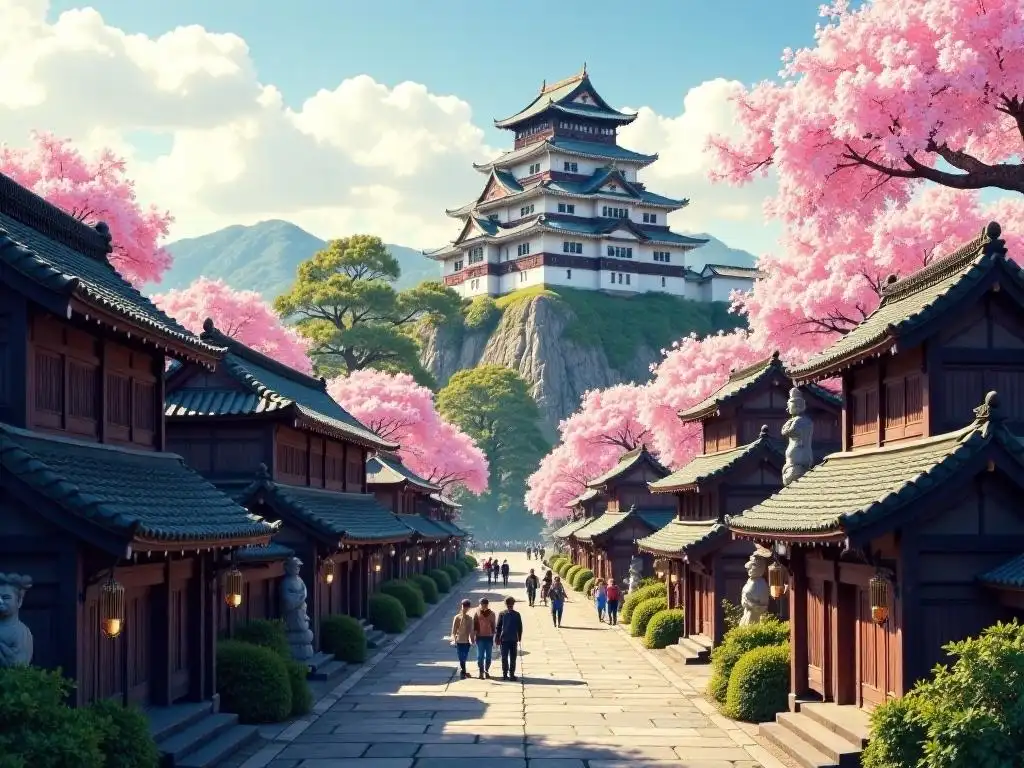
Visiting feudal castles in Japan offers a unique opportunity to immerse oneself in the country's history and culture. Each castle is a portal to the past, showcasing the architectural styles of different periods, particularly the Edo period, and providing insight into the lives of the samurai and the feudal system.
When exploring these castles, visitors can find well-preserved structures that often include beautiful gardens, moats, and traditional stonework. For example, Matsumoto Castle, with its iconic black exterior, not only captivates with its aesthetic appeal but also offers a glimpse into the strategic military designs of feudal Japan. Walking through the castle grounds allows visitors to appreciate the harmony between nature and architecture, a core principle in Japanese design.
Moreover, many castles host exhibitions and events that celebrate local folklore, samurai culture, and historical reenactments. These activities enrich the visitor experience, allowing them to engage with Japan’s cultural narrative actively. By participating in guided tours, traditional tea ceremonies, or even dressing in samurai armor, tourists can gain a deeper understanding of the cultural significance of these historical sites.
The experience of visiting feudal castles is further enhanced by the stunning scenery surrounding them, making these sites not only historical landmarks but also breathtaking destinations for photography and reflection. The blend of history, culture, and natural beauty makes visiting Japan's feudal castles a memorable cultural journey.
Connecting Japanese Folklore with Castle Visits
The connection between Japanese folklore and castle visits is a fascinating aspect of cultural tourism in Japan. As visitors explore these historical sites, they often encounter stories and legends that have been passed down through generations, enhancing their understanding of the castles’ historical and cultural significance.
Many castles offer guided tours that incorporate local folklore, sharing tales of spirits, warriors, and mythical creatures associated with the site. For instance, the legend of the Kappa, a water spirit often depicted as a mischievous creature, might be shared during visits to castles near rivers or lakes, highlighting the relationship between the environment and folklore.
Additionally, local festivals and events held at or around castles often celebrate these folklore narratives. For example, during seasonal festivals, reenactments of famous battles or folklore tales may take place, allowing visitors to witness the stories come to life. This interaction not only deepens the appreciation for the stories but also connects visitors to the local community and its traditions.
By intertwining folklore with castle exploration, visitors gain a holistic view of Japan's cultural landscape. This enriching experience underscores the importance of feudal castles not merely as historical monuments but as vital components of Japan's living folklore, inviting travelers to engage with the narratives that define the spirit of the nation. Through this connection, the castles serve as custodians of stories, preserving the essence of Japanese identity and heritage for future generations.
Conclusion: The Lasting Legacy of Japanese Folklore and Feudal Castles
The intricate relationship between Japanese folklore and feudal castles represents a profound aspect of Japan's cultural heritage. These castles, originally built for defense and administration, have become symbols intertwining history, mythology, and local traditions. Each castle carries with it tales of legendary figures, battles, and spirits that inhabit the surrounding landscapes.
Folklore has served as a vessel for preserving the stories of these magnificent structures, with many castles becoming the focal points for local legends. For instance, Himeji Castle is often associated with the tale of Okiku, a servant who was wrongfully accused and met a tragic end. Such stories not only enhance the historical significance of the castles but also draw tourists eager to connect with Japan's rich narrative tapestry.
Moreover, the architectural features of these castles, such as their moats, stone walls, and intricate wooden frameworks, are often depicted in folklore, further embedding them in the cultural psyche. As visitors explore these historic sites, they are not merely witnessing relics of the past; they are engaging with the stories that have shaped the identity of the Japanese people over centuries.
The legacy of Japanese folklore and feudal castles continues to thrive, as these structures remain not just historical landmarks but also active participants in the storytelling tradition that defines Japan. The connection between the two enriches the visitor experience and fosters a deeper appreciation for the cultural narratives that have persisted through time.
Call to Action
Are you ready to delve deeper into the enchanting world of Japanese folklore and feudal castles? Embark on a journey through history by visiting these majestic sites and uncovering the stories that lie within their walls.
- Plan your visit to renowned castles like Himeji, Matsumoto, and Kumamoto, and immerse yourself in the local legends that surround them.
- Engage with local guides who can share insights and tales that you won’t find in textbooks.
- Explore folklore-themed events and festivals that celebrate the rich heritage tied to these historical structures.
Discover how the past continues to shape the present and create lasting memories as you connect with the stories of Japan’s feudal era. Start your adventure today! 🌸🏯
- Introduction to Japanese Folklore and Feudal Castles
- Historical Significance of Feudal Castles in Japan
- Exploring Japanese Folklore: Myths and Legends
- The Role of Feudal Castles in Japanese Folklore
- Visiting Japan's Feudal Castles: A Cultural Experience
- Connecting Japanese Folklore with Castle Visits
- Conclusion: The Lasting Legacy of Japanese Folklore and Feudal Castles
- Call to Action
Frequently Asked Questions
What role did feudal castles play in Japanese society?
Feudal castles served as military strongholds and symbols of power for the samurai class, influencing both political and social structures during the feudal era.
How is Japanese folklore connected to feudal castles?
Many legends and myths surrounding Japanese folklore are rooted in the history of feudal castles, often featuring stories of samurai, ghosts, and spirits associated with these structures.
What are some notable feudal castles in Japan?
Some of the most famous feudal castles include Himeji Castle, Matsumoto Castle, and Nagoya Castle, each showcasing unique architectural styles and historical significance.
How have feudal castles influenced modern Japanese culture?
Feudal castles continue to inspire modern Japanese culture through literature, film, and art, reflecting their enduring legacy in folkloric tales and national identity.
What can visitors learn about Japanese folklore at feudal castles?
Visitors can explore various exhibitions and guided tours that highlight the mythical stories and historical events tied to Japanese folklore, enriching their understanding of the cultural heritage of the era.
Final Reflection: Bridging History and Myth in Japanese Culture
The connection between feudal castles and Japanese folklore is not just a relic of the past; it is a vibrant tapestry that continues to shape our understanding of cultural identity today. As we delve into the stories that surround these majestic structures, we uncover layers of meaning that resonate with contemporary themes of resilience, honor, and the human experience. The echoes of history remind us that the tales told within castle walls are as significant now as they were centuries ago, inviting us to explore the rich narratives that define our cultural heritage.
Castles stand as silent witnesses to the passage of time, while folklore breathes life into their stones, creating a dialogue between the past and present. The stories of yokai, samurai, and the spirits that inhabit these narratives not only enrich our understanding of Japanese culture but also serve as a reminder of the values that continue to guide us. As the renowned author Lafcadio Hearn once said, The Japanese are a people who have always been able to see the beauty in the transient.
This perspective encourages us to appreciate the fleeting nature of life and the stories that emerge from it, fostering a deeper connection to our own cultural narratives.
As we reflect on the lessons embedded in the connection between feudal castles and Japanese folklore, let us take a moment to consider how these stories can inspire us in our daily lives. I invite you to explore your own cultural heritage, to seek out the narratives that resonate with you, and to recognize the beauty in the stories that shape your identity.
By embracing these connections, we not only honor the past but also pave the way for a future enriched by the wisdom of our ancestors. Let the tales of courage, mystery, and tradition guide you as you navigate your own journey, fostering a deeper appreciation for the cultural legacies that surround us.
Unleash the Mystery of Feudal Japan!
Thank you for diving into the fascinating world of feudal castles and Japanese folklore! You've uncovered the rich tapestry of history where architecture meets storytelling. Now, let’s take the next step in your journey to explore even deeper connections to this enchanting era.
- Share your newfound knowledge with friends or on social media—help spread the wonder of feudal Japan!
- Visit your local library or explore online resources to discover rare books on Japanese folklore and feudal architecture.
- Join our community discussions—contribute your thoughts and interpretations on how these connections shape our understanding of culture today.
What myth or tale from Japanese folklore resonates with you the most, and how do you believe it reflects the realities of feudal life?