
From Ruins to Restoration: The Evolution of Japan's Historic Castles

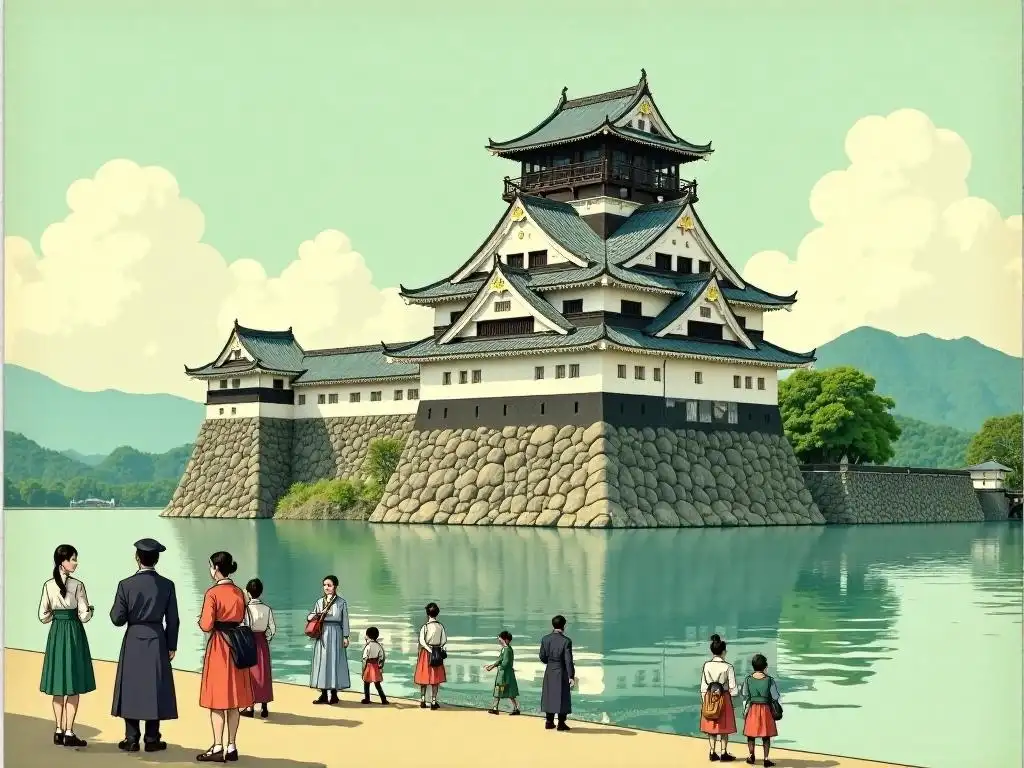
Welcome to Feudal Japan History, where we invite you to embark on a captivating journey through the intricate tapestry of Japan's feudal era. Discover the remarkable evolution of Japan's historic castles in our featured article, "From Ruins to Restoration: The Evolution of Japan's Historic Castles." As you delve into the past, you'll uncover the stories of resilience and transformation that shaped these iconic structures. Are you ready to explore the secrets hidden within the walls of time? Join us and ignite your curiosity about the rich heritage of feudal Japan!
- Introduction to Japan's Historic Castle Evolution
- The Historical Context of Japan's Castles
- Major Phases in the Evolution of Japanese Castles
- Iconic Examples of Japan's Historic Castles
- The Cultural Impact of Japan's Historic Castles
- Restoration and Preservation of Japan's Historic Castles
- Visiting Japan's Historic Castles: Tips and Recommendations
- Conclusion: The Ongoing Legacy of Japan's Historic Castle Evolution
-
Frequently Asked Questions
- What is the main focus of the article "From Ruins to Restoration: The Evolution of Japan's Historic Castles"?
- How did Japan's historic castles evolve over time?
- What cultural aspects are discussed in relation to Japan's castles?
- Why are Japan's historic castles considered significant today?
- How does the article address the restoration of historic castles?
- Final Reflection: The Resilience of Japan's Historic Castles
- Embrace the Legacy: Act Now for Japan's Historic Castles!
Introduction to Japan's Historic Castle Evolution
The evolution of Japan's historic castles is a captivating journey through time, reflecting the complex tapestry of the nation's feudal era. These architectural marvels not only served as fortifications but also as symbols of power, culture, and societal structure during a period when samurai warriors roamed the land and clans vied for supremacy.
Understanding the development and transformation of these castles offers invaluable insights into Japan's historical narrative, showcasing how they shifted from mere military strongholds to cultural treasures that attract millions of visitors today. In this article, we will delve into the significance of these structures, explore the feudal era's context, and examine how they evolved through the ages, ultimately shaping the landscape of modern Japan.
Understanding the Significance of Japanese Castles
Japanese castles, or shiro, hold a unique place in the nation's cultural heritage. They are not just military installations; they embody the spirit and history of the regions they inhabit. Here are some key points regarding their significance:
- Cultural Symbols: Castles represent the identity of the clans that built them, often featuring distinct architectural styles that reflect local traditions.
- Military Strategy: Originally designed for defense, these castles were strategically placed to protect territories and serve as administrative centers.
- Artistic Expression: The intricate designs and beautiful gardens surrounding castles signify a blend of functionality and artistry, showcasing the advanced craftsmanship of the period.
Overview of the Feudal Era in Japan
The feudal era in Japan, spanning from the late 12th century to the early 19th century, was characterized by a decentralized political structure where power was held by local lords, or daimyōs, and their samurai warriors. Key aspects of this era include:
- Political Structure: The shogunate system dominated, with the emperor as a figurehead while shoguns exercised real political power.
- Social Hierarchy: Society was structured in a rigid hierarchy, with samurai at the top, followed by farmers, artisans, and merchants.
- Conflict and Unification: Frequent wars among clans led to the construction of numerous castles, which later played crucial roles during the unification of Japan under the Tokugawa shogunate.
This understanding of the feudal era is essential to grasp the historical context within which Japan's castles evolved, highlighting the interplay between military necessity, artistic expression, and cultural identity.
The Historical Context of Japan's Castles
The Birth of Japanese Castles: Origins and Early Structures
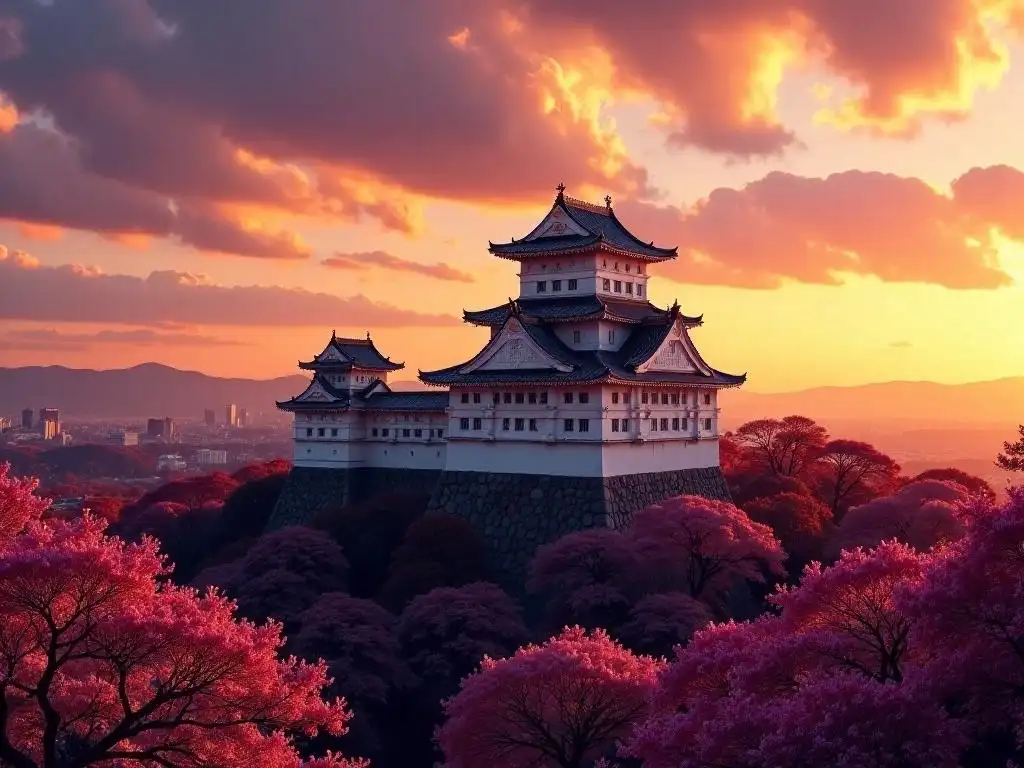
The origins of Japanese castles can be traced back to the Heian period (794-1185), when the need for fortified structures arose due to the increasing power of the samurai class. Initially, these early fortifications were simple wooden structures, often built on elevated terrain for strategic advantages. The "yama-ato" or mountain fortresses were among the first forms of these defenses, constructed using natural landscapes to enhance security.
As the political landscape evolved, especially during the Kamakura period (1185-1333), the concept of castles began to take a more defined shape. The rise of the shogunate led to the establishment of larger, more complex structures. The most notable early example is Himeji Castle, completed in the early 17th century, which showcases the transition from rudimentary fortifications to sophisticated military architecture.
Key Features of Early Japanese Castles
- Location: Typically situated on hills or mountains to utilize natural defenses.
- Materials: Initially built from wood and earth; later, stone became prominent.
- Design: Simple designs focused on functionality, with minimal aesthetics.
The Role of Feudal Lords in Castle Development
Feudal lords, known as daimyō, played a crucial role in the development and evolution of Japan's historic castles. As the political power shifted from imperial rule to feudal governance, these lords sought to establish their dominance through the construction of formidable castles. This not only served as a military stronghold but also as a symbol of their power and influence.
Daimyō invested heavily in castle construction, leading to the development of various architectural styles and features. Castles became centers of governance, housing administrative offices and serving as residences for the lord and their retainers. The sengoku period (1467-1603) saw an explosion in castle building, with each daimyo striving to outdo the others in both size and grandeur.
Influential Daimyō and Their Castles
- Oda Nobunaga: Built Azuchi Castle, known for its innovative design and luxurious features.
- Toyotomi Hideyoshi: Developed Osaka Castle, which became a symbol of unification and power.
Architectural Innovations in Japan's Historic Castle Evolution
The evolution of Japan's historic castles is marked by significant architectural innovations that reflect both the military needs and aesthetic values of the time. As warfare tactics changed, so did the design of castles, moving from wooden structures to more elaborate stone edifices.
One of the most notable innovations was the introduction of moats and stone walls, which provided enhanced defense against siege warfare. The use of tenshu (main keep) became a prominent feature, serving as both a lookout and a residence. These keeps were often adorned with intricate designs and served as a demonstration of the lord's wealth and power.
Noteworthy Architectural Features
- Stone Foundations: Provided greater stability and resistance against attacks.
- Curved Roofs: An aesthetic choice that also helped in diverting rainwater.
- Gunpowder Storage: Adaptations to incorporate gunpowder as firearms became prevalent in warfare.
The evolution of Japan's historic castles represents a fascinating intersection of military engineering, political power, and cultural expression, making them vital historical landmarks that continue to attract visitors today.
Major Phases in the Evolution of Japanese Castles
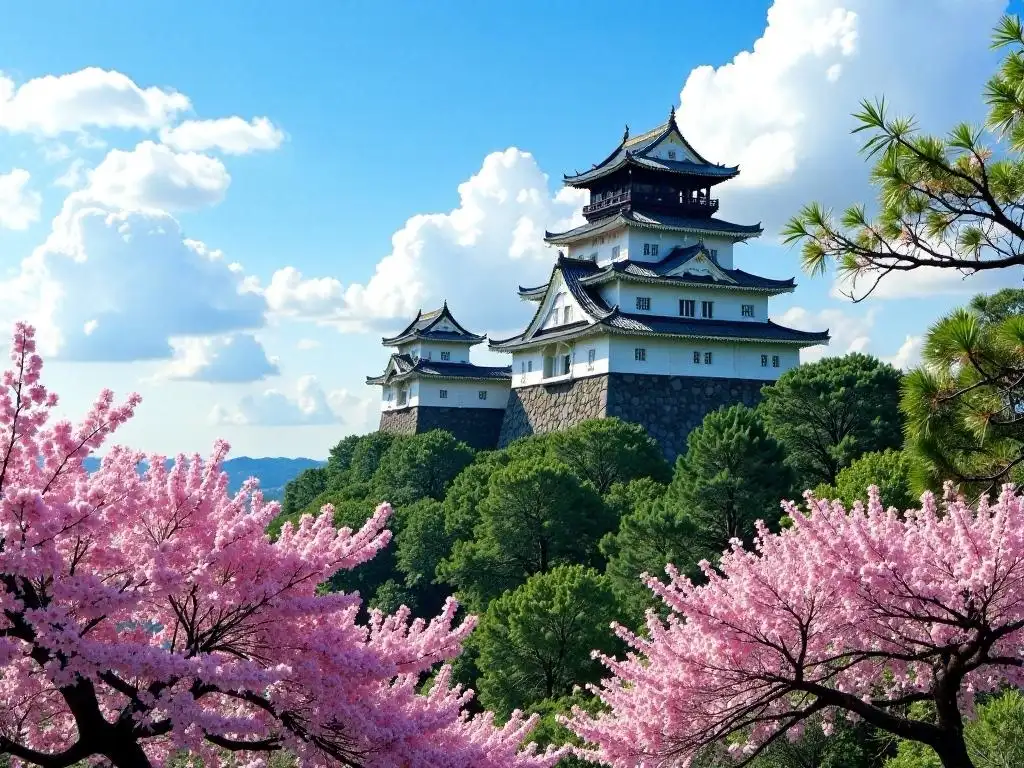
The evolution of Japan's historic castles is a fascinating journey through time, reflecting the shifts in military strategy, political power, and architectural innovation. This section will explore the major phases that marked the development of these iconic structures, highlighting key features and historical contexts that shaped their design and function.
The Kamakura Period: Early Defensive Structures
During the Kamakura Period (1185-1333), the emergence of the samurai class heralded a shift in military architecture. Castles from this era were primarily designed for defense, characterized by simplicity and practicality.
- Key Features:
- Fortified Enclosures: Early castles, known as yamajiro (mountain castles), were often built on elevated terrain, utilizing natural landscapes for defense.
- Wooden Palisades: Defensive walls made of timber were common, providing a first line of protection against invasions.
- Watchtowers: Structures like yagura (turrets) were incorporated for surveillance and defense, allowing defenders to monitor enemy movements.
The most notable example from this period is Himeji Castle, which began as a modest fortification but would later evolve into one of Japan’s most famous castles. This period set the foundation for more complex castle designs in subsequent eras.
The Muromachi Period: The Rise of the Castle Towns
The Muromachi Period (1336-1573) marked a significant transformation in the role of castles, as they evolved into central hubs for governance and commerce. This era saw the establishment of jokamachi, or castle towns, which developed around these fortifications.
- Key Features:
- Complex Layouts: Castles featured multiple baileys and moats, enhancing their defensive capabilities. The layout often included a central keep, surrounded by secondary structures.
- Urban Development: The rise of castle towns led to the growth of marketplaces, residences, and administrative buildings within the castle precincts, integrating military and civilian life.
- Cultural Flourishing: This period also saw the introduction of artistic elements in architecture, with gardens and aesthetic designs becoming integral parts of castle complexes.
Notable examples include Nijo Castle in Kyoto, which served as a residence for shoguns and showcased the blend of military function with cultural refinement.
The Azuchi-Momoyama Period: A Fusion of Strength and Aesthetics
The Azuchi-Momoyama Period (1573-1603) represents the pinnacle of castle construction in Japan, characterized by grand designs and innovative engineering. This era was defined by the unification of Japan under powerful warlords, resulting in the construction of formidable castles that symbolized authority and strength.
- Key Features:
- Grand Keeps: Castles like Azuchi Castle, built by Oda Nobunaga, featured towering keeps with multiple stories, showcasing both military might and aesthetic beauty.
- Use of Stone: For the first time, stone was extensively used in construction, providing greater stability and durability to castle walls.
- Elaborate Decorations: The interiors of castles were adorned with intricate artwork, reflecting the wealth and power of their owners.
The architectural innovations of this period laid the groundwork for the castles that would continue to evolve in the Edo Period and beyond. The blend of form and function during the Azuchi-Momoyama Period highlights the importance of castles not only as military strongholds but also as symbols of cultural identity.
Through these major phases, the evolution of Japan's historic castles illustrates a dynamic interplay between military necessity, political power, and cultural expression. Each period contributed uniquely to the rich tapestry of Japan's architectural heritage, leaving behind a legacy that continues to attract visitors and historians alike.
The Edo Period: Consolidation and Expansion of Castle Designs
The Edo period, spanning from 1603 to 1868, marks a significant chapter in the evolution of Japanese castles. This era was characterized by relative peace under the Tokugawa shogunate, allowing for the consolidation of existing castle designs and the expansion of new architectural styles. As the political landscape stabilized, castles transitioned from mere military fortifications into symbols of power and prestige.
Architectural Features and Innovations
During the Edo period, Japanese castles began to embody a more refined architectural style. Key features emerged, such as:
- Stone Foundations: Castles were often built on elevated stone platforms, enhancing both their defensive capabilities and aesthetic appeal.
- Multiple Moats: Many castles featured complex moat systems, providing an additional layer of security while also serving as a decorative element.
- Yagura (Towers): The addition of multi-storied towers, or yagura, became a hallmark of Edo period castles. These towers were not only defensive structures but also served as symbols of authority and control.
The most notable example of this evolution is Himeji Castle, which exemplifies the grandeur of Edo period architecture with its intricate white plaster walls and striking rooflines.
The Role of Castles in Society
As castles became more than military installations, they evolved into administrative centers. Each castle town, or jōkamachi, functioned as a hub for commerce and governance. The samurai class, residing in these towns, managed local affairs, ensuring loyalty to the Tokugawa shogunate. This shift from purely defensive structures to centers of culture and administration facilitated the growth of local economies and social networks.
Notable Castles from the Edo Period
Several castles built or significantly renovated during the Edo period stand out for their historical and architectural significance:
- Nagoya Castle: Constructed in the early 17th century, it became a symbol of the region's power, featuring the iconic golden shachihoko (mythical tiger-headed carp) on its roofs.
- Nijo Castle: Located in Kyoto, Nijo Castle showcases the blend of military and residential architecture, with its beautiful gardens and intricate interiors reflecting the era's aesthetic values.
- Kumamoto Castle: Renowned for its massive stone walls and unique defensive features, Kumamoto Castle represents the culmination of castle design in the late Edo period.
The Edo period was pivotal in the evolution of Japanese castles, transforming them into architectural masterpieces that reflected the power and stability of the Tokugawa shogunate. This era not only solidified the historic significance of these structures but also laid the foundation for their preservation and appreciation in modern times.
Iconic Examples of Japan's Historic Castles
Himeji Castle: The Jewel of Japan's Castle Legacy
Himeji Castle, known as "Shirasagijo" or the White Heron Castle, stands as an exemplary model of Japanese castle architecture and is a UNESCO World Heritage Site. This iconic structure is celebrated not only for its stunning aesthetic but also for its historical significance as a fortress during the feudal era. Built in the 17th century, Himeji Castle is renowned for its elegant white exterior, which evokes the image of a heron taking flight, thus earning its poetic nickname.
Architectural Features of Himeji Castle
Himeji Castle showcases the architectural brilliance of the period through its complex structure, which includes multiple baileys, gates, and watchtowers. The castle's design incorporates:
- Masugata Layout: A unique defensive feature that creates a zigzag pathway to confuse potential attackers.
- Stone Walls: Constructed from locally-sourced stone, these walls exhibit a technique known as "no mortar," which allows for flexibility in case of earthquakes.
- Wooden Structures: The main keep (tenshu) is a seven-story wooden building that exemplifies the beauty of traditional Japanese architecture, featuring intricate wooden carvings and sliding doors (fusuma).
These elements not only serve aesthetic purposes but also enhance the castle's defensive capabilities, allowing it to withstand sieges and attacks throughout its history.
Restoration Efforts and Preservation Techniques
The preservation of Himeji Castle is a testament to Japan's commitment to maintaining its cultural heritage. Major restoration efforts began in the late 20th century, including:
- Comprehensive Renovation (2010-2015): This involved the meticulous cleaning and repair of the castle's roofs, walls, and wooden structures, ensuring the integrity of the original materials.
- Use of Traditional Techniques: Craftsmen employed time-honored methods such as "shikui" (lime plaster) and "kake-zukuri" (traditional wooden framework) to maintain authenticity.
- Regular Maintenance Programs: Ongoing efforts include inspections and minor repairs to prevent deterioration due to weather or natural disasters.
These efforts have not only preserved Himeji Castle for future generations but also allow visitors to appreciate its historical grandeur in its original form.
Matsumoto Castle: The Black Crow Castle
Matsumoto Castle, often referred to as "Karasu-jō" or the Black Crow Castle due to its striking black exterior, is one of Japan's most important historic castles. Built during the late 16th century, it is an example of a "hirajiro," or flatland castle, which is designed to blend beautifully with its surrounding environment.
Historical Significance and Design Elements
Matsumoto Castle holds great historical significance as it was strategically located to protect the region from invasions. Its design features include:
- Unique Tenshu (Main Keep): Unlike most castles, Matsumoto Castle has a six-story main keep that appears to be five stories from the outside due to its unique architectural style.
- Defensive Features: The castle incorporates various defensive mechanisms, such as loopholes for archers and a moat that surrounds the structure, enhancing its defensive capabilities.
- Beautiful Gardens: The castle is accompanied by a picturesque landscape, including a serene garden that blooms with cherry blossoms in spring, making it a popular spot for visitors.
These elements not only reflect the military architecture of the time but also contribute to the castle's aesthetic appeal.
Visitor Experience and Access
Matsumoto Castle is accessible to the public, allowing visitors to immerse themselves in its rich history. The experience includes:
- Guided Tours: Knowledgeable guides provide insights into the castle's history, architecture, and the samurai culture that thrived during its era.
- Exhibits: Inside the castle, visitors can explore various exhibits showcasing artifacts from the feudal period, including weaponry and armor.
- Events and Festivals: Throughout the year, Matsumoto Castle hosts cultural events, such as traditional music performances and seasonal festivals, enhancing the visitor experience.
With its combination of historical significance and breathtaking views, Matsumoto Castle is a must-visit destination for anyone interested in Japan's historic castle evolution.
Kumamoto Castle: The Strategic Stronghold
Kumamoto Castle, located in Kumamoto Prefecture, is one of Japan's most impressive and historically significant castles. Constructed in the early 17th century by the feudal lord Kato Kiyomasa, this castle served as a key military stronghold during Japan's tumultuous feudal period. Its strategic position allowed it to control the surrounding region and serve as a base for military campaigns. The castle's design reflects the architectural advancements of the time, combining both defensive and aesthetic elements.
The castle complex is characterized by its imposing stone walls and unique wooden structures. The main keep, or tenshu, is a prominent feature, standing at an impressive height with multiple tiers, which was a common design in the castles of this era. Kumamoto Castle's strategic importance was highlighted during the Satsuma Rebellion in 1877, where it became a central point of conflict. This historical backdrop adds to the castle's allure, making it a must-visit for those interested in Japan's feudal history.
Unique Features and Historical Importance
Kumamoto Castle boasts several unique features that set it apart from other historic castles in Japan. One of the most notable aspects is its advanced defensive architecture, which includes high stone walls and intricate gate systems designed to repel attackers. The castle's design incorporates a series of moats and watchtowers, showcasing the ingenuity of Japanese castle construction during the feudal era.
Another remarkable feature is the use of black plaster on the castle walls, which not only enhances its aesthetic appeal but also serves as a protective element against the elements. This distinctive coloring has earned Kumamoto Castle the nickname "Shiro" (white castle), despite its darker hue, captivating visitors with its striking appearance.
Historically, Kumamoto Castle played a pivotal role in several key events, such as the aforementioned Satsuma Rebellion, where it was besieged but ultimately withstood the attack. Its resilience and strategic significance throughout Japan's feudal history have solidified its status as an iconic symbol of strength and endurance.
Recent Restoration Challenges and Achievements
In April 2016, Kumamoto Castle was severely damaged by a series of earthquakes, leading to significant challenges in restoration efforts. The quakes caused extensive structural damage, particularly to the main keep and various other buildings within the castle complex. Restoration work began soon after, with a focus on preserving the historical integrity of the castle while implementing modern engineering techniques to ensure its longevity.
Despite the hurdles faced, the restoration team has made remarkable progress. Efforts have included the careful reconstruction of damaged walls and roofs, utilizing traditional materials and techniques to maintain the castle's original character. The restoration process has also been an opportunity to enhance the surrounding area, improving accessibility for visitors and creating educational programs to raise awareness about the castle's historical significance.
In 2021, Kumamoto Castle reopened to the public after several years of restoration work, allowing visitors to experience its rich history firsthand. The ongoing efforts demonstrate a commitment to preserving this vital piece of Japan's heritage, ensuring that Kumamoto Castle remains a symbol of resilience and a testament to the country's storied past.
The Cultural Impact of Japan's Historic Castles
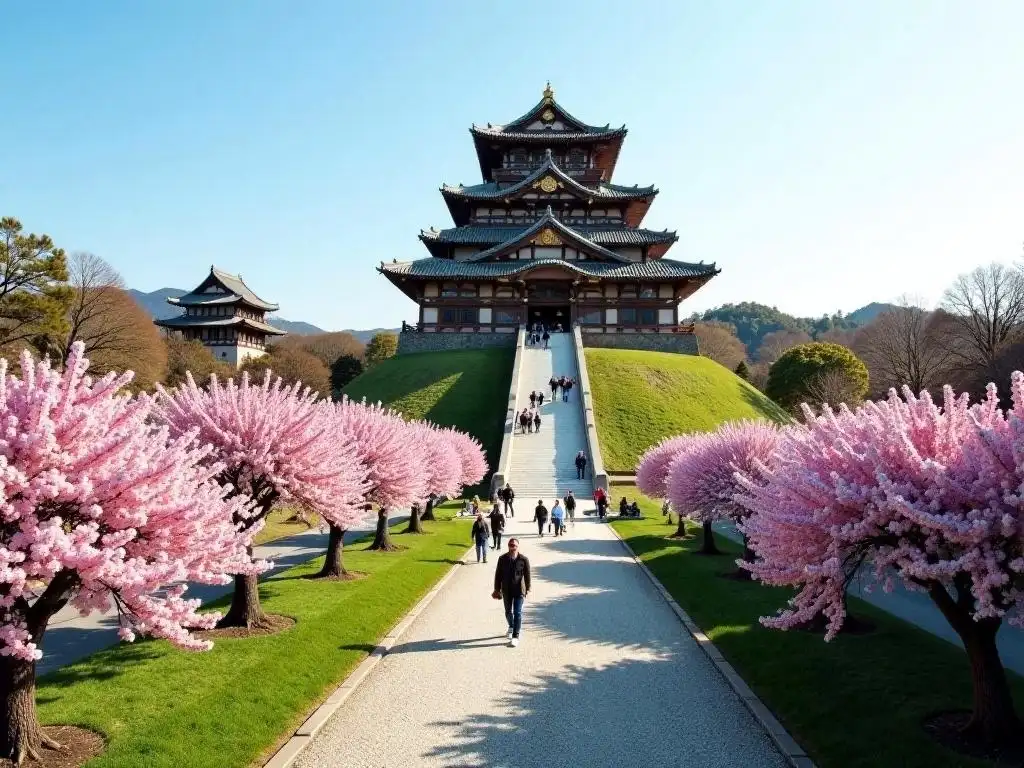
Japan's historic castles are not merely architectural marvels; they are profound symbols of power and authority that reflect the feudal system and the hierarchical society of their time. Built predominantly during the Sengoku period (1467-1603), these castles were strategically constructed to serve as military fortresses and residences for powerful daimyos (feudal lords). Each castle was designed with defensive capabilities, incorporating features such as thick stone walls, moats, and elevated positions to deter potential attackers.
One of the most iconic examples is Himeji Castle, known as the "White Heron Castle" for its elegant, white exterior that resembles a bird taking flight. Himeji Castle not only exemplifies the architectural ingenuity of the era but also symbolizes the might of the feudal lords who ruled the area. The grandeur of such castles was a clear message to both allies and adversaries about the strength and status of the ruling clan.
In addition to serving as military bases, castles were also centers of governance and administration. They housed the daimyos' retainers, samurai warriors, and families, making them bustling hubs of activity. The layout of these castles often reflected the social hierarchy, with the lord's living quarters situated at the highest point, commanding a view of the surrounding lands.
Influence on Japanese Art and Literature
The aesthetic and cultural significance of Japan's historic castles extends deeply into the realms of art and literature. The majestic structures have inspired countless artists, writers, and poets throughout history. For instance, the Nihonbashi (Japan Bridge) in Edo (now Tokyo) served as a central point for many literary works, where castles were often depicted as a backdrop for tales of honor, betrayal, and the samurai spirit.
Japanese woodblock prints, particularly those from the Edo period, frequently featured stunning landscapes that included castles. Artists like Utagawa Hiroshige and Katsushika Hokusai captured the beauty of these structures amidst seasonal changes, reflecting both their physical grandeur and their integration into the natural environment. These artworks helped to immortalize castles in the collective cultural memory of Japan.
Moreover, castles are prominent in Japanese literature, exemplified in works like The Tale of the Heike, which chronicles the rise and fall of the Taira and Minamoto clans. The castles in these narratives often symbolize the transient nature of power and the impermanence of human achievement. Such literary references illustrate the deep connection between Japan's historic castles and the cultural identity of the nation.
Educational Value of Visiting Historic Castles
Visiting Japan's historic castles offers an unparalleled educational experience that enriches visitors' understanding of feudal Japan. Each castle serves as a living museum, providing insights into the architectural techniques, military strategies, and daily life of the samurai class. Guided tours often include detailed explanations of the castle's history, its construction, and the significant events that transpired within its walls.
For example, Nagoya Castle showcases the evolution of castle design with its impressive donjon (main keep) and unique gilded shachihoko (mythical tiger-like creatures) adorning its roof. Educational programs at the castle often delve into the significance of these features, explaining how they represented the power and wealth of the Oda clan.
Moreover, many castles host cultural events, workshops, and historical reenactments that allow visitors to engage with Japan's rich heritage firsthand. These activities foster a deeper appreciation for the traditions and customs of the samurai era, making the experience not only informative but also immersive.
The cultural impact of Japan's historic castles is multifaceted, encompassing their roles as symbols of power, their influence on art and literature, and their educational value. As visitors explore these magnificent structures, they connect with the history and identity of Japan, gaining a profound understanding of its feudal past.
Restoration and Preservation of Japan's Historic Castles
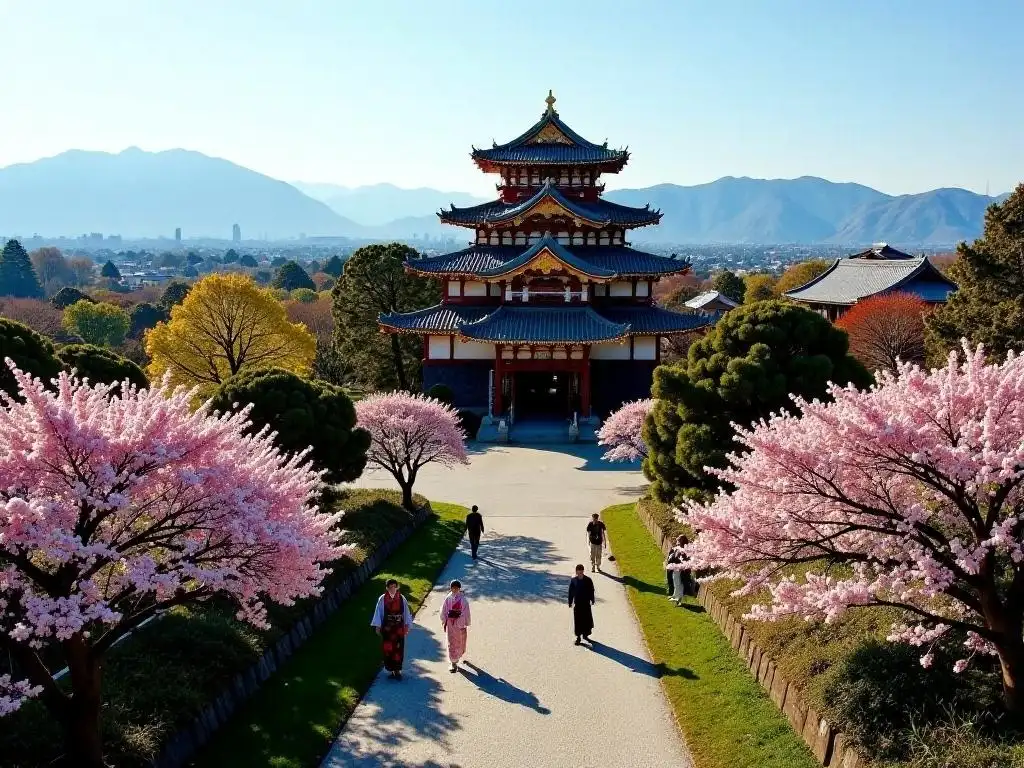
Japan's historic castles are not only architectural marvels but also vital symbols of the country's rich feudal history and cultural heritage. The restoration and preservation of these castles have become increasingly important as they face threats from natural disasters, urban development, and the passage of time. This section explores the significance of restoration efforts, the modern techniques employed in these projects, and a detailed case study on Kumamoto Castle.
Importance of Restoration in Cultural Heritage
Restoration plays a crucial role in safeguarding Japan's cultural heritage for future generations. As custodians of history, these castles represent the feudal era's political, social, and military dynamics. By preserving these structures, we maintain a tangible link to the past, allowing visitors to experience the historical context in which these castles flourished.
- Educational Value: Restored castles serve as educational resources, providing insights into feudal Japan's architecture, warfare, and governance. They attract scholars, students, and tourists, contributing to a broader understanding of Japanese history.
- Cultural Identity: Castles are integral to Japan's national identity. Their restoration fosters pride among local communities and strengthens cultural ties, ensuring that traditional practices and stories are passed down through generations.
- Economic Impact: Historic castles can boost local economies through tourism. Well-preserved sites attract visitors, leading to increased revenue for surrounding businesses and promoting regional development.
Modern Techniques Used in Castle Restoration
The restoration of Japan's historic castles has evolved significantly, incorporating modern techniques and materials while respecting traditional craftsmanship. Here are some key methods used in these restoration projects:
- Structural Analysis: Detailed structural assessments using advanced technology, such as laser scanning and 3D modeling, help identify weaknesses and inform restoration plans. These analyses ensure that historical integrity is maintained while enhancing structural safety.
- Material Conservation: The use of traditional materials, such as wood and stone, is combined with modern conservation techniques to repair and restore castle structures. For example, researchers may utilize specialized adhesives and treatments to preserve original materials while ensuring durability.
- Digital Documentation: Modern restoration projects often employ digital tools to document the original design and any alterations made over time. This documentation aids in future restoration efforts and helps preserve the castle's history.
- Community Involvement: Engaging local communities in restoration projects fosters a sense of ownership and encourages the transmission of traditional skills. Workshops and training sessions in traditional construction techniques ensure that knowledge is preserved and passed on.
Case Study: The Restoration of Kumamoto Castle
Kumamoto Castle, one of Japan's most iconic castles, underwent extensive restoration following the devastating earthquakes in 2016. This case study exemplifies the challenges and triumphs of restoring a historic structure.
- Historical Significance: Constructed in the early 17th century, Kumamoto Castle is renowned for its imposing stone walls, intricate wooden structures, and unique architectural features. It served as a strategic military base during the feudal era and remains a symbol of resilience and pride for the people of Kumamoto.
- Restoration Challenges: The earthquakes caused significant damage to the castle, including the collapse of several structures and the dislodging of stone walls. Restoration efforts faced challenges in assessing the extent of the damage and ensuring the safety of workers and visitors during the process.
- Innovative Solutions: Restoration teams utilized a combination of traditional methods and modern technology to rebuild and reinforce the castle. This included using advanced seismic isolation techniques to enhance the castle's resilience against future earthquakes.
- Community Engagement: The restoration project involved local artisans and craftsmen, ensuring that traditional skills were utilized throughout the process. Community events during the restoration allowed residents to connect with the castle's history and contribute to its future.
- Current Status: As of 2023, restoration efforts are ongoing, with a focus on reopening the castle to the public while ensuring safety and structural integrity. The project not only aims to restore Kumamoto Castle but also to revitalize the local economy and community spirit.
The restoration and preservation of Japan's historic castles, such as Kumamoto Castle, play a vital role in maintaining the country's cultural heritage. By employing modern techniques and involving local communities, these efforts ensure that these magnificent structures continue to inspire and educate future generations.
Visiting Japan's Historic Castles: Tips and Recommendations
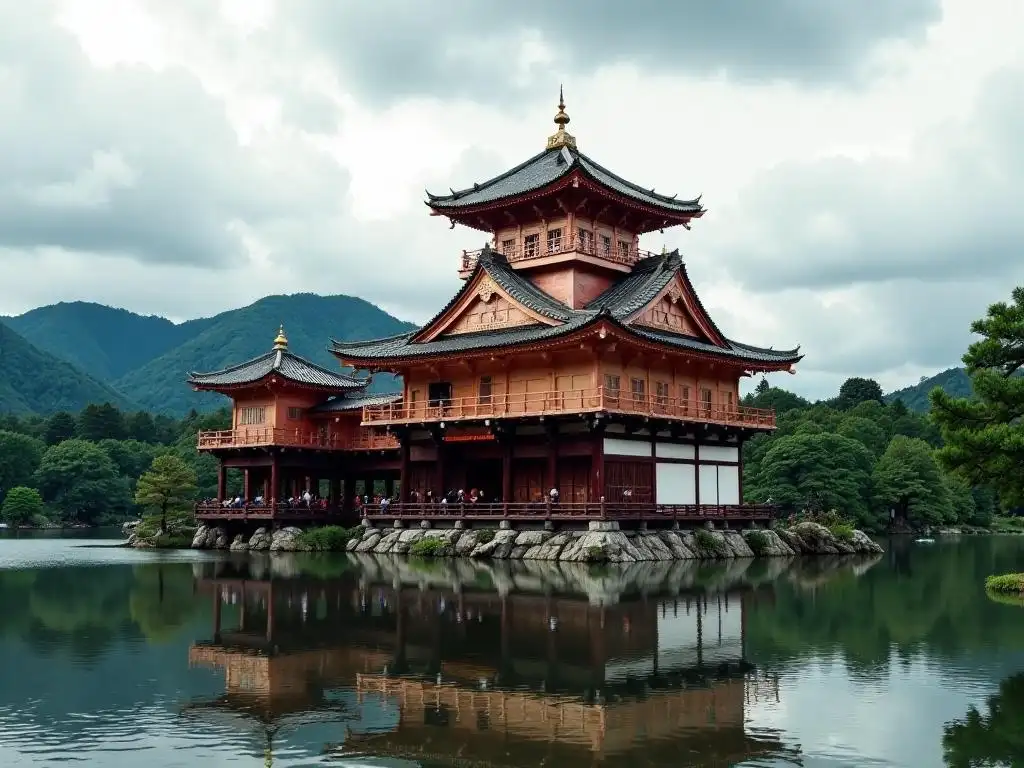
Visiting Japan's historic castles offers an unparalleled glimpse into the country's feudal past, showcasing architectural brilliance and cultural significance. To make the most of your journey through these ancient fortresses, consider the following tips and recommendations that cater to various aspects of your travel experience.
Best Times to Visit Japan's Historic Castles
Timing your visit to Japan's historic castles can greatly enhance your experience. Here are some key periods to consider:
- Spring (March to May):
- The blooming cherry blossoms create a breathtaking backdrop for many castles. Notable locations like Himeji Castle and Matsumoto Castle are particularly picturesque during this season.
- Events: Hanami (flower viewing) festivals often occur around this time, adding cultural depth to your visit.
- Summer (June to August):
- While temperatures can soar, summer festivals known as hanabi taikai (fireworks festivals) often take place near castles, offering a vibrant atmosphere.
- Tip: Plan for early morning or late afternoon visits to avoid the midday heat.
- Autumn (September to November):
- The fall foliage provides stunning colors that amplify the beauty of castle landscapes. Castles like Nagoya and Osaka are especially enchanting during this season.
- Events: Many castles host seasonal events, including traditional performances and food stalls.
- Winter (December to February):
- Visiting during winter can be magical, with castles often dusted in snow. However, access may be limited, and some castle grounds might be closed.
- Tip: Check weather forecasts and castle websites for operational updates.
Guided Tours vs. Self-Guided Exploration
Choosing between guided tours and self-guided exploration can significantly affect your experience of Japan's historic castles. Here’s a breakdown:
- Guided Tours:
- Advantages:
- Expert insights: Guides provide historical context and anecdotes that enrich your understanding of the castle's significance.
- Convenience: Tours often include transportation and entry fees, simplifying logistics.
- Disadvantages:
- Fixed schedules: You may have less flexibility in exploring at your own pace.
- Group dynamics: Larger groups can sometimes diminish the personal experience.
- Advantages:
- Self-Guided Exploration:
- Advantages:
- Flexibility: Explore at your own pace and focus on specific areas of interest.
- Quiet enjoyment: Experience the castles without the noise of a group.
- Disadvantages:
- Lack of context: Without a guide, you may miss out on intricate details and stories behind the architecture.
- Planning required: You’ll need to research and prepare your itinerary in advance.
- Advantages:
Ultimately, the choice between guided tours and self-guided exploration depends on personal preferences and travel goals. Consider mixing both approaches for a well-rounded experience.
Essential Gear for Castle Visits: Recommendations
To ensure a comfortable and enjoyable visit to Japan's historic castles, consider bringing the following essential gear:
- Comfortable Footwear:
- Expect to walk and climb stairs, so invest in sturdy shoes with good support.
- Weather-Appropriate Clothing:
- Layers are key, as temperatures can vary throughout the day. A light jacket is advisable for cooler castle grounds.
- Portable Charger:
- With many castles offering stunning photo opportunities, a portable charger will keep your devices powered for capturing memories.
- Reusable Water Bottle:
- Stay hydrated, especially during warmer months. Many castles have refill stations, promoting sustainability.
- Guidebook or App:
- Whether a physical guidebook or a smartphone app, having resources on hand can enhance your exploration with maps and historical details.
- Camera or Smartphone:
- Don’t forget your camera to document your visit. Some castles have stunning viewpoints that are perfect for photography.
By following these tips and recommendations, your visit to Japan's historic castles will be both enriching and memorable, allowing you to immerse yourself in the beauty and history of these remarkable structures.
Conclusion: The Ongoing Legacy of Japan's Historic Castle Evolution
The evolution of Japan's historic castles stands as a testament to the nation's rich feudal history, architectural ingenuity, and cultural resilience. These structures are not merely remnants of the past; they continue to shape Japan's identity and influence modern society. As we reflect on the journey from the early fortifications of clan leaders to the majestic castles that symbolize national pride, it is clear that their legacy is both profound and ongoing.
The intricate details of these castles, from their defensive designs to their aesthetic embellishments, reveal much about the social and political dynamics of their time. Each castle tells a story—whether of strategic military importance, artistic expression, or the embodiment of power and governance. Understanding this evolution provides valuable insights into Japan's historical narrative, making these sites essential not only for historians but also for anyone interested in Japan's cultural heritage.
Future of Castle Preservation in Japan
The preservation of Japan's historic castles faces numerous challenges, including natural disasters, urban development, and the effects of climate change. However, concerted efforts are underway to ensure these structures are maintained for future generations.
- Government Initiatives: The Japanese government, alongside local municipalities, has implemented several programs aimed at restoring and preserving these castles. Funding from both public and private sectors plays a crucial role in these efforts.
- Community Involvement: Local communities are becoming increasingly involved in preservation efforts, recognizing the cultural and economic benefits that historic castles can bring. Volunteer groups often participate in restoration projects, fostering a sense of ownership and pride in their heritage.
- Technological Innovations: Advancements in technology, such as 3D modeling and drone surveys, provide new tools for monitoring the condition of castles. These technologies aid in planning restorations while minimizing damage to the original structures.
The collaborative approach to preservation not only protects these architectural treasures but also enhances public engagement and education about Japan's feudal history.
Encouraging Heritage Tourism and Cultural Appreciation
Heritage tourism plays a pivotal role in promoting the appreciation and understanding of Japan's historic castles. By attracting visitors, these sites contribute to the local economy and encourage cultural exchange.
- Tourism Strategies: Local governments are developing strategic tourism plans that highlight the unique attributes of each castle, incorporating guided tours, workshops, and cultural events. This holistic approach enriches the visitor experience while sharing the stories behind these magnificent structures.
- Cultural Events: Festivals and reenactments held at castle sites provide immersive experiences that connect visitors to Japan's feudal past. These events not only entertain but also educate participants on traditional customs, architecture, and the significance of these historic sites.
- Collaborative Programs: Partnerships between tourism boards and educational institutions can lead to programs that foster deeper understanding of the history and architectural significance of castles. Workshops, lectures, and hands-on experiences can ignite a passion for cultural heritage among younger generations.
The ongoing legacy of Japan's historic castle evolution is a rich tapestry woven from the threads of history, culture, and community engagement. By investing in preservation and promoting heritage tourism, we can ensure that these remarkable structures continue to inspire and educate future generations about Japan's unique feudal history. Through a collective effort, the beauty and significance of these castles will remain a cherished part of Japan's cultural landscape.
Frequently Asked Questions
What is the main focus of the article "From Ruins to Restoration: The Evolution of Japan's Historic Castles"?
The article provides a comprehensive exploration of the evolution of Japan's historic castles, detailing their architectural changes, cultural significance, and the historical context behind their development.
How did Japan's historic castles evolve over time?
Japan's historic castles evolved from simple fortifications to complex structures featuring advanced military architecture and ornate designs, reflecting changes in societal needs and the political landscape throughout different periods.
What cultural aspects are discussed in relation to Japan's castles?
The article highlights how Japan's castles are not only military structures but also represent cultural heritage, showcasing artistic styles, ceremonial functions, and their role in local identity and community.
Why are Japan's historic castles considered significant today?
These castles serve as important symbols of Japan's historical legacy and provide insights into the feudal era, making them valuable for both tourism and educational purposes.
How does the article address the restoration of historic castles?
The article discusses the restoration efforts undertaken to preserve these castles, emphasizing the balance between maintaining historical authenticity and adapting them for modern use, ensuring their survival for future generations.
Final Reflection: The Resilience of Japan's Historic Castles
The evolution of Japan's historic castles is not just a tale of architectural transformation; it is a testament to the resilience and adaptability of culture in the face of adversity. As we explore the journey from ruins to restoration, we uncover a narrative that resonates deeply in today's world, where preservation and innovation must coexist to honor our past while embracing the future. The story of these castles serves as a powerful reminder of the importance of safeguarding our heritage amidst rapid change.
Castles like Himeji and Matsumoto have become symbols of national pride and cultural identity, influencing not only tourism but also the way we perceive history. Their restoration reflects a collective commitment to remembering and learning from the past. As we witness the ongoing efforts to maintain these historic sites, we recognize that they are more than mere structures; they are living embodiments of Japan's rich history and cultural evolution. > “Preservation is not just about saving the past; it’s about creating a future that honors it.”
As we conclude this exploration, I invite you to reflect on the lessons embedded in the evolution of Japan's historic castles. Consider how you can apply the principles of resilience, preservation, and innovation in your own life. Whether it’s in your community, your personal endeavors, or your appreciation of history, let the story of these magnificent structures inspire you to cherish and protect the legacies that shape our identities. Embrace the challenge of transformation, and remember that, like these castles, we too can rise from the ruins and build a brighter future.
Embrace the Legacy: Act Now for Japan's Historic Castles!
Thank you for exploring the fascinating journey of Japan's historic castles with us! Your interest in these architectural marvels not only deepens your knowledge but also helps preserve their legacies for future generations. Now, it’s time to take action and become a part of this rich history.
Here are some ways you can contribute and explore further:
- Visit a Castle: Plan a trip to one of Japan’s beautiful castles to experience their grandeur in person. Feel the history come alive!
- Share Your Experience: Share your thoughts and any experiences related to these castles on social media using #FortressesOfJapan to foster a community of enthusiasts.
- Join a Workshop: Look for local or virtual workshops focused on traditional Japanese architecture or castle preservation. You might discover new skills and insights into this rich heritage!
What aspect of Japan’s castle history inspires you the most, and how do you plan to explore it further?