
Celebrating Japan's Cultural Heritage Through Castle Tours

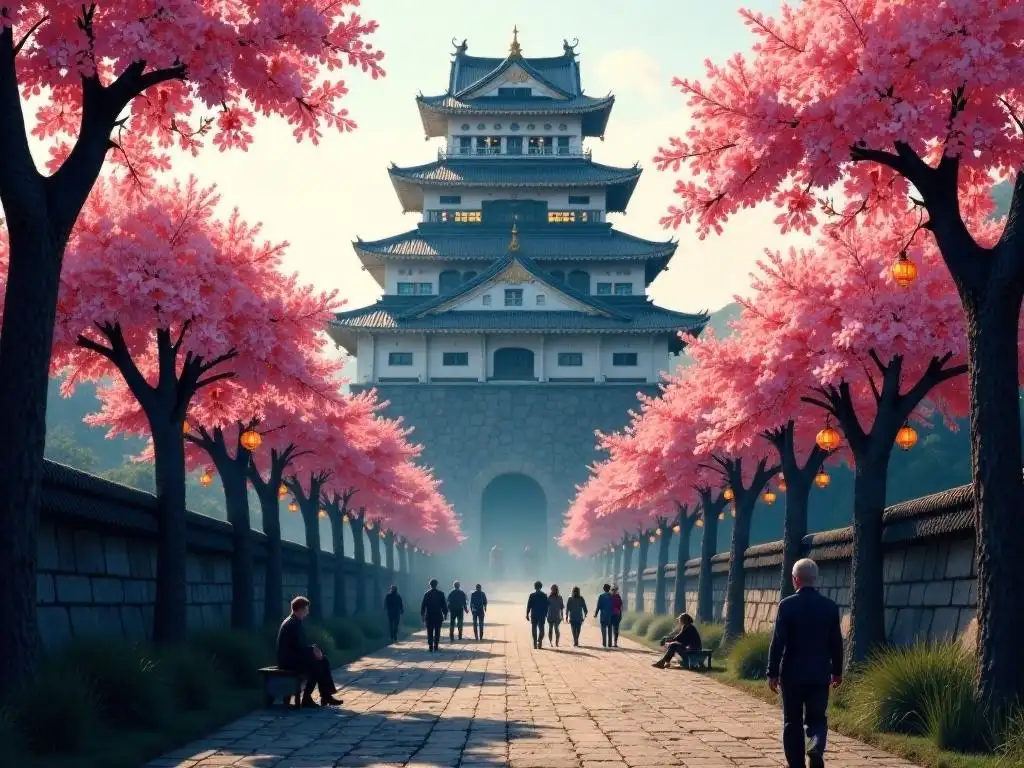
Welcome to Feudal Japan History, your gateway to the mesmerizing world of Japan’s feudal era! Here, we invite you to embark on an unforgettable journey through time, where ancient traditions and architectural marvels intertwine. In our featured article, “Celebrating Japan's Cultural Heritage Through Castle Tours,” we delve into the enchanting realm of Japan castle tours cultural heritage, revealing how these magnificent structures serve as living testaments to the rich tapestry of history. Are you ready to uncover the secrets behind these storied fortresses and their pivotal role in shaping Japan's identity? Let's explore together!
- Introduction to Japan Castle Tours and Cultural Heritage
- The Historical Importance of Feudal Castles in Japan
- Top Japan Castle Tours to Experience Cultural Heritage
- Planning Your Japan Castle Tours: Essential Tips
- Enhancing Your Experience: Recommended Products and Services
- Conclusion: The Lasting Impact of Japan Castle Tours on Cultural Heritage Appreciation
-
Frequently Asked Questions
- What is the significance of castle tours in Japan?
- How do castle tours contribute to understanding Japan's feudal history?
- Are there specific castles recommended for cultural heritage tours?
- What can visitors expect during a castle tour in Japan?
- How do castle tours support local cultural preservation?
- Final Reflection: Embracing Japan's Cultural Heritage Through Castle Tours
- Unveil Japan's Rich Heritage: Take Action Today!
Introduction to Japan Castle Tours and Cultural Heritage
Exploring Japan's rich history through its majestic castles offers a unique perspective on the cultural heritage that has shaped the nation. The feudal era, characterized by samurai warriors, powerful daimyos, and intricate societal structures, left an indelible mark on Japan's landscape and cultural identity.
Japan castle tours not only provide a glimpse into these historical structures but also allow visitors to engage with the stories, traditions, and artistry that define Japan's cultural heritage. As we delve into this comprehensive exploration, we will unveil the significance of Japan's cultural heritage and the remarkable castle tours that enable travelers to connect with the past in a meaningful way.
The Significance of Japan's Cultural Heritage
Japan's cultural heritage is a tapestry woven from centuries of history, art, and tradition. From ancient Shinto shrines to the intricate designs of traditional textiles, every element reflects the values and beliefs of the Japanese people. Here are some key aspects that highlight the significance of Japan's cultural heritage:
- Historical Narratives: Each castle tells a story of power struggles, alliances, and the evolution of governance during the feudal era.
- Architectural Marvels: The design and construction of castles showcase traditional Japanese architecture, incorporating natural elements and meticulous craftsmanship.
- Cultural Practices: Festivals, ceremonies, and artistic expressions found within castle grounds illustrate the enduring traditions that resonate with contemporary Japan.
- Tourism and Education: Castle tours serve as educational platforms, allowing visitors to learn about Japan's past while promoting cultural preservation.
Understanding the importance of these elements is essential for appreciating the profound impact of Japan's cultural heritage on its identity and global influence.
Overview of Japan Castle Tours: A Journey Through Time
Japan castle tours offer a remarkable journey through time, allowing visitors to explore some of the most iconic and historically significant castles across the country. These tours not only highlight the architectural grandeur of these structures but also immerse travelers in the rich narratives that surround them.
Notable castles frequently featured in tours include:
- Himeji Castle: A UNESCO World Heritage Site known for its stunning white façade and intricate defensive design.
- Matsumoto Castle: One of Japan's most beautiful and well-preserved castles, famous for its unique black exterior and scenic surroundings.
- Nijo Castle: A former residence of the shoguns, celebrated for its exquisite gardens and historical significance.
Through guided tours, visitors can engage with knowledgeable experts who provide insights into the historical context, architectural features, and cultural practices associated with each site. Additionally, many tours incorporate interactive experiences, such as traditional tea ceremonies and samurai performances, enhancing the connection to Japan's feudal past.
As we embark on this exploration of Japan's castle tours, we invite you to discover the profound beauty and significance of Japan's cultural heritage, ensuring that each visit becomes a memorable experience that honors the legacy of this remarkable era.
The Historical Importance of Feudal Castles in Japan
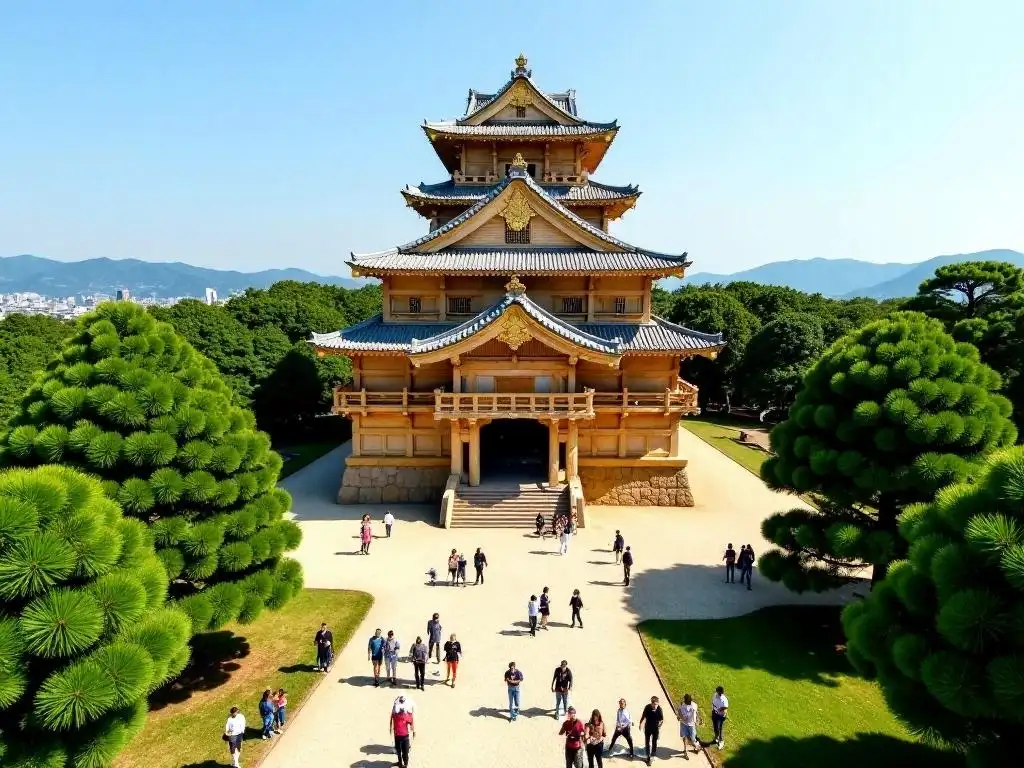
Feudal castles, or "shiro," are a significant representation of Japan's historical narrative, particularly during the feudal era (12th to 19th centuries). These structures were not merely military fortifications; they were also symbols of power, culture, and societal organization. With their strategic locations and imposing architectures, they played crucial roles in the political landscape of feudal Japan.
Understanding Feudal Japan: A Brief Historical Context
Feudal Japan was characterized by a decentralized political structure where local lords, known as "daimyō," held significant power. This period saw the emergence of samurai warriors who served these lords, creating a complex hierarchy. Castles were built primarily for defense against rival clans and to assert dominance over territories.
- Key Periods of Castle Development:
- Kamakura Period (1185-1333): The rise of the samurai class led to the construction of many early castles as fortified residences.
- Muromachi Period (1336-1573): The development of more sophisticated castle designs, influenced by the need for better defense techniques.
- Edo Period (1603-1868): The peak of castle construction, with significant architectural advancements and the establishment of castles as administrative centers.
The castles served as both military strongholds and administrative hubs, reflecting the power dynamics of their time. Their historical significance lies not only in their physical presence but also in the cultural narratives they embody.
Key Architectural Features of Japanese Castles
Japanese castles exhibit a unique architectural style that blends functionality with aesthetics. Some of the defining features include:
- Stone Foundations: Many castles are built on elevated stone bases, providing a formidable defense against attacks.
- Wooden Structures: The primary buildings were often constructed from wood, allowing for flexibility and resilience in the face of earthquakes.
- Multi-Tiered Roofs: Distinctive curved roofs adorned with tiles are a hallmark of Japanese castle architecture, showcasing intricate craftsmanship.
- Moats and Defensive Walls: Surrounding moats and high stone walls were essential for protection, creating a barrier against invaders.
- Tenshu (Keep): The central tower, known as tenshu, served as the main stronghold and a symbol of the lord's power, often featuring multiple stories with panoramic views.
The integration of these elements reflects a deep understanding of both military strategy and aesthetic values, making castle tours not only a glimpse into the past but also an appreciation of architectural ingenuity.
The Role of Castles in Japanese Society During Feudal Era
Castles were central to the social and political life of feudal Japan. They functioned as the residence of the daimyō, centers of governance, and symbols of loyalty among samurai.
- Cultural Significance:
- Political Power: The size and complexity of a castle often mirrored the power of its lord. Larger castles indicated greater authority and resources.
- Cultural Hubs: Many castles hosted cultural events, including tea ceremonies, Noh plays, and poetry gatherings, contributing to the cultural heritage of Japan.
- Military Importance:
- Defense Mechanisms: Castles were equipped with various defensive measures, including watchtowers and arrow slits, emphasizing their military role.
- Strategic Locations: Positioned on hills or near rivers, castles provided strategic advantages in warfare.
- Community Centers:
- Economic Activity: The areas surrounding castles often became bustling markets and centers of trade, supporting the local economy.
- Social Structure: Castles facilitated a hierarchy of samurai and peasants, establishing a clear social order within feudal Japan.
Exploring these castles today through Japan castle tours cultural heritage not only provides insight into their architectural brilliance but also into the cultural and social fabric of a bygone era.
Top Japan Castle Tours to Experience Cultural Heritage
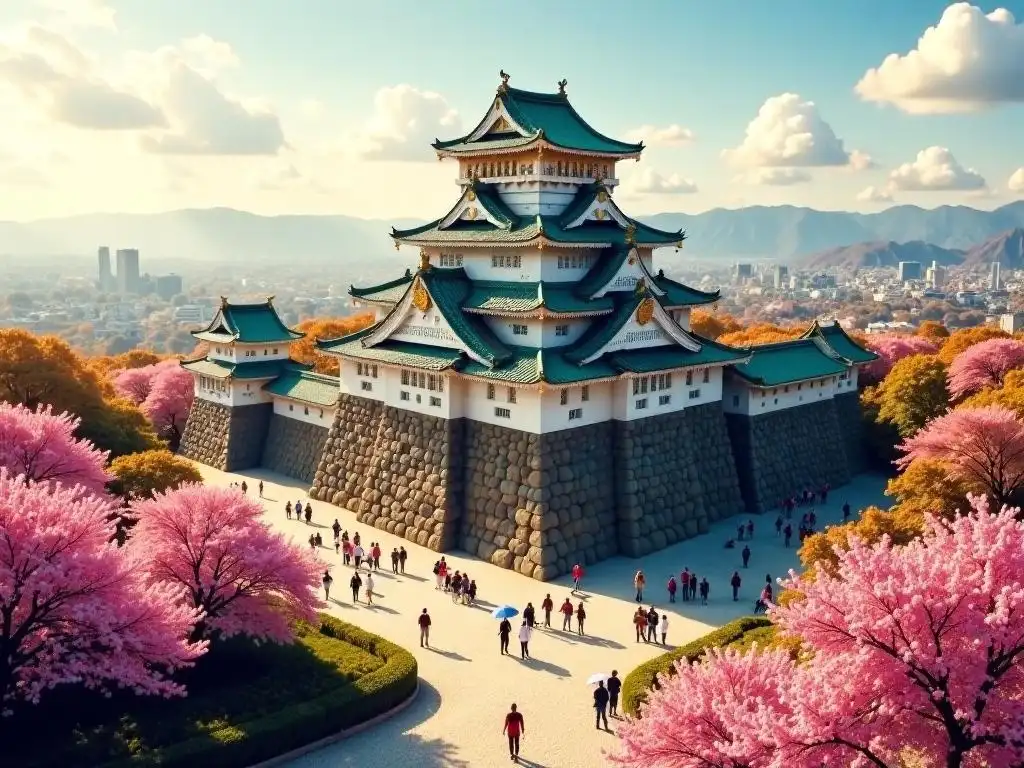
Himeji Castle: The Pinnacle of Japanese Castle Architecture
Himeji Castle, often referred to as "White Heron Castle" due to its elegant white exterior, is a UNESCO World Heritage Site and one of Japan's most iconic castles. Constructed in the early 17th century, this castle exemplifies the height of Japanese castle architecture and is renowned for its beautiful design and strategic layout.
Architectural Features
- Shirasagi-zukuri Style: Himeji Castle showcases the Shirasagi-zukuri style, characterized by its striking white walls and intricate wooden structures. The castle’s multi-tiered roofs and elegant curves give it a majestic appearance.
- Defensive Design: The castle's design incorporates a complex series of defenses, including moats, walls, and watchtowers. Visitors can explore the winding paths that lead to the main keep, providing insights into the strategic thinking behind its construction.
Cultural Significance
Himeji Castle is not only a symbol of Japanese architectural achievement but also a representation of the cultural heritage from the feudal era. It has survived numerous historical events, including World War II, and continues to be a source of pride for the Japanese people.
“Himeji Castle is a testament to the ingenuity of feudal Japan, reflecting both aesthetic beauty and military strategy.”
Visitors can immerse themselves in the rich history through guided tours that explain the castle's significance, legends, and the various roles it played throughout Japan's feudal period.
Matsumoto Castle: A National Treasure
Matsumoto Castle, known as "Crow Castle" due to its black exterior, is another must-visit site on any Japan castle tour. This castle, built in the late 16th century, is one of the best-preserved castles in Japan and has been designated a National Treasure.
Unique Features
- Design and Structure: Matsumoto Castle is unique for its combination of both defensive and residential elements. The castle features a distinctive six-story main tower, which provided a strategic advantage during battles.
- Surrounding Landscape: The castle is surrounded by a picturesque moat and beautiful cherry blossoms, making it a popular spot for photography, especially during the sakura season.
Historical Context
Matsumoto Castle played a vital role during the feudal period, serving as a military stronghold for the ruling clans. The castle's architecture reflects the tumultuous history of the time, with its design evolving in response to the needs of warfare.
- Cultural Tours: Visitors to Matsumoto can participate in cultural experiences, such as traditional tea ceremonies held within the castle grounds, providing a glimpse into the daily lives of samurai and nobles during the feudal era.
Nagoya Castle: A Blend of History and Modernity
Nagoya Castle, originally completed in 1612, is an impressive structure that embodies both historical significance and modern restoration efforts. Located in the heart of Nagoya city, this castle is a prime example of how historical sites can adapt to contemporary society.
Architectural Highlights
- Reconstruction: Following its destruction during World War II, Nagoya Castle was rebuilt in 1959, combining traditional techniques with modern materials. The castle features golden shachihoko (mythical tiger-like creatures) adorning its roof, symbolizing prosperity and protection.
- Exhibits and Museums: Inside the castle, visitors can explore exhibits that showcase artifacts from the Edo period, offering insights into the lifestyle and governance of the time.
Cultural Heritage Experience
Nagoya Castle serves as a vibrant cultural center, hosting various events throughout the year, including traditional festivals and performances.
- Interactive Tours: Tour guides offer engaging narratives about the castle's history, its role in the samurai era, and the significance of its restoration in contemporary Japan.
“Nagoya Castle exemplifies the harmony between preserving cultural heritage and embracing modernity, making it a unique destination for tourists.”
Visitors can enjoy the juxtaposition of ancient history and modern culture, making Nagoya Castle a remarkable stop on any tour focused on Japan's cultural heritage.
By exploring these castles, you not only witness the architectural splendor of feudal Japan but also gain a deeper understanding of the cultural heritage that continues to shape Japan today. Each castle tour provides a unique lens through which to appreciate the rich history and traditions of this fascinating era.
Kumamoto Castle: The Symbol of Resilience
Kumamoto Castle, located in Kumamoto Prefecture, is often hailed as one of Japan's most iconic feudal castles. Its construction began in 1601 under the guidance of the powerful Kato Kiyomasa, and it served as a crucial military fortress throughout Japan’s tumultuous history. What sets Kumamoto Castle apart is not just its architectural grandeur but also its narrative of resilience against adversity.
The castle’s design is characterized by its imposing stone walls, multiple layers of fortifications, and distinctive curved roofs adorned with ornate tiles. It was a masterpiece of defensive architecture, built to withstand both sieges and natural disasters. The castle's keep, or tenshukaku, rises majestically above the surrounding landscape, offering stunning views of the city and the iconic Mount Aso in the distance.
In April 2016, Kumamoto Castle was severely damaged during a series of earthquakes. The destruction was heartbreaking, with many of its historical structures suffering significant harm. However, the spirit of resilience that the castle embodies remains unbroken. Restoration efforts are ongoing, showcasing not only the determination of the local community but also the importance of preserving Japan's cultural heritage. Visitors can witness both the ongoing restoration work and the efforts to revive the castle's historical narratives through guided tours that delve into its rich past.
Kumamoto Castle also offers a variety of cultural experiences for visitors. From traditional tea ceremonies held within the castle grounds to exhibitions that highlight the samurai culture, each activity is designed to immerse visitors in the heritage of feudal Japan. The castle serves as a living museum, allowing tourists to engage with the cultural legacies of the era, making it a must-visit destination for anyone interested in Japan's historical tapestry.
Kumamoto Castle is not only a symbol of architectural beauty but also a testament to the resilience of the Japanese spirit. Its ongoing restoration and cultural programs provide a meaningful way for visitors to connect with Japan's feudal history and appreciate the efforts to preserve its heritage for future generations.
Planning Your Japan Castle Tours: Essential Tips
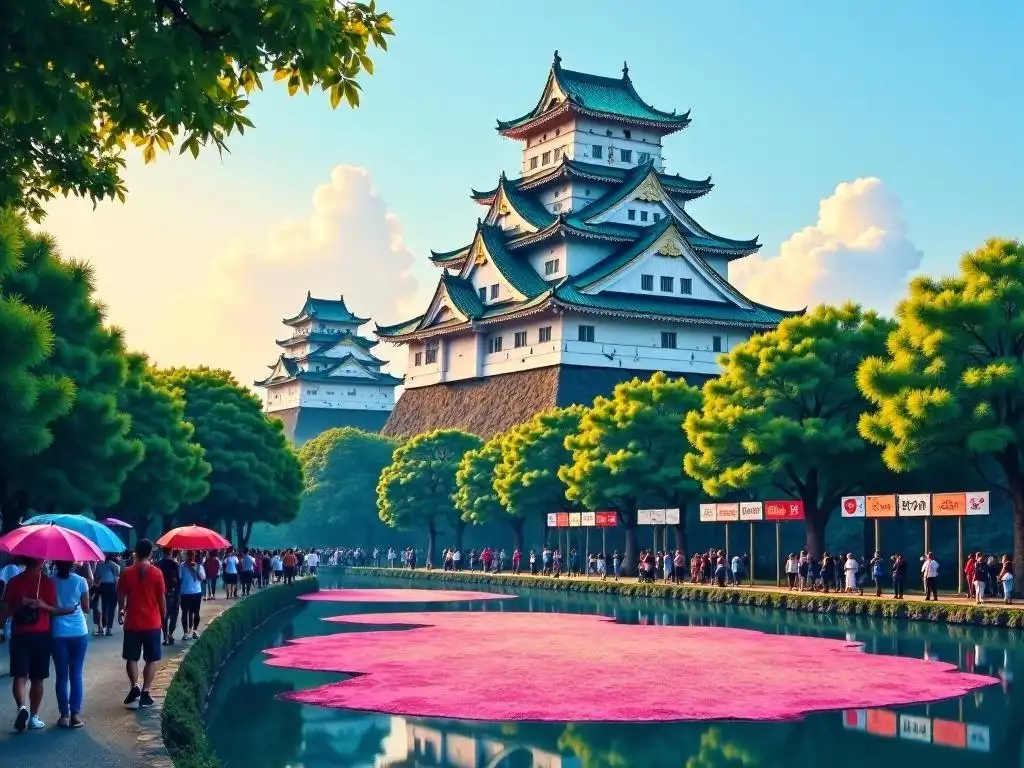
When planning your Japan castle tours, it's crucial to approach the experience with a keen understanding of the historical and cultural context of these magnificent structures. Japan's feudal castles are not merely architectural feats; they are repositories of history, embodying the essence of samurai culture, local traditions, and the evolution of Japanese society. Here are some essential tips to enhance your castle touring experience:
-
Research the Castles:
Familiarize yourself with the most prominent castles, such as Himeji, Matsumoto, and Kumamoto. Each castle offers unique historical significance and architectural styles.
-
Consider Guided Tours:
Many castles provide guided tours that delve into the rich narratives behind their construction, the families that governed from them, and their roles in various historical events. A knowledgeable guide can enhance your understanding and appreciation.
-
Combine with Local Culture:
Plan your visits alongside local cultural experiences, such as tea ceremonies, martial arts demonstrations, or traditional festivals. This will provide a more holistic view of the cultural heritage surrounding the castles.
-
Dress Appropriately:
Many castles have specific dress codes, especially if you plan to participate in traditional activities. Wearing comfortable shoes is also advisable, as castle grounds may require considerable walking.
-
Respect the Heritage:
As you explore these historical sites, be mindful of the cultural significance they hold. Follow the guidelines provided by the castle staff and refrain from touching artifacts or climbing on the structures.
How to Choose the Right Castle Tours
Selecting the right castle tours in Japan involves considering several factors to ensure a meaningful experience. Here are some key aspects to keep in mind:
-
Tour Focus:
Decide whether you are more interested in architectural design, samurai history, or regional folklore. Some tours cater specifically to these interests.
-
Duration of Tours:
Tours can range from a few hours to full-day experiences. Assess your schedule and choose a duration that allows for thorough exploration without feeling rushed.
-
Group Size:
Smaller groups often provide a more intimate experience, allowing for personalized attention from guides and more opportunities for questions.
-
Reviews and Recommendations:
Look for tours with positive feedback from previous travelers. Online platforms and travel forums can offer valuable insights into the best options.
-
Language Accessibility:
Ensure that the tour offers services in a language you are comfortable with. Many castles provide English-speaking guides, but it's good to confirm in advance.
By evaluating these factors, you can tailor your castle tour experience to align with your interests and maximize your enjoyment.
Best Times to Visit Japanese Castles for Cultural Immersion
Timing your visit to Japan’s castles is crucial for experiencing the rich cultural heritage they embody. Here are the best times to visit for an immersive experience:
-
Cherry Blossom Season (Late March - Early April):
Visiting during sakura season offers a picturesque backdrop as cherry blossoms bloom around the castles. Many castles host special events and festivals celebrating this iconic symbol of Japan.
-
Autumn Foliage (November):
The vibrant colors of fall create breathtaking scenery, enhancing the beauty of the castles. This is also a great time to experience seasonal festivals and local cuisine.
-
Summer Festivals (July - August):
Many castles host traditional summer festivals featuring performances, food stalls, and fireworks. Participating in these events allows visitors to engage deeply with local culture.
-
Winter Illumination Events (December - February):
Some castles illuminate their grounds during winter, creating a magical atmosphere. While colder, this season offers a different perspective on Japan’s castles and fewer crowds.
-
Weekdays vs. Weekends:
If possible, plan your visits on weekdays to avoid the larger crowds typically found on weekends. This will provide a more serene experience and allow for better interaction with guides.
By carefully selecting your timing, you can enhance your castle tour experience and foster a deeper connection with Japan's cultural heritage.
Enhancing Your Experience: Recommended Products and Services
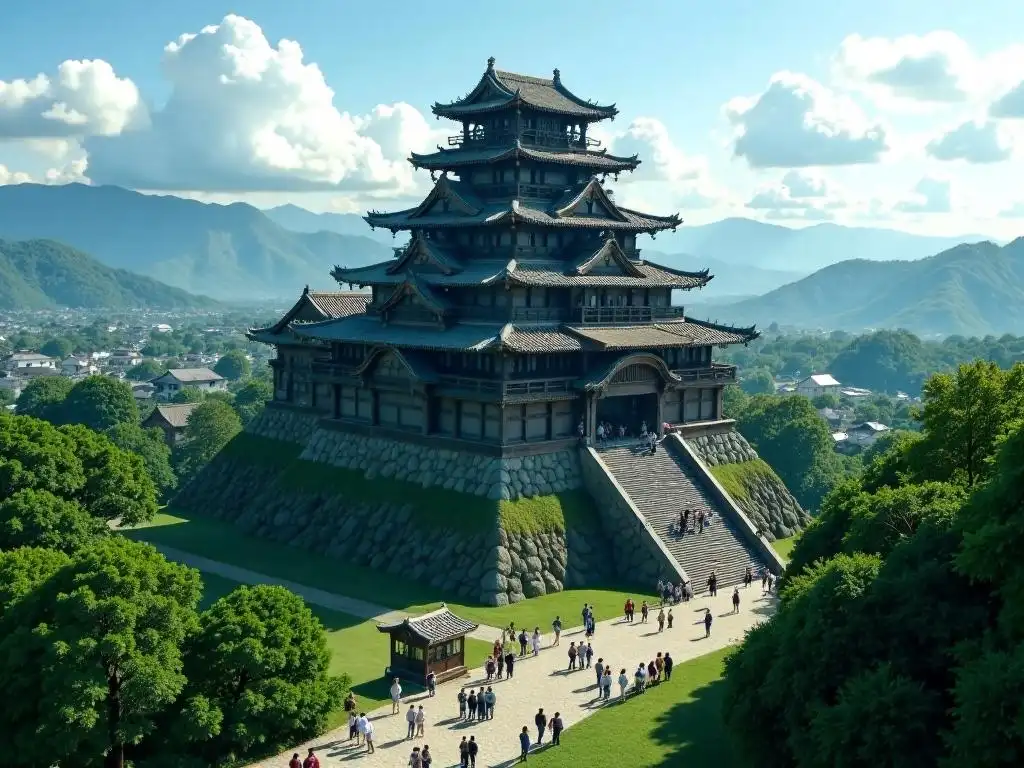
Exploring Japan's historic castles is not only a journey into the past but also a unique opportunity to connect with the country's rich cultural heritage. To make the most of your experience during your castle tours, consider utilizing various products and services designed to enhance your understanding and appreciation of these magnificent structures. Below are some recommendations that can elevate your visit and provide deeper insights into Japan's feudal history.
Guided Tours and Audio Guides for Deeper Understanding
Participating in guided tours or utilizing audio guides can significantly enrich your experience while visiting Japan's castles. Here are some options to consider:
- Expert-Led Guided Tours:
- Many castles offer guided tours led by knowledgeable historians or local guides. These experts provide in-depth narratives about the castle's history, architecture, and the role it played during the feudal era.
- Look for tours that include access to areas typically closed to the general public, such as secret passageways or inner sanctums.
- Audio Guides:
- For a more self-paced experience, audio guides can be a great alternative. Available in multiple languages, these devices allow you to explore at your leisure while still receiving detailed information about significant features of the castle.
- Many audio guides also include interactive elements, such as maps and timelines, which can enhance your understanding of the historical context.
- Mobile Apps:
- Some castles have developed mobile applications that not only provide audio content but also include augmented reality features. These apps can showcase how the castle looked in its prime, offering a captivating visual experience.
By opting for these guided services, you will gain a richer understanding of the cultural significance of each castle, making your visit more memorable.
Cultural Souvenirs and Local Handicrafts
While exploring Japan's feudal castles, don't miss the opportunity to purchase unique cultural souvenirs and local handicrafts that reflect the rich heritage of the region. Here are some suggestions:
- Traditional Crafts:
- Look for locally made items such as pottery, textiles, and woodwork that showcase traditional Japanese craftsmanship. These items often tell stories of the region's history and are perfect keepsakes from your travels.
- Castle-Themed Memorabilia:
- Many castle gift shops offer a range of memorabilia, including replica models of the castle, postcards, and artwork that celebrate the architectural beauty of these historical sites.
- Food and Drink:
- Don’t forget to sample and purchase local delicacies. Many castles are near specialty shops where you can find regional snacks, sweets, or even sake that are deeply tied to the local culture.
- Workshops and Classes:
- Some castles offer workshops where you can learn traditional crafts, such as calligraphy or origami. Engaging in these activities can provide a hands-on understanding of the cultural practices that have shaped Japan's history.
Incorporating these products and services into your castle tours will not only enhance your experience but also allow you to take a piece of Japan's rich cultural heritage home with you. By understanding the significance of what you see and engaging with local traditions, your journey through Japan's feudal past will be both enriching and unforgettable.
Conclusion: The Lasting Impact of Japan Castle Tours on Cultural Heritage Appreciation
Castle tours in Japan serve as a vital link between the past and the present, allowing visitors to immerse themselves in the rich tapestry of cultural heritage that defines the nation's historical narrative. These tours not only highlight the architectural grandeur of feudal castles but also enrich the understanding of the societal structures, traditions, and lifestyles that flourished during Japan's feudal era. By engaging with these historic sites, tourists foster a deeper appreciation for the intricate history and cultural significance embedded in each castle's stones.
The impact of Japan castle tours extends beyond mere tourism; they play a crucial role in cultural heritage appreciation. Visitors gain insights into the craftsmanship and artistry inherent in castle design, as well as the historical events that shaped their existence. This increased awareness helps to cultivate respect for Japan's history and encourages efforts to preserve these remarkable structures for future generations.
Encouraging Sustainable Tourism and Preservation Efforts
Sustainable tourism practices are essential in ensuring that Japan's rich cultural heritage remains intact. Castle tours often include guidelines for responsible visiting, promoting an ethos of preservation and respect for the sites. Here are some ways in which these tours contribute to sustainability:
- Education: Tour guides often emphasize the importance of preserving historical sites, teaching visitors about the significance of each castle in the context of Japanese culture.
- Community Involvement: Many castle tours are organized in partnership with local communities, providing economic support and incentivizing preservation efforts.
- Conservation Initiatives: A portion of the revenue generated from castle tours is often allocated to ongoing restoration and conservation projects, ensuring that these landmarks are maintained and protected.
By prioritizing sustainable practices, castle tours not only enhance visitor experiences but also contribute to the long-term preservation of Japan's feudal heritage, allowing future generations to appreciate this unique cultural legacy.
Final Thoughts on Exploring Japan's Feudal Legacy Through Castle Tours
Exploring Japan's feudal legacy through castle tours offers an unparalleled opportunity to connect with the past. Each castle tells a story, revealing the complexities of feudal society, the artistry of its architecture, and the resilience of its cultural traditions. Whether walking through the majestic grounds of Himeji Castle, experiencing the strategic designs of Matsumoto Castle, or absorbing the historical significance of Kumamoto Castle, visitors engage in a profound exploration of Japan's heritage.
Ultimately, Japan castle tours serve as a bridge between the past and the present, fostering a deeper understanding and appreciation of the nation's cultural heritage. As more travelers seek meaningful and immersive experiences, these tours will continue to play an essential role in celebrating and preserving the rich history of Japan's feudal era. By participating in these tours, visitors not only enrich their own knowledge and experiences but also contribute to the ongoing legacy of Japan's extraordinary cultural heritage.
Frequently Asked Questions
What is the significance of castle tours in Japan?
Castle tours are a vital way to explore Japan's cultural heritage, showcasing the architectural brilliance and historical importance of feudal-era castles.
How do castle tours contribute to understanding Japan's feudal history?
Castle tours offer insights into historical events, political dynamics, and the societal structure of feudal Japan, enriching visitors' knowledge of the era.
Are there specific castles recommended for cultural heritage tours?
Yes, notable castles like Himeji Castle and Osaka Castle are often highlighted for their architectural beauty and significance in Japanese history.
What can visitors expect during a castle tour in Japan?
Visitors can expect guided explorations of historical artifacts, stunning architecture, and engaging stories about the samurai and nobility that shaped Japan's past.
How do castle tours support local cultural preservation?
Castle tours help generate awareness and funding for the preservation of these historical sites, ensuring that Japan's rich cultural heritage remains intact for future generations.
Final Reflection: Embracing Japan's Cultural Heritage Through Castle Tours
Japan's castle tours serve as a vital link to the past, allowing us to experience and appreciate the rich tapestry of cultural heritage that defines this remarkable nation. In today's fast-paced world, where modernity often overshadows tradition, these tours remind us of the importance of preserving historical narratives and the lessons they impart. They invite us to step back in time, to walk the same paths as samurai and shoguns, and to understand the values and artistry that shaped Japan's identity.
Castles are not merely structures of stone; they are symbols of resilience, artistry, and cultural significance. The ongoing interest in Japan's castle tours reflects a broader societal appreciation for heritage and history, fostering a deeper connection to our roots. As we explore these magnificent sites, we engage with the stories of those who came before us, enriching our understanding of the present. Heritage is our legacy from the past, what we live with today, and what we pass on to future generations.
This quote encapsulates the essence of why we must cherish and celebrate our cultural heritage, ensuring that it continues to inspire and educate.
As you reflect on the lessons shared in this article, I encourage you to consider how you can engage with and celebrate your own cultural heritage. Whether through travel, storytelling, or preserving traditions, each of us has a role to play in keeping our histories alive. Let the beauty and significance of Japan's castles inspire you to explore and honor the rich narratives that shape your own identity, fostering a deeper appreciation for the diverse cultures that enrich our world.
Unveil Japan's Rich Heritage: Take Action Today!
Thank you for diving into the captivating world of Japan's cultural gems! You've discovered the beauty and significance of castle tours, and now it's your turn to embark on an adventure that deepens your connection to this incredible heritage.
Ready to make history come alive? Here are some exciting steps you can take:
- Visit a Castle: Plan your next trip and explore one of Japan’s stunning castles. Experience the blend of history and architecture in person.
- Share Your Journey: Take a moment to document your visit through photos or stories. Share these experiences with friends on social media and inspire others to explore!
- Join a Community: Engage with fellow history enthusiasts by participating in online forums or joining local groups focused on Japan's cultural heritage. Exchange experiences and recommendations!
What unique discoveries have you made about Japan's castles that surprised you the most?