
The Influence of Feudal Castles on Japanese Literature and Art

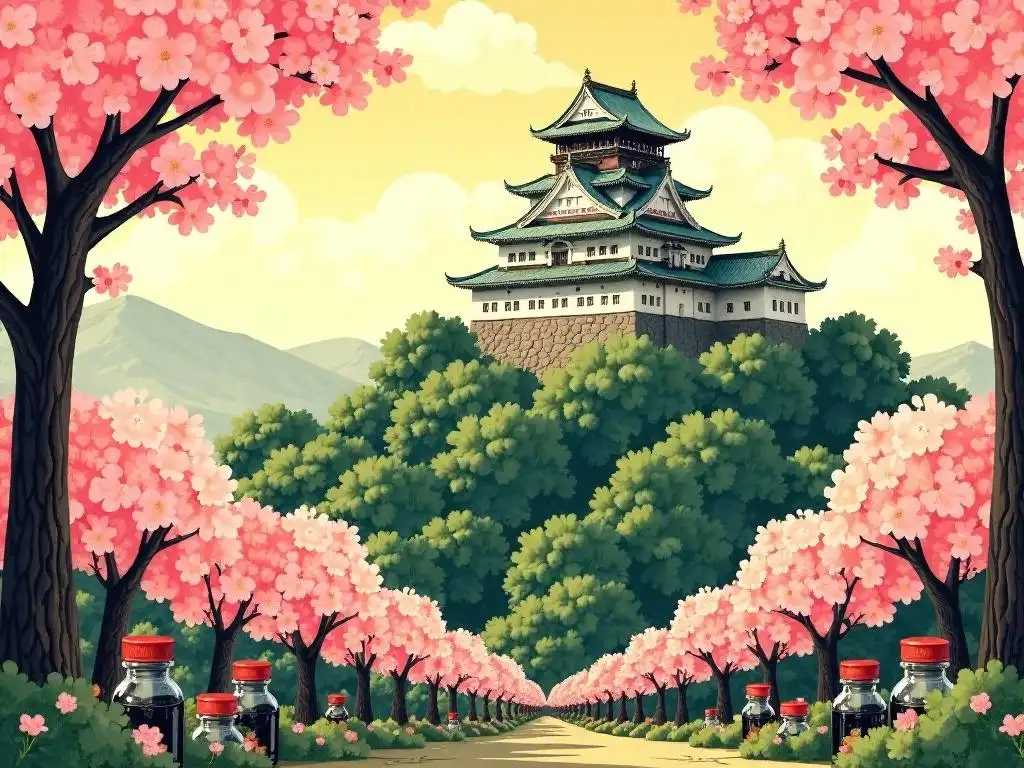
Welcome to Feudal Japan History, where we invite you to embark on an enlightening journey through the captivating tapestry of Japan's feudal era. In our latest article, " The Influence of Feudal Castles on Japanese Literature and Art," we delve into the profound impact that these majestic structures have had on the cultural landscape, inspiring countless tales and artistic expressions that resonate through time.
As you explore the intricate connections between feudal castles and the rich narratives of Japanese literature, prepare to uncover the hidden gems of history that await just beyond the next click. Your adventure into the heart of feudal Japan begins now—are you ready to unlock the secrets held within these storied walls?
The rich tapestry of Japan’s feudal era is intricately woven into its literature and art, reflecting a time when feudal castles stood as not only military strongholds but also as symbols of power, culture, and societal structure. These magnificent structures, often perched atop hills and surrounded by moats, were the epicenter of feudal life, influencing the narratives and themes found within various literary works and artistic expressions.
In this exploration, we will delve into the profound impact that feudal castles have had on Japanese literature, examining how they serve as more than mere settings, but as pivotal elements that shape character motivations, conflicts, and overarching themes. By understanding the historical significance of these castles, we can appreciate their enduring legacy in the realm of art and literature, enhancing our comprehension of Japan's cultural heritage.
Understanding Feudal Castles in Japanese History
Overview of Feudal Japan and Its Architecture
Feudal Japan, spanning from the 12th to the 19th century, was characterized by a decentralized political structure where power was held by numerous local lords, known as daimyōs. This period saw the emergence of distinctive architectural styles, particularly in castle construction.
- Key Architectural Features:
- Stone Walls: Designed for defense, these walls were often built from locally sourced materials.
- Moats: Water-filled ditches surrounding the castles provided an extra layer of protection.
- Towers (Tenshukaku): These multi-storied structures served both as watchtowers and residences for the lords.
The design of these castles not only served military purposes but also reflected the cultural values and artistic sensibilities of the time, blending functionality with aesthetic appeal.
Significance of Castles in Feudal Society
Feudal castles played a pivotal role in the social and political fabric of Japan. They were more than just fortresses; they were symbols of authority and centers of governance.
- Roles of Castles:
- Political Power: Castles acted as administrative hubs where lords exercised control over their domains.
- Cultural Centers: They hosted various cultural activities, including tea ceremonies, poetry readings, and art exhibitions.
- Military Strategy: The strategic placement of castles allowed for effective defense against rival clans.
The multifaceted significance of feudal castles laid the groundwork for their representation in literature and art, establishing them as enduring icons of Japan's rich historical narrative.
The Role of Feudal Castles in Japanese Literature
Feudal Castles as Literary Symbols
In Japanese literature, feudal castles often serve as powerful symbols, representing themes such as power, betrayal, and the transient nature of life. Authors have utilized these structures to evoke emotions and convey deeper philosophical messages.
- Examples of Symbolism:
- Transience of Power: Castles represent the fleeting nature of authority, as seen in works where the rise and fall of lords mirror the impermanence of life itself.
- Conflict and Struggle: Many narratives depict battles fought over castles, symbolizing the struggle for power and honor.
Through these literary devices, feudal castles become more than mere backdrops; they embody the complex dynamics of human ambition and morality.
Notable Works Featuring Feudal Castles in Japanese Literature
Several literary masterpieces prominently feature feudal castles, enriching their narratives with historical context and cultural significance.
- "The Tale of the Heike": This epic recounts the rise and fall of the Taira clan, with castles serving as the settings for pivotal battles and dramatic encounters.
- "Musashi" by Eiji Yoshikawa: This novel intricately weaves the life of the legendary swordsman Miyamoto Musashi, with various castles representing the challenges and conflicts he faces throughout his journey.
These works not only highlight the architectural grandeur of feudal castles but also explore the human experiences and emotions tied to these historical sites, ensuring their place in the annals of Japanese literature.
Artistic Representations of Feudal Castles
Feudal castles have long been a significant source of inspiration in Japanese literature and art, serving as symbols of power, protection, and the complex socio-political landscape of the time. These architectural marvels, often strategically positioned on hills or near rivers, provide not only a physical stronghold but also a rich narrative backdrop for various artistic expressions. From traditional woodblock prints to contemporary illustrations, the representation of feudal castles reveals much about their cultural importance and the evolving perceptions of these historical structures.
Traditional Art: Ukiyo-e and Feudal Castles
Ukiyo-e, the traditional woodblock printing technique that flourished during the Edo period (1603-1868), prominently features feudal castles as a central theme. Artists like Katsushika Hokusai and Utagawa Hiroshige captured the grandeur of castles within their compositions, showcasing not just the architecture but also the surrounding landscapes and seasonal changes. These prints often reflect the aesthetic principles of harmony and balance, illustrating how castles were integrated into the natural environment.
For example, Hokusai’s series "Thirty-Six Views of Mount Fuji" includes several prints where castles are depicted alongside the iconic mountain, symbolizing the intertwining of nature and human endeavor. Additionally, these artworks served to popularize tourism in Japan, as people sought to visit these castles and experience the beauty depicted in the prints.
Modern Interpretations of Castles in Japanese Art
In contemporary art, the representation of feudal castles has evolved yet continues to draw from historical influences. Modern artists reinterpret these structures using various mediums, including digital art, painting, and sculpture, often infusing them with personal or abstract meanings. For instance, artist Takashi Murakami incorporates elements of traditional castle architecture into his vibrant, pop-art style, blending the past with the present and challenging viewers' perceptions of history and culture.
Furthermore, video games and anime have also embraced the imagery of feudal castles, using them as essential settings for storytelling. Titles like "Ghost of Tsushima" and various anime series depict castles not only as physical locations but also as symbols of honor, conflict, and the feudal spirit, showcasing their lasting influence on contemporary culture.
Exploring the Cultural Impact of Feudal Castles
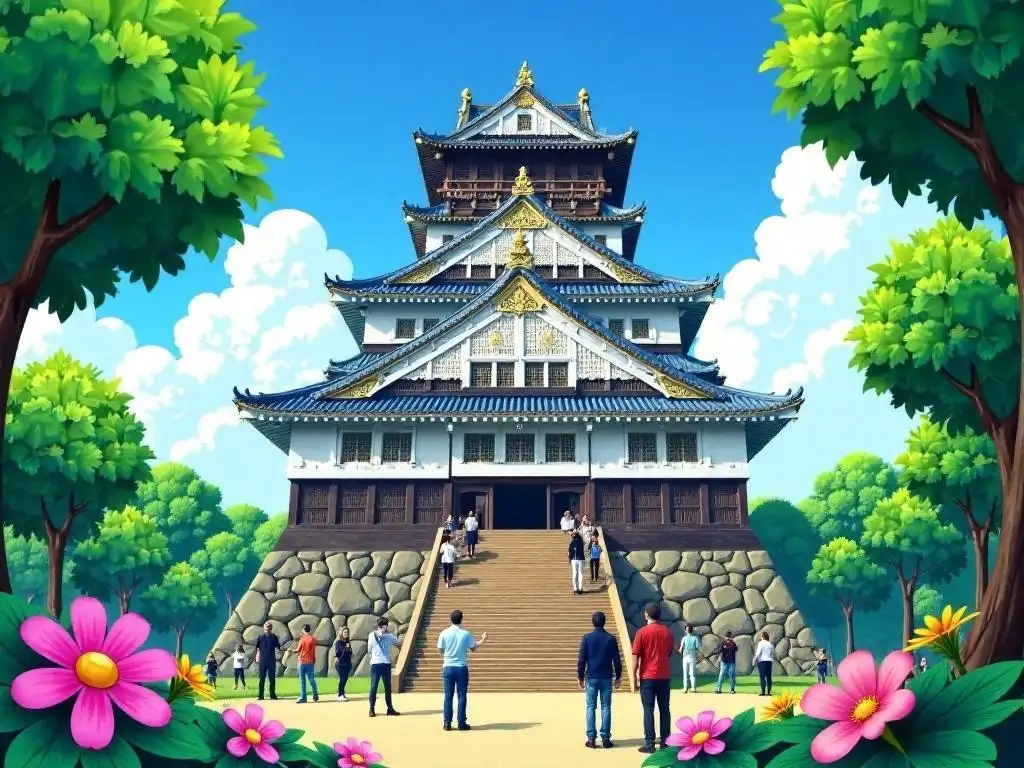
Feudal castles have left a profound impact on Japanese culture, permeating folklore, literature, and even psychology. Their towering structures and historical significance have rendered them as powerful symbols of authority and heritage, shaping narratives and character development across various forms of storytelling.
Feudal Castles in Folklore and Mythology
In Japanese folklore, castles are often imbued with supernatural elements and mythological significance. Tales of spirits, ghostly apparitions, and mythical creatures linked to specific castles highlight their role as more than mere physical structures. For example, Himeji Castle, often referred to as the "White Heron Castle," is said to be haunted by the spirit of a wronged woman, with stories surrounding it emphasizing themes of love, betrayal, and vengeance.
These narratives have been passed down through generations, reinforcing the castles' connection to cultural identity and moral lessons. They serve as reminders of the past and the complexities of human emotions, encapsulating the essence of the samurai spirit and the struggles faced during the feudal era.
The Psychological Influence of Castles on Characters and Setting
The presence of feudal castles in literature and art often reflects the psychological state of characters and the atmosphere of the narrative. Castles can symbolize strength, security, and stability but can also represent oppression, isolation, or impending doom, depending on the context within the story.
For instance, in the works of authors like Yukio Mishima, castles are used to evoke feelings of nostalgia and loss, representing the fragility of honor and tradition. The looming presence of a castle can heighten tensions in a narrative, influencing character motivations and decisions. Whether as a backdrop for epic battles or a serene setting for introspection, feudal castles serve as critical elements that shape the emotional landscape of Japanese literature and art.
The artistic representations of feudal castles are deeply intertwined with Japan's cultural fabric, providing a lens through which we can explore the historical, psychological, and artistic dimensions of the feudal era.
Visiting Historic Feudal Castles: A Cultural Journey
Visiting historic feudal castles in Japan is not just an exploration of architecture; it is an immersive journey into the country's rich history and culture. These castles, often perched on hills and surrounded by scenic landscapes, serve as tangible links to Japan's feudal past. They narrate stories of samurai warriors, noble families, and the political machinations of their time.
As you wander through the castle grounds, you can find remnants of ancient battle strategies and daily life, which are reflected in the artifacts and exhibitions housed within. Many castles have been meticulously preserved or restored, allowing visitors to experience the grandeur of feudal Japan firsthand. The tranquil gardens, moats, and stone walls evoke a sense of serenity, while the intricate designs and craftsmanship of the structures highlight the artistic influences of the era.
Moreover, these castles have inspired countless works of art and literature, serving as backdrops for tales of honor, betrayal, and the complexities of human relationships. For literature enthusiasts, standing in the shadow of these majestic buildings evokes a profound connection to the characters and stories that have shaped Japanese culture over the centuries.
Top Feudal Castles to Visit in Japan
- Himeji Castle
- Often referred to as the "White Heron Castle," Himeji Castle is renowned for its stunning architecture and well-preserved structures. It is a UNESCO World Heritage site and has inspired numerous works of art and literature, including films and novels.
- Matsumoto Castle
- Known as the "Crow Castle" due to its black exterior, Matsumoto Castle is one of Japan's most beautiful castles. Its unique design has made it a popular subject in paintings and literature, symbolizing the samurai spirit.
- Nagoya Castle
- This castle is famous for its golden shachihoko (mythical creatures) adorning the roof. Nagoya Castle's grandeur has made it a focal point in various literary works, reflecting the power of the Tokugawa shogunate.
- Osaka Castle
- A symbol of unification during the Warring States period, Osaka Castle has played a significant role in Japanese history. Its depiction in literature often highlights themes of power and ambition.
- Kumamoto Castle
- Renowned for its imposing stone walls and unique architectural features, Kumamoto Castle has inspired numerous poems and stories, showcasing the resilience of its defenders during historical sieges.
Planning Your Visit to Feudal Castles
When planning your visit to Japan's feudal castles, consider the following tips to enhance your experience:
- Research Castle History: Understanding the historical significance of each castle will enrich your visit. Look for specific events or figures associated with the castle.
- Check Opening Hours: Many castles have seasonal hours or may close for maintenance. Always check in advance to avoid disappointment.
- Guided Tours: Opt for guided tours to gain deeper insights into the castle's history and architecture. Local guides often share fascinating anecdotes that you won't find in guidebooks.
- Cultural Events: Some castles host seasonal festivals or reenactments that provide a unique glimpse into feudal life. Participating in these events can make your visit even more memorable.
- Photography: Capture the beauty of these castles from different angles. Early morning or late afternoon light can create stunning photographs.
Conclusion: The Enduring Legacy of Feudal Castles in Literature and Art
Feudal castles have left an indelible mark on Japanese literature and art, serving as symbols of power, resilience, and culture. These majestic structures not only represent architectural brilliance but also embody the stories and values of the samurai class. Through literature, castles have been transformed into metaphors for human experiences, exploring themes of loyalty, betrayal, and the cyclical nature of history.
The narratives woven around these castles often highlight the contrast between the serenity of their surroundings and the tumultuous events that shaped their existence. Authors and artists have drawn inspiration from the grandeur and history of these sites, resulting in a rich tapestry of cultural expression that continues to resonate today.
Reflection on the Influence of Castles in Shaping Japanese Culture
Castles have significantly influenced Japanese culture by serving as both physical and symbolic representations of authority and heritage. They are often depicted in classic literature, such as works by Matsuo Bashō and Murasaki Shikibu, where they symbolize the complexity of human emotion and societal structure.
Moreover, the aesthetic principles derived from these castles have permeated various art forms, from traditional ink paintings to contemporary manga. The design elements and defensive features of castles have inspired numerous artists, contributing to a distinctive Japanese aesthetic that values both beauty and functionality.
Future Perspectives on Feudal Castles in Literature and Art
As Japan continues to evolve, the relevance of feudal castles in literature and art remains steadfast. Contemporary authors and artists continue to draw upon the symbolism and historical narratives associated with these structures. New interpretations are emerging, blending traditional themes with modern societal issues, ensuring that the legacy of feudal castles endures.
Moreover, as tourism grows, there is an increasing interest in preserving these sites not just as historical landmarks but as living museums that reflect ongoing narratives. The challenge will be to maintain their integrity while adapting to modern storytelling methods, such as digital media and interactive exhibitions, to engage younger generations.
The influence of feudal castles in Japanese literature and art is not only a reflection of the past but also a dynamic part of the cultural landscape that will continue to evolve, inspiring future generations.
- Understanding Feudal Castles in Japanese History
- The Role of Feudal Castles in Japanese Literature
- Artistic Representations of Feudal Castles
- Exploring the Cultural Impact of Feudal Castles
- Visiting Historic Feudal Castles: A Cultural Journey
- Conclusion: The Enduring Legacy of Feudal Castles in Literature and Art
Frequently Asked Questions
What are feudal castles in Japanese literature?
Feudal castles in Japanese literature often symbolize power and authority, serving as backdrops for stories that explore themes of loyalty, betrayal, and heroism.
How did feudal castles influence Japanese art?
Feudal castles inspired various forms of art, including paintings and woodblock prints, where they represent the aesthetic beauty and strategic importance of these structures in the feudal era.
Can you name any notable works of literature featuring feudal castles?
Several classic works, including The Tale of the Heike and Musashi, prominently feature feudal castles, highlighting their role in historical events and cultural narratives.
What role did feudal castles play in Japanese society?
Feudal castles served as military strongholds and administrative centers, influencing the social hierarchy and the power dynamics of the samurai class during the feudal period.
How are feudal castles portrayed in modern Japanese literature?
In modern literature, feudal castles often evoke nostalgia and serve as metaphors for the conflict between tradition and modernity, reflecting on Japan's historical identity.
Final Reflection: The Enduring Legacy of Feudal Castles in Japanese Literature
The intricate relationship between feudal castles and Japanese literature is more relevant today than ever, as these historical structures continue to inspire modern narratives and artistic expressions. The echoes of the past resonate through contemporary works, reminding us of the profound impact that these architectural marvels have had on shaping cultural identity and storytelling in Japan. As we explore the depths of this influence, we uncover a striking truth: the stories woven around feudal castles are not merely relics of history; they are living narratives that continue to evolve and inspire.
The influence of feudal castles extends far beyond their physical presence, permeating the cultural and social landscape of Japan. These castles symbolize power, resilience, and the complexities of human relationships, themes that remain relevant in today's literature and art.
The stories of samurai, intrigue, and honor that unfold within their walls resonate with our modern struggles and aspirations. As noted by renowned scholar Hiroshi Tanaka, > “The castle is not just a structure; it is a narrative vessel that carries the weight of history and the dreams of those who inhabit it.” This observation underscores the importance of feudal castles as a source of inspiration and reflection in our ongoing cultural dialogue.
As we conclude our exploration of the influence of feudal castles in Japanese literature, I invite you to reflect on how these themes resonate in your own life. Consider the stories that shape your identity and the historical influences that inspire your creativity. Embrace the lessons of resilience and complexity that these castles represent, and allow them to guide you in your personal and artistic endeavors. Let us carry forward the legacy of feudal castles, not just as historical artifacts, but as vibrant symbols of our shared humanity and the narratives that connect us across time.
Unveil the Artistic Legacy of Feudal Castles!
Thank you for diving into the fascinating world of feudal castles and their impact on Japanese literature and art. You've uncovered the profound connections that shape cultural heritage. Now, it’s time to take your appreciation further and engage with this rich history!
Here are a few actions you can take right away:
- Explore local museums or exhibits that feature Japanese art and literature influenced by feudal history.
- Share your insights with friends or join online forums to discuss how feudal castles have shaped modern perceptions of Japanese culture.
- Discover a hidden gem by reading a work of literature or viewing artwork that illustrates the themes and settings of this remarkable period.
What piece of art or literature inspired by feudal castles resonates most with you, and how does it enhance your understanding of Japanese culture?