
The Intersection of Nature and History: Gardens Around Feudal Castles

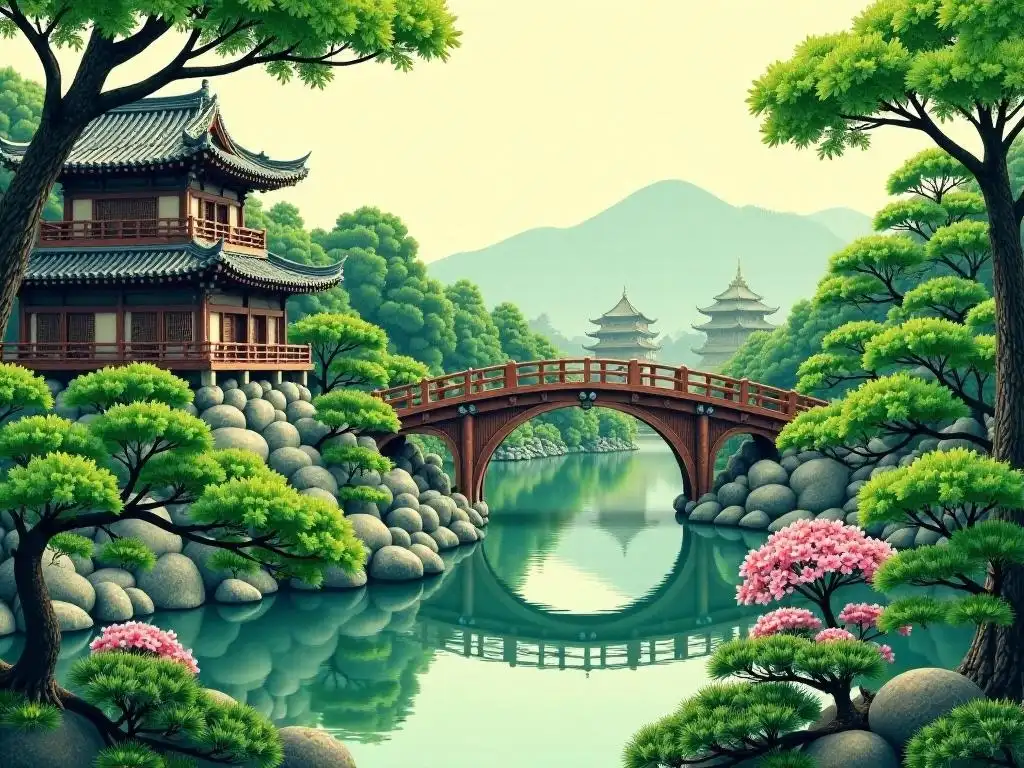
Welcome to Feudal Japan History, where we invite you to embark on a journey through the enchanting world of Japan's feudal era. Our latest article, "The Intersection of Nature and History: Gardens Around Feudal Castles," unveils the intricate relationship between nature and the majestic castles that once stood as symbols of power and serenity.
Discover how these exquisite castle gardens not only reflect the artistic sensibilities of their time but also serve as a window into the cultural and societal tapestry of feudal Japan. Prepare to be captivated and inspired as you delve deeper into this fascinating topic that beautifully intertwines history and the natural world.
- The Intersection of Nature and History: Gardens Around Feudal Castles in Japan
- The Design Philosophy of Feudal Japan Castle Gardens
- Notable Feudal Japan Castle Gardens to Visit
- Historical Figures and Their Influence on Castle Gardens
- Preserving Feudal Japan Castle Gardens Today
-
Frequently Asked Questions
- What role did castle gardens play in Feudal Japan?
- How did nature influence the design of feudal castle gardens?
- What are some common plants and features found in these gardens?
- How did the political climate affect garden design during the feudal era?
- Are there any modern interpretations of feudal castle gardens today?
- Final Reflection: The Timeless Harmony of Nature and History
- Unearth the Secrets of Nature and History!
The Intersection of Nature and History: Gardens Around Feudal Castles in Japan
Within the rich tapestry of Feudal Japan, the interplay between nature and manmade structures is vividly illustrated through the gardens surrounding its majestic castles. These gardens are not merely decorative; they serve as reflections of the cultural values, aesthetic principles, and historical narratives of the era. In this exploration, we will delve into the significance of these gardens, the designs that characterize them, and their role in the broader context of Feudal Japan.
By understanding the intricate relationship between these landscapes and the castles they envelop, we can appreciate the artistry and intention behind every stone, plant, and water feature. Join us as we uncover the profound connections between history, nature, and Japanese identity through the lens of feudal castle gardens.
Introduction to Feudal Japan Castle Gardens
Feudal Japan castle gardens are a testament to the sophisticated landscape design practices of the period, blending natural beauty with strategic functionality. These gardens were not only places of leisure for the samurai and nobility but also served practical purposes, such as providing food and medicinal herbs. The careful arrangement of plants, water features, and pathways created serene environments that reflected the ideals of harmony, balance, and tranquility.
- Key Features of Castle Gardens:
- Water Elements: Ponds and streams were integral, symbolizing purity and providing a habitat for koi fish.
- Stone Pathways: Designed to guide visitors through the garden, these paths enhanced the aesthetic experience.
- Seasonal Flora: The selection of plants was often seasonal, showcasing the beauty of nature throughout the year.
The gardens also played a significant role in the social and political life of the era, hosting gatherings, ceremonies, and even tactical meetings. They were spaces where art and nature converged, allowing samurai to reflect on their duties and the natural world around them.
In the following sections, we will explore specific gardens associated with notable castles, examining their historical context, design elements, and the experiences they offer to visitors today. Through this journey, we will gain a deeper understanding of how these magnificent landscapes continue to inspire and educate about the values and legacy of Feudal Japan.
The Design Philosophy of Feudal Japan Castle Gardens
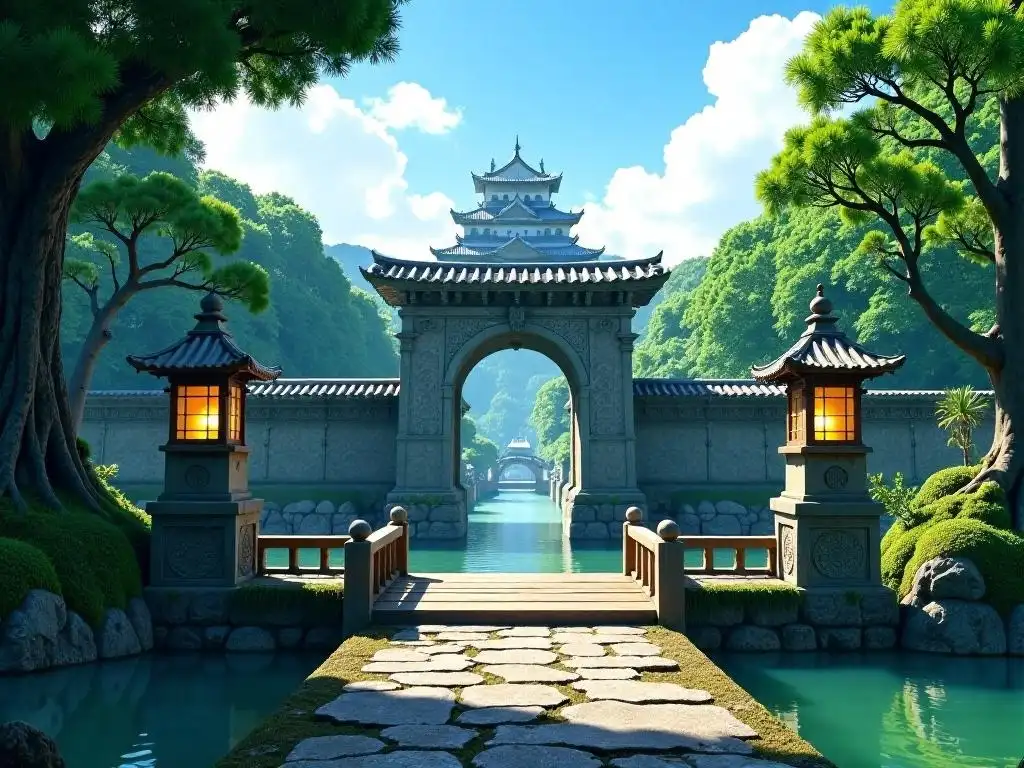
Feudal Japan castle gardens are not merely ornamental spaces; they embody a profound philosophy that intertwines nature, aesthetics, and spirituality. The design of these gardens reflects a holistic approach where every element serves a purpose, contributing to the overall harmony and balance of the environment. This philosophy draws heavily from Zen Buddhism and Shinto beliefs, promoting tranquility, reflection, and a deep appreciation for nature's beauty.
Traditional Aesthetics in Garden Design
The aesthetics of Feudal Japan castle gardens are characterized by several key principles that guide their layout and design. These principles include:
- Asymmetry: Unlike Western gardens, which often favor symmetrical designs, Japanese gardens embrace asymmetry. This approach fosters a sense of naturalness and spontaneity, allowing the landscape to appear more organic and less contrived.
- Use of Natural Materials: Traditional garden elements are crafted from natural materials such as stone, wood, and water. For instance, stone lanterns (tōrō) and bridges are often incorporated into the landscape to create focal points that harmonize with the surroundings.
- Symbolism: Elements within the gardens are laden with symbolism. For example, the placement of rocks can represent mountains, while water features symbolize purity and life. Cherry blossoms, often featured prominently, represent the transient nature of life.
- Minimalism: The concept of "less is more" is prevalent in Japanese garden design. The careful selection of plants and features creates a serene space that invites contemplation and reflection.
- Seasonal Changes: Acknowledging the changing seasons is a vital aspect of these gardens. Different plants bloom at various times of the year, providing a dynamic landscape that evolves and offers new experiences throughout the seasons.
Influences of Nature in Castle Gardens
Nature plays an integral role in the design of Feudal Japan castle gardens. The gardens are often designed to mimic natural landscapes, creating a seamless transition between the cultivated and the wild. Here are some key influences of nature on these gardens:
- Topography: The natural contours of the land are respected and accentuated in garden design. Hills, valleys, and slopes are utilized to create layers within the garden, enhancing its visual complexity and creating vantage points for visitors to appreciate the landscape.
- Water Features: Water is a vital element in Japanese gardens, symbolizing life and purity. Ponds, streams, and waterfalls are carefully integrated into the design, providing tranquility and attracting wildlife. The sound of flowing water adds to the garden's serene atmosphere.
- Flora Diversity: The selection of plants in Feudal Japan castle gardens is diverse, encompassing both native and ornamental species. Key plants include pine trees (symbolizing longevity), bamboo (representing resilience), and flowering cherry trees, which are celebrated for their fleeting beauty.
- Wildlife Integration: Gardens are designed to attract and support local wildlife. Birdhouses, ponds, and carefully placed plants create habitats for various species, reinforcing the connection between the garden and its surrounding ecosystem.
- Seasonal Harmony: The design philosophy emphasizes seasonal harmony, with gardens changing in character throughout the year. This connection to the cycles of nature instills a sense of mindfulness and awareness of the passage of time.
The design philosophy of Feudal Japan castle gardens is a testament to the culture's deep reverence for nature. By integrating traditional aesthetics and natural elements, these gardens create spaces that invite reflection, appreciation, and a profound connection to the environment.
Notable Feudal Japan Castle Gardens to Visit
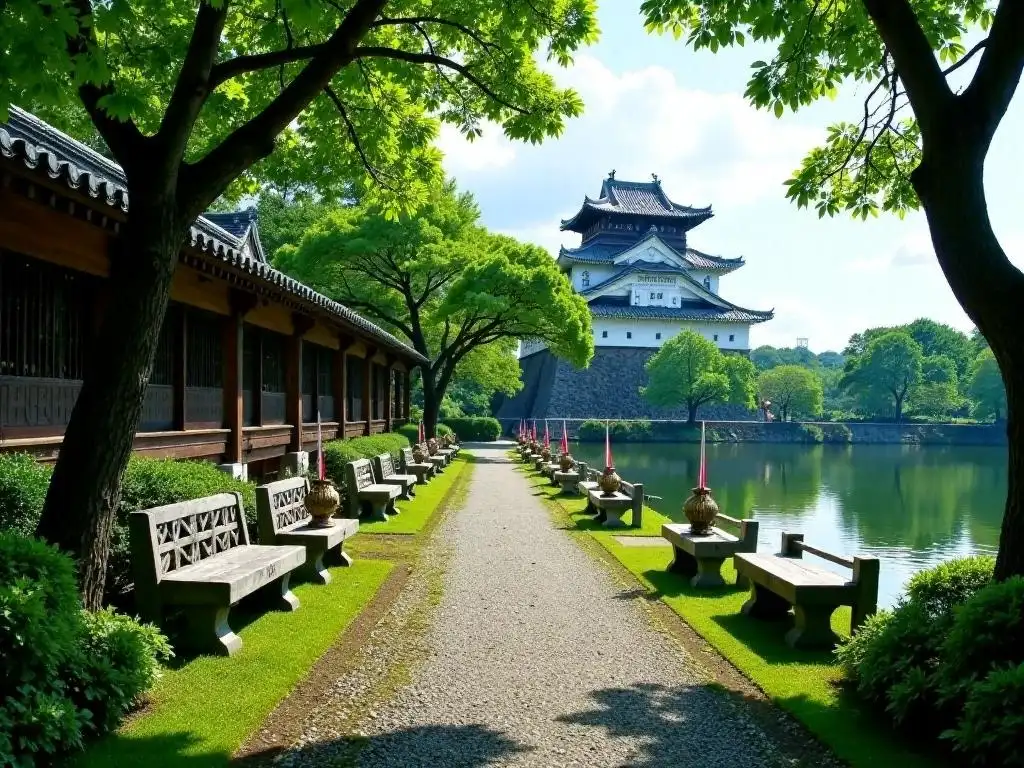
Himeji Castle Garden
Himeji Castle, a UNESCO World Heritage Site, is not only renowned for its stunning architecture but also for its exquisite gardens. The gardens surrounding the castle, particularly the Kokoen Garden, offer a picturesque blend of natural beauty and historical significance.
- Design Elements: Kokoen is designed in the Edo period style, featuring nine different gardens that showcase various landscapes, including a tea garden, a pond garden, and a flower garden. The meticulous layout allows visitors to experience changing vistas with every turn.
- Flora and Fauna: Visitors can enjoy a variety of seasonal plants such as cherry blossoms in spring and vibrant autumn leaves, which provide a stunning backdrop to the castle's white walls. The garden also hosts koi ponds and traditional wooden bridges, enhancing its serene atmosphere.
- Cultural Significance: The garden serves not only as a beautiful location for strolls but also as a site for cultural events, including tea ceremonies and seasonal festivals. These events highlight traditional Japanese customs, making it a vibrant spot where history and nature coexist.
Matsumoto Castle Garden
Matsumoto Castle, known for its striking black facade, is complemented by a beautifully landscaped garden known as Nakamachi Street Garden. This garden provides a perfect blend of historical context and natural beauty.
- Architectural Harmony: The garden is designed to frame the castle, allowing for stunning views from various angles. The contrast of the black castle against the greenery creates an iconic image that attracts photographers and history enthusiasts alike.
- Seasonal Attractions: The garden is home to numerous cherry trees, which burst into bloom in spring. Additionally, the autumn foliage creates a colorful tapestry, drawing visitors year-round. Seasonal events, such as flower festivals, celebrate the natural beauty of the area.
- Historical Context: Matsumoto Castle was built in the late 16th century, and the surrounding garden reflects the aesthetics of the period. Walking through the garden feels like stepping back in time, enhancing the visitor's understanding of feudal Japan's connection to nature.
Nagoya Castle Garden
Nagoya Castle features an expansive garden that beautifully integrates historical significance with lush landscapes, making it a must-visit. The Ninomaru Garden is particularly noteworthy.
- Landscape Design: Ninomaru Garden is designed in the traditional Japanese style, emphasizing natural beauty through carefully arranged rocks, ponds, and bridges. This tranquil space is ideal for contemplation and appreciation of nature.
- Cultural Heritage: The garden is home to many historical features, including a reconstructed tea house where visitors can experience traditional Japanese tea ceremonies. This highlights the garden’s role as a cultural hub, where ancient practices are preserved and celebrated.
- Biodiversity: The garden supports a rich variety of plants, including irises, azaleas, and cherry trees, which provide stunning seasonal displays. The natural habitats foster wildlife, making it a living ecosystem that reflects the feudal era's respect for nature.
Each of these Feudal Japan castle gardens not only enhances the beauty of their respective castles but also serves as a living testament to the historical and cultural values of the time. They provide visitors with a unique opportunity to immerse themselves in the serene and picturesque landscapes that were integral to Japan's feudal heritage.
Nijo Castle Garden
Nijo Castle, located in Kyoto, is a remarkable example of Japanese feudal architecture and design, renowned for its stunning gardens that beautifully blend nature and history. The castle was originally built in 1603 as the residence of Tokugawa Ieyasu, the first shogun of the Tokugawa shogunate. Its garden, which is part of the larger Nijo Castle complex, is a UNESCO World Heritage Site and is celebrated for its unique layout and aesthetic appeal.
The Nijo Castle Garden encompasses two main areas: the Ninomaru Palace Garden and the Shin-en (or "New Garden"). The Ninomaru Palace Garden is characterized by its carefully curated landscapes that highlight the natural beauty of the changing seasons. Visitors can stroll along winding paths that offer picturesque views of meticulously arranged stones, ponds, and seasonal flowers. The garden is designed in the traditional shakkei style, which incorporates the surrounding mountains and landscapes into the garden's scenery, creating a harmonious connection between the castle and its natural environment.
One of the garden's most striking features is the pond, which reflects the surrounding trees and structures, enhancing the sense of tranquility and beauty. The design of the garden emphasizes the use of natural materials, with carefully placed rocks and gravel pathways that guide visitors through a serene experience. The seasonal changes in foliage are particularly significant, with cherry blossoms in spring, vibrant hues in autumn, and lush greenery in summer, providing a different ambiance throughout the year.
In addition to its aesthetic qualities, the Nijo Castle Garden holds historical significance. It was designed not just for beauty but also for functionality, as it served as a place for various ceremonies and gatherings during the Edo period. The garden's design reflects the culture of leisure and appreciation of nature that was prevalent among the samurai class.
Visitors to Nijo Castle Garden can also enjoy a range of cultural experiences, from guided tours that delve into the history of the castle and its gardens to traditional tea ceremonies held in the picturesque surroundings. The garden is a perfect representation of the balance between human artistry and the natural world, making it a must-visit destination for anyone interested in feudal Japan castle gardens.
Nijo Castle Garden is not only a visual delight but also a historical treasure that offers insights into the lifestyle and values of the feudal era. Whether you are a history enthusiast or a nature lover, a visit to this remarkable garden will leave you with lasting impressions of Japan's rich cultural heritage.
Historical Figures and Their Influence on Castle Gardens
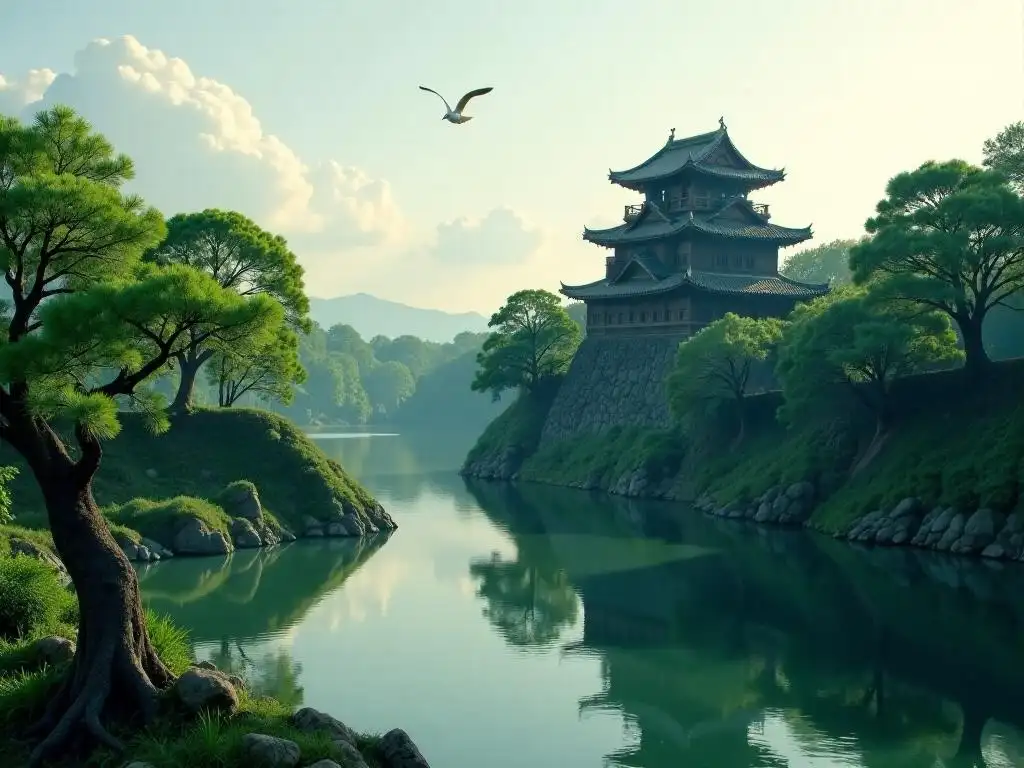
The gardens surrounding feudal castles in Japan are not merely decorative spaces; they are profound reflections of the individuals who shaped them. Throughout the feudal era, various historical figures contributed their unique perspectives and styles, creating gardens that served aesthetic, spiritual, and practical functions. Understanding the roles of samurai and emperors provides insight into the evolution of these serene landscapes and their significance in Japanese culture.
The Role of Samurai in Shaping Garden Aesthetics
The samurai class, revered for their martial prowess and adherence to bushido (the way of the warrior), played a pivotal role in the development of feudal Japan castle gardens. Their gardens were not just places of beauty; they were also extensions of their values and philosophies.
- Symbolism and Spirituality:
- Samurai gardens were designed to embody ideals such as harmony, tranquility, and loyalty.
- Elements like rocks, water features, and carefully arranged plants symbolized the balance between humanity and nature, reflecting the samurai's respect for the natural world.
- Practical Purposes:
- Many samurai gardens incorporated functional elements, such as vegetable patches and medicinal herbs, demonstrating a connection between beauty and utility.
- These gardens provided sustenance and resources for the samurai and their families, reinforcing the notion that aesthetics and practicality could coexist.
- Influence of Zen Buddhism:
- The samurai were heavily influenced by Zen teachings, which emphasized meditation and contemplation.
- This influence led to the creation of dry landscape gardens (karesansui), where meticulously raked gravel represented water, allowing for a space of reflection and peace.
- Design Principles:
- Key design principles included asymmetry, the use of natural materials, and the incorporation of pathways that encouraged exploration.
- The layout often aimed to create a sense of journey, mirroring the samurai's own life of travel and adventure.
Emperors and Their Gardens
Emperors in feudal Japan held significant sway over cultural and artistic developments, including the evolution of castle gardens. Their gardens often reflected imperial power and aesthetic refinement, serving as a backdrop for political gatherings and cultural ceremonies.
- Imperial Gardens as Symbols of Power:
- Gardens constructed during the reign of emperors were grander and more elaborate than those of the samurai, often featuring expansive layouts and intricate designs.
- These gardens were designed to impress visitors and convey the emperor's authority and divinity.
- Cultural Exchange and Influence:
- Emperors often invited artists, poets, and scholars to their gardens, fostering an environment of creativity and cultural exchange.
- This led to the incorporation of various artistic styles and philosophies, enriching the garden designs.
- Seasonal Celebrations:
- Imperial gardens were often venues for seasonal celebrations, such as cherry blossom viewing (hanami) in spring, which underscored the connection between nature and cultural identity.
- These events reflected the emperor's role as a custodian of Japanese traditions and fostered a sense of community among the populace.
- Gardens as Refuges:
- Beyond their political significance, emperor's gardens served as peaceful retreats from the tumult of court life, providing spaces for contemplation and relaxation.
- The careful selection of flora and fauna created an atmosphere of serenity, aligning with the emperor's ideals of governance influenced by nature's cycles.
The gardens around feudal castles were significantly shaped by historical figures such as samurai and emperors, each contributing their philosophies, aesthetics, and cultural values. The interplay between nature and history in these spaces remains a testament to Japan's rich heritage, making them an essential aspect of the feudal landscape to explore.
Preserving Feudal Japan Castle Gardens Today
The preservation of Feudal Japan castle gardens is crucial for maintaining the cultural heritage and historical significance of these sites. These gardens are not only aesthetic spaces but also represent the architectural, philosophical, and artistic ideals of their time. Efforts to conserve these gardens involve a combination of historical research, ecological restoration, and community engagement.
Conservation Efforts for Historical Gardens
Conservation efforts for historical gardens in Japan are multifaceted and often require collaboration among various stakeholders, including government agencies, local communities, and conservation organizations. Some key components of these efforts include:
- Historical Documentation: Detailed records of the original designs, plant species, and layout are essential for accurate restoration. Many gardens have been documented through historical texts and paintings, providing guidance for modern conservationists.
- Ecological Restoration: Restoration projects often focus on reintroducing native plant species that were originally part of the garden ecosystem. This not only preserves the aesthetic value but also supports local wildlife and promotes biodiversity.
- Community Involvement: Engaging local communities in conservation efforts fosters a sense of ownership and pride in these historical sites. Volunteer days, educational workshops, and guided tours can encourage public interest and participation.
- Government Support: Various levels of government in Japan provide funding and resources for preservation projects. The designation of certain gardens as cultural heritage sites often ensures that they receive the necessary protection and support.
- Sustainable Practices: Modern conservationists are increasingly adopting sustainable practices to maintain these gardens. This includes organic gardening techniques, water conservation methods, and the use of traditional gardening tools and techniques that align with historical practices.
By integrating these efforts, organizations can help ensure that Feudal Japan castle gardens remain vibrant and accessible for future generations.
Visiting Castle Gardens: Tips and Best Practices
When planning a visit to Feudal Japan castle gardens, there are several tips and best practices to consider to enhance your experience:
- Plan Ahead: Research the specific gardens you wish to visit. Some gardens may have seasonal events or special exhibits that could enrich your visit.
- Respect the Environment: Always stick to designated paths and follow any posted guidelines. These measures help protect delicate plant life and maintain the integrity of the garden.
- Timing Your Visit: Early morning or late afternoon visits often provide the best lighting for photography and a more tranquil experience, as these times tend to be less crowded.
- Engage with the History: Take the time to read informational plaques or join guided tours. Understanding the historical context of the gardens enhances appreciation for their beauty and significance.
- Photography Etiquette: While capturing the beauty of the gardens, be mindful of other visitors. Avoid blocking pathways or taking photos in areas where it is prohibited.
- Enjoy the Seasonal Changes: Each season offers a unique perspective on the gardens. Spring cherry blossoms, summer greenery, autumn foliage, and winter landscapes all present different beauties.
- Support Local Businesses: Many castle gardens are located near shops and restaurants. Supporting local businesses during your visit can enhance your experience and contribute to the community.
By following these guidelines, visitors can enjoy the profound beauty of Feudal Japan castle gardens while also contributing to their preservation and appreciation.
Frequently Asked Questions
What role did castle gardens play in Feudal Japan?
Castle gardens served as both functional and aesthetic spaces, providing food, beauty, and a place for reflection. They reflected the status of the samurai and were designed to harmonize with nature.
How did nature influence the design of feudal castle gardens?
The design of feudal castle gardens was deeply influenced by natural elements, incorporating water features, rocks, and plant arrangements to create landscapes that mirrored the natural beauty of Japan.
What are some common plants and features found in these gardens?
Feudal castle gardens typically featured Japanese maples, cherry blossoms, and bamboo, along with ponds, stone lanterns, and bridges, all contributing to a serene atmosphere.
How did the political climate affect garden design during the feudal era?
The political climate influenced garden design, with powerful clans using gardens to demonstrate their wealth and authority. Gardens were often designed to impress visitors and symbolize the clan's connection to nature.
Are there any modern interpretations of feudal castle gardens today?
Today, many modern interpretations of feudal castle gardens exist, blending traditional aesthetics with contemporary elements, while preserving the spiritual and historical significance of these landscapes.
Final Reflection: The Timeless Harmony of Nature and History
The intricate relationship between feudal Japan's castle gardens and the historical narratives they embody remains profoundly relevant today. As we navigate a world increasingly disconnected from nature, these gardens serve as a poignant reminder of the beauty and tranquility that can be cultivated through mindful design and stewardship. The legacy of feudal Japan's castle gardens is not merely a relic of the past; it is a call to embrace the natural world in our contemporary lives.
Castle gardens have significantly shaped our cultural landscape, influencing modern landscaping and our understanding of nature's role in historical contexts. The meticulous design and symbolic elements of these gardens reflect a deep reverence for nature that resonates with our current environmental challenges. As noted by landscape historian Marc Treib, Gardens are a reflection of the culture that creates them, embodying the values and aspirations of society.
This observation underscores the ongoing influence of these historical spaces, reminding us that our interactions with nature are deeply rooted in our cultural identities.
As we reflect on the lessons imparted by the gardens of feudal Japan, I invite you to consider how you can cultivate your own connection to nature in your daily life. Take a moment to appreciate the gardens around you, whether they are grand landscapes or small urban green spaces.
By fostering a deeper relationship with nature, we not only honor the past but also pave the way for a more harmonious future. Let the beauty of these historical gardens inspire you to create your own sanctuary, where nature and history intertwine, enriching your life and the lives of those around you.
Unearth the Secrets of Nature and History!
Thank you for exploring the beautiful connection between nature and feudal history! You've unlocked a new perspective on how gardens intertwined with the majestic castles of Japan. Now, it’s time to take that inspiration and turn it into action.
- Visit a local botanical garden to experience the serene beauty and historical design of Japanese gardens.
- Share your newfound knowledge with friends by organizing a discussion or a themed garden visit event.
- Dive deeper into the history of gardening in feudal Japan by reading books or articles, which will enhance your appreciation and understanding of this unique intersection.
What’s one garden element you’d love to incorporate into your own space, inspired by the elegance of feudal Japan?