
Feudal Castles as Cultural Centers: Museums and Exhibits to Explore


Welcome to Feudal Japan History, where the echoes of a storied past resonate through every corner of our exploration. Dive into the captivating world of Japanese feudal castles museums, where history comes alive through intricate exhibits and cultural treasures. Join us as we uncover the rich narratives behind these magnificent structures that once served as bastions of power and now stand as vibrant centers of heritage.
Are you ready to embark on a journey that reveals the secrets of the past while guiding you to today's most intriguing travel destinations? Let’s delve deeper into the enchanting legacy of feudal Japan!
- Introduction to Japanese Feudal Castles Museums
- The Role of Feudal Castles as Cultural Centers
- Top Japanese Feudal Castles Museums to Explore
- Key Exhibits in Japanese Feudal Castles Museums
- Visitor Tips for Exploring Japanese Feudal Castles Museums
- Conclusion: The Cultural Importance of Japanese Feudal Castles Museums
- Frequently Asked Questions
- Final Reflection: The Enduring Legacy of Japanese Feudal Castles
- **Uncover the Splendor of Feudal Castles Today! **
Introduction to Japanese Feudal Castles Museums
The rich tapestry of Japan's feudal era is intricately woven into the landscape of its historic castles, which served not only as military strongholds but also as cultural epicenters. These Japanese feudal castles museums offer a unique glimpse into the past, showcasing the architectural marvels, art, and societal structures of a time that shaped modern Japan.
As you explore these majestic sites, you’ll discover a treasure trove of artifacts and exhibits that illuminate the lives of samurai, nobility, and commoners alike. In this article, we will delve into the significance of feudal castles within Japan’s cultural heritage and provide an overview of the museums and exhibits that await visitors, making them essential stops for anyone interested in the country’s history.
The Significance of Feudal Castles in Japan’s Cultural Heritage
Feudal castles, or "shiro", are more than just impressive structures; they symbolize the political power and cultural identity of various clans throughout Japan's history. Here are some key points that highlight their significance:
- Architectural Masterpieces: Many feudal castles, such as Himeji Castle and Matsumoto Castle, are renowned for their unique architectural styles, incorporating defensive features and aesthetic elements that reflect the era's craftsmanship.
- Cultural Symbols: These castles often served as the heart of governance and culture in their regions, hosting ceremonies, festivals, and gatherings that fostered community and tradition.
- Historical Narratives: Each castle has its own story, encapsulating the rise and fall of powerful clans, battles fought for supremacy, and alliances formed through marriage and diplomacy. This historical narrative is crucial for understanding Japan's path to modernization.
- Preservation of Artifacts: Many castles have been transformed into museums that preserve and display artifacts from the feudal era, including weapons, armor, and artworks, offering invaluable insights into daily life during this period.
Overview of Museums and Exhibits in Japanese Castles
As you venture into Japan's feudal castles, a wealth of museums and exhibits await to educate and inspire visitors. Here’s a closer look at what you can expect:
- Diverse Exhibits:
- Armory and Weaponry: Many castles showcase collections of samurai armor, swords, and other military equipment, highlighting the martial culture of feudal Japan.
- Historical Artifacts: Exhibits often include pottery, textiles, and everyday items that provide context to the lives of those who lived during the feudal era.
- Cultural Performances: Some castles host live demonstrations of traditional arts, such as tea ceremonies and martial arts, enriching the visitor experience.
- Visitor Experience:
- Guided Tours: Many castles offer guided tours led by knowledgeable staff who can provide deeper insights into the history and significance of each site.
- Interactive Displays: Modern museums often integrate technology, providing interactive displays that engage visitors of all ages.
- Notable Castles to Explore:
- Himeji Castle: A UNESCO World Heritage site, famous for its stunning white façade and extensive museum exhibits.
- Nijo Castle: Known for its beautiful gardens and historical significance, offering a glimpse into the life of the shogunate.
Exploring the museums and exhibits housed within Japan's feudal castles not only enriches your understanding of this pivotal era but also allows you to appreciate the artistry and cultural nuances that defined a nation. Whether you are a history enthusiast, a cultural explorer, or a casual traveler, these sites provide a compelling journey through time.
The Role of Feudal Castles as Cultural Centers

Feudal castles in Japan, known as "shiro," played a pivotal role beyond their military and defensive functions. These architectural marvels have transformed into cultural centers that encapsulate the essence of Japan’s feudal history, serving as museums and exhibits that reflect the rich tapestry of Japanese heritage.
How Japanese Feudal Castles Serve as Museums
Japanese feudal castles serve as museums by preserving and showcasing historical artifacts, art, and documents from the feudal era. Many castles, such as Himeji Castle and Osaka Castle, have been designated as National Treasures or Important Cultural Properties, ensuring their protection and maintenance.
- Exhibitions of Artifacts:
- Armory and Weaponry: Castles often display samurai armor, swords, and weapons, offering insight into the feudal military culture.
- Ceramics and Pottery: Exhibitions frequently include traditional ceramics from different periods, illustrating the craftsmanship of the time.
- Documents and Scrolls: Historical documents, including land deeds and military orders, provide context to the social and political structures of feudal Japan.
- Interactive Experiences:
- Guided Tours: Many castles offer guided tours that educate visitors on the history and architecture of the site.
- Workshops: Some museums have workshops where visitors can experience traditional crafts, such as calligraphy or pottery, first-hand.
- Cultural Events:
- Festivals and Performances: Castles often host cultural festivals that include traditional music, dance, and other performances, enhancing the visitor experience and connection to history.
The Evolution of Castles into Cultural Exhibits
The transformation of Japanese feudal castles into cultural exhibits has been a gradual process influenced by various socio-political changes. Originally built for defense and as symbols of power, these structures have evolved over centuries into repositories of culture and history.
- Post-World War II Changes: Following World War II, there was a significant shift in how castles were perceived. Many were restored and repurposed as sites of historical education and cultural heritage.
- Preservation Efforts: The Japanese government has invested in the preservation of these castles, recognizing their importance in understanding Japan's feudal past. Restoration projects have made it possible for castles like Nagoya Castle to not only retain their historical architecture but also serve as modern museums.
- Community Engagement: Local communities have increasingly recognized the value of their castles as cultural centers. Events that celebrate local history, art, and traditions are frequently held, fostering a sense of pride and connection among residents and visitors alike.
Japanese feudal castles have evolved from military strongholds into vibrant cultural centers that offer insights into the nation’s rich history. Through their role as museums, these castles continue to educate and inspire future generations, making them essential destinations for anyone interested in the heritage of Japan.
Top Japanese Feudal Castles Museums to Explore

Exploring Japanese feudal castles not only offers a glimpse into the architectural grandeur of the past but also provides an opportunity to engage with the rich cultural and historical narratives embedded within these structures. Below are two prominent examples of feudal castles that serve as museums, showcasing the art, culture, and history of Japan's feudal era.
Himeji Castle: A UNESCO World Heritage Site
Historical Significance and Architectural Features
Himeji Castle, often referred to as the "White Heron Castle" due to its elegant white exterior, stands as a testament to Japan's feudal architecture. Built during the early 17th century, this castle is one of the few remaining original castles from the feudal period.
- Construction: The castle was constructed in 1601 and completed in 1609, showcasing the architectural style of the period, characterized by its multiple layers and intricate wooden structures.
- Design: Its design incorporates defensive features such as moats, stone walls, and a serpentine path that confounded attackers, all while embodying the aesthetics of Japanese architecture.
- UNESCO Recognition: In 1993, Himeji Castle was designated a UNESCO World Heritage Site, recognized for its historical significance and outstanding universal value.
Exhibits and Museums within Himeji Castle
Visitors to Himeji Castle can explore a variety of exhibits that focus on the castle's history, architecture, and cultural significance:
- Castle Museum: Located within the castle grounds, this museum offers displays of samurai armor, weapons, and historical documents.
- Guided Tours: Expert-led tours provide insights into the architectural intricacies and the strategic importance of the castle during Japan's feudal era.
- Cultural Events: The castle hosts seasonal events, including traditional tea ceremonies and cultural performances, allowing visitors to experience the historical ambiance.
Matsumoto Castle: The Black Crow Castle
Unique Features and Cultural Exhibitions
Matsumoto Castle, known as the "Black Crow Castle" for its striking black wooden exterior, is another significant site in Japan's feudal history. Built in the late 16th century, it is renowned for its unique architectural style and historical importance.
- Design: Unlike many other castles, Matsumoto features a flatland castle design, with a complex of buildings that create a stunning silhouette against the Japanese Alps.
- Historical Context: This castle served as a defensive fortress during the Sengoku period and later became a residence for samurai lords, reflecting the social hierarchy of feudal Japan.
Visitor Experience and Museum Highlights
Matsumoto Castle provides a rich visitor experience with various exhibitions and activities that celebrate its history:
- Exhibition Halls: The castle houses exhibition halls that showcase artifacts, including ancient scrolls, weaponry, and samurai armor, providing insights into the lives of those who inhabited the castle.
- Interactive Displays: Visitors can engage with interactive displays that narrate the castle's history and its role during various historical events.
- Scenic Views: The castle's location allows for breathtaking views of the surrounding landscape, further enhancing the visitor experience.
Both Himeji and Matsumoto castles stand as cultural centers that not only preserve Japan's rich feudal heritage but also actively engage visitors through their museums and exhibits, offering a deeper understanding of the historical context and cultural significance of these majestic structures.
Kumamoto Castle: A Blend of History and Culture
Kumamoto Castle, one of Japan's most impressive feudal castles, stands as a testament to the architectural ingenuity and historical significance of the era. Built in the early 17th century by the powerful Kato Kiyomasa, the castle is renowned for its unique architectural features, expansive grounds, and rich history. Despite suffering significant damage during World War II and the Kumamoto earthquake in 2016, ongoing restoration efforts have preserved its grandeur, making it a vital cultural center and a must-visit destination for those interested in Japan's feudal history.
The castle's strategic location and formidable design highlight the military sophistication of feudal Japan. The main keep, or tenshukaku, rises prominently above the surrounding landscape, characterized by its elegant curved roofs and intricate wooden construction. The castle grounds also feature various structures, including gates, walls, and moats, all of which contribute to an understanding of the castle's role in both defense and governance during the feudal period.
Architectural Marvels and Historical Exhibits
Kumamoto Castle is not only an architectural marvel but also a repository of historical artifacts that offer insights into the lives of its former inhabitants. The castle's museum showcases a diverse collection of samurai armor, weaponry, and other artifacts from the Edo period. Visitors can explore exhibitions that detail the castle's construction, its strategic importance during the feudal era, and the cultural practices that flourished within its walls.
One of the most notable architectural features of Kumamoto Castle is its unique stone walls. Constructed with a mix of different stone sizes, these walls are designed to withstand sieges and attacks, showcasing the engineering prowess of the time. The castle's interior includes beautifully restored rooms that depict the lifestyle of samurai and their families, providing a vivid glimpse into the past.
Additionally, the castle hosts seasonal exhibitions that feature traditional arts and crafts, including calligraphy, pottery, and textiles, allowing visitors to engage with Japan's rich cultural heritage. These exhibits not only celebrate the artistic achievements of the feudal era but also highlight the ongoing traditions that continue to thrive in contemporary Japanese culture.
Interactive Experiences for Visitors
Kumamoto Castle offers a variety of interactive experiences designed to immerse visitors in the rich history and culture of feudal Japan. One popular attraction is the opportunity to participate in traditional samurai and ninja experiences. Visitors can dress in period-appropriate attire and engage in activities such as sword fighting demonstrations or learning the art of calligraphy, providing a hands-on connection to the past.
The castle grounds are also home to beautiful gardens, where visitors can relax and enjoy the serene environment while participating in seasonal events such as tea ceremonies and flower arranging workshops. These experiences not only educate visitors about traditional Japanese practices but also foster a deeper appreciation for the cultural significance of the castle.
Guided tours are available, led by knowledgeable staff who share captivating stories and insights about the castle's history, architectural features, and the lives of the samurai who once inhabited it. These interactive tours ensure that visitors leave with a rich understanding of the cultural and historical importance of Kumamoto Castle, making it a highlight of any journey through Japan's feudal heritage.
Key Exhibits in Japanese Feudal Castles Museums
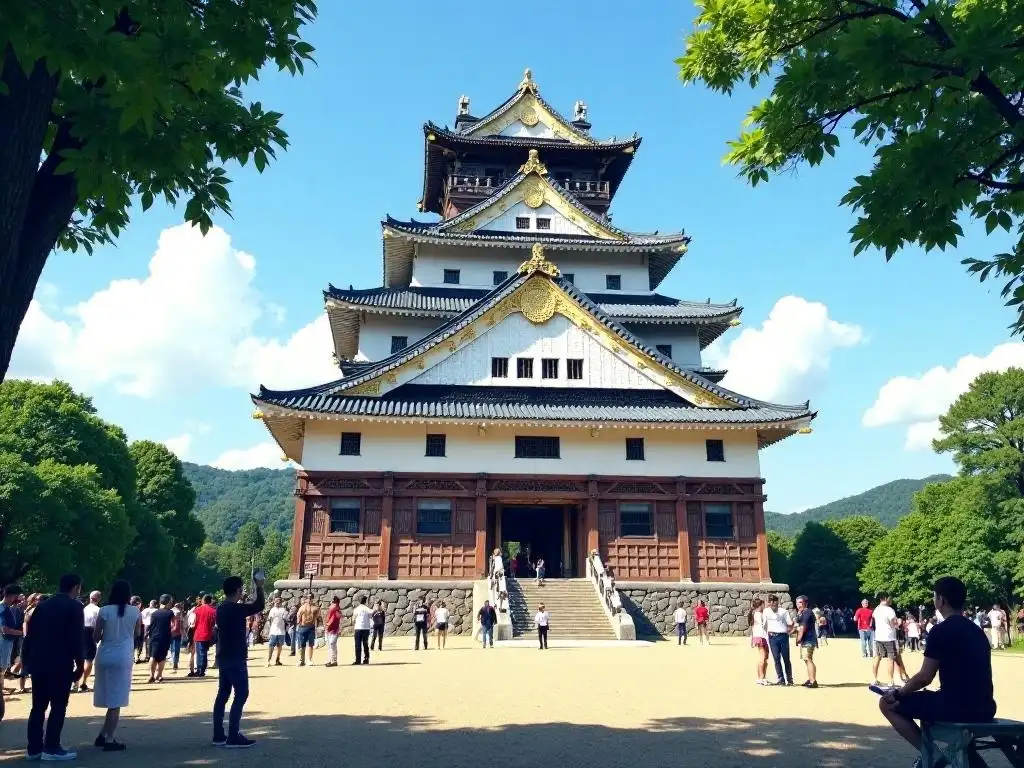
Exploring Japanese feudal castles museums offers a unique glimpse into the rich history and culture of Japan's feudal era. These museums house a variety of exhibits that reflect the artistry, craftsmanship, and societal structures of the time. Below, we delve into some key exhibits that visitors can expect to encounter.
Samurai Artifacts: A Window into the Warrior Class
Samurai artifacts are perhaps the most captivating elements found in Japanese feudal castles museums. These items not only showcase the intricate craftsmanship of the era but also provide insight into the lives of the samurai, the warrior class that dominated feudal Japan.
- Katana and Tanto: The iconic swords of the samurai, such as the katana and tanto, are often on display. The katana, known for its distinctive curved blade and exceptional sharpness, is a symbol of the samurai's honor and skill. Many museums feature these weapons alongside detailed descriptions of their production, including the traditional techniques used by skilled swordsmiths.
- Armor and Clothing: Samurai armor, or "yoroi," is another significant exhibit. Made from iron and leather, these armors were designed for both protection and mobility in battle. Visitors can observe the various styles and adaptations of armor across different periods, reflecting the evolution of warfare and societal changes.
- Family Crests (Kamon): Many artifacts are adorned with family crests that signify lineage and allegiance. These crests are not just decorative; they tell stories of loyalty and honor, providing a deeper understanding of the samurai's role in feudal society.
Samurai artifacts serve as a bridge between the past and present, allowing us to understand the complex social hierarchy of feudal Japan.
Traditional Japanese Crafts: Preserving Cultural Heritage
In addition to military exhibits, Japanese feudal castles museums often celebrate traditional crafts that have been passed down through generations. These crafts highlight the artistic expression and cultural values of the era.
- Pottery and Ceramics: Exhibits of traditional pottery, such as "Bizen" and "Shigaraki," showcase the unique styles and techniques developed during the feudal period. Each piece tells a story of its origin and use, reflecting the aesthetic preferences of the time.
- Textiles and Weaving: The art of textile production, including kimono weaving and dyeing techniques, is highlighted in many museums. Visitors can see firsthand the intricate patterns and designs that were significant in both everyday life and ceremonial occasions.
- Calligraphy and Ink Painting: Calligraphy, known as "shodo," and ink painting are also prominent in these museums. Exhibits often include brushes, ink stones, and scrolls that illustrate the philosophical and artistic ideals of the samurai class, emphasizing the importance of education and culture in their lives.
The Role of Armor and Weapons in Feudal Society
The role of armor and weapons extends beyond mere utility; they symbolize power, status, and the martial culture of feudal Japan. Understanding this context is essential for appreciating the exhibits found in Japanese feudal castles museums.
- Symbolism of Weapons: Each weapon carried a symbolic weight, representing not only physical power but also the moral code of the samurai. The choice of weaponry often indicated the social standing of the samurai and their clan affiliation, which can be explored through various exhibits.
- Evolution of Armor: The evolution of armor reflects changes in warfare tactics and technological advancements. Museums often feature timelines that illustrate how armor transformed from simple designs to more complex and protective gear, responding to the needs of the battlefield.
- Ceremonial Weapons: Some weapons were created for ceremonial purposes rather than combat. These beautifully crafted items, often inlaid with precious metals and stones, serve as a testament to the artistry of the period and are displayed prominently in museum collections.
Visiting Japanese feudal castles museums provides an enriching experience that highlights the multifaceted aspects of feudal society. From samurai artifacts to traditional crafts and the significance of armor and weapons, these exhibits serve as vital links to understanding Japan’s historical narrative and cultural heritage.
Visitor Tips for Exploring Japanese Feudal Castles Museums
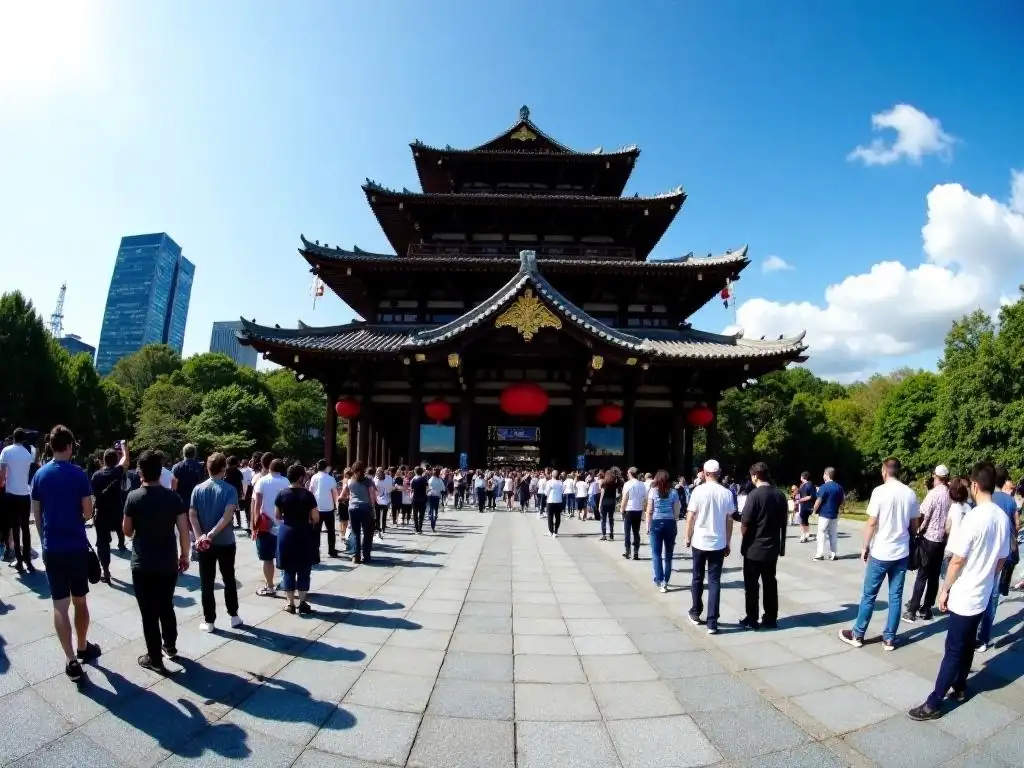
Exploring Japanese feudal castles museums offers a unique glimpse into the rich history and culture of Japan’s feudal era. To maximize your experience, consider the following tips that cater specifically to visitors interested in these historical treasures.
Best Times to Visit for Cultural Events and Exhibits
Timing your visit can greatly enhance your experience at feudal castles museums. Here are some optimal times to consider:
- Spring (March to May): This season is famous for cherry blossom festivals. Many castles host traditional events that celebrate the blooming of sakura. For instance, Himeji Castle often features cultural performances during this period.
- Summer (June to August): While it can be hot, summer festivals are vibrant at many castles. Look for events like Natsu Matsuri, which often includes traditional music, dance, and food stalls.
- Autumn (September to November): Autumn is another beautiful time, as the foliage changes colors. Many castles, such as Matsumoto Castle, hold special exhibits and guided tours that focus on the history of the castle and its role during the samurai period.
- Winter (December to February): While some castles may close or have limited hours, visiting during winter offers a quieter experience. Special light-up events around New Year’s can also be found at select locations, providing a magical atmosphere.
Essential Services and Amenities for Tourists
When visiting Japanese feudal castles museums, it's important to be aware of the essential services and amenities available to tourists:
- Visitor Centers: Most castles have visitor centers where you can get maps, brochures, and information about current exhibits. Staff members are often available to assist with inquiries.
- Rest Areas and Cafés: Many castles provide rest areas where you can relax. Cafés and restaurants are usually available, offering local delicacies that enhance your cultural experience.
- Gift Shops: Don’t miss the opportunity to purchase souvenirs! Gift shops typically feature traditional crafts, books, and replica items that reflect the castle’s history.
- Restroom Facilities: Clean and accessible restroom facilities are typically available at these sites, often located near the visitor centers and main exhibition areas.
- Accessibility Options: Many castles have made efforts to accommodate visitors with disabilities. Check the specific castle’s website for details on accessibility services, including ramps and guided tours tailored to those with mobility challenges.
Guided Tours vs. Self-Guided Exploration
Deciding between a guided tour and self-guided exploration can significantly impact your experience at Japanese feudal castles museums. Here’s a comparison to help you choose:
- Guided Tours:
- Benefits:
- Expert insights: Guides often provide in-depth historical context and fascinating stories that enrich your understanding.
- Structured experience: Guided tours follow set routes, ensuring you see key areas and exhibits.
- Group interaction: Engaging with other visitors during the tour can enhance the experience through shared insights.
- Considerations:
- Time constraints: Tours may be limited in duration, potentially pushing you to move at a faster pace than preferred.
- Availability: Popular tours may require advance booking, especially during peak seasons.
- Benefits:
- Self-Guided Exploration:
- Benefits:
- Flexibility: You can explore at your own pace, spending more time at exhibits that interest you.
- Personal discovery: This option allows for a more intimate experience, letting you delve into the aspects of the castle that captivate you the most.
- Opportunity for photography: Without a tour guide's schedule, you can capture the beauty of the castle and its surroundings without feeling rushed.
- Considerations:
- Limited context: Without a guide, you may miss out on deeper historical insights unless you prepare in advance with research.
- Navigation challenges: Some castles may have complex layouts, so having a map or guidebook is essential.
- Benefits:
Whether you opt for a guided tour or choose to explore on your own, each approach holds its advantages. Consider your interests and preferences to make the most of your visit to the fascinating world of Japanese feudal castles museums.
Conclusion: The Cultural Importance of Japanese Feudal Castles Museums
Japanese feudal castles stand as monumental testaments to the architectural ingenuity and historical significance of the feudal era. These structures not only served as defensive strongholds but also as cultural hubs where art, governance, and community converged. Today, many of these castles have been transformed into museums that offer insights into the rich tapestry of Japan's past. The preservation of these sites as museums is vital for both educational purposes and the promotion of cultural heritage.
The museums located within these castles often house artifacts, documents, and exhibitions that narrate the story of feudal Japan, from samurai culture to the daily lives of the common people. By visiting these locations, individuals gain a unique opportunity to immerse themselves in the history and traditions that shaped modern Japan. The blend of stunning architecture and rich historical context makes these museums indispensable for understanding the complexities of Japanese feudal society.
How Visiting Castles Enhances Understanding of Feudal Japan
Visiting Japanese feudal castles provides an experiential learning opportunity that transcends traditional education methods. Here are several ways in which castle visits enhance understanding:
- Immersive Experiences: Walking through the very halls where samurais once strategized or where local lords governed offers a visceral connection to history.
- Exhibits and Artifacts: Many castles feature extensive collections of artifacts such as armor, weapons, and everyday items that belonged to the samurai class, giving visitors tangible insights into their lives.
- Guided Tours and Workshops: Many museums offer guided tours that delve into the stories behind the castle's architecture and its inhabitants. Workshops, such as traditional crafts or martial arts, provide hands-on experiences that deepen understanding.
- Cultural Festivals: Some castles host seasonal festivals that celebrate traditional arts, music, and cuisine, allowing visitors to engage directly with Japan's rich cultural heritage.
By engaging with these elements, visitors not only learn about history but also appreciate the cultural significance of the castles as symbols of Japan's identity.
Encouraging Preservation of Cultural Heritage Through Tourism
Tourism plays a critical role in the preservation of Japanese feudal castles and their museums. Here are some key aspects of how tourism encourages preservation:
- Economic Support: Entrance fees and donations from visitors serve as vital funding for the maintenance and restoration of castles. This financial support ensures that these historical sites can be preserved for future generations.
- Awareness and Education: Increased foot traffic raises awareness about the importance of these cultural sites. Educational programs and outreach initiatives often accompany tourism, fostering a greater appreciation among the public for Japan's heritage.
- Community Involvement: Local communities often engage in tourism initiatives, creating a sense of ownership and responsibility towards their cultural landmarks. This involvement can lead to volunteer programs and local events that promote the castles as vital cultural centers.
- Global Recognition: The designation of certain castles as UNESCO World Heritage Sites has attracted international attention, highlighting the importance of these cultural treasures on a global scale. This recognition boosts tourism and encourages preservation efforts.
Japanese feudal castles museums serve as vital cultural centers that enhance understanding of feudal Japan while encouraging the preservation of its rich heritage through tourism. By visiting these sites, individuals contribute to a cycle of education, appreciation, and conservation that benefits both current and future generations.
Frequently Asked Questions
What are Japanese feudal castles known for?
Japanese feudal castles are renowned for their strategic architecture, historical significance, and their role as cultural symbols during the feudal era.
How do museums in Japanese castles enhance visitor experience?
Museums within Japanese castles provide interactive exhibits, artifacts, and educational programs that deepen understanding of Japan's feudal history and culture.
Are there any notable castle museums in Japan?
Yes, notable castle museums include Himeji Castle, Osaka Castle, and Nagoya Castle, each showcasing unique exhibits related to their historical context.
What can visitors learn from exhibits in feudal castles?
Visitors can learn about samurai culture, architecture, and the political dynamics of the feudal era through various artifacts and interpretive displays.
How do feudal castles contribute to understanding Japanese culture?
Feudal castles serve as cultural centers that reflect Japan's historical narrative, architectural innovation, and the societal structure of the time, enriching cultural appreciation.
Final Reflection: The Enduring Legacy of Japanese Feudal Castles
The exploration of Japanese feudal castles as cultural centers is not just a journey into the past; it is a vital connection to our present and future. These magnificent structures, once symbols of power and protection, now serve as museums and exhibits that preserve history, art, and tradition for generations to come. The significance of these castles transcends their architectural beauty, reminding us of the rich tapestry of culture that shapes our identity today.
The influence of Japanese feudal castles on our cultural landscape is profound, as they embody the spirit of resilience and creativity that defines Japan. These castles are more than mere relics; they are living museums that foster a deeper understanding of our heritage. As we walk through their halls, we are reminded of the words of historian John Keats: A thing of beauty is a joy forever.
This joy manifests in the stories told through exhibits, the art displayed, and the traditions preserved, allowing us to appreciate the intricate connections between the past and the present.
As we reflect on the lessons offered by these historical treasures, I invite you to take action in your own life. Visit a local museum, engage with history, and embrace the cultural narratives that shape your community. By doing so, you not only honor the legacy of Japanese feudal castles but also contribute to the ongoing dialogue about culture and identity. Let us celebrate our shared history and ensure that these stories continue to inspire future generations.
**Uncover the Splendor of Feudal Castles Today! **
Thank you for diving into the fascinating world of feudal castles with us! We hope you have gained rich insights into their role as vibrant cultural centers. Now, it’s time to bring that passion to life through action!
Here’s how you can further your exploration:
- Visit a local museum dedicated to feudal history to see artifacts firsthand and connect more deeply with the past.
- Share your favorite discoveries from this article on social media to inspire friends and family to learn more about the history of feudal Japan.
- Join a community group or online forum focused on Japanese history to engage in discussions and exchange insights with fellow enthusiasts.
What aspect of feudal castles sparks your curiosity the most, and how will you explore it next?