
The Historical Significance of Each Region's Feudal Castles in Japan


Welcome to Feudal Japan History! Prepare to embark on a captivating journey through the intricate tapestry of Japan's feudal era, where towering castles stand as silent witnesses to a rich history filled with intrigue, valor, and artistry. In our featured article, "The Historical Significance of Each Region's Feudal Castles in Japan," we unravel the mysteries behind these majestic structures, revealing their pivotal roles in shaping not only the landscape but also the culture and society of their time.
Why did these fortresses hold such immense power? Dive deeper with us to uncover the fascinating stories that lie within their ancient walls—and let the adventure begin!
Introduction to Japan's Feudal Castles Significance
The feudal era of Japan, spanning from the 12th to the 19th century, was characterized by a complex social hierarchy, military governance, and significant cultural development. Central to this period were the feudal castles, monumental structures that served not only as military fortresses but also as symbols of power and authority. These castles are a testament to Japan's rich history, reflecting the architectural ingenuity and strategic mindset of their time.
Understanding the significance of these castles is essential for grasping how they shaped regional identities and societal structures throughout Japan. This article delves into the historical importance of each region's feudal castles, exploring their roles in society, culture, and governance, while highlighting the unique characteristics that define them.
The Role of Feudal Castles in Japanese Society
Feudal castles were multifaceted in their roles within Japanese society. They were not merely military installations; they also functioned as administrative centers, cultural hubs, and symbols of regional power. The significance of these castles can be understood through their dual functions: as military strongholds and as centers of governance.
The Function of Castles as Military Strongholds
The primary function of feudal castles was to serve as military bastions. Strategically located on elevated terrain or near vital resources, these castles were designed to withstand sieges and provide protection for the samurai class and their retainers. Key features that contributed to their military significance included:
- Thick stone walls: Constructed to repel attacks, these walls were often complemented by moats, which added an additional layer of defense.
- Watchtowers: These structures allowed for surveillance over the surrounding area, providing early warning of approaching enemies.
- Stockpiles of weapons and provisions: Castles were equipped with armories and storage areas to ensure that defenders could withstand prolonged sieges.
These military fortifications were crucial in maintaining power and control over territories, enabling local lords to defend their domains against rivals and assert their authority.
Castles as Centers of Power and Governance
Beyond their military roles, feudal castles were also pivotal as centers of governance. They served as the administrative heart of the region, where local lords exercised their authority and managed their lands. The significance of castles in governance can be seen through various aspects:
- Administrative functions: Castles housed offices where officials managed taxation, land disputes, and legal matters, ensuring the smooth operation of the feudal system.
- Cultural and social hubs: Many castles hosted festivals, ceremonies, and gatherings that reinforced social hierarchies and cultural practices, fostering loyalty among vassals and the local populace.
- Political symbols: The grandeur and strategic prominence of a castle often reflected the power and prestige of the ruling family, acting as a visual embodiment of their influence in the region.
In essence, the feudal castles of Japan were not only defensive structures; they were integral to the very fabric of society, shaping relationships among the samurai, peasants, and the ruling elite. Their historical significance extends beyond mere architecture, offering insight into the societal dynamics of feudal Japan.
Regional Explorations of Feudal Castles in Japan
Japan's feudal castles are not just architectural marvels; they are also repositories of the rich history and culture of the regions they inhabit. Each castle tells a story of power, conflict, and the everyday life of samurai and their clans. By exploring these castles region by region, we gain insight into the unique significance of each location during the feudal era.
The Kanto Region: Tokyo and Surroundings
The Kanto region, particularly with Tokyo as its centerpiece, is steeped in the historical significance of feudal castles. Edo Castle, now the Imperial Palace, served as the residence of the Tokugawa shogunate and is a prime example of the political power concentrated in this area. With its impressive moats and stone walls, Edo Castle symbolizes the strength of the samurai class.
Other notable castles in Kanto include Kamakura's Hōkoku-ji, known for its serene bamboo garden and the remnants of the Kamakura shogunate, emphasizing the cultural fusion of military and spiritual life. Additionally, Kawagoe Castle reflects the Edo period's merchant culture, showcasing how castles adapted to the changing societal structures.
The Kansai Region: The Heart of Feudal Japan
Kansai is often hailed as the heart of feudal Japan, with castles like Osaka Castle and Himeji Castle standing as testaments to the region's historical importance. Osaka Castle, with its imposing structure and strategic location, was central to the unification efforts of Toyotomi Hideyoshi in the late 16th century. Its transformation from a military stronghold to a cultural symbol illustrates the evolution of Japanese society.
Himeji Castle, often referred to as the "White Heron Castle," is a UNESCO World Heritage Site and epitomizes the zenith of Japanese castle architecture. Its intricate design and well-preserved state make it a crucial study for understanding the aesthetics and military functionality of feudal castles. The Kansai region, rich in cultural heritage, offers a glimpse into the power struggles and alliances that shaped Japan's history.
The Chubu Region: Central Japan's Historical Gems
The Chubu region, nestled in the heart of Honshu, is home to several historically significant castles, including Nagoya Castle and Inuyama Castle. Nagoya Castle, with its unique golden shachihoko (a mythical creature), not only served a defensive purpose but also represented the wealth and power of the Owari Province.
Inuyama Castle, one of Japan's oldest wooden castles, provides insights into the architectural styles of the time and the daily lives of samurai families. The region's castles often reflect the feudal lords' strategies and the evolving landscape of power dynamics, making Chubu a vital area for historical exploration.
The Tohoku Region: Resilience and Tradition
Tohoku's feudal castles are characterized by their resilience against both natural disasters and historical conflicts. Matsumae Castle, located in Hokkaido, represents the northernmost reach of feudal power, while Aizu-Wakamatsu Castle symbolizes the fierce spirit of the samurai during the Boshin War.
These castles, often constructed in rugged terrains, reflect the adaptability and strategic thinking of their builders. The region's castles are not only historical sites but also cultural symbols of the samurai spirit, showcasing the traditions that endure despite the passage of time.
The Kyushu Region: The Southern Stronghold
Kyushu is marked by its unique blend of cultural influences, with castles like Kumamoto Castle and Nagasaki's Glover Garden illustrating the region's historical significance. Kumamoto Castle, known for its impressive stone walls and defensive architecture, played a crucial role in the conflicts of the Satsuma Rebellion and exemplifies the military ingenuity of its time.
Nagasaki, while primarily known for its foreign trade history, also features Nagasaki Castle, which served as a point of cultural exchange and conflict. The castles of Kyushu reveal the region's role as a southern stronghold, reflecting the diverse influences that shaped its feudal history.
Preservation and Restoration of Japan's Feudal Castles
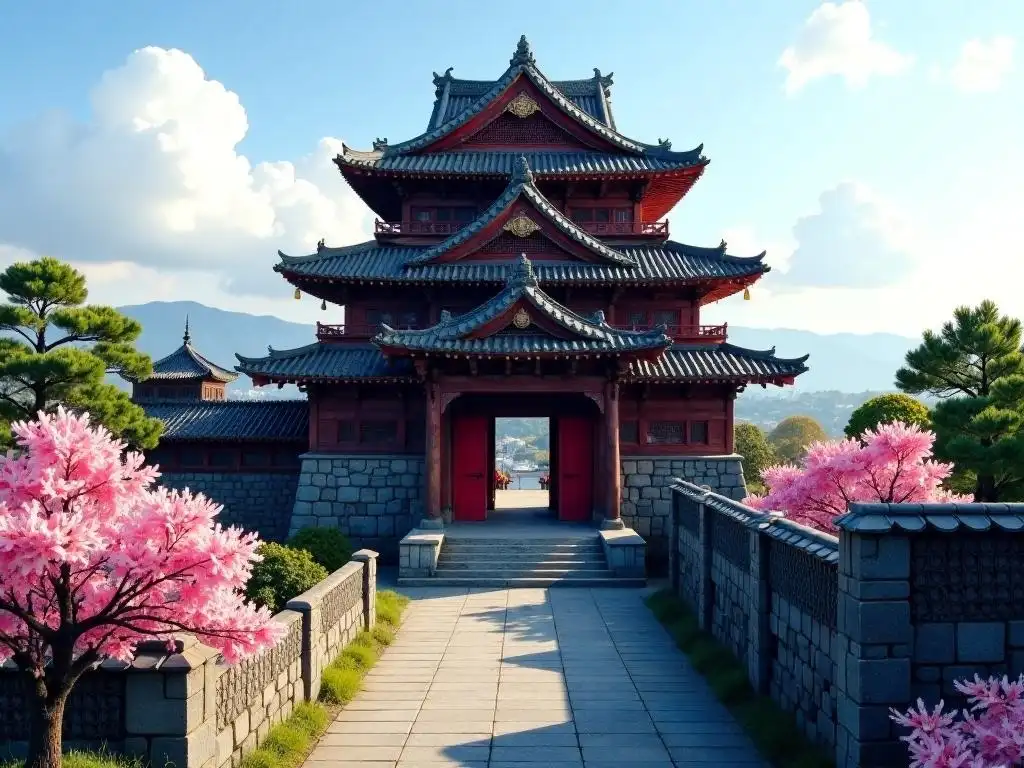
The preservation and restoration of Japan's feudal castles are critical for maintaining the cultural heritage and historical significance of these sites. As many castles face the ravages of time, nature, and urban development, concerted efforts are underway to protect these invaluable structures for future generations.
Challenges in Maintaining Historical Structures
Maintaining historical structures like Japan's feudal castles presents a myriad of challenges. Natural disasters, such as earthquakes and typhoons, pose significant threats to the integrity of these ancient buildings. Furthermore, the financial burden of restoration and preservation can be immense, often requiring substantial government and community support.
The balance between preserving authenticity and accommodating modern safety standards is another complex issue. Restoration projects must ensure that the original architectural features are preserved while implementing necessary reinforcements to protect against natural elements.
Successful Restoration Projects
Despite the challenges, there have been numerous successful restoration projects across Japan. A prime example is the restoration of Kumamoto Castle, which is undergoing extensive repairs following the 2016 earthquake. The project emphasizes historical accuracy and community involvement, showcasing a modern approach to preserving heritage.
Similarly, Himeji Castle was meticulously restored in the early 2000s, ensuring that its beauty and historical significance remain intact. These successful projects highlight the collaboration between government, local communities, and preservation experts, underscoring the commitment to safeguarding Japan's feudal castles for future generations.
Visiting Japan's Feudal Castles Today
Visiting Japan's feudal castles today offers a unique opportunity to step back in time and immerse oneself in the rich history and culture of the samurai era. These castles, many of which have been meticulously preserved or restored, serve as a testament to Japan's architectural ingenuity and strategic military prowess. Each castle stands as a cultural monument, reflecting the local history, artistry, and societal values of the time.
When exploring these historical sites, visitors can appreciate the intricate designs and fortifications that characterized feudal architecture. Many castles are surrounded by beautiful gardens and moats, adding to their scenic charm. Notable examples include Himeji Castle, a UNESCO World Heritage Site renowned for its stunning white facade and complex defensive systems, and Matsumoto Castle, famous for its picturesque black exterior and historical significance.
While some castles have been transformed into museums showcasing artifacts from the feudal period, others still retain their original function or are used for cultural events. This blend of history and modern-day usage allows travelers to experience the living legacy of Japan’s feudal past.
Tips for Travelers: Maximizing Your Castle Visits
To make the most of your visits to Japan's feudal castles, consider the following tips:
- Research Ahead: Familiarize yourself with the historical significance of each castle and its unique features. Websites, guidebooks, and documentaries can provide valuable insights.
- Plan Your Itinerary: Japan boasts numerous castles across its regions. Prioritize which ones to visit based on your interests, geographic location, and available time.
- Timing Matters: Visit during off-peak seasons (spring and autumn) to avoid large crowds. Early mornings or late afternoons can also offer a quieter experience.
- Guided Tours: Consider joining guided tours for in-depth knowledge from local experts. Many castles offer English-speaking guides who can provide valuable background and stories.
- Photography: Capture the beauty of these castles by taking photos at different times of the day. Early morning and sunset often provide the best lighting.
- Local Cuisine: Make sure to indulge in the local food offerings near the castles. Many regions have unique dishes that reflect their history and culture.
- Respect the Site: Follow the guidelines set by each castle to preserve their integrity. This includes respecting restricted areas and maintaining cleanliness.
Recommended Feudal Castle Tours in Japan
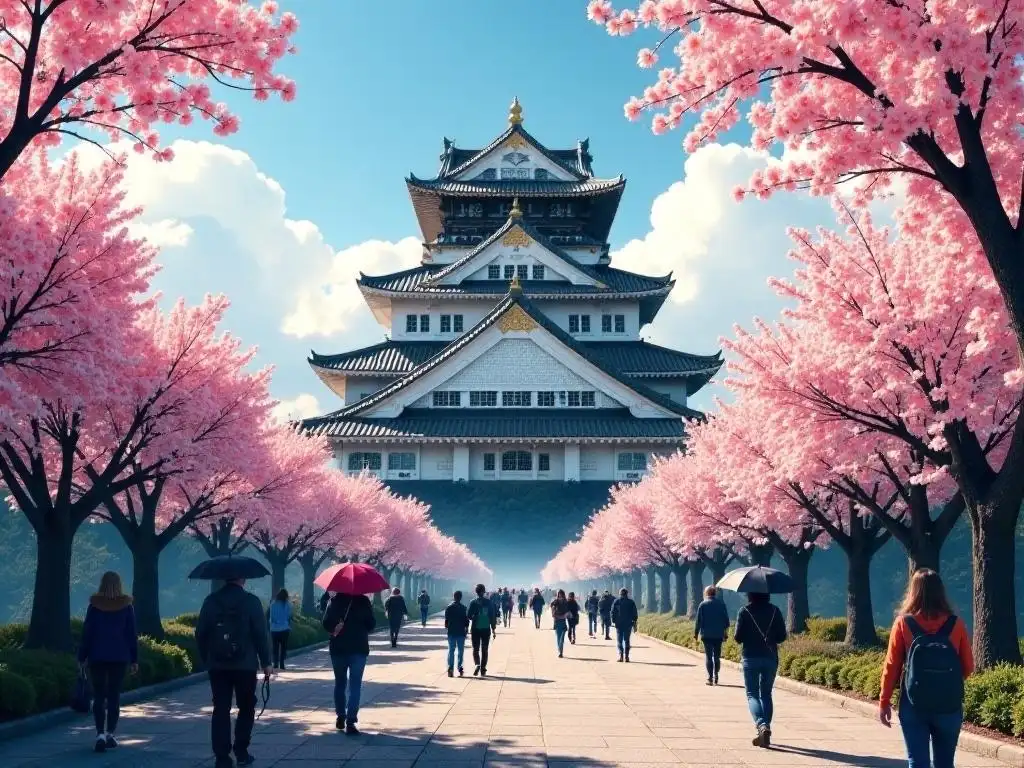
Exploring Japan's feudal castles is made easier through organized tours that highlight the significance and beauty of these historical sites. Here are a few recommended tours:
- Himeji Castle and Kobe Tour: This full-day tour typically includes a visit to Himeji Castle, followed by a trip to the nearby city of Kobe, known for its delicious beef and vibrant waterfront.
- Matsumoto Castle and Alpine Route: A tour that combines a visit to the iconic Matsumoto Castle with a scenic journey through the Japanese Alps, showcasing stunning landscapes along the way.
- Osaka Castle and Nara Day Trip: This tour explores Osaka Castle's impressive structure and history, coupled with a visit to Nara, where you can see Todaiji Temple and interact with free-roaming deer.
- Kanazawa Castle and Kenrokuen Garden: This tour offers a glimpse into Kanazawa's rich history, including its beautifully maintained castle and the adjacent Kenrokuen Garden, regarded as one of Japan's most beautiful gardens.
- The Samurai Castle Circuit: A multi-day tour that covers several significant castles across different regions, allowing travelers to experience the diversity of feudal architecture and culture.
Conclusion: The Enduring Legacy of Japan's Feudal Castles
The enduring legacy of Japan's feudal castles is a reflection of the country’s rich history and cultural evolution. These monumental structures represent not only the military strength and political power of their time but also the artistic and architectural achievements of Japanese society.
As modern travelers explore these historic sites, they are reminded of the intricate tapestry of Japan's past, where the samurai's code of honor and the aesthetics of zen gardens intersected. Each castle tells its own story, providing insights into the regional histories and cultural practices that shaped Japan over centuries.
Visiting these castles is not merely an exploration of stone fortresses but a journey into the heart of Japan's feudal era, where visitors can appreciate the intricate interplay of history, culture, and architecture. Thus, Japan's feudal castles continue to inspire and educate, ensuring that their significance endures for generations to come.
Call to Action
As we conclude our exploration of the historical significance of Japan's feudal castles, we invite you to take the next step in your journey through this captivating era. Whether you are a history enthusiast, a cultural explorer, or simply someone looking for unique travel experiences, visiting these remarkable castles offers a profound connection to Japan's rich heritage.
Explore the Castles
- Plan Your Visit: Research the various regions highlighted in this article, and create a travel itinerary that includes must-see castles like Himeji, Matsumoto, and Kumamoto. Each castle has its unique story and architectural beauty that deserves to be experienced firsthand.
- Join Guided Tours: Consider joining guided tours that focus on the history and cultural significance of these castles. Knowledgeable guides can enrich your visit with fascinating anecdotes and insider perspectives.
Engage with the Community
- Share Your Experiences: If you have visited any of these feudal castles, share your experiences and insights with fellow travelers. Engaging in community discussions can provide valuable tips and inspire others to explore Japan's historical sites.
- Stay Updated: Follow local tourism boards and cultural organizations to stay informed about events, exhibitions, and restoration projects related to feudal castles. Participating in these activities can deepen your understanding and appreciation of Japan's feudal history.
Support Preservation Efforts
- Contribute to Preservation: Consider supporting organizations dedicated to preserving Japan's feudal heritage. Your contributions can help maintain these iconic structures for future generations to enjoy.
- Advocate for Cultural Awareness: Promote awareness about the historical significance of feudal castles in Japan. Sharing articles, photos, and stories on social media can help foster a greater appreciation for these cultural treasures.
By immersing yourself in the history and beauty of Japan's feudal castles, you not only enrich your own life but also play a part in preserving a vital aspect of Japan's cultural legacy. Start planning your adventure today! 🏯✨
- Introduction to Japan's Feudal Castles Significance
- The Role of Feudal Castles in Japanese Society
- Regional Explorations of Feudal Castles in Japan
- Preservation and Restoration of Japan's Feudal Castles
- Visiting Japan's Feudal Castles Today
- Tips for Travelers: Maximizing Your Castle Visits
- Recommended Feudal Castle Tours in Japan
- Conclusion: The Enduring Legacy of Japan's Feudal Castles
- Call to Action
- What were the primary functions of feudal castles in Japan?
- How did feudal castles influence Japanese society?
- What architectural features are typical of Japanese feudal castles?
- How do feudal castles reflect regional differences in Japan?
- Why is understanding the significance of feudal castles important today?
Frequently Asked Questions
What were the primary functions of feudal castles in Japan?
Feudal castles served as military strongholds and administrative centers, protecting lords and their territories while also providing a base for governance and local control.
How did feudal castles influence Japanese society?
These castles were symbols of power and authority, shaping social hierarchies and affecting local economies through trade and resource distribution.
What architectural features are typical of Japanese feudal castles?
Japanese feudal castles are known for their multi-storied towers, moats, and wooden structures, designed for both defense and aesthetics, reflecting the cultural values of the time.
How do feudal castles reflect regional differences in Japan?
Each region's castles exhibit distinct architectural styles and features, influenced by local resources, climate, and historical events, showcasing the diversity of Japan's feudal landscape.
Why is understanding the significance of feudal castles important today?
Studying these castles helps us appreciate their historical relevance and cultural heritage, offering insights into Japan's feudal past, societal structures, and the evolution of modern Japan.
Final Reflection: The Enduring Legacy of Japan's Feudal Castles
The exploration of Japan's feudal castles and their historical significance reveals a tapestry of culture, power, and architectural ingenuity that continues to resonate in contemporary society. These structures are not merely remnants of a bygone era; they symbolize the intricate social hierarchies and the tumultuous history of Japan. As we delve into their stories, we uncover a profound connection to the values and traditions that shape modern Japanese identity.
Castles like Himeji and Matsumoto are more than just tourist attractions; they are cultural touchstones that remind us of the resilience and artistry of the past. Castles are not just stones and walls; they are the embodiment of the spirit of a nation.
This ongoing influence of feudal castles on Japan's cultural landscape serves as a reminder of the importance of preserving our heritage. They inspire a sense of pride and continuity, highlighting how history can inform our present and future.
As we reflect on the significance of these castles, I invite you to consider how the lessons of history can be applied to your own life. What stories do you carry from your past that shape who you are today? Embrace the complexity of your heritage and recognize the strength found in understanding where you come from. Let the legacy of Japan's feudal castles inspire you to build your own foundations—strong, resilient, and reflective of the values that matter most to you.
Unveil the Secrets of Japan’s Feudal Castles!
Thank you for taking the time to explore the historical significance of Japan's feudal castles. Your curiosity about these architectural wonders not only enriches your knowledge but also honors the legacies they represent. Now, it’s time to take the next step in your journey!
- Dive deeper: Visit dedicated websites to discover detailed stories and unique facts about specific castles across Japan.
- Share your discoveries: Engage your friends by sharing fascinating histories of your favorite castles on social media and spark a conversation about their significance!
- Join our community: Consider subscribing to our newsletter for exclusive insights and updates about upcoming events related to feudal Japan.
What aspect of Japan's feudal castles intrigues you the most, and how do you think their history influences modern Japan?