
The Role of Feudal Castles in Samurai Culture and Warfare


Welcome to Feudal Japan History, where the echoes of the past beckon you to uncover the rich tapestry of Japan’s feudal era. In this captivating journey, we delve into the role of feudal castles in Samurai culture and warfare, revealing how these formidable structures shaped the lives of warriors and the course of history. What secrets lie within these ancient walls?
Join us as we explore the intricate interplay of power, architecture, and tradition that defined a pivotal era in Japan. Prepare to be inspired and intrigued as you navigate through our expert-driven articles, inviting you to discover the allure of a time long past.
Feudal castles stand as monumental testaments to Japan's rich history, especially during the era of the samurai. These formidable structures not only served as military fortifications but also as symbols of power, culture, and societal structure within feudal Japan. The intricate relationship between feudal castles and samurai culture is a fascinating subject that encompasses historical, architectural, and social dimensions. In this exploration, we will delve into the significance of these castles, their evolution, and the pivotal roles they played in the lives of the samurai, shedding light on how they shaped both warfare and society during this tumultuous period.
Introduction to Feudal Castles in Samurai Culture
Feudal castles, or shiro, were integral to the governance and military strategies of the samurai class. These structures were not merely defensive strongholds; they represented the might of feudal lords and served as administrative centers where local governance occurred. The architectural design of these castles evolved to meet the challenges of warfare while reflecting the cultural values of the era. Often situated on elevated ground or surrounded by moats, these castles were strategically designed to enhance security and demonstrate the power of the ruling samurai.
The samurai, a warrior class renowned for their code of honor and martial prowess, found their identity intricately linked to these castles. The bushi, or warriors, were not only defenders of their lord's territory but also custodians of the cultural heritage that these castles embodied. From elaborate ceremonies held within their walls to the strategic planning of military campaigns, feudal castles served as the backdrop for the unfolding drama of samurai life.
Historical Context of Feudal Castles in Japan
To fully appreciate the role of feudal castles in samurai culture, it is essential to understand the historical backdrop against which they emerged. The development of these fortifications cannot be separated from the rise of the samurai class and the socio-political dynamics of the time.
The Rise of the Samurai Class
The samurai class originated in the Heian period (794-1185) but gained prominence during the Kamakura period (1185-1333). As Japan transitioned from a system of imperial rule to a feudal structure, the samurai became the de facto military and political leaders. Their rise was marked by the need for protection and governance in a fragmented landscape characterized by constant warring states.
The establishment of shogunates created a hierarchical society where samurai served as vassals to powerful lords or daimyō. In exchange for loyalty and military service, samurai were granted land and the right to collect taxes, solidifying their status and influence. This new social order necessitated the construction of fortified castles as centers of power, where samurai could live, train, and strategize.
Evolution of Feudal Castles
As the samurai class solidified its power, the design and function of feudal castles underwent significant evolution. Initially, simple wooden structures served as basic fortifications. However, as warfare became more sophisticated, so too did castle architecture.
By the Muromachi period (1336-1573), castles began to feature stone foundations, multiple tiers, and intricate defensive mechanisms. This evolution was not merely practical; it also reflected the cultural aspirations of the samurai. Castles became symbols of prestige, adorned with beautiful gardens and elaborate interiors, showcasing the artistry and craftsmanship of the time.
The iconic Himeji Castle, for instance, exemplifies this transformation. Known for its stunning white facade and complex defensive systems, it represents the pinnacle of feudal castle architecture and serves as a reminder of the samurai's enduring legacy in Japanese culture.
The role of feudal castles in samurai culture and warfare is a multifaceted narrative that intertwines history, architecture, and societal values. As we continue this exploration, we will delve deeper into specific castles, their historical significance, and the cultural practices that flourished within their walls.
Architectural Features of Feudal Castles
Feudal castles in Japan, known as shiro, were not merely fortifications; they were intricate structures that reflected the power and sophistication of the samurai class. At their core, these castles served both defensive and residential purposes, embodying a blend of aesthetics and functionality. The architectural style of feudal castles evolved throughout the centuries, influenced by various factors such as geography, technology, and cultural shifts.
One prominent feature of these castles is the tenshu, or main keep, which often towered above the surrounding structures. The tenshu was typically built on elevated ground, providing a strategic vantage point. Many castles, like Himeji Castle, exhibit a multi-tiered design, featuring elegant roofs that curve upward at the edges, a distinct characteristic of Japanese architecture. The white plaster walls, adorned with intricate decorations, not only served to intimidate potential attackers but also reflected the castle's owner's wealth and status.
Additionally, the use of moats and stone walls played a crucial role in the architecture of feudal castles. Moats not only enhanced the aesthetic appeal but also acted as barriers against invaders, while the stone walls provided structural integrity and protection. The layout of these castles often included multiple gates, inner and outer baileys, and strategically placed watchtowers, demonstrating a thorough understanding of military architecture.
Defensive Structures in Samurai Castles
The primary function of feudal castles was defense, and as such, they were equipped with advanced defensive structures. One of the most notable features was the yagura, or watchtower, which allowed for surveillance of the surrounding area. These towers were strategically located to provide maximum visibility and were often constructed with thick wooden beams and walls to withstand attacks.
Another key defensive element was the hirajiro or flatland castle, which utilized natural terrain to enhance its defense. These castles were often surrounded by steep hills or cliffs, making them difficult to assault. Furthermore, many samurai castles featured kuruwa, or enclosed areas, within the walls, which served as additional layers of defense and often housed troops and supplies.
In cases of siege, castles were designed with trapdoors and hidden passages that facilitated quick escapes or surprise counterattacks. The incorporation of arrow slits in walls allowed defenders to shoot at enemies while remaining protected. These innovative defensive structures reflect the samurai's strategic mindset in warfare, emphasizing not just brute strength but also cunning and tactical advantage.
Cultural Significance of Castle Designs
The design of feudal castles transcended mere functionality; it was deeply intertwined with the cultural and social values of the samurai. The aesthetic choices made in the construction of these castles often mirrored the ideals of the samurai code, bushido, which emphasized honor, loyalty, and the beauty of simplicity.
Many castles were adorned with symbolic motifs, such as family crests (mon) and representations of nature, which conveyed the owner's lineage and status. The use of natural materials, like wood and stone, not only blended the castles into their environments but also signified a harmony with nature, a key principle in Japanese aesthetics.
Moreover, the layout of the castle grounds often included gardens and tea houses, which represented the importance of peace and tranquility in samurai culture. These spaces allowed samurai to engage in the arts and reflect on their lives amidst the chaos of warfare, emphasizing the duality of their existence as both warriors and cultured individuals.
The Role of Castles in Samurai Warfare
Feudal castles played a pivotal role in the dynamics of samurai warfare, serving as both military strongholds and symbols of power. Their strategic locations and architectural designs were instrumental in shaping the outcomes of numerous conflicts during Japan's feudal era.
Strategic Importance of Castles in Military Campaigns
The strategic placement of castles was crucial for controlling territories and managing military campaigns. Many castles were built on elevated terrain or near vital resources, such as rivers or trade routes, allowing samurai clans to monitor and secure their domains effectively. This positioning provided a significant tactical advantage, as defenders could easily repel attackers while maintaining supply lines.
Moreover, castles served as command centers during warfare. They housed not only troops but also essential resources, such as weapons and provisions. During military campaigns, castles acted as bases for launching offensives or retreating to safety, showcasing their dual role in both defense and aggression. The ability to fortify positions in enemy territory also significantly influenced the strategies employed by samurai leaders.
Notable Samurai and Their Castles
Throughout history, several notable samurai and their castles have become emblematic of the feudal era. One of the most famous is Oda Nobunaga, who established Azuchi Castle in the late 16th century. This castle not only represented his military power but also introduced innovative architectural styles that influenced subsequent castle designs.
Another significant figure is Toyotomi Hideyoshi, known for his construction of Osaka Castle, which became a symbol of his unification of Japan. The castle's grandeur and defensive capabilities played a crucial role during the Siege of Osaka, showcasing the strategic importance of castles in samurai warfare.
Lastly, Tokugawa Ieyasu's Nikko Toshogu Shrine, while not a traditional castle, served as a mausoleum and symbol of power, reflecting the enduring legacy of samurai culture. These historical figures and their respective castles illustrate the intricate relationship between samurai, warfare, and the architectural marvels of feudal Japan.
Feudal Castles as Cultural Hubs
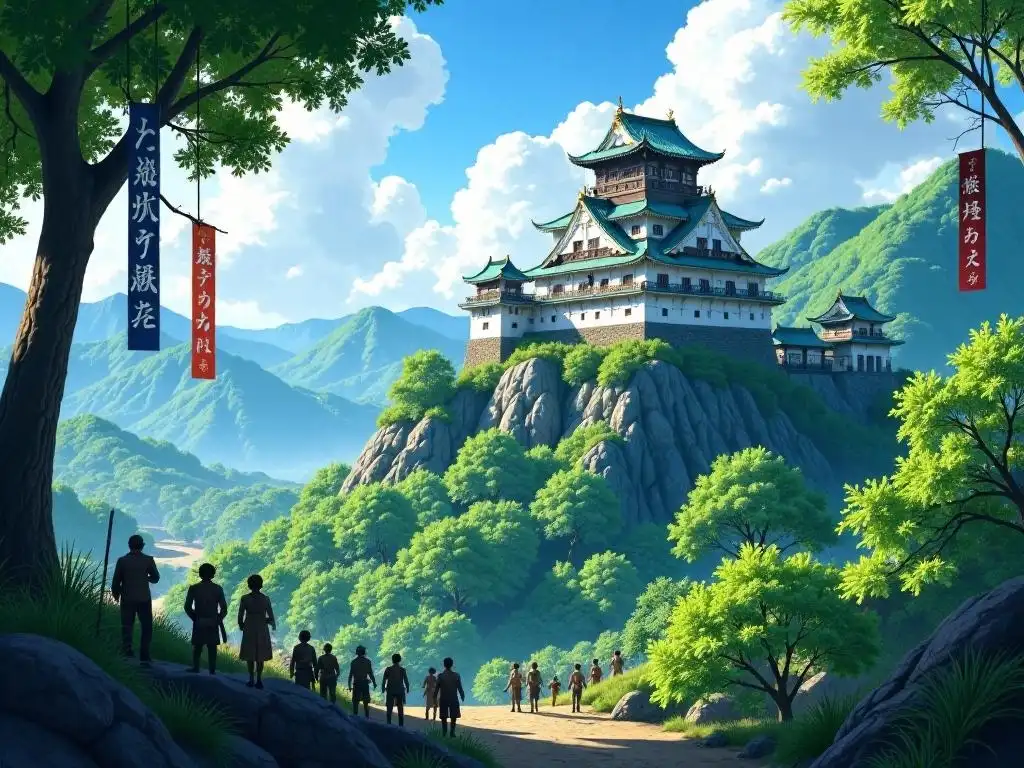
Feudal castles were not merely military fortifications; they served as vibrant cultural centers during Japan's feudal era. These architectural marvels were often the heart of samurai culture, blending functionality with artistry. Castles were designed not only for defense but also to showcase the power and prestige of the ruling samurai clans. The intricate designs and elaborate gardens often reflected the aesthetic values of the time, integrating natural beauty with human craftsmanship.
Within their walls, castles hosted various cultural activities, including tea ceremonies, poetry readings, and martial arts training. These gatherings were not only opportunities for leisure but also essential for the cultivation of relationships among the samurai elite. The castles became the backdrop for the promotion of arts such as calligraphy, ceramics, and painting, which flourished under the patronage of samurai lords. Thus, feudal castles played a crucial role in preserving and promoting the cultural heritage of Japan.
Social and Political Life within Castle Walls
The social and political life within feudal castles was complex and hierarchical, reflecting the broader social structure of samurai society. At the center of this life was the daimyo, or lord, whose authority dictated the interactions and governance within the castle. His retainers, samurai, and their families formed a close-knit community, where loyalty and honor were paramount virtues.
Within the castle walls, various administrative functions took place. Councils would convene to discuss matters of governance, military strategy, and local affairs. The castle served as a refuge during conflicts, where samurai could strategize and regroup. Furthermore, the presence of artisans, merchants, and farmers around the castle ensured a thriving economy, supporting the samurai's military endeavors and daily life.
The social gatherings held in castles, from banquets to martial arts demonstrations, fostered camaraderie and reinforced loyalty among the samurai. These events were vital for maintaining the social fabric and political alliances essential for stability in a period marked by constant warfare and shifting allegiances.
Preservation of Samurai Culture through Castles
Feudal castles acted as custodians of samurai culture, preserving its values, traditions, and practices. The architecture of these castles often embodied the principles of bushido, the samurai code of conduct, emphasizing honor, loyalty, and discipline. The physical structure of the castles, with their imposing walls and strategic layouts, mirrored the samurai's commitment to protection and duty.
Moreover, the castles were instrumental in the transmission of cultural knowledge. Many castles housed schools where young samurai were trained in martial skills, philosophy, and governance. This education was crucial for the development of future leaders who would uphold the samurai ideals.
The rituals and ceremonies conducted within these castles, such as the tea ceremony and martial arts exhibitions, were not only artistic expressions but also vehicles for reinforcing samurai values across generations. As a result, feudal castles became lasting symbols of samurai identity, influencing Japanese culture long after the feudal era had ended.
Visiting Historic Feudal Castles Today
As Japan embraces its rich history, many feudal castles have been preserved or restored, offering visitors a glimpse into the past. These historic sites are not only architectural wonders but also cultural treasures that tell the story of the samurai and their way of life. Exploring these castles provides valuable insights into Japan's feudal era, architecture, and societal structure.
Top Feudal Castles to Explore in Japan
Several castles stand out as must-visit locations for those interested in samurai culture:
- Himeji Castle: Recognized as a UNESCO World Heritage Site, Himeji Castle is famous for its stunning white exterior and intricate defensive design. It remains one of the best-preserved castles in Japan.
- Matsumoto Castle: Known as the "Crow Castle" due to its black exterior, Matsumoto Castle offers a unique blend of historical architecture and scenic surroundings, with the Japanese Alps in the backdrop.
- Nijo Castle: Located in Kyoto, Nijo Castle is notable for its beautiful gardens and historical significance as the residence of the Tokugawa shoguns. Its architecture reflects both defense and aesthetic beauty.
- Kumamoto Castle: Famous for its impressive stone walls and unique design, Kumamoto Castle is a prime example of samurai fortification, despite suffering damage in recent earthquakes.
- Nagoya Castle: With its iconic golden shachihoko (mythical tiger-headed carp) ornaments, Nagoya Castle showcases the grandeur of samurai architecture and serves as a museum for samurai artifacts.
Travel Tips for Exploring Feudal Castles
When visiting feudal castles, consider the following tips to enhance your experience:
- Plan Ahead: Research the opening hours and any special events or exhibitions taking place. Some castles may offer guided tours that provide deeper insights into their history.
- Dress Comfortably: Prepare for a lot of walking, as many castles are set in expansive grounds. Comfortable shoes are essential for exploring the castle grounds and climbing steep staircases.
- Respect the Heritage: Be mindful of the cultural significance of these sites. Follow guidelines, refrain from touching artifacts, and observe designated areas to preserve the integrity of the castles.
- Engage with Locals: If possible, interact with local historians or guides who can share fascinating stories and insights about the castles and their connection to samurai culture.
- Capture the Moment: Bring your camera to document the stunning architecture and landscapes. The castles often have beautiful gardens and scenic views, perfect for photographs.
Exploring historic feudal castles not only provides an enriching experience but also a deeper understanding of the samurai's legacy in Japan.
Conclusion: The Enduring Legacy of Feudal Castles in Samurai Culture
The feudal castles of Japan, known as shiro, stand as monumental testaments to the intricate tapestry of samurai culture and warfare. These formidable structures were not merely military fortifications; they represented the political power and social hierarchy of the time. As centers of governance and military strategy, castles played a pivotal role in shaping the dynamics of feudal Japan, influencing everything from territorial disputes to alliances among the samurai clans.
The architectural designs of these castles, with their imposing walls and elegant aesthetics, reflect the dual nature of the samurai: a warrior ethos coupled with a deep appreciation for beauty and artistry. Many of these structures, such as Himeji Castle and Matsumoto Castle, have survived the ravages of time, preserving the historical narratives and cultural legacies of the samurai. They serve as powerful reminders of an era where loyalty, honor, and martial prowess were paramount.
Moreover, the influence of feudal castles extends beyond their historical contexts. Today, they attract tourists and history enthusiasts alike, eager to explore the remnants of a bygone age. The preservation and restoration of these sites ensure that the stories of the samurai and their castles continue to inspire future generations. As such, the legacy of feudal castles in samurai culture is not just a relic of the past; it remains a vibrant part of Japan's cultural identity, drawing connections between history and contemporary society.
Call to Action
Embark on your journey through Japan’s rich feudal history by visiting its iconic castles! Whether you are a history buff, a culture enthusiast, or simply someone looking to explore the breathtaking landscapes of Japan, the feudal castles offer a unique glimpse into the samurai's world. Consider planning your travel itinerary around these historic sites:
- Himeji Castle: Often referred to as the "White Heron Castle," this UNESCO World Heritage site is a must-see for its stunning architecture and sweeping views.
- Matsumoto Castle: Known as the "Crow Castle," it features a striking black exterior and provides insight into Japan's feudal past.
- Nagoya Castle: Famous for its golden shachihoko (mythical creatures), this castle showcases the opulence of the samurai elite.
Don’t miss the opportunity to step into the pages of history! Plan your visit today and experience the allure of feudal castles in samurai culture firsthand. 🏯✨
- Introduction to Feudal Castles in Samurai Culture
- Historical Context of Feudal Castles in Japan
- Architectural Features of Feudal Castles
- The Role of Castles in Samurai Warfare
- Feudal Castles as Cultural Hubs
- Visiting Historic Feudal Castles Today
- Conclusion: The Enduring Legacy of Feudal Castles in Samurai Culture
- Call to Action
Frequently Asked Questions
What were feudal castles used for in Samurai culture?
Feudal castles served as military strongholds and administrative centers. They provided protection for the samurai and their families, while also acting as a base for defense during conflicts.
How did feudal castles influence Samurai warfare?
Feudal castles played a crucial role in strategic planning and defense during battles. Their design allowed samurai to control surrounding territories and fortify their positions against enemies.
What architectural features are characteristic of feudal castles?
Feudal castles often included moats, towers, and wooden palisades. These features not only enhanced security but also showcased the status and power of the samurai lord.
How did the construction of castles reflect Samurai culture?
The construction of castles reflected hierarchical structures in Samurai culture, emphasizing the importance of land and power. They often incorporated artistic elements that represented the samurai's heritage and values.
Are there any famous feudal castles in Japan today?
Yes, several castles, such as Himeji Castle and Matsumoto Castle, remain well-preserved. These sites are significant for understanding Samurai culture and are popular tourist attractions that showcase Japan's feudal history.
Final Reflection: The Enduring Legacy of Feudal Castles in Samurai Culture
The exploration of feudal castles in Samurai culture reveals a profound connection between architecture, power, and identity that resonates even today. These formidable structures were not merely military strongholds; they were symbols of authority and cultural heritage that shaped the very fabric of Japanese society. As we reflect on their significance, we recognize that the lessons learned from these historical edifices continue to influence our understanding of leadership, community, and resilience in contemporary contexts.
The impact of feudal castles extends beyond their physical presence; they have become emblematic of the Samurai ethos and the intricate social hierarchies of their time. The interplay between the castles and the warriors who inhabited them illustrates a complex relationship that defined an era.
As we navigate our modern world, we can draw parallels between the values of loyalty, honor, and strategic thinking that the Samurai embodied and the challenges we face today. > “The castle is a symbol of the strength and unity of the people it protects.” This quote encapsulates the enduring spirit of these structures and their role in fostering a sense of belonging and purpose.
As we conclude this exploration, I invite you to reflect on the lessons that feudal castles impart about our own lives. Consider how the principles of strength, community, and strategic foresight can be applied in your personal and professional endeavors. Embrace the spirit of the Samurai by cultivating resilience in the face of adversity and fostering connections that empower those around you. Let the legacy of feudal castles inspire you to build your own stronghold of values and relationships that will stand the test of time.
Unveil the Legacy of Samurai Castles Today!
Thank you for exploring the captivating world of feudal castles and their significant influence on Samurai culture and warfare. Your appreciation for this rich history enhances your understanding of Japan's heritage and the extraordinary warriors who shaped it. Now, it's time to take that knowledge even further!
Here are some actions you can take to deepen your connection with this historical era:
- Visit a local historical site or museum that showcases artifacts from the Samurai period to experience their legacy firsthand.
- Share this article with friends and fellow history enthusiasts to ignite discussions about the cultural significance of Samurai castles.
- Engage with an online community or forum dedicated to feudal Japan, where you can connect with others who share your passion and exchange insights.
Which aspect of Samurai culture or warfare fascinates you the most, and how do you think it shapes our understanding of modern martial traditions?