
A Culinary Journey: Dining Options Near Japan’s Historic Castles

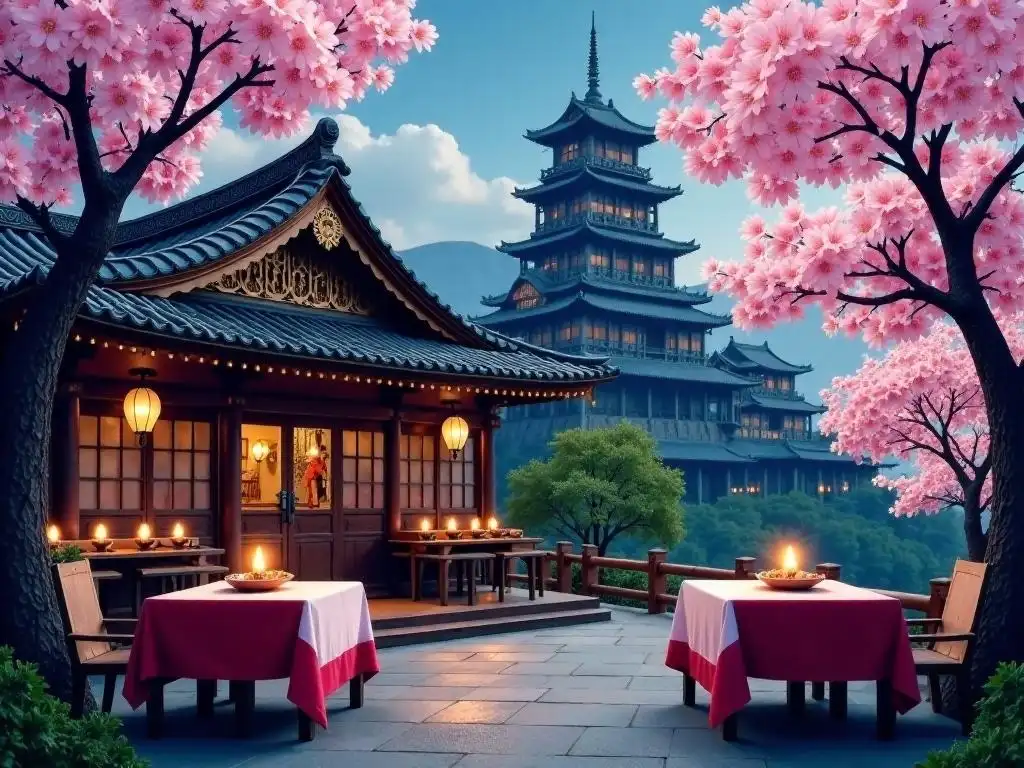
Welcome to Feudal Japan History, where we invite you to embark on an intriguing journey through time. In our latest article, "A Culinary Journey: Dining Options Near Japan’s Historic Castles," we uncover the unique dining experiences that await just beyond the majestic walls of these storied fortresses. Imagine savoring exquisite flavors while surrounded by the echoes of samurais and shoguns. What culinary treasures lie hidden in the shadows of history? Join us as we explore the delectable fusion of culture and cuisine that thrives in the heart of Japan's feudal past. Your adventure begins here!
Exploring Japan's historic castles is akin to stepping back in time, immersing yourself in the rich tapestry of the feudal era. These magnificent structures, remnants of a bygone age, not only showcase architectural brilliance but also serve as a gateway to understanding Japan's cultural heritage. However, a visit to these iconic sites is not complete without savoring the local cuisine that has flourished in their shadows. From traditional ryokan inns serving kaiseki meals to modern eateries offering fusion delights, dining near Japan's historic castles presents a unique culinary journey that complements the historical experience.
In this article, we will embark on a detailed exploration of the various dining options available near some of Japan's most renowned castles. We'll delve into the cultural significance of the dishes served, highlight local specialties, and provide recommendations that will enhance your travel experience. Whether you are a history enthusiast, a foodie, or an adventurous traveler, this guide will help you navigate the dining landscape surrounding Japan’s historic treasures.
Introduction to Dining Near Japan's Historic Castles
Dining near Japan's historic castles is not merely about satisfying hunger; it is an opportunity to indulge in the flavors and traditions that have been passed down through generations. Each region boasts its own unique culinary offerings, often influenced by the local ingredients, climate, and historical context.
Here are some key considerations when exploring dining options near these majestic sites:
- Regional Specialties: Each castle is often surrounded by its own set of culinary delights. For instance, Nagoya Castle is famous for its hitsumabushi (grilled eel), while Himeji Castle is known for its white egret-style architecture and the accompanying local delicacies.
- Dining Experiences: From traditional izakayas to modern cafes, the variety of dining experiences available can cater to all tastes. You might find yourself enjoying a multi-course kaiseki meal in a ryokan or sampling street food at a bustling market nearby.
- Cultural Integration: Many eateries near castles strive to integrate local history and culture into their dining experiences. This might include thematic decor, special menus inspired by historical figures, or cooking classes that reveal the secrets of traditional Japanese cuisine.
In the following sections, we will explore specific dining options near various historic castles, providing insights into what makes each experience unique and worth savoring on your culinary journey through Japan.
- What are some popular dining options near Japan's historic castles?
- How does dining near castles enhance the cultural experience?
- Are there any famous dishes to try near these castles?
- Can I find vegetarian or vegan options at these restaurants?
- How can I plan a dining experience while visiting these castles?
The Historical Significance of Japan's Castles
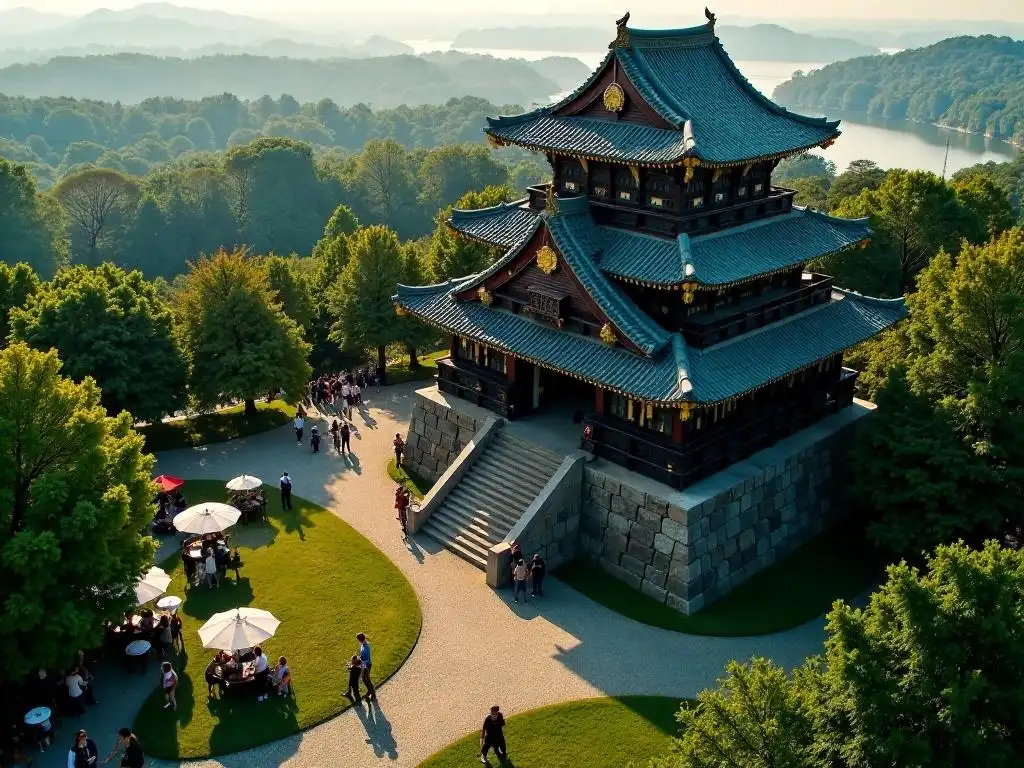
Japan's castles are not only architectural marvels but also pivotal symbols of the country's feudal history. These fortifications served multiple purposes throughout the centuries, reflecting the political, military, and cultural dynamics of feudal Japan.
Overview of Feudal Japan and Its Castles
Feudal Japan, which spanned from the 12th to the 19th century, was characterized by a strict social hierarchy, where the shogunate held power over the emperor. This period saw the rise of powerful samurai clans, who constructed castles as both military strongholds and residences. The architecture of these castles was designed to provide defense against rival clans and invaders while also showcasing the wealth and power of the ruling samurai.
Architectural Features
Japanese castles exhibit unique architectural features that distinguish them from their Western counterparts. Notable elements include:
- Tenshu (Main Keep): Often the tallest structure in the castle, the tenshu served as a watchtower and residence for the lord. The design typically incorporates multiple tiers and ornate roofs.
- Moats: Surrounding the castles, moats provided an additional layer of defense, hindering enemy access.
- Stone Walls and Earthen Ramparts: These structures were built to withstand attacks and were often enhanced with intricate designs for aesthetic appeal.
Cultural Significance
Castles were not merely military forts; they were cultural hubs that hosted festivals, tea ceremonies, and other social events. The beauty of the surrounding gardens and the intricate craftsmanship of the interiors reflected the aesthetics of the time, merging functionality with artistic expression.
Historical Preservation
Many of these castles have been preserved or reconstructed, allowing visitors today to experience a glimpse of Japan's feudal past. Castles like Himeji, Matsumoto, and Nagoya are prime examples of how these historical structures have become significant cultural landmarks, attracting tourists and history enthusiasts alike.
Japan's castles are vital historical sites that encapsulate the essence of feudal society. They represent the intersection of military necessity and cultural sophistication, making them an essential part of Japan's heritage. Exploring dining options near these historic castles offers a unique way to appreciate the rich history and culinary traditions that have emerged in their shadows.
Top Historic Castles to Visit and Their Nearby Dining Options
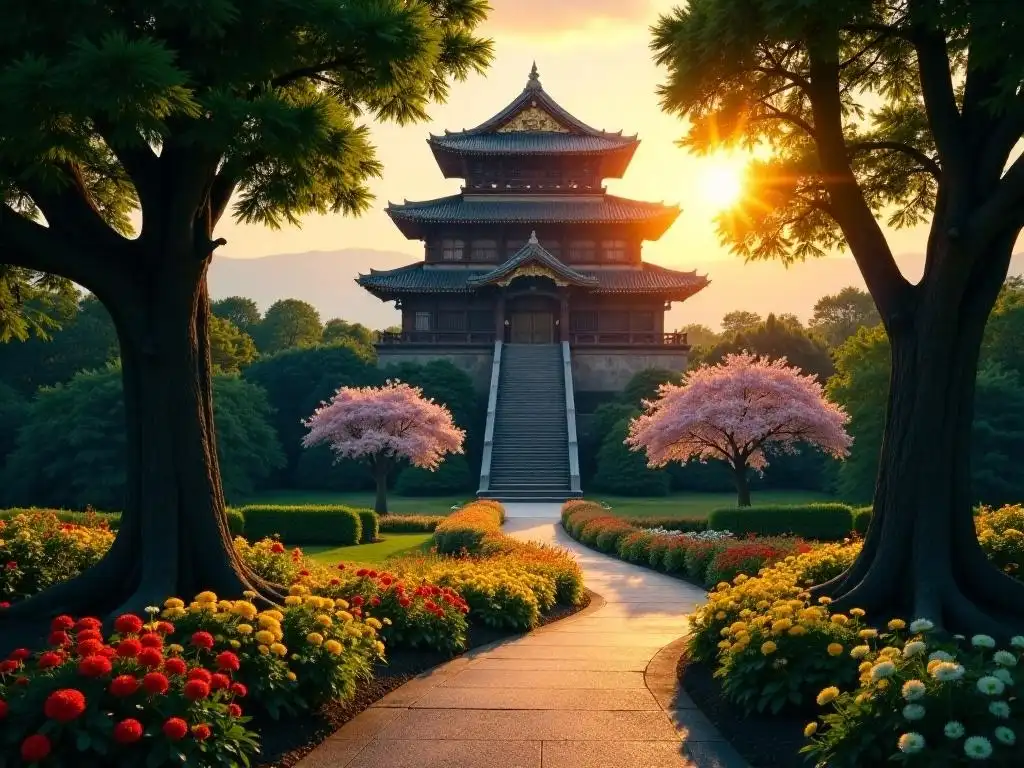
1. Himeji Castle
Himeji Castle, often referred to as the "White Heron Castle" due to its elegant white exterior, stands as one of Japan's most beautiful and well-preserved castles. This UNESCO World Heritage site not only draws visitors for its architectural splendor but also for the delightful dining options available in its vicinity.
Traditional Japanese Cuisine: Local Restaurants
When visiting Himeji Castle, indulging in traditional Japanese cuisine is a must. The area boasts several local restaurants that offer authentic dishes made from fresh, regional ingredients. Here are some notable dining spots:
-
Katsukura
Specializing in tonkatsu (breaded and fried pork cutlet), Katsukura uses high-quality pork sourced from local farms. The restaurant's signature dish is served with a variety of dipping sauces and freshly grated sesame seeds.
-
Sushiro
A popular conveyor belt sushi restaurant, Sushiro provides a casual dining experience with a wide selection of sushi, sashimi, and seasonal specialties. The freshness of the seafood reflects the region's maritime traditions.
-
Shizuka
For those seeking kaiseki (traditional multi-course Japanese dinner), Shizuka offers an exquisite dining experience. Each dish is meticulously prepared, showcasing the beauty of seasonal ingredients and artistic presentation.
-
Himeji Oden
This quaint eatery specializes in oden, a comforting hot pot dish made with various ingredients simmered in a flavorful broth. It's the perfect dish to warm up after exploring the castle's grounds.
2. Matsumoto Castle
Matsumoto Castle, known for its striking black exterior and picturesque setting against the backdrop of the Japanese Alps, is another historic site that attracts many travelers. The castle’s unique architecture and surrounding landscape offer not only a glimpse into Japan's feudal past but also a rich culinary experience.
Unique Culinary Experiences in the Surrounding Area
The area surrounding Matsumoto Castle features an array of dining options that reflect both the local culture and innovative culinary trends. Here are some highlights:
-
Soba Noodles at Matsumoto Soba
This local favorite is renowned for its handmade soba noodles, which are made from Buckwheat grown in the surrounding Nagano region. Visitors can enjoy the noodles served cold with dipping sauce or in a warm broth.
-
Kikyouya
An iconic restaurant located near the castle, Kikyouya specializes in Shinshu cuisine, particularly goya (bitter melon) dishes, which are celebrated for their health benefits. The restaurant's warm atmosphere and traditional decor enhance the dining experience.
-
Craft Beer at Matsumoto Brewery
For those interested in local beverages, Matsumoto Brewery offers a selection of craft beers brewed on-site. The brewery’s taproom features a cozy environment where visitors can sample unique flavors inspired by local ingredients.
-
Sweet Treats at Nakamachi Dori
A stroll down Nakamachi Dori will lead you to various shops offering sweets, such as daifuku (rice cakes filled with sweet red bean paste) and yaki manju (grilled buns). These treats make for delightful souvenirs or a quick snack while exploring the area.
Dining near Japan's historic castles, such as Himeji and Matsumoto, provides an exciting opportunity to savor traditional flavors and regional specialties, enriching the overall experience of visiting these magnificent sites. 🍣🏯
3. Kumamoto Castle
Kumamoto Castle, one of Japan's most impressive feudal castles, is a stunning representation of Japanese architecture and history. Built during the early Edo period, this castle is renowned for its unique design, formidable stone walls, and scenic surroundings. The castle's strategic location and its role in various historical events, including the Satsuma Rebellion, make it a significant site for visitors interested in Japan's feudal past.
After exploring the majestic grounds of Kumamoto Castle, visitors often seek to indulge in the local culinary offerings that reflect the region's rich flavors. The area surrounding the castle is vibrant with dining establishments that cater to a variety of tastes, from traditional Japanese fare to modern interpretations.
The Flavors of Kumamoto: Dining Highlights
When it comes to dining near Kumamoto Castle, the region is famous for its distinctive flavors, particularly its fresh produce and high-quality meats. Here are some notable dining options that showcase what Kumamoto has to offer:
- Kumamoto Ramen: A must-try dish, Kumamoto ramen is known for its rich, garlic-infused tonkotsu (pork bone) broth and thin, curly noodles. Local shops like Kumamoto Ramen Kurobuta serve this delicacy, offering a warm and comforting dining experience.
- Sakura Seki: This restaurant specializes in Kumamoto’s horse meat sashimi, known as “sakura niku.” It offers a unique opportunity for adventurous diners to taste this delicacy in a traditional setting, paired with local sake.
- Kumamoto Gyu: Renowned for its tenderness and flavor, Kumamoto beef is a highlight of the local culinary scene. Restaurants such as Hanamidori provide a chance to savor grilled Kumamoto beef, served with seasonal vegetables and rice.
- Local Izakayas: For a more casual dining experience, numerous izakayas dot the streets near the castle, serving small plates of various dishes such as grilled skewers, tempura, and seasonal seafood. These establishments offer a lively atmosphere perfect for experiencing the local dining culture.
Visiting Kumamoto Castle not only offers a glimpse into Japan's feudal history but also a chance to savor the unique and flavorful dishes that define the region.
4. Nagoya Castle
Nagoya Castle is another iconic landmark that showcases the grandeur of Japan's feudal era. Originally constructed in the early 1600s, the castle is celebrated for its impressive architecture and historical significance. The castle's golden shachihoko (a mythical creature) adorning the roof is a symbol of Nagoya and attracts many visitors. After touring the castle's impressive interiors and beautiful gardens, tourists often seek out dining options that reflect the culinary heritage of the region.
Fusion and Innovation: Modern Dining Options
Nagoya is known for its innovative and diverse culinary scene, combining traditional Japanese flavors with modern influences. Here are some dining options near Nagoya Castle that highlight this fusion of old and new:
- Hitsumabushi: A traditional dish unique to Nagoya, hitsumabushi features grilled eel served over rice. Restaurants like Aoyama offer this dish in various styles, allowing diners to enjoy it multiple ways—eating it straight, with condiments, or as a soup.
- Nagoya Cochin: This local breed of chicken is prized for its rich flavor and firm texture. Kizuna is a restaurant that specializes in Nagoya Cochin dishes, serving them in various forms, from yakitori to sashimi.
- Modern Izakayas: The area surrounding Nagoya Castle is dotted with modern izakayas that blend traditional Japanese cuisine with contemporary flair. Many of these establishments offer creative twists on classic dishes, such as sushi burritos and fusion tapas.
- Cafés and Bakeries: For those looking for a lighter option or a sweet treat, cafes such as Cafe de l’Ambre provide an array of Japanese-style desserts and specialty coffees, perfect for a relaxing afternoon after a day of sightseeing.
Whether one seeks to experience traditional Nagoya flavors or modern culinary innovations, the dining options near Nagoya Castle provide a rich tapestry of tastes that enhance the overall visit to this historic site.
Cultural Experiences: Dining and Historical Context
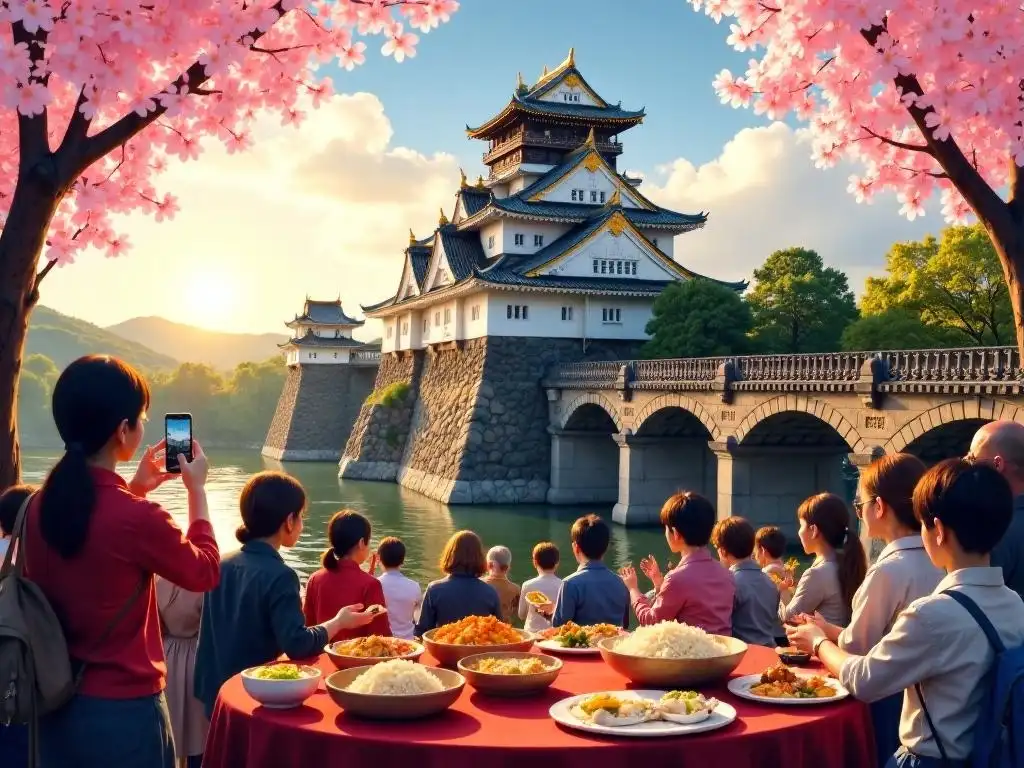
Dining near Japan's historic castles offers not only a chance to enjoy delicious meals but also a unique opportunity to delve into the rich tapestry of Japanese culture and history. The culinary experiences available in these areas are deeply intertwined with the traditions and customs that have shaped Japan over centuries. This section explores how food plays a pivotal role in Japanese culture and highlights seasonal and festive foods you can find near these historic sites.
The Role of Food in Japanese Culture
Food in Japan is much more than mere sustenance; it embodies a philosophy that reflects the country's aesthetics, social values, and historical experiences. Traditional Japanese cuisine, or washoku, emphasizes the use of seasonal ingredients and presentation, making dining a sensory experience that engages all five senses. Key components include:
- Seasonality: Japanese cuisine is characterized by its focus on seasonal ingredients. This not only enhances flavor but also resonates with the cultural significance of nature's cycles.
- Presentation: The visual appeal of food is paramount in Japanese culture. Dishes are often arranged artistically, using color, shape, and texture to create a harmonious balance.
- Social Connections: Meals are typically enjoyed in a communal setting, fostering relationships and reinforcing social bonds. This aspect is particularly evident during festivals and family gatherings.
The dining options near historic castles often reflect these cultural principles. Many restaurants and eateries pride themselves on using locally sourced ingredients that honor both tradition and the landscape surrounding the castle.
Seasonal and Festive Foods Near Historic Castles
When visiting Japan's historic castles, you’ll find an array of seasonal and festive foods that capture the essence of Japanese culinary heritage. Here’s a closer look at some delightful dishes that are commonly enjoyed in these areas:
1. Sakura Mochi (Cherry Blossom Rice Cake)
- Description: A sweet rice cake wrapped in a pickled cherry blossom leaf.
- Season: Typically enjoyed during the cherry blossom season in spring, this treat symbolizes renewal and beauty.
2. Unagi (Grilled Eel)
- Description: Grilled eel glazed with a sweet soy-based sauce, often served over rice.
- Season: Popular during the hot summer months, unagi is believed to provide stamina and vitality.
3. Kabocha (Japanese Pumpkin)
- Description: A sweet, flavorful pumpkin used in various dishes, including soups and tempura.
- Season: Harvested in autumn, kabocha is a staple in seasonal cuisine, reflecting the bounty of fall.
4. Osechi Ryori (New Year's Feast)
- Description: A traditional multi-course meal prepared for the New Year, featuring various symbolic dishes.
- Season: Served during the New Year celebrations, each dish has its own significance, such as health, prosperity, and longevity.
5. Yaki Imo (Roasted Sweet Potato)
- Description: Sweet potatoes roasted over hot stones until caramelized.
- Season: Common in autumn, yaki imo is a popular street food that evokes nostalgia and warmth.
Conclusion
Dining near Japan's historic castles not only satisfies the palate but also allows visitors to connect with the cultural and historical essence of the region. By embracing the seasonal and festive foods offered, one can embark on a culinary journey that complements the exploration of Japan's feudal past. As you savor each dish, you are not merely enjoying a meal; you are partaking in a tradition that has been preserved through generations, enriching your travel experience in profound ways.
Tips for Dining Near Japan's Historic Castles
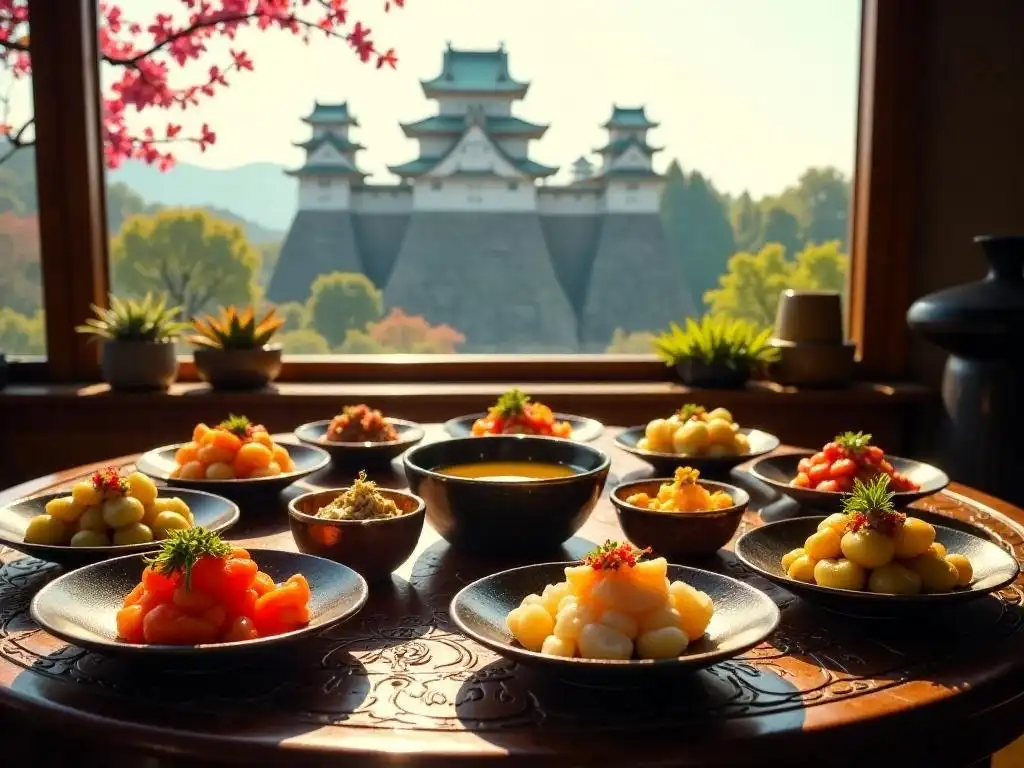
Exploring the culinary landscape around Japan's historic castles can enhance your travel experience immensely. The area surrounding these majestic structures offers a variety of dining options, from traditional Japanese cuisine to modern eateries. Here are some effective tips to ensure you have an enjoyable dining experience near these iconic sites.
How to Choose the Best Dining Options
When selecting a dining spot near Japan's historic castles, consider the following factors to find the best fit for your taste and preferences:
- Cuisine Type:
- Traditional Japanese: Look for restaurants that serve local specialties, such as Kaiseki (a multi-course meal), Soba (buckwheat noodles), or Tempura (battered and fried vegetables and seafood).
- Regional Delicacies: Each region has its own specialties. For instance, near Himeji Castle, try Himeji Oden, a local stew.
- Dining Atmosphere:
- Historical Ambiance: Some restaurants are housed in traditional buildings, providing an authentic dining atmosphere that complements the historical significance of the nearby castles.
- Scenic Views: Opt for places with views of the castle or gardens for a picturesque dining experience.
- Reviews and Recommendations:
- Check platforms like Tabelog or Google Reviews for honest feedback from previous diners. Look for restaurants that consistently receive high ratings for both food quality and service.
- Local Insight:
- Engage with local guides or tourism information centers. They can often provide insider tips on hidden gems that may not be widely advertised.
- Dietary Needs:
- Consider any dietary restrictions or preferences. Many restaurants in Japan are accommodating, but it’s best to check menus in advance or inquire about options.
Reservations and Accessibility Near Historic Castles
Accessing dining options around Japan's historic castles can vary significantly depending on the area. Here are some guidelines to keep in mind:
- Making Reservations:
- Busy Seasons: During peak tourist seasons, particularly in spring (cherry blossom season) and autumn (fall foliage), it's advisable to make reservations in advance. Many popular restaurants can fill up quickly.
- Online Booking: Many establishments offer online booking services. Utilize these platforms to secure a table, especially for fine dining experiences.
- Getting There:
- Public Transportation: Check the proximity of the castle to local train stations or bus stops. In many cases, dining options are conveniently located within walking distance.
- Accessibility Features: If traveling with individuals who have mobility challenges, look for restaurants that are wheelchair accessible. Many places in urban areas are equipped with facilities to accommodate all visitors.
- Operating Hours:
- Lunch and Dinner Times: Be mindful of opening and closing times, as many restaurants may close between lunch and dinner service. Typical hours are from 11:00 AM to 2:00 PM for lunch and 5:00 PM to 10:00 PM for dinner.
By following these tips and understanding the local dining landscape, you can enhance your culinary journey while exploring Japan's historic castles. Enjoy the delicious flavors and rich culture that surround these iconic landmarks!
Conclusion: A Culinary Adventure Awaits
Dining near Japan's historic castles offers a unique blend of cultural heritage and culinary delight. As you explore these majestic structures, you will also discover a rich tapestry of local flavors that reflect the region's history and traditions. The proximity of various dining establishments to these castles not only enhances the visitor experience but also provides an opportunity to engage with local customs and ingredients.
Final Thoughts on Dining Near Japan's Historic Castles
In summary, dining near Japan's historic castles is more than just a meal; it is an experience steeped in the rich history of the feudal era. From traditional kaiseki meals that emphasize seasonal ingredients to casual street food stalls offering local specialties, the options are diverse and plentiful. Here are some key takeaways:
- Culinary Diversity: Each region surrounding the castles showcases its own unique dishes, influenced by the local climate, agriculture, and historical events.
- Cultural Integration: Dining experiences often include elements of local culture, such as traditional tea ceremonies or seasonal festivals, allowing visitors to immerse themselves in the region's history.
- Sustainable Practices: Many restaurants prioritize sourcing ingredients from local farmers and producers, promoting sustainability and supporting the community.
As you embark on your culinary journey, remember to take your time to savor the flavors, engage with the locals, and fully appreciate the historical context of the meals you enjoy.
Whether you are indulging in a hearty bowl of ramen, relishing fresh sushi, or sampling regional sake, dining near Japan’s historic castles will undoubtedly add a flavorful dimension to your travel experience. Embrace this opportunity to connect with Japan’s feudal past through its vibrant culinary landscape. 🍣🏯
Frequently Asked Questions
What are some popular dining options near Japan's historic castles?
There are several local restaurants and traditional tea houses that offer unique culinary experiences, showcasing regional specialties and seasonal ingredients near various castles.
How does dining near castles enhance the cultural experience?
Dining near Japan's historic castles provides a chance to immerse in the local culture and history, often featuring traditional recipes and food presentations that reflect the era and region.
Are there any famous dishes to try near these castles?
Yes, visitors can enjoy regional delicacies such as soba noodles, tempura, and kaiseki meals, which are often inspired by the local landscape and historical significance of the area.
Can I find vegetarian or vegan options at these restaurants?
Many dining establishments near historic castles are increasingly offering vegetarian and vegan options, focusing on fresh, local produce and traditional Japanese dishes that cater to diverse diets.
How can I plan a dining experience while visiting these castles?
It's advisable to research and make reservations in advance, especially during peak seasons, to ensure the best culinary experiences paired with visits to Japan’s historic sites.
Final Reflection: The Culinary Tapestry of Japan's Historic Castles
In exploring the diverse dining options near Japan's historic castles, we uncover not just a feast for the senses but a deeper connection to the cultural heritage that these majestic structures represent. As travelers seek authentic experiences, the culinary offerings surrounding these castles serve as a bridge between the past and present, reminding us that food is not merely sustenance but a narrative of history, tradition, and community. The flavors we encounter are a testament to the enduring spirit of Japan, where each dish tells a story as rich as the castles themselves.
Culinary experiences near these historic sites continue to shape our understanding of Japanese culture and its evolution. The interplay of local ingredients, traditional cooking methods, and modern interpretations creates a vibrant tapestry that reflects the region's identity. As we savor these meals, we participate in a cultural dialogue that transcends time and geography. Food is our common ground, a universal experience,
said James Beard, and in the context of Japan's castles, this sentiment rings especially true as we share in the flavors that have been passed down through generations.
As you embark on your own culinary journey near Japan's historic castles, I invite you to reflect on the stories behind each meal and the connections they foster. Consider how your dining choices can enhance your travel experience, turning each meal into a celebration of culture and history.
Let the flavors guide you, not just through the palate but also through the heart of Japan, inspiring you to appreciate the rich narratives that unfold with every bite. Embrace this opportunity to savor not only the food but also the legacy of the land it comes from, and carry these experiences with you long after your journey ends.
Savor the Adventure: Taste Your Way Through Japan!
Thank you for joining us on this culinary journey around Japan’s historic castles! We hope you've gained a deeper appreciation for the incredible dining options that bring history and flavor together. Now, it's time to put your newfound knowledge into action:
- Plan your next trip to one of these enchanting castles and enjoy a meal that reflects the rich heritage of the area.
- Share your favorite dining experiences with friends and family, or write about them on your travel blog to inspire others to explore these hidden culinary gems.
- Explore local recipes inspired by the foods you’ve learned about; even attempting to cook a dish from home can be an exciting challenge.
What unique flavors do you think you would discover while dining near your favorite historic site in Japan?