
A Journey Through Time: Exploring the Feudal Castles of Japan

Welcome to Feudal Japan History, where we invite you on a captivating journey through the heart of Japan's storied past. Here, you'll uncover the mystique of feudal castles, architectural marvels that stand as timeless witnesses to the rich tapestry of Japan's feudal era. Our featured article, "A Journey Through Time: Exploring the Feudal Castles of Japan," promises to immerse you in the historical, cultural, and societal significance of these majestic structures.
Are you ready to unlock the secrets of a bygone era and discover the tales that linger within the walls of these ancient fortresses? Dive deeper with us and let the adventure begin!
- Introduction to Feudal Castles of Japan History
- The Architectural Marvels of Feudal Castles
- Notable Feudal Castles to Visit in Japan
- The Cultural Impact of Feudal Castles on Japan's Society
- How to Plan Your Visit to Feudal Castles in Japan
- Conclusion: The Enduring Legacy of Feudal Castles in Japan
- Frequently Asked Questions
- Final Reflection: Embracing the Legacy of Feudal Castles in Japan
- Embark on Your Own Adventure: Discover Japan’s Feudal Treasures!
Introduction to Feudal Castles of Japan History
The feudal era of Japan, spanning from the late 12th century to the early 17th century, was a period marked by power struggles, samurai culture, and the construction of magnificent castles that stand as enduring symbols of this tumultuous time. The feudal castles of Japan not only served as military strongholds but also as administrative centers and residences for the ruling samurai class.
These architectural marvels were strategically built to defend against invasions and internal conflicts and reflect the complex social hierarchy and cultural practices of the time. In this article, we will embark on a comprehensive journey through time, exploring the historical significance, architectural splendor, and cultural importance of these castles, providing insights into their role in shaping Japan's feudal history and their relevance today as important historical sites for travelers and historians alike.
The Significance of Castles in Feudal Japan
The role of castles in feudal Japan extends beyond mere fortifications; they were pivotal in establishing and maintaining political control. These structures served as:
- Military Bases: Castles were designed with defensive features such as moats, high walls, and strategically placed towers, allowing samurai warriors to protect their territories and repel invaders.
- Centers of Governance: Many feudal lords (daimyō) used their castles as administrative hubs, where they managed lands, collected taxes, and held court. This centralization of power helped to stabilize regions during periods of conflict.
- Cultural Hubs: Castles often hosted cultural events, including tea ceremonies, poetry readings, and martial arts demonstrations. This fusion of aesthetics and defense showcased the sophistication of samurai culture.
The architectural evolution of these castles also reflects the changing needs and technologies of the time, with many incorporating elements such as stone foundations and intricate woodwork that enhanced both their beauty and functionality.
Overview of the Feudal Era in Japan
The feudal era in Japan, known as the Edo period (1603-1868), followed centuries of conflict that began with the rise of the samurai class during the late Heian period. This era is characterized by:
- Social Structure: Society was organized into a rigid class system, comprising the emperor, shōgun, daimyō, samurai, farmers, artisans, and merchants. Each class had specific roles and responsibilities, with the samurai at the top tier, wielding significant power.
- Political Fragmentation: After the Genpei War (1180-1185), Japan was divided among competing clans, leading to a fragmented political landscape. This instability prompted the construction of fortified castles to assert dominance and control over territories.
- Cultural Flourishing: Despite the conflicts, the feudal era saw significant advancements in art, literature, and philosophy. The samurai's bushidō (way of the warrior) code also emerged, emphasizing loyalty, honor, and discipline.
Understanding this context is crucial for appreciating the historical and cultural significance of Japan's feudal castles, as they are not merely remnants of the past but vital links to a rich and complex history.
The Architectural Marvels of Feudal Castles
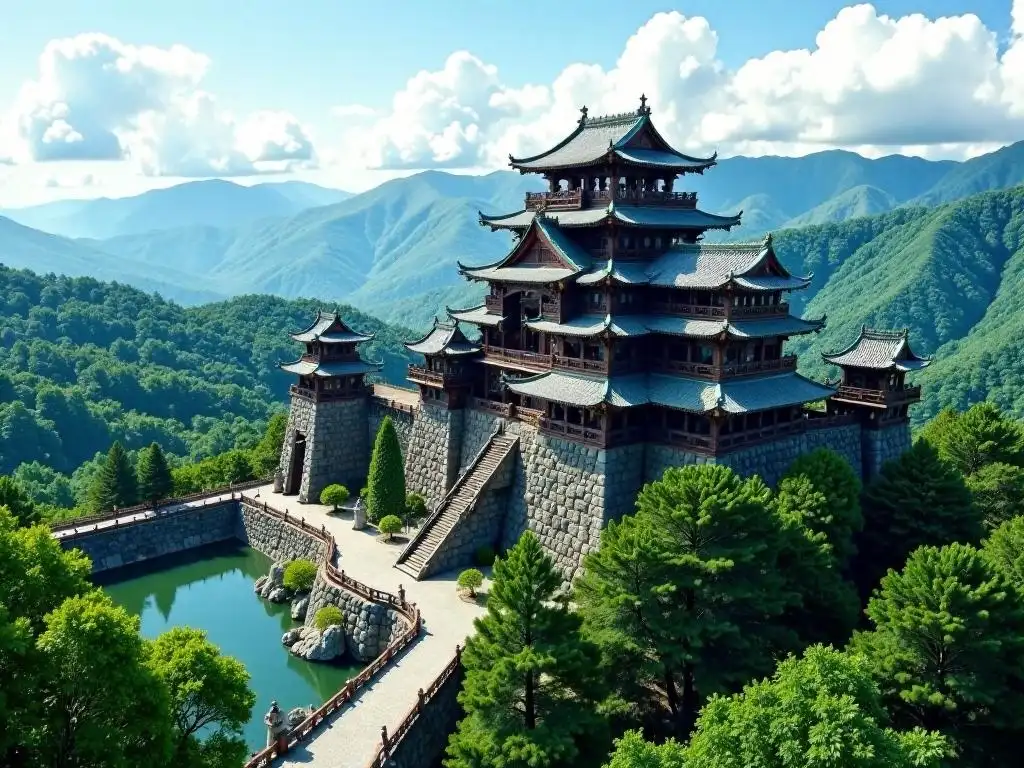
Feudal castles in Japan, known as shiro, stand as remarkable testaments to the architectural ingenuity and military strategy of their time. These fortifications were not merely homes for the samurai class; they were meticulously designed structures that embodied power, prestige, and the complexities of feudal society.
The design of these castles often reflects the hierarchical nature of Japanese society during the feudal era, featuring multiple layers of defense and aesthetic beauty. The castles commonly consist of a central keep (tenshu), surrounded by moats, stone walls, and secondary buildings. The strategic placement of these elements was crucial, providing both protection and an imposing presence.
Key Features of Japanese Feudal Castles
Japanese feudal castles exhibit several distinctive features that set them apart from their Western counterparts. Here are some of the most notable characteristics:
- Tenshu (Main Keep): The tallest structure within the castle complex, the tenshu served both defensive and symbolic purposes. Its height allowed for better surveillance of the surrounding area.
- Moat: Surrounding many castles, moats acted as a significant line of defense, making it difficult for invaders to approach the walls. Some moats were filled with water, while others were dry.
- Stone Walls (Ishi-no-ura): Constructed from large stones, these walls provided robust defense against attacks. The use of stone became more prominent during the Edo period, reflecting advancements in construction techniques.
- Yagura (Watchtowers): These structures were built for lookout purposes and often housed weaponry. They provided additional security and a vantage point for spotting approaching enemies.
- Engawa (Verandas): The picturesque wooden walkways that often encircle the castle buildings not only enhanced the aesthetic appeal but also provided a defensive barrier, allowing guards to patrol effectively.
- Traditional Japanese Gardens: Many castles incorporated beautifully designed gardens, which served both as a place for contemplation and as a display of the owner's wealth and taste.
These features are not merely functional; they also reflect the artistic and cultural values of the era. The unique blend of functionality and aesthetics in Japanese castle architecture highlights the sophistication of feudal Japan.
The Evolution of Castle Design Through the Ages
The design of feudal castles in Japan has undergone significant transformations from the early medieval period to the Edo period. Understanding these changes provides insight into the socio-political dynamics of the time.
- Early Period (Heian to Kamakura):
- Castles during this era were primarily built for military purposes, constructed with wooden palisades and earthen ramparts. The Matsumoto Castle, dating back to the late 16th century, exemplifies early defensive architecture.
- Muromachi Period:
- The introduction of the tenshu marked a significant evolution in castle design. Castles became more elaborate, integrating defensive and residential functions. Notable examples include Himeji Castle, which showcases intricate wooden frameworks and a complex layout.
- Sengoku Period:
- The constant warfare during this time led to the construction of more fortified castles with enhanced defensive measures. The use of stone and elaborate gate systems became common, as seen in Nagoya Castle.
- Edo Period:
- The final phase of castle evolution saw the establishment of peaceful governance. Castles became symbols of power rather than military strongholds. Architectural styles became more refined, with an emphasis on aesthetics and harmony with nature. The Osaka Castle, with its stunning gardens and ornate decorations, is a prime example of this period.
This evolution reflects broader changes in Japanese society, from feudal conflict to a more stable and prosperous era. The feudal castles of Japan history provide a fascinating glimpse into the architectural advancements and cultural shifts that shaped the nation.
Notable Feudal Castles to Visit in Japan
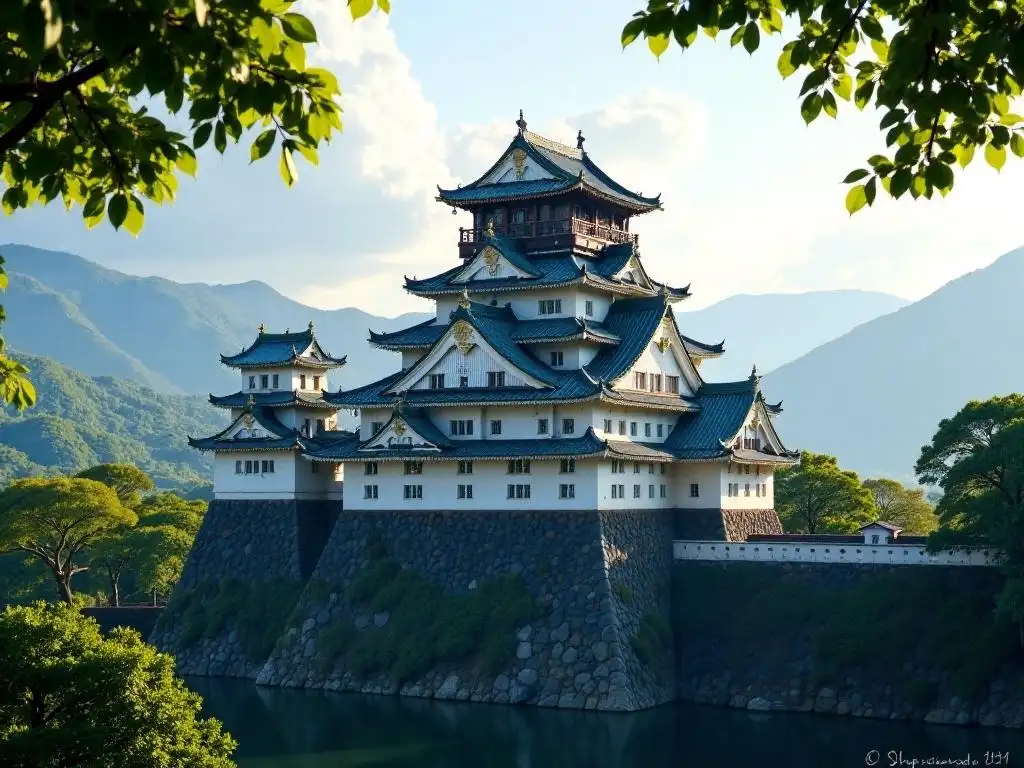
Japan's feudal era is rich with history and architectural marvels, particularly in the form of its castles. These structures not only served as fortifications but also stood as symbols of power and prestige for the samurai class. In this section, we will explore two of the most notable feudal castles that showcase the unique blend of history, culture, and stunning architecture.
Himeji Castle: The Crown Jewel of Japanese Castles
Historical Importance and Architectural Details
Himeji Castle, known as "Shirasagi-jo" or "White Egret Castle," is one of Japan's most iconic feudal castles. Constructed in the early 17th century, it is recognized as a UNESCO World Heritage site and is often referred to as the finest surviving example of traditional Japanese castle architecture.
- Construction Timeline: Originally built in 1333, the castle underwent significant renovations and expansions, culminating in its current form in 1609.
- Architectural Features: Himeji Castle is characterized by its stunning white exterior, complex defensive systems, and intricate wooden structures. The castle boasts over 80 buildings, including:
- Main Keep (Tenshu): Standing at five stories tall, it features an elegant, asymmetrical design.
- Stone Walls and Moats: The fortifications include massive stone walls and a series of moats designed to deter attackers.
- Kara-mon Gate: This beautifully crafted gate showcases traditional Japanese architectural styles.
Himeji Castle is not only a marvel of engineering but also a representation of the cultural significance of the samurai and their way of life during the feudal period.
Visiting Tips and Nearby Attractions
When planning a visit to Himeji Castle, consider the following tips to enhance your experience:
- Best Time to Visit: The ideal seasons are spring (March to May) and autumn (September to November) when the surrounding cherry blossoms and fall foliage create a picturesque backdrop.
- Opening Hours: The castle is typically open from 9 AM to 5 PM, with extended hours in summer. Check the official website for seasonal variations.
- Access Information: Himeji Castle is easily accessible by train, located just a short walk from Himeji Station.
Nearby attractions include:
- Kokoen Garden: A beautiful Japanese garden adjacent to the castle featuring traditional tea houses and seasonal flowers.
- Himeji City Museum of Art: Showcasing a collection of Japanese and Western art, this museum is a short distance from the castle.
Matsumoto Castle: The Black Crow Castle
Rich History and Unique Structure
Matsumoto Castle, known as "Karasu-jō" or "Black Crow Castle," is one of Japan's most important historic castles. Constructed in the late 16th century, it is distinguished by its striking black exterior and picturesque setting against the backdrop of the Japanese Alps.
- Construction Timeline: The castle was built between 1593 and 1614, making it a prime example of the "hirajiro" style, which refers to flatland castles.
- Architectural Features: Matsumoto Castle features a unique multi-layered structure with:
- Main Keep: The castle has six stories, with an intricate wooden interior and a distinctive curved roof.
- Moat and Walls: Surrounded by a deep moat, the castle's walls are constructed from large stones, emphasizing its defensive capabilities.
Matsumoto Castle is one of the few castles in Japan that has retained its original wooden interior, allowing visitors to experience the historical ambiance of the feudal era.
Best Times to Visit and Access Information
To make the most of your trip to Matsumoto Castle, consider these visiting tips:
- Best Time to Visit: Spring and autumn are also ideal for visiting Matsumoto Castle, especially during the cherry blossom season and autumn leaves, which enhance the castle's beauty.
- Opening Hours: The castle generally opens at 9 AM and closes at 5 PM, with varying hours depending on the season.
Accessing Matsumoto Castle is straightforward:
- Transport Options: It is a short walk from Matsumoto Station, accessible via the JR Chuo Line from Tokyo or Nagoya.
Nearby attractions worth exploring include:
- Nakamachi Street: A historic street lined with traditional wooden buildings, shops, and cafes.
- Matsumoto City Museum of Art: Featuring works by local artists, including the renowned Yayoi Kusama.
These notable feudal castles not only provide insight into Japan's storied past but also offer breathtaking experiences for visitors, making them essential stops on any historical journey through Japan.
Nagoya Castle: A Symbol of Power
Nagoya Castle, located in the heart of Nagoya city, stands as a monumental representation of Japan's feudal era. Constructed in the early 17th century under the orders of Tokugawa Ieyasu, it was designed not only as a military fortress but also as a symbol of the Tokugawa shogunate's power and prestige. The castle's unique architectural features, including its iconic golden shachihoko (mythical tiger-headed carp) adorning the rooftop, reflect the era's aesthetic values and the grandeur associated with the ruling class.
The importance of Nagoya Castle extends beyond its imposing structure; it played a vital role in the political landscape of Japan during the Edo period. The castle served as the residence of the Owari branch of the Tokugawa family, influencing regional governance and military strategies. Its strategic location facilitated control over key trade routes, making it an essential hub for commerce and cultural exchange.
Historical Background and Cultural Significance
Nagoya Castle's history is rich and multifaceted. Originally built between 1610 and 1619, the castle was a testament to the power dynamics of the time. It became a key military stronghold during various conflicts, including the Boshin War, which marked the end of the Tokugawa shogunate. Despite suffering significant damage during World War II, the castle was reconstructed in the 1950s, preserving its historical essence and allowing future generations to appreciate its cultural significance.
The castle's design embodies the architectural style of the period, characterized by its wooden structures and intricate designs. The main keep, or tenshu, is a prime example of this craftsmanship, with multiple levels offering panoramic views of Nagoya and its surroundings. Today, Nagoya Castle is recognized as a National Historic Site and a symbol of the city's identity, drawing visitors from around the world who seek to explore its history and cultural heritage.
Events and Festivals at Nagoya Castle
Nagoya Castle hosts a variety of events and festivals throughout the year, celebrating its historical legacy and cultural significance. One of the most notable events is the Nagoya Castle Cherry Blossom Festival, held in spring when the castle grounds are adorned with blooming sakura trees. This picturesque setting attracts both locals and tourists, who come to enjoy hanami (flower viewing) picnics and partake in traditional performances, including tea ceremonies and martial arts demonstrations.
In addition to seasonal festivals, the castle frequently organizes historical reenactments and exhibitions that bring the feudal era to life. These events offer visitors a unique opportunity to engage with Japan's rich history, showcasing traditional crafts, samurai culture, and historical narratives. The castle's educational programs further enhance its role as a cultural hub, fostering a deeper understanding of Japan's feudal past among visitors of all ages.
Kumamoto Castle: A Fortress of Strength
Kumamoto Castle, often referred to as one of Japan's most impressive castles, is renowned for its formidable design and historical significance. Completed in the early 17th century by Kato Kiyomasa, this castle exemplifies the might of the samurai and the strategic importance of feudal fortifications. Its robust stone walls, extensive moats, and intricate defensive systems were designed to withstand sieges and attacks, establishing it as a formidable stronghold during its time.
The castle's architectural brilliance is evident in its complex layout, featuring multiple baileys (enclosures) and a central keep that boasts a striking combination of black and white hues. This design not only served defensive purposes but also showcased the artistic flair of the period, making Kumamoto Castle a prominent symbol of feudal Japan's military prowess.
The Role of Kumamoto Castle in Feudal Conflicts
Throughout its history, Kumamoto Castle has played a pivotal role in various feudal conflicts, particularly during the Sengoku period and the Meiji Restoration. Its strategic location made it a key target during the Boshin War, where forces loyal to the imperial government sought to capture the castle from the ruling Tokugawa loyalists. The castle's resilience was tested during these turbulent times, demonstrating the tactical ingenuity of its defenders.
The most notable conflict involving Kumamoto Castle was the Siege of Kumamoto in 1877, during the Satsuma Rebellion led by Saigo Takamori. This significant military engagement highlighted the castle's defensive capabilities and the determination of its samurai defenders. Although the castle ultimately fell to imperial forces, its legacy as a symbol of resistance and strength endures in Japan's historical narrative.
Restoration Efforts and Visitor Information
After suffering extensive damage during the 2016 Kumamoto earthquakes, a robust restoration effort has been underway to preserve Kumamoto Castle's historical integrity. The restoration project aims to restore the castle's structure to its former glory while incorporating modern techniques to enhance its resilience against future seismic events. This initiative underscores the importance of cultural heritage preservation in Japan, fostering community involvement and historical appreciation.
Visitors to Kumamoto Castle can explore its impressive grounds, which include meticulously maintained gardens and historical exhibits detailing the castle's history and significance. Guided tours are available, providing insights into the castle's architectural features and its role in Japan's feudal history. The castle's central keep, though currently under restoration, remains a focal point for visitors, offering breathtaking views of the surrounding city and mountains.
Overall, Kumamoto Castle serves as a testament to Japan's rich feudal past, inviting travelers to immerse themselves in its storied history while experiencing the beauty of its architectural grandeur.
The Cultural Impact of Feudal Castles on Japan's Society
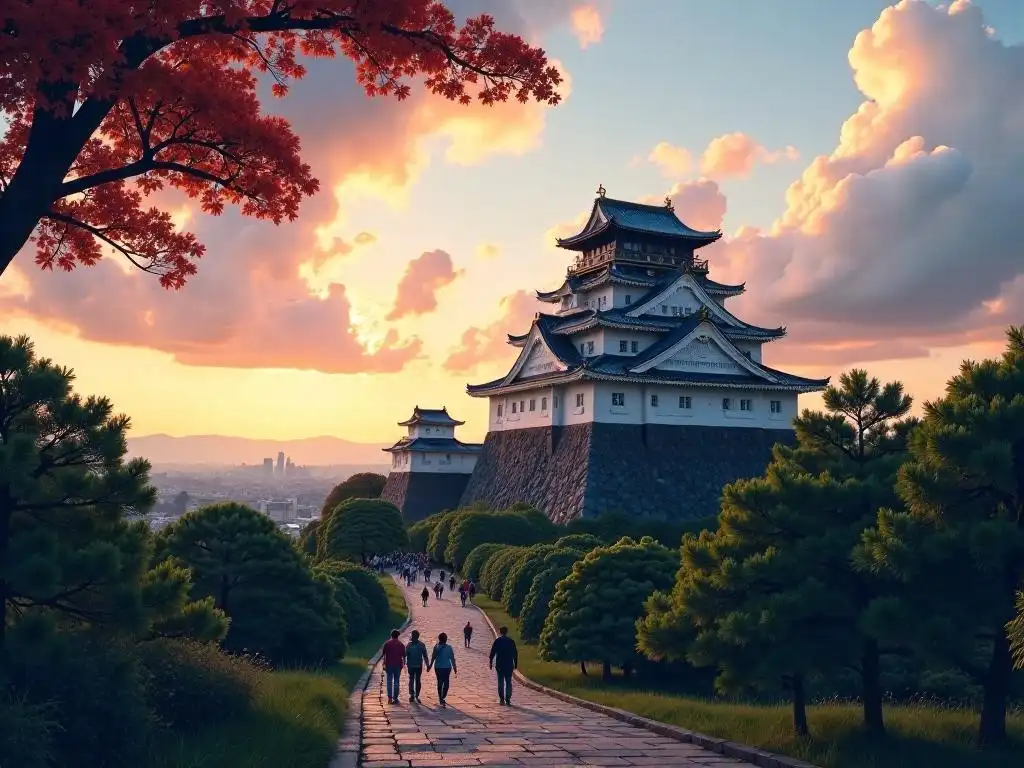
Feudal castles in Japan are not only remarkable architectural achievements but also symbols of cultural significance that shaped the societal structure of their time. These castles served various roles, from military fortifications to administrative centers, influencing the way of life during the feudal era. Their existence reflects the complex interplay between power, governance, and the social hierarchy that characterized Japan's history.
Castles as Centers of Power and Governance
Feudal castles, known as shiro (城), were strategically built to serve as strongholds for local lords, or daimyōs. These structures were often situated on elevated ground, providing a tactical advantage in defense against rival clans. Their imposing walls and moats not only deterred invaders but also symbolized the authority and power of the ruling class.
- Political Authority: The castles functioned as the administrative heart of the daimyō's domain, where decisions regarding land management, taxation, and military mobilization were made. They were equipped with facilities to conduct governance, including offices and meeting rooms.
- Military Strategy: Many castles featured complex layouts designed for defense, including gates, watchtowers, and hidden pathways. This allowed for effective military operations and showcased the daimyō’s military prowess.
- Cultural Exchange: Castles became hubs of cultural exchange, where samurai and their families gathered, fostering the spread of art, literature, and local traditions. The presence of artisans and scholars in these castles contributed to a rich cultural environment.
The legacy of these castles continues to influence modern Japanese society, as they are often associated with national pride and historical heritage. Today, many of these structures are preserved as cultural landmarks, attracting tourists and scholars alike.
The Role of Samurai and Nobility in Castle Life
The samurai class played a crucial role in the functioning and culture of feudal castles. As the military nobility, samurai were not only warriors but also administrators and custodians of the castle's social order.
- Defense and Loyalty: Samurai were bound by a code of honor known as bushido, emphasizing loyalty to their lord. Their primary duty was to defend the castle and its inhabitants, often living within the castle grounds with their families. This created a close-knit community centered around loyalty and service.
- Cultural Patrons: Many samurai were also patrons of the arts, participating in activities such as tea ceremonies, poetry, and calligraphy. The castles often housed galleries and gardens designed for these cultural pursuits, illustrating the duality of their roles as both warriors and cultured individuals.
- Social Hierarchy: Within the castle, a strict social hierarchy was maintained. The daimyōs held the highest authority, followed by their samurai retainers, and then the commoners who served the castle. This structure reinforced the feudal system and dictated the roles and responsibilities of each class, influencing daily life and societal interactions.
The intricate lifestyle within feudal castles reflects the broader cultural dynamics of Japan during the feudal era. As centers of governance and military power, these castles shaped the identities of the samurai and nobility, leaving an indelible mark on Japanese history and culture.
How to Plan Your Visit to Feudal Castles in Japan
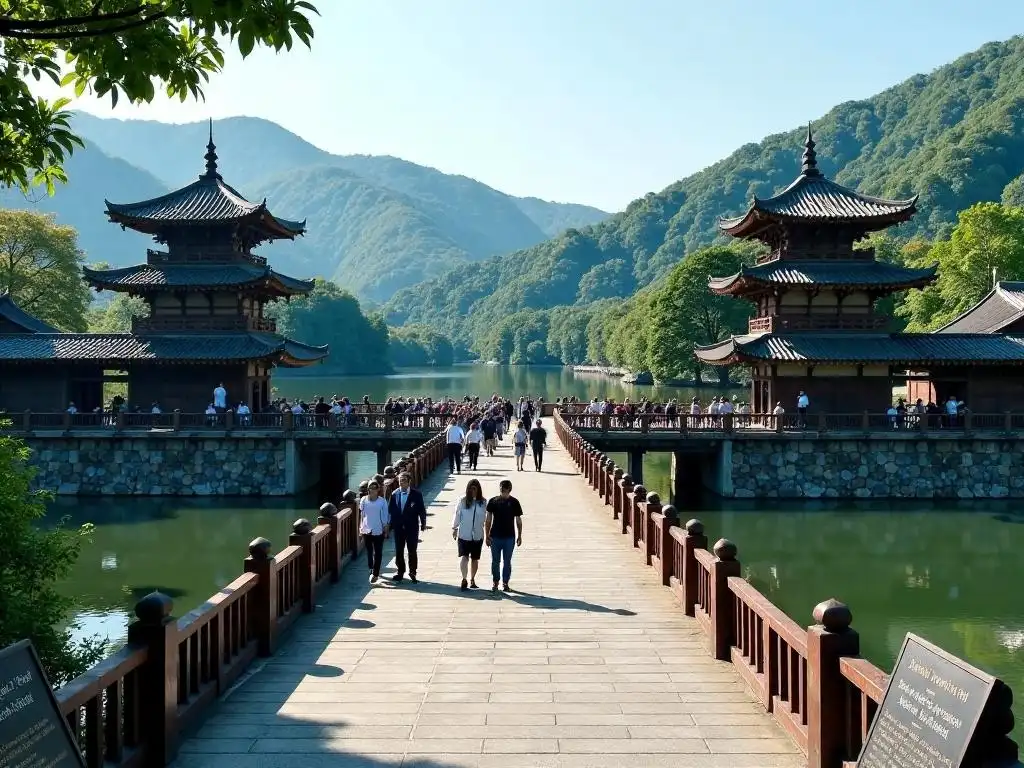
Visiting the feudal castles of Japan is more than just a trip; it's a journey back in time to an era rich in history and culture. Proper planning is essential to ensure a fulfilling experience that allows you to appreciate these magnificent structures and the stories they tell. Here are some key considerations to help you plan your visit effectively.
Best Practices for Touring Historic Sites
When touring historic sites such as feudal castles, following best practices can greatly enhance your experience:
- Research Ahead: Understand the historical significance of each castle you plan to visit. For instance, Himeji Castle, renowned for its stunning architecture, is a UNESCO World Heritage Site, while Matsumoto Castle boasts a unique black exterior and scenic views of the Japanese Alps.
- Visit During Off-Peak Times: To avoid large crowds, visit during weekdays or early mornings. This will allow you to explore the sites with greater ease and take better photographs.
- Respect the Environment: Maintain the integrity of the sites by following guidelines such as not touching artifacts and staying on designated paths. This helps preserve these historical treasures for future generations.
- Engage with Local Guides: Local guides can provide invaluable insights into the history and architecture of the castles. They often share stories and anecdotes that you won't find in guidebooks.
Recommended Tours and Guides for a Deeper Experience
For those seeking a more immersive experience, consider joining organized tours or hiring knowledgeable guides. Here are some notable options:
- Castle Tours: Many travel companies offer guided tours specifically focusing on feudal castles. These tours often include transportation and expert commentary, making it easier to visit multiple sites in a day.
- Cultural Experiences: Look for tours that incorporate traditional Japanese experiences, such as tea ceremonies or samurai reenactments. This adds an extra layer of understanding to your visit.
- Self-Guided Audio Tours: If you prefer to explore at your own pace, self-guided audio tours are available at many castles. These can be downloaded onto your smartphone and provide detailed information about the history and architecture of each site.
Essential Travel Gear for Exploring Japanese Castles
Equipping yourself with the right gear can make your exploration of feudal castles more enjoyable. Here’s a list of essential items to consider:
- Comfortable Footwear: Many castle grounds feature uneven terrain and steep stairs. Invest in sturdy walking shoes to ensure comfort during your explorations.
- Portable Charger: As you’ll likely be using your smartphone for navigation or audio tours, a portable charger will keep your devices powered throughout the day.
- Water Bottle: Stay hydrated, especially during the summer months. Many castles have water fountains or vending machines, but it’s wise to carry your own bottle.
- Weather-Appropriate Clothing: Japan's weather can vary significantly by season. Check the forecast before your trip and pack accordingly, including a light jacket for cooler evenings or an umbrella during the rainy season.
By following these guidelines for planning your visit to the feudal castles of Japan, you can ensure a rewarding and enriching experience that deepens your understanding of this fascinating period in Japanese history. Enjoy your journey through time!
Conclusion: The Enduring Legacy of Feudal Castles in Japan
The feudal castles of Japan stand as monumental testaments to the nation's rich history, architectural prowess, and the cultural significance of the samurai class. These structures not only served as military fortifications but also as symbols of power and governance during Japan's feudal era. Their enduring presence offers a unique glimpse into the past, allowing us to appreciate the complexities of Japanese society and the evolution of its political landscape.
Reflecting on the Historical Journey
As we delve into the history of feudal castles in Japan, we uncover layers of stories woven through centuries of conflict, artistry, and resilience. Castles like Himeji and Matsumoto not only showcase advanced defensive techniques but also highlight the aesthetic values of their time, blending functionality with beauty.
- Architectural Features: The intricate designs of these castles, characterized by soaring towers and fortified walls, reflect the feudal lords’ desire for both protection and prestige. Each castle boasts unique features, such as:
- Donjons (tenshukaku) that served as the main keep
- Moats that provided defense against invasions
- Gun emplacements that illustrate the evolution of military strategy.
- Cultural Significance: Beyond their military purpose, these castles were centers of governance and culture. They housed not only the samurai but also artisans, merchants, and farmers, creating bustling communities. Festivals and rituals often took place within their grounds, making them focal points of local culture.
The castles also witnessed significant historical events, from battles to political shifts, leaving behind rich narratives that contribute to Japan's collective memory.
Encouragement to Explore and Experience Japan's Feudal Heritage
Visiting these historic feudal castles immerses travelers in the rich tapestry of Japan’s past. Each castle offers a unique experience, whether it’s walking through the meticulously preserved halls of Himeji Castle, exploring the scenic views from Matsumoto Castle, or engaging with interactive exhibits that delve into the lives of the samurai.
Here are some compelling reasons to explore these enchanting sites:
- Educational Opportunities: Many castles provide guided tours and exhibitions that offer insights into the feudal era, samurai culture, and architectural innovations.
- Scenic Beauty: The picturesque settings of these castles, often surrounded by gardens and natural landscapes, provide stunning backdrops for photography and relaxation.
- Cultural Events: Visitors can participate in seasonal festivals and reenactments, bringing history to life in a vibrant and engaging way.
The feudal castles of Japan are not just relics of the past; they are living monuments that continue to inspire curiosity and admiration. By visiting these historic sites, we not only honor the legacy of those who came before us but also deepen our understanding of Japan's unique cultural identity. 🌸
Frequently Asked Questions
What are the feudal castles of Japan?
The feudal castles of Japan, also known as shiro, were fortifications built during the feudal era to protect territories and serve as administrative centers for daimyos.
Why were the feudal castles significant in Japanese history?
These castles played a crucial role in the political dynamics of Japan, serving as symbols of power and authority for feudal lords and their ability to control land and people.
What architectural features are common in Japanese feudal castles?
Common features include moats, stone walls, and multi-storied tenshu (main towers), designed for both defense and aesthetic appeal.
How did the feudal system influence the construction of these castles?
The feudal system necessitated strongholds for protection and administration, resulting in the construction of castles in strategic locations to assert control over regions.
Are any feudal castles in Japan still standing today?
Yes, several feudal castles, like Himeji Castle and Matsumoto Castle, have been preserved and are recognized as important cultural properties, attracting many visitors each year.
Final Reflection: Embracing the Legacy of Feudal Castles in Japan
The exploration of the feudal castles of Japan reveals a profound connection between history and identity that resonates deeply in today's society. As we traverse the remnants of these majestic structures, we uncover not only the architectural brilliance of a bygone era but also the stories of resilience, power, and cultural evolution that continue to shape our understanding of Japan's rich heritage. The enduring allure of these castles serves as a reminder that history is not merely a collection of dates and events but a living narrative that informs our present and future.
The impact of feudal castles extends far beyond their physical presence; they are symbols of Japan's complex social fabric and cultural evolution. These fortresses encapsulate the spirit of the samurai, the intricacies of feudal governance, and the artistry of Japanese craftsmanship. As we reflect on their significance, we are reminded of the words of historian John W. Hall: The past is never dead. It's not even past.
This sentiment underscores the idea that the lessons and legacies of the feudal era continue to influence contemporary Japanese society, from its values of honor and loyalty to its appreciation for beauty and tradition.
As we conclude this journey through time, I invite you to reflect on the importance of preserving and honoring our historical landmarks. Consider how the stories of the feudal castles of Japan can inspire you to appreciate your own heritage and the lessons it holds. Whether through visiting these sites, engaging with their histories, or sharing their stories with others, we can all play a part in ensuring that the echoes of the past continue to resonate in our lives and communities. Let us embrace the legacy of these remarkable structures and carry their lessons forward into the future.
Embark on Your Own Adventure: Discover Japan’s Feudal Treasures!
Thank you for exploring the captivating world of feudal Japan with us! We hope you found inspiration in the rich histories and majestic castles that transformed landscapes and lives. Now, it’s your turn to dive deeper and experience these treasures in your own way.
Take action now:
- Visit a local historical site or museum to connect with Japan's rich past firsthand.
- Plan a trip to Japan, focusing on its stunning feudal castles—your adventure could uncover stories that history books haven’t told!
- Share your thoughts and insights about feudal Japan in our community forum; your voice is important!
What key aspect of feudal Japan’s history fascinates you the most, and how do you plan to explore it further?