
The Hierarchical Tapestry: Understanding the Complex Class Structure of Feudal Japan

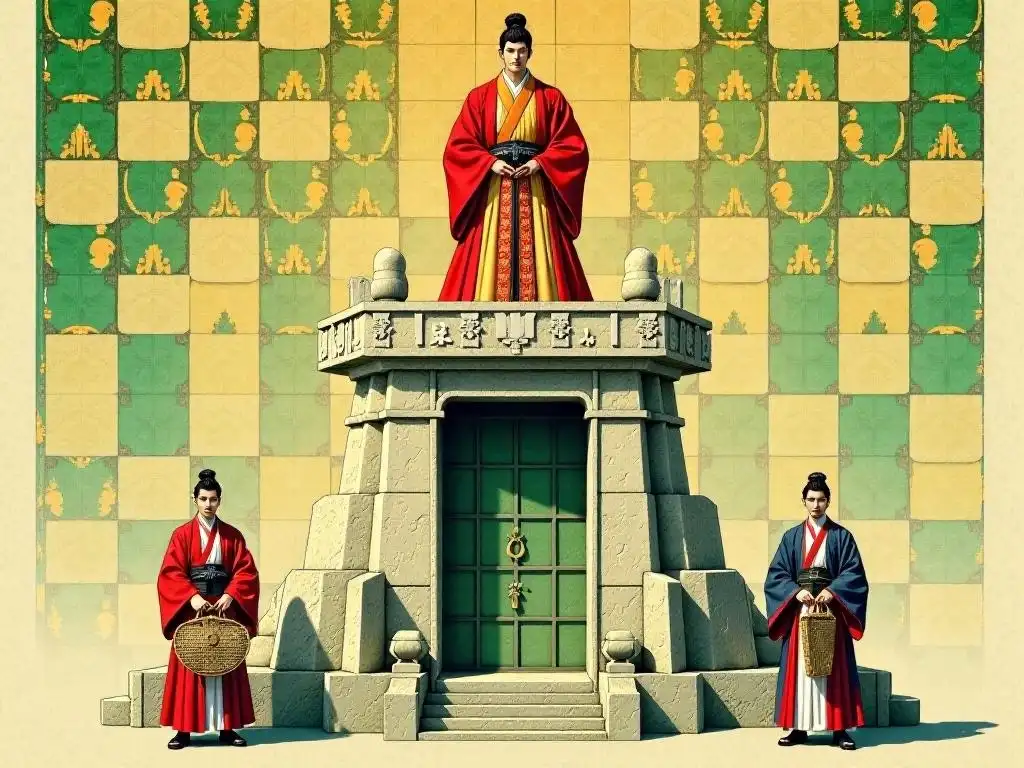
Welcome to Feudal Japan History, where we embark on a captivating journey through the intricate tapestry of Japan’s feudal era. Here, we delve into the Feudal Japan class hierarchy, unraveling the layers of social structure that defined a civilization. From the noble samurai to the peasant farmers, each class played a pivotal role in shaping the cultural and societal landscape of the time.
Prepare to ignite your curiosity as we explore the dynamics of power, loyalty, and tradition that governed everyday life in feudal Japan. Join us as we uncover the stories behind the ranks and their enduring impact on modern Japan!
Introduction to Feudal Japan Class Hierarchy
Understanding the class hierarchy of Feudal Japan is essential for comprehending the intricate social dynamics that shaped the nation during its medieval period. This hierarchical structure was not merely a set of social classes; it was a reflection of the values, responsibilities, and relationships that defined life in Japan from the 12th to the 19th century.
The society was intricately woven, with each class playing a distinct role, contributing to the stability and functionality of the feudal system. This article delves into the layers of this complex tapestry, exploring each class's significance and interrelations, providing a comprehensive overview of the Feudal Japan class hierarchy.
Overview of Feudal Japan's Social Structure
The social structure of Feudal Japan was characterized by a rigid hierarchy that placed individuals into four main classes: Samurai, Farmers, Artisans, and Merchants. This stratification was not only a matter of social status but also dictated one's obligations, rights, and lifestyle.
- Samurai: The warrior class, known for their martial prowess and loyalty to their lords.
- Farmers: Considered the backbone of society, responsible for food production.
- Artisans: Skilled craftsmen who contributed to the economy through their trades.
- Merchants: Traders who facilitated the exchange of goods but were often viewed with suspicion by the higher classes.
Each class had its own duties and contributions, forming a societal framework that maintained order and stability throughout the feudal era.
Importance of Class Hierarchy in Feudal Society
The class hierarchy in Feudal Japan was pivotal for several reasons:
- Social Order: It provided a clear structure that dictated relationships and responsibilities among the various classes, ensuring a functioning society.
- Political Power: The samurai class, in particular, wielded significant influence, serving as military leaders and enforcers of the shogunate's rule.
- Economic Stability: Each class contributed to the economy in unique ways, helping to sustain the agrarian-based society.
- Cultural Identity: The distinct roles and values associated with each class fostered a strong sense of identity and tradition, which remains influential in Japanese culture today.
Understanding this hierarchy is crucial for appreciating the historical context of Japan's feudal era and its lasting impact on modern society.
The Four Main Classes of Feudal Japan
The Samurai: The Warrior Class
The samurai were the elite warriors of Feudal Japan, serving as vassals to the daimyo (feudal lords). They adhered to a strict code of conduct known as Bushido, which emphasized loyalty, honor, and martial skill. Samurai not only engaged in warfare but also played key roles in governance and cultural patronage. Their status was marked by distinct privileges, including land ownership and the right to bear arms, which further solidified their position within the class hierarchy.
The Farmers: The Backbone of Society
Farmers were regarded as the backbone of Feudal Japan, responsible for producing the rice and other crops that sustained the population. Despite their critical role, they occupied a lower social status compared to the samurai. Farmers were often bound by obligations to their lords, paying taxes in the form of rice. Their work was essential for the economy, and they were respected for their labor, forming the largest class within the societal structure.
The Artisans: Craftsmen of Feudal Japan
Artisans were skilled craftsmen who contributed to Feudal Japan's economy by creating goods that were essential for daily life and cultural expression. They produced everything from tools and textiles to intricate art and architecture. Unlike farmers, artisans enjoyed a slightly higher status due to their specialized skills, yet they were still subordinate to the samurai. Their work not only fulfilled practical needs but also enriched the cultural landscape of the period.
The Merchants: The Trade Class
Merchants, despite their critical role in facilitating trade and commerce, were often viewed with skepticism by the samurai and the ruling elite. They were considered the lowest class due to the perception that they profited from the labor of others without contributing to society in a meaningful way. However, as the economy evolved, merchants gained wealth and influence, playing a key role in Japan's eventual transition from a feudal society to a more modern economic framework.
The Role of the Emperor and Shogunate
In the feudal hierarchy of Japan, the roles of the Emperor and the Shogunate were crucial in defining the political and social landscape of the era. Although the Emperor was considered the highest authority, the real power often lay with the Shogun, creating a complex interplay between these two pivotal figures.
The Emperor: Symbolic Leader of Feudal Japan
The Emperor of Japan held a position steeped in tradition and reverence. As the divine ruler, he was seen as a descendant of the sun goddess Amaterasu, which imbued his role with a religious significance that transcended mere governance. Throughout much of the feudal period, particularly from the 12th to the 19th centuries, the Emperor's power was largely symbolic.
While the Emperor resided in Kyoto and was responsible for ceremonial duties and spiritual leadership, actual governance and military authority were often delegated to the Shogunate. This separation of powers meant that while the Emperor was revered as the ultimate authority, he had little influence over the day-to-day administration of the country. In times of conflict or crisis, the Emperor's role became even more ceremonial, with the Shogunate stepping in to manage the state's affairs.
Despite this, the Emperor's status remained paramount in the cultural and spiritual identity of Japan. Festivals, rituals, and imperial proclamations were vital in maintaining social cohesion and reinforcing the notion of a divinely ordained ruler, even if he wielded no real power.
The Shogun: The Real Power Behind the Throne
In stark contrast to the Emperor's symbolic role, the Shogun was the de facto ruler of Japan, wielding military and political power from the late 12th century onwards. The Shogunate, established initially by Minamoto no Yoritomo, marked the beginning of samurai dominance in Japanese society. The Shogun was responsible for maintaining law and order, leading military campaigns, and managing the relationships with the daimyos, the feudal lords who governed individual regions.
The Shogunate operated through a complex system of vassalage, where loyalty and service were exchanged for land and protection. This relationship enabled the Shogun to assert control over the various provinces while ensuring that the daimyos remained loyal. Furthermore, the Shogun had the authority to appoint officials, regulate trade, and enforce laws, making him a central figure in the governance of Japan.
The political landscape under the Shogunate was characterized by a series of shifting alliances and conflicts, particularly during the Sengoku period, where various clans vied for supremacy. Despite the Shogun's military prowess, the stability of his rule often depended on the support of the Emperor and the underlying belief in the Emperor's divine status. Thus, the Shogunate's power was both a challenge to and a complement of the imperial authority.
The Interactions Between Classes
The interactions between the various social classes in feudal Japan were complex and multifaceted, characterized by both rigid hierarchies and moments of fluidity. Understanding these dynamics is essential in grasping the nuances of the feudal class structure.
Social Mobility: The Fluidity of Class Boundaries
While the class structure in feudal Japan was predominantly hierarchical, some instances of social mobility existed, allowing individuals to transcend their birth status. This fluidity was particularly evident among the samurai class, where meritocracy played a role in recognition and advancement. Samurai who demonstrated exceptional skills in battle or governance could gain favor with their lords, leading to promotions and increased status.
Moreover, commoners, particularly farmers, could improve their standing through hard work and economic success. Wealthy merchants, although often looked down upon by the samurai class, could also gain influence by amassing wealth, sometimes becoming patrons of culture and art. The rise of the merchant class during the Edo period exemplified this fluidity, challenging the rigid social orders that characterized earlier periods.
However, it is essential to note that such mobility was limited and often dependent on specific circumstances, including regional variations and the political climate. The majority of individuals remained confined to their class due to the deeply entrenched social norms and expectations that governed feudal Japan.
Conflicts and Alliances Between Classes
The interplay of classes in feudal Japan was not merely a matter of hierarchy; it involved conflicts and alliances that shaped the historical narrative. Tensions often arose between the samurai and the peasantry, particularly during times of famine or heavy taxation. Peasants, who made up the bulk of the population, were vital for agriculture and sustenance, yet they faced the burden of military obligations imposed by their samurai lords.
Additionally, conflicts between rival samurai clans were common, leading to battles that reshaped the political landscape. These conflicts often drew in the peasantry, who found themselves caught in the crossfire, sometimes leading to uprisings against their lords. Notable examples include the Ikko-ikki uprisings in the 15th and 16th centuries, where peasant and monk alliances challenged samurai authority.
Conversely, alliances could also form between classes, especially in the face of external threats. For instance, during the Mongol invasions in the late 13th century, samurai and commoners united to fend off the attackers, showcasing the potential for collaboration despite the overarching class structures.
The interactions between classes in feudal Japan were marked by a complex tapestry of conflict, cooperation, and evolving relationships, revealing the dynamic nature of society during this historical period.
Regional Variations in Class Structure
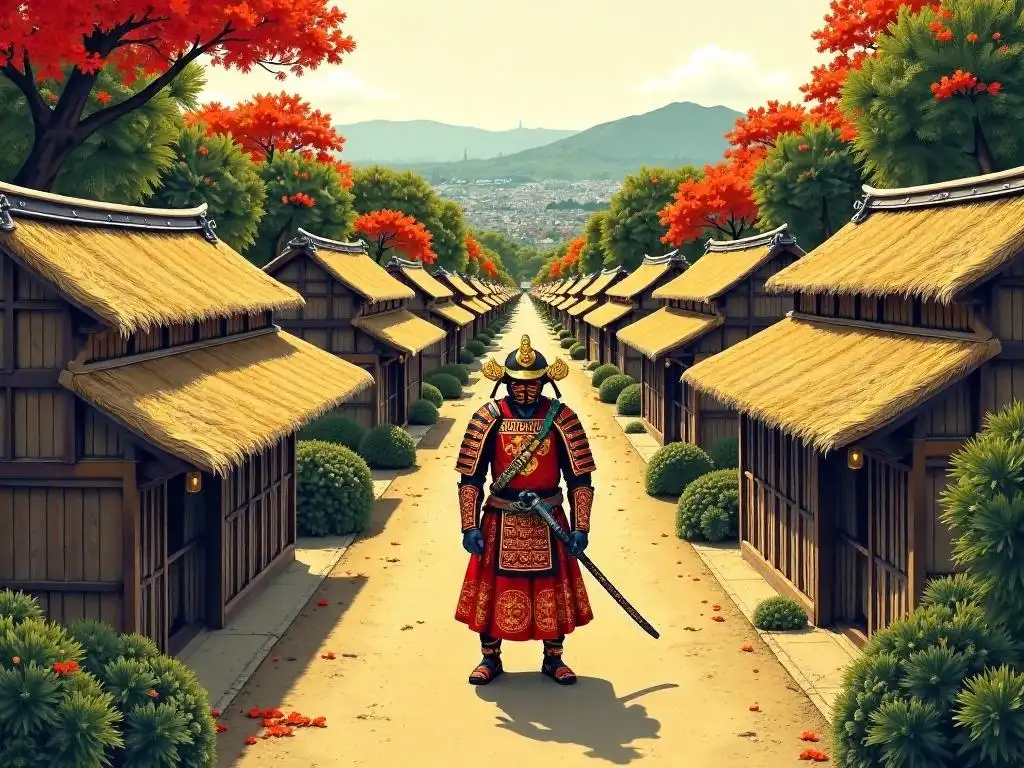
The feudal class structure in Japan was not a monolithic entity; it varied significantly across different regions due to geographical, political, and cultural factors. Each region developed its own distinct hierarchy influenced by local lords, resources, and interactions with neighboring territories.
For example, in the mountainous regions of Japan, the samurai class often had to adapt to the harsh conditions, focusing more on martial skills and local governance. In contrast, coastal areas, rich in trade, saw a rise in the merchant class, which sometimes even garnered more wealth than the samurai. This led to unique power dynamics where merchants influenced local politics and culture.
Additionally, the historical context of each region played a crucial role in shaping its class structure. For instance, the Kanto region, including Edo (modern-day Tokyo), became a political and cultural center during the Tokugawa period, leading to a more pronounced distinction between the samurai and merchant classes. Conversely, in rural areas, the relationship between farmers and local lords often blurred class lines, as land productivity and labor were more critical to survival than strict adherence to social hierarchy.
Differences in Class Hierarchy Across Japan
The differences in class hierarchy across Japan were characterized by various factors, including land ownership, military power, and economic influence. In the Kansai region, which included Kyoto and Osaka, the cultural and political influence of the imperial court created a unique situation where the samurai class was intertwined with aristocratic families. Here, the nobility held significant sway, leading to a more complex hierarchy that included court nobles, samurai, and merchants.
In contrast, the Tohoku region, known for its agricultural output, had a more straightforward class structure dominated by local landowners and farmers. The samurai, while present, often took on roles as local administrators rather than as warriors, reflecting a more practical approach to governance in a predominantly agrarian society.
Moreover, the class structure in the western part of Japan, particularly in regions like Kyushu, was influenced by trade and maritime activities. Merchants gained prominence and wealth, sometimes challenging the traditional samurai dominance. This led to a unique interplay between commerce and military power, showcasing how regional characteristics shaped the feudal class hierarchy.
Cultural Reflections of Class Structure
The class structure of feudal Japan found reflection in various cultural expressions, from literature to art, providing insight into societal values and norms. These cultural artifacts often depicted the roles, struggles, and aspirations of different classes, illustrating the complexities of life during this era.
Literature and Art Representing Feudal Classes
Japanese literature from the feudal era, such as The Tale of Genji by Murasaki Shikibu, highlights the nuances of class relationships, particularly among the aristocracy. The text delves into the lives of courtiers, their interactions, and the implications of their social standing. Similarly, the Heike Monogatari (The Tale of the Heike) narrates the rise and fall of the Taira and Minamoto clans, reflecting the samurai ethos and the transient nature of power in feudal society.
In visual arts, ukiyo-e woodblock prints captured the essence of daily life across different classes. Artists like Hokusai and Hiroshige portrayed scenes that included samurai, merchants, and farmers, often emphasizing the beauty and struggles inherent in each class's existence. These artworks served not only as aesthetic representations but also as social commentaries on class dynamics.
Festivals and Traditions Linked to Class Hierarchy
Festivals and traditions in feudal Japan often showcased the class hierarchy in vivid detail. Events such as the Gion Matsuri in Kyoto were elaborate celebrations that highlighted the status of the ruling class while also integrating the participation of the merchant class. These festivals served as a platform for social interaction, allowing different classes to engage in a shared cultural experience, albeit within the confines of their status.
Similarly, the rice planting festivals celebrated in rural areas reflected the importance of agriculture and the farmers' role in society. These events were crucial for community cohesion and often included rituals to honor the deities responsible for rice production, reinforcing the farmers' vital position within the class structure.
Overall, the cultural reflections of class structure in feudal Japan illustrate a society deeply intertwined with its hierarchical organization, revealing both the challenges and the beauty of life across different social strata.
Conclusion: The Legacy of Feudal Japan's Class Structure
The class hierarchy of Feudal Japan left a profound mark on the social, cultural, and political landscapes of the nation. This intricate system, characterized by rigid social stratification, defined the roles and responsibilities of various classes, from the ruling samurai to the peasant farmers. The legacy of this hierarchy persists in modern Japanese society, influencing contemporary social interactions, cultural norms, and even economic structures.
The ideals of loyalty, honor, and duty that were central to the samurai code, known as Bushido, continue to resonate within Japanese culture today. Additionally, the historical context of the feudal system has fostered a unique sense of identity and cultural heritage, which is celebrated in literature, art, and festivals across Japan. Understanding this legacy is essential to grasp not only the historical significance of Feudal Japan but also its ongoing influence in the modern era.
Impact on Modern Japanese Society
The remnants of Feudal Japan's class structure can be observed in various aspects of contemporary Japanese society. One notable influence is the respect for hierarchy that pervades social interactions and business practices. The concept of seniority, seen in corporate environments where age and experience dictate status, echoes the feudal system's emphasis on rank and role.
Moreover, the cultural emphasis on community and collectivism can also be traced back to the feudal era, where loyalty to one's lord and community was paramount. This has evolved into a strong sense of social responsibility and group harmony, which remains integral to Japanese identity today.
The educational system in Japan also reflects this historical influence, where respect for teachers and elders is ingrained from a young age, mirroring the feudal respect for authority figures. In this way, the social lessons of the past continue to shape modern Japan, demonstrating the enduring impact of the feudal class hierarchy.
Lessons Learned from the Feudal Class System
The feudal class system of Japan offers valuable lessons in governance, social responsibility, and the consequences of inequality. One significant takeaway is the importance of balance between power and responsibility. The samurai class, while powerful, also bore the burden of protecting and governing the lower classes, illustrating that authority comes with obligations.
Furthermore, the rigid class distinctions highlight the potential pitfalls of social stratification. The eventual decline of the samurai class and the upheaval that followed serve as a reminder of the dangers inherent in a society that does not adapt to the changing needs of its people.
Modern societies can learn from these historical dynamics by fostering inclusive systems that prioritize collaboration and equity, thereby preventing the kind of discord that can arise from hierarchical imbalances.
References and Further Reading
Recommended Books on Feudal Japan Class Hierarchy
-
"Samurai: The World of the Warrior" by Stephen Turnbull
This book provides insights into the lives and roles of samurai within the feudal structure, exploring their influence on Japanese society.
-
"The Making of Modern Japan" by Joshua A. Fogel
Fogel's work offers a comprehensive overview of Japan's transition from feudalism to modernity, including discussions on class structures.
-
"Japan's Medieval Population: A Study of the Social Structure of the Kamakura-Era" by Paul Varley
Varley's research delves into the demographic and social aspects of feudal Japan, illuminating the complexities of class dynamics.
Articles and Journals for In-Depth Understanding
-
"Feudalism in Japan: A Historical Perspective" - Journal of Asian Studies
This article discusses the nuances of feudalism in Japan, comparing it to Western feudal systems and analyzing its unique characteristics.
-
"Class Structure in the Edo Period: An Examination of Social Mobility" - Social History Review
This journal article explores the rigidities and occasional fluidities within the class structure of the Edo period, providing a nuanced view of social dynamics.
-
"The Samurai and the Peasantry: A Complex Relationship" - The Historical Journal
This piece examines the interactions between different classes, shedding light on the interdependencies that existed within the feudal hierarchy.
- Introduction to Feudal Japan Class Hierarchy
- The Four Main Classes of Feudal Japan
- The Role of the Emperor and Shogunate
- The Interactions Between Classes
- Regional Variations in Class Structure
- Cultural Reflections of Class Structure
- Conclusion: The Legacy of Feudal Japan's Class Structure
- References and Further Reading
Frequently Asked Questions
What was the class hierarchy in Feudal Japan?
The class hierarchy in Feudal Japan was a structured system comprising daimyōs, samurai, peasants, artisans, and merchants, each with distinct roles and responsibilities.
Who were the daimyōs and what was their role?
Daimyōs were powerful feudal lords who governed large estates. They played a crucial role in maintaining social order and protecting their territories in exchange for loyalty from their samurai.
How did the samurai fit into the class hierarchy?
The samurai were the warrior class, serving the daimyōs and adhering to a strict code of honor called bushidō. Their status placed them above peasants but below the daimyōs in the class hierarchy.
What was the significance of peasants in Feudal Japan?
Peasants were the backbone of the economy in Feudal Japan, primarily engaged in agriculture. They were essential for sustaining the samurai and daimyōs, yet they occupied the lowest tier in the class hierarchy.
Though originally at the bottom of the class hierarchy, the merchant class gained wealth and influence over time due to their economic activities, leading to a gradual shift in social dynamics during the later periods of Feudal Japan.
Final Reflection: The Enduring Legacy of Feudal Japan's Class Hierarchy
The intricate class structure of Feudal Japan remains a pivotal aspect of understanding not only historical governance but also the cultural and social dynamics that shape our world today. The rigid hierarchy that defined this era serves as a reminder of how power, privilege, and societal roles can influence the course of history and the lives of individuals. As we navigate the complexities of modern society, the lessons drawn from Feudal Japan's class hierarchy resonate profoundly, urging us to reflect on our own social structures and the inequalities that persist.
The legacy of Feudal Japan's class hierarchy continues to influence contemporary discussions around social stratification and cultural identity. The rigid divisions of samurai, farmers, artisans, and merchants reflect a world where status dictated one's opportunities and rights. This historical context provides a lens through which we can examine our own societal frameworks.
As philosopher and historian Yuval Noah Harari once stated, "> History is not the story of the past; it is the story of the future." This perspective encourages us to recognize how the past informs our present and shapes our future, prompting us to question the systems we uphold today.
As we conclude our exploration of Feudal Japan's class hierarchy, I invite you to reflect on your own position within the social tapestry of our time. Consider how the lessons of the past can inspire you to challenge inequalities and advocate for a more equitable society. Let the complexities of Feudal Japan serve as a catalyst for personal growth and social awareness, empowering you to contribute positively to the world around you. Embrace the opportunity to learn from history, ensuring that the mistakes of the past do not repeat themselves in our future.
Unveil the Layers of Feudal Japan!
Thank you for diving into the intricate world of Feudal Japan! You’ve gained a unique perspective on its complex class structure. Now, it's time to take that knowledge further and engage with this fascinating history in everyday life.
Here are some steps to deepen your understanding and appreciation:
- Explore your local library or online resources to find books and documentaries about the culture and society of Feudal Japan.
- Join an online forum or community dedicated to Japanese history, where you can share your insights and learn from others.
- Visit a museum or cultural exhibition that showcases the feudal era of Japan—experience history in a tangible way!
How does the class structure of Feudal Japan influence our understanding of modern societal hierarchies? We invite you to share your thoughts below!