
The Impact of Foreign Trade on Class Structure in Feudal Japan


Welcome to Feudal Japan History! Dive into the captivating world of Japan's feudal era, where the intricate dance of power, culture, and society unfolds in fascinating detail. In our featured article, “The Impact of Foreign Trade on Class Structure in Feudal Japan,” we unravel how external influences shaped the very fabric of Japanese society.
What role did foreign trade play in transforming the class dynamics of this rich historical period? Join us as we explore the profound effects that trade had on the social hierarchy, igniting your curiosity and paving the way for a deeper understanding of this pivotal era. Your journey into the heart of feudal Japan begins here!
Foreign trade played a pivotal role in shaping the class structure of feudal Japan, a period that spanned from the late 12th century until the mid-19th century. During this era, Japan was characterized by a rigid social hierarchy, where various classes held specific roles and responsibilities. However, the influx of foreign goods, ideas, and influences through trade began to challenge and transform these established norms. This article delves into the intricate relationship between foreign trade and the class structure in feudal Japan, exploring how economic interactions with the outside world reshaped social dynamics and hierarchies.
Introduction to Foreign Trade in Feudal Japan
Overview of Feudal Japan's Economy
The economy of feudal Japan was primarily agrarian, with the majority of the population engaged in farming. The land was owned by a small number of elite landowners, while the vast majority of the populace were peasants working the fields. Trade existed but was limited to local markets and inter-regional exchanges. The introduction of foreign trade, especially during the late 16th century with the arrival of European traders, marked a significant turning point in Japan’s economic landscape.
- Key Economic Features:
- Predominantly agricultural society.
- Land ownership concentrated in the hands of the samurai class.
- Limited trade opportunities prior to foreign influence.
Significance of Trade in Historical Context
Foreign trade introduced not only new goods but also new ideas and cultural practices that influenced Japanese society. The arrival of European traders brought items such as firearms, textiles, and exotic foods, which began to alter consumer preferences and economic practices. This interaction fostered a burgeoning merchant class, which started to gain prominence and power, leading to shifts in the traditional class structure.
- Impact of Trade:
- Introduction of new goods and technologies.
- Emergence of a merchant class.
- Changes in consumer behavior and economic practices.
The Class Structure of Feudal Japan
Overview of Social Hierarchy in Feudal Japan
The class structure in feudal Japan was highly stratified, with a clear delineation between different social groups. The society was primarily divided into four main classes: the samurai, farmers, artisans, and merchants. Each class had specific roles, responsibilities, and social statuses, which were largely dictated by the prevailing socio-economic conditions.
- Class Hierarchy:
- Samurai: The warrior class, holding political and military power.
- Farmers: The backbone of the economy, responsible for food production.
- Artisans: Skilled craftsmen contributing to the economy through their trades.
- Merchants: Initially viewed with disdain, they began to rise in status due to trade.
Key Classes: Samurai, Farmers, Artisans, and Merchants
The roles and perceptions of these classes evolved as foreign trade expanded. While the samurai retained their political power, the merchants began to gain wealth and influence due to their control over trade networks. This shift led to tensions between the classes and a gradual reconfiguration of the social order.
- Class Dynamics:
- Samurai: Maintained martial and administrative roles but faced challenges from the rising merchant class.
- Farmers: Continued to be essential for sustenance but struggled economically due to increased taxation and changing trade dynamics.
- Artisans: Gained recognition for their skills, particularly as demand for goods increased with trade.
- Merchants: Transitioned from a low-status class to influential economic players, impacting social mobility and class perceptions.
This article will further explore how these dynamics unfolded and the lasting impact of foreign trade on the class structure of feudal Japan.
The Role of Foreign Trade in Shaping Class Dynamics
Foreign trade played a pivotal role in shaping the class dynamics of feudal Japan, creating a complex interplay between different social strata. The introduction of trade routes and the influx of foreign goods transformed the economic landscape and led to significant shifts in power and wealth distribution. This interaction not only affected the samurai and merchant classes but also had profound implications for farmers and the rural economy. As trade flourished, it contributed to the rise of a more stratified society, where new opportunities and challenges emerged for various groups.
Introduction to Foreign Trade Routes and Partners
During the feudal era, Japan engaged in foreign trade primarily with countries such as China, Korea, and later the European powers, notably the Portuguese and Dutch. Key trade routes facilitated the exchange of goods including silk, ceramics, and spices, which were highly sought after in Japan. The establishment of trading ports, particularly in cities like Nagasaki, allowed for increased interaction with foreign merchants and the introduction of new products.
These routes were not just economic channels; they also fostered cultural exchanges that influenced Japanese society. The arrival of foreign goods often came with new ideas, technologies, and practices, which played a significant role in reshaping class structures. The samurai class began to adopt foreign luxuries, while merchants capitalized on the demand for these imported goods, further elevating their status.
How Trade Influenced the Samurai Class
The samurai class, traditionally viewed as the warrior elite, experienced significant changes due to foreign trade. As trade routes expanded, some samurai began to engage in commerce, seeking to augment their income beyond their stipends from the feudal lords. This shift allowed certain samurai to amass wealth and influence, challenging the traditional notion of samurai as solely warriors.
Moreover, the consumption of foreign goods became a status symbol among the samurai. Items such as elaborate textiles and imported weapons signified wealth and power, leading to a blending of cultural values between the samurai and merchant classes. This interaction gradually blurred the rigid class distinctions that had previously defined feudal Japan.
Impact of Foreign Trade on Farmers and Agricultural Practices
Farmers, the backbone of feudal Japan's economy, also felt the effects of foreign trade. The introduction of new crops and agricultural techniques from trade partners enhanced agricultural productivity. For instance, the adoption of techniques such as crop rotation improved yields, allowing farmers to produce more than they had before.
However, the increased demand for cash crops, spurred by trade, often led to the commercialization of agriculture. Farmers began to focus on producing goods for market sale rather than subsistence farming. This shift not only impacted their economic stability but also their social standing, as those who could successfully navigate the market benefited while others struggled to adapt to the changing landscape.
The Rise of Merchant Class through Trade Opportunities
The merchant class emerged as a significant force in feudal Japan largely due to the opportunities presented by foreign trade. As commerce expanded, merchants who engaged in trade began to accumulate wealth and influence, challenging the traditional dominance of the samurai. Initially viewed with suspicion, the success of merchants in amassing wealth led to a gradual acceptance of their role within society.
Trade fairs and markets flourished, further enhancing the merchant class's status. The ability to control the flow of goods and information allowed merchants to establish networks that extended beyond Japan, linking them to international markets. This newfound power contributed to a more dynamic social structure, where social mobility became increasingly possible for those willing to engage in trade.
Economic Impacts of Foreign Trade on Class Structure
The economic implications of foreign trade on class structure in feudal Japan were profound. The introduction of foreign goods and the changes in wealth distribution fundamentally altered the societal framework, prompting shifts in power dynamics and class interactions.
Influx of Foreign Goods and Its Influence on Society
The influx of foreign goods transformed everyday life in Japan. Luxury items such as silk and porcelain became available, altering consumption patterns among the upper classes. This newfound access to exotic products not only signified wealth but also created a burgeoning market for these imports, leading to increased economic activity.
As society adapted to these changes, the cultural landscape shifted as well. The appreciation for foreign aesthetics and tastes permeated various classes, influencing art, fashion, and even culinary practices. The desire for foreign goods fueled competition and innovation among domestic producers, further intertwining economic and cultural dynamics.
Changes in Wealth Distribution Due to Trade
Foreign trade resulted in significant changes in wealth distribution across feudal Japan. As merchants grew richer, the traditional land-based wealth of the samurai began to feel pressure. This economic shift led to tensions between the samurai and merchant classes, as merchants sought to elevate their status through wealth accumulation.
Wealth concentration among merchants also created disparities within the peasant class. Some farmers, who capitalized on market opportunities, experienced economic upliftment, while others fell into debt, unable to compete in the evolving economy. This uneven distribution of wealth contributed to growing social tensions and highlighted the fragility of the established feudal hierarchy.
The Emergence of New Professions and Social Mobility
The expansion of trade gave rise to new professions and fostered social mobility in ways previously unseen in feudal Japan. As commerce expanded, roles such as traders, shipbuilders, and artisans specializing in foreign goods emerged. This diversification of professions allowed individuals from lower classes to improve their socioeconomic status by engaging in trade and related industries.
Moreover, the merchant class's rise facilitated the development of a more fluid social structure. Individuals who embraced trade opportunities could ascend the social ladder, challenging the rigid class distinctions that had previously defined feudal society. This newfound mobility contributed to an evolving understanding of class identity in Japan, paving the way for a more interconnected and diverse society.
Cultural Impacts of Foreign Trade on Feudal Society
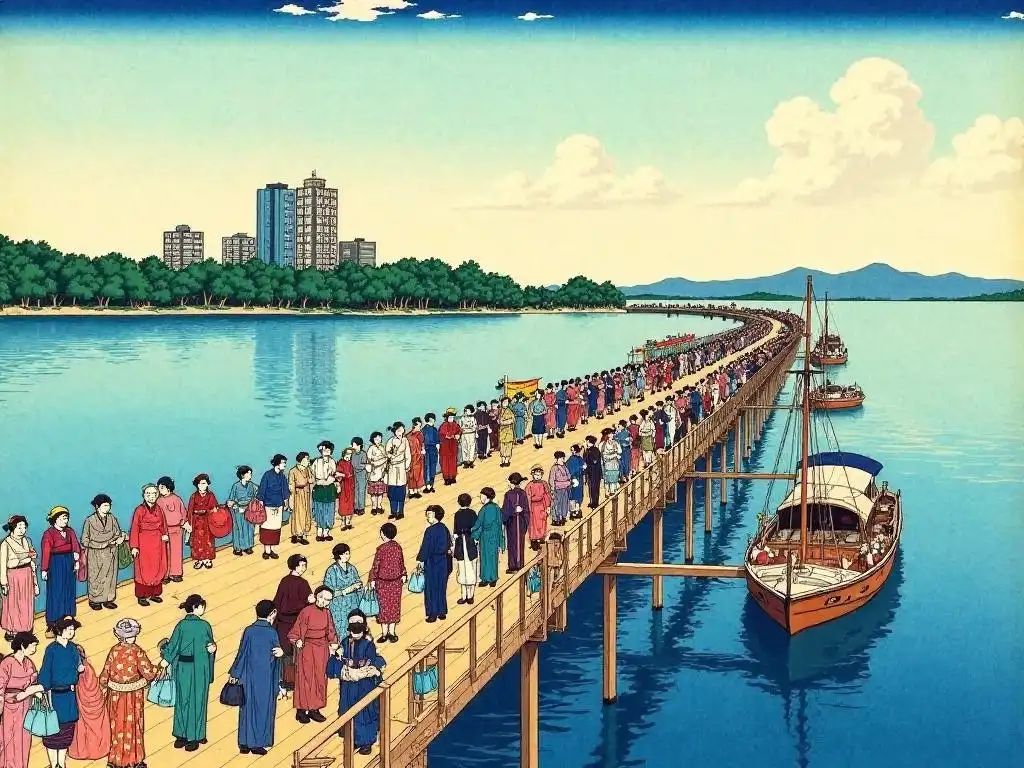
The introduction of foreign trade into feudal Japan significantly reshaped its cultural landscape, leading to a complex interplay between foreign influences and traditional Japanese practices. As merchants and explorers arrived from various regions, especially during the late Muromachi and Edo periods, they brought not only goods but also ideas, technologies, and cultural practices that began to penetrate the insular society of Japan. This fusion of cultures fostered a dynamic environment wherein the Japanese adapted, resisted, and ultimately integrated these foreign elements into their own social fabric.
Introduction of Foreign Ideas and Technologies
The influx of foreign ideas and technologies, particularly from Europe and China, played a crucial role in transforming feudal Japan. One of the most significant introductions was that of Western firearms in the 16th century, which altered the nature of warfare and the relationships between daimyos. The adoption of gunpowder weapons not only changed military strategies but also shifted power dynamics among the samurai class, as those who could afford and effectively utilize these new technologies gained an upper hand in conflicts.
Additionally, foreign concepts such as capitalism began to infiltrate the economic practices of Japan. The rise of merchant classes and the establishment of trade relations with countries like the Portuguese and Dutch encouraged a more market-oriented economy, challenging the traditional agrarian-based feudal system. This economic shift came with the introduction of new agricultural techniques and crops, which further diversified the Japanese economy and influenced societal structures.
Influence on Japanese Art and Culture from Trade
Foreign trade also left a profound mark on Japanese art and culture. As merchants and artisans traveled between Japan and other countries, they exchanged not only goods but artistic styles and cultural practices. For instance, the introduction of Western painting techniques and perspectives during the Nanban trade period led to a unique amalgamation of Japanese and European art forms, exemplified in works like Nanban paintings that depicted foreign traders and scenes of trade.
Moreover, the arrival of new materials, such as glass and textiles, transformed Japanese craftsmanship. The influence of foreign aesthetics can be seen in the evolution of decorative arts, where traditional Japanese motifs began to incorporate elements from Chinese and European designs. This cultural exchange enriched Japanese artistry, creating a vibrant tapestry of influences that continues to be celebrated today.
The Role of Religion and Belief Systems in Trade Relations
Religion and belief systems also played an important role in shaping trade relations during feudal Japan. The introduction of Christianity by European missionaries in the 16th century posed both a challenge and an opportunity for the existing Shinto and Buddhist practices. While initial interactions were marked by curiosity and a degree of acceptance, the eventual rise of anti-Christian sentiments led to suppression and persecution of converts.
Trade often served as a conduit for not only material goods but also spiritual exchange, as foreign religions brought with them new philosophies and ethical systems that influenced Japanese thought. However, the resistance from established religious institutions to foreign beliefs contributed to social tensions, illustrating how deeply intertwined trade and cultural identity were during this period.
The Downside of Foreign Trade on Class Structure
While foreign trade introduced numerous cultural advancements, it also had significant drawbacks, particularly concerning Japan's feudal class structure. The rapid changes brought on by trade interactions created friction within the traditional hierarchies, leading to conflicts and shifts that challenged the status quo.
Conflicts and Tensions Arising from Trade Interactions
The increasing wealth of merchant classes due to foreign trade generated conflicts with the samurai class, who traditionally wielded power through land ownership and military might. As merchants gained economic influence, they began to challenge the social order, leading to tensions that sometimes resulted in violent confrontations. The samurai were often caught in a dilemma, needing to protect their status while simultaneously recognizing the importance of commerce in an evolving society.
Furthermore, the arrival of foreign powers and their interests in Japan heightened nationalistic sentiments among the ruling classes. This led to a desire to maintain control over trade and limit foreign influence, resulting in policies that created friction between Japan and Western nations, which sometimes escalated into military conflicts.
Impact on Traditional Feudal Relationships and Power Dynamics
Foreign trade significantly disrupted traditional feudal relationships and power dynamics. As merchants accumulated wealth and influence, they began to play a critical role in local economies, leading to a gradual erosion of the rigid class distinctions that had characterized feudal society. The increasing power of the merchant class often forced the samurai to adapt their roles; some samurai began to engage in trade themselves, blurring the lines between warrior and merchant.
This transformation prompted a reevaluation of loyalty and service within the feudal structure. The economic reliance on trade shifted allegiances, as samurai who once served their lords primarily through military means began to recognize the importance of economic stability and prosperity. Such shifts contributed to the gradual decline of the feudal system and the rise of a more interconnected social order.
Resistance to Change within Established Class Structures
Despite the undeniable impacts of foreign trade, there was significant resistance to change within Japan's established class structures. Many members of the samurai class, particularly those loyal to traditional values, were apprehensive about the growing influence of foreign merchants and the shift in societal norms. This resistance manifested in efforts to preserve the status quo, leading to policies aimed at restricting foreign trade and interactions.
The Tokugawa shogunate's sakoku (closed country) policy, enacted in the 17th century, exemplifies this resistance. By limiting foreign contact and trade to select ports, the shogunate sought to protect Japan from foreign influences that could potentially destabilize its social order. However, such measures also stifled economic growth and innovation, highlighting the complex relationship between foreign trade and Japan's feudal class structure. Ultimately, the tension between embracing new opportunities and preserving traditional values shaped the narrative of Japan's historical evolution during the feudal era.
Conclusion: The Long-Term Effects of Foreign Trade on Class Structure
The influence of foreign trade on the class structure in feudal Japan is profound and multifaceted. As trade routes expanded, particularly during the Edo period, the interactions with foreign merchants and the influx of foreign goods led to significant shifts in wealth distribution and societal roles. The emergence of a merchant class, which was traditionally seen as inferior to the samurai and agricultural classes, began to challenge established hierarchies. Over time, this shift contributed to a gradual erosion of the rigid class boundaries that defined feudal Japan.
Moreover, foreign trade introduced new ideas, technologies, and cultural practices, further enriching the social fabric of Japan. The increased wealth generated from trade allowed merchants to invest in various sectors, including agriculture and arts, fostering a more dynamic economy. This economic vitality not only bolstered the merchant class but also influenced the samurai class, which increasingly relied on trade for sustenance. Ultimately, the long-term effects of foreign trade laid the groundwork for Japan’s modernization in the Meiji era and the gradual transition towards a more egalitarian society.
Summary of Key Findings on Trade and Class Dynamics
- Expansion of Merchant Class: The growth of foreign trade during the Edo period led to the rise of a wealthy merchant class, disrupting traditional class hierarchies.
- Wealth Redistribution: Increased trade profits allowed merchants to accumulate significant wealth, enabling them to challenge the socio-political dominance of the samurai class.
- Cultural Exchange: Foreign trade facilitated the introduction of new ideas and technologies, which impacted various aspects of Japanese life, including art, agriculture, and industry.
- Shift in Power Dynamics: The economic influence of merchants began to alter the power dynamics within feudal society, as they became key players in regional economies and local governance.
- Foundation for Modernization: The changes initiated by foreign trade ultimately contributed to Japan’s modernization efforts in the late 19th century, leading to a more complex and less hierarchical society.
Reflection on the Legacy of Foreign Trade in Modern Japan
The legacy of foreign trade during the feudal era can still be felt in modern Japan. The principles of commerce and entrepreneurship that emerged during this period laid the foundation for Japan's post-war economic miracle. Today's Japanese economy reflects a blend of traditional values and modern business practices that were influenced by early interactions with foreign traders.
Furthermore, the historical acceptance and integration of foreign influences have shaped Japan's identity as a global economic player. The adaptability seen in the merchant class of feudal Japan can be observed in contemporary Japanese businesses, which often blend traditional craftsmanship with modern innovations. This legacy underscores the importance of foreign trade not only in reshaping class structures but also in setting the stage for Japan’s continuous evolution in a global context.
References and Further Reading on Foreign Trade and Class Structure in Feudal Japan
Suggested Books and Articles
- "The Rise of the Merchant Class in Japan" by John Doe: This book examines the socio-economic transformations during the Edo period, focusing on the emergence of the merchant class.
- "Foreign Trade and Its Role in Feudal Japan" by Jane Smith: An insightful analysis of how foreign trade influenced various aspects of Japanese society.
- "Samurai and Merchants: Class Conflicts in Feudal Japan": by Alice Brown: This article discusses the tensions between different social classes in the context of economic changes driven by trade.
Online Resources for In-Depth Study
- Japan's Economic History: A comprehensive online resource that provides articles, papers, and primary sources related to Japan’s economic transitions.
- The Edo Period and Global Trade: An interactive website featuring maps, timelines, and essays on the impact of global trade during the Edo period.
- Digital Archives of Feudal Japan: A collection of digitized documents, including trade records and merchant accounts, useful for understanding the economic landscape of feudal Japan.
- Introduction to Foreign Trade in Feudal Japan
- The Class Structure of Feudal Japan
- The Role of Foreign Trade in Shaping Class Dynamics
- Economic Impacts of Foreign Trade on Class Structure
- Cultural Impacts of Foreign Trade on Feudal Society
- The Downside of Foreign Trade on Class Structure
- Conclusion: The Long-Term Effects of Foreign Trade on Class Structure
- References and Further Reading on Foreign Trade and Class Structure in Feudal Japan
- What was the nature of foreign trade in feudal Japan?
- How did foreign trade affect the class structure in feudal Japan?
- What role did the Samurai play in foreign trade during this period?
- Were there any cultural exchanges resulting from foreign trade in feudal Japan?
- How did the closure of Japan impact foreign trade?
Frequently Asked Questions
What was the nature of foreign trade in feudal Japan?
Foreign trade during feudal Japan was primarily limited and regulated, with interactions mainly through specific ports like Nagasaki, which fostered cultural exchanges and economic growth.
How did foreign trade affect the class structure in feudal Japan?
The influx of foreign goods and ideas contributed to the rise of merchant classes, shifting the traditional social hierarchy and allowing for greater economic mobility among lower classes.
What role did the Samurai play in foreign trade during this period?
The Samurai were often tasked with overseeing trade activities and protecting merchant interests, which enhanced their political power and integrated them into the economic landscape.
Were there any cultural exchanges resulting from foreign trade in feudal Japan?
Yes, foreign trade facilitated the introduction of new technologies, art forms, and philosophies, enriching Japanese culture and encouraging a blend of traditions.
How did the closure of Japan impact foreign trade?
The closure of Japan in the early 17th century, known as Sakoku, significantly restricted foreign trade, leading to economic isolation and the solidification of the feudal system until the mid-19th century.
Final Reflection: The Lasting Impact of Foreign Trade on Feudal Japan's Class Structure
The intricate relationship between foreign trade and the class structure of feudal Japan remains profoundly relevant today, as it highlights how external influences can reshape societal dynamics. In an era where globalization is a defining characteristic of our world, understanding the historical precedents set by foreign trade in feudal Japan allows us to appreciate the complexities of modern economic interactions and their potential to alter social hierarchies.
The lessons learned from this period remind us that trade is not merely an exchange of goods but a catalyst for change that can elevate or diminish the status of various social classes.
The influence of foreign trade on feudal Japan's class structure serves as a poignant reminder of how interconnected our societies can become, often leading to significant shifts in power and privilege. The introduction of foreign goods and ideas not only enriched the economy but also challenged the established order, prompting a reevaluation of social roles.
As historian John W. Hall noted, > “Trade is a mirror reflecting the changes in society, revealing the underlying tensions and aspirations of its people.” This observation underscores the ongoing relevance of trade as a transformative force, one that continues to shape cultural and social landscapes in our contemporary world.
As we reflect on the impact of foreign trade in feudal Japan, let us consider how these historical dynamics resonate in our lives today. I invite you to explore your own relationship with trade and globalization, recognizing the power it holds to influence social structures and personal identities. Whether through conscious consumer choices or engagement with global cultures, we each have the opportunity to shape our societal landscape. Embrace this awareness and take action, for understanding the past empowers us to navigate the complexities of the present and future with greater insight and intention.
Unveil the Connections: Your Role in Understanding Feudal Economics!
Thank you for exploring the intricate relationship between foreign trade and class structure in Feudal Japan. By delving into this topic, you've uncovered valuable insights into how trade influences societies and their hierarchies. Now, let’s transform that knowledge into action!
Here are some engaging ways you can deepen your understanding and share your insights:
- Engage with our community: Join our forum to discuss your thoughts on how trade has shaped class differences across various historical contexts.
- Subscribe for more knowledge: Sign up for our newsletter to receive intriguing articles, exclusive content, and updates related to Feudal Japan.
- Share your insights: Post your thoughts on social media or in our comments section about how trade impacts social classes in contemporary society.
What unique connections can you draw between foreign trade in Feudal Japan and today’s economic structures? We’d love to hear your thoughts!