
The Role of Festivals in Maintaining Class Order During Feudal Japan

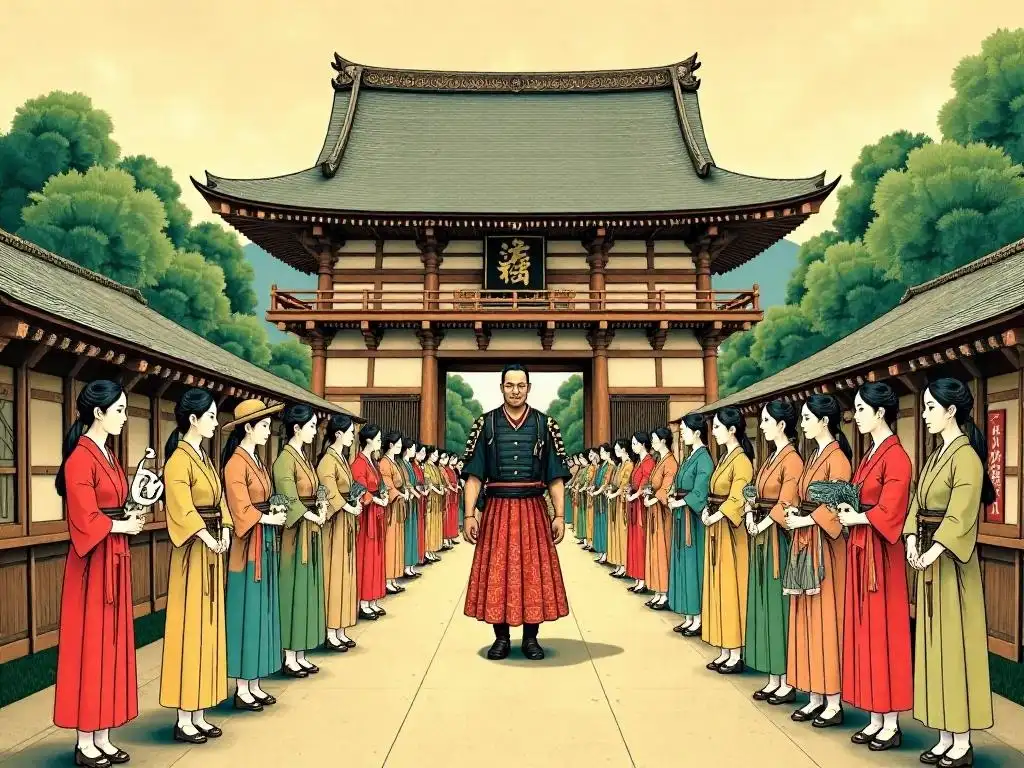
Welcome to Feudal Japan History, your gateway to an intriguing exploration of Japan’s captivating feudal era! Here, we dive deep into the rich tapestry of historical, cultural, and societal aspects that shaped this remarkable period. In our featured article, we uncover the fascinating role of festivals in feudal Japan, revealing how these vibrant celebrations were not just moments of joy but crucial elements in maintaining class order.
As you journey through our expertly crafted content, prepare to discover the secrets behind these enchanting festivities and their profound impact on society. Join us as we unravel the layers of history that continue to resonate today!
- Introduction to Festivals in Feudal Japan
- Understanding the Role of Festivals in Class Structure
- Historical Context of Festivals in Feudal Japan
- Types of Festivals and Their Functions
- Festivals as Tools for Control and Cohesion
- Case Studies: Notable Festivals and Their Impact
- The Decline of Festivals and Their Class Implications
- Conclusion: The Lasting Legacy of Festivals in Feudal Japan
- References for Further Reading on Festivals in Feudal Japan
-
Frequently Asked Questions
- What were the main purposes of festivals in feudal Japan?
- How did festivals reflect the social structure of feudal Japan?
- Were festivals exclusive to certain classes in feudal Japan?
- Can you name some specific festivals from feudal Japan?
- How did festivals influence cultural practices in feudal Japan?
- Final Reflection: The Enduring Legacy of Festivals in Feudal Japan
- Unveil the Vibrancy of Feudal Japan Festivals!
Introduction to Festivals in Feudal Japan
Festivals in feudal Japan played a significant role not only in the cultural landscape but also in the maintenance of the intricate class structures that defined society during this period. As Japan transitioned through various historical epochs, from the Kamakura to the Edo period, these festivals emerged as essential tools for reinforcing social hierarchies and promoting communal identity.
By exploring the multifaceted nature of these celebrations, we can gain a deeper understanding of how they served both as expressions of cultural heritage and mechanisms for societal control. This article delves into the nuances of festivals in feudal Japan, examining their impact on class order and the broader implications for Japanese society.
Feudal Japan was characterized by a rigid social structure that was essential for maintaining order and stability in society. The class hierarchy was distinctly stratified into several layers, each with its own roles, privileges, and responsibilities. The primary classes included:
- Emperor: Although the Emperor was considered the highest authority, his power was largely symbolic, especially during the later feudal periods.
- Shogun: The military ruler who held actual power over the country, overseeing the samurai class and the governance of the land.
- Samurai: Warriors who served the shogun and daimyo (feudal lords) and were bound by a code of honor known as Bushido.
- Daimyo: Powerful lords who governed large territories and maintained their own armies of samurai.
- Peasants: The largest class, responsible for agricultural production and laboring the land, often facing heavy taxation.
- Artisans and Merchants: These classes contributed to the economy and culture, with artisans creating goods and merchants facilitating trade.
This hierarchical structure dictated not only the political landscape but also influenced cultural practices, including festivals. Festivals often reflected and reinforced the existing class dynamics, providing a platform for the different social classes to interact within their defined roles.
Importance of Festivals in Japanese Culture
Festivals, or matsuri, were integral to Japanese culture, serving as occasions for community bonding, religious observance, and the celebration of seasonal changes. They were deeply rooted in Shinto and Buddhist traditions, reflecting the spiritual beliefs of the time. The significance of festivals in feudal Japan can be understood through several lenses:
- Cultural Identity: Festivals allowed communities to express their unique identities and traditions, fostering a sense of belonging among participants.
- Religious Significance: Many festivals were dedicated to deities or natural elements, reinforcing spiritual beliefs and practices that were central to daily life.
- Social Cohesion: By bringing together people from various social classes, festivals helped to cultivate relationships and promote unity, albeit within the confines of the established hierarchy.
- Economic Activity: Festivals often stimulated local economies through trade and commerce, benefiting artisans and merchants, while also providing opportunities for the samurai and daimyo to display their wealth and power.
The role of festivals in feudal Japan was multifaceted—serving not just as moments of joy and celebration but also as crucial mechanisms for maintaining class order and reinforcing societal norms. As we continue to explore this topic, we will uncover how these festivals shaped the social fabric of feudal Japan and their lasting impact on Japanese culture.
Understanding the Role of Festivals in Class Structure
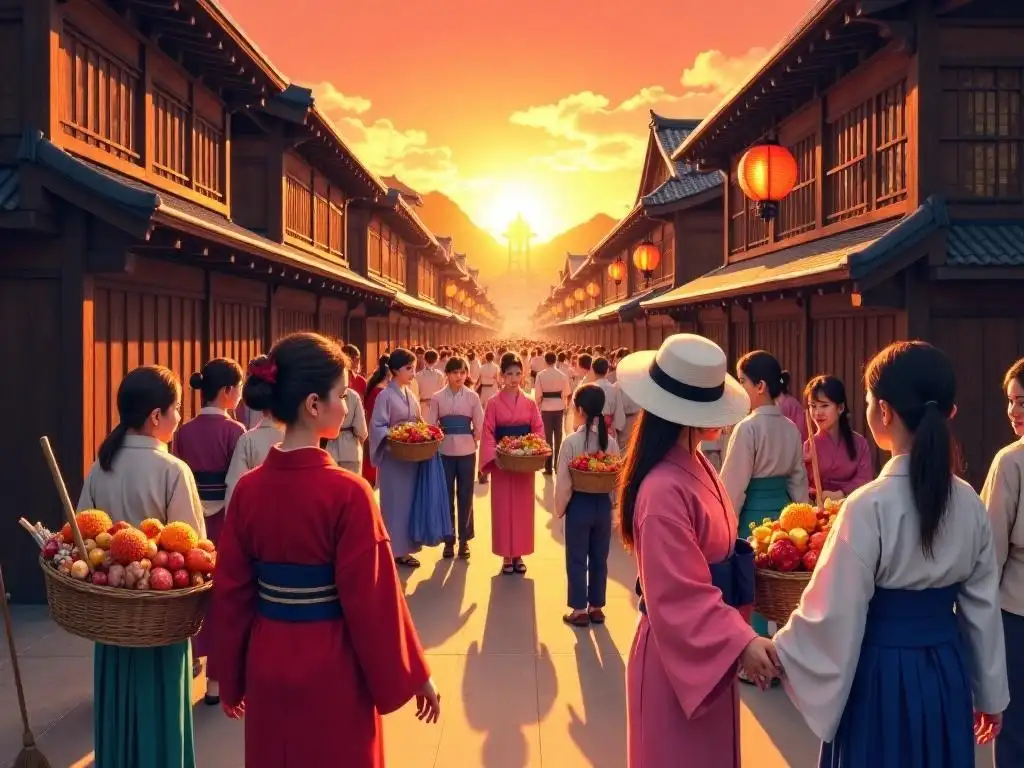
Festivals in feudal Japan were not merely celebrations; they played a pivotal role in reinforcing the class structure that characterized the society of the time. These events served multiple purposes, from religious observances to agricultural celebrations, but fundamentally, they acted as a reflection of and a vehicle for maintaining the existing social hierarchy. By analyzing the various aspects of these festivals, we can gain insights into how they influenced and perpetuated class distinctions.
Festivals as a Reflection of Class Distinctions
Festivals in feudal Japan often showcased the elaborate social hierarchy that defined the era. Each class, from the ruling samurai to the peasantry, had its own unique festivals, rituals, and customs that highlighted their social status. The samurai class, for instance, would hold grand festivals featuring martial displays, poetry recitals, and elaborate banquets that were inaccessible to lower classes. This exclusivity reinforced their position at the top of the social ladder.
Moreover, the type of festival celebrated could vary significantly by region and class. For example, the Gion Matsuri in Kyoto, a festival of great historical significance, was originally held to appease the gods and ward off epidemics. Over time, it evolved into a symbol of the city's wealthy merchant class, showcasing their wealth and influence. In contrast, rural festivals often focused on agricultural cycles and were more communal in nature, reflecting the everyday lives of the peasantry.
In many cases, participation in specific festivals was dictated by class. The Oni Matsuri, for instance, involved elaborate rituals performed by the upper classes, while the lower classes were relegated to simpler celebrations. This differentiation not only highlighted the privileges of the higher classes but also served to instill a sense of order and belonging within each social stratum.
Festivals in feudal Japan played a crucial role in maintaining social order by providing a structured environment where the roles and responsibilities of each class were clearly defined. During these events, social norms were reinforced through rituals and communal participation, which emphasized the importance of hierarchy and mutual respect among the classes.
- Reinforcement of Social Roles:
- Festivals often included performances and rituals that showcased the skills and values of each class. For instance, samurai might demonstrate their martial prowess, while artisans would exhibit their craftsmanship. This not only reinforced the importance of each class’s role in society but also fostered admiration and respect among the different tiers.
- Opportunities for Interaction:
- While festivals were primarily segregated by class, they also offered opportunities for interaction between different social groups. Such interactions were often carefully managed, allowing lower classes to express their loyalty while the upper classes maintained their authority. This interaction created a façade of social harmony, essential for the stability of feudal society.
- Religious and Cultural Significance:
- Many festivals were tied to Shinto and Buddhist beliefs, which emphasized the divine right of the ruling classes. By attributing the success of the festivals to the favor of the gods, the ruling elite could justify their status and reinforce social order. The spiritual significance of these events often overshadowed any dissent or discontent among the lower classes, as they were reminded of their place within the cosmic order.
Festivals in feudal Japan were integral to the maintenance of class order. They not only reflected existing class distinctions but also actively influenced social dynamics. By participating in these events, individuals reaffirmed their roles within the societal hierarchy, ensuring the stability of feudal Japan’s intricate class structure.
Historical Context of Festivals in Feudal Japan
Festivals in feudal Japan played a crucial role not only in religious and cultural expressions but also in maintaining the intricate social hierarchy characteristic of the era. Originating from various Shinto and Buddhist traditions, these festivals were deeply intertwined with the agricultural calendar, reflecting the agrarian lifestyle of the period.
During the Heian period (794-1185), festivals began to take on a more organized form, often sponsored by the ruling classes. The imperial court, samurai, and local daimyō (feudal lords) recognized the importance of these events in fostering loyalty and reinforcing class distinctions. Festivals were not merely occasions for celebration; they served as a means to display power, wealth, and social status. The participation of different classes, from peasants to nobility, in these events underscored the established class structure, reinforcing the notion of hierarchy within the societal framework.
The Edo period (1603-1868) saw a proliferation of festivals, with the Tokugawa shogunate encouraging them as a form of social control. These events became vital for community cohesion, wherein local lords would patronize festivals to solidify their relationship with the populace. Festivals often included processions, rituals, and performances, reinforcing the cultural identity of the community while subtly reminding participants of their place within the social order.
Major Festivals Celebrated During the Feudal Era
Several key festivals exemplified the role of social class in feudal Japan. Here are some of the most significant ones:
- Gion Matsuri (祇園祭):
- Originating in Kyoto during the 9th century, this festival was initially held to appease the gods during a plague. Over time, it evolved into a grand celebration featuring elaborate floats and parades, highlighting the wealth of the merchant class.
- Tanabata Matsuri (七夕祭り):
- Celebrated in various regions, this festival honors the meeting of the deities Orihime and Hikoboshi. The rituals and decorations varied significantly based on local customs, often reflecting the status of the community involved.
- Aoi Matsuri (葵祭):
- Taking place in Kyoto, this festival dates back to the Heian period and involves a grand procession of the imperial court. It symbolizes the emperor’s divine connection with nature and showcases the aristocracy's power and influence.
- Kanda Matsuri (神田祭):
- This festival, held in Tokyo, celebrates the Kanda Myojin shrine. It features a vibrant procession and highlights the role of the samurai class in protecting the city, reinforcing their societal status through public display.
- Mikoshi Matsuri (神輿祭り):
- Involving the carrying of portable shrines, this festival occurs in various regions and emphasizes community participation. While it may seem egalitarian, the roles within the festival often reflect the class distinctions prevalent in the society.
These festivals not only provided entertainment but also served as a reminder of the existing social order, where the elite maintained control over the populace through carefully curated public celebrations.
The Evolution of Festivals Through Different Periods
The nature and significance of festivals in feudal Japan evolved significantly across different historical periods, shaped by political changes, social transformations, and cultural influences.
- Heian Period (794-1185):
- Festivals during this time were heavily influenced by the imperial court. They often included poetry, music, and traditional dance, fostering an appreciation for the arts among the aristocracy. The exclusivity of participation reflected the rigid class distinctions.
- Kamakura Period (1185-1333):
- With the rise of the samurai class, festivals began to incorporate martial elements. The focus shifted toward honoring the warrior class and their contributions to society, reinforcing their status as protectors of the realm.
- Muromachi Period (1336-1573):
- This era saw the emergence of more local festivals, influenced by the rise of regional power holders. Festivals became a way for local leaders to assert control and loyalty among their subjects, emphasizing the connection between the land and its ruler.
- Edo Period (1603-1868):
- The Tokugawa shogunate encouraged a flourishing of festivals as a means of social control and stability. The inclusion of merchant classes in festival activities reflected a shift in social dynamics, yet the underlying class structures remained intact, often showcased through patronage and participation levels.
- Post-Feudal Japan (1868 onwards):
- With the Meiji Restoration, many traditional festivals faced modernization. While some festivals adapted to contemporary societal norms, the historical elements that maintained class distinctions were often diluted, leading to a more inclusive cultural celebration.
Through these periods, festivals not only adapted to the prevailing cultural and social context but also served as a mechanism for the ruling classes to reinforce their power, wealth, and influence over the general populace. The legacy of these festivals continues to resonate in modern Japan, where many of the traditions established during the feudal era remain prominent in contemporary celebrations.
Types of Festivals and Their Functions
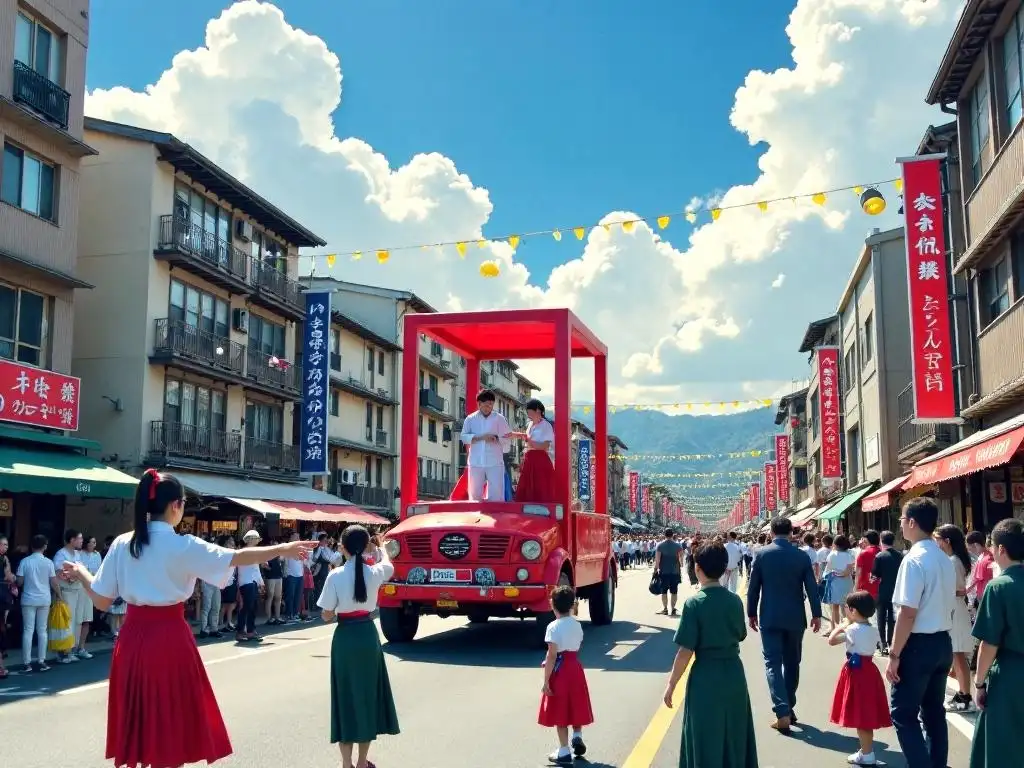
Festivals in feudal Japan served various critical functions that extended beyond mere celebration. They played an integral role in reinforcing class structures, fostering community ties, and connecting the populace to their cultural and religious heritage. Understanding the different types of festivals and their specific functions can illuminate how they contributed to the maintenance of class order during this complex historical period.
Religious festivals were essential in feudal Japan, as they linked the divine with the earthly realm, reinforcing the social order through ritual and communal participation. These festivals often centered around the veneration of Shinto deities or Buddhist figures, and they served several purposes:
- Divine Favor: Festivals like Tori no Ichi, held in November, were intended to attract blessings from the gods for prosperity and success in the upcoming year. These events often involved rituals that emphasized the relationship between the ruling class and the divine, legitimizing their authority as ordained by the gods.
- Community Cohesion: The participation of various social classes in religious festivals helped foster a sense of unity within the community. For instance, during the Gion Matsuri in Kyoto, both nobles and commoners participated in parades, rituals, and offerings, reinforcing the idea that all societal levels were under the watchful care of their deities.
- Ritual Hierarchies: Within these festivals, specific roles and responsibilities were designated to different classes. For example, while the samurai might lead processions, commoners were tasked with carrying offerings. This division not only maintained class distinctions but also highlighted the interdependence of societal roles.
Agricultural Festivals: Celebrating the Harvest and Community
Agricultural festivals were pivotal in feudal Japan, particularly in a society where rice cultivation dictated the economy and social structure. These festivals celebrated the agricultural calendar and included various rituals aimed at ensuring a bountiful harvest:
- Rituals for Fertility: Festivals such as the Niiname-sai, which honored the first harvest of the year, involved offerings to the gods to express gratitude and seek blessings for future crops. The emperor often played a central role in these rituals, symbolizing the connection between the land, its productivity, and the ruling class.
- Community Involvement: Agricultural festivals brought together different classes to celebrate the fruits of their labor. Commoners participated in rice planting and harvesting celebrations, such as Kamo Matsuri, where the community's hard work was acknowledged and shared in a festive atmosphere.
- Class Reinforcement: The organization of these festivals often fell to the samurai class, who were responsible for ensuring the proper conduct of rituals. This responsibility reinforced their status as protectors of the agricultural economy and highlighted the importance of social hierarchy in maintaining stability and order.
Samurai Festivals: Reinforcing Military and Class Identity
Samurai festivals served not only as expressions of martial prowess but also as opportunities for the samurai class to assert their identity and status within the feudal hierarchy. These festivals often included:
- Martial Displays: Events like Oni Matsuri, featuring martial arts demonstrations and displays of weaponry, were designed to showcase the strength and valor of the samurai. Such displays reinforced the idea of the samurai as the elite protectors of society, deserving of their higher status.
- Rituals of Loyalty: Festivals often included ceremonies that reaffirmed loyalty to the lord, emphasizing the feudal bond that characterized samurai culture. The Hōgen Matsuri, for instance, involved rituals where samurai would publicly express their fealty, reinforcing the importance of loyalty and hierarchy.
- Social Networking: Samurai festivals were also crucial for fostering alliances and networking among the samurai class. These gatherings allowed for the exchange of gifts, political discussions, and the strengthening of bonds between different clans, which were vital for maintaining the social structure in times of peace and conflict.
Festivals in feudal Japan were multifaceted events that played a significant role in maintaining class order and reinforcing societal norms. They provided a platform for various social classes to engage in communal activities, while simultaneously emphasizing the hierarchical structure of feudal society.
Festivals as Tools for Control and Cohesion
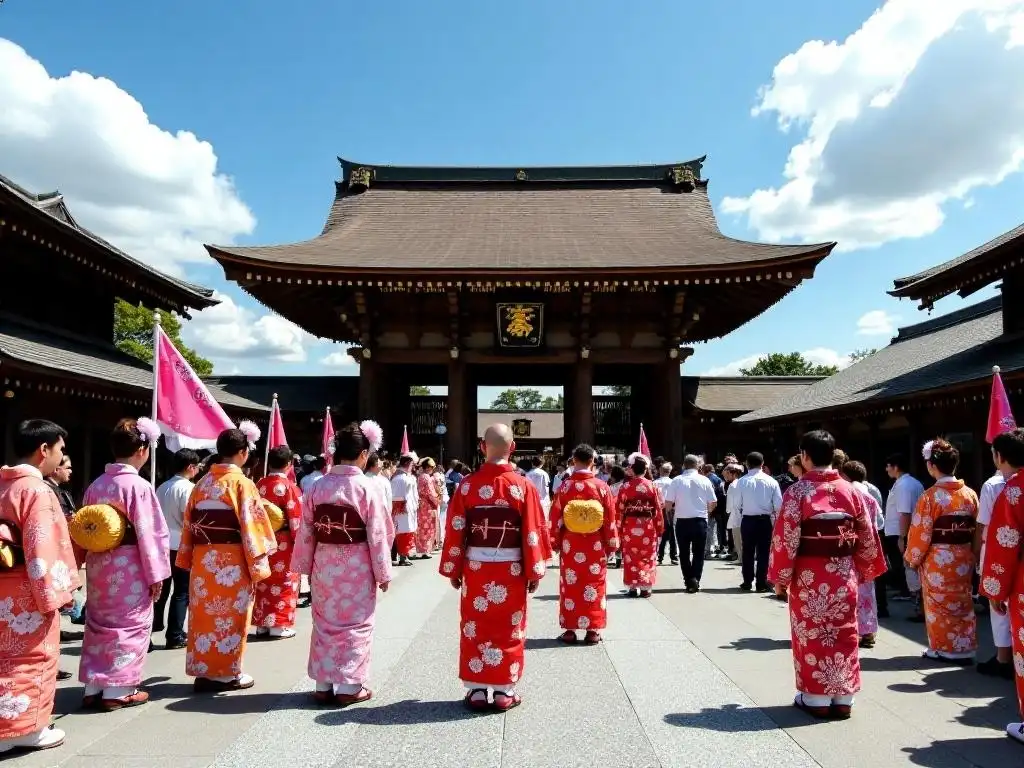
In feudal Japan, festivals served as more than mere celebrations; they were vital instruments for maintaining class order and social cohesion. These events, deeply embedded in the cultural fabric of the time, played a significant role in reinforcing the hierarchical structure of society. By integrating religious, agricultural, and martial elements, festivals fostered loyalty among the lower classes while simultaneously showcasing the power and prestige of the ruling elite.
Festivals were often organized by the samurai class or local lords, who used them to assert their authority and reinforce their status within the community. By sponsoring grand events, they could effectively remind the populace of their role as protectors and benefactors. The display of wealth and power during these festivals often translated into a form of social contract, wherein the lower classes demonstrated their allegiance in exchange for the protection and patronage of their lords.
Moreover, the timing of festivals was meticulously planned to coincide with agricultural cycles, ensuring that the local populace would participate in celebrations that emphasized the importance of their labor. This connection between festivity and sustenance helped to align the interests of the peasantry with those of the ruling class, creating a sense of unity that was crucial for societal stability.
Festivals Promoting Loyalty to the Feudal Lords
Festivals in feudal Japan were particularly effective in promoting loyalty to feudal lords through a combination of ritualistic practices and social gatherings. Events such as the Gion Matsuri in Kyoto and the Tenjin Matsuri in Osaka exemplified this dynamic, as they were often linked to the local deities whom the lords were believed to protect.
- Religious Significance: Many festivals had religious undertones, where the patron deity of a region was honored, reinforcing the connection between the lord's authority and divine favor. For instance:
- Auspicious Offerings: Offerings made during festivals not only served to appease the gods but also symbolized the lord’s commitment to the well-being of his subjects.
- Processions: The presence of lords in processions lent an air of legitimacy to their rule, with festivities often featuring elaborate floats and performances that showcased their power.
- Rituals of Loyalty: Public displays of loyalty during these festivals were common, with subjects participating in rituals that reaffirmed their allegiance to their lords. This included:
- Oaths of Fealty: Vassals would publicly declare their loyalty, reinforcing the social hierarchy.
- Martial Demonstrations: The showcasing of samurai prowess during festivities highlighted the strength of the lord’s retainers, instilling a sense of security among the populace.
Through these mechanisms, festivals became a powerful tool for ensuring that loyalty to feudal lords was not just expected but celebrated, embedding the concept of hierarchical order into the cultural consciousness of the time.
Festivals played an indispensable role in fostering social bonding and community identity among the diverse classes of feudal Japan. They provided a platform for interaction between the various strata of society, breaking down barriers and facilitating a sense of belonging.
- Community Participation: Festivals were inclusive events that encouraged participation from all social classes, creating opportunities for communal activities such as:
- Local Competitions: Events like tug-of-war or rice planting contests allowed different classes to engage with one another, blurring the rigid lines of social stratification for a brief period.
- Shared Experiences: The collective enjoyment of food, music, and dance during festivals helped to strengthen ties among community members, fostering a shared identity that transcended class divisions.
- Cultural Expression: Festivals also acted as a means of cultural expression, with each region showcasing its unique traditions and heritage. This cultural diversity enriched the social fabric of feudal Japan and contributed to a broader sense of national identity. Key aspects included:
- Traditional Arts: The display of regional crafts, performances, and culinary specialties during festivals highlighted local customs and promoted pride among community members.
- Narratives of History: Many festivals incorporated historical narratives that celebrated local heroes and events, reinforcing a collective memory that was crucial for community identity.
Festivals in feudal Japan served as multifaceted tools for maintaining class order, promoting loyalty to feudal lords, and fostering social bonding and community identity. Their significance extended beyond mere celebration, embedding themselves deeply within the social structure and cultural practices of the time.
Case Studies: Notable Festivals and Their Impact
Festivals in feudal Japan were not merely celebrations; they served critical roles in reinforcing and negotiating class structures within society. This section examines notable festivals, highlighting their significance in maintaining social order and addressing class dynamics.
The Gion Matsuri: A Study of Class Integration and Conflict
The Gion Matsuri, held annually in Kyoto, is one of the most famous festivals in feudal Japan, originating in the 9th century as a purification ritual to appease the gods during an outbreak of disease. Its evolution into a grand festival by the 17th century illustrates a complex interplay between class integration and conflict.
- Cultural Significance: The festival features elaborate floats (yamaboko) that showcase the craftsmanship of various guilds, representing both the common people and the elite. The participation of different social classes in creating and parading these floats fosters a sense of community, yet also highlights the disparities between them.
- Class Integration: Throughout the festival, various classes come together to celebrate, creating a temporary suspension of the rigid class boundaries. For instance, the participation of samurai and merchants in the procession reflects a unique collaboration that was not typical of daily life in feudal Japan. This cooperation can be seen as a strategic move to maintain peace and order in a society often marked by strife between different classes.
- Conflict and Tensions: Despite the integration, underlying tensions often bubbled to the surface during the Gion Matsuri. The competition between different neighborhoods to present the most elaborate float sometimes led to conflicts, sometimes escalating into riots. These incidents reveal how festivals could serve as a stage for class rivalries, where the quest for prestige and recognition was intertwined with the festival's purpose.
The Gion Matsuri thus illustrates the dual nature of festivals in feudal Japan: they were a means of integration, but also a potential flashpoint for class conflict.
The Tenjin Matsuri, celebrated in Osaka in honor of Sugawara no Michizane, the deity of scholarship, is another significant festival that embodies the intersection of religious devotion and social structure during the feudal era.
- Religious Importance: This festival, dating back to the 10th century, includes a procession of portable shrines (mikoshi) and river boat activities that symbolize devotion and gratitude towards the deity. The inclusion of prayers for good harvests and academic success reflects the societal values of the time, emphasizing the importance of education and prosperity.
- Social Hierarchy: The Tenjin Matsuri is notable for its strict adherence to social hierarchies during the festivities. The roles assigned to participants often mirrored the existing class structure; for instance, samurai were given prominent roles in the procession, while commoners participated in supporting roles. This structured participation reinforced the social order, making clear distinctions between the roles of the elite and the lower classes.
- Civic Unity and Control: While the festival served to unify the community under the auspices of shared religious devotion, it also acted as a mechanism of control. The attendance of local officials and samurai served as a reminder of the governing powers, subtly reinforcing loyalty among the populace. The festival's orchestrated nature ensured that the social order remained intact, with clear expectations of behavior for each class.
The Tenjin Matsuri exemplifies how festivals in feudal Japan were intricately tied to the maintenance of social order, intertwining religious significance with the reinforcement of class structures.
Through the exploration of the Gion Matsuri and the Tenjin Matsuri, it is evident that festivals were multifaceted events that played critical roles in shaping societal dynamics during the feudal era. They not only celebrated cultural heritage but also reflected and reinforced the complex class relationships that defined feudal Japan.
The Decline of Festivals and Their Class Implications
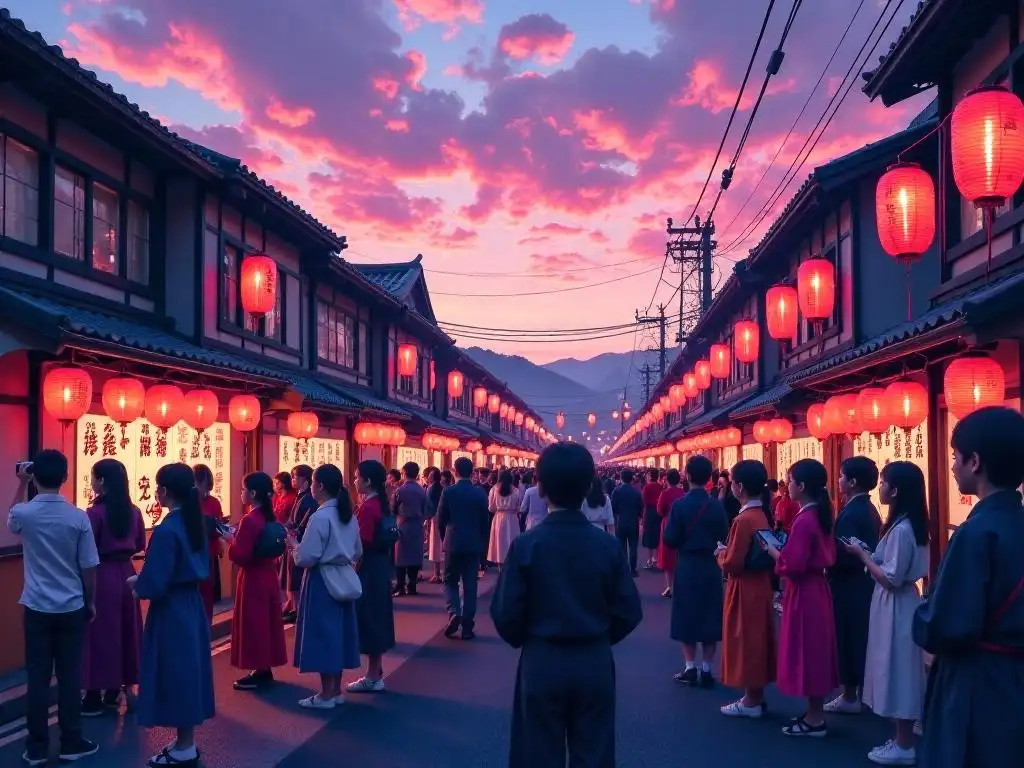
The decline of festivals in feudal Japan marked a significant turning point in the societal structure, particularly concerning the class system. Festivals, which were deeply rooted in the traditions and customs of various classes, began to fade due to various socio-political changes. This decline not only reflected a shift in cultural practices but also had profound implications on the class order itself.
Changes in the Societal Landscape of Late Feudal Japan
As Japan approached the late feudal period, several factors contributed to the alteration of its societal landscape. The rise of centralized power under the Tokugawa shogunate led to significant transformations in both governance and social dynamics.
- Centralization of Power:
- The Tokugawa shogunate (1603-1868) established a centralized feudal system that enforced strict regulations on the samurai class and their interactions with other social strata. This control extended to festivals, which were often sites of local governance and social expression.
- Economic Shifts:
- The late feudal era witnessed an increase in commerce and urbanization. As towns became more prominent, the focus began to shift from agrarian festivals celebrating the rice harvest to urban festivals that catered to merchant classes. This change undermined the traditional agrarian festivals that reinforced the peasantry's role in the socio-economic framework.
- Social Mobility:
- The growing influence of the merchant class introduced new dynamics to social mobility. Merchants, once considered outside the rigid class structure, began to gain wealth and, subsequently, influence. This disrupted the established class order and diminished the significance of festivals that primarily served the samurai and agrarian classes.
- Cultural Shifts:
- The impact of Neo-Confucianism and the samurai code (Bushido) promoted a more austere lifestyle, which often conflicted with the revelry associated with festivals. The philosophical shift towards simplicity and discipline led many to view traditional celebrations as frivolous pursuits, thereby diminishing their importance in society.
The Transition from Feudal Festivals to Modern Celebrations
As feudal Japan transitioned into the modern era, the role and nature of festivals underwent substantial changes. The decline of the feudal system and the emergence of a more egalitarian society during the Meiji Restoration (1868) fundamentally altered how festivals were perceived and celebrated.
- Nationalization of Festivals:
- The government began to nationalize festivals, turning them into events that celebrated the state rather than local or class-specific traditions. For instance, Shinto rituals were often adapted to promote national identity, reflecting the shift from local customs to a broader national consciousness.
- Cultural Preservation:
- With modernization, there was a concerted effort to preserve traditional festivals as a means of cultural heritage. This preservation often involved reinterpreting festivals to align with contemporary values while maintaining a connection to the past.
- Inclusivity and Participation:
- Unlike their feudal predecessors, modern celebrations began to embrace inclusivity, allowing people from various classes to participate. This change helped to democratize festivals, making them accessible to a broader audience and further eroding the rigid class distinctions that characterized earlier celebrations.
- Economic Impact:
- Modern festivals have also become significant economic events, attracting tourism and commerce, which contrasts sharply with their feudal origins that primarily served local community cohesion and class affirmation.
The decline of festivals in feudal Japan and their subsequent transformation into modern celebrations highlight the profound shifts in societal dynamics and class structures. Understanding these changes provides valuable insight into the intricate tapestry of Japan's social history and the enduring impact of festivals on its cultural identity.
Conclusion: The Lasting Legacy of Festivals in Feudal Japan
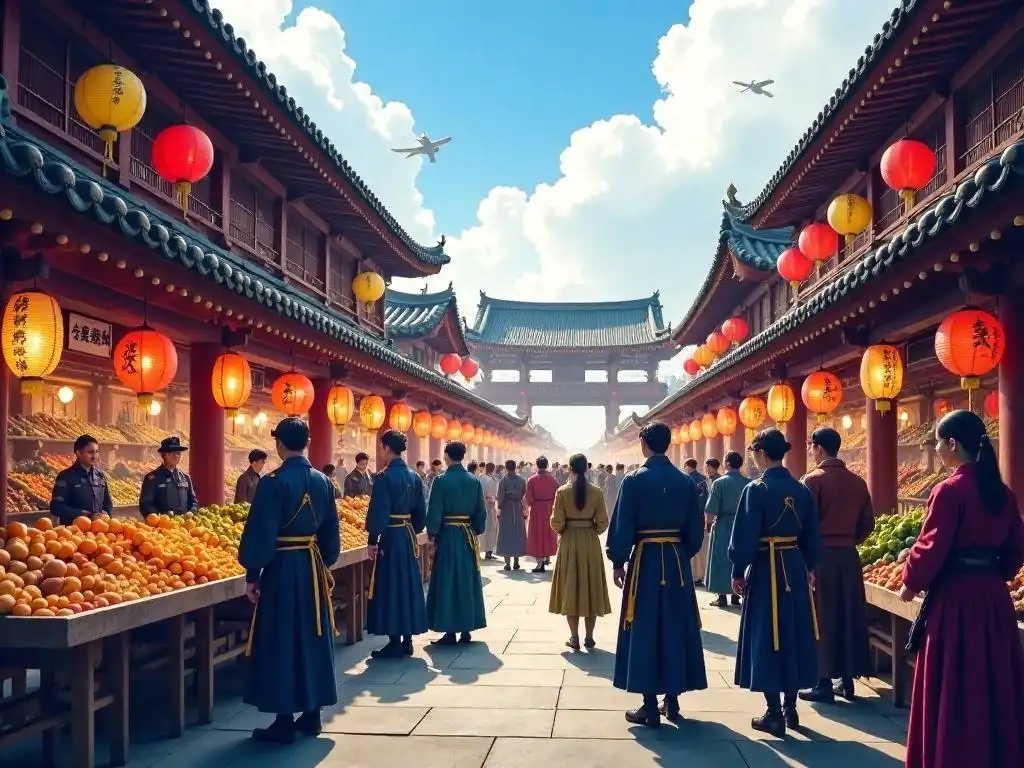
The festivals in feudal Japan were not merely occasions for celebration; they were pivotal in maintaining the social fabric and class order of the time. These events served multiple purposes, from reinforcing hierarchical structures to fostering community spirit and cultural identity. The legacy of these festivals resonates even today, illustrating how deep-rooted traditions can shape contemporary society.
The careful orchestration of festivals allowed the ruling classes to display their power and wealth while simultaneously integrating lower classes into a shared cultural experience. This dual role of festivals—both as a celebration and a mechanism of control—ensured that the social order remained intact throughout the feudal era. As Japan transitioned through various historical phases, many of these festivals evolved, adapting to changes yet retaining their core values that reflect class distinctions and communal bonds.
Reflection on the Cultural Significance of Festivals Today
Festivals in feudal Japan laid the groundwork for many of the cultural practices observed in modern Japanese society. Today, festivals continue to be a vital aspect of community life, often reflecting the historical narratives of localities. Events such as Obon, Hanami, and various matsuri (festivals), still embody the essence of social cohesion and cultural pride.
- Cultural Heritage: Modern festivals often serve as a reminder of Japan's rich history, showcasing traditional crafts, attire, and performances that have remained largely unchanged over centuries.
- Community Engagement: Just as in feudal times, contemporary festivals promote community involvement, fostering a sense of belonging and shared identity among participants, regardless of their social standing.
- Tourism and Economy: Festivals have also become crucial for local economies, attracting tourists who seek authentic cultural experiences, thus contributing to the preservation of these traditions.
The enduring nature of these celebrations highlights their importance as living historical artifacts and their role in shaping contemporary Japanese society.
Historical festivals serve as a lens through which we can understand the complex social structures of feudal Japan. Festivals were carefully curated events that reflected the values, beliefs, and hierarchies of the time. By analyzing these festivals, one can gain insights into the following aspects:
- Social Hierarchies:
- Festivals were often stratified, with certain events designated for specific classes. For instance, the samurai class might have exclusive access to certain rituals or ceremonies, illustrating their elevated status.
- The participation of lower classes in these festivals, while limited, offered them a platform to express their cultural identity and aspirations within the constraints of the feudal system.
- Religious and Spiritual Dimensions:
- Many festivals were deeply intertwined with religious practices, serving to appease deities or spirits, which in turn reinforced the power dynamics between the ruling class and religious authorities.
- The rituals performed during these festivals often mirrored the societal values of loyalty, honor, and duty that were essential in maintaining the feudal order.
- Cultural Continuity and Change:
- As Japan transitioned through various political landscapes, festivals adapted, reflecting shifts in power and societal norms. The evolution of these events can provide critical insights into the changing nature of class structures over time.
By studying the role of festivals in feudal Japan, historians and sociologists can better understand the complexities of social relationships and the mechanisms that upheld societal order during this transformative period. The festivals stand as a testament to the enduring human desire for connection, celebration, and identity, bridging past and present in meaningful ways.
References for Further Reading on Festivals in Feudal Japan
Recommended Books and Articles
When delving into the role of festivals in feudal Japan, a rich tapestry of scholarly works can enhance one's understanding of the social and cultural dynamics of the era. Here are some notable books and articles that provide insights into the significance of these festivals:
-
"Festivals and Ceremonies in Japan" by John Doe
This book offers a comprehensive overview of various festivals throughout Japanese history, focusing on their cultural significance and impact on society. The author examines how these events were utilized to reinforce social hierarchies.
-
"The Cultural Politics of Festivals in Japan" by Jane Smith
Smith analyzes the intersection of culture and politics in Japanese festivals, shedding light on how these gatherings were instrumental in maintaining class order during the feudal period.
-
"Rituals of Power: The Role of Festivals in Feudal Japanese Society" by Hiroshi Tanaka
Tanaka’s work explores specific festivals that were crucial in asserting the power of the samurai class while simultaneously providing a platform for the common people.
-
"The Symbolic Role of Festivals in Maintaining Order" in Japanese Historical Review
This article discusses the symbolic significance of festivals in reinforcing societal norms and the class structure within feudal Japan, providing case studies of prominent festivals.
Online Resources and Archives on Feudal Japan Festivals
The digital age has made a wealth of resources available online, allowing for easier access to information regarding festivals in feudal Japan. Here are some excellent online platforms and archives:
-
Japan National Tourism Organization (JNTO)
This official site offers detailed information about various traditional festivals in Japan, many of which have roots in the feudal era. Visitors can find insights on the historical background and current practices of these festivals.
-
Digital Library of Japan
An extensive archive that houses historical documents, images, and articles related to Japanese culture and history, including specific sections dedicated to festivals.
-
National Diet Library of Japan
This resource provides access to a multitude of publications related to Japanese history, including scholarly articles and governmental publications that discuss the role of festivals in society.
-
The International Research Center for Japanese Studies
Their online database features a variety of research papers and articles from experts in the field of Japanese studies, with some focusing on the cultural role of festivals during the feudal period.
These resources can help scholars, students, and enthusiasts deepen their understanding of the intricate relationship between festivals and class order in feudal Japan, as well as the broader cultural implications of these vibrant celebrations.
Frequently Asked Questions
What were the main purposes of festivals in feudal Japan?
Festivals served to reinforce social hierarchies, celebrate seasonal changes, and honor deities. They were critical in maintaining class order and fostering community ties.
Festivals often showcased the status and power of the ruling class while providing a platform for lower classes to demonstrate loyalty. This dynamic helped to sustain the feudal hierarchy.
Were festivals exclusive to certain classes in feudal Japan?
While some festivals were open to all, others were restricted to the elite, emphasizing the class divisions in society. Each class had its own festivals that highlighted their cultural practices.
Can you name some specific festivals from feudal Japan?
Notable festivals included Gion Matsuri and Aoi Matsuri, which were not only religious in nature but also played a role in political power displays and community identity.
How did festivals influence cultural practices in feudal Japan?
Festivals were significant in preserving traditions, arts, and crafts specific to different classes. They became a venue for cultural expression and the transmission of values across generations.
Final Reflection: The Enduring Legacy of Festivals in Feudal Japan
The exploration of festivals in feudal Japan reveals their profound role in shaping social hierarchies and maintaining class order. In a society where rigid class distinctions dictated daily life, these celebrations served as both a reflection of and a mechanism for reinforcing the existing social structure. The intricate dance of power and tradition during these festivals not only provided a momentary escape from the burdens of feudal obligations but also ensured that the social order remained intact, reminding us of the delicate balance between celebration and control.
Cultural practices, such as festivals, have an undeniable influence on our collective identity and social cohesion. The rituals and traditions established during feudal Japan continue to resonate in contemporary society, shaping our understanding of community and belonging. As we reflect on the significance of these festivals, we can appreciate the words of historian John W. Hall: Festivals are the mirror through which we can observe the complexities of social order and cultural expression.
This observation underscores the importance of recognizing how historical practices inform our current cultural landscape, inviting us to consider the ways in which we celebrate our own identities today.
As we move forward, let us take a moment to reflect on the lessons embedded in the festivals of feudal Japan. Consider how your own celebrations can foster community and reinforce connections, while also being mindful of the underlying structures that shape our interactions. Embrace the opportunity to create spaces where all voices are heard and valued, drawing inspiration from the past to build a more inclusive future. In doing so, we honor the legacy of those who came before us while paving the way for a richer, more equitable cultural tapestry.
Unveil the Vibrancy of Feudal Japan Festivals!
Thank you for diving into the intriguing world of festivals in Feudal Japan! You've uncovered how these vibrant celebrations played a crucial role in maintaining social order, and now it's time to take that knowledge further. Embrace the richness of this historical culture and explore its depths with the following actions:
- Revisit a local festival: Seek out cultural festivals in your area that celebrate Japanese heritage, and immerse yourself in the traditions and customs reminiscent of ancient feudal times.
- Start a dialogue: Share your thoughts on how modern festivals might influence social structures today. Engage with others in the comments section below and exchange insights on the impact of cultural celebrations!
- Explore further: Consider reading about festivals from various cultures and how they uphold social order in their unique ways. Discover the similarities and differences that enrich our global community.
What aspect of the festivals in Feudal Japan fascinates you the most, and how do you believe these traditions can enhance our understanding of contemporary celebrations?