
The Role of Performing Arts in Bridging Class Divides in Feudal Japan

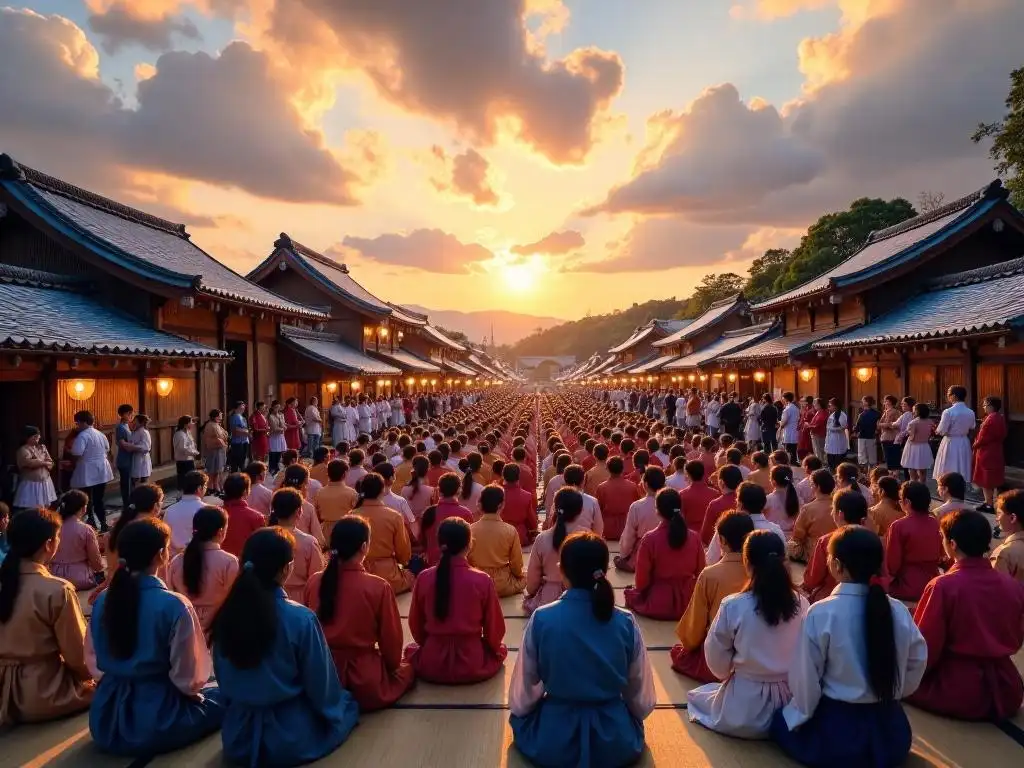
Welcome to Feudal Japan History, where we invite you to embark on a fascinating journey through the intricate tapestry of Japan’s feudal era. Here, we delve deep into the performing arts and their extraordinary ability to bridge the class divides that defined this complex society. What role did art play in shaping relationships between the samurai, merchants, and peasants?
Discover the answers as you explore our expert-driven insights and uncover the cultural nuances that brought people together, transcending social barriers. Join us as we reveal the stories behind the performances that captivated audiences and transformed lives in feudal Japan. Your adventure into the past awaits!
Introduction to Performing Arts in Feudal Japan
The performing arts in Feudal Japan served as a complex and nuanced medium that transcended the rigid class divides of the era. With a social structure characterized by a strict hierarchy, ranging from the warrior class of samurai to the peasantry, artistic expressions such as Noh, Kabuki, and Bunraku not only entertained but also fostered connections across social strata. This article delves into the multifaceted role of performing arts in bridging these class divides, highlighting how culture became a unifying force amid societal fragmentation.
Overview of Feudal Japan's Class Structure
Feudal Japan, which lasted from the late 12th century until the 19th century, was defined by a strict class hierarchy. The society was structured into four primary classes:
- Samurai: The warrior class, responsible for governance and military service.
- Farmers: The backbone of the economy, providing sustenance and agricultural products.
- Artisans: Skilled craftsmen who created goods and contributed to cultural life.
- Merchants: Traders who facilitated commerce but were often looked down upon by other classes.
This rigid hierarchy dictated not only social interactions but also access to cultural expressions. Understanding this structure is vital for comprehending the subsequent role that performing arts played in bridging these divides.
Significance of Performing Arts in Japanese Culture
Performing arts in Japan have been a vital part of cultural identity, reflecting societal values, beliefs, and changes.
- Cultural Preservation: Various forms of traditional theater, such as Noh and Kabuki, preserved ancient stories and folklore, ensuring that the narratives of different classes were shared and celebrated.
- Social Commentary: Many performances carried underlying messages that critiqued social norms and class disparities, allowing audiences from different backgrounds to engage with and reflect on their societal roles.
- Community Engagement: Festivals and theatrical performances often brought together individuals from various classes, fostering a sense of community and shared experience.
Through these lenses, the performing arts became a platform for dialogue and understanding, subtly challenging the rigid divides of feudal society.
The Historical Context of Class Divides in Feudal Japan
To fully appreciate the role of performing arts in bridging class divides, it is essential to explore the historical context of social disparities during this era.
Social Hierarchy: Samurai, Farmers, Artisans, and Merchants
The social hierarchy in Feudal Japan was not merely a structure of privilege; it was a system of obligations and responsibilities. Each class had its own role within society, which was both respected and enforced through cultural norms and practices.
- Samurai: As the elite, they held political power and were expected to uphold the peace and order of the realm.
- Farmers: Regarded as essential yet often oppressed, their labor was fundamental to the economy, yet they received little recognition.
- Artisans: Their skills brought beauty and functionality to everyday life, but they were often caught in the middle of class tensions.
- Merchants: Despite their wealth, they were marginalized, illustrating the complexity of economic power versus social status.
Understanding these roles provides insight into how performing arts could serve as a bridge, allowing individuals from different classes to engage with shared narratives and experiences.
Economic Disparities and Their Impact on Society
Economic disparities in Feudal Japan created significant divides that were often reflected in the performing arts.
- Access to Arts: While the samurai and wealthy merchants could afford to patronize the arts, poorer classes often had limited access, leading to a socio-economic divide in cultural participation.
- Themes in Performance: Many performances highlighted themes of struggle and aspiration, resonating with audiences across the class spectrum. The stories told through Noh and Kabuki often featured protagonists that transcended their social circumstances, providing hope and inspiration.
By examining these economic factors, we can see how performing arts acted as a conduit for empathy and understanding, allowing for a shared cultural experience that could bridge the divides of class and wealth in Feudal Japan.
Types of Performing Arts in Feudal Japan
Feudal Japan was a rich tapestry of cultural expression, with performing arts playing a crucial role in both entertainment and societal commentary. The main types of performing arts included Noh, Kabuki, and Bunraku, each with distinct characteristics and audiences.
Noh Theatre: The Art of the Elite
Noh theatre is one of the oldest forms of Japanese drama, dating back to the 14th century. It is characterized by its slow, stylized movements and the use of masks to convey emotions and characters. Noh was primarily performed for the samurai class and aristocrats, often depicting themes from classical literature, mythology, and history. The performances were held in specially designed Noh theatres, which reflected an aura of elegance and exclusivity.
The intricate costumes and the poetic language of Noh also elevated its status, making it an art form associated with refinement and cultural sophistication. The performances were often accompanied by traditional music, enhancing their aesthetic appeal. As such, Noh theatre became a symbol of elite culture, reinforcing social hierarchies while also serving as a platform for philosophical reflection on life and death.
Kabuki Theatre: A Popular Form for Commoners
In contrast to Noh, Kabuki theatre emerged in the early 17th century as a dynamic and colorful form of entertainment accessible to the general public. Kabuki is known for its vibrant costumes, exaggerated makeup, and energetic performances that incorporate dance and music. Unlike Noh's subtlety, Kabuki often features melodramatic stories filled with action, romance, and humor, appealing to the emotions of the audience.
Kabuki performances were held in theaters that catered to a wider audience, including merchants and commoners, making it a culturally inclusive form of entertainment. This accessibility helped to bridge class divides as people from various social strata gathered to enjoy the performances. Notably, Kabuki also allowed for the portrayal of lower-class characters, fostering a sense of shared experience and empathy among audience members of different backgrounds.
Bunraku: Puppet Theatre and Class Representation
Bunraku, or traditional Japanese puppet theatre, is another significant form of performing arts in feudal Japan. Utilizing intricately crafted puppets, Bunraku performances often depicted stories of love, betrayal, and the struggles of everyday life. The puppeteers, who were highly skilled and trained, operated the puppets in full view of the audience, adding a layer of artistry and craftsmanship to the performance.
Bunraku was particularly appealing to the common people, as it often addressed themes relevant to their lives and societal issues. The stories told in Bunraku reflected the challenges faced by different classes, fostering a sense of understanding and shared humanity among viewers. This unique aspect of Bunraku allowed it to serve as a medium for social commentary while also bridging the gap between various classes.
How Performing Arts Addressed Class Divides
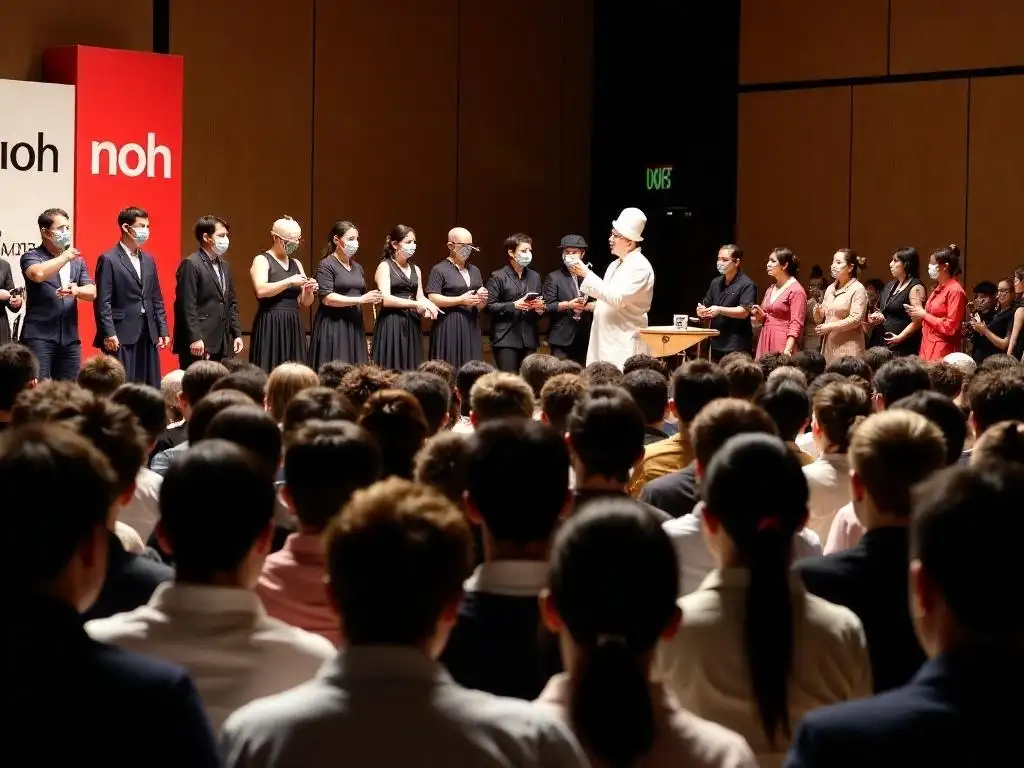
The performing arts in feudal Japan not only entertained but also acted as a medium for addressing and reflecting on class divides. Through various forms of expression, they facilitated cultural exchange, made performances accessible to different classes, and played a significant role in community festivals.
Cultural Exchange Through Performances
Performing arts acted as a conduit for cultural exchange between different social classes. The blending of themes and narratives from various walks of life in Noh, Kabuki, and Bunraku allowed audiences to engage with perspectives outside their own. For example, while Noh theatre often focused on themes relevant to the samurai class, Kabuki and Bunraku brought stories of the common people to the forefront. This exchange fostered greater awareness and understanding of the diverse experiences that made up Japanese society during the feudal era.
Accessibility of Performing Arts to Different Classes
The accessibility of performing arts was crucial in bridging class divides. While Noh theatre was primarily reserved for the elite, Kabuki's rise allowed for broader participation. The vibrant, entertaining nature of Kabuki drew in audiences from all classes, creating a shared space for enjoyment and engagement. Similarly, Bunraku's relatable stories resonated with commoners, providing them with a platform to see their lives represented on stage. This accessibility promoted interaction and dialogue among classes, breaking down barriers that often separated them.
The Role of Festivals and Public Performances
Festivals and public performances were vital in making performing arts available to a larger populace. Many of these events were free or low-cost, drawing people from various social backgrounds together in celebration. These gatherings served as communal experiences where individuals could enjoy performances, socialize, and share their cultural heritage.
Such events not only showcased the talents of performers from different classes but also created an environment of inclusivity. The blending of social backgrounds during these festivals fostered a sense of community and cultural identity, helping to mitigate the rigid class distinctions prevalent in feudal Japan. Through these shared experiences, the performing arts played a significant role in promoting social cohesion and understanding across class lines.
Case Studies of Performing Arts Bridging Class Divides
The performing arts in feudal Japan played a significant role in bridging class divides, serving as a medium through which various social strata could connect, share experiences, and challenge societal norms. By examining specific case studies, we can gain insight into how these artistic expressions facilitated interactions across different classes and contributed to a more cohesive cultural identity.
The Performance of "Kanadehon Chūshingura"
"Kanadehon Chūshingura," a classic kabuki play, epitomizes the power of performing arts to unite audiences from varying social backgrounds. The narrative revolves around the legendary tale of the 47 ronin, who avenged their master’s death. Its themes of loyalty, honor, and sacrifice resonated deeply with samurai, merchants, and commoners alike.
The production of "Chūshingura" often attracted diverse audiences, from the elite to the working class. The performances would typically take place in large, open theatres, allowing people from different classes to witness the same story. This accessibility fostered a shared experience that transcended social barriers, as audiences collectively engaged with the moral dilemmas and heroic deeds portrayed on stage.
Moreover, the play's popularity led to various adaptations and performances across the country, creating a common cultural touchstone that helped to blur the lines between social classes. The ability of "Kanadehon Chūshingura" to draw diverse audiences is a testament to how the performing arts served not only as entertainment but also as a unifying force in feudal Japan.
The Impact of the "Gion Matsuri" Festival
The "Gion Matsuri," one of Japan's most famous festivals, exemplifies how performing arts can bridge class divides through communal celebration and participation. Held annually in Kyoto, the festival features elaborate floats, traditional music, and dance, attracting participants and spectators from all walks of life.
The festival's origins date back to the 9th century and were initially rooted in a religious context aimed at appeasing the gods. Over time, it evolved into a grand spectacle that incorporated various performing arts, including theater and music. The involvement of different classes in the festival is notable; while the nobility funded luxurious floats, commoners contributed their skills in crafting and performing, thus fostering collaboration across social boundaries.
Additionally, the Gion Matsuri enabled local artisans, performers, and merchants to showcase their talents, creating a vibrant environment where class distinctions became less pronounced. As people came together to celebrate, the festival provided a platform for shared cultural expression and mutual appreciation, reinforcing community bonds that transcended socio-economic differences.
The Influence of Performing Arts on Class Perceptions
The performing arts in feudal Japan were not merely forms of entertainment; they played a crucial role in shaping perceptions of class and social hierarchy. Through their narratives and characters, they influenced how individuals viewed their own social standing and those of others.
Changing Attitudes Towards Class through Performance
Performances often depicted tales of social mobility, where protagonists from lower classes triumphed over adversity and achieved greatness. These narratives encouraged audiences to reconsider rigid class structures and the potential for personal agency within them.
For instance, the portrayal of commoners in kabuki and Noh theater as complex characters with rich emotional lives challenged the prevailing stereotypes of lower classes as mere laborers. This shift in representation not only fostered empathy among audiences but also began to alter attitudes towards class divisions. The stories told through these performing arts inspired individuals to envision a society where merit and honor could supersede inherited status.
As these performances gained popularity, they helped to cultivate a cultural environment where traditional class distinctions were increasingly questioned, paving the way for a more fluid understanding of social identity.
Artistic Collaborations Across Class Lines
Artistic collaborations across class lines became increasingly common in feudal Japan, particularly during the Edo period. The blending of styles and talents from different social strata enriched the performing arts landscape and contributed to a shared cultural heritage.
For example, the collaboration between samurai patrons and lower-class performers in kabuki theater exemplified this trend. Samurai would financially support kabuki companies, allowing them to flourish, while at the same time, the performers brought stories and artistry that engaged the elite's imagination. This mutual benefit fostered relationships that transcended social hierarchies, as both parties recognized the value each brought to the table.
Additionally, festivals like the Gion Matsuri often saw artisans and performers from various backgrounds collaborating on floats and performances, showcasing a diverse array of artistic expressions. Such interactions not only enriched the cultural tapestry of feudal Japan but also created a sense of community among participants, further bridging class divides through the shared language of art.
The Legacy of Performing Arts in Modern Japan
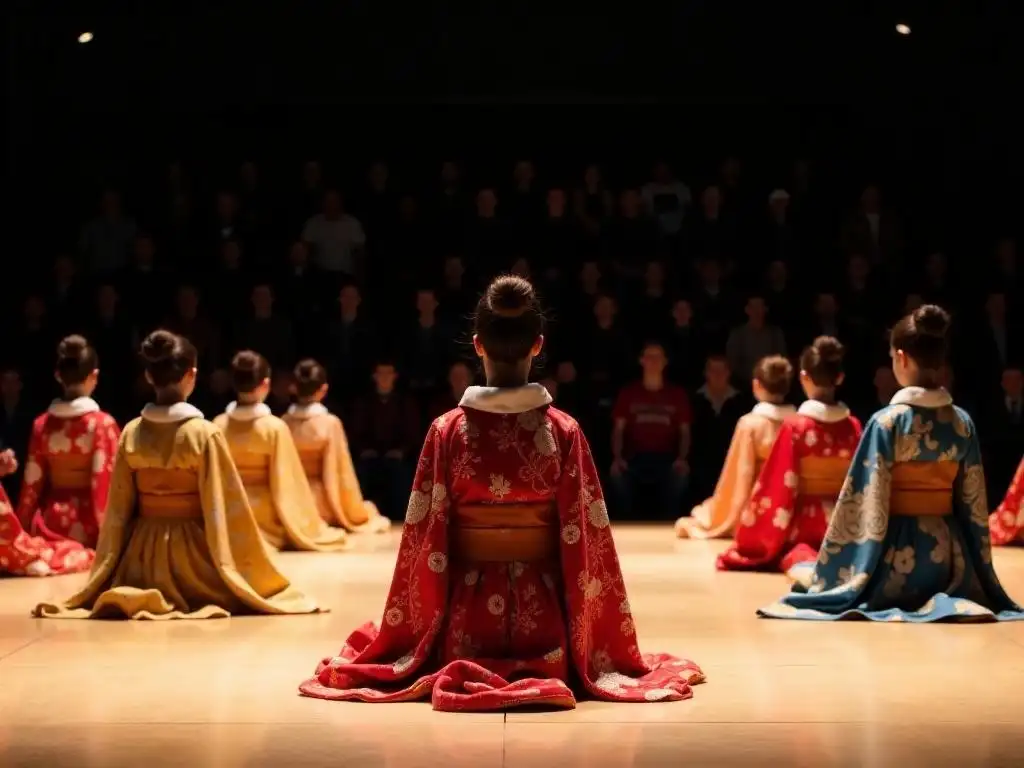
The legacy of performing arts in feudal Japan has significantly shaped contemporary Japanese culture, influencing various forms of artistic expression, including theater, music, and dance. Traditional performing arts such as Noh, Kabuki, and Bunraku continue to thrive, acting as vital cultural touchstones that reflect Japan's historical narratives and societal values. These art forms not only preserve the aesthetic and thematic elements of feudal Japan but also serve as platforms for exploring modern issues, bridging the historical divide with contemporary relevance.
In modern Japan, the performing arts often draw upon the rich traditions established during the feudal era. For instance, Kabuki, characterized by its elaborate costumes and dynamic performances, remains a popular theatrical form, attracting audiences that appreciate its historical significance and artistry. This enduring popularity highlights how these art forms have transcended their original contexts, allowing for reinterpretation and innovation while maintaining a connection to their roots.
Moreover, the revival and preservation efforts surrounding these traditional arts underscore their importance in fostering national identity and cultural pride. Through festivals, educational programs, and performances, modern Japan continues to celebrate and honor the performing arts, ensuring that the contributions of past generations are not forgotten.
Continuing Impact on Japanese Culture and Society
The impact of performing arts from the feudal era extends beyond mere entertainment; they play a crucial role in shaping social norms and cultural identity in contemporary Japan. The themes and narratives portrayed in traditional performances often tackle issues of morality, social hierarchy, and human emotions, resonating with modern audiences and prompting reflections on current societal dynamics.
In educational settings, traditional performing arts are integrated into curricula, allowing younger generations to engage with their cultural heritage. Schools often organize workshops and performances, enabling students to experience firsthand the intricacies of Noh, Kabuki, and other art forms. This educational approach helps instill a sense of appreciation for Japan's artistic past while encouraging dialogue about contemporary issues, such as class divides and social justice.
Additionally, modern adaptations of these traditional forms often incorporate contemporary themes and technologies, making them more accessible and relevant to today's audience. This evolution signifies a dynamic cultural landscape where historical art forms are not only preserved but also transformed to address modern societal challenges.
Reflection on Class Divides in Contemporary Performing Arts
Contemporary performing arts in Japan often reflect the ongoing dialogue about class divides that originated in the feudal era. While the rigid class structure of feudal Japan has largely dissolved, remnants of these divides can still be seen in the accessibility and representation within the arts. For instance, certain elite forms of theater, such as Noh, may still be perceived as less accessible to the general public due to their historical elitism and specialized training.
Conversely, popular performing arts such as J-Pop and contemporary theater often serve as platforms for voices from diverse backgrounds, challenging traditional narratives and promoting inclusivity. These performances can highlight social issues, such as economic disparity and cultural identity, thereby fostering a greater understanding of class dynamics in modern Japan.
The intersection of tradition and modernity in the performing arts also prompts critical reflection on how the past informs present realities. By examining the evolution of these art forms, audiences can gain insights into the persistent effects of historical class structures, encouraging discussions about equity and representation in contemporary society.
Conclusion: The Lasting Role of Performing Arts in Society
The performing arts of feudal Japan have left an indelible mark on the social fabric of modern Japanese society. They serve not only as a means of entertainment but also as powerful vehicles for cultural expression and social commentary. The legacy of these art forms underscores the importance of understanding historical context in addressing contemporary issues.
Summary of Key Findings
The exploration of performing arts in feudal Japan reveals their significant role in bridging class divides and shaping cultural identity. Key findings include:
- The preservation and evolution of traditional art forms, such as Noh and Kabuki, in contemporary society.
- The integration of these arts into educational frameworks, promoting cultural appreciation among younger generations.
- The reflection of class dynamics and social issues in modern performances, fostering dialogue about equity and representation.
Implications for Understanding Class Dynamics in Feudal Japan
The insights gained from the study of performing arts offer valuable implications for understanding class dynamics in feudal Japan. By analyzing the themes, narratives, and accessibility of these art forms, scholars can better comprehend the complexities of social hierarchies and their lasting effects. The performing arts not only illuminate the cultural landscape of the past but also encourage ongoing conversations about class, identity, and social justice in contemporary Japan. This understanding is essential for recognizing how historical legacies continue to influence present-day society.
References and Further Reading
The study of performing arts in feudal Japan offers profound insights into the complexities of class divides and social interactions. Here are some essential readings and resources that delve into the subject matter, providing a rich context for understanding the intricate relationship between performing arts and class structure during this historical period.
Recommended Books and Articles on Feudal Japan's Performing Arts
-
"Kabuki: A History of the Japanese Theatre" by David S. Larsen
This book provides an overview of kabuki theater, exploring its origins, evolution, and the socio-political context in which it thrived. Larsen discusses how kabuki served as a medium for bridging social divides by allowing lower classes to engage with the art form.
-
"Noh and Bunraku: The Traditional Japanese Theatre" by Richard Emmert
Emmert's work offers a detailed examination of Noh and Bunraku, two traditional performing arts of Japan. The book emphasizes how these art forms were accessible to various social strata, fostering a shared cultural experience.
-
"The World of the Shining Prince: Court Life in Ancient Japan" by Ivan Morris
Although focused on the Heian period, this book provides necessary context regarding the evolution of performance arts in Japan and their influence on later feudal practices. It offers insights into the cultural dynamics that shaped the performing arts.
-
"Japanese Theatre: From Shamanistic Ritual to Contemporary Pluralism" by John M. McEwan
This comprehensive text traces the history of Japanese theater from its shamanistic roots to modern interpretations, highlighting how class structures influenced and were influenced by the performing arts throughout history.
-
"The Art of Noh: A Guide to the Traditional Japanese Theatre" by Yoko Green
This guide discusses Noh theatre's aesthetics and performance practices, examining its role in reflecting and shaping societal values, including class distinctions and their eventual convergence.
Online Resources for Deeper Insights into Class Structure and Culture
- The Japan Society: This organization provides various resources, including articles, videos, and lectures that explore Japanese culture and history, including aspects of performing arts and their relation to societal structures.
- The National Theatre of Japan Website: This site offers a wealth of information on traditional Japanese performing arts, including schedules for live performances, educational resources, and historical context.
- Online Archives of Japanese Performing Arts: Many universities and cultural institutions have digitized archives that include historical documents, performance reviews, and scholarly articles on Japanese performing arts. These can be excellent for research on class interactions.
- YouTube Channels Dedicated to Japanese Culture: Channels like "The Japan Channel" often feature performances and discussions surrounding traditional arts, providing visual insights that complement written resources.
- Academic Journals: Journals like "The Journal of Asian Studies" or "Japan Review" frequently publish articles related to the performing arts and social dynamics in feudal Japan, offering scholarly perspectives on the subject.
By exploring these resources, readers can gain a nuanced understanding of how performing arts played a critical role in bridging class divides in feudal Japan, enriching their knowledge of this fascinating period in history.
- Introduction to Performing Arts in Feudal Japan
- The Historical Context of Class Divides in Feudal Japan
- Types of Performing Arts in Feudal Japan
- How Performing Arts Addressed Class Divides
- Case Studies of Performing Arts Bridging Class Divides
- The Influence of Performing Arts on Class Perceptions
- The Legacy of Performing Arts in Modern Japan
- Conclusion: The Lasting Role of Performing Arts in Society
- References and Further Reading
Frequently Asked Questions
What were the main performing arts in feudal Japan?
The main performing arts included Noh, Kabuki, and Bunraku, each representing unique styles and cultural significance. These art forms played a crucial role in entertainment and social commentary.
How did performing arts address class divides in feudal Japan?
Performing arts served as a bridge between social classes, allowing different classes to engage with and appreciate cultural expressions. They often highlighted societal issues, making them relatable to a broader audience.
Who were the primary audiences for these performing arts?
While nobility and wealthy merchants predominantly enjoyed these performances, they were also accessible to the common people, especially in urban areas. This accessibility helped to blur class distinctions during performances.
What role did patronage play in the performing arts?
Patronage from the samurai and wealthy classes was vital for supporting artists and performances. This financial backing not only ensured artistic survival but also influenced the themes and styles presented.
How did the performing arts evolve throughout feudal Japan?
Over time, the performing arts in feudal Japan evolved, incorporating new themes and styles influenced by social changes and interactions with other cultures. This evolution reflected the dynamic nature of Japanese society during the feudal era.
Final Reflection: The Transformative Power of Performing Arts in Feudal Japan
The exploration of performing arts as a bridge across class divides in feudal Japan reveals a profound truth about the human experience: art has the remarkable ability to transcend barriers and foster understanding among disparate social classes. In an era marked by rigid hierarchies and social stratification, the performing arts emerged as a vital medium for dialogue and connection, reminding us that creativity can unite us in ways that politics and power often fail to achieve.
Today, as we navigate our own societal divides, the lessons from feudal Japan resonate more than ever, urging us to recognize the potential of art to foster empathy and collaboration.
The influence of performing arts in feudal Japan continues to echo in our cultural landscape, shaping how we perceive and engage with one another across social strata. The ability of theater, music, and dance to convey shared narratives and emotions has always been a catalyst for social change. As we reflect on this legacy, we can see how art serves not only as entertainment but also as a powerful tool for social commentary and transformation. Art is not freedom from discipline, but disciplined freedom.
– John F. Kennedy. This quote encapsulates the essence of how the performing arts can challenge societal norms while simultaneously offering a structured platform for voices that might otherwise remain unheard.
As we conclude this exploration, I invite you to consider your own relationship with the arts and their role in your life. How can you harness the power of creativity to bridge divides in your community? Reflect on the ways in which art can inspire dialogue, foster understanding, and promote inclusivity. Let us embrace the lessons of feudal Japan and commit to using the performing arts as a means to connect, uplift, and transform our world, one performance at a time.
Uncover the Transformative Power of Performing Arts!
Thank you for exploring the captivating role of performing arts in bridging class divides during feudal Japan. You've gained insights into how creativity fosters connection and understanding, transforming society in profound ways. Now, it’s time to take that inspiration further!
Here are a few specific actions you can take to deepen your engagement with this topic:
- Dive deeper into the history of a specific performance art form from feudal Japan— explore the intricate narratives of Kabuki or the spiritual depth of Noh theater and their social implications.
- Share your thoughts with others! Discuss this article with friends or family, or start a conversation online about the lasting impact of the arts on social cohesion.
- Participate in local arts events or workshops to experience firsthand the unifying power of performing arts in your own community.
Which aspect of performing arts do you believe has the greatest potential to bridge divides in our modern society?