
The Interplay of Class and Warfare in Shaping Feudal Japan's Society

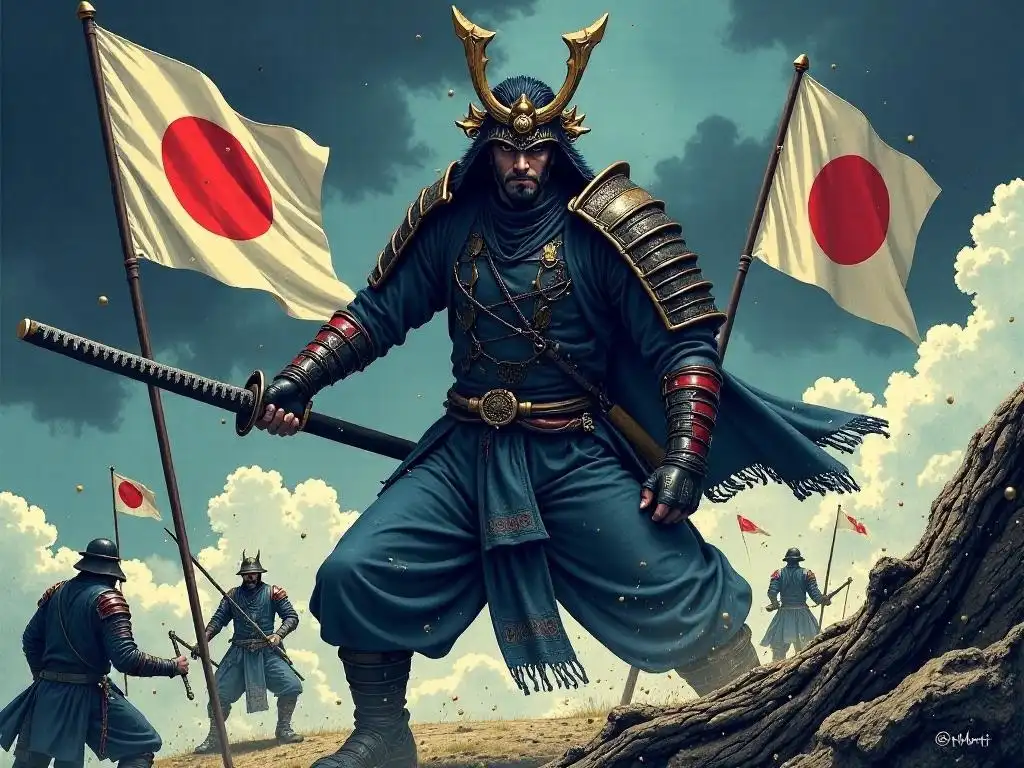
Welcome to Feudal Japan History, where we invite you to embark on a captivating journey through the intricate tapestry of Japan’s feudal era. Here, you will uncover the dynamic interplay of class and warfare that not only defined societal structures but also reshaped the very essence of Japanese culture. Our exploration of class warfare in feudal Japan promises to reveal the hidden narratives and power struggles that influenced an entire epoch.
Get ready to dive deep into the complexities of this fascinating period, and discover how the legacies of yesteryears continue to resonate in modern Japan. Stay curious—there's much more to uncover!
The feudal era of Japan, spanning from the late 12th century to the mid-19th century, represents a fascinating period where the interplay of class structure and warfare significantly influenced the societal landscape. Understanding this dynamic is essential to grasp how power, privilege, and conflict shaped the lives of individuals and the overall culture of the time.
As we delve into the concept of "class warfare in feudal Japan," we will explore how various social classes interacted, the role of warfare in these interactions, and the lasting impacts on Japanese society. This exploration will not only highlight the hierarchies established during this time but will also showcase how military conflicts acted as catalysts for change within the class structure, ultimately defining a unique historical narrative.
Understanding Class Structure in Feudal Japan
Overview of Feudal Class Hierarchy
The social hierarchy during Japan’s feudal period was distinctly stratified, consisting of various classes that dictated the roles and responsibilities of individuals within society. At the top of the hierarchy were the Emperor and the Imperial family, followed by the shogunate, who held real power. Beneath them were the daimyōs (feudal lords), who controlled large estates and had their own armies. The samurai, as the warrior class, occupied a significant position within this structure, serving the daimyōs and adhering to a strict code of conduct known as Bushido.
- Social Classes Overview:
- Emperor and Imperial Family: Ceremonial authority with limited political power.
- Shogunate: Military rulers who governed Japan.
- Daimyōs: Powerful lords who managed lands and samurai.
- Samurai: Warriors pledged to serve their daimyōs.
- Peasants: The majority of the population, primarily engaged in agriculture.
- Artisans and Merchants: Occupied lower social ranks due to the agrarian focus of society.
Key Social Classes in Feudal Japan
Each class in feudal Japan had its own distinct roles and societal expectations. The peasants, for example, were responsible for producing food, which was the backbone of the economy, while artisans contributed through craftsmanship. Merchants, although they became increasingly wealthy, were often looked down upon due to the prevailing value system that prioritized agricultural production over trade.
- Summary of Key Social Classes:
- Samurai: Elite warriors with significant social status.
- Peasants: Essential for agricultural production but often oppressed.
- Artisans: Skilled workers who produced goods.
- Merchants: Wealthy but socially inferior due to their trade.
The Role of the Samurai in Class Warfare
The samurai were integral to both the military and social fabric of feudal Japan. Their loyalty to their daimyōs and adherence to Bushido often led them to engage in conflicts that would determine not only their fate but also the structure of society itself. This class was not merely a military force; they played a crucial role in maintaining order and enforcing the class distinctions that defined feudal Japan.
Historical Context of Warfare in Feudal Japan
Major Conflicts and Their Impact on Society
Warfare was a defining characteristic of feudal Japan, with numerous conflicts shaping its history. Key events such as the Genpei War (1180-1185) and the Sengoku period (1467-1603) exemplified how battles over land and power would affect class dynamics and societal structure. These conflicts often resulted in shifts of power that redefined allegiances among the classes, leading to the rise and fall of various daimyōs and their samurai.
- Notable Conflicts:
- Genpei War: Established the Kamakura shogunate.
- Sengoku Period: A time of civil war that led to the unification under Tokugawa Ieyasu.
The Evolution of Warfare Tactics in Feudal Japan
As the era progressed, the tactics employed in warfare evolved dramatically. From the introduction of cavalry charges to the use of gunpowder, these changes not only influenced the outcomes of battles but also impacted how the samurai viewed their role within society. The adaptation of new technologies and strategies often led to changes in class relations, as those who could afford to arm themselves with the latest weaponry gained more power and influence.
How Warfare Influenced Class Relations
The constant state of warfare in feudal Japan created a fluidity in class relations that was not typical of many societies. The outcomes of battles could elevate a low-ranking samurai to prominence or diminish a powerful daimyō to obscurity. As a result, the relationships between classes were often tenuous, fraught with the potential for conflict, and continuously reshaped by the tides of war.
The intertwining of class structure and warfare in feudal Japan is a rich area of study that reveals much about the societal dynamics of the time. Understanding this interplay not only enriches our knowledge of Japanese history but also offers insights into the broader implications of class and conflict in shaping societies globally.
Class Warfare in Feudal Japan: An In-Depth Analysis
Class warfare in feudal Japan was a pivotal factor that shaped the very fabric of society during this era. It refers to the conflicts between different social classes, primarily between the ruling samurai class and the peasant class, which often resulted in significant consequences for both the socio-political landscape and cultural identity of Japan. Understanding the nuances of these conflicts provides insight into how class divisions influenced not only warfare but also governance, economics, and social relations throughout the feudal period.
The hierarchical nature of feudal society exacerbated tensions, as the ruling class enjoyed privileges and power at the expense of the lower classes. Samurai, who were the military elite, often exploited peasants, leading to grievances that would occasionally erupt into violence. The analysis of class warfare during this time reveals not just the struggles for power but also the evolution of social dynamics that stemmed from these conflicts.
Defining Class Warfare in the Feudal Context
In the feudal context, class warfare can be defined as the struggles and conflicts arising from the inherent inequalities between social strata. This era was characterized by a rigid class structure comprised mainly of the nobility (daimyō), the samurai, the commoners (which included peasants), and the outcasts (burakumin).
Class warfare manifested in various forms, including uprisings, revolts, and social movements driven by the oppressed classes seeking justice and equality. These conflicts were often fueled by economic hardship, oppressive governance, and the burden of taxes imposed by the ruling class. While samurai were tasked with protecting the land and maintaining order, their actions often exacerbated the plight of the peasants, leading to a cycle of resentment and rebellion.
Examples of Class Struggles and Rebellions
Several notable examples illustrate the class struggles and rebellions that occurred throughout feudal Japan:
- The Jōkyū War (1180-1181): This conflict arose from a struggle for power between rival samurai factions, showcasing the violent nature of class disputes among the elite.
- The Peasant Uprising of 1274: Triggered by heavy taxation and harsh treatment by local samurai, this revolt highlighted the desperate conditions faced by the peasantry.
- The Kōzuke Rebellion (1454): Farmers in Kōzuke Province revolted against oppressive samurai lords, demanding better treatment and reduced taxation.
- The 1587 Shimbara Rebellion: This insurrection was largely driven by the impoverished peasants’ anger against the oppressive rule of the samurai class and culminated in a bloody confrontation.
These examples not only reflect the pervasive unrest but also indicate how class warfare was a recurring theme in the feudal landscape of Japan.
The Role of Peasants in Class Warfare
Peasants played a crucial role in the dynamics of class warfare in feudal Japan. As the backbone of the economy, their labor was vital for agricultural production, yet they were often marginalized and subjected to harsh conditions. The grievances held by peasants stemmed from excessive taxation, forced labor, and the constant threat of violence from samurai.
Peasant revolts were often organized efforts that involved collective action, with farmers banding together to resist exploitation. These uprisings challenged the authority of the samurai and the ruling elite, demonstrating the potential for lower classes to influence societal change. The persistence of peasant resistance illustrated their critical position within the feudal system, as they sought not only survival but also dignity and rights.
The Impact of Class Warfare on Feudal Society
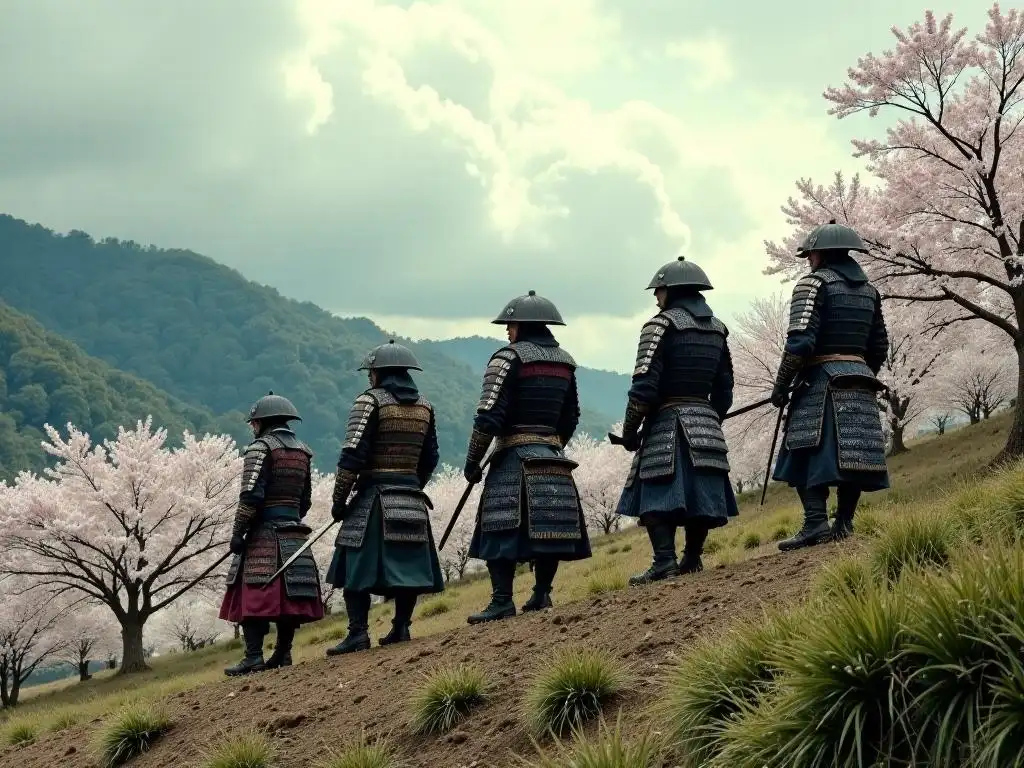
Class warfare had profound implications for the social structure and governance of feudal Japan. It transformed relationships between classes and shaped the overall trajectory of Japanese history during this period.
Changes in Social Structure Due to Warfare
The ongoing conflicts and class struggles led to significant changes in social structure. As uprisings occurred, the traditional hierarchy was challenged, prompting some lords to reconsider their treatment of peasants. In response to revolts, certain daimyō began to implement reforms aimed at alleviating peasant suffering, recognizing that stability depended on their well-being.
Additionally, the rise of merchant classes, particularly during the Edo period, began to shift the social dynamics. As commerce flourished, a new middle class emerged, gaining wealth and influence, which further complicated the feudal hierarchy.
The Transformation of Power Dynamics
Class warfare also resulted in a transformation of power dynamics within feudal Japan. As peasants revolted and samurai faced internal strife, the balance of power began to shift. Some warriors, motivated by the desire for land and resources, aligned themselves with the commoners, creating new alliances that challenged the traditional ruling order.
This evolution was particularly evident during the Sengoku period (1467-1603), a time of intense warfare where the samurai class was forced to adapt to the changing landscape, often relying on peasant support to solidify their power.
Long-term Effects of Class Warfare on Japanese Society
The long-term effects of class warfare on Japanese society cannot be overstated. The conflicts contributed to the eventual decline of the feudal system and paved the way for modernization in the Meiji Restoration (1868). As class tensions persisted, they fundamentally altered societal norms, leading to a re-evaluation of social hierarchies and the rights of individuals.
In contemporary Japan, remnants of these historical class struggles can still be observed in cultural attitudes toward authority, work ethics, and the value placed on community and cooperation. The legacy of class warfare continues to shape Japan's identity, illustrating the lasting impact of these historical conflicts on modern society.
Cultural Reflections of Class and Warfare
The interplay between class and warfare in feudal Japan had profound implications for its culture, influencing various artistic expressions and societal philosophies. The struggles and triumphs of different social classes, particularly the samurai and the peasantry, were often depicted in literature, art, and ritual practices, serving both as reflections of society and as vehicles for cultural identity.
Literature and Art Depicting Class Struggles
Japanese literature during the feudal era vividly captured the essence of class struggles. Works such as "The Tale of the Heike," an epic narrative detailing the rise and fall of the Taira and Minamoto clans, presented not just historical events but also the human emotions tied to warfare, honor, and tragedy. This text and others like it illustrated the complexities of loyalty and duty that defined samurai culture while simultaneously giving voice to the suffering of the common people caught in the crossfire of conflicts.
Art forms such as ukiyo-e (woodblock prints) also played a significant role in depicting class struggles. Artists like Katsushika Hokusai and Utagawa Hiroshige created works that highlighted both the valor of samurai and the plight of farmers, often juxtaposing the elegance of the warrior class against the harsh realities faced by the peasantry. These artistic expressions not only reflected the societal hierarchy but also served to critique it, suggesting an awareness of the disparities created by warfare and class systems.
The Influence of Warfare on Samurai Culture
Warfare was a defining characteristic of samurai culture, shaping their values, behaviors, and societal roles. The samurai were not only warriors; they were also bound by a strict code of ethics known as bushido, which emphasized virtues such as loyalty, honor, and self-discipline. This code was cultivated through the experiences of warfare and the need to maintain one's honor on the battlefield.
The constant threat of conflict fostered a culture of martial excellence among the samurai, leading to the development of various martial arts and military strategies. Rituals surrounding warfare, such as the practice of seppuku (ritual suicide), further underscored the significance of honor in samurai society. Moreover, the prestige associated with military success often allowed samurai to ascend the social ladder, thus intertwining their fates with the outcomes of warfare and reinforcing the class structures inherent in feudal Japan.
Religious and Philosophical Perspectives on Class Warfare
The religious landscape of feudal Japan, primarily influenced by Shinto and Buddhism, provided a framework through which class warfare was interpreted. Shinto, with its focus on ancestral worship and the kami (spirits), instilled a sense of duty among the samurai to protect their land and people, often justifying warfare as a divine mandate. Conversely, Buddhism introduced concepts of suffering and karma, which could be seen as a critique of the violence that characterized class struggles.
Philosophically, thinkers like Yoshida Kenkō and the Zen Buddhist monks contributed to the discourse on social hierarchies and the moral implications of warfare. Their writings often reflected a deep contemplation of life, death, and the transient nature of power, suggesting that the struggles of the classes were ultimately part of a larger cosmic order. This philosophical lens provided a means for individuals to find meaning in the chaos of feudal conflicts, thus influencing societal attitudes towards class warfare.
Conclusion: The Legacy of Class and Warfare in Feudal Japan
Summary of Key Points
The legacy of class and warfare in feudal Japan is multifaceted, deeply embedded in the cultural, artistic, and philosophical fabric of the era. Literature and art served as mirrors to the societal dynamics of class struggles, while the samurai's code of conduct was shaped by the realities of warfare. Religious and philosophical perspectives offered insights into the moral complexities of these conflicts, emphasizing the interplay between duty, honor, and the suffering of the populace.
Reflections on Modern Implications of Feudal Class Warfare
The implications of class warfare in feudal Japan resonate in contemporary discussions about social stratification and conflict. Understanding how feudal class systems influenced societal behaviors and cultural expressions can provide valuable insights into modern issues of inequality and power dynamics. The narratives surrounding class struggles from this era can serve as analogies for current social movements, highlighting the enduring relevance of these historical themes.
Future Research Directions in Feudal Japanese Studies
Future research in feudal Japanese studies could focus on the nuanced relationships between different classes and how those interactions were affected by warfare. Areas such as gender roles within the class structure, the impact of foreign influences on feudal society, and the evolution of class identity over time may yield rich insights. Additionally, interdisciplinary approaches that combine historical, literary, and sociological perspectives can deepen our understanding of the complexities of class warfare and its lasting legacy in Japan's cultural heritage.
- Understanding Class Structure in Feudal Japan
- Historical Context of Warfare in Feudal Japan
- Class Warfare in Feudal Japan: An In-Depth Analysis
- The Impact of Class Warfare on Feudal Society
- Cultural Reflections of Class and Warfare
- Conclusion: The Legacy of Class and Warfare in Feudal Japan
- What was the primary social structure in feudal Japan?
- How did class warfare influence the political landscape of feudal Japan?
- What role did the samurai play in feudal Japan's class system?
- How did economic factors contribute to class disparities in feudal Japan?
- In what ways did cultural practices reflect class distinctions in feudal Japan?
Frequently Asked Questions
Feudal Japan was characterized by a hierarchical social structure that included classes such as the emperor, shogun, samurai, peasants, and merchants, each with distinct roles and responsibilities.
How did class warfare influence the political landscape of feudal Japan?
Class warfare often resulted in power struggles among the samurai and ruling classes, leading to shifts in political power and the establishment of new feudal lords or clans.
What role did the samurai play in feudal Japan's class system?
The samurai were the warrior class responsible for protecting the land and enforcing the will of their lords, often engaging in combat that reflected the tensions between different social classes.
How did economic factors contribute to class disparities in feudal Japan?
Economic factors, such as land ownership and the taxation system, created significant disparities between classes, where wealth concentrated among the nobility while peasants struggled for survival.
In what ways did cultural practices reflect class distinctions in feudal Japan?
Cultural practices, including art, literature, and ceremonies, often highlighted class distinctions, with the elite engaging in elaborate traditions while the lower classes had simpler customs.
Final Reflection: The Enduring Legacy of Class Warfare in Feudal Japan
The intricate relationship between class and warfare in feudal Japan remains profoundly relevant today, as it reveals the complexities of social hierarchies and power dynamics that continue to shape our world. The struggles between the samurai, peasants, and merchants not only defined the societal structure of their time but also laid the groundwork for understanding modern class conflicts. The echoes of these historical battles remind us that the fight for equity and recognition is a timeless struggle that transcends generations.
Culture and society are inextricably linked to the legacies of class warfare, influencing everything from literature to modern political discourse. The narratives of feudal Japan serve as a poignant reminder of how class divisions can lead to conflict and transformation. As we reflect on this historical context, we can draw parallels to contemporary issues of inequality and social justice. History is not a burden on the memory but an illumination of the soul.
This quote encapsulates the importance of understanding our past to navigate the present and future.
As you ponder the lessons of class warfare in feudal Japan, consider how these insights can inspire action in your own life. Reflect on the social structures around you and engage in conversations that challenge the status quo. By recognizing the historical roots of class dynamics, you can contribute to a more equitable society. Embrace the opportunity to learn from the past, advocate for change, and become an active participant in shaping a future where class divisions are dismantled, and every voice is valued.
Unveil the Legacy of Feudal Japan — Take Action Today!
Thank you for diving deep into the fascinating interplay of class and warfare that shaped feudal Japan. Your interest in this pivotal era enriches our understanding of history and its ongoing influence. Now, it’s time to explore how you can further engage with this rich tapestry of culture and conflict.
- Join our community: Sign up for our newsletter to receive exclusive insights and updates on the history of feudal Japan.
- Share your thoughts: Comment below and let us know how you believe the class structure influenced the warfare strategies of this period.
- Broaden your knowledge: Explore our curated reading list for books that delve deeper into the societal changes during feudal Japan.
What aspect of feudal Japan’s class dynamics intrigues you the most, and how do you think it has contributed to shaping modern society?