
The Hidden Lives of the Lower Classes: Stories from Feudal Japan's Shadows

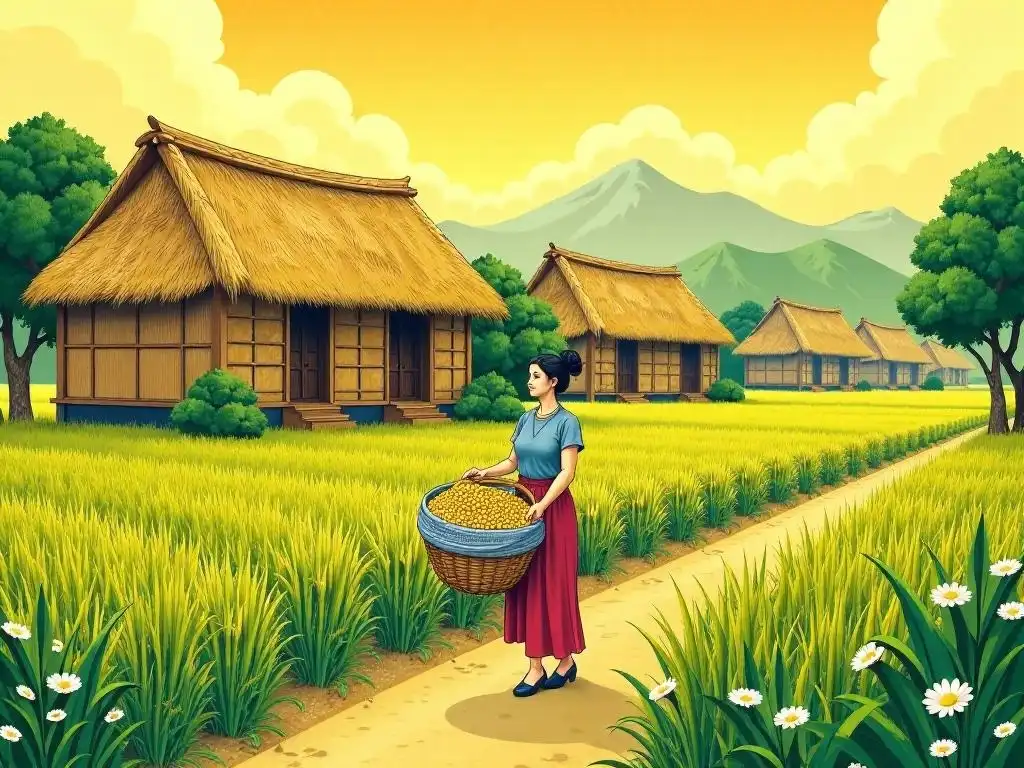
Welcome to Feudal Japan History—your gateway to an intricate tapestry of Japan’s feudal era. Here, we delve deep into the hidden lives of the lower classes in feudal Japan, illuminating the often-overlooked stories that shaped this remarkable period. From the struggles of serfs to the resilience of artisans, our expert-driven articles provide a rich narrative that challenges the traditional perspectives of history. Are you ready to uncover the shadows and secrets of life beneath the samurai's sword? Join us as we explore the complexities of social history, one captivating story at a time!
Introduction to the Lower Classes in Feudal Japan
Feudal Japan, spanning from the late 12th century to the mid-19th century, was a time of remarkable complexity, characterized by a rigid social hierarchy that influenced every aspect of life. While the stories of samurai and nobility often dominate historical narratives, the lower classes in feudal Japan represent an equally significant, yet frequently overlooked, part of this era.
Understanding their lives, struggles, and contributions provides a richer, more nuanced perspective on Japan's social history. This article delves into the hidden lives of these lower classes, exploring their roles, challenges, and the vital influence they had on the society of feudal Japan.
Overview of Feudal Japan's Social Hierarchy
The social structure of feudal Japan was intricately layered, consisting primarily of four main classes: the samurai, farmers, artisans, and merchants. This hierarchy was often visualized as a pyramid, with the samurai at the top, enjoying privileges and power, while the lower classes formed the base, serving essential roles in sustaining the economy and culture. Here’s a brief breakdown of this hierarchy:
- Samurai: The warrior class, serving as military nobility.
- Farmers: Responsible for agricultural production, often viewed as the backbone of society.
- Artisans: Skilled laborers creating various goods and contributing to the local economy.
- Merchants: Traders who facilitated commerce, generally looked down upon due to their focus on profit.
This structure not only defined social interactions but also dictated access to resources, rights, and responsibilities.
Importance of Understanding Lower Classes in Historical Context
Exploring the lives of the lower classes is crucial for several reasons:
- Cultural Contributions: The lower classes were instrumental in shaping Japan's cultural landscape, from traditional crafts to folklore.
- Economic Foundation: Their labor supported the samurai class and the overall economy, making them vital to Japan's historical development.
- Social Mobility: Understanding the dynamics of lower-class life sheds light on the potential for social mobility, as well as the limitations imposed by the rigid class system.
By delving into the intricacies of their existence, we can better appreciate the multifaceted nature of feudal Japan's society.
Defining the Lower Classes in Feudal Japan
The term "lower classes" encompasses a diverse range of individuals and roles within the feudal system. This section aims to clarify who these individuals were and the societal positions they held.
Social Status and Roles of the Lower Classes
The lower classes included farmers, artisans, and laborers, each with distinct roles that contributed to the fabric of society:
- Farmers:
- Provided sustenance for the nation, working tirelessly on the land.
- Often subjected to heavy taxation and labor demands from the samurai lords.
- Artisans:
- Created goods ranging from clothing to tools, often organized into guilds.
- Held a degree of respect for their skills but were still considered lower in status compared to samurai.
- Laborers:
- Engaged in various menial jobs, often facing harsh working conditions and limited rights.
- Their contributions were essential for urban development and infrastructure.
Comparison of Lower Classes with the Samurai and Nobility
The stark contrast between the lower classes and the upper echelons of society is evident in various aspects:
| Aspect | Lower Classes | Samurai and Nobility |
|---|---|---|
| Social Status | Subordinate, low prestige | High status, revered |
| Economic Role | Producers and laborers | Landowners and warriors |
| Rights and Privileges | Limited rights, heavy taxation | Extensive privileges and power |
| Cultural Influence | Often overlooked, yet vital | Dominant narratives, cultural leaders |
This comparison highlights the disparities that defined feudal Japan, offering insights into the lives of those who lived in the shadows of the more esteemed classes. By examining these differences, we can gain a deeper understanding of the complexities within Japan's social hierarchy and the contributions of its lower classes.
Daily Lives of the Lower Classes
The daily lives of the lower classes in feudal Japan were characterized by a blend of hard work, community ties, and resilience. Most commoners, including peasants, artisans, and merchants, engaged in labor-intensive occupations that dictated their routines. The agricultural calendar played a significant role, as the majority of the population were rice farmers who spent long hours tending to their fields. Seasonal changes demanded various tasks, from planting in spring to harvesting in autumn, shaping the rhythm of their lives.
In addition to agriculture, artisans and craftsmen contributed to their local economies by producing goods such as textiles, pottery, and tools. Merchants, while often looked down upon by the samurai class, played a crucial role in the economy by facilitating trade and commerce. The lower classes often lived in close-knit communities, where cooperation and mutual support were vital for survival. Festivals and communal gatherings provided important social outlets, allowing them to celebrate their hard work and reinforce their cultural identity.
Occupations and Economic Activities of Common People
The occupations of the lower classes in feudal Japan were diverse and essential to the functioning of society. Primarily, the peasantry comprised about 80% of the population and was responsible for rice cultivation, which was the backbone of the economy. In addition to farming, they also engaged in activities such as fishing and foraging, which supplemented their diets.
Artisans and craftsmen held important roles in local economies, creating goods that ranged from everyday utensils to decorative items. Professions included blacksmithing, carpentry, and textile weaving. These artisans often operated small workshops and could gain respect within their communities based on their skills.
Merchants, despite their lower social status, played a crucial role in the economic landscape. They facilitated trade not only within local markets but also between regions, exchanging goods such as rice, silk, and ceramics. Although they faced restrictions imposed by the samurai class, their economic influence grew, particularly during the Edo period when urbanization and commerce flourished.
Living Conditions and Housing of the Lower Classes
Living conditions for the lower classes were generally modest and functional. Most commoners lived in simple wooden houses, often with thatched roofs. These homes typically consisted of one or two rooms, with a central hearth for cooking and heating. The layout of the house was practical, reflecting the needs of family life and work.
In rural areas, houses were often built close to farmland, allowing families to manage their agricultural responsibilities effectively. Urban dwellers faced different challenges; living in crowded conditions, they often resided in small tenements that lacked basic sanitation. The proximity to neighbors fostered a sense of community but also led to increased exposure to disease.
Despite economic hardships, lower-class families often made their homes comfortable through the use of tatami mats, sliding paper doors, and simple decorations. The limited space and resources led to an emphasis on communal living, where families would share their homes with extended relatives, solidifying bonds and cooperation among the lower classes.
Cultural Practices and Traditions Among the Lower Classes
Cultural practices among the lower classes of feudal Japan were rich and varied, often reflecting their connection to nature and community. Festivals and seasonal celebrations were integral to their lives, providing opportunities to honor deities, celebrate harvests, and reinforce social ties. Common practices included rice planting festivals and New Year celebrations, where families would come together to share food and rituals.
Art forms such as folk music, dance, and storytelling also thrived among the lower classes. These traditions were often passed down orally and reflected the daily struggles and triumphs of commoners. Festivals featured performances that included traditional dances and theatrical plays, allowing for creative expression and community bonding.
Religious beliefs played a significant role in their cultural lives, with many lower-class individuals adhering to Shinto practices and local deities. Temples and shrines often served as gathering places, where people would pray for bountiful harvests and protection from misfortune. This strong connection to spiritual beliefs and community traditions helped the lower classes navigate the challenges of their daily lives.
Challenges Faced by the Lower Classes
The lower classes in feudal Japan faced numerous challenges that shaped their existence and resilience. Economic hardships, social injustice, and the impact of natural disasters significantly affected their lives, creating a complex landscape of struggles and adaptation.
Economic Hardships and Taxation Issues
Economic hardships were a constant reality for the lower classes, largely due to the heavy taxation imposed by the ruling samurai class. Peasants were required to pay a significant portion of their harvests as tax, often leaving them with barely enough to sustain their families. In times of poor harvests or crop failures, these burdens became even more pronounced, leading to widespread poverty and starvation.
Merchants, although able to accumulate wealth, also faced scrutiny and restrictions from the samurai class. Their ability to advance socially was limited, and they often dealt with fluctuating market conditions that affected their livelihoods. The economic system favored the upper classes, perpetuating a cycle of inequality that left the lower classes struggling to make ends meet.
Social Injustice and Discrimination
Social injustice was a pervasive issue for the lower classes, who were often regarded as inferior by the samurai and noble classes. This discrimination affected their rights, opportunities, and social mobility. The rigid class structure established by the feudal system meant that lower-class individuals had limited access to education, political power, and social recognition.
Commoners were frequently subjected to harsh treatment and exploitation, particularly by local lords and their retainers. This systemic inequality fostered resentment and social unrest, leading to uprisings and protests throughout history. The lower classes sought to assert their rights and demand better treatment, but these efforts were often met with resistance from the ruling elite.
Impact of Natural Disasters and Famines
Natural disasters, such as earthquakes, floods, and typhoons, frequently struck feudal Japan, exacerbating the already difficult lives of the lower classes. These events could devastate crops, destroy homes, and displace entire communities. The aftermath of such disasters often led to famine, forcing families to rely on limited resources and leading to malnutrition and suffering.
Famine was a recurring issue that caused significant social upheaval. In response to food shortages, the lower classes sometimes revolted against oppressive taxation and sought assistance from local governments. However, relief efforts were often insufficient, and the burden of recovery fell heavily on the shoulders of the already struggling commoners.
The hidden lives of the lower classes in feudal Japan were marked by resilience amid adversity. Their daily lives, cultural practices, and the challenges they faced reveal a complex tapestry of existence that highlights the importance of understanding these often-overlooked narratives in the broader context of Japan's feudal history.
Voices from the Shadows: Stories of the Lower Classes
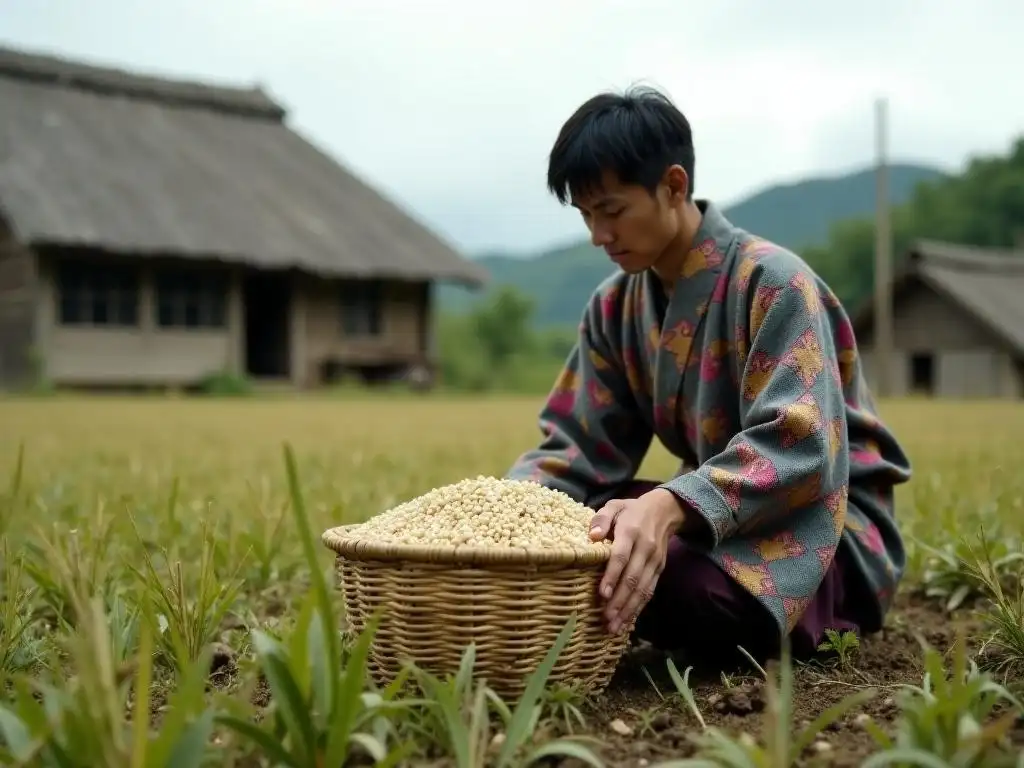
The lower classes in feudal Japan, often overshadowed by the grandeur of the samurai and nobility, played a crucial role in the fabric of society. Their stories, largely transmitted through oral histories, literature, and art, reveal a complex world of struggle, resilience, and cultural expression. The narratives of farmers, artisans, and laborers are essential for understanding the social dynamics and everyday life of this period. These voices from the shadows shed light on the hardships faced by the lower classes, their hopes, and their contributions to the larger tapestry of Japanese culture.
Oral Histories and Folklore of the Lower Classes
Oral traditions are vital in preserving the experiences of the lower classes in feudal Japan. Folk tales, legends, and songs often depicted the lives of common people, highlighting their struggles and triumphs. These narratives were frequently shared in village gatherings, serving both as entertainment and as a means of education. For instance, stories such as "Kintaro," a legendary child hero raised by a mountain witch, reflect themes of strength and perseverance, resonating with the peasant class who often faced formidable challenges.
Folklore also provided a framework for understanding the social order, with tales often featuring clever commoners outsmarting the nobility, thus subtly challenging the rigid class hierarchy. Through these stories, the lower classes could find solace and a sense of identity, fostering a communal spirit that transcended their societal limitations.
Notable Figures and Their Contributions
While the history books often focus on samurai and shoguns, several notable figures from the lower classes emerged, leaving a lasting impact on Japanese society. One such figure is Yama-uba, a legendary woman often portrayed as a wise and resourceful mountain witch. Though a mythical character, she symbolizes the strength and cunning of women in the lower classes who navigated the challenges of feudal society.
Additionally, figures like the peasant leader Jirozaemon, who led a significant revolt against oppressive tax practices, illustrate the agency of lower-class individuals. His story, though not widely celebrated, exemplifies the courage and resilience of those who stood against the injustices of their time, inspiring future generations.
Artistic Expressions: Literature and Art from the Lower Classes
The artistic expressions of the lower classes in feudal Japan offer profound insights into their lives and values. Ukiyo-e, a genre of woodblock printing, often depicted scenes of everyday life, including the struggles and joys of common people. Artists like Hiroshige captured the beauty of rural landscapes and the labor of farmers, elevating their experiences to an art form.
Moreover, literature from the Edo period reflects the thoughts and feelings of the lower classes, with works like "The Tale of the Heike" illustrating the plight of war-torn villagers. These artistic endeavors not only provided an avenue for self-expression but also served to document the societal issues faced by the lower classes, preserving their stories for future generations.
The interaction between the lower classes and the higher social strata in feudal Japan was complex and multifaceted. While the samurai and nobility often held power over the common people, there were instances of cooperation, conflict, and cultural exchange that shaped the social landscape.
Relationships with Samurai and Nobility
The relationship between the lower classes and the samurai was primarily one of obligation and service. Farmers, as the backbone of the economy, were tied to the land and the samurai who governed it. In exchange for protection, they paid taxes and provided food. However, this dynamic was not merely one-sided; some samurai recognized the importance of their peasant subjects and sought to be just rulers, understanding that their wealth and status depended on the well-being of those they governed.
Occasionally, these relationships could evolve into mutual respect, especially when samurai engaged in patronage of artisans and merchants, recognizing their contributions to society. This interplay fostered a unique cultural exchange, enriching both classes and demonstrating the interconnectedness of social roles.
The Role of Religion and Spirituality in Social Dynamics
Religion and spirituality played a significant role in mediating the interactions between lower classes and higher social strata. Shinto and Buddhism, the dominant belief systems of the time, emphasized the importance of community and compassion. Temples and shrines often served as gathering places for people of all classes, fostering a sense of unity and shared purpose.
Moreover, spiritual beliefs provided solace to the lower classes, offering hope amid their struggles. Festivals and rituals frequently involved participation from all societal levels, allowing for moments of levity and connection that transcended class boundaries. This shared spiritual life contributed to a complex social fabric, where lower classes could assert their identity and agency within a hierarchical system.
Instances of Rebellion and Resistance
Throughout feudal Japan, the lower classes occasionally rose against their oppressors, seeking justice and better living conditions. Notable uprisings, such as the Peasant Revolt of 1783, were driven by harsh taxation and famine. These revolts, often met with brutal repression, highlighted the desperation of the lower classes and their willingness to fight for their rights.
In literature and folklore, these instances of rebellion have been romanticized, portraying the lower classes as noble warriors against tyranny. Such stories have persisted through generations, reinforcing themes of resistance and resilience. They serve as a reminder that, despite their marginalized status, the lower classes in feudal Japan were not mere passive observers but active participants in the struggle for dignity and justice.
The Legacy of the Lower Classes in Feudal Japan
The lower classes in feudal Japan, often overlooked in mainstream historical narratives, played a crucial role in shaping the cultural, economic, and social landscape of the era. Comprising farmers, artisans, and merchants, these individuals formed the backbone of society, contributing to agricultural production, craftsmanship, and trade. Their daily lives, struggles, and contributions not only supported the samurai class but also laid the foundational elements of Japanese culture that continue to resonate today.
The legacy of the lower classes is evident in various aspects of modern Japanese society. For instance, the agricultural practices and festivals rooted in the lives of these individuals still influence contemporary customs and traditions. The craftsmanship of artisans led to the development of unique cultural artifacts and practices that are celebrated and preserved in modern Japan. Furthermore, the merchants' role in the economy paved the way for Japan's later economic transformations, emphasizing trade and commerce.
Influence on Modern Japanese Society and Culture
The influence of the lower classes on modern Japanese society is profound and multifaceted. Many cultural practices, such as seasonal festivals and traditional crafts, have their origins in the everyday lives of these groups. For instance, the rice harvest festivals, which celebrate the hard work of farmers, are a direct reflection of the agrarian focus of feudal society. These festivals not only honor agricultural traditions but also serve to educate younger generations about the importance of farming and community.
Moreover, the values of resilience and adaptability, often instilled in the lower classes due to their challenging circumstances, continue to be intrinsic to the Japanese ethos. The spirit of "gaman," which translates to perseverance and patience, can be traced back to the struggles faced by these societal groups. This concept has influenced modern Japanese work ethics and societal expectations, fostering a culture of hard work and dedication.
Lessons Learned from the Lives of the Lower Classes
Examining the lives of the lower classes in feudal Japan offers valuable lessons relevant even today. Their experiences highlight the significance of community and cooperation in overcoming adversity. The shared struggles of farmers and artisans fostered a sense of solidarity that allowed them to navigate the challenges posed by feudal hierarchies and economic hardships.
Furthermore, the innovative practices developed by these groups in response to their struggles—such as crop rotation by farmers and the diversification of crafts by artisans—illustrate the importance of adaptability and resourcefulness. These lessons resonate in today’s world, where innovation and resilience are key in facing societal and economic challenges.
Importance of Remembering and Preserving These Stories
Preserving the narratives of the lower classes is vital for a comprehensive understanding of Japan's feudal history. These stories enrich our knowledge by providing a more inclusive perspective that challenges the often samurai-centric focus of historical accounts. By recognizing the contributions and experiences of the lower classes, historians and educators can foster a deeper appreciation for the complexities of feudal society.
Moreover, preserving these stories serves to honor the lives of those who lived in the shadows of the elite. It is essential for future generations to learn about the diverse experiences that shaped their cultural heritage. Engaging with these narratives not only upholds the memory of the lower classes but also encourages a more nuanced understanding of social structures and class dynamics in historical context.
Conclusion: The Importance of Recognizing Lower Classes in Feudal History
The exploration of the lower classes in feudal Japan reveals a rich tapestry of experiences that significantly influenced the social and cultural fabric of the nation. Acknowledging their legacy is crucial for a holistic understanding of Japanese history. The contributions of farmers, artisans, and merchants are foundational to the development of modern Japan, and their stories deserve recognition and respect.
Summary of Key Insights on the Lower Classes in Feudal Japan
The lower classes in feudal Japan were instrumental in shaping the society of their time. Their influence is evident in modern cultural practices, values, and economic foundations. The lessons learned from their resilience and adaptability remain relevant today and underscore the importance of community and cooperation. Recognizing and preserving the stories of these individuals allows us to honor their contributions while enriching our understanding of Japan's historical narrative.
Call to Action: Further Exploration of Social History in Feudal Japan
To truly appreciate the complexities of feudal Japan, it is essential to delve deeper into the stories of the lower classes. Engaging with this aspect of social history not only broadens our perspective but also fosters a greater appreciation for the cultural legacies that have emerged from these experiences. Readers are encouraged to explore further resources, engage with local historical societies, and participate in discussions about the narratives of the lower classes in feudal Japan to gain a richer understanding of this significant period in history.
- Introduction to the Lower Classes in Feudal Japan
- Defining the Lower Classes in Feudal Japan
- Daily Lives of the Lower Classes
- Challenges Faced by the Lower Classes
- Voices from the Shadows: Stories of the Lower Classes
- Interaction Between Lower Classes and Higher Social Strata
- The Legacy of the Lower Classes in Feudal Japan
- Conclusion: The Importance of Recognizing Lower Classes in Feudal History
- What were the main social classes in feudal Japan?
- How did the lower classes contribute to feudal Japan?
- What challenges did the lower classes face in feudal Japan?
- Were there any notable figures from the lower classes in feudal Japan?
- How did the lower classes influence Japanese culture during the feudal period?
Frequently Asked Questions
The social hierarchy in feudal Japan was divided into several classes, including the samurai, farmers, artisans, and merchants. The lower classes, primarily farmers, played a crucial role in sustaining the economy.
How did the lower classes contribute to feudal Japan?
The lower classes, especially farmers, were essential for agricultural production, which was the backbone of the economy. They provided food and resources necessary for the upper classes and samurai to thrive.
What challenges did the lower classes face in feudal Japan?
The lower classes faced numerous challenges, including heavy taxation, harsh living conditions, and a lack of social mobility. Their lives were often marked by hardship and limited rights compared to the upper classes.
Were there any notable figures from the lower classes in feudal Japan?
While most historical accounts focus on the samurai and nobles, there were notable figures among the lower classes, such as rebellious farmers and artisans who made significant contributions to culture and society.
How did the lower classes influence Japanese culture during the feudal period?
The lower classes contributed to the rich tapestry of Japanese culture through their art, crafts, and folklore. Their stories and traditions helped shape the cultural landscape of feudal Japan, despite their often-overlooked status.
Final Reflection: Unveiling the Resilience of the Lower Classes in Feudal Japan
The stories of the lower classes in feudal Japan remind us of the enduring struggle for dignity and recognition in a world often dominated by the powerful. Today, as we navigate social hierarchies and economic disparities, these narratives resonate deeply, urging us to confront the realities faced by marginalized communities. The echoes of their experiences challenge us to reflect on our own societal structures and the voices that remain unheard.
Culture is shaped by the stories we choose to tell, and the hidden lives of the lower classes have profoundly influenced Japan's historical narrative. Their resilience and tenacity in the face of adversity serve as a testament to the human spirit. As we explore these untold stories, we are reminded of the words of historian John W. Hall: The past is not a mere reflection of what was, but a lens through which we can understand the present.
This perspective encourages us to recognize the ongoing impact of these historical experiences on contemporary society, as we strive for a more inclusive understanding of our collective heritage.
As we conclude this exploration, I invite you to reflect on the lessons embedded in these stories of the lower classes. Consider how their struggles and triumphs can inspire your own journey toward empathy and social awareness. Let us carry forward the legacy of those who lived in the shadows, ensuring that their voices are not forgotten but celebrated. Together, we can foster a future where every story matters, and every life is valued.
Unveil the Untold Stories of Feudal Japan!
Thank you for diving into the fascinating world of Feudal Japan and exploring the hidden lives of the lower classes. You've uncovered invaluable insights that challenge our perceptions of history. Now, it's time to transform your newfound knowledge into action!
Here’s how you can engage further with this captivating topic:
- Join our community: Share your thoughts by commenting below on what surprised you most about the experiences of the lower classes.
- Discover more stories: Explore related articles on our website to deepen your understanding of this historical period and its complexities.
- Spread the word: Share this article with friends and family who appreciate history, and spark meaningful discussions about these often-overlooked narratives.
What aspect of the lower classes in Feudal Japan captivates you the most, and why? Let's continue this engaging conversation!