
The Decline of the Samurai: What It Meant for Japan's Class Structure

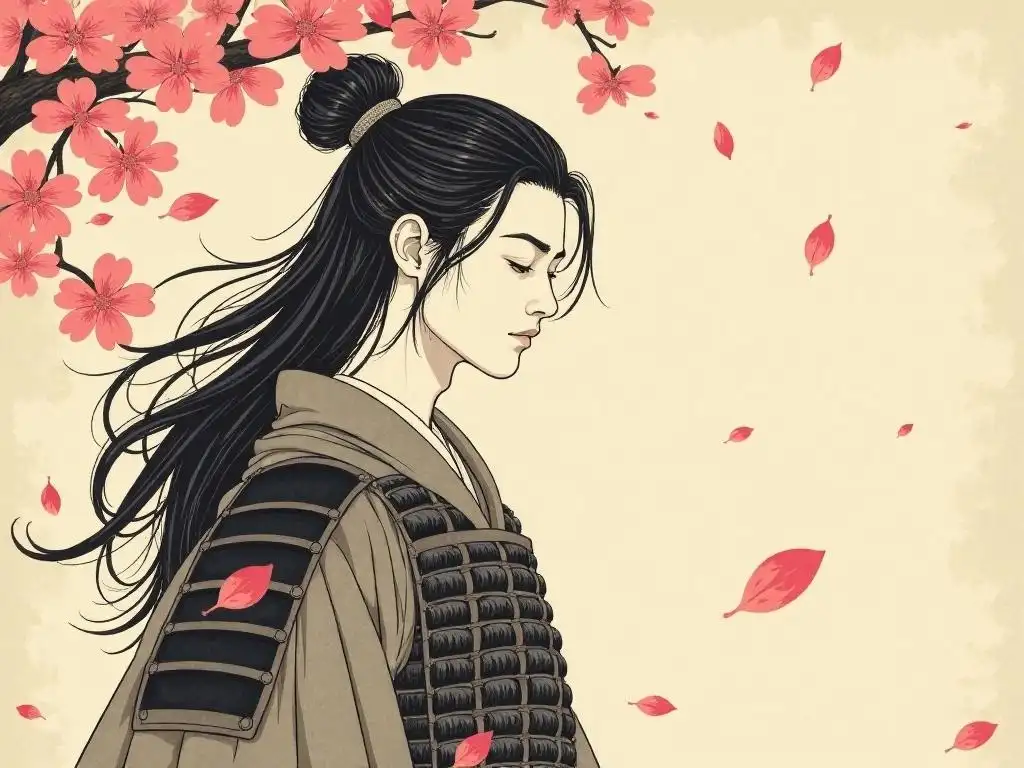
Welcome to Feudal Japan History, where we embark on a compelling journey through the intricate tapestry of Japan's feudal era. Explore the profound impact of samurai decline and uncover how this pivotal moment reshaped the nation’s class structure and societal dynamics. As you delve deeper into our expert-driven articles, you'll discover the echoes of a bygone era that still resonate today. Are you ready to unravel the mysteries of Japan's past? Let’s dive in!
The decline of the samurai in feudal Japan marked a pivotal moment in the nation's history, significantly altering its class structure and societal dynamics. As a warrior class that had long held power and influence, the samurai were not just military leaders; they were also key players in the political and cultural arenas of Japan.
This article will explore the impact of samurai decline on Japan's class structure, delving into the historical, cultural, and societal transformations that accompanied this significant shift. By examining the rise and fall of the samurai, we can better understand how their decline reshaped the fabric of Japanese society and paved the way for modern Japan.
Introduction to the Samurai Class
Overview of the Samurai's Role in Feudal Japan
The samurai class emerged during the Heian period (794-1185) as skilled warriors serving noble families. Over time, they developed a distinct code of conduct known as Bushido, which emphasized loyalty, honor, and martial skill. Samurai were not only warriors but also landowners and administrators, playing a crucial role in maintaining order and governance within feudal Japan. Their influence extended into various aspects of daily life, including politics, economics, and culture.
Historical Significance of the Samurai in Japanese Society
The samurai were integral to shaping Japan's history, serving as the backbone of military power during various periods, including the Kamakura and Muromachi shogunates. Their presence fostered a unique cultural identity, as they became patrons of the arts, literature, and philosophy. Notably, the samurai's commitment to education and cultural pursuits laid the groundwork for many aspects of Japanese society that endure to this day.
The Rise and Fall of the Samurai
Origins of the Samurai Class
The origins of the samurai can be traced back to the need for military protection and local governance during the tumultuous Heian period. As regional conflicts arose, local landowners began to recruit warriors who would pledge loyalty in exchange for land and protection. This arrangement marked the beginning of the samurai's rise to prominence, as they gradually evolved from mere fighters to influential figures in both military and political spheres.
Factors Leading to the Samurai's Decline
Several factors contributed to the decline of the samurai class, culminating in the late 19th century.
- Political Changes: The Meiji Restoration (1868) marked a significant turning point, as the new government sought to modernize Japan and dismantle the feudal system.
- Economic Shifts: The transition from a feudal economy to a more capitalist structure diminished the samurai's economic power and relevance.
- Military Reforms: The establishment of a conscript army rendered the samurai's traditional role obsolete, as the need for a distinct warrior class diminished.
This decline not only impacted the samurai themselves but also reverberated throughout the broader class structure of Japan, leading to a redefined social hierarchy in the emerging modern state.
The Impact of Samurai Decline on Japan's Class Structure
The decline of the samurai class in Japan, particularly during the late Edo period and the subsequent Meiji Restoration, brought profound changes to the country's social structure. As the samurai lost their political power and their economic basis eroded, Japan witnessed a significant shift in societal hierarchies. This decline not only destabilized the rigid class system previously maintained by the samurai but also paved the way for new social dynamics that would shape modern Japan.
The impact of samurai decline can be seen in the reconfiguration of power and privilege among the remaining classes. As the feudal system crumbled, former samurai found themselves stripped of their traditional roles and often relegated to positions of lesser status. This created opportunities for other social groups, particularly the merchant class, to ascend the social ladder. The transition from a predominantly agrarian society to one that began to embrace industrialization marked a pivotal moment in Japanese history, altering the established order and leading to a more fluid class structure.
Changes in Social Hierarchies Post-Samurai
With the samurai's decline, the rigid feudal hierarchy that had defined Japan for centuries began to dissolve. The once-dominant samurai class, which had enjoyed privileges such as land ownership and military authority, found itself marginalized. The abolition of the samurai's stipends and the loss of their exclusive rights to bear arms diminished their societal influence. In contrast, the merchant class, long viewed as lowly due to Confucian values that prioritized agricultural over commercial pursuits, began to rise in status and wealth.
This shift led to a reordering of social values, where financial success and industrial capability became increasingly important. As a result, the traditional social stratification that placed samurai at the top was replaced by a more meritocratic system, albeit one still influenced by historical precedents. The emergence of a new middle class constituted of educated professionals and successful merchants further complicated the dynamics of Japanese society.
The Role of the Merchant Class in the New Social Order
As the samurai class waned, the merchant class stepped into the power vacuum left behind, significantly reshaping Japan's social fabric. Initially viewed with disdain, merchants began to leverage their economic prowess to gain political influence. By the late 19th century, many merchants had accumulated considerable wealth, enabling them to invest in new industries and contribute to Japan’s modernization efforts.
This newfound prominence of the merchant class was emblematic of a broader transformation within Japanese society. As trade and commerce flourished, merchants not only gained social status but also accumulated political power, often collaborating with former samurai who had transitioned into bureaucratic roles. This partnership fostered a business-oriented culture that prioritized economic growth and innovation, ultimately leading to the rise of a capitalist economy in Japan.
Transformation of the Samurai's Status and Responsibilities
The samurai's decline necessitated a dramatic transformation of their status and responsibilities. Once revered as the elite warrior class, many samurai were forced to adapt to a new reality where their martial skills were less relevant. This shift was particularly evident in the Meiji Restoration, which sought to modernize Japan’s military and governance structures.
As the samurai transitioned from warriors to civilians, many took on roles in the burgeoning bureaucratic and educational systems. They became educators, government officials, and contributors to various professions, which marked a significant departure from their traditional identities. However, the legacy of the samurai's discipline, loyalty, and ethical codes continued to influence their new roles, as many sought to integrate these values into their contributions to society.
Cultural Implications of the Samurai's Decline
The decline of the samurai class also had profound cultural implications for Japan, particularly in terms of martial values, arts, and national identity. As the samurai's political and military influence waned, so too did the cultural ideals that had celebrated their role as defenders of the realm.
The Shift in Martial Values and Ideals
With the samurai's decline, the traditional martial values that emphasized loyalty, honor, and the warrior spirit began to evolve. The rise of a more modern military, influenced by Western practices, redefined concepts of warfare and heroism. The samurai's bushido code, once central to their identity, was reinterpreted in a more nationalistic context as Japan sought to modernize its military and assert itself on the global stage.
This shift also led to the emergence of new ideals that emphasized individualism and personal achievement over collective loyalty. While these changes marked a departure from traditional samurai values, they also allowed for a more inclusive understanding of honor and duty within Japanese society.
Influence on Japanese Arts and Literature
The decline of the samurai significantly impacted Japanese arts and literature, as these forms of expression began to reflect the changing social landscape. The romanticization of the samurai and their values in earlier art forms gave way to new themes that explored the complexities of modern life, including the struggles of the rising merchant class and the challenges of societal change.
Literary works began to manifest a broader range of human experiences, moving beyond the samurai's heroic narratives to include the perspectives of common people. This shift contributed to the development of new genres and styles, ultimately enriching Japan's cultural heritage and providing a more diverse representation of society.
The Legacy of Samurai in Modern Japanese Identity
Despite the decline of their class, the samurai's legacy continues to play a significant role in shaping modern Japanese identity. The values of loyalty, honor, and discipline associated with the samurai ethos remain embedded in contemporary Japanese culture. These concepts influence various aspects of Japanese life, from business practices to personal relationships.
Moreover, the popular portrayal of samurai in films, literature, and art serves as a reminder of their historical significance. The romanticized image of the samurai has become a powerful symbol of national pride, reflecting both Japan's feudal past and its modern aspirations. This duality highlights the complexity of Japan's cultural identity, where the legacy of the samurai coexists with the realities of contemporary society, continuing to inspire new generations.
Case Studies: Regional Variations in Samurai Decline
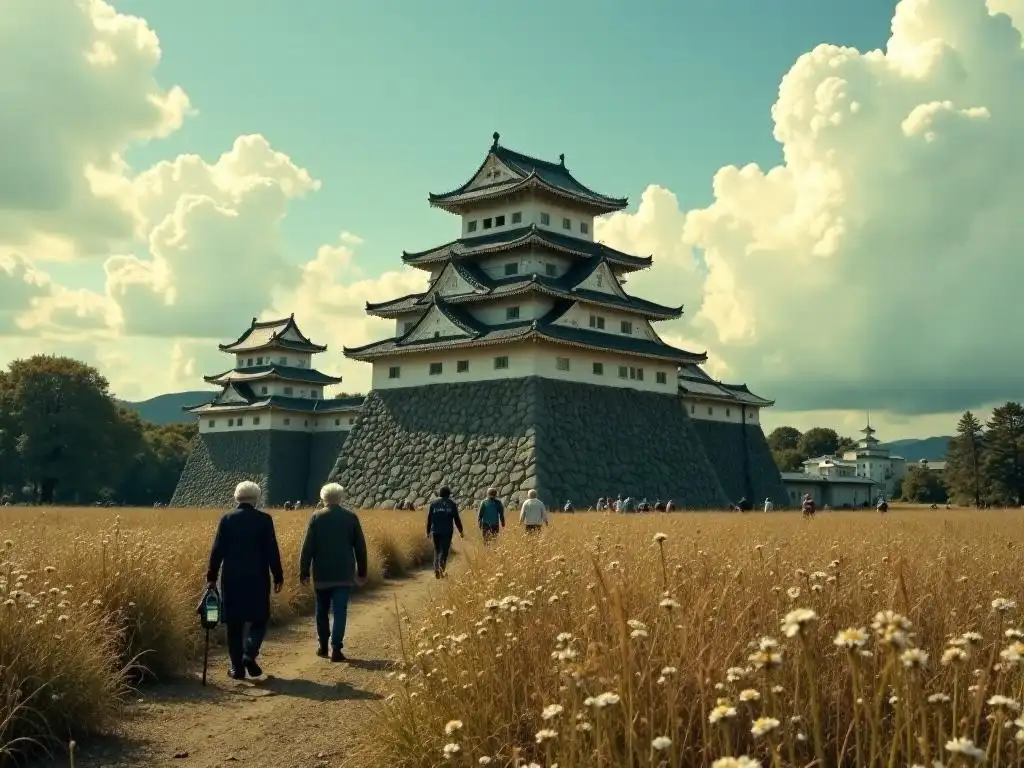
The decline of the samurai class in Japan was not uniform across the regions; rather, it exhibited significant variations influenced by local politics, economics, and cultural dynamics. This section explores specific case studies to illustrate how different areas experienced the waning of samurai power and influence.
The Decline of Samurai in the Edo Period
During the Edo period (1603-1868), Japan experienced a long era of peace under the Tokugawa shogunate. This stability significantly altered the role of the samurai. Initially, the samurai were the military elite, but as warfare diminished, many found themselves in a bureaucratic or administrative role.
- Economic Changes: The growth of a merchant class, who gained wealth through trade and commerce, began to challenge the traditional status of the samurai. Many samurai struggled financially, leading to a decline in their social standing. Wealthy merchants could afford to purchase land and gain influence, further eroding the samurai's position.
- Cultural Shifts: As the samurai adopted more administrative roles, there was a gradual shift in cultural identity. The samurai began to embrace art, education, and philosophy, which contributed to the emergence of a new social dynamic. This cultural evolution often placed them in a position of reliance on the very merchants they had once looked down upon.
- Social Distress: By the late Edo period, many samurai faced financial ruin due to rising costs and a stagnant salary structure. Discontent among samurai, particularly those of lower ranks, led to uprisings and a reevaluation of their role in society.
Comparison with Other Regions: Samurai Decline in the Meiji Restoration
The Meiji Restoration (1868-1912) marked a pivotal moment in Japanese history, leading to the rapid modernization and Westernization of the country. The impact of the samurai's decline was profound and varied across different regions.
- Central Japan: In central Japan, where the samurai had traditionally held power, the transition was marked by rebellion and resistance. The Satsuma Rebellion of 1877, led by former samurai, was one of the last significant uprisings against the new government, reflecting the deep-rooted struggle of the samurai class to adapt to the changing landscape.
- Northern Japan: Conversely, in regions like Hokkaido, the decline of the samurai was less pronounced. Many samurai adapted to the new agricultural and industrial roles that emerged during the Meiji era, leveraging their skills in leadership and governance to contribute to the nation-building efforts.
- Urban Areas: In urban areas such as Tokyo and Osaka, the decline of the samurai was accelerated by the rise of a new class of professionals and entrepreneurs. The samurai's once-dominant position was supplanted by merchants and industrialists who thrived in the newly developed economy, leading to a complete transformation of the class structure.
Conclusion: Lasting Effects of the Samurai Decline
The decline of the samurai had profound and lasting effects on Japanese society, reshaping its class structures and the very fabric of its culture.
Summary of the Impact of Samurai Decline on Japanese Society
The impact of samurai decline extended beyond the immediate loss of power; it catalyzed a series of social and economic transformations. As the samurai transitioned from warriors to bureaucrats, the traditional feudal system began to dissolve, paving the way for a more modern class structure.
- Emergence of New Classes: The rise of the merchant and industrial classes not only diminished the samurai's influence but also created new social hierarchies. This shift fostered an environment where meritocracy began to replace hereditary privilege.
- Cultural Integration: The samurai's cultural contributions, particularly in arts and philosophy, began to blend with new influences from the West, leading to a rich tapestry of Japanese cultural identity that continues to evolve today.
Reflection on the Evolution of Class Structures in Japan
The evolution of class structures in Japan following the decline of the samurai illustrates a significant departure from feudal traditions.
- Modernization and Globalization: The Meiji Restoration initiated a rapid process of modernization that not only transformed Japan's economy but also its social dynamics. The integration into the global economy prompted a reevaluation of class roles, with an increasing emphasis on education and professional skills.
- Lasting Legacy: The legacy of the samurai persists in various aspects of Japanese culture, including martial arts, literature, and philosophy. While their political power has faded, the ideals of bushido and the samurai spirit continue to resonate within modern Japanese society, influencing contemporary values and social norms.
The decline of the samurai was a complex process that significantly reshaped Japan's class structure, leading to a modern society characterized by new social dynamics and cultural integration.
References
The decline of the samurai class fundamentally reshaped Japan's social hierarchy, leading to significant transformations in the country's class structure. Understanding this transition requires a comprehensive look at various historical texts, scholarly articles, and primary sources that delve into the lives of samurai and their eventual fall from power. The following sections provide recommended readings and key historical texts that will enhance your understanding of this impactful period in Japanese history.
Recommended Readings on Samurai and Class Structure
-
"Samurai: The World of the Warrior" by Stephen Turnbull
This book offers an in-depth exploration of the samurai's life, values, and the impact of their decline on Japanese society. Turnbull’s detailed analysis provides a vivid portrayal of samurai culture and its eventual disintegration during the Meiji Restoration.
-
"The Samurai: A New History of the Warrior Class" by Jonathan Lopez
Lopez presents a comprehensive narrative that traces the evolution of the samurai from their origins to their decline. The book emphasizes the socio-political changes that led to the restructuring of the class system in Japan.
-
"Japan's Modern History: 1857-1937" by John Dower
Dower examines the broader historical context of Japan's transformation during the late 19th and early 20th centuries, focusing on the implications of the samurai's decline for Japanese society and governance.
-
"The Making of Modern Japan" by Bruce Cumings
This work delves into Japan's transition from feudalism to modernity, highlighting how the decline of the samurai influenced various aspects of class structure and social dynamics.
-
"Hagakure: The Book of the Samurai" by Yamamoto Tsunetomo
While primarily a guide to the samurai code, this text also reflects the values and beliefs that defined the samurai class. Understanding these philosophical underpinnings is crucial in grasping the cultural implications of their decline.
Key Historical Texts for Further Exploration
-
"The Tale of the Heike"
This epic narrative chronicles the fall of the Taira clan and the rise of the Minamoto, encapsulating the warrior ethos that prevailed during the samurai era. It provides insight into the values and struggles of the samurai class.
-
"Shōgun" by James Clavell
Although a historical novel, Clavell's work is rooted in the realities of samurai culture and class structure during the early Tokugawa period. It presents a narrative that can help readers understand the complexities of social hierarchy in feudal Japan.
-
"The Last Samurai: The Life and Battles of Saigo Takamori" by Mark Ravina
This biography of one of the last great samurai, Saigo Takamori, sheds light on the final struggles of the samurai class against modernization and the consequences of their decline for Japan's societal framework.
-
"A History of Japan: 1334-1615" by George Sansom
Sansom's work provides a detailed account of the samurai's role in Japanese history, particularly during the Muromachi and Sengoku periods, offering a foundation to understand their decline.
-
"The Samurai and the Sacred" by J. Thomas Rimer
Rimer explores the relationship between samurai culture and spirituality, illustrating how the decline of the samurai affected not only the class structure but also Japan's religious and cultural landscape.
These resources offer a robust starting point for anyone looking to delve deeper into the impact of samurai decline on Japan’s class structure and the broader implications for society during this transformative period.
- Introduction to the Samurai Class
- The Rise and Fall of the Samurai
- The Impact of Samurai Decline on Japan's Class Structure
- Cultural Implications of the Samurai's Decline
- Case Studies: Regional Variations in Samurai Decline
- Conclusion: Lasting Effects of the Samurai Decline
- References
- What was the impact of samurai decline on Japan's class structure?
- How did the decline of the samurai affect Japanese society?
- What were the main factors contributing to the samurai's decline?
- Did the decline of the samurai influence Japanese culture?
- How is the samurai's decline viewed in modern Japan?
Frequently Asked Questions
What was the impact of samurai decline on Japan's class structure?
The decline of the samurai significantly altered Japan's class hierarchy, leading to the rise of the merchant class and a shift in economic power.
How did the decline of the samurai affect Japanese society?
As the samurai class diminished, there was an increase in social mobility, allowing lower classes to gain influence and participate more in the cultural and economic life of Japan.
What were the main factors contributing to the samurai's decline?
Key factors included the Meiji Restoration, political changes, and the modernization efforts that rendered the samurai's traditional roles obsolete.
Did the decline of the samurai influence Japanese culture?
Yes, the decline led to a transition in cultural values, with an increased focus on modernization and Western influences, transforming traditional practices and societal norms.
How is the samurai's decline viewed in modern Japan?
Today, the impact of samurai decline is often interpreted as a pivotal moment that paved the way for Japan's modernization and its emergence as a global power.
Final Reflection: The Enduring Impact of Samurai Decline on Japan's Class Structure
The decline of the samurai class marked a pivotal moment in Japan's history, fundamentally reshaping its social hierarchy and cultural identity. This transformation not only dismantled the feudal system but also paved the way for modern Japan's emergence. The echoes of this decline resonate today, reminding us that societal structures are not static; they evolve in response to changing circumstances, often leading to profound consequences for the collective identity of a nation.
As we reflect on the impact of samurai decline, we see its lasting influence on Japan's cultural and social landscape. The transition from a warrior elite to a more egalitarian society has fostered a sense of unity and progress. This evolution has been instrumental in shaping contemporary Japanese values, emphasizing resilience, innovation, and a commitment to education. The past is never dead. It's not even past.
– William Faulkner. This quote encapsulates the idea that historical events, like the decline of the samurai, continue to inform and influence present-day society.
In closing, I invite you to consider how the lessons from the samurai's decline can be applied to our own lives. Reflect on the structures that define your community and how they may be evolving. Embrace change as an opportunity for growth and unity, and recognize that, like Japan, we too can transform challenges into stepping stones toward a more inclusive and dynamic future. Let us honor the past while actively participating in the creation of a better tomorrow.
Embrace the Legacy: What Will You Do Next?
Thank you for exploring the fascinating decline of the Samurai and its profound impact on Japan's social fabric! Your interest in this pivotal moment enriches your understanding of Japan's history and its enduring implications.
Now, it’s time to take action and further engage with this topic:
- Dive deeper: Discover a historical event or figure that reshaped Japan's class structure by exploring our extended resources on Feudal Japan.
- Join the conversation: Share your thoughts on how the decline of the Samurai resonates with modern social structures in our community forum.
- Reflect creatively: Write a short piece or create a visual representation of how you perceive the Samurai's legacy in today’s society and share it with us!
How do you think the Samurai's decline continues to influence contemporary Japanese culture and identity? We’d love to hear your perspective!