
Sectarian Strife: The Hidden Wars of Japanese Religious Sects


Welcome to Feudal Japan History, where we invite you to journey through the rich tapestry of Japan’s feudal era. In this captivating exploration, we unveil the complexities of Japanese religious sect conflicts, a crucial yet often overlooked chapter of history. As you delve into our featured article, "Sectarian Strife: The Hidden Wars of Japanese Religious Sects," prepare to uncover the intricate dynamics that shaped not only the spiritual landscape but also the societal fabric of the time.
Join us as we shed light on these hidden wars, igniting your curiosity and inviting you to discover the profound impacts of these conflicts on Japan’s past. Ready to explore?
- Introduction to Japanese Religious Sect Conflicts
- Historical Background of Japanese Religious Sects
- Causes of Sectarian Conflicts in Japan
- Major Japanese Religious Sect Conflicts
- Consequences of Religious Sect Conflicts in Feudal Japan
- Lessons Learned from Japanese Religious Sect Conflicts
- Conclusion
-
Frequently Asked Questions
- What were the main religious sects involved in the conflicts during feudal Japan?
- How did sectarian strife impact Japanese society during the feudal era?
- Were there any notable battles that stemmed from these religious conflicts?
- How did the government respond to the sectarian conflicts?
- What role did cultural aspects play in these religious conflicts?
- Final Reflection: Understanding the Depths of Japanese Religious Sect Conflicts
- Unleash Your Curiosity: Dive Into Japan’s Hidden Religious Conflicts!
Introduction to Japanese Religious Sect Conflicts
The feudal era of Japan, marked by a complex tapestry of political intrigue and cultural evolution, was also a period rife with sectarian strife. This article delves into the often-overlooked realm of Japanese religious sect conflicts, exploring how ideological divisions and rivalries among various religious groups shaped societal dynamics and influenced the course of history.
From the rise of powerful sects to the violent confrontations that erupted in the name of faith, these conflicts are essential to understanding the broader context of Japan's feudal past. By examining the motivations, consequences, and historical narratives surrounding these disputes, we can gain valuable insights into the intricate interplay between religion and politics in Japan during this tumultuous era.
Overview of Sectarian Strife in Feudal Japan
The landscape of Japan's feudal era was characterized by a multitude of religious sects, each vying for influence and adherence among the populace. From the Buddhist sects like Pure Land and Nichiren to Shinto traditions, these groups often found themselves at odds, leading to a series of conflicts that were as much about religious beliefs as they were about power and control.
- Key Factors of Sectarian Strife:
- Political Alliances: Many sects aligned themselves with powerful feudal lords, leveraging religious authority to gain military support.
- Doctrinal Disputes: Differences in interpretation of scriptures and practices often escalated into violent confrontations.
- Social Dynamics: The striving for popular support among the common people sometimes intensified rivalries, as sects sought to expand their following.
Historical accounts reveal a series of notable conflicts, such as the Ikko-Ikki uprisings, where followers of the Jodo Shinshu sect clashed with samurai and rival sects. These uprisings were not merely spiritual battles; they represented a struggle for autonomy and social justice in a rigidly hierarchical society.
Importance of Understanding Japanese Religious Sect Conflicts
Understanding the Japanese religious sect conflicts is crucial for several reasons:
- Cultural Insight: These conflicts illustrate the deep-rooted cultural tensions and the role of religion in shaping social norms and practices in feudal Japan.
- Historical Context: By exploring the motivations and outcomes of these sectarian struggles, we gain a clearer view of the political landscape and the evolution of power dynamics during the feudal era.
- Modern Implications: The legacy of these conflicts continues to resonate in contemporary Japan, where historical narratives often influence modern religious practices and inter-sect relations.
A comprehensive exploration of these sectarian strifes reveals not only the complexities of religious life in feudal Japan but also the profound impact these conflicts had on the nation’s development. This understanding is essential for both historians and anyone interested in the intricate relationship between religion and society in Japan.
Historical Background of Japanese Religious Sects

The historical landscape of Japan is deeply intertwined with its religious beliefs and practices, particularly during the feudal era (1185-1603). This period was marked by the rise of various religious sects, each vying for influence and adherents amidst the sociopolitical upheavals of the time. Understanding the historical context of these sects is essential to grasp the nature of the conflicts that arose among them.
Evolution of Religion in Japan During the Feudal Era
During the feudal era, Japan underwent significant transformations in its religious practices. The blending of indigenous beliefs with influences from abroad, particularly from China and Korea, created a rich tapestry of spiritual thought.
- Shintoism, the native religion, emphasized the worship of kami (spirits or gods) associated with natural elements and ancestors. This belief system remained foundational throughout the feudal period, serving as both a religious practice and a means of legitimizing the rule of the imperial family.
- Buddhism, which arrived in Japan in the 6th century, gained substantial traction during the feudal era. It split into various sects, each interpreting Buddhist teachings through different cultural lenses. The emergence of schools such as Pure Land Buddhism and Zen Buddhism during this time reflected the diverse spiritual needs of the populace.
- Syncretism became a hallmark of Japanese spirituality, with many individuals practicing a combination of Shinto and Buddhist rituals. This blending sometimes led to tensions between sects, particularly as political power shifted and different religious leaders sought to gain influence.
The feudal era's sociopolitical instability, characterized by war among clans and the rise of the samurai class, provided fertile ground for sectarian strife. As different religious sects aligned with various factions, conflicts arose over spiritual authority, territorial control, and followers' loyalty, leading to a series of Japanese religious sect conflicts that shaped the landscape of Japanese spirituality.
Key Religious Sects in Feudal Japan
Understanding the key religious sects that emerged during this era is crucial for analyzing the conflicts that ensued. Below are some of the most significant sects that played a role in shaping Japan's religious landscape.
Shintoism: The Indigenous Belief System
Shintoism, as the oldest religious tradition in Japan, laid the groundwork for the spiritual practices of the country. It is characterized by:
- Kami Worship: Shinto practitioners venerate kami, which can be spirits associated with natural elements, ancestors, or even historical figures.
- Ritual Practices: Shrines (jinja) serve as sites for worship, and rituals often involve offerings and festivals.
- Cultural Integration: Shintoism is deeply woven into Japanese culture, influencing art, festivals, and even governance.
During the feudal era, Shintoism was often used by the ruling class to legitimize their power, intertwining with political authority. This connection sometimes led to conflicts, particularly when Buddhist sects challenged the established order.
Buddhism: The Influential Faith from China
Buddhism's introduction to Japan had a profound impact on its religious landscape. Key points include:
- Variety of Sects: Different Buddhist sects emerged, including Tendai, Shingon, and Pure Land Buddhism, each offering unique interpretations and practices.
- Cultural Exchange: The integration of Chinese Buddhist texts and philosophies enriched Japanese thought, contributing to the development of uniquely Japanese schools of Buddhism.
- Political Alliances: Many clans aligned themselves with specific Buddhist sects for political gain, leading to conflicts with rival factions and sects.
The influence of Buddhism during the feudal era was not without contention; sects often competed for patronage from powerful samurai and daimyō, leading to sectarian strife.
New Religious Movements: Emergence of Unique Sects
The feudal era also saw the rise of new religious movements that diverged from traditional Shinto and Buddhism. These movements included:
- Nichiren Buddhism: Founded by the monk Nichiren, this sect emphasized the Lotus Sutra and sought to promote its teachings as the sole path to enlightenment. Its fervent proselytizing often put it at odds with established sects.
- Shinto-based Sects: Various Shinto sects emerged, sometimes integrating Buddhist elements or reacting against Buddhist practices, leading to further conflicts.
- Millenarian Movements: Some sects anticipated apocalyptic visions, promoting uprisings and rebellions that disrupted the status quo.
These new movements contributed to the complexity of religious life in Japan, and their fervor sometimes led to violent confrontations with established religious authorities.
The feudal era was a time of significant religious evolution and conflict in Japan. The interplay of various sects—each with its unique beliefs, practices, and political alliances—created a dynamic and often contentious religious landscape that would shape the future of Japanese spirituality.
Causes of Sectarian Conflicts in Japan
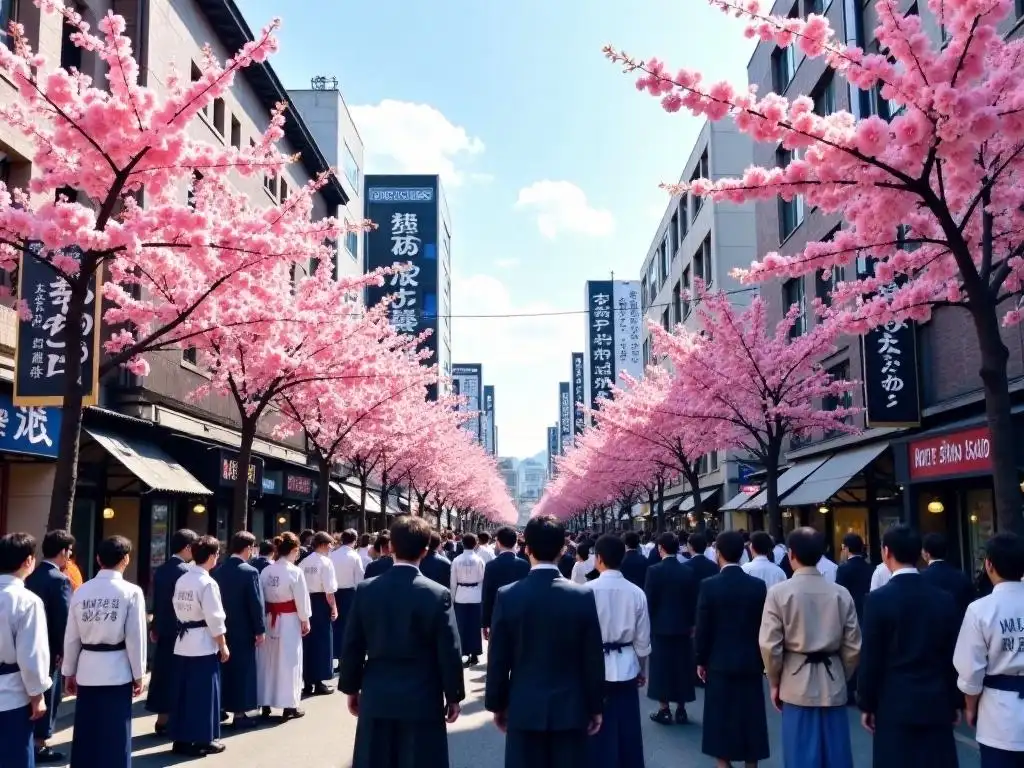
Political Influences on Religious Sect Conflicts
Throughout Japan’s feudal era, the interplay between religion and politics was profound, significantly influencing the dynamics of sectarian conflicts. The rise of powerful clans often saw them aligning with specific religious sects to legitimize their authority and consolidate power. For instance, the Tendai and Shingon sects gained prominence due to their connections with influential samurai families, while the emergence of the Pure Land sect provided a spiritual refuge for the lower classes, leading to tensions with established powers.
- Political Legitimization: Religious leaders often acted as political advisors, with their endorsement crucial for a clan's legitimacy. This created a scenario where rival sects could become embroiled in conflicts as clans sought to undermine each other's religious affiliations.
- Shogunate Control: The Tokugawa Shogunate, in its efforts to maintain stability, imposed strict regulations on religious practices. This led to the suppression of certain sects, fostering resentment and conflict among those marginalized, such as the Ikko-ikki, a radical Buddhist sect that rose in revolt against samurai rule.
These political influences shaped not only the landscape of religious sect conflicts but also the broader socio-political fabric of Japan during the feudal period.
Social dynamics played a crucial role in the development of sectarian strife in Japan, fostering rivalries that were often rooted in historical grievances and cultural differences. The competition for followers and influence among various sects frequently led to violent confrontations.
- Cultural Identity: Each religious sect cultivated a unique cultural identity, often leading to social divisions within communities. For instance, the distinct practices and beliefs of the Nichiren sect often put them at odds with the more established Zen and Pure Land sects, resulting in public disputes and conflicts.
- Community Rivalries: Sect members often formed tight-knit communities that viewed rival sects as threats. This created an environment ripe for conflict, as seen in instances where sects would clash over control of temples or religious events, further exacerbating tensions.
The social rivalries that emerged from these dynamics contributed significantly to the ongoing sectarian conflicts, influencing not only religious practices but also the daily lives of individuals in feudal Japan.
Economic Factors Contributing to Sectarian Strife
Economic factors were central to the conflicts among Japanese religious sects, intertwining with political and social issues to create a complex web of strife. The control of land and resources, often tied to religious institutions, became a focal point for competition and conflict.
- Temple Economies: Many sects established large temple complexes that managed extensive agricultural lands and collected taxes. Control over these resources led to conflicts, particularly when rival sects sought to expand their influence by acquiring lands held by others.
- Trade and Wealth: Certain sects engaged in trade, accumulating wealth that could be used to support military endeavors. This economic power often translated into political influence, drawing the ire of rival sects and leading to conflicts, such as the confrontations between the Ikko-ikki and samurai clans who sought to suppress them.
The economic motivations behind sectarian strife in Japan were as significant as the political and social factors, creating a multifaceted landscape of conflict during the feudal era.
Major Japanese Religious Sect Conflicts

The Conflict Between Shinto and Buddhism
Historical Context and Key Events
The conflict between Shinto and Buddhism is one of the most significant religious sect conflicts in Japanese history. Beginning in the 6th century, Buddhism was introduced to Japan from Korea and quickly began to spread throughout the archipelago. Initially, the two faiths coexisted, with Shinto being the indigenous belief system and Buddhism providing new philosophical and spiritual dimensions.
However, tensions arose as Buddhist temples gained political power and influence, often leading to conflicts over land, resources, and followers. One pivotal event was the Shinto-Buddhist Conflict of the 19th century, which culminated in the Meiji Restoration. The Meiji government promoted Shinto as the state religion, resulting in the separation of Shinto and Buddhism (Shinbutsu bunri). This led to the destruction of many Buddhist temples, as Shinto was seen as a purer expression of Japanese culture.
Key events during this period included:
- The 1868 Shinbutsu bunri decree, which mandated the separation of the two religions.
- The destruction of temples and persecution of Buddhist monks, which fueled sectarian strife.
- The establishment of Shinto shrines as symbols of national identity, further alienating Buddhist practices.
Impact on Society and Culture
The sectarian conflict between Shinto and Buddhism had profound impacts on Japanese society and culture. The imposition of Shinto as a state religion during the Meiji era led to changes in rituals, festivals, and cultural practices.
- Cultural Identity: The promotion of Shinto fostered a sense of nationalism, intertwining religious identity with Japanese statehood. This shift influenced literature, art, and education, emphasizing a narrative of purity and tradition.
- Social Division: Communities were often divided along religious lines, leading to conflicts that affected local politics and social cohesion. For instance, in regions where Buddhism was historically strong, the imposition of Shinto practices caused unrest and resistance.
- Legacy of Conflict: The lingering resentment from the Shinto-Buddhist conflicts contributed to modern sectarian tensions within Japan, as some Buddhist sects still view Shinto with suspicion.
The Rise of New Religious Movements and Their Tensions
The emergence of new religious movements in Japan during the late 19th and 20th centuries resulted in a new wave of sectarian conflicts. Many of these movements sought to redefine spirituality and challenged both traditional Shinto and established Buddhist practices.
Case Studies of Notable Conflicts
- Aum Shinrikyo: Founded in the 1980s, this doomsday cult blended elements of Buddhism, Hinduism, and apocalyptic Christianity. The group's notoriety peaked with the 1995 Tokyo subway sarin attack, which plunged the nation into crisis. This event highlighted the dangers of religious extremism and the potential for violence within new sectarian groups.
- Soka Gakkai: Initially a Buddhist movement, Soka Gakkai transformed into a powerful political entity post-World War II. Its rise led to tensions with traditional Buddhist sects, particularly the Nichiren Shoshu sect, from which it originated. Conflicts arose over doctrinal interpretations and legitimacy, resulting in public disputes and schisms within the Buddhist community.
- Seicho-no-Ie: This new religious movement promotes a syncretic approach, blending Shinto and Buddhist teachings with Christian elements. Although it has gained a significant following, traditionalists of both Shinto and Buddhism often criticize its practices as heretical, leading to ongoing debates about the authenticity of Japan's spiritual heritage.
These case studies illustrate the complexities of Japanese religious sect conflicts today, where traditional beliefs confront modern interpretations, creating a dynamic and often contentious religious landscape.
The Role of Samurai and Feudal Leaders in Sectarian Strife
The complex tapestry of Japanese religious sect conflicts during the feudal era cannot be fully understood without examining the pivotal roles played by samurai and feudal leaders. These figures were not only warriors but also influential political players whose allegiances could sway the balance of power between different religious factions.
Samurai as Enforcers of Sectarian Loyalty
Samurai, the elite warrior class, often acted as enforcers of their lords' religious affiliations. Many feudal leaders aligned themselves with specific Buddhist sects or Shinto practices, which dictated their political decisions and military strategies. For instance, the Taira clan and the Minamoto clan, two formidable samurai families, were often at odds not only in terms of political power but also in their religious affiliations, leading to conflicts that transcended mere territorial disputes. The samurai were tasked with defending their lords' beliefs and, in many cases, this commitment escalated into violent confrontations with rival sects.
Feudal Leaders as Religious Patrons
Feudal leaders served as significant patrons of religious sects, often providing them with resources, land, and military support. This patronage created a symbiotic relationship where religious sects would offer spiritual backing and legitimacy to the rulers in return. For instance, the Ashikaga shogunate had a close relationship with the Rinzai school of Zen Buddhism, which not only provided spiritual guidance but also influenced political decisions. This connection allowed the Ashikaga to consolidate power, but it also led to sectarian strife, as rival leaders sought to undermine their opponents by aligning with competing religious entities.
The Impact of Sectarian Conflicts on Samurai Loyalty
The intertwining of religious allegiance and samurai loyalty often resulted in complex dilemmas for the warriors. Samurai were expected to uphold the honor of their clans and lords, which sometimes conflicted with their personal beliefs or those of their fellow warriors. During the late Muromachi period, for example, conflicts arose between followers of the Pure Land sect and those of the Nichiren sect, leading to factions within samurai ranks. These internal divisions could weaken military effectiveness and create a breeding ground for betrayal, as loyalties shifted based on the prevailing religious sentiments.
Conclusions on the Influence of Samurai and Feudal Leaders
The role of samurai and feudal leaders was crucial in shaping the landscape of Japanese religious sect conflicts. Their allegiances influenced not only military actions but also the broader socio-political dynamics of the time. The intertwining of religion, politics, and warfare created a complex environment where sectarian strife could flourish, leading to significant historical events that would shape Japan's future. Understanding these roles provides insight into the larger narrative of sectarian conflicts and their lasting impact on Japanese history.
Consequences of Religious Sect Conflicts in Feudal Japan

The religious sect conflicts in feudal Japan had profound consequences that shaped not only the immediate socio-political landscape but also the cultural and societal fabric of the nation. Understanding these consequences involves delving into various dimensions that influenced the lives of the people and the trajectory of Japanese history.
Societal Changes Resulting from Sectarian Strife
The sectarian strife among different religious groups, such as the Tendai, Shingon, and various esoteric sects, led to significant transformations within Japanese society. These changes manifested in several ways:
- Shift in Power Dynamics: Conflicts often resulted in shifts of power, where dominant sects could align with feudal lords or shogunates, altering traditional hierarchies. For instance, the rise of the Ikko-ikki, a militant sect of Jodo Shinshu, directly challenged samurai authority, leading to a reconfiguration of power structures in regions like Kaga.
- Population Displacement: Many conflicts caused mass displacements of communities as sects clashed. Villages loyal to a particular sect often faced reprisals from rival factions, forcing families to migrate, which contributed to urbanization as people sought refuge in cities.
- Social Stratification: The sectarian conflicts exacerbated existing social divides. Individuals were often categorized based on their religious affiliations, leading to a rigid stratification where certain groups gained privilege and protection from feudal lords while others faced persecution.
Cultural Shifts and the Legacy of Religious Conflicts
The legacy of these conflicts extended into the cultural realm, resulting in notable shifts in Japan's artistic, philosophical, and religious landscapes:
- Art and Literature: The tumultuous period inspired a wealth of artistic expression. Literature from this era, such as the works of Zen monks, often reflected the philosophies born from conflict, exploring themes of suffering, resilience, and the search for enlightenment amidst chaos. The Noh theater, emerging in this period, also drew upon these themes, offering a unique lens into the psyche of a society grappling with religious turmoil.
- Philosophical Developments: The conflicts prompted introspection within sects, leading to the evolution of philosophical ideas. Leaders sought to justify their beliefs and practices against rival sects, which resulted in the refinement of doctrines. For example, the development of the "Kamakura Buddhism" schools emphasized a more personal approach to faith, challenging established authority.
- Religious Syncretism: Over time, the conflicts led to a blending of practices and beliefs as sects sought common ground to mitigate hostilities. This syncretism fostered a more pluralistic religious environment, evident in the later acceptance of various Buddhist sects within Shinto practices.
Long-Term Impacts on Modern Japanese Society
The repercussions of religious sect conflicts are still observable in contemporary Japan, influencing various aspects of society and culture:
- Religious Pluralism: The historical conflicts laid the foundation for a pluralistic society where multiple faiths coexist. Modern Japan showcases a blend of Shinto, Buddhism, and even new religious movements, reflecting the legacy of past conflicts that encouraged dialogue among differing beliefs.
- Cultural Identity: Many festivals and traditions that celebrate historical conflicts have become part of Japan's cultural identity. Events commemorating the resilience of certain sects or the reconciliation between rival factions are observed, reminding society of its complex religious history.
- Social Cohesion and Tensions: While modern Japan generally experiences social cohesion, underlying tensions can emerge when discussing religious identities, particularly with the rise of new religious movements. The historical understanding of sectarian conflicts aids in navigating these discussions, fostering greater tolerance and understanding.
The consequences of religious sect conflicts in feudal Japan were far-reaching, influencing societal structures, cultural expressions, and the religious landscape that continues to shape modern Japanese society today. The examination of these impacts reveals a nuanced understanding of how historical conflicts can inform contemporary beliefs and practices.
Lessons Learned from Japanese Religious Sect Conflicts

Understanding the Implications for Contemporary Society
The conflicts among Japanese religious sects throughout history have left a profound legacy that extends beyond their immediate time frames, offering valuable lessons for contemporary society. One significant implication is the understanding of how sectarian strife can exacerbate social divisions and create environments of distrust among different communities. Historical conflicts, such as those between the Tendai and Shingon sects during the Heian period, illustrate how theological differences can escalate into broader societal tensions.
Another implication is the recognition of the role that political power plays in religious conflicts. For instance, the Tokugawa shogunate's attempts to control and regulate religious institutions often led to sectarian violence, as various groups sought to assert their beliefs and autonomy. This dynamic can be observed in modern contexts where state influence over religion can lead to tensions and conflicts, highlighting the need for careful governance that respects religious diversity.
The Importance of Religious Tolerance and Dialogue
In the face of historical sectarian strife, the importance of fostering religious tolerance and dialogue cannot be overstated. The violent confrontations between various sects, such as the disputes involving the Ikko-Ikki (the followers of the True Pure Land sect), serve as a stark reminder of the consequences of intolerance. To mitigate similar conflicts today, promoting an environment of understanding and respect for different beliefs is crucial.
- Encouraging Interfaith Dialogue: Initiatives that bring together leaders and followers from different religious backgrounds can help bridge gaps and foster mutual respect. These dialogues can facilitate shared values and common goals, thus reducing the likelihood of conflict.
- Education and Awareness: Educating the public about the histories and beliefs of various religious sects can dispel myths and misunderstandings. Efforts to include religious studies in educational curricula may promote empathy and appreciation for diversity.
- Community Engagement: Active participation in community-building activities that include diverse religious groups can create stronger bonds among individuals, fostering a culture of solidarity over division.
The lessons learned from the historical conflicts of Japanese religious sects serve as a powerful reminder of the need for ongoing efforts to cultivate a society where differences are acknowledged and respected, enabling peaceful coexistence and collaboration among all belief systems.
Conclusion
Summary of Key Points on Japanese Religious Sect Conflicts
The conflicts among various Japanese religious sects during the feudal era were not just spiritual disagreements; they were intricately tied to the political, social, and economic fabrics of the time. Here are the key points that encapsulate the essence of these sectarian strifes:
- Historical Background: The emergence of diverse religious sects, such as Shingon, Tendai, and Nichiren, fostered an environment ripe for conflict. These sects often vied for influence and power, leading to rivalries that sometimes escalated into violent confrontations.
- Political Alliances: Many sects aligned themselves with powerful samurai clans, using religion as a tool to legitimize their authority. For instance, the Tendai sect supported the Minamoto clan, while the Nichiren sect found favor with the Hojo clan. These alliances were pivotal in shaping the political landscape of feudal Japan.
- Cultural Impact: The sectarian conflicts significantly influenced Japanese culture, evident in literature, art, and philosophy. The struggles between sects often inspired works that reflected the tensions and ideologies of the time, thus leaving a lasting legacy in the cultural heritage of Japan.
- Societal Effects: The wars between religious sects also had profound effects on the common populace, leading to social upheaval and shifts in community structures. The Ikko-Ikki uprisings, for example, showcased how religious fervor could drive peasants to revolt against feudal lords, seeking autonomy and justice.
Final Thoughts on the Historical Significance of Sectarian Strife in Japan
The sectarian strife among Japanese religious groups during the feudal era serves as a fascinating case study of how religion can intertwine with politics and society. These conflicts were not isolated events; they were reflective of broader themes such as power, identity, and the struggle for control over spiritual authority.
Understanding these conflicts is crucial for grasping the complexities of Japan’s historical narrative. The legacy of these sectarian wars continues to shape contemporary religious dynamics and societal values in Japan, illustrating that the echoes of the past are often felt in the present. As we reflect on these historical conflicts, it becomes clear that they were more than mere skirmishes; they were pivotal moments that defined the course of Japan's spiritual and cultural evolution.
The study of Japanese religious sect conflicts not only enriches our understanding of feudal Japan but also offers insights into the enduring impacts of religious strife that resonate to this day.
Frequently Asked Questions
What were the main religious sects involved in the conflicts during feudal Japan?
The main religious sects involved included Buddhism, particularly the Nichiren and Pure Land sects, and Shinto. These groups often clashed over territorial control and doctrinal differences.
How did sectarian strife impact Japanese society during the feudal era?
Sectarian strife led to significant social upheaval, resulting in political alliances and military conflicts. This often destabilized local governance and affected the daily lives of common people.
Were there any notable battles that stemmed from these religious conflicts?
Yes, one notable battle was the Ikko-Ikki Rebellion, where followers of the True Pure Land sect rose against feudal lords. This conflict exemplified the intense rivalries among sects during the feudal period.
How did the government respond to the sectarian conflicts?
The government often intervened by siding with one sect over another, attempting to maintain order and control. They would sometimes enact policies to suppress dissenting sects.
What role did cultural aspects play in these religious conflicts?
Cultural aspects, such as art, literature, and rituals, influenced the identity of sects and heightened tensions. These elements contributed to a sense of belonging and rivalry, fueling sectarian strife.
Final Reflection: Understanding the Depths of Japanese Religious Sect Conflicts
The exploration of Japanese religious sect conflicts reveals a complex tapestry of beliefs and tensions that resonate profoundly in today's society. In an era where cultural diversity is celebrated yet often misunderstood, the historical and ongoing struggles among various religious sects in Japan serve as a poignant reminder of the fragility of harmony. The conflicts we have examined are not merely relics of the past; they are living narratives that shape contemporary interactions and societal dynamics.
The influence of these sectarian strifes extends beyond Japan's borders, impacting global perceptions of religious tolerance and coexistence. As we navigate an increasingly interconnected world, understanding the nuances of these conflicts becomes essential for fostering empathy and dialogue. > “In the midst of chaos, there is also opportunity.” This quote encapsulates the potential for growth and understanding that can emerge from examining the complexities of religious identities and the strife that sometimes accompanies them.
As we reflect on the lessons drawn from the conflicts among Japanese religious sects, I invite you to consider your own beliefs and the ways they intersect with those of others. How can we cultivate a spirit of understanding and respect in our own communities? Let this exploration inspire you to engage in conversations that bridge divides, challenge assumptions, and promote peace. The journey toward harmony begins with each of us, and it is through our collective efforts that we can transform sectarian strife into a tapestry of shared understanding and respect.
Thank you for exploring the fascinating realm of sectarian strife in Japan with us! By delving into the hidden wars of religious sects, you've gained valuable insights into a complex part of history that often goes unnoticed. Now, it's time to take the next step in your journey of discovery!
Here are a few exciting actions to deepen your understanding and spark further discussions:
- Explore deeper: Visit reputable historical databases or enroll in online courses dedicated to Japanese religious history to uncover more about these sects and their impacts.
- Share your thoughts: Join our community forum to discuss your insights on this article and connect with others who share your passion for history.
- Attend a local seminar or lecture on Japanese history and culture to engage with experts and enthusiasts who can broaden your perspective.
What aspect of Japan's religious conflicts fascinates you the most and why? We would love to hear your thoughts!