
The Role of Shinto in Japanese Weddings and Life Milestones

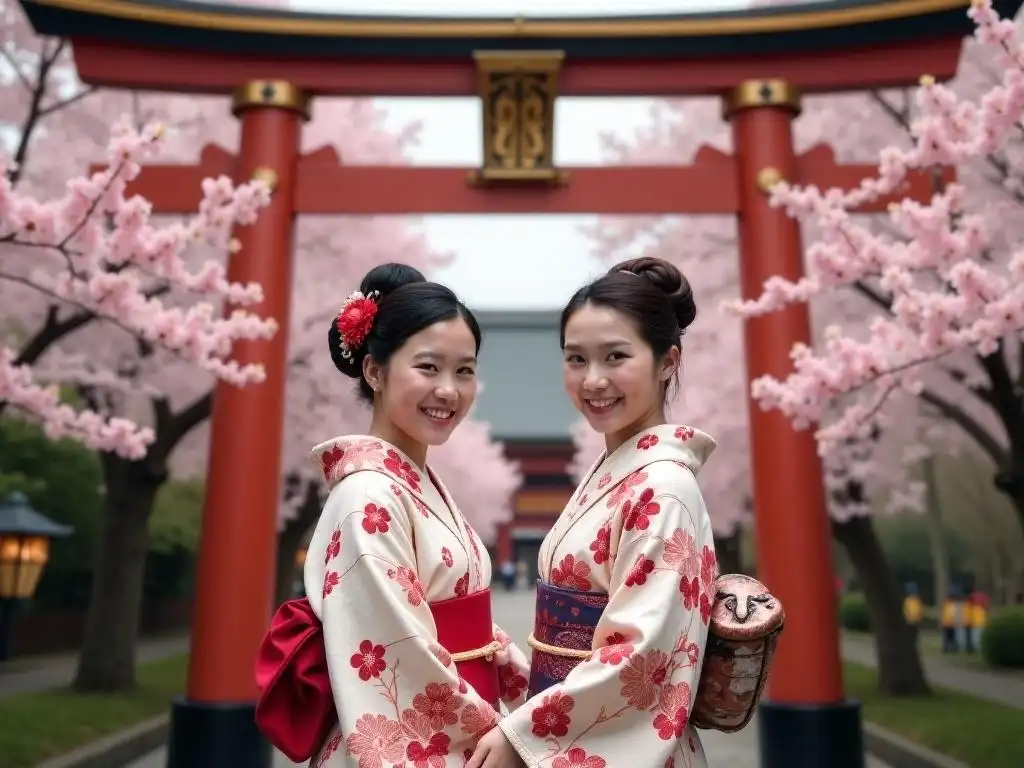
Welcome to Feudal Japan History, where we embark on a fascinating journey through the intricate tapestry of Japan's feudal era. Dive deep into the enchanting world of Shinto traditions in Japanese weddings, a topic that intertwines spirituality, culture, and celebration. As we unravel the rich significance of these rituals in the lives of individuals and communities, prepare to discover how ancient beliefs continue to shape modern milestones. Join us as we explore the profound impact of Shinto on life's most cherished moments, inviting you to uncover the wisdom and beauty that lie within Japan's storied past.
The role of Shinto in Japanese weddings and life milestones is a profound reflection of the spiritual and cultural essence of Japan. Shinto, the indigenous faith of the Japanese people, is deeply woven into the fabric of their traditions, rituals, and celebratory events.
This article seeks to explore the significance of Shinto traditions in Japanese weddings, highlighting how these practices not only honor the couple's union but also connect them to their ancestors and the natural world. By delving into the historical context and key elements of Shinto wedding ceremonies, we can appreciate the rich tapestry of beliefs and customs that shape these sacred moments in Japanese life.
Introduction to Shinto Traditions in Japanese Weddings
Overview of Shinto as a Religion
Shinto, which translates to "the way of the gods," encompasses a range of beliefs, rituals, and practices centered around kami, or spirits, found in nature and ancestors. This ancient religion does not have a single founder or a comprehensive set of scriptures, but rather a collection of myths, legends, and local practices that have evolved over centuries. The core tenets of Shinto emphasize purity, harmony, and community, and it plays a crucial role in the daily lives of many Japanese people, influencing various aspects of their culture, including weddings.
Importance of Shinto in Japanese Culture and Society
In Japanese society, Shinto is not merely a religion but a way of life that connects individuals to their heritage and the world around them. The rituals and customs associated with Shinto serve to reinforce social bonds, promote a sense of belonging, and honor the ancestors who have shaped the present. Weddings, being one of life's most significant milestones, are deeply imbued with Shinto traditions that reflect these values. The presence of Shinto in weddings symbolizes not only the couple's commitment to each other but also their connection to the spiritual realm and the community that supports them.
Shinto Traditions in Japanese Weddings
Historical Context of Shinto Wedding Ceremonies
Shinto wedding ceremonies, known as shinzen shiki, have evolved over time but are rooted in ancient practices that date back to the Heian period (794-1185). Initially, weddings were simple affairs conducted at the homes of the bride and groom. However, as the influence of the samurai class and the imperial court grew, so did the complexity and formality of these rituals. By the Edo period (1603-1868), Shinto weddings began to incorporate elements from other traditions, including Buddhism and Confucianism, leading to the rich, multifaceted ceremonies we see today.
Key Elements of Shinto Wedding Rituals
Shinto wedding rituals are characterized by several key elements that highlight their spiritual significance:
- San-san-kudo Ceremony: This ritual involves the couple taking three sips from three different cups of sake, symbolizing the bond between the couple and their families.
- Exchange of Vows: The couple expresses their commitment to each other, often in the presence of kami, reinforcing the sacred nature of their union.
- Offering to the Kami: During the ceremony, offerings such as rice and sake are made to the kami, seeking blessings for the couple's future and acknowledging their ancestors.
- Traditional Attire: The bride typically wears a white kimono, symbolizing purity, while the groom dons a formal black kimono or Western-style suit.
These elements combine to create a deeply meaningful experience that resonates with the couple and their families, ensuring that Shinto traditions in Japanese weddings remain a vital part of the cultural landscape.
Stages of a Shinto Wedding Ceremony
Shinto weddings are characterized by a series of ceremonial stages that reflect the deep spiritual significance of the union. These ceremonies are rich in tradition and are often conducted in shrines, emphasizing the connection between the couple and the divine. The stages typically include pre-wedding rituals, the actual wedding ceremony, and post-wedding celebrations, each playing a crucial role in the overall experience.
Pre-Wedding Rituals and Preparations
Before the wedding day, couples engage in various preparations that are steeped in Shinto tradition. One of the most significant pre-wedding rituals is the "San-san-kudo", where the couple takes three sips from three sake cups, symbolizing their commitment to each other and the joining of their families.
Additionally, the couple often visits a Shinto shrine to perform a purification ritual known as "harai," where they cleanse themselves of impurities and seek blessings for their marriage. The bride typically wears a "shiro-muku," a pure white kimono, which signifies her purity and readiness for marriage. The groom may wear a "montsuki" with a hakama, symbolizing his status and commitment.
The Wedding Ceremony
The wedding ceremony itself is a highly ritualistic affair, usually presided over by a Shinto priest. It includes several key elements:
- Kagura - Traditional Shinto music and dance performed to honor the kami (spirits).
- Norito - The couple offers prayers, expressing gratitude and requesting blessings for their future together.
- San-san-kudo - As mentioned earlier, the couple drinks sake to solidify their bond and share their vows.
- Exchange of Tamagushi - The couple may present a branch of a sacred tree to the kami as an offering, symbolizing their respect and devotion.
The ceremony concludes with a blessing from the priest, which is a pivotal moment that sanctifies the marriage in the eyes of the kami.
Post-Wedding Celebrations
Following the ceremony, the couple typically hosts a reception that may incorporate both Shinto and secular elements. This celebration often involves a feast where family and friends gather to congratulate the couple. Traditional Shinto customs, such as the "shinji," may be included, where the couple performs additional rituals to honor their ancestors.
Gifts are exchanged, and the couple may also send thank-you notes to guests, reflecting gratitude for their support and presence. The celebrations can last for several days and may include various activities, showcasing the couple's joy and cultural traditions.
Shinto Practices Beyond Weddings
Shinto traditions extend well beyond weddings, playing a vital role in various life milestones. These practices serve to connect individuals with the divine and the community, reinforcing cultural identity.
Shinto Traditions in Birth and Naming Ceremonies
In Shinto, the arrival of a new life is celebrated through rituals that emphasize purification and thanksgiving. After a baby's birth, families often conduct a "shinto shiki" (birth ritual) at a shrine to express gratitude to the kami for the safe delivery. This is often followed by a naming ceremony, known as "Shichi-Go-San," where children aged three, five, or seven are taken to the shrine. During the ceremony, children are dressed in traditional attire, and prayers are offered for their health and happiness.
Coming of Age Celebrations in Shinto
Reaching adulthood is marked by significant Shinto ceremonies, including the "Seijin Shiki" (Coming of Age Day), celebrated on the second Monday of January. Young adults, typically those turning 20, dress in formal attire and visit a shrine to receive blessings. The ceremony often includes prayers for success and guidance as they embark on their adult lives, symbolizing their transition into responsible members of society.
Funerary Practices in Shinto
Shinto also encompasses specific practices surrounding death and funerals, focusing on the transition of the spirit to the afterlife. Funerary rituals often include a "wake," a gathering for family and friends, where offerings of food and drink are made to honor the deceased. The "Shinto funeral" typically consists of prayers and purification rites that guide the spirit on its journey, emphasizing the belief in the continuity of life and the importance of ancestral spirits in Shinto practice.
Shinto traditions are integral to various life milestones in Japan, reinforcing cultural values and family bonds through rituals that celebrate birth, coming of age, marriage, and death.
The Influence of Shinto on Modern Japanese Society
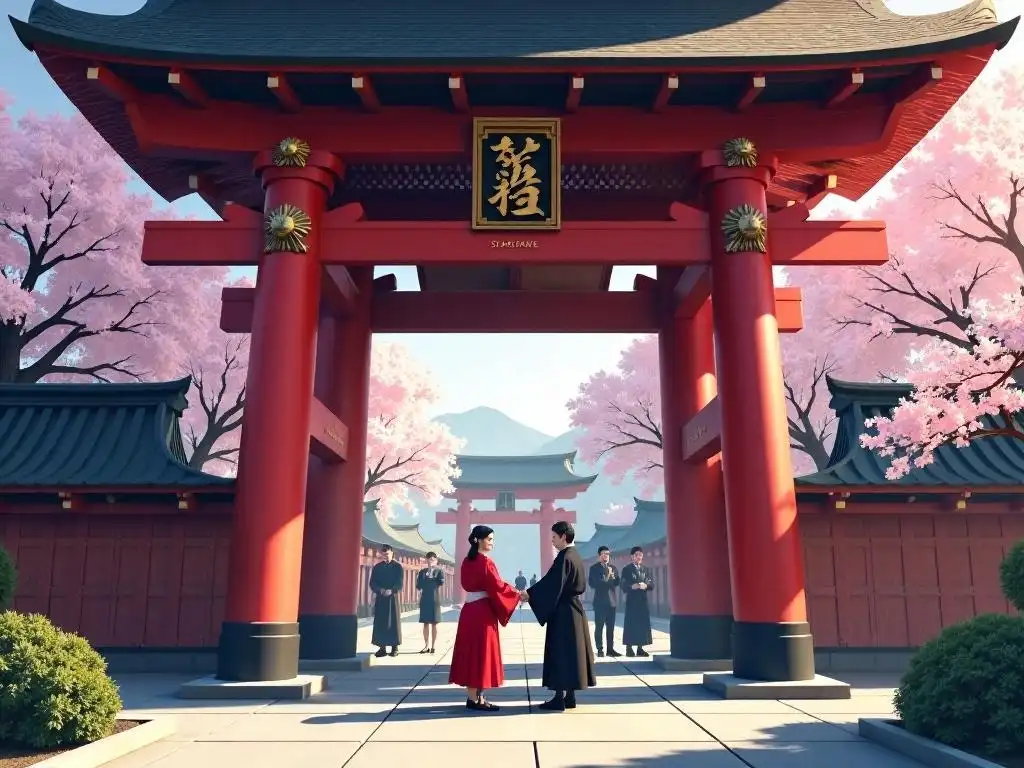
Shinto, as Japan's indigenous spirituality, has profoundly shaped the cultural and social fabric of modern Japanese society. Its influence is particularly evident in various life milestones, including weddings, births, and festivals. In contemporary Japan, many individuals who may not actively practice Shinto still partake in its rituals during significant events, highlighting the tradition's deep-seated role in everyday life.
In urban areas, where the pace of life can often overshadow spiritual practices, Shinto shrines remain popular venues for weddings and other ceremonies. This indicates a blend of modernity and tradition, where the spiritual significance of Shinto is preserved amidst the hustle and bustle of contemporary living. The aesthetic appeal of Shinto rituals, with their emphasis on purity, nature, and harmony, also resonates well with modern sensibilities, making them relevant even today.
Continuation of Shinto Traditions in Contemporary Weddings
Shinto traditions in Japanese weddings continue to thrive, adapting to modern expectations while preserving their core elements. The Shinto wedding ceremony, known as shinzen shiki, typically takes place at a shrine and involves rituals that symbolize the couple's commitment to each other and to their families. The ceremony usually includes offerings to the kami (deities), the exchange of sake ( san-san-kudo), and the sharing of vows, which encapsulate the couple's intentions for a harmonious life together.
In recent years, many couples have opted for hybrid ceremonies that incorporate Western elements, such as white wedding dresses and receptions at banquet halls. However, the core Shinto rituals often remain integral to these celebrations. For instance, couples may still choose to perform the san-san-kudo sake sharing, symbolizing the joining of two families and the couple's commitment to each other.
The Role of Shinto in Family Life and Milestones
Shinto plays a crucial role in various family life milestones beyond weddings, including births, coming-of-age ceremonies, and funerals. After a child is born, it is customary for parents to visit a Shinto shrine to perform a purification ritual and express gratitude to the kami for the child's safe arrival. This event, known as shichi-go-san, is a significant celebration when children reach the ages of three, five, and seven, highlighting the importance of growth and the transition into different life stages.
Moreover, Shinto rituals often accompany significant life events, providing families with a sense of continuity and connection to their heritage. The observance of these rituals reinforces familial bonds and strengthens communal ties, as families gather to celebrate these milestones together, often inviting extended family and friends to participate.
Shinto Festivals and Their Impact on Community
Shinto festivals, or matsuri, are vibrant public celebrations that showcase the rich cultural heritage of Japan while fostering community spirit. These festivals often involve processions, traditional music, and dance, bringing together local residents to honor the kami and express gratitude for blessings such as bountiful harvests and community welfare.
The role of matsuri extends beyond mere celebration; they serve as a vital means of preserving cultural identity and community cohesion. Participants often don traditional attire, and local crafts and foods are showcased, creating a sense of pride and belonging within the community. Festivals also attract tourism, providing an economic boost while allowing others to experience the beauty of Shinto traditions.
Conclusion: The Enduring Legacy of Shinto Traditions in Japanese Weddings and Life Milestones
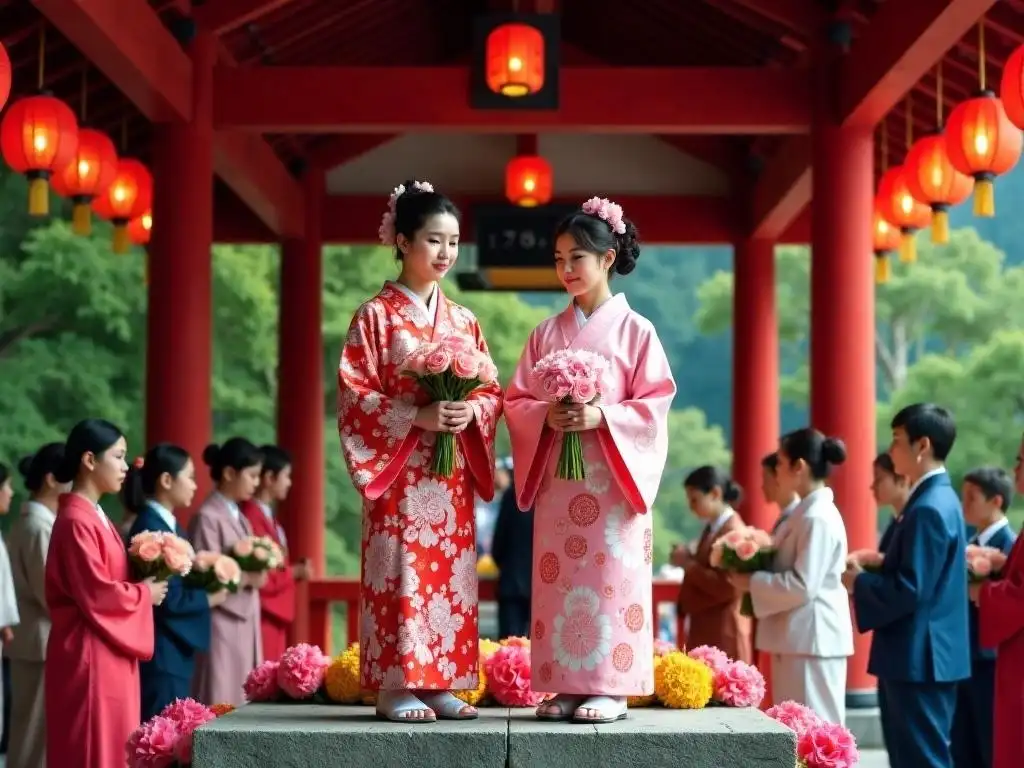
Shinto traditions continue to hold significant importance in Japanese weddings and life milestones, demonstrating their enduring legacy in contemporary society. The blend of ancient rituals with modern adaptations ensures that these practices remain relevant and meaningful for new generations. This continuity reflects the resilience of Shinto as a spiritual and cultural foundation for many Japanese people.
Reflection on the Cultural Significance of Shinto Practices
The cultural significance of Shinto practices lies in their ability to foster a sense of identity and belonging, connecting individuals with their ancestry and community. Rituals associated with weddings and life milestones not only celebrate personal transitions but also reinforce the values of harmony, respect for nature, and gratitude, which are central to Shinto beliefs. These elements contribute to a collective cultural memory, preserving the essence of Japanese identity across generations.
Future of Shinto Traditions in a Changing Society
As Japan continues to evolve, the future of Shinto traditions may face challenges, particularly as younger generations grapple with modernization and globalization. However, there is also a growing interest in spiritual practices as people seek meaning in their lives. This resurgence may lead to a revitalization of Shinto traditions, encouraging innovative approaches to incorporate these rituals into modern life.
Ultimately, the adaptability of Shinto practices suggests that, while they may change in form, their underlying significance as a source of cultural identity and community connection will likely endure, ensuring that Shinto traditions remain a vital part of Japanese weddings and life milestones for years to come.
- Introduction to Shinto Traditions in Japanese Weddings
- Shinto Traditions in Japanese Weddings
- Stages of a Shinto Wedding Ceremony
- Shinto Practices Beyond Weddings
- The Influence of Shinto on Modern Japanese Society
- Continuation of Shinto Traditions in Contemporary Weddings
- The Role of Shinto in Family Life and Milestones
- Shinto Festivals and Their Impact on Community
- Conclusion: The Enduring Legacy of Shinto Traditions in Japanese Weddings and Life Milestones
- Reflection on the Cultural Significance of Shinto Practices
- Future of Shinto Traditions in a Changing Society
- What is the significance of Shinto traditions in Japanese weddings?
- How do Shinto wedding ceremonies typically unfold?
- What role do rituals and symbols play in Shinto weddings?
- Can Shinto traditions be integrated with other wedding styles?
- How do Shinto traditions influence life milestones beyond weddings?
Frequently Asked Questions
What is the significance of Shinto traditions in Japanese weddings?
Shinto traditions are integral to Japanese weddings, emphasizing purity, harmony, and the couple's union with the kami (spirits). They often involve rituals that invoke blessings and good fortune.
How do Shinto wedding ceremonies typically unfold?
A Shinto wedding ceremony usually includes san-san-kudo (sake sharing), the exchange of vows, and offerings to the kami. The ceremony is held in a shrine, reflecting a deep cultural connection.
What role do rituals and symbols play in Shinto weddings?
Rituals and symbols, such as white kimono for brides and sake, represent purity and commitment. These elements are crucial in conveying the couple's respect for tradition and their future together.
Can Shinto traditions be integrated with other wedding styles?
Yes, many couples blend Shinto traditions with Western wedding styles, incorporating elements like vows and rings while maintaining Shinto rituals, fostering a unique and personal celebration.
How do Shinto traditions influence life milestones beyond weddings?
Shinto traditions play a role in various milestones, such as birth ceremonies, coming-of-age, and funerals, marking important transitions and ensuring that life events are approached with spiritual respect.
Final Reflection: Embracing Shinto Traditions in Life's Milestones
The exploration of Shinto traditions in Japanese weddings is not just a glimpse into a cultural practice; it is a profound reminder of how rituals shape our identities and connections. In today's fast-paced world, where globalization often dilutes cultural specificity, understanding the significance of Shinto in life milestones offers a vital anchor to our roots. The beauty of these traditions lies in their ability to weave together the past and present, allowing individuals to celebrate love and commitment while honoring ancestral beliefs.
Cultural practices like Shinto weddings continue to influence the social landscape, fostering a sense of community and continuity. The rituals associated with Shinto are not merely ceremonial; they embody values of harmony, respect, and gratitude that resonate deeply within Japanese society and beyond. As noted by cultural anthropologist Joy Hendry, Traditions are not static; they evolve while still retaining their essence.
This evolution reflects how Shinto traditions adapt to modern contexts, ensuring that they remain relevant and cherished across generations.
As you reflect on the role of Shinto in Japanese weddings and other life milestones, consider how these traditions can inspire your own life. Embrace the opportunity to honor your heritage, celebrate your relationships, and create meaningful rituals that resonate with your values. Whether through a wedding, a family gathering, or a personal milestone, let the essence of Shinto guide you in fostering connections that transcend time and culture.
Embrace the Spirit of Shinto in Your Celebrations!
Thank you for exploring the profound role of Shinto in Japanese weddings and life milestones with us today. We hope you’ve discovered valuable insights that inspire you to incorporate these beautiful traditions into your own life. Now, let’s take the next steps together!
- Experience a Shinto ceremony: Consider attending or even participating in a local Shinto-inspired wedding or rite of passage. Immerse yourself in the rich culture and community.
- Share your insights: Discuss with friends or family what you learned about Shinto traditions. Spark a conversation about the significance of rituals and their impact on our lives today.
- Explore related customs: Research other Japanese customs or festivals that resonate with you. Discover how these practices can enrich your personal celebrations.
Which Shinto tradition are you most excited to incorporate into your life or share with others?