
The Role of Religion in the Unification Wars of Feudal Japan

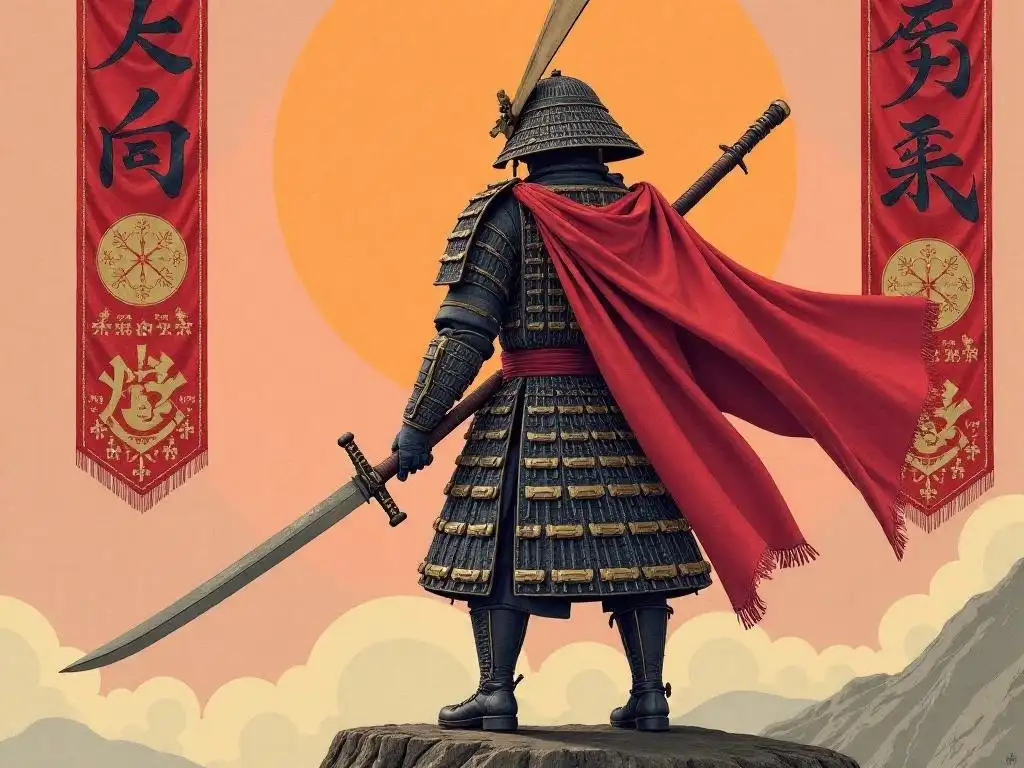
Welcome to Feudal Japan History, your gateway to an intriguing exploration of Japan’s feudal era! Here, we delve deep into the complex interplay of history, culture, and society, unveiling the profound influences that shaped a nation. Our featured article, "The Role of Religion in the Unification Wars of Feudal Japan," invites you to uncover how spiritual beliefs fueled conflicts and alliances during this tumultuous time. Prepare to embark on a journey that will challenge your perceptions and enrich your understanding of a pivotal chapter in Japan's past. Dive in and discover the untold stories that lie beneath the surface!
Introduction to Religion in Feudal Japan
The unification wars of Feudal Japan, a tumultuous period that spanned from the late 15th century to the early 17th century, were not solely defined by military strategy and power struggles; they were deeply intertwined with the religious beliefs and practices of the time. Religion in Feudal Japan Wars played a pivotal role in shaping the motivations of warriors, influencing the alliances formed, and even determining the outcomes of significant battles. This article delves into how various religious doctrines and practices influenced the course of these wars, highlighting the complex interplay between faith and conflict.
Overview of Feudal Japan's Historical Context
Feudal Japan was characterized by a rigid social structure, with a hierarchy that placed the emperor at the top, followed by the shogun, daimyos, samurai, and commoners. The period was marked by nearly constant warfare as various clans vied for control over territory and power. The Sengoku period (1467-1603), often referred to as the "Warring States" period, saw a fragmentation of political power and the rise of ambitious leaders like Oda Nobunaga, Toyotomi Hideyoshi, and Tokugawa Ieyasu.
Religious institutions often acted as both spiritual and political authorities, influencing the actions of leaders and the common populace alike. Temples and shrines served as centers of community life, and their influence extended beyond mere spirituality into the realms of governance and warfare.
Importance of Religion in Japanese Society
Religion in Feudal Japan was not merely a personal belief system; it was woven into the very fabric of society. The interplay of Shinto, Buddhism, and other spiritual practices provided a framework for understanding life, death, and the natural world. Rituals and festivals punctuated the calendar, marking important agricultural cycles and communal gatherings.
Moreover, religious beliefs shaped the ethical and moral frameworks of the samurai, who adhered to a code of conduct known as bushido. This code was heavily influenced by Zen Buddhism, which emphasized discipline, meditation, and the acceptance of death, all crucial elements for a warrior in a time of conflict.
The Religious Landscape of Feudal Japan
Major Religions Influencing Japanese Culture
Several key religions played significant roles in shaping the culture and society of Feudal Japan:
- Shintoism: The indigenous spirituality of Japan, focusing on kami (spirits) and rituals.
- Buddhism: Introduced from China and Korea, it offered philosophical concepts that influenced samurai ethics.
- Confucianism: Though not a religion in the traditional sense, its principles of hierarchy and governance permeated samurai culture.
These religions coexisted and often blended, creating a unique spiritual tapestry that defined the worldview of the Japanese people during this era.
The Role of Shintoism in Feudal Japan
Shintoism, characterized by its reverence for nature and ancestral spirits, provided a sense of identity and continuity for the Japanese people. The kami, or deities worshiped in Shinto, were believed to be protectors of the land and its people. During the unification wars, many daimyos sought legitimacy for their rule through Shinto practices, claiming divine favor to strengthen their position.
Shrines became rallying points for troops, where warriors would seek blessings and protection before going into battle. Rituals performed at these shrines often included offerings and prayers for victory, illustrating how deeply intertwined religion was with the martial spirit of the time.
Buddhism's Influence on Samurai and Warfare
Buddhism, particularly Zen Buddhism, had a profound impact on the samurai class. The teachings of Zen emphasized the importance of mental clarity, discipline, and the acceptance of impermanence, elements that resonated with the samurai's experience of warfare.
- Meditation practices helped warriors maintain focus and composure in battle.
- The concept of sacrifice and understanding of death provided a philosophical foundation that allowed samurai to face their mortality with courage.
Buddhist temples were often used as refuges and places of strategy, reinforcing the idea that spiritual fortitude was as crucial as physical prowess in the realm of war.
The role of religion in the unification wars of Feudal Japan cannot be overstated. The intertwining of spiritual beliefs with the political and military landscape created a unique and complex environment that influenced the trajectory of Japanese history during this critical era. Understanding this relationship offers valuable insights into the motivations behind the actions of key figures and the societal dynamics at play.
Religious Conflicts During the Unification Wars
The Unification Wars of Feudal Japan, particularly during the late 15th to early 17th centuries, were marked not only by political maneuvers and military conquests but also by significant religious conflicts. These conflicts arose primarily from the interplay between the established Shinto beliefs, the imported Buddhism, and the emerging influence of Christianity. As various clans vied for power, religion often became a battleground for ideological supremacy, influencing alliances and hostilities.
Key Religious Conflicts and Their Causes
Several notable conflicts arose during this period, driven by differing religious ideologies. One significant cause was the rivalry between the traditional Shinto beliefs, which emphasized the veneration of kami (spirits), and the various schools of Buddhism that had become well-established by this time. The rise of new Buddhist sects, such as the Ikko-ikki, which promoted a more egalitarian and militant interpretation of Buddhism, led to armed confrontations with samurai clans who adhered strictly to Shinto practices.
Additionally, the introduction of Christianity by European missionaries in the 16th century added another layer of complexity. The Christian faith attracted many converts among the lower classes, which alarmed the ruling samurai, who viewed the new religion as a threat to their authority. This tension eventually led to violent crackdowns on Christian converts and uprisings, such as the Shimabara Rebellion in 1637, where disaffected Christians and peasants rose against the Tokugawa shogunate, leading to a brutal suppression.
Major Figures and Their Religious Affiliations
Key figures during the Unification Wars had varying religious affiliations that influenced their strategies and alliances. Oda Nobunaga, one of the most prominent daimyōs, was known for his pragmatic approach to religion. He sought to diminish the power of Buddhist monasteries that challenged his rule, most notably by attacking the powerful Hongan-ji Temple, which was associated with the Ikko sect. Nobunaga's secular stance allowed him to forge alliances with Christian missionaries, leveraging their influence to gain support.
In contrast, Toyotomi Hideyoshi, who succeeded Nobunaga, adopted a more cautious approach to religion, recognizing the need for stability. He issued edicts to control religious practices, such as the prohibition of Christianity in 1587, which stemmed from the desire to maintain social order and prevent clashes between religious factions.
Tokugawa Ieyasu, the founder of the Tokugawa shogunate, also played a crucial role. His affiliation with Shintoism and support for Buddhism facilitated a unifying framework that helped consolidate power. He promoted the idea of a common national identity rooted in Shinto beliefs, which was crucial for maintaining order among the diverse religious practices in Japan.
The Impact of Religion on Military Alliances
Religion significantly impacted military alliances during the Unification Wars. Clans often aligned themselves with religious institutions to legitimize their causes and rally support. For instance, the Ikko-ikki clans, united under the banner of a common Buddhist faith, formed powerful coalitions that challenged samurai rule. Their ability to mobilize large numbers of followers based on religious convictions demonstrated how spiritual beliefs could translate into military strength.
Conversely, powerful daimyōs utilized religion to garner loyalty from their vassals. By aligning with influential temples or promoting certain sects, they could solidify their power and ensure the backing of local populations. This complex web of alliances often dictated the outcomes of battles, with religious loyalty playing a pivotal role in the shifting allegiances of the time.
Religion as a Unifying Force in the Unification Wars
Despite the conflicts, religion also served as a unifying force during the Unification Wars. Various religious practices and beliefs helped to forge a collective identity among the samurai clans, providing a shared purpose in their struggles for power.
How Religion Fostered Unity Among Samurai Clans
Religion fostered unity among samurai clans by creating a sense of shared identity and purpose. The samurai, often bound by codes of honor and loyalty, found common ground in their spiritual beliefs. Shinto rituals, for example, were integral to the samurai code, emphasizing purity, loyalty, and the divine right of rulers. These beliefs helped to galvanize clans around common goals, with religious ceremonies often preceding major military campaigns to invoke the favor of the kami.
Furthermore, the Buddhist concept of a just war, where the defense of faith and community was seen as righteous, provided moral justification for conflicts. This shared understanding of their religious duty enabled clans to band together, transcending local rivalries in pursuit of a greater cause.
Religious Rituals and Their Role in Warfare
Religious rituals played a significant role in the conduct of warfare during the Unification Wars. Before battles, samurai would often engage in purification rites to ensure divine favor and protection. These rituals could involve offerings to kami or consultations with Buddhist monks for blessings. Such practices were believed to enhance the warriors' courage and fortitude, reinforcing their commitment to the fight.
Moreover, the presence of religious leaders on the battlefield often served to inspire troops. Monks would chant sutras, invoking spiritual strength and resilience among soldiers. This integration of religion into military practices illustrated how deeply intertwined faith and warfare were during this tumultuous period.
The Use of Religious Symbolism in Battle
Religious symbolism was prevalent in the battles of the Unification Wars, often manifesting in banners, armor designs, and battle formations. Clans would frequently display symbols associated with their religious beliefs to intimidate opponents and rally their troops. For instance, the use of the Gohei, a traditional Shinto offering, was common among samurai to invoke the protection of kami during combat.
Additionally, the strategic placement of shrines and temples near battlefields served as focal points for prayer and reflection. These sites acted as spiritual anchors for warriors, enhancing their commitment and resolve. The interplay of military and religious symbolism not only defined the ethos of samurai warfare but also left a lasting legacy on Japan's cultural landscape.
Case Studies of Religion in Feudal Japan Wars

The unification wars of Feudal Japan were not solely battles for territorial supremacy; they were also deeply entwined with religious ideologies and practices. Several key conflicts exemplify how religion influenced military strategies, alliances, and the broader sociopolitical landscape during this tumultuous period. By examining specific case studies, we can glean insights into the significant role that religion played in shaping the outcomes of these wars.
The Battle of Sekigahara: Religious Motives and Outcomes
The Battle of Sekigahara, fought in 1600, is often regarded as a pivotal moment in Japanese history, marking the end of the Sengoku period and the rise of the Tokugawa shogunate. However, beneath the surface of this power struggle lay profound religious motivations.
- Religious Divisions: The battle was not just a clash of samurai but also a confrontation between differing religious philosophies. The Western army, led by Ishida Mitsunari, was supported by the Toyotomi clan, which had strong ties to the remnants of the Buddhist sects that had heavily influenced Japanese society. In contrast, Tokugawa Ieyasu's Eastern army attracted various factions, including those aligned with the emerging Neo-Confucian ideology, which was gaining traction among the ruling classes.
- Buddhist Temples as Allies: Temples such as Tōdai-ji and Hōryū-ji played significant roles in rallying support for their respective factions. These institutions not only provided spiritual solace but also mobilized their followers, utilizing their vast networks for political gain.
- Outcomes and Legacies: The victory of Tokugawa Ieyasu at Sekigahara led to the establishment of a regime that would reshape Japan for centuries. The Tokugawa shogunate adopted policies that promoted a specific brand of Confucianism while suppressing the influence of Buddhism, illustrating how religious outcomes of this battle affected future governance and societal structures.
The Siege of Osaka: Religion's Role in Conflict Dynamics
The Siege of Osaka (1614-1615) serves as another critical examination of the interplay between religion and warfare. This conflict was primarily between the Tokugawa shogunate and the Toyotomi loyalists, but religious undercurrents shaped its dynamics.
- Religious Justifications for War: The Tokugawa shogunate framed the siege as a necessary measure to eliminate the threat posed by the Toyotomi, who were associated with the Buddhist faith. This strategy aimed to delegitimize the Toyotomi claim to power by associating them with religious fanaticism rather than political legitimacy.
- Cultural Symbolism: The siege also highlighted the duality of religion as both a unifying and dividing force. The Toyotomi stronghold was fortified by its association with the spiritual legacy of the Buddhist faith, which was seen as a bastion against the oppressive rule of the shogunate. The shogunate's military campaigns were characterized by a religiously motivated fervor to eradicate what they viewed as heretical opposition.
- Consequences on Religious Practices: The aftermath of the siege led to severe restrictions on Buddhist practices and institutions. The Tokugawa shogunate imposed strict control over religious organizations, effectively reshaping the religious landscape of Japan.
The Influence of Zen Buddhism on Warfare Strategies
Zen Buddhism emerged as a significant force in shaping the martial ethos of the samurai during the feudal era. Its philosophical tenets influenced not only individual warriors but also the broader strategies employed in warfare.
- Mindfulness and Focus: Zen teachings emphasized mindfulness, discipline, and a deep understanding of the self. Samurai who practiced Zen often found mental clarity that improved their combat performance. This psychological edge was crucial during battles, where the chaos of war could easily overwhelm untrained minds.
- Duels and Aesthetics: The practice of Zen also influenced the aesthetics of combat through the concept of "no-mind" (mushin), where warriors trained to act instinctively without the burden of doubt or fear. This led to a culture of dueling that valued not just victory but the artistic expression of martial prowess.
- Integration into Military Tactics: Some prominent leaders, such as Uesugi Kenshin and Takeda Shingen, incorporated Zen principles into their military strategies, focusing on the psychological and spiritual well-being of their troops. This integration demonstrated how religious practices could directly affect tactical decisions and battlefield outcomes.
The Aftermath of Religious Influence on Unification
The unification of Japan under the Tokugawa shogunate brought significant changes to the religious landscape, leading to both the decline of certain practices and the rise of others. This transformation had long-lasting effects on Japanese society.
Long-Term Effects of Religion on Japanese Society
The centuries following the unification saw a complex interplay between religion and governance. The Tokugawa shogunate's policies created a new societal order that was heavily influenced by Confucian values, which emphasized hierarchy and obedience.
- Suppression of Buddhism: With the establishment of shogunate control, Buddhism faced significant restrictions. The government sought to diminish the political power of Buddhist institutions, which had been allied with the defeated Toyotomi clan. This led to a decline in the influence of traditional Buddhist practices among the samurai class, as the focus shifted toward Confucian ethics.
- Increased State Control over Religion: The Tokugawa shogunate implemented a system known as "shumon aratame," which required all citizens to register with a Buddhist temple. This created a state-sanctioned version of Buddhism that was tightly regulated, effectively intertwining religious practice with state authority.
The Decline of Religious Authority Post-Unification
The post-unification period marked a significant shift in the authority of religious institutions in Japan. As the Tokugawa shogunate solidified its power, the influence of religion on political matters began to wane.
- Emergence of New Philosophies: The dominance of Confucianism led to the sidelining of more traditional religious practices. The rise of "Shinto" as a state religion further marginalized Buddhism, leading to a redefinition of Japanese identity that prioritized Shinto beliefs.
- Cultural Transformation: The decline of religious authority also fostered a cultural transformation within Japanese society. The arts, literature, and philosophy began to reflect secular themes, emphasizing human experience and rational thought over religious dogma.
- Legacy of Religious Conflict: Although the unification wars concluded, the legacy of religious conflict persisted. The suppression of certain beliefs sowed the seeds for future tensions between Shinto and Buddhist communities, shaping the course of Japanese religion well into modern times.
The role of religion in the unification wars of Feudal Japan was profound and multifaceted, influencing not only the strategies and outcomes of specific battles but also the long-term societal changes that followed.
Conclusion
The unification wars of Feudal Japan were not only a struggle for political power but also a complex interplay of religious beliefs and practices that shaped the societal landscape. The influence of Shintoism, Buddhism, and emerging sects played a pivotal role in guiding the motivations and actions of various warlords and their armies. The intertwining of religious authority and military ambition created a unique environment where faith and warfare coexisted, often leading to both conflict and cooperation among the different factions.
Summary of Key Points on Religion in Feudal Japan Wars
- Shintoism and its Influence:
- Shinto, as the indigenous religion of Japan, emphasized the importance of kami (spirits) and rituals, which were often invoked for blessings in battle. Leaders like Oda Nobunaga utilized Shinto shrines to legitimize their rule and garner support from the populace.
- Buddhism's Role:
- Various Buddhist sects, particularly Zen Buddhism, provided philosophical underpinnings that influenced samurai culture. The teachings on discipline and the transitory nature of life resonated with warriors, impacting their approach to battle and loyalty.
- Religious Conflicts:
- The era saw significant religious conflicts, notably between different Buddhist sects and between Buddhism and Shinto. The Ikko-Ikki revolts, driven by the Jodo Shinshu sect, exemplified how religious fervor could mobilize communities against feudal lords.
- Political Manipulation of Religion:
- Warlords often employed religious institutions to consolidate power. The patronage of Buddhist temples and Shinto shrines served both to gain popular support and to legitimize their military campaigns.
- Symbolism and Rituals:
- Ritualistic practices, such as prayers and offerings before battles, were integral to the samurai ethos. These acts reinforced the belief that divine favor was essential for victory.
Final Thoughts on the Impact of Religion on Japanese History
The role of religion in the unification wars of Feudal Japan extends beyond mere battlefield strategies; it is a testament to the profound influence of belief systems on historical outcomes. The fusion of religious ideology with military objectives not only shaped the political landscape of the time but also left a lasting legacy on Japanese culture and identity.
The interplay of Shinto and Buddhist practices continues to echo in modern Japanese society, highlighting how the historical context of religion in Feudal Japan wars has informed contemporary values and traditions. Understanding these dynamics offers crucial insights into the complexities of Japan's past and the enduring significance of religion in shaping its trajectory.
- Introduction to Religion in Feudal Japan
- The Religious Landscape of Feudal Japan
- Religious Conflicts During the Unification Wars
- Religion as a Unifying Force in the Unification Wars
- Case Studies of Religion in Feudal Japan Wars
- The Aftermath of Religious Influence on Unification
- Conclusion
- What was the significance of religion in the Unification Wars of Feudal Japan?
- How did different religions impact the societal structure during feudal Japan?
- Were there any specific religious figures that influenced the Unification Wars?
- How did religious beliefs affect the outcomes of battles in feudal Japan?
- What role did temples and shrines play during the Unification Wars?
Frequently Asked Questions
What was the significance of religion in the Unification Wars of Feudal Japan?
Religion played a crucial role in the Unification Wars by providing moral justification for conflicts and influencing political alliances among warlords.
How did different religions impact the societal structure during feudal Japan?
Different religions, particularly Buddhism and Shinto, shaped the societal hierarchy and cultural practices, reinforcing the power dynamics of the time.
Were there any specific religious figures that influenced the Unification Wars?
Yes, notable religious figures like Zen monks often acted as advisors or mediators, using their influence to sway the outcomes of various conflicts.
How did religious beliefs affect the outcomes of battles in feudal Japan?
Religious beliefs often guided warriors' actions, leading to rituals and prayers before battles, which were believed to secure divine favor in conflicts.
What role did temples and shrines play during the Unification Wars?
Temples and shrines served as places of refuge and strategy, where warlords could gather support, make offerings, and seek blessings for their military campaigns.
Final Reflection: The Enduring Influence of Religion in Feudal Japan's Wars
The exploration of religion in the context of the Unification Wars of Feudal Japan reveals a profound truth: the intertwining of faith and conflict has shaped not only the past but continues to resonate in contemporary society. The role of religion in these historical events underscores how deeply held beliefs can motivate individuals and communities, influencing the course of history in ways that are both remarkable and complex. As we reflect on this theme, it becomes clear that understanding the past is essential to navigating the present and future.
Culture and society are inextricably linked to the beliefs that guide them, and the Unification Wars serve as a poignant reminder of this connection. The impact of religion during this tumultuous period was not merely a backdrop; it was a driving force that galvanized factions and inspired leaders. As we witness the ongoing influence of religious ideologies in modern conflicts, we are reminded of the words of historian John W. Hall: The past is never dead. It's not even past.
This observation invites us to consider how the echoes of these historical conflicts continue to shape our cultural and social landscapes today.
As we conclude this exploration, I invite you to reflect on the lessons of the past and consider how the themes of faith, conflict, and unity resonate in your own life. What role does belief play in your personal journey, and how can understanding the historical interplay of religion and warfare inform your perspective on current events? Embrace the opportunity to learn from history, allowing its lessons to guide your actions and thoughts as we strive for a more harmonious future.
Unveil the Power of Faith: Take the Next Step!
Thank you for diving into the fascinating role of religion in the Unification Wars of Feudal Japan! Your curiosity not only enriches your understanding but also connects you to a pivotal moment in history. Now it’s time to bring that knowledge to life.
Here are some effective ways to deepen your exploration and engage with this important topic:
- Join a Local History Group: Connect with others who share a passion for Feudal Japan. Exchange insights, discuss various interpretations, and collaborate on projects that highlight the significance of religion during the Unification Wars.
- Explore Related Literature: Read books or articles that delve into the intricate relationship between religion and politics in Japan's history. You might discover unexpected connections that enhance your understanding!
- Share Your Thoughts: Start a blog or post on social media about your insights. Engaging in broader discussions can shed light on new perspectives and encourage more people to appreciate this rich history.
Which religious influences do you believe had the most significant impact on the outcomes of these wars? Let’s spark a thought-provoking conversation!