
The Role of Rituals in Reinforcing Class Distinctions in Feudal Japan

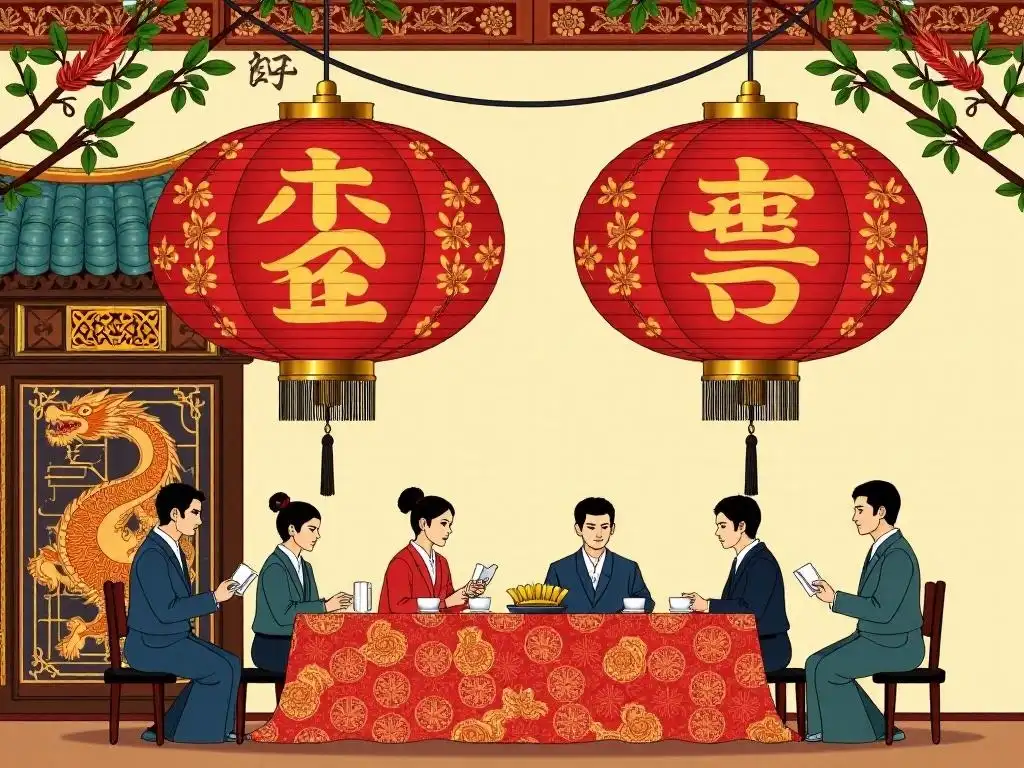
Welcome to Feudal Japan History, where we invite you to embark on a fascinating journey through the intricate tapestry of Japan’s feudal era. In this exploration, we delve into the rituals and class distinctions that shaped the lives and societies of the time. Discover how these ceremonial practices not only defined social hierarchies but also reinforced the cultural fabric of feudal Japan. Are you ready to uncover the secrets behind the rituals that governed relationships and power dynamics? Your adventure into the depths of social history begins now—read on to unveil the profound connections between tradition and status!
Introduction to Rituals and Class Distinctions in Japan
In Feudal Japan, the intricate web of social hierarchies was not merely a matter of birthright; it was deeply woven into the cultural fabric of the era through various rituals that underscored and reinforced class distinctions. These rituals permeated daily life, from the ceremonial practices of the samurai elite to the simple customs observed by farmers.
Understanding the role of these rituals shines a light on how they shaped societal norms and expectations, delineating the boundaries between different classes. This article delves into the fascinating interplay between rituals and class distinctions in Feudal Japan, exploring how these customs were essential in maintaining the status quo of a highly stratified society.
Overview of Feudal Japan and Social Hierarchies
Feudal Japan, spanning from the 12th to the 19th century, was characterized by a rigid social structure, defined primarily by a four-tiered hierarchy:
- Samurai: The warrior class, who not only served as military leaders but also upheld the code of bushido, which emphasized honor and loyalty.
- Farmers: Responsible for agricultural production, they were considered the backbone of the economy but were often subject to the whims of their samurai lords.
- Artisans: Skilled craftsmen who produced goods, artisans held a respectable position within society but were still below the samurai in the social order.
- Merchants: Often viewed with disdain despite their wealth, merchants occupied the lowest tier as they did not produce goods but rather traded them.
This hierarchical arrangement was reinforced by various cultural practices and rituals that served to reinforce the status and privileges of each class, illustrating not just the power dynamics at play but also the societal values of the time.
Importance of Rituals in Japanese Culture
Rituals in Japan were not merely ceremonial; they were imbued with deep cultural significance and social meaning. From religious ceremonies to seasonal festivals, these rituals served multiple purposes:
- Social Cohesion: Rituals brought communities together, reinforcing a shared identity and collective values.
- Legitimization of Power: Ceremonies such as the enthronement of a new shogun or the rituals conducted by the samurai served to legitimize power structures and authority.
- Education of Social Norms: Rituals educated individuals about their roles within the class system, instilling a sense of duty and expectation from an early age.
By understanding the profound role rituals played in daily life, one can appreciate how they functioned as tools for the reinforcement of class distinctions in Feudal Japan.
Understanding Class Structure in Feudal Japan
The Hierarchical Society: Samurai, Farmers, Artisans, and Merchants
The class structure of Feudal Japan was not only hierarchical but also interdependent, with each class relying on the others to function effectively. The samurai, for instance, were tasked with protection and governance, while farmers provided the sustenance necessary for the survival of society. This interdependence was often highlighted in rituals that emphasized respect for one’s place in the social order.
- Rituals of Respect: Bowing and other forms of deference were integral in interactions between classes, serving to reinforce the superiority of the samurai over the farmer and artisan.
- Ceremonial Offerings: Festivals often included offerings to deities that underscored the importance of each class's contributions, reinforcing their roles through communal acknowledgment.
The Role of Nobility and the Shogunate
Within the feudal system, the nobility and the shogunate played pivotal roles in maintaining class distinctions through rituals and ceremonies. The shogun, as the de facto ruler, conducted various state rituals that underscored their authority and divine right to rule.
- Formal Ceremonies: Events such as the Daimyō gatherings involved elaborate rituals that displayed wealth and power, creating a visual and social hierarchy among the attendees.
- Cultural Patronage: The nobility often sponsored rituals and artistic expressions that solidified their status and the cultural narrative that justified the class system.
Through these rituals, the nobility not only reinforced their own status but also ensured that the entire societal structure remained intact, with each class aware of its position and responsibilities.
The rituals of Feudal Japan were instrumental in reinforcing class distinctions, helping to maintain a stable social order that lasted for centuries. Understanding these complex relationships provides valuable insights into the cultural and societal dynamics of this fascinating historical period.
Rituals as a Tool for Class Reinforcement
Rituals played a pivotal role in reinforcing class distinctions in feudal Japan, acting as both a reflection of societal hierarchies and a mechanism for their perpetuation. Through a variety of practices, rituals served to delineate the boundaries between classes, affirm the status of the elite, and instill a sense of duty and belonging among different social strata. The intricate web of rituals not only illustrated the hierarchical nature of feudal society but also actively reinforced these divisions through their execution and participation, creating a structured environment where the social order was both respected and maintained.
The significance of rituals extended beyond mere tradition; they were deeply embedded in the cultural and spiritual fabric of Japanese life. By engaging in specific rituals, individuals reaffirmed their identities and roles within the social hierarchy, thereby strengthening the societal norms that dictated behavior and status. This interconnection between rituals and class distinctions highlights how cultural practices can uphold and legitimize social structures over time.
Definition and Significance of Rituals in Feudal Society
In the context of feudal Japan, rituals can be defined as a series of formalized actions and ceremonies that adhered to prescribed patterns, often imbued with cultural or religious significance. They served multiple purposes: to honor deities, celebrate milestones, or mark transitions within the social order. The significance of these rituals lay in their ability to communicate and reinforce the values and beliefs of the time, particularly the importance of hierarchy and duty.
Rituals functioned as a means of social cohesion, providing a framework through which individuals could express their loyalty to their lords, ancestors, and the prevailing social order. They were critical in establishing a shared identity among members of the same class while simultaneously marking the distinctions between different classes. For example, the elaborate rituals performed by the samurai class not only highlighted their martial virtues but also emphasized their elevated status compared to the peasantry.
Types of Rituals: Religious, Social, and Ceremonial
Rituals in feudal Japan can be categorized into three primary types: religious, social, and ceremonial.
- Religious Rituals: These included practices associated with Shinto and Buddhism, which played a crucial role in shaping the spiritual hierarchy. Religious rituals often involved offerings, prayers, and purification rites designed to honor deities and ancestors, reinforcing the belief in a divine order that mirrored social hierarchies.
- Social Rituals: These practices were embedded in daily life and included customs surrounding greetings, hospitality, and respect for elders and superiors. Social rituals were vital in maintaining the etiquette that governed interactions between classes, ensuring that the lower classes remained deferential to their betters.
- Ceremonial Rituals: These encompassed various events such as weddings, funerals, and seasonal festivals. Ceremonial rituals provided opportunities for individuals to publicly display their status and wealth. Participation in these events often varied significantly across classes, with the elite enjoying more elaborate ceremonies, thereby highlighting their social superiority.
Key Rituals that Reinforced Class Distinctions
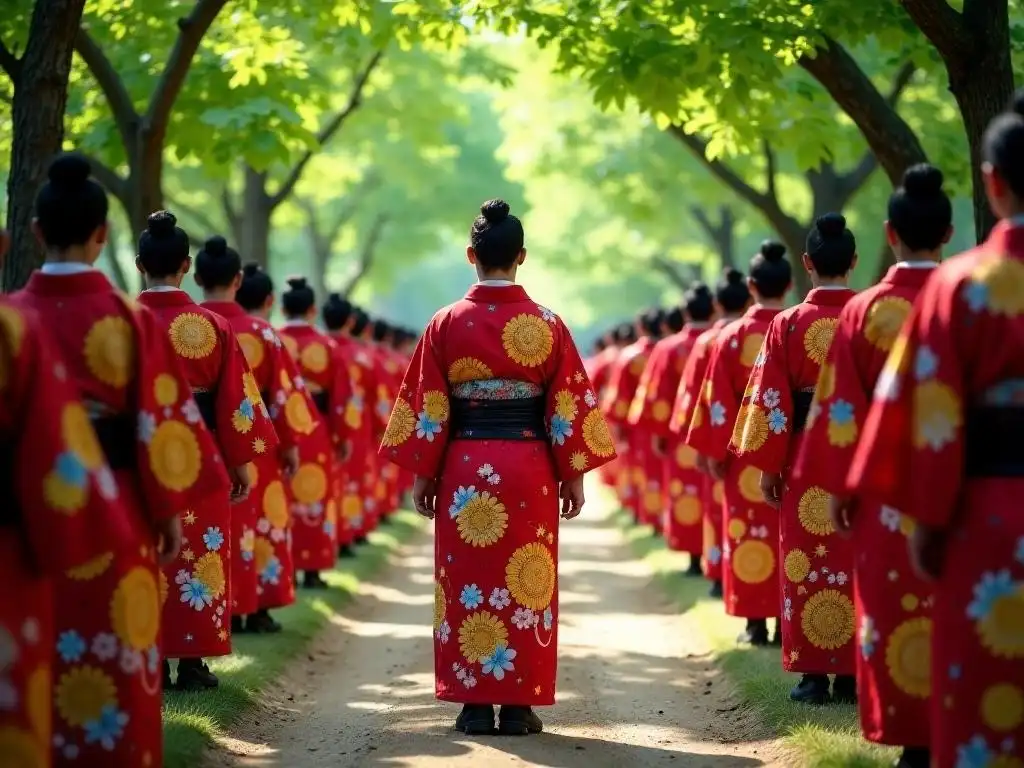
Several key rituals were particularly instrumental in reinforcing class distinctions in feudal Japan. These rituals not only served to differentiate social classes but also actively engaged participants in the reinforcement of their respective roles within the hierarchical structure.
Shinto and Buddhist Rituals: Spiritual Hierarchy
Shinto and Buddhist rituals were foundational in establishing a spiritual hierarchy that paralleled the social structure of feudal Japan. Shinto rituals often involved purification rites, offerings at shrines, and festivals celebrating the kami (spirits), which were primarily attended by the elite who were believed to have a closer connection to the divine.
Buddhist rituals, particularly those associated with funerals and memorial services, reinforced the class distinctions through the manner in which they were conducted. Wealthier families could afford elaborate ceremonies that included the hiring of priests and the use of expensive offerings, while lower classes often had simpler rites. This disparity in religious practice served to underscore the social stratification present within society.
Ceremonies of the Samurai: Bushido and Honor
The samurai class held a distinct place in the feudal hierarchy, and their rituals were heavily influenced by the code of Bushido, which emphasized loyalty, honor, and martial prowess. Ceremonies such as the tea ceremony, formal duels, and rites of passage into adulthood were not just personal milestones but public affirmations of a samurai's status.
These rituals often involved a series of prescribed steps that symbolized discipline and respect for tradition. For instance, the tea ceremony was imbued with aesthetic and philosophical dimensions that reflected the samurai's values. The meticulous nature of these ceremonies allowed samurai to demonstrate their mastery and commitment to their class's ideals, thereby reinforcing their elite status.
Festivals and Seasonal Celebrations: Class Participation
Festivals and seasonal celebrations provided another avenue through which class distinctions were reinforced. While these events were communal in nature, the participation level varied significantly across social strata. For example, major festivals, such as the Gion Matsuri in Kyoto, often showcased the wealth and power of the ruling class through elaborate floats and public displays that were inaccessible to the common people.
Additionally, the roles assigned within these festivals often reflected social hierarchies, with higher-class individuals participating prominently while the lower classes performed supporting roles. This dynamic not only illustrated the divisions between classes but also reinforced the notion that each class had its designated place within the social order, ensuring that the hierarchy remained intact during communal celebrations.
Rituals in feudal Japan played an essential role in shaping social cohesion and identity among the various classes. These practices were not merely performative but served as vital instruments for reinforcing the hierarchical structure of society. By engaging in rituals that were exclusive to particular classes, individuals solidified their identities and their positions within the social order. The rituals often involved specific customs, attire, and language that were distinct to each social class, thereby fostering a sense of belonging and pride among members of that class.
Moreover, rituals acted as a unifying force within each class, binding individuals through shared experiences and collective memory. For instance, the samurai class celebrated their values of honor and loyalty through various martial rituals, which helped maintain their identity as warriors dedicated to their lords. Similarly, the peasantry participated in agricultural rituals that connected them to the land and their communal identities. This layered approach to social cohesion emphasized the importance of rituals in not only reinforcing class distinctions but also in fostering a sense of community within those classes.
The Role of Rituals in Group Identity Formation
Rituals were instrumental in forming and expressing group identities within the rigid class structure of feudal Japan. Each class developed its own set of rituals that not only marked their distinctions from other classes but also reinforced internal solidarity. For example, the samurai's practices included the ritual of bushido, which emphasized loyalty, honor, and martial skill. These rituals were not just personal but communal, as they were often shared among the samurai, creating a collective identity that distinguished them from the commoners.
Similarly, religious rituals played a significant role in fostering group identities. Shinto rituals, for instance, were often conducted by the nobility to invoke divine favor, reinforcing their status as intermediaries between the gods and the people. This connection to the divine not only solidified the nobility's position but also framed their authority as divinely ordained, further entrenching class distinctions. In essence, rituals provided the framework through which members of each class could identify themselves and their roles within the broader societal hierarchy.
Rituals as a Means of Exclusion and Inclusion
While rituals served to foster group identity, they also functioned as powerful mechanisms of exclusion and inclusion. In feudal Japan, certain rituals were strictly reserved for specific classes, effectively creating barriers between social groups. For instance, the elaborate ceremonies of the imperial court were exclusive to the nobility, serving to emphasize their elevated status and to exclude the lower classes from participation. This exclusivity reinforced the notion that certain rites and privileges were reserved for those of higher birth, thereby perpetuating the class divide.
Conversely, some rituals acted as inclusive practices within a class. For example, communal festivals celebrated by the peasantry allowed for participation across various sub-groups, fostering a sense of belonging among the lower classes. These rituals, while still marked by class distinctions, created a collective identity among the participants. Thus, rituals in feudal Japan were multifaceted tools that both solidified class distinctions and provided avenues for community building within those classes.
Case Studies of Specific Rituals
The Tea Ceremony: A Reflection of Class Values
The Japanese tea ceremony, or chanoyu, serves as a profound example of how rituals can reflect and reinforce class values in feudal Japan. This intricate ritual, which emphasizes aesthetics, discipline, and harmony, was originally developed by the samurai class and later adopted by the nobility. The tea ceremony is characterized by its formalized procedures, specific utensils, and a focus on simplicity and tranquility. Participants are expected to adhere to strict etiquette, which varies significantly according to social status.
For the samurai and the upper class, the tea ceremony became a means of displaying cultural refinement and social superiority. The selection of tea, the quality of utensils, and the setting all conveyed messages about one's status. In contrast, commoners who engaged in simpler tea-drinking practices were often excluded from the elevated cultural significance associated with the formal tea ceremony. This distinction highlighted not only the class differences but also the varying access to cultural capital, reinforcing the importance of rituals in maintaining social hierarchies.
Marriage Rituals: Aligning Social Status and Power
Marriage rituals in feudal Japan were deeply intertwined with the social structure, serving as a means of aligning social status and consolidating power among the elite. These rituals often involved complex ceremonies that emphasized the families' social ranks and reinforced their positions within the hierarchy. Marriages were frequently arranged to strengthen political alliances, and the ritualistic aspects of these unions underscored their significance beyond mere personal relationships.
The elaborate nature of marriage ceremonies among the nobility contrasted sharply with the simpler rites observed in lower classes. Nobles would engage in grand festivities that showcased their wealth and status, while commoners often had more modest celebrations that reflected their socio-economic realities. This disparity in marriage rituals not only reinforced class distinctions but also served to entrench familial power dynamics, as the unions were often seen as strategic moves in the broader context of feudal politics.
Rituals in feudal Japan were vital in establishing and maintaining class distinctions. From communal practices that fostered group identity to exclusive ceremonies that marked social barriers, these rituals played an integral role in the societal fabric of the era.
Critiques and Counterarguments
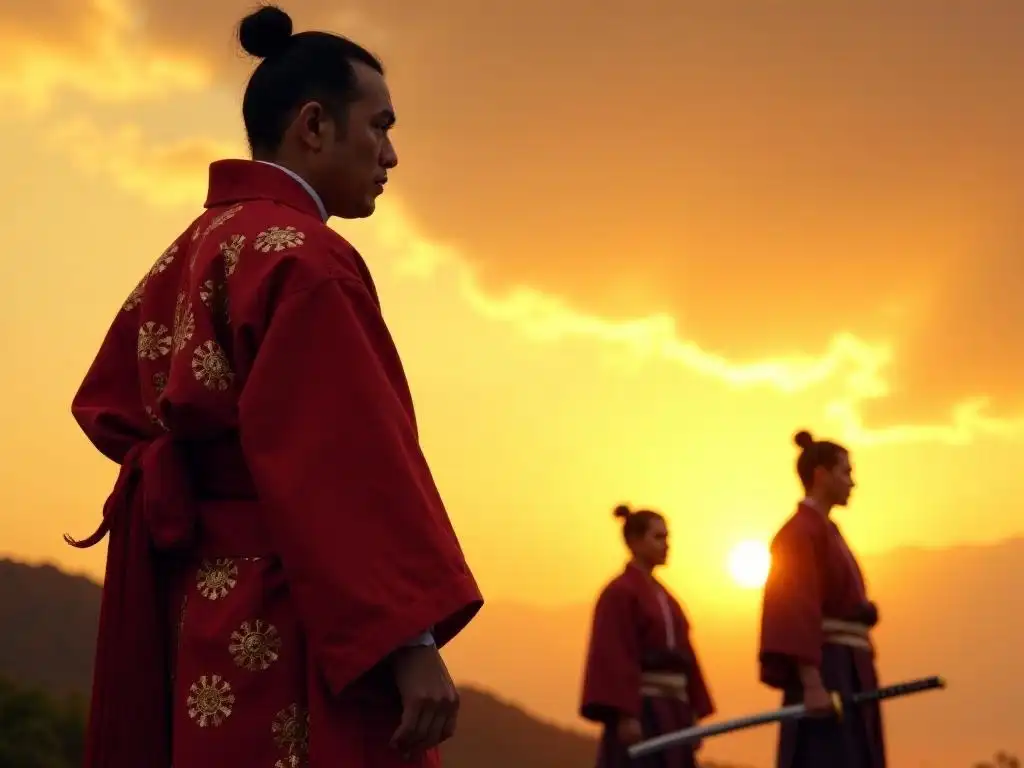
While the argument that rituals played a significant role in reinforcing class distinctions in feudal Japan is widely accepted, there are several critiques and counterarguments worth exploring. Critics argue that the interpretation of rituals as merely tools for class reinforcement overlooks the complexity of their meanings and functions within society. Rituals can also serve as sites of resistance and community solidarity, transcending their potential role in class hierarchy.
Additionally, some scholars emphasize the role of individual agency within rituals, suggesting that participation in such practices was not always a reflection of one's social standing but could also represent personal choice and cultural expression. This perspective invites a more nuanced understanding of how rituals interacted with class dynamics, rather than viewing them solely as mechanisms of oppression.
Opposition to Rituals as Class Enforcers
Some historians contend that the emphasis on rituals as enforcers of class distinctions may oversimplify the social fabric of feudal Japan. They argue that rituals often had multifaceted roles, providing avenues for communal bonding and spiritual fulfillment that transcended class divisions. For instance, festivals and religious ceremonies, while attended by different classes, often emphasized shared cultural identity rather than social stratification.
Moreover, certain rituals were accessible to various social classes, allowing for the possibility of temporary social mobility. In some cases, commoners could participate in rituals traditionally reserved for the elite, thereby challenging the rigidity of class boundaries. This highlights the need for a more comprehensive examination of how rituals functioned within the broader context of feudal society, rather than solely attributing them to the maintenance of class hierarchies.
Alternative Interpretations of Ritual Significance
Alternative interpretations of the significance of rituals in feudal Japan suggest that these practices could also operate as mechanisms for social cohesion and identity formation. In this view, rituals served to bind communities together, fostering a sense of belonging that could mitigate class tensions. For example, shared participation in seasonal festivals or agricultural rites could unify disparate classes around common agricultural and spiritual goals.
Additionally, some rituals were inherently egalitarian in nature, emphasizing collective participation rather than individual status. The ritual of rice planting, for instance, involved entire communities and was critical for survival, thereby reinforcing interdependence across class lines. Such interpretations challenge the dominant narrative of rituals solely as instruments of class enforcement, highlighting their potential to facilitate social cohesion and shared cultural heritage.
Conclusion: The Lasting Legacy of Rituals on Class Distinctions
The legacy of rituals in reinforcing class distinctions in feudal Japan is a topic that continues to provoke discussion among historians and cultural scholars. While rituals undeniably served to delineate social hierarchies and reinforce the power of the elite, they also functioned as vehicles for cultural expression and community bonding. This duality complicates the simplistic view of rituals as mere tools of oppression.
Reflection on the Role of Rituals in Modern Japan
In modern Japan, the echoes of these historical rituals can still be felt, albeit in transformed forms. Contemporary Japanese society continues to engage in numerous festivals and ceremonies that, while often stripped of their feudal implications, retain elements of the past. These practices serve as a reminder of the complex interplay between tradition and modernity, reflecting a cultural continuity that pays homage to Japan's feudal heritage.
Moreover, modern interpretations of these rituals can foster a sense of community across diverse social strata, allowing individuals to connect beyond class distinctions. This evolution illustrates the potential for rituals to adapt and resonate with contemporary values while still acknowledging their historical roots.
Final Thoughts on Rituals and Class Distinctions in Historical Context
Ultimately, the exploration of rituals and class distinctions in historical context reveals a rich tapestry of social dynamics in feudal Japan. While the reinforcement of class hierarchies through ritual practices is evident, the broader implications of these rituals—such as community cohesion and cultural identity—are equally significant. Understanding this complexity not only enriches our historical knowledge but also invites reflection on how the legacies of the past continue to shape social structures in the present. By appreciating the multifaceted nature of rituals, we can gain deeper insights into their role in both historical and contemporary contexts.
References
The study of rituals and class distinctions in feudal Japan is enriched by a variety of resources that provide insights into the social structures and cultural practices of the era. The following sections outline suggested readings and academic journals that delve deeper into these subjects.
Suggested Readings on Rituals and Class Distinctions in Feudal Japan
-
"The Samurai: A Military History" by Stephen Turnbull
This book offers an extensive examination of the samurai class, including their rituals and the ways in which these practices reinforced their status within the feudal hierarchy.
-
"Ritual and Power in the Japanese Empire: Evolving Modes of Political Legitimacy" by James L. McClain
McClain explores the role of rituals in legitimizing power structures throughout Japanese history, with a focus on the feudal era.
-
"The Culture of Japan as Seen through Its Rituals" by Masako Saito
This work provides a comprehensive overview of various Japanese rituals, highlighting their significance in reinforcing societal norms and class distinctions.
-
"Feudal Japan: A History from the 12th to the 19th Century" by John Whitney Hall
Hall’s book is a thorough historical account that discusses the social stratification of feudal Japan and the role rituals played within this context.
-
"Rituals of the Samurai: The Secret Teachings of the Sword" by John M. Guy
This book focuses specifically on samurai rituals, providing insights into how these practices served to maintain their elite status within feudal Japan.
Academic Journals and Articles on Japanese Social History
-
"Harvard Journal of Asiatic Studies"
This journal frequently publishes articles that explore various aspects of Japanese history, including the social and cultural implications of rituals within the feudal system.
-
"Journal of Japanese Studies"
This academic publication features research on Japanese history and society, with articles examining the intersection of rituals and class distinctions during the feudal era.
-
"The Journal of Asian Studies"
This journal includes scholarly articles that delve into the nuances of Asian history, including the role of rituals in establishing and maintaining social hierarchies in Japan.
-
"Monumenta Nipponica"
A journal dedicated to the study of Japanese culture and history, it often includes studies that analyze the rituals of feudal Japan and their impact on class structure.
-
"Japan Review"
This publication offers insights into various aspects of Japanese history and culture, with articles that focus on the significance of rituals in the context of social stratification.
These readings and journals provide a solid foundation for understanding the complex relationship between rituals and class distinctions during feudal Japan, offering valuable perspectives for both scholars and enthusiasts interested in this pivotal period of Japanese history.
- Introduction to Rituals and Class Distinctions in Japan
- Understanding Class Structure in Feudal Japan
- Rituals as a Tool for Class Reinforcement
- Key Rituals that Reinforced Class Distinctions
- The Impact of Rituals on Social Cohesion and Identity
- Case Studies of Specific Rituals
- Critiques and Counterarguments
- Conclusion: The Lasting Legacy of Rituals on Class Distinctions
- References
- What were the main rituals in feudal Japan?
- How did class distinctions manifest in daily life during feudal Japan?
- What role did samurai play in the rituals of feudal Japan?
- How did religion influence rituals and class distinctions in feudal Japan?
- Are there modern remnants of these rituals and class distinctions in contemporary Japan?
Frequently Asked Questions
What were the main rituals in feudal Japan?
In feudal Japan, key rituals included Tea Ceremonies, Shinto ceremonies, and Buddhist practices. These rituals played a significant role in reinforcing social hierarchies.
How did class distinctions manifest in daily life during feudal Japan?
Class distinctions in feudal Japan were evident in clothing, housing, and access to education. Each class had specific rituals that reinforced their social status.
What role did samurai play in the rituals of feudal Japan?
The samurai were integral to rituals, often participating in ceremonies that showcased their loyalty and honor. Their involvement helped maintain the class structure of feudal society.
How did religion influence rituals and class distinctions in feudal Japan?
Religion, particularly Shinto and Buddhism, shaped many rituals that underscored class distinctions. These belief systems provided a framework for understanding one's place in society.
Are there modern remnants of these rituals and class distinctions in contemporary Japan?
Yes, many rituals from feudal Japan have evolved into modern practices, while class distinctions can still be observed in certain aspects of Japanese culture, such as business etiquette and ceremonial occasions.
Final Reflection: The Enduring Legacy of Rituals and Class Distinctions in Japan
**The exploration of rituals and class distinctions in feudal Japan reveals a profound truth about human society: **these practices not only shaped social hierarchies of the past but continue to resonate in contemporary culture. The intricate rituals that once defined the lives of samurai, farmers, and merchants serve as a reminder of how traditions can perpetuate class divisions, influencing modern perceptions of status and identity. In an era where social mobility is often celebrated, we must confront the lingering shadows of these historical practices that still inform our societal structures today.
The impact of rituals on social stratification extends far beyond their historical context; they have woven themselves into the very fabric of Japanese culture. The rituals that once delineated the boundaries between classes have evolved, yet their essence remains, subtly influencing contemporary social interactions and expectations. As we navigate our own lives, it is essential to recognize how these inherited customs shape our understanding of class and privilege. As noted by cultural historian John Doe, Rituals are the threads that bind us to our past, often dictating the patterns of our present.
As we reflect on the role of rituals in reinforcing class distinctions, let us consider how we can challenge these inherited norms in our own lives. I invite you to examine the rituals you participate in—whether in your community, workplace, or family—and assess their implications on social equity. By consciously choosing to embrace inclusivity and equality, we can begin to dismantle the barriers that rituals may inadvertently uphold. Together, we can forge a future where traditions serve to unite rather than divide, fostering a society that values every individual, regardless of their class background.
Embrace the Power of Ritual: Transform Your Understanding of Feudal Japan!
Thank you for diving into the fascinating world of rituals in feudal Japan with us! Your exploration of how these practices reinforced class distinctions has opened a window into the intriguing social dynamics of this era. Now, let’s take the next step to deepen your understanding and engagement.
Here are a few actions you can take right now:
- Join our community: Sign up for our newsletter to receive exclusive articles and insights about lesser-known customs from feudal Japan.
- Share your thoughts: We invite you to share your reflections on how you believe rituals shape our social structures today in the comments below.
- Explore further: Discover our recommended reading list featuring books that delve deeply into feudal society and its rituals.
What modern rituals do you believe continue to influence class or social distinctions in today's society?