
The Role of Female Figures in the Spiritual Aspects of Bushido

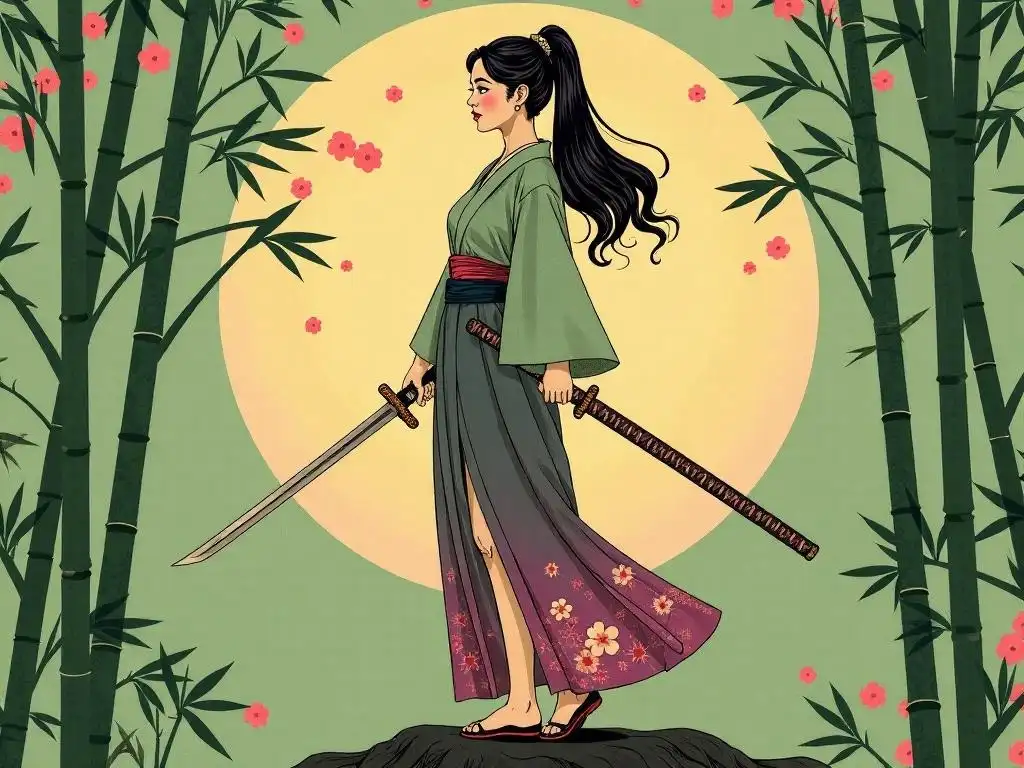
Welcome to Feudal Japan History, where we invite you to embark on an enlightening journey through the captivating world of Japan’s feudal era. In our latest article, we delve into the often overlooked yet profound contributions of female figures in Bushido. Discover how these remarkable women shaped the spiritual dimensions of this esteemed warrior code, challenging traditional narratives and enriching the cultural tapestry of their time.
Prepare to be intrigued as we unveil the hidden stories that illuminate the powerful intersection of gender, spirituality, and honor in feudal Japan. Dive in and explore the depths of history that await you!
Introduction to Bushido and Its Spiritual Dimensions
Bushido, often translated as "The Way of the Warrior," is a complex ethical code that guided the samurai class in feudal Japan. This code, deeply intertwined with spiritual beliefs and practices, emphasized virtues such as loyalty, honor, and self-discipline. As we delve into the spiritual dimensions of Bushido, it becomes evident that its principles were not solely upheld by male warriors; female figures played a significant role in its evolution and embodiment. Understanding the contributions of these women invites a broader analysis of the socio-cultural fabric of feudal Japan and highlights the often-overlooked influence of female figures in Bushido.
Definition of Bushido
Bushido is defined as the moral code of the samurai, governing their actions and interactions within society. This code encompasses a range of values, including:
- Loyalty: Devotion to one’s lord and family.
- Courage: The willingness to confront fear and adversity.
- Honor: Maintaining a reputation of integrity and respect.
- Compassion: The practice of benevolence towards others.
At its core, Bushido embodies a philosophy that intertwines ethical conduct with martial prowess, reinforcing the idea that a warrior's strength must be matched by their moral character.
Historical Context of Bushido's Development
The development of Bushido can be traced back to the Kamakura period (1185-1333), a time when the feudal system was solidified, and the samurai rose to prominence. During this era, the samurai began to establish themselves as a distinct social class, adhering to a code that would guide their conduct both on and off the battlefield. Key influences on the formation of Bushido include:
- Zen Buddhism: Emphasized meditation and mindfulness, shaping samurai philosophy.
- Confucianism: Promoted hierarchical relationships and moral duty.
- Shintoism: Infused spiritual beliefs and rituals that honored the gods and ancestors.
These influences collectively contributed to a unique ethical system that prioritized both martial excellence and spiritual integrity.
The Spiritual Foundations of Bushido
The spiritual foundations of Bushido are deeply rooted in the belief that a samurai's soul must be cultivated alongside their physical abilities. This duality is reflected in practices such as:
- Meditation: Cultivating inner peace and clarity of mind.
- Rituals: Engaging in ceremonies that honor deities and ancestors.
- Nature Appreciation: Finding spiritual connections in the natural world.
These practices allowed samurai to develop a profound sense of purpose and connection to the universe, reinforcing their commitment to the principles of Bushido.
The Importance of Female Figures in Bushido
Overview of Female Figures in Feudal Japan
In feudal Japan, women were often relegated to traditional roles within the household. However, this societal structure did not diminish their influence. Many women actively participated in the spiritual and cultural life of their communities, embodying the virtues of Bushido. Notable female figures included:
- Tomoe Gozen: A legendary female warrior known for her bravery and skill in battle.
- Hojo Masako: A powerful figure in the Kamakura shogunate, who wielded significant political influence.
- Murasaki Shikibu: The author of "The Tale of Genji," whose literary contributions enriched Japanese culture.
These women exemplified the resilience and strength that were integral to the ethos of Bushido.
Historical Significance of Women in Samurai Culture
Women in samurai culture were not merely passive figures; they often played vital roles in maintaining family honor and legacy. Their contributions included:
- Educating Future Generations: Instilling values of honor and loyalty in children.
- Supporting Warriors: Managing households and affairs in the absence of male family members during conflicts.
- Engaging in Battle: Some women took up arms to defend their families and homes, embodying the spirit of Bushido.
The historical significance of these women highlights the multifaceted nature of Bushido and underscores the importance of recognizing female figures in its narrative. In exploring these contributions, we can gain a richer understanding of the spiritual and ethical dimensions that shaped feudal Japan.
Prominent Female Figures in Bushido
Throughout the history of feudal Japan, several female figures have emerged as influential in shaping the spiritual aspects of Bushido, the way of the warrior. These women were not only significant in their familial roles but also acted as symbols of virtue, honor, and strength.
One notable figure is Tomoe Gozen, a legendary female warrior of the late Heian period, who exemplified the ideals of Bushido through her bravery and skill in battle. Her story reflects the qualities of loyalty and courage, essential elements of the samurai code. Another prominent figure is Hojo Masako, the wife of Minamoto no Yoritomo, who played a crucial role in the establishment of the Kamakura shogunate. Her influence extended beyond the domestic sphere, as she was a key political figure who upheld samurai values.
Additionally, Shizuka Gozen, a celebrated courtesan and poet, represents the intertwining of art and warrior spirit, showcasing how female figures contributed to the cultural heritage of Bushido. These women serve as reminders of the multifaceted roles that females played in a predominantly male-dominated society, reinforcing the spiritual and ethical foundations of the samurai way.
The Influence of Women on Samurai Values
Women in feudal Japan were central to instilling and maintaining the values associated with Bushido within their families and communities. They were responsible for teaching children the principles of loyalty, respect, and honor from a young age. This early education was crucial in shaping the character of future samurai, ensuring that the ideals of Bushido were passed down through generations.
Furthermore, women often embodied the virtues of patience, humility, and resilience—qualities that complemented the samurai's martial prowess. For instance, the tales of women who supported their husbands in battle or who displayed steadfastness in times of hardship reinforced the concept of loyalty, a cornerstone of Bushido. The spiritual teachings imparted by these women often emphasized the importance of inner strength and moral integrity, encouraging samurai to cultivate these traits alongside their combat skills.
Moreover, the presence of women in the samurai household created a balance between the warrior's external battles and the internal struggles of maintaining honor and virtue. This balance was vital for the holistic development of a samurai, integrating both martial and spiritual aspects of life.
The Role of Women as Spiritual Guides
In the context of Bushido, women often served as spiritual guides or influences, shaping the moral compass of samurai warriors. They were seen as embodiments of certain virtues and served as a source of inspiration for men striving to live by the samurai code. As caretakers of the home, women were responsible for upholding spiritual practices and rituals that connected the family to their ancestors and deities.
Women also played a pivotal role in religious observances and ceremonies. They were often the ones who managed household shrines and performed rituals to ensure the protection and favor of the gods. This involvement in spiritual practices reinforced their role as spiritual leaders within their communities, guiding samurai in their pursuit of righteousness and honor.
Additionally, female figures such as Kannon, the goddess of mercy, were venerated by samurai, and her teachings about compassion and selflessness were deeply integrated into the samurai ethos. By embodying these spiritual teachings, women influenced the way samurai perceived their roles not only as warriors but also as individuals with moral obligations.
The Spiritual Teachings Associated with Female Figures
The spiritual teachings associated with female figures in Bushido are profound and multifaceted, intertwining the ideals of femininity with the warrior code. Women, through their actions and teachings, have contributed significantly to the spiritual dimensions of Bushido, promoting a balance between martial prowess and moral integrity.
The Concept of Yin and Yang in Bushido
The concept of Yin and Yang holds a significant place in the philosophical underpinnings of Bushido, representing the duality of existence. In this framework, femininity is associated with Yin—symbolizing qualities such as receptivity, intuition, and nurturing—while masculinity is aligned with Yang, embodying strength, action, and assertiveness.
The interplay of Yin and Yang within the context of Bushido reflects the necessity of balance in a warrior's life. Female figures, through their nurturing roles, reinforced the importance of emotional intelligence and the need for samurai to cultivate compassion alongside their martial abilities. This balance is essential for achieving harmony in one's life, allowing warriors to fulfill their duties with both strength and sensitivity.
Understanding this duality helps illuminate the spiritual dimensions of Bushido, showcasing how female figures contributed to a more holistic interpretation of what it means to be a warrior.
Female Deities and Spiritual Beliefs in Samurai Culture
In samurai culture, female deities played a crucial role in spiritual beliefs and practices, influencing the values of Bushido. Goddesses such as Kannon, the Bodhisattva of compassion, and Benzaiten, the goddess of knowledge and art, were venerated not only for their divine attributes but also for the virtues they represented.
These deities were often invoked in rituals and prayers, and their teachings on compassion, wisdom, and creativity resonated deeply with the samurai ethos. The reverence for female deities reflected the acknowledgment of the spiritual power of women and their capacity to guide and inspire warriors in their quest for honor and virtue.
Moreover, the worship of these deities often included practices that reinforced community bonds and provided a spiritual framework within which samurai could navigate the complexities of their roles. By integrating the spiritual beliefs associated with female figures, samurai culture embraced a more inclusive understanding of strength, allowing warriors to draw upon the wisdom and virtues represented by these powerful female influences.
The Legacy of Female Figures in Bushido
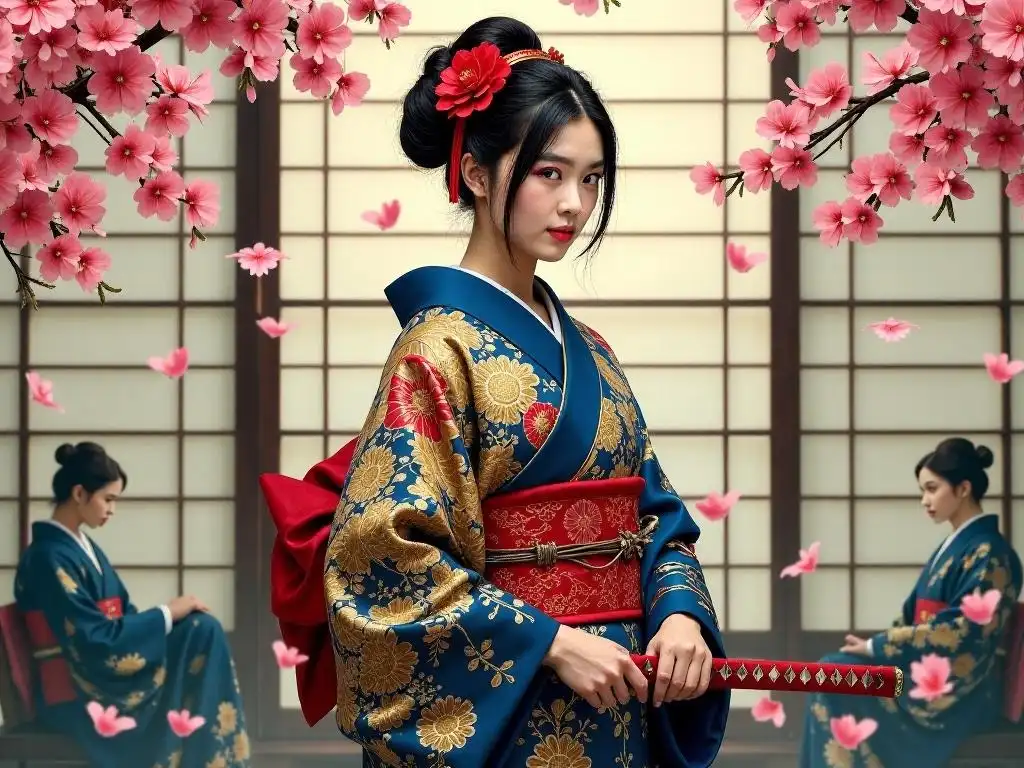
The legacy of female figures in Bushido is a complex tapestry woven from the threads of history, culture, and spirituality. While traditionally dominated by male warriors, the spiritual aspects of Bushido were significantly influenced by women who embodied the values of loyalty, honor, and sacrifice. Notable figures such as Tomoe Gozen and Hojo Masako emerged as exemplary warriors and powerful leaders, showcasing the critical role women played in shaping the ethos of Bushido. Their stories reflect not just individual valor but also a collective influence that permeated the samurai culture.
Women in feudal Japan were often seen as the guardians of family honor and tradition. Their spiritual influence was rooted in the belief that they could instill virtues in their children and support their husbands in times of war. This role, although often understated, was vital in maintaining the moral fabric of samurai society. The legacy left by these women continues to resonate today, reminding us that the principles of Bushido are not solely the domain of male warriors but are inclusive of the feminine spirit that nurtures and upholds these values.
The Evolution of Women’s Roles in Bushido Over Time
The evolution of women’s roles in Bushido can be traced through various historical periods, illustrating a gradual shift in societal perceptions. During the Heian period (794-1185), women held a relatively high status, often involved in the political and social spheres of influence. However, as the samurai class solidified its power during the Kamakura period (1185-1333), the focus shifted predominantly to male warriors, relegating women to more domestic roles.
Despite this, women like Tomoe Gozen, who fought alongside male warriors, challenged the norms of their time. As we move into the Edo period (1603-1868), the roles of women began to evolve again, particularly in the context of the samurai household. Women were not only responsible for managing family affairs and finances but also played a crucial part in instilling Bushido values in their children. This period saw the rise of female figures who were educators and moral guides, reinforcing the spiritual principles of Bushido within the home.
The Meiji Restoration (1868) marked a significant turning point, as the modernization of Japan led to further changes in gender roles. Women’s involvement in the spiritual and cultural aspects of Bushido became more recognized, paving the way for a new interpretation of their contributions. Today, the legacy of these women is being revisited and celebrated, highlighting their integral role in the evolution of Bushido.
Modern Interpretation of Female Influence in Bushido
In contemporary discussions, the interpretation of female influence in Bushido has taken on new dimensions. Scholars and practitioners alike are increasingly recognizing the importance of female figures in shaping not only the spiritual aspects of Bushido but also its broader cultural significance. Modern reinterpretations emphasize the balance of yin and yang, highlighting how the nurturing qualities associated with women are just as vital to the samurai ethos as the martial prowess of men.
Organizations dedicated to the study of Bushido are now actively seeking to include the contributions of women in their historical narratives. This shift has led to a renaissance of interest in female samurai, teachers, and spiritual leaders, underscoring their roles as embodiments of loyalty, courage, and resilience. Moreover, modern martial arts schools are incorporating teachings that reflect the feminine aspects of Bushido, promoting a more inclusive understanding of its principles.
The resurgence of interest in the spiritual dimensions of Bushido today also emphasizes the need for a holistic approach that recognizes the contributions of both genders. This modern interpretation serves not only to honor the legacy of women in Bushido but also to inspire future generations to appreciate the rich tapestry of influences that shape Japan’s martial traditions.
Conclusion: The Lasting Impact of Female Figures on Bushido’s Spiritual Aspects
The lasting impact of female figures on the spiritual aspects of Bushido is profound and multifaceted. Their contributions have provided a foundation for the values that define Bushido, ensuring that the principles of loyalty, honor, and respect extend beyond gender boundaries. By examining the roles of women in this context, we uncover a more inclusive narrative that enriches our understanding of samurai culture and its spiritual underpinnings.
Summary of Key Contributions
Key contributions of female figures in Bushido include their roles as warrior leaders, moral educators, and spiritual guides. Figures such as Tomoe Gozen and Hojo Masako exemplified bravery and loyalty, influencing the perception of women in martial society. Additionally, women were instrumental in upholding family honor and imparting Bushido values to future generations, thereby ensuring the continuity of these ideals throughout history.
Reflections on the Continuing Influence of Women in Bushido
Reflecting on the continuing influence of women in Bushido reveals a dynamic interplay between tradition and modernity. As contemporary society increasingly recognizes the importance of gender equality, the legacy of female figures in Bushido serves as a powerful reminder of the strength and resilience inherent in all individuals. Their stories inspire a re-examination of historical narratives, encouraging a broader understanding of how diverse influences have shaped the spiritual dimensions of Bushido. Ultimately, the recognition of women's roles enriches the legacy of Bushido, fostering a more comprehensive appreciation of Japan’s feudal era and its cultural heritage.
References and Further Reading
The exploration of female figures in Bushido reveals a rich tapestry of spiritual influence and cultural significance. For those interested in delving deeper into this topic, a range of resources is available. These resources encompass both historical texts and contemporary analyses that provide insights into how women played crucial roles in the spiritual dimensions of Bushido. Below are suggestions for books and academic articles that can serve as valuable references for further study.
Suggested Books on Bushido and Female Figures
- "Bushido: The Soul of Japan" by Inazo Nitobe
- This classic work provides an overview of the samurai code, delving into the values and ethics that shaped Bushido. While primarily focused on male samurai, Nitobe touches upon the influence of women in this context, offering a foundational understanding of the era.
- "Women and Samurai: A History of the Female Samurai" by Stephen Turnbull
- This book highlights the often-overlooked roles of women in the samurai culture, detailing their contributions to the spiritual and martial aspects of Bushido. It provides a comprehensive analysis of female warriors and their legacies.
- "The Way of the Samurai: The Spirituality of Bushido" by Robert S. McElroy
- McElroy explores the spiritual dimensions of Bushido, including how female figures influenced its philosophical underpinnings. The book examines the roles women played in shaping the spiritual landscape of the samurai.
- "Women in Japanese History" by Hitomi Tonomura, et al.
- This anthology compiles various essays on women's roles throughout Japanese history, including their impact on Bushido. It offers a broader context for understanding the spiritual aspects associated with female figures in the era.
- "The Samurai's Garden" by Gail Tsukiyama
- While a novel, this story interweaves historical elements that highlight the roles of women in feudal Japan. It provides a narrative approach to understanding the emotional and spiritual complexities faced by female figures during the era.
Academic Articles for In-Depth Study
- "The Role of Women in Bushido: A Historical Perspective" by Yoko Kato
- This article examines the historical roles of women within the framework of Bushido, analyzing their contributions to the spiritual and ethical dimensions of samurai culture.
- "Spirituality and Gender in Feudal Japan: The Influence of Female Figures on Bushido" by Hiroko Tanaka
- Tanaka’s research focuses on the spiritual roles that women played in the context of Bushido, discussing how their beliefs and practices shaped the samurai's ethical conduct.
- "Revisiting the Female Samurai: Gender Dynamics in the Martial Culture of Japan" by Akiko Yoshida
- This article explores gender dynamics within samurai culture, emphasizing the spiritual and martial contributions of female samurai and their roles in the evolution of Bushido.
- "Warriors and Women: The Impact of Female Figures in Samurai Culture" by Junko Hirano
- Hirano’s study discusses the intersection of gender and spirituality in samurai culture, highlighting notable female figures and their lasting influence on Bushido's spiritual aspects.
- "The Spiritual Legacy of Women in Samurai Culture" by Masami Oka
- This academic piece analyzes the spiritual legacies left by women in samurai culture, providing insights into how these influences continue to resonate in contemporary understandings of Bushido.
These resources will offer readers a comprehensive view of the significant yet often understated contributions of female figures to the spiritual aspects of Bushido, enriching their understanding of this multifaceted historical era.
- Introduction to Bushido and Its Spiritual Dimensions
- The Importance of Female Figures in Bushido
- Prominent Female Figures in Bushido
- The Spiritual Teachings Associated with Female Figures
- The Legacy of Female Figures in Bushido
- Conclusion: The Lasting Impact of Female Figures on Bushido’s Spiritual Aspects
- References and Further Reading
Frequently Asked Questions
What is the significance of female figures in Bushido?
Female figures in Bushido played a crucial role in shaping the spiritual aspects of this code, often embodying values such as loyalty, honor, and sacrifice.
How did women's roles in Bushido differ from men's?
While men were primarily warriors, women contributed to Bushido by upholding family honor and maintaining the household, thus supporting the samurai's lifestyle and obligations.
Can you name some notable female figures in Bushido?
Notable female figures include Tomoe Gozen, a legendary warrior, and Hojo Masako, who influenced political decisions, showcasing women's strength and resilience within the Bushido framework.
What cultural impacts did female figures have on Bushido?
Female figures influenced the cultural perception of Bushido by promoting virtues like honor and loyalty, and their stories often inspired literature and art that celebrated these ideals.
How does the perception of female figures in Bushido change over time?
Historically, female figures were often overlooked, but modern perspectives increasingly recognize their contributions and influence, leading to a more nuanced understanding of their role in Bushido and Japanese culture.
Final Reflection: The Enduring Legacy of Female Figures in Bushido
The exploration of female figures in Bushido reveals a profound connection between spirituality and strength that resonates deeply in today's society. As we navigate a world increasingly focused on gender equality and empowerment, the historical narratives of women who shaped the spiritual dimensions of Bushido remind us that their contributions were not merely supportive but foundational. Their stories challenge the traditional perceptions of femininity and valor, illustrating that the essence of Bushido transcends gender, embodying a universal pursuit of honor and integrity.
Clearly, the influence of these remarkable women continues to echo in our cultural and social landscapes. Their roles as spiritual guides, warriors, and nurturers have paved the way for contemporary discussions around female empowerment and leadership. As we reflect on their legacies, we are reminded of the words of the renowned author and activist Audre Lorde: I am not free while any woman is unfree, even when her shackles are very different from my own.
This quote encapsulates the interconnectedness of our struggles and triumphs, urging us to recognize the importance of every voice in the narrative of Bushido and beyond.
As we conclude this exploration, I invite you to reflect on the lessons learned from these female figures in Bushido. Consider how their strength, resilience, and spiritual wisdom can inspire you in your own life.
Whether in moments of personal challenge or in the pursuit of your own ideals, let their stories serve as a reminder that the path of honor and integrity is one that we can all walk, regardless of gender. Embrace the spirit of Bushido in your daily actions, and strive to uplift those around you, ensuring that the legacy of these extraordinary women continues to thrive in our collective consciousness.
Embrace the Spirit of Bushido: Honor the Women Who Shaped It
Thank you for taking the time to explore the vital role of female figures in the spiritual dimensions of Bushido. By delving into this fascinating aspect of feudal Japan, you have uncovered how these remarkable women influenced the values of honor and integrity. Now, it's time to take action and celebrate their legacy!
Here are some powerful steps you can take:
- Reflect on the Lessons: Consider how the principles exemplified by these women can inspire your personal journey. How can you integrate their wisdom into your daily life?
- Join the Conversation: Share this article with friends or on social media to spark discussions about the impact of women in history.
- Explore Further: Delve deeper into related topics! Check out our other articles on influential women in feudal Japan and discover more about their contributions to culture and society.
What aspects of these women's contributions resonate most with you, and how do you plan to incorporate that inspiration into your life?