
Literary Gems: Poetry and Prose of the Heian and Kamakura Periods

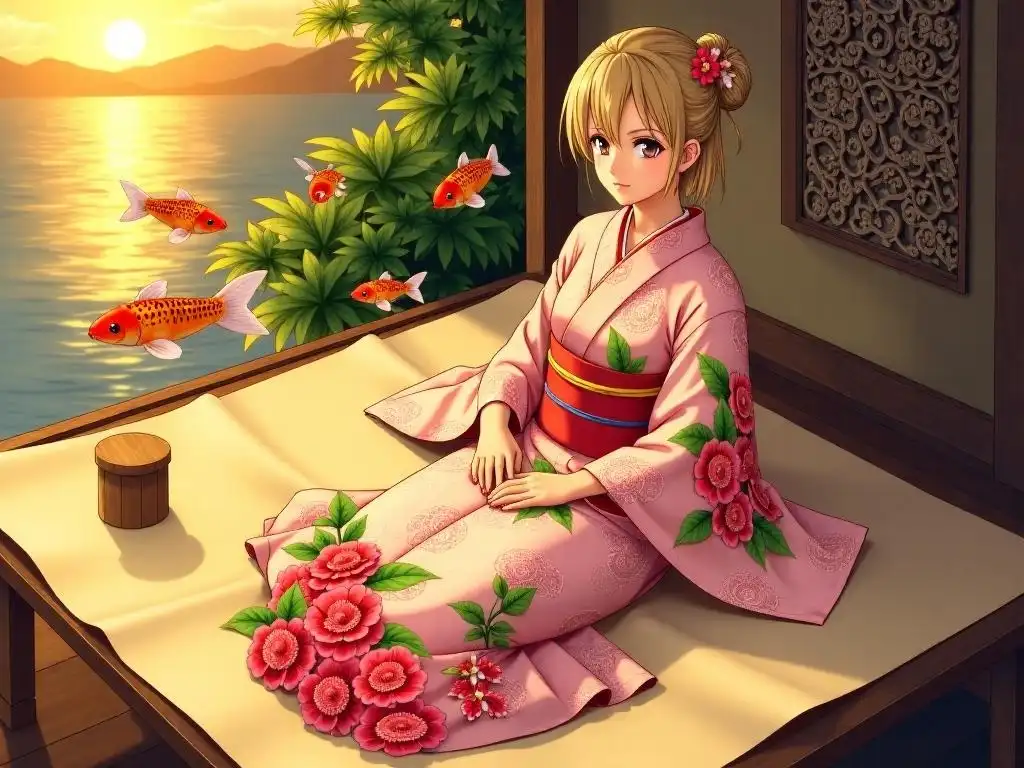
Welcome to Feudal Japan History, where we embark on a fascinating journey through the intricate tapestry of Japan’s feudal era. Here, we delve deep into the rich literary heritage that flourished during the Heian and Kamakura periods, revealing the poetry and prose that shaped a nation’s identity.
Get ready to uncover literary gems that not only reflect the artistic brilliance of the age but also offer profound insights into the cultural and societal dynamics of the time. Join us as we explore how these timeless works continue to resonate today, inviting you to delve deeper into the enchanting world of Heian Kamakura period literature.
- Introduction to Heian and Kamakura Period Literature
- Key Themes in Heian Kamakura Period Literature
- Notable Works of the Heian Period
- Essential Works of the Kamakura Period
- Comparative Analysis of Heian and Kamakura Literature
- The Legacy of Heian and Kamakura Literature
- How to Explore Heian Kamakura Period Literature
- Conclusion: The Enduring Appeal of Heian and Kamakura Literature
- Additional Resources
-
Frequently Asked Questions
- What are the main characteristics of Heian period literature?
- How did Kamakura period literature differ from that of the Heian period?
- Who were some prominent authors of the Heian and Kamakura periods?
- What themes are prevalent in Heian Kamakura period literature?
- How did the societal structure influence literature in the Heian and Kamakura periods?
- Final Reflection: The Enduring Legacy of Heian and Kamakura Period Literature
- Unleash Your Literary Curiosity!
Introduction to Heian and Kamakura Period Literature
The literature of the Heian (794-1185) and Kamakura (1185-1333) periods represents a pivotal chapter in Japan's cultural history, marked by profound artistic expression and intellectual pursuit. These eras witnessed the emergence of unique literary forms and styles that not only reflected the societal norms of the time but also laid the groundwork for future generations of writers.
The Heian period, often celebrated for its courtly elegance and refinement, produced some of the most significant literary works in Japanese history, including the renowned "The Tale of Genji," considered the world's first novel. Meanwhile, the Kamakura period introduced a shift towards realism and philosophical inquiry, showcasing the writings of prominent figures such as the poet Saigyo and the monk Dogen.
This exploration will delve into the intricate layers of Heian Kamakura period literature, examining its historical context, major works, and the underlying themes that resonate through these texts. By understanding the nuances of this literary heritage, we can appreciate how it not only shaped Japan's cultural landscape but also contributed to the global literary canon.
Overview of the Heian Period (794-1185)
The Heian period is characterized by a flourishing of arts and literature, largely cultivated within the elite circles of the imperial court in Kyoto. This era saw the rise of a distinct Japanese identity, moving away from Chinese influences that had dominated prior centuries.
- Major Literary Developments:
- The development of kana, a phonetic script that allowed for greater expression in the Japanese language.
- The emergence of nikki (diaries), monogatari (tales), and uta (poetry), with works such as "The Pillow Book" by Sei Shonagon and "The Tale of Genji" by Murasaki Shikibu.
- Cultural Context:
- The Heian court was a place of elaborate customs and etiquette, which deeply influenced the literature of the time. Themes of love, nature, and the transient beauty of life were prevalent in poetic expressions.
- Notable Figures:
- Murasaki Shikibu and Sei Shonagon stand out as two of the most significant literary figures, their works offering insights into court life and the emotional landscape of the period.
Overview of the Kamakura Period (1185-1333)
Transitioning into the Kamakura period, Japan experienced political upheaval and the rise of the samurai class, which significantly impacted its literature. This era is marked by a shift in focus from the court to the more rugged and realistic life of the warrior class.
- Key Literary Trends:
- The emergence of narrative poetry and thematic writings that reflect the experiences and philosophies of the samurai.
- Works like "The Tale of the Heike," which recounts the rise and fall of the Taira clan, highlight the ethos of the warrior class.
- Cultural and Spiritual Influences:
- The introduction of Zen Buddhism profoundly influenced the literature of this period, with a focus on simplicity, nature, and existential themes.
- Prominent Writers:
- Figures such as the poet Saigyo, whose verses capture the essence of impermanence and beauty, and Dogen, who penned philosophical texts that merged spirituality with poetic expression.
Significance of Literature in Feudal Japan
Literature during the Heian and Kamakura periods was not merely a form of entertainment; it played a crucial role in shaping cultural identity and societal values. The texts from these eras reflect the complexities of human emotion, the intricacies of court life, and the philosophical inquiries of the samurai.
- Cultural Reflection:
- The literature served as a mirror to the changing dynamics of Japanese society, providing insights into the values, struggles, and aspirations of its people.
- Preservation of History:
- Works from these periods have preserved historical narratives and cultural practices, contributing to a deeper understanding of Japan's feudal past.
- Influence on Modern Literature:
- The themes and styles developed during these times continue to resonate in contemporary Japanese literature, highlighting their enduring legacy.
The exploration of Heian and Kamakura period literature not only enhances our understanding of Japan's historical narrative but also enriches our appreciation of the artistic expressions that have shaped its cultural identity.
Key Themes in Heian Kamakura Period Literature
The Heian and Kamakura periods, spanning from the late 8th century to the early 14th century, are renowned for their rich literary heritage. The literature of these eras, characterized by its profound themes and stylistic innovations, reflects the complexities of life in feudal Japan. This section delves into the prominent themes found in Heian Kamakura period literature, showcasing how these elements encapsulate the cultural and societal dynamics of the time.
The Influence of Nature in Heian Literature
Nature plays a pivotal role in Heian literature, serving as a backdrop for emotional expression and philosophical contemplation. Poets and writers frequently drew inspiration from the natural world, embedding it within their works to evoke feelings, set moods, and reflect the changing seasons.
- Imagery and Symbolism: The seasons are often employed as metaphors for the human experience. For example, cherry blossoms symbolize the transient beauty of life, while the changing hues of autumn leaves reflect the inevitability of aging and loss.
- Notable Works: In The Tale of Genji, Murasaki Shikibu masterfully intertwines nature with the protagonist's emotional journey, using the environment to enhance the narrative. The depiction of the gardens, rivers, and mountains serves to highlight the characters' inner turmoil and joys.
- Poetic Forms: The use of waka, a traditional Japanese poetry form, is prevalent during this period. Composed of 31 syllables, waka often encapsulates deep feelings and observations about nature. The famous poet Ono no Komachi utilized this form to express her longing and despair, emphasizing the connection between nature and human emotion.
The Role of Emotion and Personal Experience
Emotion and personal experience are central to the literature of the Heian period, where writers often highlighted their inner lives and personal struggles. This introspective approach paved the way for a rich exploration of the human condition.
- Personal Narratives: Heian literature is marked by a shift towards personal narrative, where authors like Sei Shonagon in The Pillow Book share their observations and feelings about court life, love, and social dynamics. This work showcases a blend of wit, humor, and keen observation, reflecting the author's individuality and emotional landscape.
- Universal Themes: The exploration of love, loss, and longing resonates deeply across time, making these works timeless. The emotional depth found in Heian literature allows readers to connect with the past, as the authors candidly express their vulnerabilities and desires.
- Cultural Reflection: The emphasis on emotion also reflects the societal values of the Heian court, where personal relationships and aesthetic appreciation were paramount. Literature became a means for individuals to navigate the complexities of social interactions and personal identity.
Transition to Realism in Kamakura Literature
As Japan transitioned into the Kamakura period, literature began to reflect a shift towards realism, moving away from the idealized portrayals of the Heian era. This shift brought about a more grounded exploration of life, society, and human relationships.
- New Themes: The literature of the Kamakura period often addresses themes of war, loyalty, and the realities of samurai life. Works such as The Tale of the Heike depict the struggles and triumphs of the warrior class, marking a departure from the courtly focus of earlier literature.
- Character Development: Unlike the often archetypical characters of the Heian period, Kamakura literature presents complex, multifaceted protagonists. This change allows for deeper character studies, highlighting the moral dilemmas and internal conflicts faced by individuals in a rapidly changing society.
- Emergence of New Literary Forms: The Kamakura period also saw the rise of new literary forms such as narrative prose and didactic literature, reflecting the increasing importance of historical accounts and practical knowledge. These forms served not only to entertain but also to educate readers about the social and political realities of the time.
The literature of the Heian and Kamakura periods provides a fascinating lens through which to view Japan's feudal history. The interplay between nature, emotion, and realism in these works not only enriches our understanding of the era but also highlights the enduring power of literature to convey the complexities of human experience.
Notable Works of the Heian Period
"The Tale of Genji" by Murasaki Shikibu
Overview and Themes
"The Tale of Genji," often hailed as the world's first novel, was penned by Murasaki Shikibu in the early 11th century during the Heian period. This work intricately weaves the life and romantic escapades of Hikaru Genji, the son of a powerful emperor, exploring themes of love, loss, and the fleeting nature of life. The narrative is rich with psychological depth, showcasing the complexities of human emotions and relationships within the context of the aristocratic court.
The novel is divided into 54 chapters, each exploring various facets of Genji's life and the lives of those around him. Central themes include:
- Mono no Aware: The concept of the beauty of fleeting moments and the sorrow of their transience.
- Courtly Life and Politics: The intricacies of Heian-era court life and the power dynamics at play.
- Romantic Relationships: A deep exploration of love's complexities, including unrequited love and the societal implications of relationships.
Cultural Impact and Legacy
"The Tale of Genji" has left an indelible mark on Japanese literature and culture. Its influence extends beyond literature into art, theater, and even modern popular culture. The novel's intricate character development and emotional depth have inspired countless writers and artists, both in Japan and internationally.
Moreover, the text has been the subject of extensive scholarly study, leading to various interpretations and adaptations across mediums. Its lasting legacy is evident in its continued presence in academic discussions and its representation in visual arts, such as ukiyo-e prints depicting scenes from the narrative.
Recommended Editions and Versions
For readers interested in exploring "The Tale of Genji," several editions provide different insights and translations:
- The Tale of Genji translated by Arthur Waley: A classic translation that retains the poetic essence of the original text.
- The Tale of Genji: A New Translation: by Edward Seidensticker: Known for its accessibility and clarity, this version is highly recommended for first-time readers.
- The Tale of Genji translated by Royall Tyler: This edition offers extensive notes and context, making it suitable for those seeking a deeper understanding of the cultural backdrop.
"The Pillow Book" by Sei Shonagon
Overview and Structure
"The Pillow Book," written by Sei Shonagon around the turn of the 11th century, is a fascinating collection of essays, lists, and anecdotes that provides a vivid depiction of court life during the Heian period. Unlike traditional narratives, this work is more of a personal diary, reflecting the author's observations, thoughts, and feelings about her surroundings and the people in her life.
The structure of "The Pillow Book" is non-linear, consisting of various sections that include:
- Lists: Organized observations ranging from beautiful things to irritating qualities.
- Essays: Reflective pieces that showcase Shonagon's wit and perspective on life at court.
- Poems: Interspersed throughout the text, these serve to enhance the emotional depth of her observations.
Unique Features and Insights
What sets "The Pillow Book" apart is Sei Shonagon's unique voice and perspective. Her writing is characterized by:
- Wit and Humor: Shonagon's sharp observations often reveal the absurdities and intricacies of court life, making her work both entertaining and enlightening.
- Cultural Commentary: The text serves as an essential historical resource, providing insight into the customs, aesthetics, and social dynamics of the Heian court.
- Personal Reflection: Shonagon's candid expression of her feelings and preferences adds a layer of intimacy, allowing readers to connect with her as a person rather than just an author.
Best Translations Available
For those interested in delving into "The Pillow Book," here are some notable translations:
- The Pillow Book of Sei Shonagon translated by Ivan Morris: A widely respected translation that captures the essence of Shonagon's style.
- The Pillow Book translated by Meredith McKinney: This modern translation offers clarity and accessibility, making it suitable for contemporary readers.
- The Pillow Book translated by William N. Porter: Known for its detailed footnotes and contextual information, this edition is ideal for academic study.
By exploring these literary gems, readers can gain a deeper understanding of the rich cultural landscape of the Heian period, as well as the profound influence of these works on subsequent Japanese literature and beyond.
Essential Works of the Kamakura Period
"The Tale of the Heike"
Historical Context and Significance
"The Tale of the Heike" is a monumental work of literature that captures the essence of the Kamakura period (1185-1333). Composed during a time of political upheaval, following the Genpei War, the narrative chronicles the rise and fall of the Taira and Minamoto clans. This epic serves as both a historical document and a literary masterpiece, reflecting the values, struggles, and cultural ethos of the era.
The work is significant not only for its storytelling but also for its role in shaping the samurai identity. It illustrates the concept of mono no aware, or the transient beauty of life, which became a central theme in Japanese literature. The tale's poignant reflections on honor, loyalty, and the impermanence of power resonate deeply within the cultural psyche of Japan.
Key Characters and Themes
The narrative is rich with a diverse cast of characters, including the valiant Taira no Kiyomori and the determined Minamoto no Yoshinaka. Each character embodies distinct virtues and flaws, offering a multifaceted view of human emotion and ambition. Key themes include:
- Honor and Loyalty: The conflict between personal loyalty and duty to the clan is a recurring dilemma.
- Fate and Impermanence: The inevitability of fate and the fleeting nature of life are poignantly explored.
- War and Suffering: The brutality of battle and its repercussions on society are depicted in vivid detail.
These themes not only reflect the societal values of the Kamakura period but also lay the groundwork for future literary explorations in Japan.
Recommended Editions and Analysis
When seeking to delve into "The Tale of the Heike," several editions stand out:
- The Tale of the Heike: The Classic Story of the Samurai Era: (translated by Hiroshi Kitagawa and Bruce T. Tsuchida): This edition is notable for its accessibility and comprehensive introduction to the historical context.
- The Heike Monogatari (translated by Edward Seidensticker): Renowned for its lyrical translation that captures the original's poetic essence.
In addition to reading the text, engaging with critical analyses can enhance one's understanding. Works such as “The Tale of the Heike: A New Translation” by Michael A. C. O’Donnell provide insightful commentary on its historical significance and literary style.
Works by Zen Buddhist Poets
Contributions of Dōgen and Others
The Kamakura period also witnessed the emergence of Zen Buddhism, which greatly influenced Japanese literature. Dōgen, the founder of the Sōtō school of Zen, is one of the most significant figures of this era. His writings, particularly Shōbōgenzō, emphasize the relationship between Zen practice and the expression of reality through language.
Other notable poets, such as Saigyo and Bashō, contributed to the rich tapestry of Zen poetry. Their works often reflect a deep engagement with nature and the spiritual quest inherent in Zen practice. For example, Saigyo’s poems frequently contemplate the beauty of cherry blossoms as a metaphor for the ephemeral nature of life.
Influence of Zen Philosophy on Literature
Zen philosophy introduced a new dimension to Japanese literature during the Kamakura period. This influence can be seen in the following aspects:
- Simplicity and Directness: Zen literature often embraces minimalism, favoring simplicity over ornate language.
- Nature as a Reflection of the Self: Nature is not merely a backdrop but a central character that reflects human emotions and thoughts.
- Spontaneity in Expression: The Zen practice of spontaneity encourages a natural flow in poetic expression, allowing for a more profound connection between the poet and the subject.
These elements combined to create a distinct literary style that emphasized mindfulness and presence, paralleling the core tenets of Zen Buddhism. As readers explore these works, they gain insights into the spiritual and cultural landscape of feudal Japan.
Comparative Analysis of Heian and Kamakura Literature
The literary landscape of Japan experienced a remarkable transformation during the Heian (794-1185) and Kamakura (1185-1333) periods. Each era produced distinctive works that not only reflected the social and political contexts of their time but also contributed significantly to the evolution of Japanese literature as a whole. This comparative analysis delves into the stylistic differences, common motifs, and the lasting influence of literature from these two pivotal periods in Japan's history.
Stylistic Differences Between the Two Periods
The Heian period is often celebrated for its poetic refinement and aesthetic sensibility. Its literature, particularly court poetry (waka), is characterized by the following features:
- Elegance and Subtlety: Heian literature often employs a highly stylized language that emphasizes beauty and emotional depth. The use of metaphors and seasonal references is prevalent, creating an evocative atmosphere.
- Focus on Personal Experience: Works like "The Tale of Genji" by Murasaki Shikibu exemplify the Heian focus on individual emotions and personal relationships, portraying the intricacies of court life and romance.
- Women Writers' Prominence: The era saw a flourishing of female authorship, with women like Sei Shonagon contributing significantly through works such as "The Pillow Book," which combined poetry with prose observations of court life.
In contrast, the Kamakura period marks a shift towards a more straightforward and pragmatic style in literature, influenced by the rise of the samurai class and the changing societal norms:
- Simplicity and Directness: Kamakura literature reflects a more unadorned style, focusing on clarity and direct expression rather than intricate metaphors. This shift is evident in works like "The Tale of the Heike," which recounts the historical conflicts of the time.
- Themes of Honor and Conflict: The literature of this period often revolves around themes of honor, duty, and the inevitability of death, highlighting the samurai ethos and the realities of war.
- Religious Influences: With the emergence of Buddhism as a significant cultural force, many Kamakura works, such as the Noh plays, began to incorporate spiritual and philosophical themes.
Common Motifs and Their Evolution
Despite the stylistic differences, there are several motifs that resonate through both Heian and Kamakura literature, albeit with distinct interpretations:
- Nature Imagery: Both periods utilize nature imagery, but their implications differ. In Heian literature, nature often reflects the emotional state of characters, while in Kamakura literature, it becomes a backdrop for the harsh realities of life and death.
- Love and Relationships: Love, a central theme in Heian literature, evolves in the Kamakura period to encompass the complexities of duty and loyalty, particularly within the warrior class. The romantic idealism of Heian poetry contrasts sharply with the more pragmatic portrayals of relationships in Kamakura narratives.
- Transience and Impermanence: The concept of mono no aware, or the beauty of transient things, is prominent in Heian literature. In Kamakura, this motif transitions to emphasize the harshness of life’s impermanence, particularly in relation to the samurai's fate in battle.
Influence on Subsequent Japanese Literature
The literary achievements of the Heian and Kamakura periods laid a foundational framework for the development of later Japanese literature:
- Narrative Techniques: The use of stream-of-consciousness and intricate narrative structures established in works like "The Tale of Genji" influenced many subsequent authors, including those in the Edo period.
- Character Development: The deep psychological exploration of characters initiated during the Heian period set a precedent for later works, allowing for more complex character arcs in literature.
- Thematic Exploration: Themes of love, conflict, and the human condition, explored in both periods, continued to resonate with authors throughout Japanese history, leading to richer and more diverse narratives in later centuries.
The Heian and Kamakura periods, while distinct in style and themes, collectively enriched the tapestry of Japanese literature. Their legacies continue to influence writers and poets, shaping the cultural landscape of Japan to this day.
The Legacy of Heian and Kamakura Literature
The literary legacy of the Heian and Kamakura periods is foundational to understanding not only Japan's cultural evolution but also its artistic expressions that resonate through time. This era, spanning from the late 8th century to the early 14th century, produced a wealth of poetry and prose that reflects the intricacies of court life, spirituality, and the human experience. Key works such as “The Tale of Genji” and the “Makura no Soshi” (The Pillow Book) are seminal texts that not only highlight the aesthetic values of their time but also laid the groundwork for future literary forms.
Impact on Modern Japanese Literature
The influence of Heian Kamakura period literature is profoundly evident in modern Japanese literature. Writers such as Natsume Sōseki and Yasunari Kawabata have drawn inspiration from the themes, aesthetics, and narrative techniques established by their Heian and Kamakura predecessors.
- Narrative Techniques: The use of monogatari (tales) and the emphasis on character development found in "The Tale of Genji" continue to shape storytelling in contemporary works. The introspective style and psychological complexity prevalent in these texts are mirrored in the modern literary landscape.
- Poetic Forms: The tanka and haiku, poetic forms that flourished during the Heian period, remain integral to Japanese poetry today. Modern poets often experiment with these traditional forms, blending them with contemporary themes to evoke emotions and imagery reminiscent of the past.
- Cultural Reflection: The exploration of nature, love, and the ephemeral aspects of life seen in Heian literature resonates with modern sensibilities, fostering a continuity of cultural identity and artistic expression.
Influence on Global Literary Traditions
Heian and Kamakura period literature has also contributed significantly to global literary traditions. The introduction of Japanese aesthetics and narrative styles has influenced writers and poets worldwide:
- Cross-Cultural Exchange: The translation of key texts like "The Tale of Genji" into various languages has introduced non-Japanese audiences to the subtleties of Japanese culture, leading to a broader appreciation and incorporation of its themes in global literature.
- Literary Movements: The emphasis on nature and the human condition found in these texts aligns with the sentiments of global literary movements such as Romanticism. Authors like Virginia Woolf and Marcel Proust have acknowledged the impact of Japanese literature on their own narrative techniques and thematic explorations.
- Modern Adaptations: Contemporary writers often draw from the rich tapestry of Heian and Kamakura literature, creating adaptations or inspired works that weave traditional elements into modern narratives, thereby keeping the literary dialogue alive across cultures.
Continued Relevance in Contemporary Culture
The relevance of Heian and Kamakura literature extends beyond the realm of academia and literature; it influences contemporary Japanese culture in various forms:
- Film and Television: Many adaptations of classic literary works have been made into films and television series, bringing stories like "The Tale of Genji" to new audiences. These adaptations often reinterpret the original narratives, making them accessible and engaging for contemporary viewers.
- Art and Performance: The aesthetics of the Heian and Kamakura periods continue to inspire artists and performers. Traditional arts such as Noh and Kabuki theater frequently incorporate themes and stories from this era, showcasing the enduring nature of these narratives.
- Cultural Festivals: Events celebrating Heian and Kamakura culture, including poetry readings and historical reenactments, are integral to preserving and promoting the literary heritage of Japan. These festivals not only honor the past but also encourage new interpretations and creative expressions that resonate with modern audiences.
The literary gems of the Heian and Kamakura periods form a rich legacy that continues to shape both Japanese and global literature. Their impact is evident in modern literary practices, cultural expressions, and international dialogues, illustrating the timeless nature of these works and their profound relevance in today’s society.
How to Explore Heian Kamakura Period Literature
Exploring Heian Kamakura period literature offers a fascinating glimpse into the cultural and artistic expressions of Japan during these pivotal eras. The literature from the Heian period (794-1185) is particularly renowned for its emphasis on aesthetics, emotional depth, and intricate poetic forms, while the Kamakura period (1185-1333) marks a shift towards a more diverse literary landscape influenced by the samurai class and emerging Buddhist philosophies.
Recommended Reading Lists for Beginners
For those new to Heian Kamakura period literature, a well-curated reading list is essential. Below is a selection of foundational texts that provide insight into the literary styles, themes, and historical contexts of these periods.
- Heian Period Essentials:
- The Tale of Genji by Murasaki Shikibu: Often regarded as the world's first novel, this work provides a rich narrative of court life, romance, and the complexities of human emotions.
- The Pillow Book by Sei Shonagon: A collection of essays, lists, and anecdotes, this book offers a vivid portrayal of court life and the aesthetics valued by the Heian aristocracy.
- The Tales of Ise: This classic anthology presents a blend of poetry and prose that reflects the themes of love, loss, and the transient nature of life.
- Kamakura Period Highlights:
- The Tale of the Heike: An epic account of the Genpei War, this narrative captures the rise and fall of the Taira and Minamoto clans and the ethos of the samurai.
- Hojoki by Kamo no Chomei: A reflective piece on the impermanence of life and the author's search for tranquility amidst chaos, showcasing the influence of Buddhist thought.
- The Confessions of Lady Nijo: An autobiographical account that provides insight into the political intrigues and personal experiences of a court lady during the Kamakura period.
Where to Find Translations and Analyses
Accessing quality translations and analyses is crucial for a deeper understanding of Heian Kamakura period literature. Here are some avenues to explore:
- Academic Publishers: Organizations such as Columbia University Press and Stanford University Press offer reputable translations and critical analyses of key texts from this era.
- Libraries and Archives: Many university libraries house collections of translated works and scholarly articles. Resources like JSTOR can also provide access to peer-reviewed papers discussing various literary aspects.
- Online Platforms: Websites such as Project Gutenberg and Internet Archive host free e-books of classic texts, often with accompanying commentaries.
| Resource Type | Examples | Notes |
|---|---|---|
| Academic Publishers | Columbia University Press, Stanford University Press | Scholarly translations and analyses |
| Libraries | University libraries, national archives | Access to physical and digital collections |
| Online Platforms | Project Gutenberg, Internet Archive | Free access to classic texts |
Online Resources and Communities for Literature Enthusiasts
Engaging with online resources and communities can enrich your exploration of Heian Kamakura period literature. Here are some valuable platforms:
- Online Forums: Websites like Reddit have dedicated communities (e.g., r/Literature) where literature enthusiasts discuss various topics, including Heian and Kamakura literature.
- Social Media Groups: Platforms such as Facebook host groups focused on Japanese literature, where members share resources, recommendations, and insights.
- Literary Blogs and Websites: Blogs like "The Japanese Literature Challenge" provide reviews, reading lists, and discussions on both classic and contemporary works relevant to these periods.
By immersing yourself in these resources, you can deepen your appreciation and understanding of Heian Kamakura period literature, exploring the rich tapestry of emotions, aesthetics, and philosophies that define this remarkable era in Japanese history.
Conclusion: The Enduring Appeal of Heian and Kamakura Literature
The literary works of the Heian and Kamakura periods hold a timeless significance that transcends their historical context. As reflections of their era, these texts offer profound insights into the cultural, social, and philosophical landscapes of Japan. The poetry and prose from these periods not only showcase the artistic expression of their time but also highlight the complexities of human emotions, relationships, and societal norms.
Whether it’s the delicate verses of waka or the intricate narratives found in monogatari, the literature from the Heian and Kamakura periods continues to resonate with readers today. These works encapsulate themes of love, nature, and the transience of life, tapping into universal human experiences that remain relevant across generations. The beauty of their language and the depth of their meaning invite modern readers to reflect on their own lives and the world around them, fostering connections that bridge centuries.
Why These Works Matter Today
-
Cultural Identity and Heritage
The literature of the Heian and Kamakura periods serves as a cornerstone of Japanese cultural identity. By studying these texts, readers gain a deeper understanding of Japan’s historical roots and the evolution of its artistic traditions. The narratives often address the intricacies of court life, samurai values, and the shifting dynamics of power, providing a rich tapestry of Japan's past.
-
Literary Influence
The impact of Heian and Kamakura literature extends beyond Japan’s borders, influencing a multitude of writers and poets worldwide. The monogatari genre, for instance, laid the groundwork for narrative storytelling in various cultures. The intricate character development and emotional depth found in these works continue to inspire contemporary literature, making them essential reading for anyone interested in the craft of writing.
-
Philosophical Insights
Many of the philosophical themes explored in Heian and Kamakura literature, such as mono no aware (the awareness of the impermanence of things), offer profound reflections on life and existence. These concepts encourage readers to embrace the beauty of fleeting moments and foster a sense of appreciation for the present. In a fast-paced modern world, these insights can be particularly grounding and enriching.
-
Aesthetic Appreciation
The aesthetic qualities of Heian and Kamakura literature, characterized by their refined language and poetic imagery, continue to captivate readers. The use of nature as a metaphor, the subtlety of expression, and the intricate symbolism invite a deeper engagement with the text, making the reading experience both enjoyable and enlightening.
Encouragement to Explore Further
To truly appreciate the richness of Heian and Kamakura period literature, readers are encouraged to delve into some of the foundational texts of the era. Consider exploring:
- "The Tale of Genji" by Murasaki Shikibu: Often regarded as the world’s first novel, this work intricately weaves themes of love and courtly life.
- "The Pillow Book" by Sei Shonagon: A unique blend of personal reflection and observation, this book offers a glimpse into the aesthetics and lifestyle of the Heian court.
- "Hojoki" by Kamo no Chomei: A philosophical essay that reflects on the impermanence of life and the beauty of simplicity.
- "The Tale of the Heike": An epic account of the Genpei War that captures the essence of samurai culture and the transient nature of glory.
In addition to these texts, readers may also find value in modern interpretations and analyses that connect these historical works to contemporary themes. Engaging with these literary gems not only enriches one’s understanding of Japan’s feudal history but also fosters a greater appreciation for the literary arts.
As you embark on this literary journey, remember that the works of the Heian and Kamakura periods are more than just historical artifacts; they are living texts that continue to speak to us today. Happy reading!
Additional Resources
Exploring the rich tapestry of Heian and Kamakura period literature can be greatly enhanced through various supplementary materials. Below is a curated list of recommended books, online courses, and documentaries that delve deeper into this fascinating era of Japanese literary history.
Recommended Books on Heian Kamakura Literature
The following titles provide valuable insights into Heian and Kamakura period literature, offering a blend of historical context and literary analysis:
- "The Tale of Genji" by Murasaki Shikibu
- Often considered the world's first novel, this classic work provides a deep dive into court life during the Heian period, exploring themes of love, loss, and the intricacies of social relationships.
- "The Pillow Book" by Sei Shonagon
- A unique collection of essays, lists, and anecdotes, this book reflects the aesthetic sensibilities and the daily life of the Heian court, showcasing the author's keen observations and wit.
- "The Record of a Shakuhachi Master" by Kodo Sawaki
- This text bridges the Heian and Kamakura periods, providing insight into the Zen Buddhist influence on literature, especially through poetry and philosophy.
- "Kamakura: The Rise and Fall of the Samurai" by Stephen Turnbull
- While not exclusively focused on literature, this book offers a broader understanding of the Kamakura period, shedding light on the societal changes that influenced literary production.
- "Japanese Literature: From the Earliest Era to the Present Day" by Donald Keene
- This comprehensive overview includes discussions on key literary works from the Heian and Kamakura periods, contextualizing them within the larger framework of Japanese literary history.
Online Courses and Lectures
Engaging with structured educational content can further enhance your understanding of Heian and Kamakura period literature. Here are some recommended online courses and lectures:
- "Japanese Literature: A Historical Overview" (Coursera)
- This course covers significant literary works and authors from Japan’s classical period to the modern age, including detailed discussions on Heian and Kamakura period literature.
- "Zen and the Art of Japanese Literature" (edX)
- This course explores the intersection of Zen philosophy and literature during the Kamakura period, highlighting major texts and their cultural implications.
- "The Aesthetics of Japanese Poetry" (FutureLearn)
- Focusing on poetic forms from the Heian period, this course delves into the structure and themes of classical Japanese poetry, including waka and haiku.
Documentaries and Films About Feudal Japan Literature
Visual storytelling can provide an engaging way to learn about the literature of the Heian and Kamakura periods. Here are some notable documentaries and films:
- "The Tale of Genji: A Thousand-Year History"
- This documentary explores the legacy and impact of "The Tale of Genji," featuring analyses from literary scholars and insights into its cultural significance over the centuries.
- "Samurai: Behind the Blade"
- While primarily a historical overview of the samurai, this film includes discussions on the literature that shaped samurai ideals and values during the Kamakura period.
- "Sei Shonagon and the Pillow Book"
- A biographical documentary focusing on the life of Sei Shonagon, providing context to her work and the Heian court's literary culture.
By engaging with these resources, readers can gain a profound understanding of Heian and Kamakura period literature, enriching their appreciation of this pivotal time in Japanese history.
Frequently Asked Questions
What are the main characteristics of Heian period literature?
Heian period literature is known for its elegant prose and lyrical poetry, often exploring themes of love, nature, and the impermanence of life. Notable works include The Tale of Genji, which is considered the world's first novel.
How did Kamakura period literature differ from that of the Heian period?
Kamakura period literature shifted focus towards realism and spirituality, reflecting the societal changes of the time. It included military tales and Buddhist texts, contrasting with the more aesthetic concerns of the Heian era.
Key authors include Murasaki Shikibu, known for The Tale of Genji, and Sei Shonagon, famous for her Pillow Book. In the Kamakura period, Kamo no Chomei and Yamamoto Tsunetomo contributed significant works.
What themes are prevalent in Heian Kamakura period literature?
Literature from these periods often explores themes of love, nature, Buddhism, and the transience of life. The juxtaposition of courtly elegance and samurai values highlights the cultural shifts during this time.
How did the societal structure influence literature in the Heian and Kamakura periods?
The aristocratic culture of the Heian period fostered a focus on poetic expression and courtly life, while the rise of the samurai in the Kamakura period led to the emergence of military narratives and philosophical texts.
Final Reflection: The Enduring Legacy of Heian and Kamakura Period Literature
The literary treasures of the Heian and Kamakura periods continue to resonate profoundly in today's world, reminding us of the timeless nature of human expression and creativity. As we navigate through a rapidly changing cultural landscape, the insights and emotions captured in the poetry and prose of these historical eras offer a unique lens through which we can understand our own experiences and relationships. The beauty and depth of this literature not only enrich our appreciation for the past but also illuminate the universal themes that remain relevant in our lives today.
The influence of Heian and Kamakura period literature extends far beyond its historical context, shaping the cultural and artistic expressions of subsequent generations. The intricate narratives and delicate poetry have inspired countless writers, artists, and thinkers, fostering a deep appreciation for the nuances of human emotion and the complexities of life. As noted by a prominent scholar, The literature of these periods serves as a bridge between the past and the present, inviting us to explore the shared human experience.
This ongoing dialogue between eras underscores the importance of preserving and engaging with these literary gems, as they continue to inform our understanding of identity, love, and the human condition.
As we reflect on the lessons embedded within Heian and Kamakura period literature, I invite you to explore how these timeless themes resonate within your own life. Consider the emotions, relationships, and experiences that shape your narrative. Engage with the poetry and prose that speak to you, allowing their wisdom to inspire your own creative expressions. By embracing the legacy of these literary gems, we not only honor the voices of the past but also enrich our own journeys, fostering a deeper connection to ourselves and the world around us.
Unleash Your Literary Curiosity!
Thank you for exploring the poetic and prose treasures from the Heian and Kamakura periods with us! You've delved into the rich tapestry of literature that shaped Japanese culture, and now it's time to bring that inspiration to life.
Here’s how you can take your newfound appreciation further:
- Dive Deeper: Read classic works such as "The Tale of Genji" or "The Pillow Book" to experience the artistry firsthand.
- Join the Conversation: Share your thoughts on the relevance of these masterpieces in today's world by leaving a comment below or engaging with us on our social media channels.
- Explore Local Events: Look for nearby book clubs or literary discussions that focus on historical Japanese literature to connect with fellow enthusiasts.
Which piece of literature from the Heian or Kamakura periods resonates most with you, and why? We invite you to share your insights—we can’t wait to hear from you!