
Rituals and Rebellions: The Interplay of Religion and Politics in Feudal Japan


Welcome to Feudal Japan History, where we invite you to embark on a fascinating journey through the intricate tapestry of Japan’s feudal era. Here, history unfolds in a myriad of cultural and societal narratives, and today, we dive deep into the captivating intersection of feudal Japan religion politics. Discover how rituals shaped power dynamics and rebellions challenged longstanding beliefs.
Prepare to be intrigued as we unravel the complexities that defined this pivotal time in history. Your exploration begins with our featured article, Rituals and Rebellions: The Interplay of Religion and Politics in Feudal Japan. Don’t miss the chance to delve deeper into this enthralling topic!
- Introduction to Feudal Japan: Religion and Politics
- Historical Context of Religion and Politics in Feudal Japan
- Key Rituals in Feudal Japan and Their Political Significance
- Major Conflicts: Religion and Political Power Struggles
- The Interplay of Religion and Politics: Case Studies
- The Impact of Religion on Social Hierarchies in Feudal Japan
- The Decline of Feudalism and Its Religious Implications
- Conclusion: The Enduring Relationship Between Religion and Politics in Japan
- Further Reading and Resources on Feudal Japan Religion and Politics
-
Frequently Asked Questions
- What role did religion play in feudal Japan politics?
- How did political power affect religious practices in feudal Japan?
- Were there any major rebellions influenced by religious beliefs in feudal Japan?
- How did Buddhism and Shinto interact in the context of feudal politics?
- What is the significance of rituals in the interplay of religion and politics during this era?
- Final Reflection: The Enduring Legacy of Feudal Japan's Religion and Politics
- Unveil the Rich Tapestry of Feudal Japan!
Introduction to Feudal Japan: Religion and Politics
The feudal era of Japan, stretching from the late 12th century to the mid-19th century, was marked by a complex interplay of religion and politics that shaped the very fabric of society. Understanding this period requires a deep dive into how religious beliefs influenced political structures and power dynamics.
During feudal Japan, religion was not merely a matter of personal faith; it was intricately woven into the political tapestry, guiding actions, legitimizing authority, and often serving as a catalyst for rebellions and conflicts. This article seeks to unveil the profound connections between religion and politics in feudal Japan, exploring how these elements interacted and influenced one another in a society that revered tradition and hierarchy.
Overview of Feudal Japan
Feudal Japan was characterized by a decentralized political structure, where power was held by local lords, known as daimyo, and enforced by their samurai warriors. The period began with the rise of the Kamakura shogunate in 1185, setting the stage for a hierarchy that would dominate Japanese society for centuries. The emperor was considered the spiritual and ceremonial leader, but real political power lay with the shoguns. This era saw the emergence of various clans vying for control, leading to significant conflicts and alliances, often influenced by religious beliefs.
Key features of feudal Japan include:
- The Samurai Class: Warriors who adhered to a strict code of ethics known as Bushido, which was heavily influenced by Zen Buddhism.
- Religious Practices: A blend of Shinto, Buddhism, and Confucianism, creating a unique spiritual landscape that affected political decisions.
- Land Ownership: The daimyo controlled vast estates, and their power was often reinforced by religious institutions, which played a role in legitimizing their rule.
This intricate web of social, political, and religious elements created a dynamic environment where rituals and rebellions were frequent, reflecting the deep-seated beliefs and values of the time.
The Role of Religion in Feudal Society
Religion in feudal Japan served as both a personal belief system and a political instrument. The primary religions—Shinto and Buddhism—coexisted and often intertwined, influencing various aspects of daily life, governance, and military strategies.
- Shinto: As the indigenous spirituality of Japan, Shinto emphasized the worship of kami (spirits) and ancestral veneration. It established a sense of national identity and legitimacy for the ruling classes.
- Buddhism: Introduced from the Asian mainland, Buddhism offered philosophical and ethical frameworks that permeated samurai culture. The Zen sect, in particular, influenced the samurai's approach to life and death, fostering discipline and mental fortitude.
Religious rituals were integral to political authority. For instance, the enthronement of a new shogun was often accompanied by Shinto ceremonies to invoke divine favor, reinforcing the connection between divinity and governance. Furthermore, the support of Buddhist institutions provided legitimacy to those in power, while also serving as centers of education and culture.
The Political Landscape of Feudal Japan
The political landscape of feudal Japan was marked by constant power struggles, shifting alliances, and conflicts that were often rooted in religious motivations. The samurai's loyalty to their daimyo was not solely based on feudal obligation; it was also influenced by shared religious beliefs and practices.
- Religious Conflicts: Various religious sects sometimes clashed, leading to political instability. The Ikko-ikki, a movement of warrior monks, exemplified how religious fervor could challenge the established order, leading to violent uprisings against the ruling class.
- Political Alliances: Daimyo often formed alliances with religious leaders to bolster their power. The support of powerful temples could provide military backing, while also legitimizing their governance through sacred authority.
The interplay of religion and politics in feudal Japan was a defining feature of the era, influencing societal norms, governance, and the struggles that shaped the nation’s history. Understanding this relationship provides crucial insights into the cultural and historical context of Japan during this transformative period.
Historical Context of Religion and Politics in Feudal Japan

In Feudal Japan, the intricate relationship between religion and politics played a pivotal role in shaping society and governance. This era, spanning from the late 12th century to the mid-19th century, witnessed a unique blend of various religious practices, primarily Shintoism and Buddhism, intertwined with the political landscape dominated by samurai and feudal lords. Understanding this interplay is essential to grasp the complexities of feudal Japan's socio-political dynamics.
The political hierarchy was significantly influenced by religious beliefs, with Shintoism being the indigenous spirituality of Japan. It emphasized the veneration of kami (spirits or gods), which were believed to inhabit natural elements and ancestors. The role of the emperor, considered a direct descendant of the sun goddess Amaterasu, was central to Shinto practices, reinforcing the notion of divine right and legitimacy in ruling. This established a sacred bond between the state and the religious framework, where political authority was often justified through spiritual means.
Buddhism, introduced from China and Korea, began to flourish during this period, offering alternative philosophical and ethical guidance. The syncretism of Shinto and Buddhism led to the emergence of unique practices and rituals that influenced the political realm. As various Buddhist sects gained prominence, their leaders often became powerful figures within local governments, thereby blurring the lines between religious and political authority.
Overall, the historical context of religion and politics in Feudal Japan is marked by a continuous negotiation of power, belief, and cultural identity, shaping the very fabric of Japanese society.
The Influence of Shintoism on Japanese Politics
Shintoism, as the native religion of Japan, served not only as a spiritual framework but also as a foundation for political legitimacy during the feudal era. The belief in kami and the rituals associated with Shinto practices were deeply embedded in the governance of the time, influencing both the rulers and the ruled.
- Divine Right of Kings: The emperor's position was seen as divinely ordained, with the imperial lineage tracing back to Amaterasu. This divine connection granted the emperor a unique status, where political authority was intertwined with spiritual significance.
- State Shinto: During the Kamakura period (1185-1333), the samurai class began to adopt Shinto rituals to legitimize their rule. The establishment of shrines and the promotion of state-sponsored Shinto practices helped solidify the connection between the samurai and the divine.
- Rituals and Festivals: Various rituals, such as the annual rice planting ceremonies, were crucial for ensuring agricultural prosperity and, by extension, political stability. These events were often led by the ruling class, reinforcing their authority and connection to the land and its spiritual guardians.
- National Identity: Shintoism played a crucial role in fostering a sense of national identity among the Japanese people, promoting unity under the emperor's divine rule. This identity was instrumental in rallying support during times of conflict and rebellion.
Through these mechanisms, Shintoism significantly influenced the political landscape, creating a system where religion and governance were interdependent.
The Rise of Buddhism in Feudal Japan
Buddhism, which began to permeate Japanese society around the 6th century, saw a remarkable rise during the feudal period, particularly through the establishment of various sects that appealed to different social classes. Its introduction brought with it new philosophies and practices that interacted with existing Shinto beliefs.
- Cultural Integration: The integration of Buddhist practices into Japanese culture led to the development of unique rituals, art, and architecture, such as the construction of temples that became centers of both spiritual and social life.
- Political Alliances: Powerful Buddhist temples, such as Enryaku-ji and Todai-ji, amassed significant wealth and influence. The leaders of these temples often formed political alliances with feudal lords, providing military support in exchange for protection and patronage.
- Buddhist Teachings on Governance: Teachings from various Buddhist sects, especially those emphasizing compassion and ethical governance, began to influence the moral frameworks of samurai leaders. This led to a code of conduct that combined martial prowess with spiritual responsibility.
- Resistance to Authority: Notably, certain Buddhist sects, like the Ikko-ikki, actively challenged the established political order. These movements often arose from the lower classes, advocating for social justice and equality based on Buddhist principles, which added complexity to the relationship between religion and politics.
As Buddhism continued to evolve in Feudal Japan, it not only served as a spiritual refuge but also became a powerful political force, shaping the social landscape in profound ways.
Confucianism and Its Impact on Governance
While Confucianism originated in China, its principles gained traction in Japan during the feudal era, particularly among the samurai and ruling classes. The emphasis on hierarchy, morality, and the importance of education resonated with the existing political structures.
- Meritocracy and Governance: Confucian ideals promoted the notion that rulers should be wise and virtuous. This led to a focus on education and the cultivation of moral character among samurai, influencing the selection of leaders based on merit rather than solely on birthright.
- Family and Loyalty: The Confucian emphasis on familial loyalty and filial piety reinforced the hierarchical nature of Japanese society. Samurai were expected to uphold loyalty to their lords, mirroring the loyalty owed to family members, creating a rigid social structure.
- Legalism and Order: Confucianism also contributed to the development of legalist principles, emphasizing the need for laws to maintain order and harmony within society. This had a direct impact on governance, as feudal lords implemented laws that reflected Confucian ideals.
- Influence on Samurai Ethics: The infusion of Confucian thought into the samurai code (Bushido) emphasized virtues such as loyalty, honor, and duty. This ethical framework influenced not only personal conduct but also the broader political landscape, where samurai were expected to act as moral exemplars.
Confucianism provided a philosophical underpinning that complemented the existing political structures in Feudal Japan, shaping the governance and ethical behavior of the ruling classes. Its impact remains evident in the values that continue to influence Japanese society today.
Key Rituals in Feudal Japan and Their Political Significance
Religious Ceremonies as Political Tools
In feudal Japan, rituals played a pivotal role in bridging the realms of religion and politics. These ceremonies were not merely acts of devotion; they served as instruments for consolidating power and fostering loyalty among the samurai and their followers. Key religious ceremonies, such as the Daijosai, where the Emperor would offer rice to the deities, were laden with political symbolism.
- Emperor's Role: The Emperor was viewed as a divine figure, and his participation in these rituals reinforced his authority. For instance, the Daijosai ceremony was believed to ensure the prosperity of the realm.
- Samurai Loyalty: Rituals often involved the samurai, who pledged their loyalty to their lords during these ceremonies. This created a bond that was both spiritual and feudal, intertwining their fates.
- Public Displays: Festivals like the Aoi Matsuri served to publicly display the power of the ruling class. The participation of high-ranking officials and warriors signified unity and strength under the shogunate’s rule.
These ceremonies, therefore, functioned as a means to manipulate public perception and reinforce the social hierarchy, effectively intertwining the sacred and the secular.
The Role of Shinto Rituals in Legitimizing Power
Shinto, as the indigenous religion of Japan, played an essential role in legitimizing political authority throughout the feudal era. The rituals associated with Shinto were deeply rooted in the cultural identity of Japan and were utilized by leaders to cement their power.
- Imperial Lineage: The belief in the divine ancestry of the Emperor, who was thought to be a descendant of the sun goddess Amaterasu, was crucial. This belief system justified the Emperor's position at the apex of the social hierarchy.
- Rituals for Protection: Significant events, such as the Kigensetsu (National Foundation Day), involved Shinto rituals aimed at invoking protection for the nation. Leaders often participated in these rites to demonstrate their role as protectors of the state.
- Purification Practices: Rituals such as Misogi, or purification rites, were performed to cleanse individuals before taking on significant responsibilities. This not only underscored the moral imperative of leadership but also reinforced the idea that political authority was intertwined with spiritual purity.
These Shinto rituals were not merely religious expressions; they were strategic tools employed by the ruling elite to maintain control and ensure stability within the feudal structure.
Buddhist Practices and Their Political Implications
Buddhism, which flourished during the feudal period, also had a profound impact on the political landscape of Japan. The relationship between Buddhism and the samurai class was particularly complex and multifaceted.
- Temples as Power Centers: Buddhist temples often served as centers of power, possessing both economic resources and political influence. For example, the Tendai and Shingon sects were not only religious institutions but also played significant roles in local governance.
- Rituals for Warfare: The samurai would engage in rituals before battle, such as Kito, which involved chanting and offerings to invoke protection from deities like Hachiman, the god of war. These practices reflected the intertwining of martial prowess and spiritual guidance.
- Legitimization Through Patronage: Feudal lords often patronized Buddhist temples to legitimize their rule. By supporting these institutions, they could gain the allegiance of monks and lay followers, thereby expanding their influence and solidifying their power.
Buddhist practices were not only religious acts but were also deeply embedded in the political dynamics of feudal Japan, serving as a means of legitimation and control for the ruling class.
The interplay between religion and politics in feudal Japan was characterized by a rich tapestry of rituals that served to legitimize power, foster loyalty, and manipulate public perception. From Shinto ceremonies to Buddhist practices, these rituals were integral to the political frameworks of the time, illustrating the profound connection between the sacred and the secular in shaping Japan's feudal landscape.
Major Conflicts: Religion and Political Power Struggles
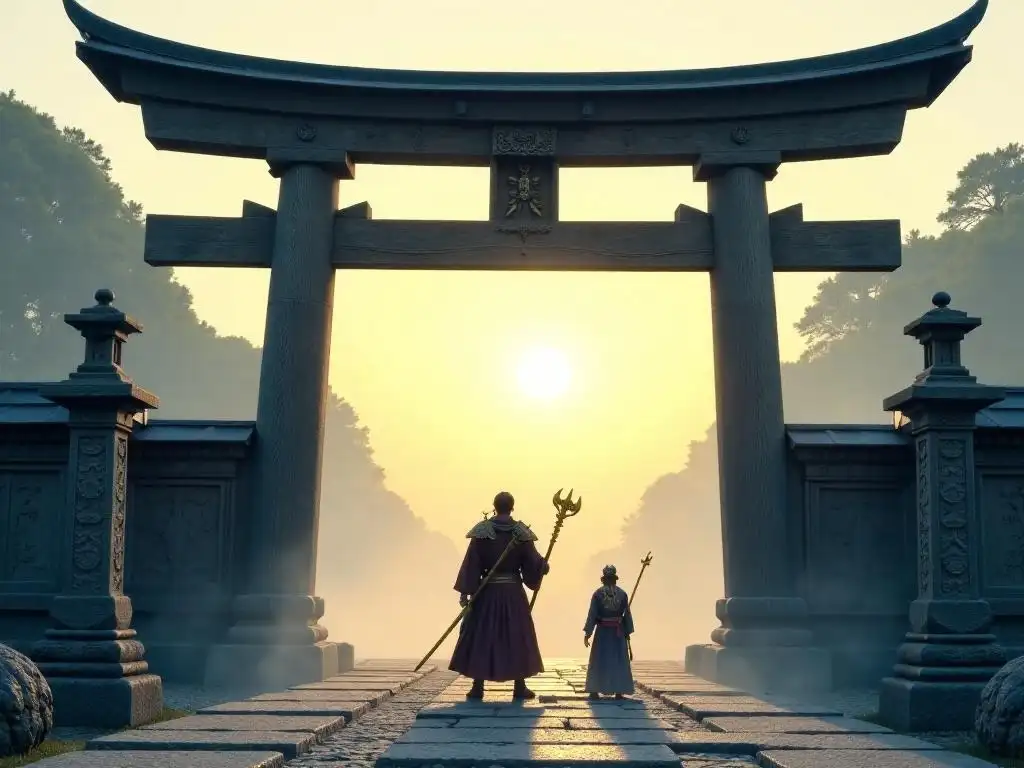
The interplay of religion and politics in feudal Japan often manifested through major conflicts that shaped the landscape of the era. These struggles were not solely political; they were deeply intertwined with religious beliefs and practices, influencing alliances, motivations, and the very fabric of society. Here, we delve into key conflicts that highlight this interplay, examining how religion played a role in political rivalries and rebellions.
The Genpei War: Religion’s Role in Political Rivalries
The Genpei War (1180-1185) was a pivotal conflict between the Taira and Minamoto clans, marked not only by military engagements but also by religious undertones. The war was partly fueled by the Taira clan's patronage of the Buddhist sects, especially the Pure Land Buddhism, which they used to legitimize their rule. In contrast, the Minamoto clan aligned themselves with the Shinto deities, particularly the divine protector of warriors, Hachiman.
The religious affiliations of both clans played a critical role in galvanizing support among their respective followers. Temples and shrines became battlegrounds of influence, where each clan sought to promote their religious narrative to justify their claims to power. For instance, the Taira’s association with powerful temples allowed them to rally significant religious support, while the Minamoto’s emphasis on Shinto traditions attracted warrior support, reflecting a broader societal divide that transcended mere political allegiance.
Furthermore, the aftermath of the Genpei War saw the establishment of the Kamakura shogunate, which further intertwined governance with religious authority. The Minamoto victory led to the rise of a new political order that heavily relied on Buddhist institutions for legitimacy, demonstrating how religion and politics were not only allies but also competitors in the quest for power.
The Mongol Invasions and Religious Mobilization
The Mongol invasions of Japan in the late 13th century (1274 and 1281) represent a significant episode where religion catalyzed a unified response against a common external threat. The Mongols, under Kublai Khan, sought to expand their empire and demanded the submission of Japan. The Japanese response was marked by a rallying of both Shinto and Buddhist beliefs, as the populace turned to spiritual practices to seek divine intervention against the invaders.
The concept of the kamikaze, or "divine winds," emerged during this period, as massive storms destroyed the Mongol fleets on two occasions, which many interpreted as a sign of divine protection over Japan. This event not only reinforced existing religious convictions but also fostered a sense of national identity that transcended clan loyalties. The idea of a united front against a foreign power, grounded in religious belief, was instrumental in mobilizing the samurai class and the common people alike.
Moreover, the invasions led to a resurgence in the influence of the Zen Buddhist sect, which gained prominence due to its association with warrior values and discipline. The synthesis of martial prowess and spiritual devotion during this time underscores the significant role religion played in shaping political and military strategies.
The Onin War: Political Rebellion and Religious Divisions
The Onin War (1467-1477) was a civil conflict that marked the beginning of the Sengoku period, characterized by widespread social upheaval and political fragmentation. This war was not only a power struggle among the Ashikaga shogunate but also highlighted the divisions within religious institutions, particularly among the Buddhist sects.
During the Onin War, rival factions utilized religious affiliations to bolster their political ambitions. Temples and monasteries became powerful actors in the conflict, as different sects aligned themselves with various warlords. For example, the influential Sōhei (warrior monks) of the Tendai and Shingon sects engaged in military actions to protect their interests, often exacerbating the violence and chaos of the period.
The war also saw the destruction of Kyoto and its temples, symbolizing the breakdown of societal order and the erosion of religious authority. The once-sacred spaces were embroiled in conflict, reflecting the profound impact of political struggles on religious institutions. The aftermath of the Onin War led to further fragmentation of power and increased reliance on local deities and regional cults, which would shape the landscape of religion and politics in Japan for generations to come.
Through these conflicts, it is evident that religion and politics were inextricably linked in feudal Japan. The power struggles not only influenced the course of history but also reshaped the religious landscape, leaving a lasting legacy that would continue to evolve in the centuries that followed.
The Interplay of Religion and Politics: Case Studies
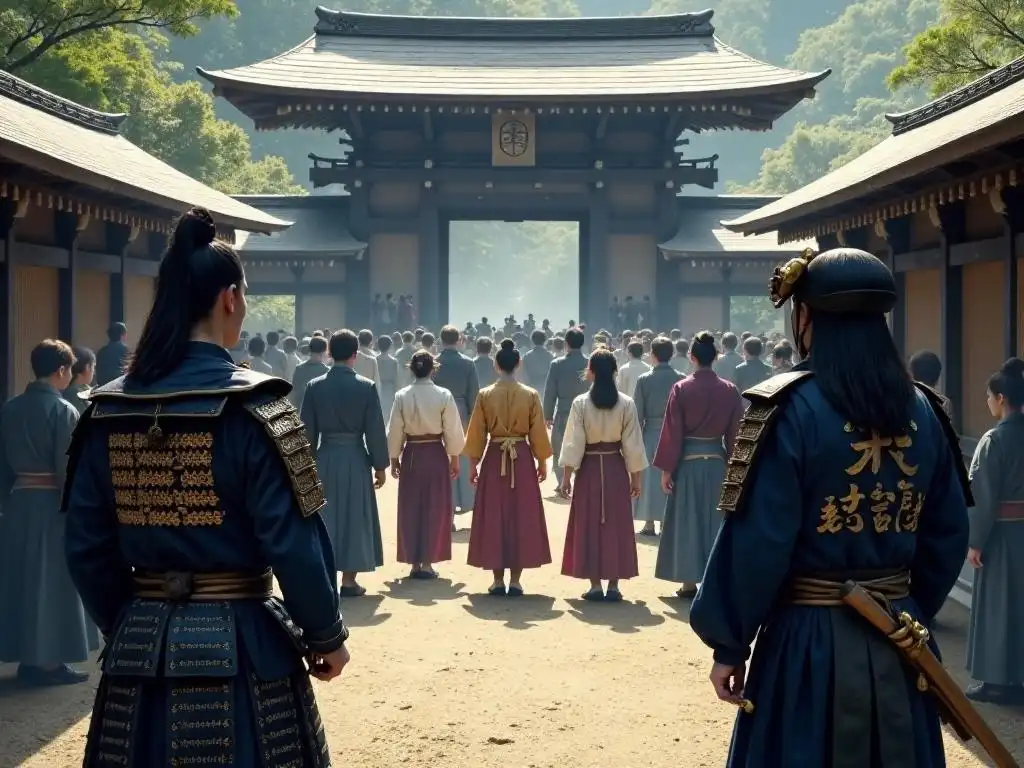
Case Study 1: The Ashikaga Shogunate and Zen Buddhism
During the Ashikaga Shogunate (1336-1573), the relationship between religion and politics was notably influenced by Zen Buddhism. As the shogunate emerged from the chaos of the Kamakura period, Zen Buddhism became a significant cultural and spiritual force. The ruling class, particularly the samurai, found Zen's teachings on discipline, meditation, and self-control appealing, aligning with their martial values.
- Cultural Integration: The Ashikaga shogunate patronized Zen temples, leading to the establishment of numerous Zen gardens and tea houses. This cultural flourishing was not just aesthetic; it served to legitimize the shogunate's power by connecting it to spiritual authority.
- Political Maneuvering: Zen monks often acted as advisors to the shogunate, creating a unique interplay where religious figures influenced political decisions. The famous monk Musō Soseki, for example, was instrumental in advising Ashikaga Yoshimitsu, emphasizing the importance of maintaining harmony within the realm.
The period also saw Zen Buddhism acting as a unifying force amid political divisions. By promoting a shared cultural identity, it helped to stabilize the shogunate's rule during a time of significant turmoil.
Case Study 2: The Tokugawa Shogunate and Neo-Confucianism
The Tokugawa Shogunate (1603-1868) experienced a profound impact from Neo-Confucianism, which became the dominant philosophical framework during this era. The shogunate utilized Neo-Confucian principles to reinforce its governance, emphasizing order, hierarchy, and moral duty.
- Political Framework: The Tokugawa rulers employed Confucian ideals to legitimize their authority, portraying themselves as moral leaders who upheld societal harmony. This was particularly evident through the promotion of the four-class system: samurai, farmers, artisans, and merchants, each with defined roles and responsibilities.
- Education and Governance: The establishment of terakoya (temple schools) facilitated the dissemination of Confucian teachings to the populace, thus fostering loyalty and social stability. This education system reinforced the shogunate's political ideology by instilling Confucian values in the citizenry.
Furthermore, the Tokugawa era saw the creation of various anti-Buddhist movements, as Confucianism gained prominence. The shogunate sought to diminish the influence of Buddhism, viewing it as a challenge to their power and aiming to consolidate authority under Neo-Confucian principles.
Case Study 3: The Ikko-Ikki Movement and Its Political Rebellions
The Ikko-Ikki Movement was a significant socio-religious uprising during the late Muromachi period and early Sengoku period, characterized by the followers of Nichiren Buddhism. Emerging as a response to political instability and economic hardship, the Ikko-Ikki organizations challenged the authority of the samurai class and sought to establish a theocratic governance.
- Religious Motivation: The Ikko-Ikki followers believed in the power of prayer and communal solidarity to achieve salvation and societal reform. Their slogan, "Namu Myōhō Renge Kyō", became a rallying cry against oppressive feudal lords.
- Political Rebellions: Major uprisings, such as the Kaga Ikko-Ikki Rebellion, showcased the movement's power. The Ikko-Ikki not only fought battles but also established autonomous regions where they implemented their interpretations of Buddhist teachings, effectively creating a parallel governance structure.
The Ikko-Ikki’s influence waned after the rise of the Tokugawa Shogunate, but their legacy highlighted the significant role religion played in shaping political landscapes during feudal Japan. Their movements demonstrated how religious beliefs could inspire collective action, challenging established political authorities and altering the course of Japanese history.
These case studies illustrate the complex interplay between religion and politics in feudal Japan, revealing how spiritual beliefs influenced governance and social structures across different eras. The dynamics between power and faith were not merely coincidental; they were integral to the formation of Japan's historical narrative.
In feudal Japan, religion played a pivotal role in shaping social hierarchies and influencing the dynamics of power. The intertwining of religion and politics was evident in various aspects of life, from governance to everyday practices. The feudal system, characterized by a rigid class structure, saw religion often legitimizing the authority of the ruling class while providing a framework for the societal roles of different groups.
The Samurai Class and Their Religious Beliefs
The samurai, as the warrior elite of feudal Japan, held a unique position within the social hierarchy. Their beliefs were deeply intertwined with the tenets of Buddhism and Shintoism, which guided their conduct and ethics.
- Bushido Code: Central to samurai culture was the Bushido code, which emphasized virtues such as loyalty, honor, and discipline. This code was heavily influenced by Zen Buddhism, which stressed the importance of self-discipline and mindfulness. Samurai would often engage in meditation and rituals that helped them cultivate these virtues.
- Religious Practices: Many samurai participated in religious rituals at temples and shrines, seeking blessings for victory in battle or guidance in leadership. These practices were not merely spiritual but served to reinforce their status and responsibilities within society.
- Political Alliances: The samurai also utilized religion to forge political alliances. By aligning themselves with powerful religious figures or institutions, they could gain legitimacy and support for their military and political endeavors. This relationship between the samurai and religious authority exemplified the synergy between feudal Japan religion politics.
The Role of Temples and Shrines in Society
Temples and shrines were not just places of worship; they were integral to the social fabric of feudal Japan. Their roles extended beyond the spiritual realm into the political and economic spheres.
- Centers of Power: Major Buddhist temples and Shinto shrines often acted as centers of power. They housed significant wealth and could mobilize resources and followers. This economic influence allowed them to play a role in local politics, often supporting or opposing feudal lords based on mutual interests.
- Cultural Preservation: Temples and shrines were custodians of culture and tradition. They preserved ancient texts, conducted festivals, and provided education, contributing to the cultural identity of their regions. This cultural significance further embedded religious institutions within the societal hierarchy.
- Conflict and Cooperation: The relationship between different religious institutions often led to conflicts as well as cooperation. For instance, some Buddhist sects competed for followers, while others allied with samurai to bolster their influence. This dynamic sometimes resulted in violent confrontations, as seen during the Onin War (1467-1477), highlighting the intersection of religion and politics in feudal Japan.
The Influence of Religion on Peasant Life
Religion significantly influenced the daily lives of peasants, the backbone of feudal Japanese society. Their beliefs and practices were often shaped by the dominant religious institutions in their regions.
- Rituals and Festivals: Peasants participated in various agricultural festivals and rituals that were deeply rooted in Shinto beliefs. These events were integral to the agricultural calendar, as they were believed to ensure favorable harvests and fertility of the land. Such communal rituals reinforced social bonds and provided a sense of identity among the peasant class.
- Religious Obligations: Many peasants were obligated to support local temples and shrines through labor and offerings. This economic dependence created a symbiotic relationship between the peasantry and religious institutions, as temples often provided spiritual guidance and community support in return.
- Social Stratification: The influence of religion also contributed to social stratification within the peasant class. Those who held positions as temple caretakers or had closer ties to religious institutions often enjoyed a higher status within their communities. This stratification mirrored the broader societal structure and reinforced the existing hierarchy across all classes.
The interplay of feudal Japan religion politics was a complex and multifaceted phenomenon that shaped the social hierarchies of the time. Through the beliefs and practices of the samurai, the pivotal roles of temples and shrines, and the influence of religion on peasant life, it is evident that religion was not merely a personal belief system but a powerful force that influenced the political landscape and societal structures of feudal Japan.
The Decline of Feudalism and Its Religious Implications

The decline of feudalism in Japan marked a significant transformation not only in the political landscape but also in the religious practices and authorities that had held sway over the populace for centuries. By the late 19th century, Japan was on the cusp of modernization, and this transition had profound implications for the interplay between religion and politics.
The Meiji Restoration and the Separation of Religion and State
The Meiji Restoration of 1868 was a pivotal moment in Japanese history that effectively ended centuries of feudal rule. This period saw the reinstatement of imperial power, which had been undermined during the Tokugawa shogunate. The new government sought to consolidate power and create a centralized state, leading to the implementation of policies that aimed to separate religion from state affairs.
- Shinto as State Religion: The Meiji government promoted Shinto as the national ideology, elevating it to a state religion. This was part of a broader strategy to unify the nation under the emperor's divine authority. Shinto shrines were funded by the state, and rituals were structured to reinforce loyalty to the emperor.
- Suppression of Buddhism: Conversely, Buddhism, which had flourished during the feudal period, faced persecution. The government viewed Buddhism as a foreign influence that conflicted with the Shinto-centric national identity. This led to the confiscation of temple lands and the forced separation of Buddhist practices from Shinto rituals.
- Religious Reform Movements: The post-Restoration era also saw the rise of new religious movements that sought to adapt to the changing political landscape. These movements often aimed to harmonize traditional beliefs with modern ideologies, reflecting the tensions between old and new.
The separation of religion and state was not merely a political maneuver; it transformed the role of religious institutions in society and placed them under the scrutiny of a government that sought to control and direct spiritual life in service of national unity.
Changes in Religious Practices Post-Feudal Japan
The end of the feudal era led to a reconfiguration of religious practices in Japan. As the country modernized, many traditional customs began to evolve or fade, while new forms of spirituality emerged.
- Adaptation of Practices: Many religious practices adapted to the changing times. For example, rituals that were once exclusively tied to samurai and feudal lords became accessible to the broader populace, democratizing spiritual expression.
- Western Influence: With the opening of Japan to Western influence, Christian missionaries began to establish a presence. This introduction of Christianity prompted a reevaluation of existing beliefs and practices, creating a syncretic environment where traditional Japanese religions coexisted with new Christian ideologies.
- Rise of New Religious Movements: The post-feudal period saw the emergence of new religions, such as Tenrikyo and Soka Gakkai, which sought to address the spiritual needs of a rapidly changing society. These movements often emphasized personal experience and community, contrasting with the hierarchical structures of traditional Buddhism and Shinto.
These changes reflect a broader trend of adaptation and resilience among Japanese religious practices, where the impact of modernization catalyzed a shift in how spirituality was experienced and expressed.
Lasting Legacy of Feudal Religion and Politics in Modern Japan
The legacy of feudal religion and politics continues to influence contemporary Japanese society. Several aspects of this legacy are evident in modern practices and societal structures.
- Cultural Festivals and Rituals: Many Shinto and Buddhist festivals that originated in the feudal era remain integral to Japanese culture today. These festivals often serve as a reminder of the historical interplay between religion and politics, preserving the traditions that shaped the nation.
- Political Influence of Religious Groups: Certain religious organizations, particularly those rooted in Buddhism and Shinto, maintain significant influence in Japanese politics. Their ability to mobilize followers and impact public opinion highlights the enduring connection between faith and governance.
- National Identity: The concept of Japan being a "divine nation" has persisted, particularly among nationalist groups. This notion often intertwines with Shinto beliefs, reflecting a lingering feudal-era ideology that continues to resonate in discussions about national identity and pride.
The interplay of religion and politics during the feudal era has left a complex legacy that shapes modern Japan. The evolution of religious practices, the separation of church and state, and the ongoing influence of historical beliefs all illustrate the intricate relationship between these two spheres in the context of Japan's rich and dynamic history.
Conclusion: The Enduring Relationship Between Religion and Politics in Japan
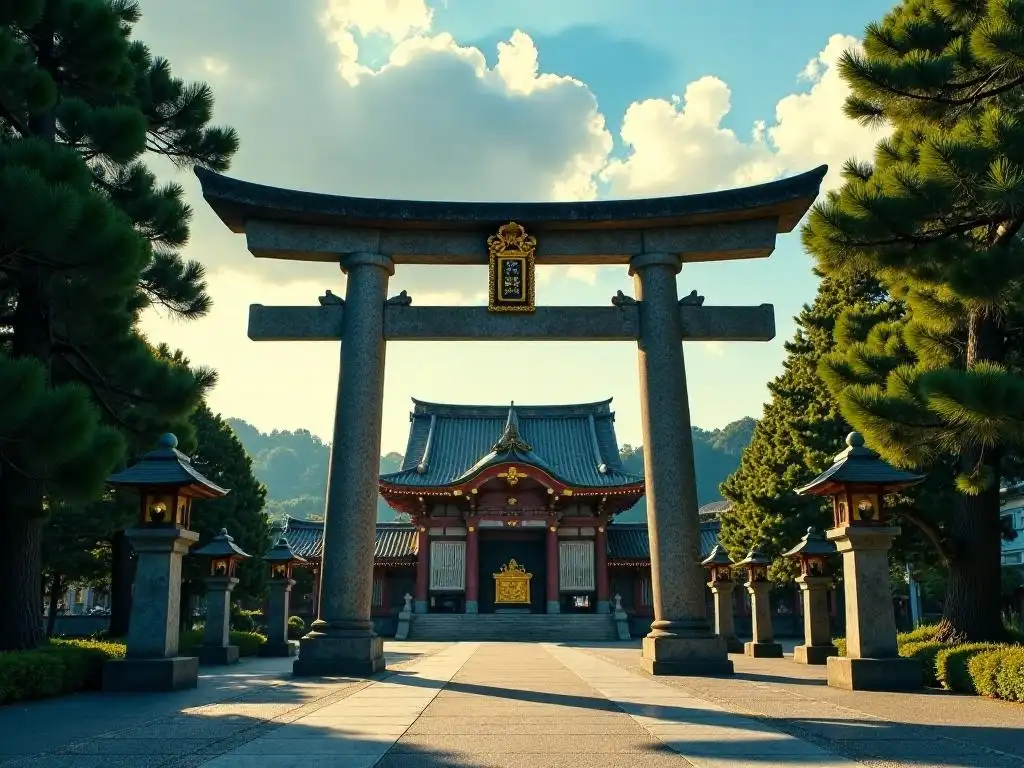
Summary of Key Points
The intricate relationship between religion and politics during feudal Japan significantly shaped its historical trajectory. Several key aspects highlight this interplay:
- Shinto and Buddhism: The coexistence of Shinto and Buddhism created a unique religious landscape. Shinto, being the indigenous belief system, was deeply intertwined with the state, while Buddhism provided spiritual and moral guidance, influencing samurai ethics and governance.
- Political Power of Temples: Religious institutions, particularly Buddhist temples, wielded substantial political power. They often acted as centers of authority, influencing local governance and even participating in military conflicts. For example, the Tendai and Shingon sects had considerable landholdings and resources that enhanced their political clout.
- Religious Conflicts as Political Tools: Feudal lords frequently utilized religious conflicts to consolidate power. The rise of the warrior class saw the manipulation of religious sentiments to justify military campaigns, such as during the Onin War, where factions aligned themselves with specific religious institutions.
- The Role of Shoguns and Emperors: The shogunate system exemplified the blending of religious authority with political power. Shoguns often claimed divine right through the emperor, emphasizing the sacred nature of their rule while simultaneously exercising formidable military power.
Reflection on the Legacy of Feudal Japan Religion and Politics
The legacy of feudal Japan's intertwining of religion and politics continues to resonate in contemporary Japanese society. Understanding this relationship offers insights into modern governance and religious practices.
- Cultural Endurance: The rituals and ceremonies stemming from feudal religious practices remain relevant today. Festivals celebrating Shinto gods or Buddhist traditions reflect the historical significance of these beliefs in shaping Japanese identity.
- Political Symbolism: Modern politicians often invoke historical religious symbols to legitimize their authority and connect with the populace. This continuity illustrates how feudal practices still influence political rhetoric and public sentiment.
- Religious Pluralism: The historical coexistence of different religions during the feudal era laid the groundwork for Japan's contemporary religious pluralism. This environment fosters a unique dialogue between various belief systems, enriching Japan's cultural tapestry.
The enduring relationship between religion and politics in feudal Japan not only influenced historical events but also carved pathways for future societal developments. The complexities of this interplay illustrate that the reverberations of feudal practices are still felt, providing a rich context for understanding Japan's evolving identity.
Further Reading and Resources on Feudal Japan Religion and Politics
Recommended Books and Articles
For those interested in delving deeper into the intricate relationship between feudal Japan, religion, and politics, several key texts and scholarly articles provide invaluable insights. Here are some essential readings:
- "Shogun: The Life of Tokugawa Ieyasu" by John Man
- This biography of one of Japan's most influential figures explores the political landscape of feudal Japan and highlights the role of religion in consolidating power.
- "The Making of Modern Japan" by Bruce S. Batten
- A comprehensive overview that addresses the impact of religious beliefs on political structures throughout Japanese history, including the feudal era.
- "Buddhism and Politics in Japan" by Ian Reader
- This book examines how various Buddhist sects influenced political movements, particularly during the Sengoku period.
- "War and Religion in the Japanese Context" by Michael P. C. Jones
- An insightful exploration of the interplay between military campaigns and religious motivations that shaped feudal Japan.
- Scholarly Article: "The Role of Shinto in the Politics of Feudal Japan"
- An analytical paper that discusses how Shinto beliefs were used to legitimize the ruling class's power and influence.
- "Religion in Japanese History" edited by Joseph M. Kitagawa
- This collection of essays provides a wide-ranging analysis of how religion has influenced various aspects of Japanese history, including the feudal period.
Online Resources for Deeper Exploration
The digital age has made it easier than ever to access rich materials on feudal Japan religion and politics. Here are some noteworthy online resources:
-
The Japan Society
A comprehensive platform that offers articles, lectures, and resources focused on Japanese culture and history. Their section on feudal Japan provides valuable insights into the interconnection of religion and politics.
-
Virtual Museum of Japanese History
A curated online museum that features exhibits on feudal Japan, showcasing artifacts, documents, and narratives that highlight the role of religion in societal governance.
-
National Diet Library of Japan
The online archives of Japan’s national library offer digitized documents, historical texts, and research papers that delve into the religious dynamics of feudal Japan.
-
Academia.edu
A platform for researchers to share their papers. Searching for topics like "feudal Japan religion politics" can yield many scholarly articles discussing various aspects of this interplay.
-
YouTube Educational Channels
Channels like CrashCourse and History Matters have engaging content on Japanese history, including specific episodes that address the role of religion in feudal society.
By exploring these resources, readers can gain a richer understanding of how religion influenced the political landscape of feudal Japan, shaping the course of its history and culture.
Frequently Asked Questions
What role did religion play in feudal Japan politics?
Religion was a significant influence in feudal Japan, as it provided moral authority and legitimized the power of leaders, particularly through Buddhism and Shinto practices.
How did political power affect religious practices in feudal Japan?
Political leaders often used religious practices to strengthen their rule, aligning themselves with spiritual beliefs to gain the support of the populace and justify their authority.
Were there any major rebellions influenced by religious beliefs in feudal Japan?
Yes, several rebellions were motivated by religious beliefs, where factions sought to overthrow leaders they viewed as corrupt or unworthy, often invoking the support of deities or religious figures.
How did Buddhism and Shinto interact in the context of feudal politics?
Buddhism and Shinto often coexisted, with political leaders integrating both to create a harmonious balance that appealed to various segments of society, enhancing their political stability.
What is the significance of rituals in the interplay of religion and politics during this era?
Rituals served as a means of reinforcing the divine right of rulers while also providing a structured way to address political conflicts, making them crucial in maintaining social order in feudal Japan.
Final Reflection: The Enduring Legacy of Feudal Japan's Religion and Politics
The intricate dance between religion and politics in feudal Japan remains profoundly relevant today, as it highlights the ways in which belief systems can shape governance and societal norms. In a world where the intersection of faith and political power continues to influence global events, understanding this historical interplay offers critical insights into contemporary issues. The lessons drawn from feudal Japan remind us that the foundations of authority are often built upon the sacred, and that the echoes of the past can resonate powerfully in the present.
Culture is a living tapestry woven from the threads of history, and the dynamics of feudal Japan serve as a poignant example of how religion can both unify and divide societies. The rituals and rebellions of this era not only shaped the political landscape but also left an indelible mark on the cultural identity of Japan. As we reflect on this relationship, we are reminded of the words of historian John W. Hall: The past is never dead. It's not even past.
This observation underscores the ongoing influence of historical events on our current societal structures and the importance of examining these connections to understand our own cultural narratives.
As you contemplate the themes explored in this article, I invite you to consider how the lessons of feudal Japan can inform your own understanding of the relationship between belief and governance in your life. Reflect on the rituals that shape your community and the ideologies that drive political discourse today. By engaging with these themes, you can contribute to a more nuanced dialogue about the role of religion in contemporary politics, fostering a deeper appreciation for the complexities of our shared human experience.
Unveil the Rich Tapestry of Feudal Japan!
Thank you for diving into the fascinating interplay of religion and politics in feudal Japan. We hope you found new insights into how these elements shaped society during that era. Now, it's time to put that knowledge into action!
Here’s how you can further explore this rich history:
- Engage with the Community: Share your thoughts on how religion influenced the political landscape of feudal Japan in our forum. Join the discussion and connect with fellow history enthusiasts!
- Explore Further: Delve deeper into significant events or influential figures from this period. Choose a topic that piqued your interest and research it more thoroughly.
- Spread the Word: Share this article with friends or on social media. Encourage them to discover the interconnectedness of culture and politics in historical contexts!
What aspect of feudal Japan's rituals and rebellions intrigues you the most, and how do you think they resonate with today's world?