
The Impact of Religion on Samurai Governance and Leadership


Welcome to Feudal Japan History, where we invite you to embark on a captivating journey through the intricate tapestry of Japan's feudal era. In our featured article, "The Impact of Religion on Samurai Governance and Leadership," we delve into the profound influence that spirituality wielded over the samurai class, shaping their values, ethics, and decision-making processes. What role did sacred beliefs play in the rise and fall of these legendary warriors? Join us as we uncover the multifaceted connections between religion and leadership, sparking new insights into a pivotal time in history. Your exploration begins now—dare to dive deeper!
Introduction to Religion's Role in Samurai Leadership
The intricate tapestry of feudal Japan is woven with threads of governance, culture, and spirituality, where the samurai class emerged as not only warriors but also leaders deeply influenced by religious beliefs. Religion's role in samurai leadership was pivotal, shaping their values, ethics, and decision-making processes.
The samurai, bound by the code of Bushido, drew heavily from Shintoism, Buddhism, and Confucianism, which together provided a moral framework that guided their actions both on and off the battlefield. This article delves into how these religious influences shaped samurai governance, exploring the intersection of faith and leadership during a formative period in Japan's history.
Overview of Samurai Governance in Feudal Japan
The governance of feudal Japan was characterized by a strict hierarchy where the samurai served as vassals to powerful lords, known as daimyōs. This system, rooted in a combination of military prowess and loyalty, necessitated a robust ethical code. The samurai were not merely soldiers; they were expected to govern their domains with honor and justice. Their leadership was often intertwined with their religious beliefs, which provided a rationale for their authority and a moral compass for their actions.
- Military Command: Samurai leaders were often responsible for military strategies and the welfare of their retainers.
- Local Governance: They oversaw agricultural production and maintained order within their territories.
- Cultural Patrons: Samurai also acted as patrons of the arts and culture, promoting the development of literature, tea ceremonies, and martial arts.
The samurai's role as both warrior and leader was a reflection of their commitment to uphold the principles of Bushido, which emphasized loyalty, courage, and honor, all of which were deeply influenced by the prevailing religious beliefs.
Importance of Religion in Japanese Society
Religion in Japan has historically been a cornerstone of societal structure, shaping not only personal beliefs but also public life. The samurai class, in particular, utilized religion as a means to justify their actions and maintain social order. Key aspects of religion's importance include:
- Moral Foundation: Religious teachings provided ethical guidelines that influenced samurai behavior.
- Community Cohesion: Festivals and rituals fostered community bonds and loyalty among the samurai and their followers.
- Legitimization of Power: Religion was often used to legitimize the authority of leaders, linking their rule to divine will.
As such, the intertwining of religion and samurai leadership was crucial in maintaining a stable social order in feudal Japan.
Historical Context of Religion and Samurai
Evolution of Religious Beliefs in Japan
The landscape of religious beliefs in Japan has evolved significantly over the centuries, influenced by both indigenous and foreign elements. Initially dominated by Shinto, which emphasized a connection to nature and ancestral spirits, the introduction of Buddhism in the 6th century marked a significant shift. Over time, these beliefs coalesced into a unique spiritual framework that impacted samurai governance:
- Shintoism: Focused on kami (spirits) and rituals, fostering a sense of loyalty to the emperor and the nation.
- Buddhism: Introduced concepts of karma and impermanence, influencing samurai views on life and death.
- Confucianism: Provided a framework for ethical governance and hierarchical relationships.
This evolution of religious thought created a rich tapestry that shaped the samurai ethos and their approach to leadership.
Key Religious Influences on Samurai Culture
The samurai were profoundly influenced by several key religious traditions that shaped their worldview and leadership styles:
- Zen Buddhism: Emphasized meditation and mindfulness, enabling samurai to cultivate focus and discipline in both combat and governance.
- Shinto Rituals: Reinforced loyalty and duty, as samurai engaged in rituals that connected them to their ancestors and the divine.
- Confucian Ethics: Promoted values such as filial piety and loyalty, which were integral to the samurai's code of conduct.
Together, these influences forged a unique identity for the samurai, intertwining their religious beliefs with their roles as leaders, warriors, and custodians of Japanese culture. Through this exploration, we can better understand the complex relationship between religion and samurai governance, as well as its lasting impact on Japanese history.
The Interplay Between Religion and Samurai Ethics
The relationship between religion and samurai ethics is a profound aspect of Japan's feudal history. Samurai, as the warrior class, were not only bound by their military duties but also by a complex ethical framework known as Bushido, which translates to "the way of the warrior." This code was deeply influenced by various religious beliefs and philosophies, including Shinto, Buddhism, and Confucianism, each contributing unique elements to the samurai's moral compass.
At the heart of Bushido are values such as loyalty, honor, compassion, and self-discipline. These principles were often reinforced by religious teachings that emphasized the importance of duty to one's lord, the community, and oneself. For instance, the Buddhist concept of karma encouraged samurai to act ethically, as their actions would determine their fate in this life and the next. Similarly, Shinto beliefs emphasized purity and devotion to the kami (spirits), which resonated with samurai ideals of honor and integrity.
The synthesis of these religious influences led to a distinctive ethical code that was not static but evolved over time, reflecting the changing political and social landscapes of Japan. This interplay between religion and ethics created a framework within which samurai navigated their roles as leaders and warriors, shaping their decisions and actions in governance and warfare.
Core Principles of Bushido and Religious Influence
The core principles of Bushido can be traced back to various religious doctrines that informed samurai identity and behavior. Key tenets include:
- Rectitude (Gi): The moral integrity that guides a samurai's decisions, often rooted in Confucian teachings that stress righteousness and justice.
- Courage (Yū): The bravery to confront fear, which was a virtue celebrated in both Buddhist and Shinto traditions, promoting the idea of facing one's challenges with valor.
- Compassion (Jin): The idea of benevolence towards others, strongly influenced by Buddhist teachings on empathy and kindness.
- Respect (Rei): The importance of respect towards others, a concept that echoes in the rituals of both Shinto and Buddhist practices.
- Honesty (Makoto): The value of truthfulness, which is reinforced through various religious texts advocating for sincerity in thought and action.
- Honor (Meiyo): The pursuit of honor as a defining characteristic of a samurai's life, often linked with the spiritual beliefs of loyalty to one's lord and ancestors.
These principles did not exist in isolation; they were reinforced through rituals and practices that samurai adhered to, such as daily meditations, participation in religious festivals, and adherence to ancestral worship, which together fostered a sense of duty and ethical conduct.
How Religion Shaped Samurai Values and Ethics
Religion played a pivotal role in shaping the values and ethics of the samurai, influencing their worldview and decision-making processes. The integration of Buddhist philosophy introduced concepts such as selflessness and the impermanence of life, prompting samurai to consider the broader impact of their actions beyond personal gain or glory. This philosophical perspective encouraged a sense of duty not just to their lords but also to the greater good of society.
Moreover, Shinto beliefs instilled a profound respect for nature and the divine, which permeated samurai culture. The reverence for kami fostered a deep connection to the land and a sense of responsibility to protect it. This relationship was often reflected in military campaigns where samurai sought to preserve their homeland's sanctity.
The ethical dilemmas faced by samurai leaders were frequently resolved through the lens of their religious beliefs. Decisions regarding warfare, loyalty, and governance were influenced by a blend of martial duty and spiritual obligations, resulting in a unique leadership style that balanced power with moral responsibility. This intertwining of religion and ethics ensured that samurai were not merely warriors but also custodians of cultural and spiritual values.
Case Studies: Notable Samurai Leaders and Their Religious Beliefs
The impact of religion on samurai governance and leadership can be illustrated through the lives of notable samurai leaders. Their personal beliefs and practices often shaped their political strategies and interactions with their followers.
The Religious Practices of Oda Nobunaga
Oda Nobunaga, one of Japan's most famous samurai leaders, exemplified the complex relationship between religion and leadership. He was known for his pragmatic approach to governance, often leveraging various religious institutions to consolidate power. Nobunaga was a patron of Buddhism, particularly the Rinzai sect, yet he also showed a willingness to suppress religious institutions that opposed his rule, such as the militant Ikkō-ikki sect. His famous line, "The falcon flies alone," reflects his belief in individualism over collectivism, contrasting with the communal aspects of traditional Japanese spirituality.
Nobunaga's relationship with religion was strategic; he understood the value of religion in gaining the loyalty of his followers while also recognizing the need to maintain control over potentially rebellious religious factions. His innovative tactics often blended military strategy with spiritual symbolism, showcasing how religion could be utilized as a tool for political maneuvering.
Tokugawa Ieyasu: Governance through Spiritual Authority
Tokugawa Ieyasu, the founder of the Tokugawa shogunate, exemplified the integration of spiritual authority into governance. After unifying Japan, he established a governance system that emphasized Confucian values and Buddhist teachings. Ieyasu promoted Shinto as a state religion, linking his legitimacy as a ruler to divine approval. He built the famous Ise Shrine and advocated for rituals that honored the kami, thereby intertwining governance with spiritual reverence.
Ieyasu's policies were heavily influenced by his belief in maintaining social harmony, which was a core principle of Confucianism. He implemented strict social hierarchies and moral codes that emphasized loyalty and duty, reflecting his understanding of how religion could be harnessed to stabilize society. His effective use of spiritual authority not only solidified his power but also laid the groundwork for over two centuries of relative peace during the Edo period.
Other Influential Samurai and Their Religious Affiliations
Other influential samurai leaders also demonstrated the role of religion in their governance and leadership styles. For instance, Takeda Shingen, known for his military prowess, adhered to a strict code of conduct influenced by both Zen Buddhism and Shinto beliefs. His emphasis on strategy and reflection in battle was deeply rooted in Zen practices, which encouraged mindfulness and clarity of thought.
Similarly, Uesugi Kenshin, often referred to as the "Warrior Monk," was a devout follower of Buddhism. His religious convictions influenced his code of conduct, which prioritized honor and fairness in battle. Kenshin's reputation as a chivalrous warrior was enhanced by his commitment to Buddhist values, making him a revered figure among his contemporaries.
These leaders illustrate the diverse ways in which religion influenced samurai governance and leadership, shaping their identities and strategies in a complex feudal society. Each leader's unique spiritual affiliation contributed to the broader narrative of Bushido, reinforcing the idea that ethical leadership was intertwined with religious belief.
Religion's Role in Samurai Leadership Strategies
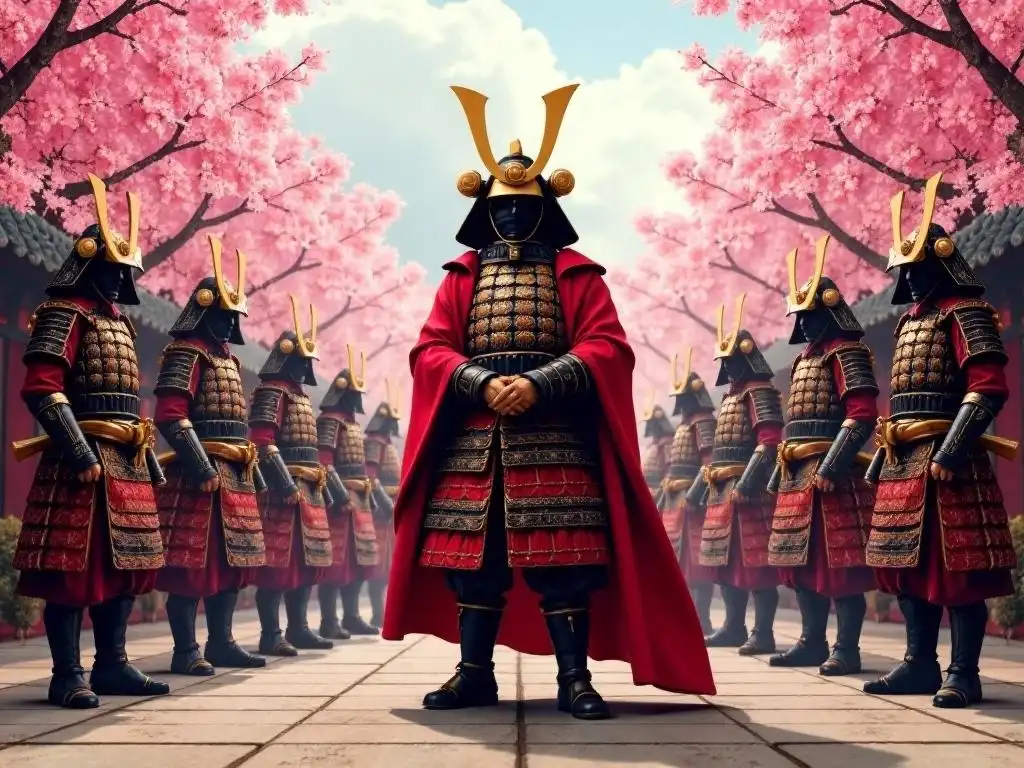
Religion played a pivotal role in shaping the governance and leadership strategies of the samurai class in feudal Japan. Samurai leaders often intertwined their military and political decisions with religious beliefs, which not only provided moral justification for their actions but also fostered a sense of loyalty among their followers. The samurai adhered to various religious philosophies, primarily Shintoism and Buddhism, which influenced their ethical frameworks and leadership styles.
Shintoism, Japan's indigenous spirituality, emphasized the importance of kami (spirits) and rituals, instilling a sense of duty and honor in samurai culture. This led to a governance style that valued loyalty to one's lord and the protection of the community. Meanwhile, Buddhist teachings, particularly Zen Buddhism, contributed to the samurai's discipline and focus, promoting mindfulness and meditation as tools for strategic thinking and emotional control. By integrating these religious principles, samurai leaders could inspire their troops and reinforce their authority through a shared spiritual identity.
Decision-Making Influenced by Religious Beliefs
The decision-making processes of samurai leaders were often deeply rooted in their religious convictions. For instance, the concept of "wa" (harmony) in Shintoism encouraged leaders to seek consensus and maintain social order, guiding their governance approach. Decisions were not merely pragmatic; they were seen as a reflection of moral and spiritual integrity.
Moreover, Buddhist principles influenced samurai leaders to contemplate the impermanence of life and the consequences of their actions. This contemplation often led to more humane decisions, reflecting compassion and wisdom. Rituals and ceremonies, such as divination or seeking the counsel of priests, were common practices that samurai employed to ensure their decisions aligned with divine will or the favor of the kami. Such religious considerations often provided legitimacy to their rule and decisions, reinforcing their status among their peers and followers.
The Impact of Religion on Military Strategies and Governance
Religion significantly impacted military strategies and governance during the feudal era. Samurai leaders frequently invoked religious narratives to mobilize troops, framing battles as sacred missions sanctioned by the kami or as opportunities to achieve spiritual enlightenment through honor and valor. This religious framing transformed military campaigns into acts of piety, galvanizing warriors to fight with greater fervor.
Additionally, the samurai's adherence to Bushido, the way of the warrior, was heavily influenced by Buddhist teachings on self-discipline, loyalty, and honor. This code of conduct guided samurai leaders in their governance, promoting a sense of duty not only to their lord but also to their subordinates and the people they governed. Such an ethical framework shaped policies and laws, often prioritizing the welfare of the community and the maintenance of social harmony, which in turn fostered loyalty and stability within their domains.
Challenges and Conflicts: Religion vs. Samurai Governance
While religion played a vital role in shaping samurai governance, it also introduced challenges and conflicts that could undermine leadership. The interplay between different religious beliefs sometimes led to tensions, particularly during periods of social upheaval or when competing sects vied for power and influence.
Tensions Between Different Religious Beliefs
The presence of multiple religious schools, such as Shintoism, Buddhism, and later, Confucianism, created an environment ripe for conflict. For instance, the rise of certain Buddhist sects, particularly during the Kamakura period, sometimes challenged the samurai's authority. The Ikko-ikki, a movement of militant monks and their lay followers, directly opposed samurai leaders, leading to violent confrontations.
These tensions often forced samurai leaders to navigate complex religious landscapes, balancing their duties to their faith with their political ambitions. Such conflicts could lead to shifts in alliances, as samurai leaders sought support from specific religious factions to consolidate power or quell dissent, often resulting in significant political ramifications.
The Decline of Religious Influence in Later Samurai Leadership
By the Edo period, the influence of religion on samurai governance began to decline significantly. The Tokugawa shogunate established a centralized political system that emphasized stability and control over religious diversity. The government implemented policies that restricted the power of religious institutions and promoted Neo-Confucianism as a state philosophy, which valued rational governance over spiritual considerations.
As a result, many samurai leaders increasingly prioritized practical governance over religious motivations. This shift led to a more secular approach to leadership, where decisions were based more on political expediency than on moral or spiritual imperatives. Consequently, the samurai class began to evolve into a more bureaucratic elite, where their roles became less about embodying religious ideals and more about maintaining order and control in a rapidly modernizing society.
Conclusion: The Enduring Legacy of Religion in Samurai Leadership
The complex interplay between religion and samurai governance has left an indelible mark on Japan's historical landscape. The samurai, often celebrated as elite warriors, were also deeply influenced by the spiritual and philosophical tenets of Buddhism, Shinto, and Confucianism. These belief systems not only shaped their personal morality and ethics but also informed their approach to governance and leadership. The enduring legacy of this relationship is evident in the enduring principles and values that guided samurai conduct, as well as in the cultural practices that evolved during the feudal era.
Religious teachings instilled a sense of duty, honor, and loyalty within the samurai class. These principles were not merely abstract concepts but were woven into the very fabric of their societal roles. The samurai's commitment to their lords and the state was often framed as a sacred duty, further reinforcing the importance of religion in their daily lives and leadership practices. As a result, the governance of samurai leaders was often characterized by a blend of martial prowess and spiritual guidance, which sought to create a harmonious society underpinned by moral integrity.
Summary of Religion's Role in Shaping Samurai Governance
Religion played a pivotal role in defining the samurai's values and ethical framework, which in turn influenced their governance. Key aspects include:
- Buddhism: The teachings of Buddhism, particularly Zen Buddhism, emphasized self-discipline, meditation, and mindfulness. These practices cultivated a sense of inner peace and focus, enabling samurai leaders to make judicious decisions in times of conflict. The emphasis on impermanence also fostered a greater appreciation for life and a commitment to honorable conduct.
- Shinto: As the indigenous spirituality of Japan, Shinto provided the samurai with a deep sense of connection to the land and their ancestors. Rituals and ceremonies were integral to samurai life, reinforcing their duty to protect their domain and uphold the traditions of their forebears. The veneration of kami (spirits) shaped their identity and governance philosophy, highlighting the sacredness of their roles.
- Confucianism: The introduction of Confucian ideals introduced a framework for ethical governance. Emphasizing virtues such as loyalty, righteousness, and proper conduct, Confucianism influenced samurai leaders to prioritize the welfare of their subjects and maintain order in society. This perspective encouraged a sense of responsibility that extended beyond personal honor to encompass the broader community.
Overall, the synthesis of these religious influences created a unique governance model that balanced martial authority with moral obligation, leaving a profound impact on Japanese society.
Final Thoughts on the Influence of Religion on Bushido and Leadership
The concept of Bushido, the way of the warrior, is intrinsically linked to the religious beliefs that permeated samurai culture. The principles derived from Buddhism, Shintoism, and Confucianism not only shaped personal conduct but also established a framework for leadership that emphasized ethical governance. As samurai leaders navigated the complexities of feudal Japan, their decisions were often guided by a profound sense of duty and moral responsibility dictated by their spiritual beliefs.
Moreover, the legacy of religion in samurai leadership persists in modern Japan, where the values of honor, loyalty, and integrity continue to resonate. The historical context of samurai governance serves as a reminder of the profound impact that spiritual and philosophical teachings can have on leadership practices, shaping societal norms and expectations.
The role of religion in samurai leadership illustrates a rich tapestry of cultural and ethical influences that transcended mere military prowess. This enduring legacy highlights the importance of integrating spiritual values into governance, a lesson that remains relevant in contemporary discussions about leadership and ethics. As we reflect on the samurai's journey, it becomes clear that the intersection of religion and governance is not only a historical phenomenon but also a timeless guide for future leaders.
- Introduction to Religion's Role in Samurai Leadership
- Historical Context of Religion and Samurai
- The Interplay Between Religion and Samurai Ethics
- Case Studies: Notable Samurai Leaders and Their Religious Beliefs
- Religion's Role in Samurai Leadership Strategies
- Challenges and Conflicts: Religion vs. Samurai Governance
- Conclusion: The Enduring Legacy of Religion in Samurai Leadership
- What was the primary religion influencing samurai leadership during feudal Japan?
- How did Shinto beliefs affect samurai governance?
- In what ways did Buddhism contribute to the samurai code of conduct?
- Were there conflicts between different religions in samurai leadership?
- How did religion shape the samurai's role in society?
Frequently Asked Questions
What was the primary religion influencing samurai leadership during feudal Japan?
The primary religion was Buddhism, which deeply influenced samurai values, ethics, and governance, shaping their leadership styles and decisions.
How did Shinto beliefs affect samurai governance?
Shinto beliefs emphasized the importance of ancestral worship and loyalty, which played a crucial role in samurai identity and their commitment to duty and loyalty to their lords.
In what ways did Buddhism contribute to the samurai code of conduct?
Buddhism instilled principles of self-discipline, compassion, and detachment, which were integral to the samurai's bushido code, guiding their behavior and leadership.
Were there conflicts between different religions in samurai leadership?
Yes, there were conflicts between Buddhism and Confucianism, as both had distinct philosophies that sometimes led to tensions in samurai leadership approaches.
How did religion shape the samurai's role in society?
Religion provided the moral framework for samurai, influencing their status as warriors and leaders, and reinforcing their responsibilities as protectors of both the state and the spiritual well-being of their people.
Final Reflection: The Enduring Legacy of Religion in Samurai Leadership
The intricate relationship between religion and samurai governance remains profoundly relevant today, as it underscores how belief systems can shape leadership styles and societal structures. In a world where the influence of spirituality and ideology continues to permeate political and social realms, understanding the historical context of religion's role in samurai leadership offers invaluable insights into contemporary governance. The samurai's commitment to their spiritual beliefs not only guided their actions but also defined their identities, illustrating that leadership is often as much about moral conviction as it is about power.
Culture and society are inextricably linked to the principles that guide leadership, and the samurai's adherence to religious tenets has left an indelible mark on Japan's historical narrative. The samurai were not merely warriors; they were also custodians of a rich spiritual heritage that influenced their governance. As we reflect on this legacy, we are reminded of the words of the philosopher Confucius: The man who moves a mountain begins by carrying away small stones.
This quote encapsulates the idea that profound change often starts with individual convictions and actions, a principle that resonates through the ages and continues to shape leadership today.
As we contemplate the lessons drawn from the samurai's integration of religion into their leadership, I invite you to reflect on your own beliefs and values. Consider how they inform your decisions and interactions with others. In a time when the world is increasingly polarized, let us strive to embody the samurai's commitment to honor, integrity, and service. By embracing our own spiritual and ethical frameworks, we can cultivate a leadership style that not only inspires but also uplifts those around us, fostering a more harmonious and compassionate society.
Embrace the Spirit of Samurai Leadership!
Thank you for diving into the intriguing world of Samurai governance and the profound influence of religion. You've uncovered the rich interplay between these two forces that shaped Japan's history. Now, it's time to put that understanding into action!
Here’s how you can further explore and engage with this captivating topic:
- Dive Deeper into Feudal Literature: Explore texts that delve into Samurai philosophy and Zen teachings to gain a deeper understanding of their approach to governance.
- Join the Conversation: Share your thoughts on the impact of religion on modern leadership styles in our comments section.
- Spread the Knowledge: Discuss this article with friends or on social media to inspire others to appreciate the enduring legacy of the Samurai.
What do you believe is the most significant lesson we can learn from Samurai leadership that could be relevant in today's society?