
Shinto Myths and Legends: Tales of Creation and the Kami

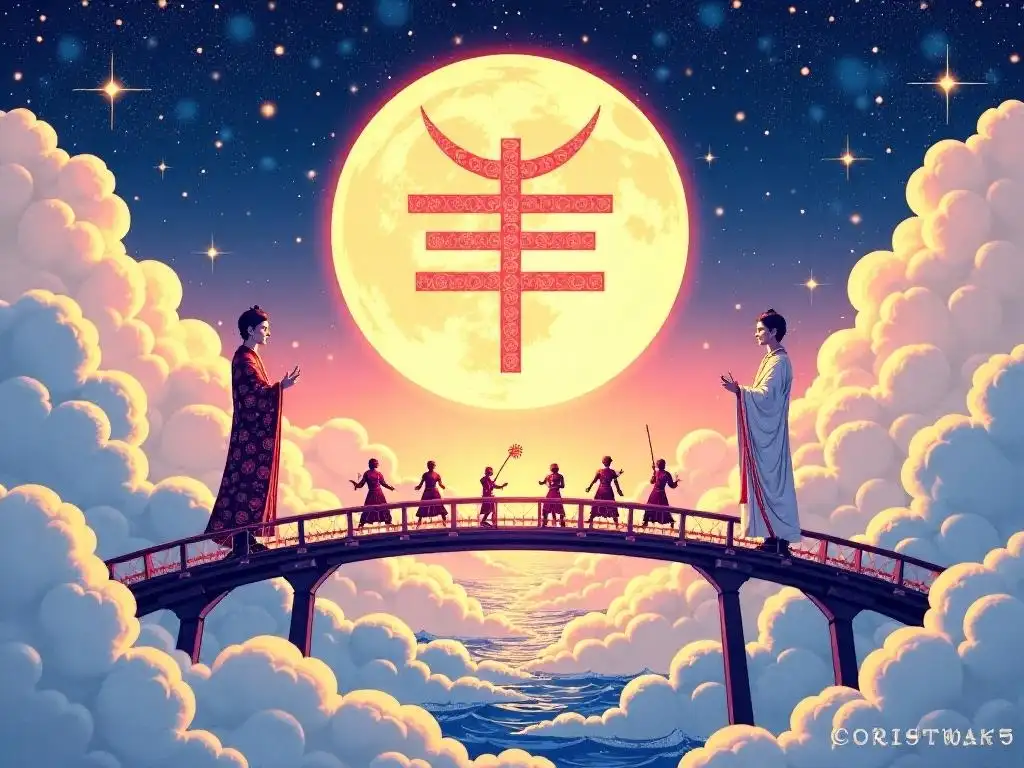
Welcome to Feudal Japan History, where we invite you to embark on a captivating journey through the intricate tapestry of Japan’s feudal era. In our featured article, “Shinto Myths and Legends: Tales of Creation and the Kami,” we delve into the enchanting world of Shinto creation myths and the revered kami that shape Japan’s rich spiritual landscape.
Discover how these ancient narratives not only illuminate the cultural fabric of feudal society but also offer profound insights into the beliefs that have endured through time. Prepare to unlock the mysteries of the past and explore the profound connections between myth and reality—your adventure begins now!
- Introduction to Shinto Myths and Legends
- Shinto Creation Myths
- The Concept of Kami in Shinto
- Notable Shinto Myths and Legends
- The Influence of Shinto Myths on Japanese Culture
- Conclusion: The Enduring Legacy of Shinto Creation Myths and Kami
- Frequently Asked Questions
- Final Reflection: The Enduring Legacy of Shinto Creation Myths and Kami
- Unleash the Magic of Shinto Traditions!
Introduction to Shinto Myths and Legends
Shinto, the indigenous spirituality of Japan, carries with it a rich tapestry of myths and legends that intricately weave the fabric of Japanese culture and identity. Among these narratives, the Shinto creation myths and kami stand out as pivotal elements that not only recount the origins of the world but also elucidate the profound relationship between the divine and the earthly.
This article embarks on a comprehensive exploration of these tales, delving into the significance of Shintoism as a religious practice, the essential role myths play within its beliefs, and the reverence for kami—spirits or gods that inhabit all aspects of life. By understanding these elements, we gain deeper insights into the spiritual underpinnings that have shaped Japanese society throughout its feudal era and beyond.
Overview of Shintoism
Shintoism is characterized by its polytheistic nature, worship of kami, and a profound connection to nature. Emerging around the 8th century, it is deeply rooted in the Japanese language and culture. The term "Shinto" itself, meaning "the way of the gods," reflects the reverence for the multitude of deities that exist within this belief system. The primary texts of Shinto, such as the Kojiki and Nihon Shoki, document the creation myths and the lineage of the kami, providing a vital source of knowledge about Japan’s spiritual heritage.
Key Elements of Shintoism:
- Kami: Spirits or gods that are revered in Shinto.
- Rituals: Ceremonies and practices aimed at honoring the kami.
- Shrines: Sacred spaces where kami are worshipped.
The mythology surrounding Shinto is not merely ancient lore; rather, it serves as a living narrative that continues to influence contemporary Japanese culture and societal values.
Importance of Myths in Shinto Beliefs
Myths in Shinto serve multiple purposes, notably as vehicles for moral teachings and cultural identity. They provide explanations for the natural world, human existence, and the origins of various customs and practices. Through storytelling, these myths convey lessons about harmony, respect for nature, and the interconnectedness of all beings, shaping the ethical framework within which Japanese society operates.
Functions of Myths in Shinto:
- Cultural Identity: Myths foster a sense of belonging and continuity within Japanese heritage.
- Moral Guidance: They impart lessons on virtues such as loyalty, bravery, and humility.
- Connection to the Divine: Myths reinforce the relationship between humans and kami, emphasizing the importance of rituals and offerings.
By engaging with these narratives, individuals not only connect with their spiritual roots but also participate in a collective memory that resonates through generations.
The Role of Kami in Japanese Culture
Kami are central to Shinto beliefs, representing both divine beings and the spiritual essence found in various natural elements. They are not confined to the heavens but can also be found in mountains, rivers, animals, and even human ancestors. This pervasive presence of kami underscores the Shinto belief that the sacred is interwoven with the everyday life of the people.
Key Aspects of Kami:
- Diversity: There are countless kami, each with unique attributes and stories.
- Veneration: Rituals, festivals, and offerings are essential in honoring these spirits.
- Symbolism: Kami often symbolize natural phenomena or important cultural figures.
The reverence for kami significantly shapes Japanese cultural practices, from art and literature to festivals and daily rituals, highlighting the enduring influence of Shintoism in Japan’s feudal history and its continued relevance today.
Shinto Creation Myths
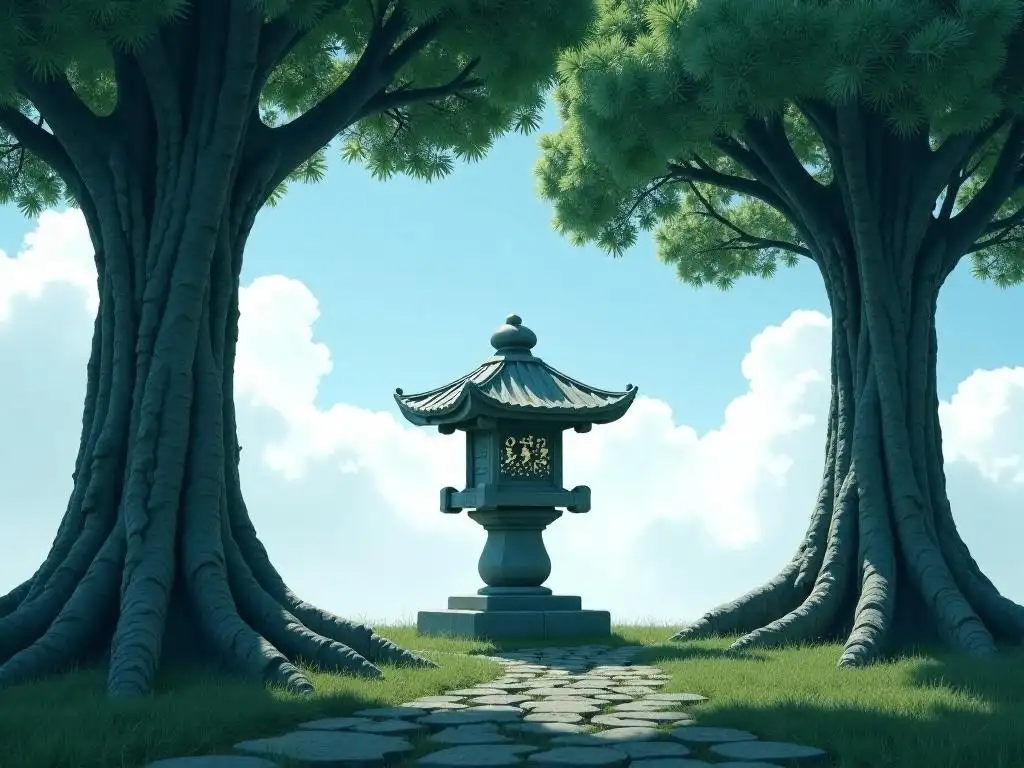
Shinto creation myths are fundamental narratives that convey the origins of the universe, the establishment of the kami (gods), and the shaping of Japanese identity. Central to these myths is the belief in a primordial chaos that existed before creation, giving rise to the world as we know it. These myths are not merely stories; they embody the spiritual and cultural ethos of Japan, reflecting the values, beliefs, and practices of Shintoism.
The Primordial Chaos and the Birth of the Universe
In the beginning, according to Shinto cosmology, there existed only a vast emptiness known as Kūkai or primordial chaos. This void was devoid of form and substance until the emergence of the first deities. The creation story begins with the appearance of Takamagahara (the High Celestial Plain), where the deities would later reside.
The first act of creation involved the formation of the heavens and the earth, often depicted in the following stages:
- The Separation of Heaven and Earth: This act signifies the transition from chaos to order. The deities Izanagi and Izanami were tasked with bringing forth the land.
- The Creation of Japan: They used a jeweled spear, known as Ame-no-Nuboko, to stir the primordial waters. As they lifted the spear, droplets fell, forming the islands of Japan.
- The Emergence of Kami: With the land formed, numerous kami were born to inhabit these islands, each embodying natural elements and forces.
This narrative not only highlights the process of creation but also emphasizes the interconnectedness of the kami with nature, which is a core tenet of Shinto belief.
Key Deities in Shinto Creation Myths
The Shinto creation myths revolve around several key deities, primarily Izanagi and Izanami. Their roles are crucial in understanding the essence of Shintoism and its reverence for the kami.
Izanagi: The Divine Male Creator
Izanagi, whose name means "He Who Invites," is often depicted as the proactive force in creation. He is characterized by:
- Authority: As the male creator, Izanagi represents strength and initiative. His actions initiated the formation of the world and the lineage of kami.
- Cleansing Rituals: After his descent to the underworld to retrieve Izanami, he performed a purification ritual, leading to the birth of several significant kami, including Amaterasu (the sun goddess) and Tsukuyomi (the moon god).
Izanagi's importance lies not only in his role as a creator but also in his embodiment of purification, a critical aspect of Shinto rituals.
Izanami: The Divine Female Creator
Izanami, whose name translates to "She Who Invites," complements Izanagi in the creation narrative. Key aspects of her character include:
- Sacred Femininity: Izanami’s role as the female creator reflects the nurturing and life-giving aspects of nature. She is revered for her ability to bring forth life.
- The Cycle of Life and Death: After dying during childbirth, Izanami became a goddess of the underworld, Yomi, emphasizing the Shinto belief in the cyclical nature of life, death, and rebirth.
The dynamics between Izanagi and Izanami illustrate the balance between male and female forces in the universe, underscoring the Shinto philosophy of harmony with nature and the divine.
The Shinto creation myths offer profound insights into the spiritual landscape of Japan, showcasing the intricate relationships among the kami, humanity, and nature. Understanding these myths enriches the appreciation of Shinto practices and their integral role in Japanese culture.
The Creation of Japan and Its Islands
The creation of Japan and its islands is a profound narrative rooted in Shinto mythology, encapsulating the spiritual essence of the nation. According to the Kojiki (Chronicles of Japan) and Nihon Shoki (Chronicles of Japan), the genesis of the archipelago began with a primordial chaos, a vast and formless void. From this emptiness emerged the first deities, known as Kotoamatsukami, who represented the initial forces of creation.
The most significant of these deities were Izanagi and Izanami, who played a pivotal role in shaping the islands of Japan. They descended from the heavens onto the Floating Bridge of Heaven, using a jeweled spear called Ame-no-Nuhoko to stir the ocean below. As they lifted the spear, drops of saltwater fell from its tip, solidifying into the first island, Onogoro-jima. This act not only marked the physical birth of Japan but also symbolized the divine connection between the land and its people.
Once the islands were formed, Izanagi and Izanami proceeded to create additional islands, including Yamato, Shikoku, Kyushu, and Honshu, which collectively constitute modern-day Japan. These creations were not mere geographical formations; they were imbued with spiritual significance and a sense of purpose. The islands served as sacred grounds for the kami, the divine spirits that inhabit the natural world, reinforcing the belief that the land itself is a living entity infused with divine presence.
The Emergence of Kami from the Creation Myths
The emergence of kami, or divine spirits, is intricately linked to the Shinto creation myths and reflects the deep reverence for nature in Japanese culture. From the union of Izanagi and Izanami, a multitude of kami were born, each associated with specific elements of the natural world. This divine lineage not only underscores the interconnectedness of all living things but also illustrates the origins of various kami worshipped in Shinto practices.
Among the most significant kami is Amaterasu, the sun goddess, who emerged from Izanagi’s left eye. She is revered as the protector of Japan and symbolizes light, purity, and fertility. The legend of Amaterasu highlights themes of balance and harmony, particularly in the story of her retreat into a cave, which plunged the world into darkness, illustrating the necessity of both light and shadow in the cosmic order.
Another important kami is Susanoo, the storm god, born from Izanagi's right eye. His tumultuous nature is often contrasted with Amaterasu’s serene disposition, embodying the duality of existence. Susanoo's adventures, including his battles with the eight-headed serpent Yamata-no-Orochi, serve to illustrate the constant struggle between chaos and order, a core theme in Shinto belief.
The creation myths also emphasize the importance of place and nature in Shinto worship. Each kami is associated with specific locations, such as mountains, rivers, and forests, leading to a profound sense of veneration for the environment. This relationship between kami and the natural world fosters a cultural ethos that encourages harmony with nature, a principle that remains central to Japanese identity today.
The Shinto creation myths not only narrate the origins of Japan and its islands but also the emergence of kami, intertwining the spiritual and natural realms into a cohesive belief system that continues to influence Japanese culture and spirituality.
The Concept of Kami in Shinto
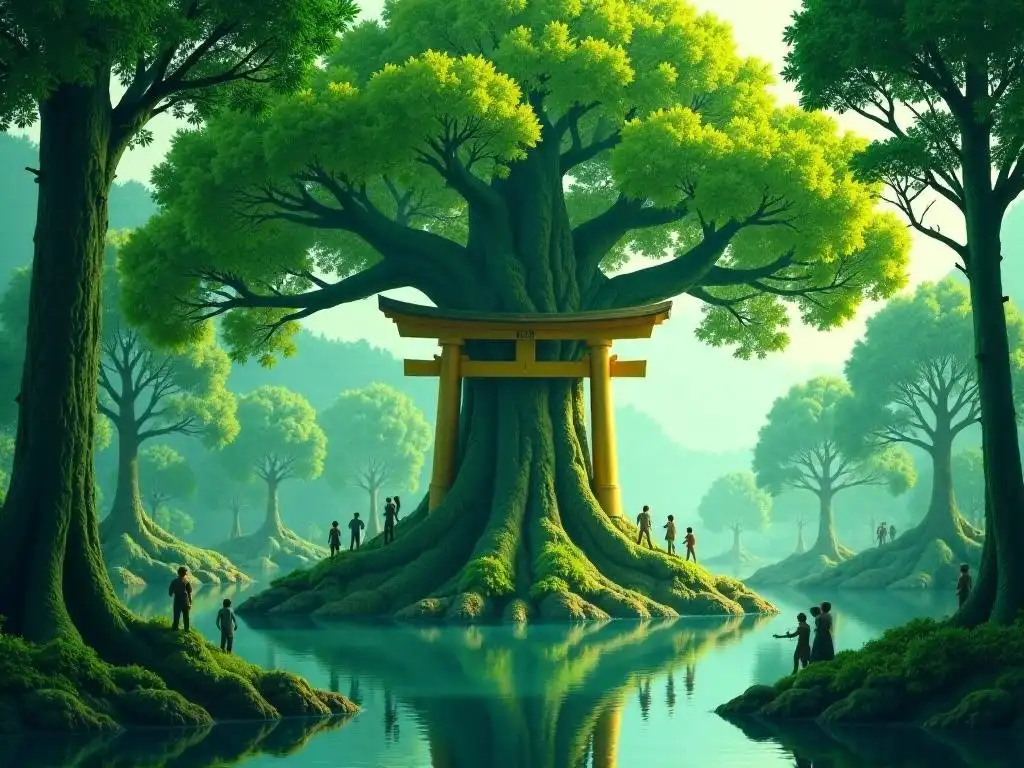
In Shinto, the indigenous spirituality of Japan, the concept of kami represents a fundamental element of the belief system. Kami are not merely deities or gods; they embody a wide spectrum of spiritual entities that exist in the natural world and beyond. Understanding the concept of kami is crucial for grasping the essence of Shinto creation myths and the cultural practices that surround them.
Definition of Kami in Shinto Beliefs
The term kami can be translated to mean "spirit" or "deity," but its implications are far broader. In Shinto beliefs, kami can be:
- Deities: These are powerful spirits associated with specific aspects of life and nature, often personified in mythological tales.
- Spiritual Forces: Many kami represent natural phenomena or forces, such as wind, rain, mountains, and rivers.
- Ancestral Spirits: Some kami are revered ancestors, believed to protect their descendants and the community.
The essence of kami is tied to their embodiment of purity and the importance of harmony within the natural order. Kami are revered and invited into human activities, and their blessings are sought through rituals and offerings.
Types of Kami: Major and Minor Deities
In the pantheon of Shinto, kami are classified into two main categories: major and minor deities.
- Major Kami
- Izanagi and Izanami: The primordial deities credited with the creation of the Japanese islands and various gods. Their mythological narrative is foundational to Shinto creation myths.
- Amaterasu: The sun goddess and one of the most prominent kami, revered as the ancestress of the Imperial family. Her stories symbolize light, fertility, and growth.
- Susanoo: The storm god and brother of Amaterasu, known for his chaotic nature but also celebrated for his achievements and heroics.
- Minor Kami
- Local Spirits: These kami are specific to particular locales, such as mountains, rivers, or even trees. They often represent the spirit of a place and are honored in local festivals.
- Household Kami: These include ancestral spirits or protectors of the home, often honored through daily rituals to ensure family safety and prosperity.
The interaction between major and minor kami illustrates the deep connection between the divine and the everyday life of the Japanese people.
The Relationship Between Kami and Nature
The relationship between kami and nature is intrinsic to Shinto beliefs. Nature is not merely a backdrop for human activities but a living entity that houses countless kami.
- Sacred Natural Sites: Mountains, rivers, and groves are often seen as abodes of kami, and specific sites are designated as sacred. For example, Mount Fuji is revered as a kami and a symbol of beauty and spirituality.
- Ritual Offerings: Offerings of rice, sake, and seasonal produce are made to kami to express gratitude and seek blessings for bountiful harvests and harmonious living. These acts reinforce the belief that humans must live in harmony with nature to receive the favor of the kami.
- Festivals and Celebrations: Shinto festivals often coincide with natural events such as the harvest or the changing of the seasons, highlighting the interconnectedness of life and the divine. These festivals serve as communal celebrations that reaffirm the bonds between kami, nature, and humanity.
The deep reverence for nature in Shinto practices reflects a world view where kami are ever-present, influencing the lives of individuals and communities alike, and reminding practitioners of the sacredness of the natural world.
Notable Shinto Myths and Legends
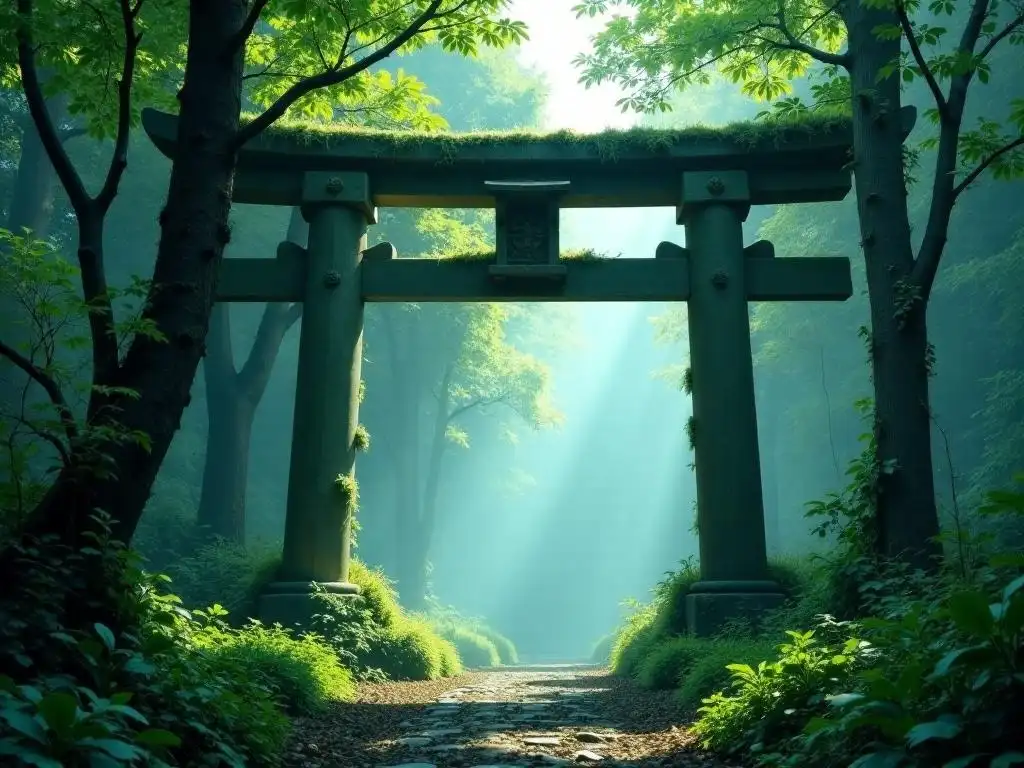
Shinto creation myths and kami are integral to understanding the spiritual and cultural fabric of Japan. These myths not only explain the origins of the world but also delineate the roles of various kami (deities) in the Shinto belief system. Below, we delve into two of the most notable myths that have shaped the Shinto tradition: the tale of Amaterasu and the legend of Susanoo.
The Tale of Amaterasu: The Sun Goddess
Amaterasu, the sun goddess, is one of the most revered kami in Shinto mythology. As the goddess of the sun, she plays a pivotal role in the creation myths and the ongoing narrative of Japanese culture.
The Story of Her Retreat into the Cave
The myth begins with a conflict between Amaterasu and her brother, Susanoo. Tired of Susanoo's chaotic behavior, which included destroying her rice fields and causing havoc, Amaterasu retreated into a cave known as Ama-no-Iwato. This retreat plunged the world into darkness, leading to chaos and despair among the other deities.
To coax her out, the other kami devised a clever plan. They held a celebration outside the cave, complete with laughter, music, and the enticing sounds of festivities. One kami, Ame-no-Uzume, performed a provocative dance that captured the attention of Amaterasu. Curious about the ruckus outside, Amaterasu peeked out of the cave, only to be drawn further out by the sight of her own reflection in a mirror held by another deity. This moment symbolized the restoration of light and order to the world.
The Significance of Light and Darkness
Amaterasu's retreat and subsequent return symbolize the cyclical nature of light and darkness, a theme deeply embedded in Shinto beliefs. Her role as the sun goddess emphasizes the importance of light for life and growth, contrasting with the chaos that ensues in her absence. This myth underlines the duality of existence in Shinto philosophy, where harmony is achieved through the balance of opposing forces.
The Legend of Susanoo: The Storm God
Susanoo, the storm god and brother of Amaterasu, embodies the chaotic and unpredictable aspects of nature. His adventures are filled with both conflict and resolution, showcasing the complexities of human emotion and natural phenomena.
His Adventures and Confrontations with Other Deities
Susanoo's legend is rich with tales of bravery and conflict. One of his most famous feats is the slaying of the eight-headed dragon Yamata-no-Orochi. According to the myth, Yamata-no-Orochi terrorized the land, consuming young maidens and spreading fear. To save the land, Susanoo devised a plan. He crafted a trap using sake to intoxicate the beast and then confronted it with his sword, ultimately defeating the dragon.
In addition to this legendary battle, Susanoo's interactions with other deities often reflect his tumultuous nature. His rivalry with Amaterasu and his subsequent acts of destruction serve as reminders of the balance between creation and chaos. Despite his flaws, Susanoo is also seen as a protector of the people, illustrating that even the most tumultuous beings can play a vital role in the world.
These myths encapsulate the essence of Shinto creation myths and kami, highlighting the intricate relationship between the divine and the natural world. Through tales of deities like Amaterasu and Susanoo, we gain insight into the values, beliefs, and cultural identity of Japan during the feudal era.
The Myth of Inari: The God of Rice and Fertility
Inari is one of the most revered deities in Shinto mythology, embodying the essence of rice, fertility, and agriculture. As a multifaceted kami, Inari is often associated with prosperity and good fortune, making the deity central to Japan's agricultural practices and rural life. The mythology surrounding Inari is rich and varied, with different regions of Japan venerating the kami in unique ways. Traditionally depicted with foxes, which are considered Inari's messengers, the imagery of Inari is deeply woven into the cultural fabric of Japan.
Inari’s origins can be traced back to ancient agricultural practices, where rice was not just a staple food but a vital element of life and culture. The reverence for rice is reflected in the mythos of Inari, who is believed to have taught humans the art of rice cultivation.
This connection to agriculture has led to Inari being worshipped by farmers and merchants alike, as the kami represents both the bountiful harvest and the wealth it brings. Inari's role is not limited to agriculture; the deity also embodies the concept of renewal and growth, symbolizing the cycles of life that are essential in Shinto beliefs.
The Role of Inari in Agricultural Practices
Inari's influence in agricultural practices is profound, as the kami is often invoked for blessings on crops. Farmers across Japan hold rituals and festivals to honor Inari, seeking the deity's favor to ensure a bountiful harvest. These rituals may include offerings of rice, sake, and other foods, which are presented at Inari shrines as a form of gratitude and supplication. The most famous of these shrines is Fushimi Inari Taisha in Kyoto, renowned for its thousands of vermillion torii gates that lead up the sacred mountain, symbolizing the path to prosperity.
The agricultural calendar in Japan often aligns with the worship of Inari, marking specific times for planting and harvesting. For instance, during the rice planting season, farmers may perform a ritual known as "Inari Matsuri," where they pray for the successful growth of rice plants. Additionally, Inari is also associated with the harvest festival, "Niinamesai," where offerings of the new rice crop are presented to the kami in a ceremony that celebrates the fruits of labor and the bond between humans and nature.
Moreover, Inari's role extends beyond just agriculture; the deity also symbolizes protection against disasters that could affect crops, such as drought or pestilence. In this way, Inari serves as a guardian of the earth and ensures sustenance for the communities that rely on agriculture for survival. The deep-rooted respect for Inari within rural Japanese culture highlights the significance of the kami in sustaining not only the physical nourishment of the people but also their spiritual well-being.
The Influence of Shinto Myths on Japanese Culture
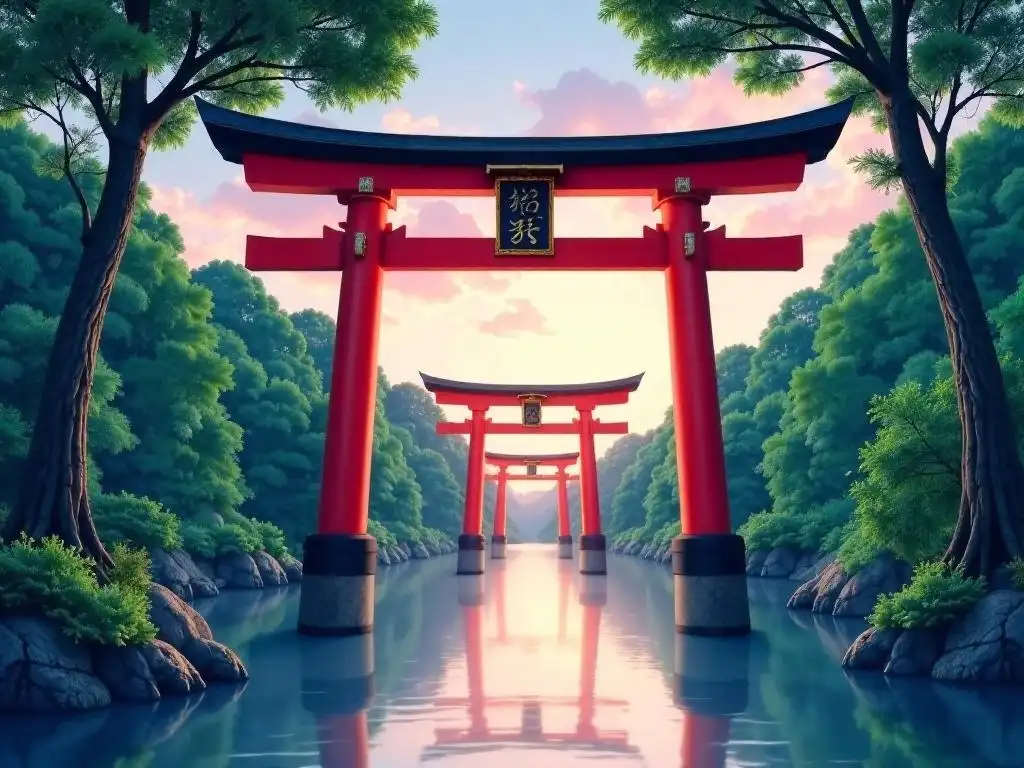
Shinto Myths in Art and Literature
Shinto creation myths and the tales of the kami have significantly influenced various forms of art and literature throughout Japanese history. These narratives often serve as inspiration for traditional and contemporary artists, writers, and performers.
Visual Arts
The visual arts in Japan, particularly during the Edo period, showcase a wealth of Shinto themes. Many ukiyo-e woodblock prints depict scenes from these myths, capturing the beauty and complexity of kami interactions. Notable examples include:
- Kintaro: A legendary child raised by a mountain kami, often illustrated in art as a robust boy playing with animals.
- Amaterasu: The sun goddess, whose retreat into a cave is a popular subject, symbolizing the importance of light and life.
Literature
In literature, Shinto myths have inspired a myriad of works, from classical texts to modern novels. The Nihon Shoki and Kojiki, Japan’s oldest historical chronicles, are foundational texts that detail these myths. They serve not only as historical documents but also as literary masterpieces that have influenced poets and novelists alike.
Modern authors continue to draw upon these themes, creating works that resonate with contemporary readers. For instance, authors like Haruki Murakami weave Shinto elements into their narratives, emphasizing the spiritual connections that persist in Japanese culture.
The Impact of Myths on Festivals and Rituals
Shinto creation myths and kami play a vital role in shaping Japan’s myriad festivals and rituals, known as matsuri. These celebrations often commemorate the myths themselves and the kami associated with them, reinforcing the cultural significance of these narratives.
Major Festivals
- Aoi Matsuri: This festival, celebrated in Kyoto, honors the kami of the Kamo shrines, drawing directly from the mythological narratives surrounding the deities.
- Tenjin Matsuri: Celebrated in Osaka, it honors Sugawara no Michizane, a kami associated with scholarship and learning, reflecting the cultural values tied to education in Japan.
Ritual Practices
Rituals such as offerings and prayers to kami are deeply rooted in Shinto myths. These practices often include:
- Harae: A purification ritual that prepares participants for communion with the kami, emphasizing the connection between the spiritual and physical realms.
- Miko Performances: Female shrine attendants reenact mythological stories through dance and music, fostering a living tradition that keeps the myths alive in the community.
Preservation of Myths in Modern Japanese Society
Despite the rapid modernization of Japan, Shinto creation myths and the reverence for kami persist in contemporary society. The integration of these myths into daily life reflects a deep-seated cultural ethos that values historical narratives and spiritual connections.
Daily Practices
Many Japanese people engage in daily practices that echo Shinto beliefs, such as:
- Visiting Shrines: Regular visits to Shinto shrines for blessings and prayers maintain a connection to the kami and their myths.
- Celebrating New Year: The New Year, or Shōgatsu, is marked by rituals that honor the kami, including the Hatsumode, the first shrine visit of the year.
Educational Influence
The educational system in Japan incorporates Shinto mythology into cultural studies, helping younger generations understand the significance of these myths. Schools often organize field trips to shrines, teaching students about the kami and their stories, thus ensuring the preservation of these ancient narratives.
Shinto creation myths and the tales of kami continue to shape Japanese culture through art, literature, festivals, and everyday practices, highlighting their enduring relevance in modern society.
Conclusion: The Enduring Legacy of Shinto Creation Myths and Kami
The Shinto creation myths and tales of the kami (gods and spirits) hold a profound significance within Japanese culture and identity. These narratives, which have been passed down through generations, provide not only a cosmological framework for understanding the world but also a rich tapestry of moral and ethical guidelines that influence daily life. The stories of deities such as Izanagi and Izanami, and the birth of the islands of Japan, encapsulate themes of harmony, nature, and the interconnectedness of life.
The enduring legacy of these myths can be seen in various aspects of Japanese society, from art and literature to festivals and rituals. They serve as a foundation for Shinto practices, reinforcing the belief in the sacredness of nature and the importance of community. Furthermore, the kami are revered not merely as distant deities but as integral parts of everyday life, reminding practitioners of their responsibilities towards both the spiritual and physical realms.
Reflection on the Importance of Myths in Shinto Practice
Shinto creation myths are not just stories; they are essential elements of Shinto practice that provide insight into the values and beliefs of the Japanese people. These myths convey lessons about respect, gratitude, and the cyclical nature of existence. For instance, the tale of the sun goddess Amaterasu, who retreated into a cave, symbolizes the importance of community harmony and the consequences of discord. When the kami emerge from their hiding places, it reflects the restoration of balance and the essential role of cooperation among people.
Moreover, these myths encapsulate the essence of kami worship. They guide rituals and ceremonies, ensuring that practitioners remain connected to their spiritual heritage. Festivals such as Matsuri celebrate these narratives, allowing communities to come together in honor of the kami and to reaffirm their cultural identity. Through these practices, the myths remain alive, evolving yet retaining their core messages.
The Continuing Relevance of Shinto Myths in Contemporary Japan
In contemporary Japan, Shinto creation myths and the reverence for kami continue to resonate deeply within society. As Japan grapples with modernization and globalization, these ancient narratives offer a sense of continuity and stability. Many Japanese people still visit Shinto shrines to seek blessings and express gratitude, particularly during significant life events such as births, weddings, and New Year celebrations.
Additionally, Shinto myths have found new expressions in popular culture, including anime, literature, and art, bridging the gap between tradition and modernity. This fusion not only keeps the stories relevant but also introduces them to younger generations who may be more detached from their historical roots. The themes of nature, spirituality, and harmony with the cosmos continue to inspire and shape the values of contemporary Japanese society.
The Shinto creation myths and the kami embody a rich cultural heritage that remains vital to the Japanese identity. Their enduring legacy is a testament to the power of storytelling in shaping beliefs, practices, and community life, ensuring that the essence of Shinto continues to flourish in both traditional and modern contexts.
Frequently Asked Questions
What are Shinto creation myths?
Shinto creation myths are traditional stories that explain the origins of the universe and the Japanese islands, often involving divine beings and kami.
Who are the kami in Shinto beliefs?
Kami are sacred spirits in Shinto that can represent elements of nature, ancestors, or deities. They play a central role in Japanese spirituality and culture.
How do Shinto creation myths influence Japanese culture?
These myths shape Japanese identity by influencing art, literature, and rituals, emphasizing the connection between nature and humanity.
What is the significance of kami in everyday life?
Kami are revered in daily life through rituals and festivals, serving as a way for people to connect with the divine and seek blessings and protection.
How are Shinto myths passed down through generations?
Shinto myths are transmitted through oral traditions, festivals, and literature, ensuring that the stories remain a vital part of Japanese heritage.
Final Reflection: The Enduring Legacy of Shinto Creation Myths and Kami
The rich tapestry of Shinto creation myths and the revered kami continues to resonate deeply in our modern world. These ancient stories not only provide insight into the origins of the universe and the divine but also serve as a reminder of the interconnectedness of nature and humanity. In a time when many seek meaning and connection in a rapidly changing world, the teachings of Shinto offer a profound sense of belonging and reverence for the natural world.
Cultural narratives shape our understanding of existence, and the myths surrounding kami have significantly influenced Japanese society and beyond. From art and literature to festivals and rituals, the echoes of these ancient tales can be seen in various aspects of contemporary life. As noted by the scholar John Breen, Shinto is not merely a religion; it is a way of life that permeates the very fabric of Japanese culture.
This ongoing influence highlights the importance of these myths in fostering a sense of identity and continuity in a world that often feels fragmented.
As you reflect on the themes of creation and the kami, consider how these stories can inspire your own journey. Take a moment to connect with nature, honor the spirits around you, and embrace the lessons of harmony and respect that Shinto embodies. Let the wisdom of these ancient myths guide you in your daily life, encouraging you to cultivate a deeper appreciation for the world and its mysteries. In doing so, you not only honor the past but also contribute to a more mindful and interconnected future.
Unleash the Magic of Shinto Traditions!
Thank you for diving into the fascinating world of Shinto myths and legends! You’ve unlocked valuable insights into the rich tapestry of creation tales and the divine spirits, or **kami**, that shape Japan’s cultural heritage. Now, it’s time to take your exploration further!
Here are some exciting ways you can engage with these captivating stories:
- Dive deeper into Shinto practices: Visit a local shrine or explore various online resources to understand modern Shinto rituals.
- Share your favorite myth: Start a conversation with friends or family about the most intriguing tale you encountered; you never know what new insights might arise!
- Create your own legend: Use the inspiration from these stories to craft a personal myth that connects to your own experiences or cultural background.
What element of Shinto mythology resonates most with you, and how would you like to incorporate its themes into your life?