
The Intersection of Religion and Warfare in Feudal Japan


Welcome to Feudal Japan History, where we invite you to embark on an enlightening journey through the intricate tapestry of Japan's feudal era. Here, we delve deep into the interplay of religion and warfare, unearthing the profound influences they had on each other and on society as a whole. What drove samurai to battle?
How did spiritual beliefs shape military strategies? Our latest article, "The Intersection of Religion and Warfare in Feudal Japan," promises to reveal the answers and more, inviting you to explore the captivating dynamics that defined a pivotal time in history. Prepare to be intrigued and inspired as you navigate through our expert-driven insights!
The intricate relationship between religion and warfare in feudal Japan is a compelling aspect of its historical narrative. This era, marked by a series of conflicts, power struggles, and the rise of the samurai class, was deeply intertwined with the spiritual beliefs and practices of the time.
Understanding how religion influenced the conduct of wars, the motivations behind battles, and the ethos of the samurai provides valuable insights into the cultural fabric of Japan during this period. This article will delve into the historical context, examining the key religious influences that shaped military culture and ethics, ultimately shedding light on the profound impact of spiritual beliefs on the warrior class and their actions on the battlefield.
Introduction to Religion and Warfare in Feudal Japan
The feudal era of Japan, spanning from the late 12th century to the 19th century, was characterized by a decentralized political structure and the emergence of powerful daimyōs (feudal lords). Within this turbulent socio-political landscape, religion played a pivotal role in shaping the values, motivations, and behaviors of warriors.
The samurai, who were not only skilled fighters but also practitioners of various religious traditions, found themselves at the crossroads of spirituality and martial duty. Understanding the intersection of religion and warfare in this context is vital for grasping the complexities of Japanese history and the samurai code of honor, known as Bushido.
Overview of Feudal Japan's Socio-Political Climate
During the feudal period, Japan was fragmented into numerous domains, each ruled by a daimyō who maintained his own army of samurai. This environment fostered continuous conflicts, as rival factions battled for territory, power, and influence. The lack of a centralized authority often led to the invocation of religious beliefs to justify warfare and rally troops. Key elements of this climate included:
- Constant Warfare: Frequent battles between clans and factions.
- Rise of the Samurai: The samurai class emerged as both warriors and landowners, intertwining military prowess with social status.
- Political Alliances: Marriage and religious ceremonies were often used to forge alliances between clans.
Significance of Religion in Everyday Life
Religion permeated everyday life in feudal Japan, influencing not only the actions of individuals but also the broader societal norms. Major religions such as Shintoism and Buddhism provided a framework for understanding life, death, and the moral implications of warfare. The significance of religion included:
- Moral Guidance: Religious teachings influenced samurai ethics and conduct in battle.
- Ritual Practices: Ceremonial practices to seek divine favor before battles were common.
- Community Cohesion: Shared religious beliefs helped unify clans and foster loyalty among samurai.
Historical Context of Religion and Warfare
The historical context of the relationship between religion and warfare in feudal Japan showcases how spiritual beliefs were interwoven with the realities of combat. Various religions played distinct roles, shaping the ideology and practices of the samurai.
The Role of Shintoism in Military Culture
Shintoism, the indigenous faith of Japan, emphasized the worship of kami (spirits) and the veneration of ancestors. Its influence on military culture was profound, as Shinto rituals and beliefs were often invoked during times of war. Key aspects include:
- Divine Protection: Samurai sought blessings from kami, believing that their favor would ensure victory.
- Ritual Cleansing: Pre-battle purification rituals were performed to appease the spirits.
- Sacred Symbols: The use of talismans and sacred banners in battle was common, believed to carry the protection of the kami.
Buddhism’s Influence on Samurai Ethics
Buddhism, introduced to Japan from Korea and China, significantly impacted the moral framework of the samurai. Its teachings on suffering, detachment, and the cycle of life and death influenced samurai philosophy. Important contributions include:
- Zen Buddhism: Emphasized mindfulness and meditation, which helped samurai cultivate focus and discipline.
- Moral Reflections: Buddhist concepts of compassion and non-attachment shaped samurai ethics, especially regarding the loss of life in battle.
- Ritual Practices: Buddhist rituals offered solace and guidance for warriors facing the realities of combat.
The Impact of Confucianism on Social Hierarchies
Confucianism, although originally from China, found a significant foothold in Japan, influencing social structures and relationships. Its emphasis on loyalty, filial piety, and order resonated within the samurai class and the broader society. Key impacts included:
- Social Order: Confucian ideals reinforced the hierarchical nature of feudal society, dictating relationships between lords and vassals.
- Loyalty and Duty: The concept of loyalty was vital, as samurai were expected to serve their lords with unwavering fidelity.
- Education and Ethics: Confucian teachings promoted education for samurai, encouraging a blend of martial and scholarly pursuits.
The intersection of religion and warfare in feudal Japan reveals a complex tapestry of beliefs and practices that shaped the samurai's identity and their role in society. Understanding these influences allows for a deeper appreciation of Japan's feudal era and the intricate dynamics that defined it.
The Evolution of Religious Practices During Conflicts
Throughout the feudal era in Japan, religion played a pivotal role in shaping the conduct and ethics of warfare. As conflicts arose, various religious practices evolved to align with the martial culture of the time. Shinto, the indigenous spirituality of Japan, emphasized rituals and offerings to appease deities and spirits, which were believed to influence the outcome of battles. Simultaneously, Buddhism, introduced from China and Korea, began to intertwine with Shinto beliefs, leading to a rich tapestry of spiritual customs that warriors adhered to during times of strife.
With the emergence of the samurai class, these religious practices became more formalized. Warriors began to view themselves as protectors of the faith, and their martial prowess was often seen as a divine mandate. This shift not only influenced how battles were fought but also how victories and defeats were interpreted. The belief that divine favor could be won through acts of bravery or piety became a driving force behind many military campaigns.
As wars intensified, various sects within Buddhism, especially Zen Buddhism, started to gain prominence among the samurai. The focus on meditation and discipline resonated with the warrior ethos, and religious practices began to reflect a deeper philosophical understanding of life and death. This evolution of religious practices during conflicts not only impacted the strategies employed in warfare but also the very identity of the samurai.
Major Wars and Their Religious Implications
The major conflicts of feudal Japan, such as the Genpei War (1180-1185) and the Sengoku period (1467-1603), were deeply intertwined with religious beliefs. The Genpei War, which led to the rise of the Kamakura shogunate, showcased how the warring factions invoked the divine to justify their claims to power. Both the Taira and Minamoto clans relied on Shinto deities for support, with shrines erected to honor victories and appease spirits after defeats.
During the Sengoku period, the concept of "kamikaze," or divine winds, emerged as a significant religious narrative, especially during the invasions by Kublai Khan in the 13th century. The Japanese attributed their miraculous victories to the intervention of the gods, reinforcing the belief that their cause was favored by divine forces. This intertwining of religion and warfare not only fueled the zeal of the samurai but also created a collective identity rooted in spiritual conviction.
Additionally, the rise of the Ashikaga shogunate saw an increased influence of Zen Buddhism on military strategy. The samurai sought enlightenment through combat, viewing each battle as a path to spiritual growth. This philosophical approach profoundly impacted the conduct of warfare, where the mind's clarity and focus became as crucial as physical prowess.
Religious Rituals Before Battles
Before engaging in combat, samurai warriors often participated in elaborate religious rituals aimed at invoking divine protection and ensuring victory. These rituals included purification rites, offerings at shrines, and prayers to deities such as Hachiman, the god of war. The act of dedicating weapons or armor to the gods was commonplace, with samurai believing that doing so would imbue them with strength and fortitude.
Another significant ritual was the practice of "shinji," which involved the use of divination to discern the will of the gods regarding the impending battle. Samurai would consult omens or seek guidance from priests, interpreting signs to determine the most auspicious time to engage in combat. This reliance on religious rituals not only reinforced the samurai's connection to the spiritual realm but also served to bolster morale among troops, fostering a sense of unity and purpose.
The rituals often culminated in the "kagura," a sacred dance performed to entertain and appease the deities. This act was believed to invite blessings and protection during warfare. Such practices were integral to the samurai's mindset, creating a deep-seated belief that their success was not solely a result of martial skill but also divine favor.
The Role of Temples as Military Strongholds
Temples in feudal Japan served a dual purpose: they were places of worship and also military strongholds. As conflicts erupted, many Buddhist temples became fortified sites where monks and samurai collaborated to defend their spiritual and territorial interests. For instance, the famous Tōdaiji Temple in Nara was not only a center for Buddhist learning but also a strategic location during various military confrontations.
These temples often housed weapons and provided training grounds for samurai, blending religious devotion with martial discipline. The monks, some of whom were skilled warriors themselves, played a vital role in both spiritual guidance and military strategy. Temples became symbols of resistance and resilience, offering sanctuary to those seeking refuge from the chaos of war.
Moreover, the intertwining of religious and military functions established a unique culture where loyalty to both faith and lord was paramount. This duality fostered a sense of duty and honor among the samurai, reinforcing the notion that their martial exploits were not merely for personal gain but also for the protection of sacred spaces.
The Concept of Bushido and Its Religious Foundations
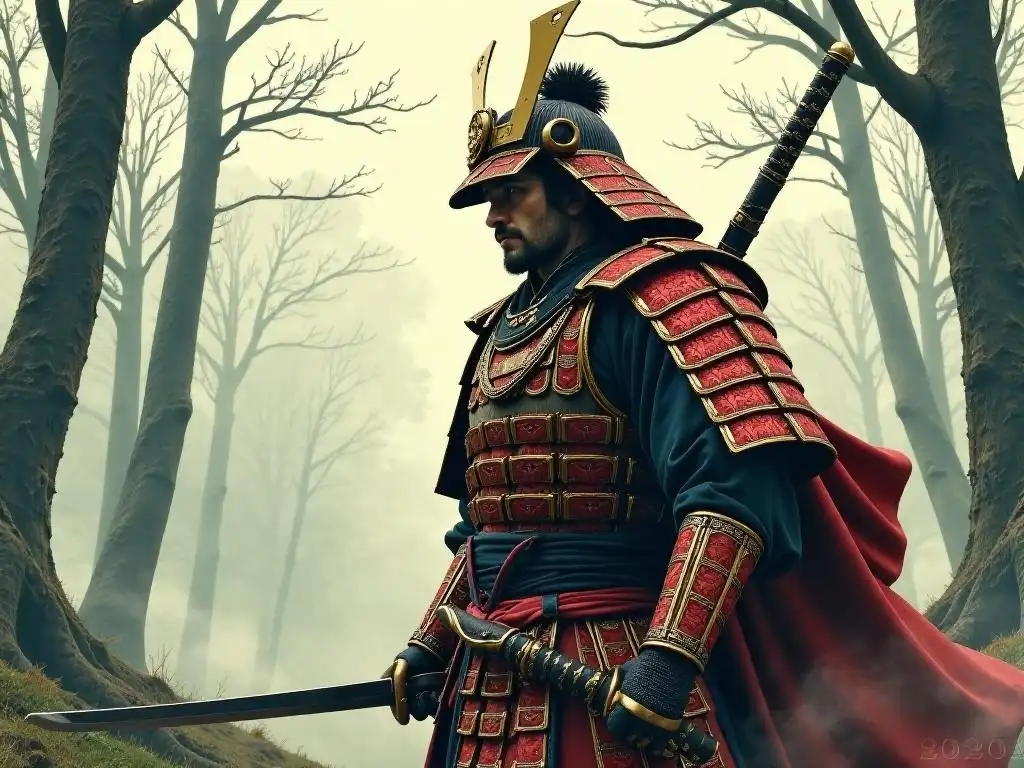
Bushido, often translated as "the way of the warrior," is a code of conduct that shapes the identity and values of the samurai class. At its core, Bushido embodies a blend of martial skill and ethical principles, heavily influenced by the prevailing religious beliefs of the time. The tenets of Bushido, such as loyalty, honor, and courage, were deeply rooted in both Shinto and Buddhist philosophies, which emphasized the importance of righteousness and duty.
As samurai endeavored to embody the ideals of Bushido, their actions were often seen as a reflection of their spiritual beliefs. The concept of "giri," or obligation, played a crucial role in this code, guiding warriors to fulfill their duties not only to their lords but also to their ancestors and the deities they worshipped. This intricate relationship between religion and martial ethics helped to solidify the samurai's role as both a warrior and a steward of spiritual traditions.
Understanding Bushido: The Way of the Warrior
Bushido emerged as more than just a code of ethics; it was a way of life for the samurai, guiding their actions in both war and peace. The core principles of Bushido emphasize loyalty, honor, and self-discipline, reflecting a commitment to serve not only one's lord but also the greater good of society. This ethical framework was influenced by the religious beliefs prevalent in Japan, particularly the notions of righteousness found in both Shinto and Buddhism.
The samurai's dedication to Bushido meant that their conduct in battle was not simply about achieving victory but also about demonstrating moral integrity. The concept of dying honorably in battle, or "shinjū," underscored the importance of maintaining one's honor even in the face of death. This belief system created a unique warrior ethos where courage and self-sacrifice were seen as divine attributes, reinforcing the idea that a samurai's life was intertwined with the spiritual realm.
Furthermore, Bushido encompassed the idea of "seppuku," or ritual suicide, as a means of preserving honor. This act was often performed when a samurai faced disgrace, serving as a powerful testament to the lengths to which warriors would go to uphold their values. In this way, Bushido became a profound expression of the spiritual and ethical convictions that defined samurai identity.
The Influence of Zen Buddhism on Bushido Principles
Zen Buddhism significantly impacted the development of Bushido, offering philosophical insights that shaped the samurai's approach to warfare and life. Zen teachings emphasized mindfulness, meditation, and the acceptance of impermanence, which resonated deeply with the warrior class. The practice of meditation helped samurai cultivate a focused mind, enabling them to remain calm and resolute in the heat of battle.
The principle of "mushin," or "no mind," was particularly influential in shaping Bushido. This state of mind allowed samurai to act without hesitation, free from the distractions of fear or doubt. Such mental clarity was essential for warriors, as it enabled them to respond instinctively to threats and challenges. Zen's emphasis on self-discipline and detachment complemented the samurai's martial training, fostering a mindset conducive to both combat and spiritual growth.
Additionally, Zen aesthetics, including simplicity and harmony, found their way into the samurai's daily life and practices. The influence of Zen can be observed in the tea ceremony, flower arranging, and even in the design of weapons. This integration of Zen principles into the samurai's existence reinforced the idea that the path of the warrior was as much about spiritual enlightenment as it was about martial prowess.
How Religion Shaped Samurai Identity and Code
The interplay between religion and the samurai’s code of conduct was instrumental in shaping their identity. The samurai viewed themselves as the embodiment of virtues espoused by both Shinto and Buddhism, leading to a profound sense of purpose and responsibility. This spiritual underpinning instilled in them the belief that their martial skills were not merely for personal glory but for the protection of their community and the propagation of their faith.
The teachings of Buddhism encouraged samurai to reflect on the nature of life and death, fostering a deeper understanding of their own mortality. This awareness contributed to the samurai's resolve to fight valiantly, knowing that their actions in battle had spiritual significance. The integration of religious values into their daily lives reinforced the samurai's commitment to honor, loyalty, and selflessness, creating a unique warrior ethos that defined feudal Japan.
Furthermore, the samurai's identity was often tied to their lineage and the deities associated with their clan. Shrines dedicated to ancestral spirits served as focal points for their spiritual practices, reinforcing their connection to the past and their obligations to future generations. This blend of duty to both family and faith solidified the samurai's role as guardians of culture, tradition, and spirituality, ensuring that their legacy endured beyond their own lifetimes.
Major Religious Figures and Their Influence on Warfare
Throughout feudal Japan, the relationship between religion and warfare was deeply intertwined, with major religious figures playing pivotal roles in shaping military endeavors. The spiritual beliefs of the time influenced not only the ethics of warfare but also the motivations behind military campaigns. Religious leaders often commanded respect and authority, and their endorsements lent legitimacy to battles, making them a crucial element in the minds of warriors and the populace alike.
The Role of Monks in Military Campaigns
Buddhist monks were not merely spiritual guides; they often took an active role in military campaigns during feudal Japan. Certain sects, particularly the warrior monks of the Tendai and Shingon traditions, engaged directly in warfare, defending their temples and influencing local power struggles.
- Warrior Monks: Known as sohei, these monks were skilled in martial arts and often formed militias to protect their religious communities. They participated in conflicts, such as the Genpei War (1180-1185), where the sohei of the Enryaku-ji temple played a significant role.
- Moral Authority: Their involvement lent a moral dimension to warfare, as they framed battles as righteous endeavors. This not only emboldened warriors but also provided a spiritual justification for their actions, intertwining the sacred with the secular.
Influential Religious Leaders and Their Impact on Samurai
Religious leaders significantly influenced the samurai class, instilling values that transcended mere martial prowess. Figures such as Zen monks and Shinto priests helped shape the ethos of the samurai through teachings that emphasized honor, discipline, and loyalty.
- Zen Buddhism: This sect's focus on meditation and mindfulness appealed to samurai, encouraging a calm and focused mindset in battle. The famous Zen master Dōgen, for instance, taught that understanding life and death was essential for a warrior's path.
- Shinto Beliefs: Shinto priests played a crucial role in the spiritual life of samurai, reinforcing the idea of divine favor in warfare. Rituals and ceremonies, such as the shinto shiki (purification rites), were performed before battles to ensure the protection of deities.
The Intersection of Spiritual Leadership and Military Command
The blending of spiritual leadership with military command was a defining characteristic of feudal Japan. Many samurai leaders sought the counsel of religious figures, viewing them as sources of wisdom and guidance in both military and ethical matters.
- Strategic Alliances: Samurai often formed alliances with religious institutions, recognizing that the support of a temple could bolster their military campaigns. For instance, the Ashikaga shogunate maintained close ties with Buddhist sects, using their influence to consolidate power.
- Rituals in Warfare: Rituals conducted by religious leaders before battles not only served to invoke divine protection but also fostered a sense of unity among the troops. These spiritual practices were integral in preparing warriors mentally and emotionally for the trials of combat.
Religion as a Tool for Justifying Warfare
The justification of warfare through religious means was a pervasive theme in feudal Japan. Leaders frequently invoked divine authority to legitimize their military actions, framing battles as necessary for the protection of the realm and its sacred traditions.
The Divine Right to Rule: Religious Justifications for War
The concept of the divine right to rule was central to the legitimacy of feudal lords and shoguns. They often claimed that their authority was ordained by the gods, which provided a powerful justification for military action.
- Imperial Authority: The emperor was viewed as a divine figure, and his decrees were considered sacred. Wars fought in the name of the emperor were seen as upholding the cosmic order, which compelled samurai to fight with fervor.
- Religious Mandates: Leaders like Minamoto no Yoritomo utilized religious proclamations to rally support for their campaigns, portraying their struggles as efforts to restore divine order and punish transgressors against the heavenly mandate.
Propaganda and Religion: Mobilizing Troops and Public Support
Religious narratives were instrumental in mobilizing troops and rallying public support for military campaigns. The use of religious propaganda helped frame wars in a way that appealed to both the warriors and the general populace.
- Rituals and Public Ceremonies: Ceremonies that invoked the protection of deities served not only to bless the warriors but also to cultivate a sense of collective purpose among the people. These events were often used to promote the idea that participating in warfare was a sacred duty.
- Cultural Narratives: Stories of divine intervention in battles and the valor of warriors were disseminated through oral traditions and writings, reinforcing the idea that warfare was a righteous path. This narrative shaped public perception, ensuring continued support for military endeavors.
The intricate relationship between religion and warfare in feudal Japan was characterized by the influence of major religious figures, the justification of military actions through divine authority, and the strategic use of religious narratives to mobilize support. This intersection played a crucial role in shaping the ethical framework of samurai culture and the broader societal attitudes towards warfare during this era.
The Aftermath: Religion's Role in Post-War Society
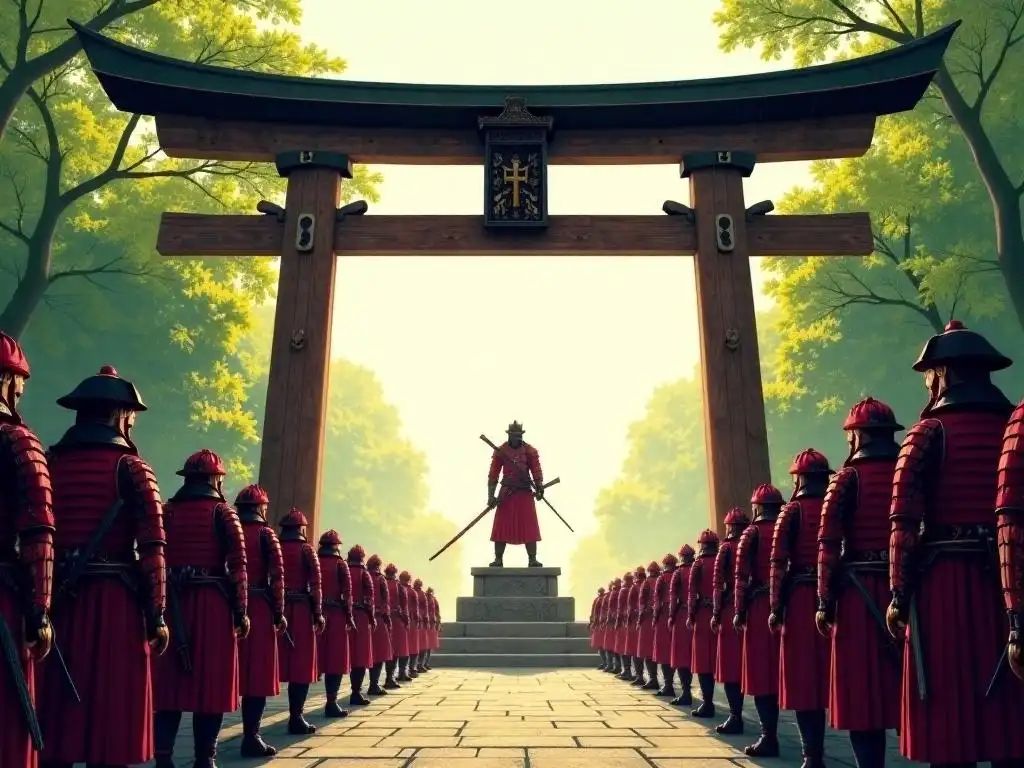
After the tumultuous conflicts of feudal Japan, the aftermath saw a significant role played by religion in the reconstruction of society. The impact of warfare on communities was profound, leaving behind a legacy of loss and a pressing need for healing. Religious institutions became pivotal in the recovery process, serving as sanctuaries for the displaced and as agents of moral guidance. Temples and shrines were often rebuilt or expanded as a testament to resilience and a renewed faith in divine protection.
Religious leaders, particularly Buddhist and Shinto priests, took on the responsibility of guiding the populace through their grief and uncertainty. Ceremonies were conducted to honor the fallen, and rituals were established to appease the spirits of those who had died in battle. This was crucial not only for the bereaved families but also for the broader community, as it fostered a sense of unity and hope for a peaceful future.
Rebuilding Through Religious Practices
Religious practices played a vital role in the physical and spiritual rebuilding of post-war Japan. Many feudal lords, recognizing the influence of religion on their subjects, sought to align themselves with Buddhist teachings and Shinto beliefs to legitimize their authority and promote stability.
- Pilgrimages and Festivals: Pilgrimages to significant religious sites increased, providing opportunities for communal healing. Festivals celebrating the gods and honoring ancestors became integral to the social fabric, reinforcing community ties and shared values.
- Education and Morality: Monasteries became centers of learning, emphasizing moral education and ethical conduct as a means to restore societal order. Buddhist teachings, in particular, stressed compassion and the impermanence of life, guiding individuals to reconcile their experiences in war with a vision for a harmonious existence.
Through these practices, religion not only facilitated recovery but also helped establish a new ethical framework that influenced governance and societal norms.
The Influence of Religion on Peace Treaties and Resolutions
Religion also played a crucial role in the negotiation of peace treaties and resolutions following violent conflicts. Religious leaders often acted as mediators, using their moral authority to encourage dialogue and reconciliation among warring factions.
- Divine Mandates: Many peace agreements were framed within a religious context, where leaders sought divine favor and legitimacy. The belief that peace was a divine mandate helped to legitimize treaties and foster a commitment to uphold them.
- Spiritual Consultations: Rituals and consultations with religious figures were common before formal agreements were reached. These spiritual undertakings aimed to ensure that the terms of peace would be honored, as breaking such agreements would not only lead to political ramifications but also spiritual consequences.
This intertwining of religion and politics during peace negotiations highlighted the essential role of faith in shaping the trajectory of post-war Japan, emphasizing the need for harmony in both the physical and spiritual realms.
Conclusion: The Enduring Legacy of Religion and Warfare in Feudal Japan
The intersection of religion and warfare during the feudal era of Japan left an indelible mark on the nation's cultural and social landscape. As conflicts arose and subsided, the ways in which religion shaped the motivations, actions, and consequences of warfare became evident. The legacies of these interactions continue to resonate in modern Japanese society.
Reflections on the Interplay of Faith and Conflict
The interplay of faith and conflict in feudal Japan reflects a complex relationship where religion served as both a motivator for warfare and a source of solace in its aftermath. The ideologies that emerged from this era, especially those related to honor, duty, and sacrifice, were heavily influenced by religious beliefs. This duality is crucial in understanding how faith was not merely a backdrop to conflict but an active participant in shaping the moral landscape of the time.
- Cultural Narratives: Historical narratives often depict samurai as warriors guided by a code of honor heavily influenced by Buddhist and Shinto principles. This portrayal underscores how deeply intertwined religion and the martial ethos were, manifesting in the Bushido code that emphasizes loyalty, honor, and respect.
Implications for Understanding Modern Japanese Society
The legacies of the feudal era's intertwining of religion and warfare continue to inform modern Japanese society. Contemporary Japan, while largely secular, retains influences from its historical religious practices and philosophies. The concepts of loyalty, honor, and community, rooted in the samurai's spiritual and ethical principles, find echoes in modern Japanese culture.
- Civic Values: The civic values that emerged from this historical context contribute to Japan's societal norms today, where respect for tradition and community cohesion remain paramount.
- Religious Observances: Modern religious observances, such as festivals and rituals, reflect the enduring significance of these historical influences, bridging the past with the present.
Understanding the intersection of religion and warfare in feudal Japan provides valuable insights into the formation of cultural identity and moral frameworks that continue to shape Japanese society today.
References
In exploring the intricate relationship between religion and warfare in feudal Japan, it is essential to reference a variety of scholarly works, historical texts, and analyses that highlight this complex interplay. The following sections present suggested readings and key historical texts that provide valuable insights into this topic.
Suggested Readings on Religion and Warfare in Feudal Japan
-
"Warriors of Japan as Portrayed in the War Tales" by Thomas Cleary
This book examines the depiction of samurai and their relationship with warfare and spirituality in classic Japanese literature.
-
"The Samurai: A Military History" by Stephen Turnbull
Turnbull provides a comprehensive overview of the samurai's role in Japan's military history, delving into the influence of religious beliefs on their conduct in battle.
-
"Buddhism and the Samurai: A Study of the Influence of Zen Buddhism on the Samurai" by John M. McNally
This work focuses on how Zen Buddhism shaped the philosophy and ethics of the samurai, particularly in the context of warfare.
-
"The Book of Five Rings" by Miyamoto Musashi
A classic text on strategy and martial arts, Musashi's work also reflects on the spiritual aspects of combat and the warrior's mindset.
-
"The Tale of the Heike" (translated by Helen Craig McCullough)
This epic narrative provides insights into the ethical and moral considerations of warfare in feudal Japan, influenced heavily by Buddhist and Shinto beliefs.
Key Historical Texts and Documents
-
"The Shōtoku Constitution" (604 AD)
This early document laid the groundwork for governance in Japan, emphasizing moral conduct influenced by Confucian and Buddhist principles, which later permeated samurai ethics.
-
"The Nembutsu"
A form of Pure Land Buddhism that became popular among samurai, emphasizing faith and the recitation of the Nembutsu as a path to salvation, intertwining religious devotion with martial culture.
-
"The Hōgen Monogatari"
A historical narrative that recounts the Hōgen rebellion, illustrating the connection between clan conflicts, power struggles, and the prevailing religious ideologies of the time.
-
"The Heike Monogatari"
This historical epic not only tells the story of the Genpei War but also reflects the spiritual beliefs and values that influenced the samurai's approach to warfare.
-
"The Lotus Sutra"
As one of the most influential texts in Mahayana Buddhism, it impacted the samurai's view of duty, sacrifice, and the moral implications of warfare.
These readings and historical documents are instrumental in understanding the nuanced relationship between religion and warfare in feudal Japan, revealing how spiritual beliefs shaped the actions and ethics of warriors during this pivotal era.
- Introduction to Religion and Warfare in Feudal Japan
- Historical Context of Religion and Warfare
- The Evolution of Religious Practices During Conflicts
- The Concept of Bushido and Its Religious Foundations
- Major Religious Figures and Their Influence on Warfare
- Religion as a Tool for Justifying Warfare
- The Aftermath: Religion's Role in Post-War Society
- Conclusion: The Enduring Legacy of Religion and Warfare in Feudal Japan
- References
Frequently Asked Questions
What role did religion play in feudal Japan?
Religion was a significant aspect of feudal Japan, influencing social structures and military strategies. Shinto and Buddhism shaped the beliefs and practices of samurai and the general populace, intertwining the sacred with the secular.
How did warfare affect religious practices during the feudal era?
The chaos of warfare often led to religious rituals aimed at securing divine favor and protection for warriors. Shrines and temples became focal points for seeking blessings and guidance during conflicts.
Which religions were most influential in feudal Japan?
The primary religions were Shinto, which was indigenous, and Buddhism, introduced from the continent. Each played a crucial role in shaping the cultural and political landscapes of the era, influencing everything from morality to military conduct.
How did samurai integrate religion into their warfare?
Samurai adhered to a code of conduct that included spiritual elements, often viewing their battles as a form of sacred duty. They would frequently engage in rituals to invoke divine protection before going into battle.
What impact did religion have on the outcome of conflicts in feudal Japan?
Religious beliefs often influenced the morale of troops and their perception of justice in warfare. Victories were frequently interpreted as divine endorsement, while defeats were seen as a result of spiritual failings.
Final Reflection: The Enduring Legacy of Religion and Warfare in Feudal Japan
The intricate relationship between religion and warfare in feudal Japan remains profoundly relevant today, as it highlights the ways in which belief systems can shape societal structures and conflicts. The historical interplay between these two forces not only influenced the course of Japanese history but also serves as a poignant reminder of how ideologies can drive individuals and nations to both unity and division. Understanding this dynamic allows us to grasp the complexities of modern conflicts rooted in religious and cultural identities.
The legacy of religion and warfare in feudal Japan continues to resonate within our contemporary cultural and social landscapes. From the samurai's bushido code, which intertwined spiritual beliefs with martial prowess, to the ongoing influence of Shinto and Buddhism in Japanese society, the echoes of this past are evident. As historian John W. Hall noted, The samurai were not just warriors; they were also deeply spiritual beings, whose faith informed their actions on and off the battlefield.
This observation underscores the profound impact that the fusion of faith and conflict has had on shaping not only Japan's historical narrative but also its modern identity.
As we reflect on the lessons drawn from the intersection of religion and warfare in feudal Japan, let us consider how these insights can inform our own lives and societies today. I invite you to explore how your beliefs influence your actions and interactions with others. In a world often divided by differing ideologies, recognizing the power of faith—whether in a religious context or as a guiding principle—can foster understanding and peace. Embrace the opportunity to learn from history, and let it inspire you to contribute positively to the ongoing dialogue about belief and conflict in our own communities.
Unveil the Complex Tapestry of Faith and Conflict!
Thank you for exploring the intricate relationship between religion and warfare in Feudal Japan. Your interest enriches your understanding of how spiritual beliefs influenced significant historical events. Now, let’s transform that knowledge into meaningful action.
- Explore Further: Dive deeper into related themes by reading our detailed articles on pivotal battles and the ethical codes of the samurai.
- Join the Conversation: We want to hear from you! Share your thoughts in the comments below regarding the impact of religion on historical conflicts.
- Connect with Others: Be part of our community by subscribing to our newsletter for regular updates and discussions about the captivating history of Feudal Japan.
What additional insights do you think the relationship between faith and warfare in Feudal Japan could offer for today’s understanding of conflict resolution?