
The Role of Women in Feudal Japan: Insightful Reads to Understand Their Impact


Welcome to Feudal Japan History, where we take you on a captivating journey through the intricate tapestry of Japan's feudal era. Here, we delve into the historical, cultural, and societal aspects that shaped this remarkable period. In our featured article, “The Role of Women in Feudal Japan: Insightful Reads to Understand Their Impact,” we uncover the often-overlooked contributions of women during this transformative time.
Prepare to be intrigued as we explore their influence, resilience, and significance in a world dominated by samurai and shoguns. Join us as we unravel the stories that continue to resonate through the ages—your exploration starts here!
Introduction to Women in Feudal Japan
The narrative of Women in Feudal Japan is both complex and multifaceted, offering a rich tapestry of cultural, social, and historical threads that illustrate their significant roles and contributions during this pivotal era. Contrary to the commonly held perception that women were entirely subservient or confined to domestic spheres, many women in feudal Japan exhibited remarkable agency and influence. From the noblewomen of the samurai class to the laborers in rural communities, women's roles were diverse and often critical to the fabric of society.
In this article, we aim to explore various insightful reads that shed light on the lives of women during feudal Japan, examining their struggles, achievements, and the cultural contexts that shaped their experiences. Through an analysis of key literature, we will uncover the impactful stories of women who navigated the challenges of a patriarchal society, contributing to everything from family lineage to artistic expression and social change.
Historical Context of Women in Feudal Japan
To fully appreciate the roles women played in feudal Japan, it is essential to understand the historical backdrop against which their lives unfolded. The feudal era, spanning from the late 12th century to the early 19th century, was marked by a rigid social hierarchy and the rise of the samurai class. Within this context, women's status varied significantly depending on their social class, geographic location, and the period in question.
- Social Structure:
- Noblewomen: Often married off to strengthen political alliances, noblewomen wielded influence through family connections and could manage estates in the absence of their husbands.
- Peasant Women: Typically responsible for agricultural labor, these women played a crucial role in sustaining their families and communities, often engaging in farming, weaving, and other trades.
- Cultural Expectations:
- The concept of Onna Daigaku (The Great Learning for Women) emphasized virtues such as obedience and chastity, shaping the upbringing of girls and their roles within families.
- Literature and art from this era often depict women in various roles, providing insight into societal perceptions and expectations.
- Legal Status:
- Women had limited legal rights, yet they could inherit property, especially in the case of noble families. The Noble Woman's Law permitted certain rights in marriage and divorce that could empower women in specific instances.
Understanding this historical context lays the groundwork for appreciating the nuanced contributions of women during this era, revealing how they navigated societal norms and expectations.
Key Contributions of Women in Feudal Japan
Women in feudal Japan contributed significantly to various aspects of society, from maintaining household economies to influencing cultural practices. Here are some of the key areas where their impact was particularly noteworthy:
- Economic Contributions:
- Women were integral to the agricultural workforce, managing fields and crops that sustained their families.
- In urban settings, women participated in various trades, from textile production to small-scale commerce, thus bolstering local economies.
- Cultural Influence:
- Many women became renowned poets and artists, contributing to the rich literary and artistic traditions of the time. Notable figures such as Murasaki Shikibu, author of The Tale of Genji, showcase the literary prowess women could achieve.
- The Geisha culture also emerged during this period, where women played pivotal roles in art, music, and social gatherings, significantly influencing Japanese culture.
- Political Engagement:
- Some women, particularly those from the samurai class, played crucial roles in political dynamics, managing estates and even participating in governance during their husbands' absences.
- There are instances of women like Tomoe Gozen, a female warrior who fought alongside samurai, illustrating that women's roles could extend beyond traditional boundaries.
These contributions reveal a vibrant picture of women's lives in feudal Japan, challenging the simplistic view of their societal roles and emphasizing their importance in shaping the cultural and historical landscape of the era.
In the following sections, we will delve deeper into specific literature that provides further insights into the lives and impacts of women in feudal Japan, enriching our understanding of their complex roles in history.
Recommended Books to Explore Women in Feudal Japan

Exploring the role of women in Feudal Japan provides a nuanced understanding of their impact on society, culture, and family dynamics. Here are some key books that offer insightful perspectives:
-
"Women of the Samurai: The Role of Women in the Samurai Era" by Stephen Turnbull
This book delves into the lives of women during the samurai period, focusing on their responsibilities and influence within the household and society. Turnbull's detailed research highlights the importance of women in maintaining family lineage and managing estates.
-
"Geisha: A Life" by Mineko Iwasaki
Written by one of the most famous geishas of the 20th century, this autobiography provides a unique glimpse into the life of women in the entertainment sector. Iwasaki’s narrative challenges stereotypes and showcases the complexities of a geisha's life.
-
"The Tale of Genji" by Murasaki Shikibu
Often considered the world's first novel, this classic work offers valuable insights into the lives of noble women in the Heian period. The portrayal of female characters reveals their emotional depth and social roles, providing context for women’s experiences in historical Japan.
-
"Women in Early Modern Japan" by G. G. Rowley
This collection of essays explores various aspects of women's lives from the late 16th to the 19th centuries. Rowley’s work examines topics such as education, work, and the influence of societal norms on women's roles.
-
"Japanese Women: New Perspectives on the Past" by Janet R. Goodwin
This book offers a comprehensive overview of women's roles throughout Japanese history, with a focus on the feudal era. Goodwin provides a critical examination of women's contributions and challenges in a patriarchal society.
These books serve as fundamental resources for anyone interested in understanding the multifaceted roles of women in Feudal Japan, highlighting their strength, resilience, and cultural contributions.
The Cultural Influence of Women in Feudal Japan
Women in Feudal Japan were instrumental in shaping the cultural landscape of their time. Their influence extended beyond the domestic sphere, impacting art, religion, and social customs.
-
Artistic Contributions:
Women were often involved in traditional arts such as textile production, pottery, and calligraphy. Their skills in these crafts not only enhanced household income but also contributed to the cultural heritage of Japan. Notably, women played a significant role in the creation of kimono fabrics, which became symbols of Japanese identity.
-
Religious Roles:
In the spiritual realm, women often served as priestesses in Shinto shrines, holding significant power within religious ceremonies. They were responsible for rituals that honored ancestors and deities, reflecting their integral role in preserving cultural practices.
-
Literature and Education:
Women also made notable contributions to literature. During the Heian period, female authors such as Murasaki Shikibu and Sei Shonagon produced works that provided insight into court life and female perspectives. Education for women, particularly among the upper classes, included poetry and music, which were essential skills for social engagement.
Overall, women in Feudal Japan were not merely passive figures; they actively contributed to the cultural richness of their society, influencing generations to come.
Myths and Realities: Women in Feudal Japan
The narratives surrounding women in Feudal Japan are often clouded by myths that simplify their experiences. Understanding the realities behind these myths is crucial for a comprehensive view of their roles.
-
Myth: Women Were Completely Subservient
While the Confucian ideals of the time emphasized male dominance, many women wielded significant power within their households. Noblewomen, in particular, could influence political decisions through marriages and alliances, demonstrating agency in a male-dominated society.
-
Myth: All Women Were Geishas or Prostitutes
The stereotype of women as solely geishas or sex workers overlooks the diverse roles they held. Women engaged in various professions, including farming, weaving, and running businesses. Many were also involved in local governance and community affairs.
-
Reality: Education and Intellectual Pursuits
Contrary to the notion that women were uneducated, many women, especially from the upper classes, received education in literature, music, and the arts. This education enabled them to express themselves creatively and engage in intellectual discussions, contributing to the cultural dialogue of their time.
Separating myth from reality reveals a more complex picture of women's lives in Feudal Japan. Their contributions were significant and varied, challenging the traditional narratives often presented in historical accounts. Understanding these nuances enriches our appreciation of their impact on Japanese history and culture.
Conclusion: Understanding the Impact of Women in Feudal Japan
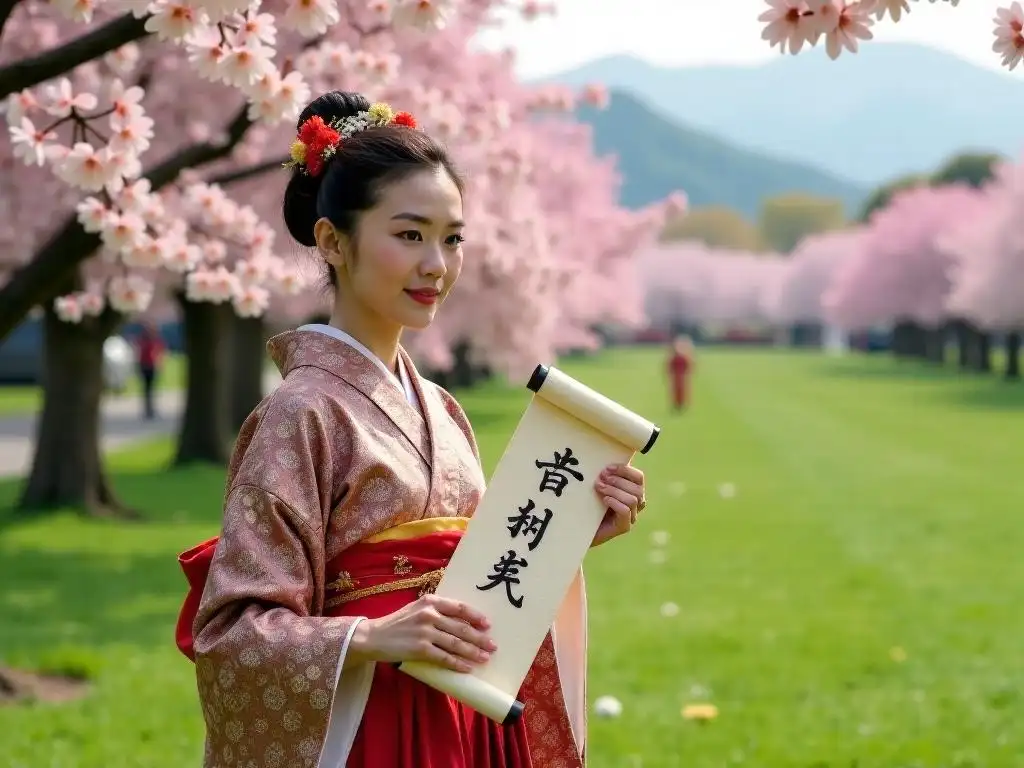
The role of women in Feudal Japan was multifaceted and integral to the social fabric of the era. Despite being often overshadowed by their male counterparts, women exercised influence and agency in various domains, from familial responsibilities to economic contributions and even political maneuvering within the constraints of their society. The traditional view of women as passive figures is increasingly challenged by historical evidence highlighting their resilience, adaptability, and significant roles in maintaining household stability, managing estates, and nurturing cultural practices.
Through literature and historical accounts, we can appreciate how women navigated the complexities of a patriarchal society while still making lasting impacts on their families and communities. Whether through the lens of samurai wives, merchant women, or those engaged in the arts, the stories of these women reflect not only their struggles but also their triumphs. Understanding their contributions enriches our comprehension of Feudal Japan's history and culture, offering a more nuanced perspective that recognizes the essential roles women played in shaping the era.
Additional Resources and Further Reading on Women in Feudal Japan
To delve deeper into the subject of women in Feudal Japan, several noteworthy books and resources provide valuable insights:
-
"Women in the Age of the Samurai" by A. M. D. Rees
This book explores the lives of women during the samurai period, focusing on their roles within the family and society.
-
"The World of the Shining Prince: Court Life in Ancient Japan" by Ivan Morris
While primarily about the Heian period, this book offers context on women's roles in early Japanese history, providing a foundation for understanding their evolution in Feudal Japan.
-
"Geisha of the Floating World" by Arthur Golden
Although a fictional account, this novel sheds light on the lives of geishas and the cultural expectations placed on women during Japan's historical eras.
-
"Women and the Japanese Family" by Yoko Tanaka
This resource examines the changing roles of women within the family structure, offering a critical view of their societal positions throughout Japanese history.
-
Academic Journals and Articles
Look for scholarly articles in journals such as The Journal of Japanese Studies and Asian Studies Review that focus on gender studies within the context of Feudal Japan.
These resources not only enhance understanding but also provide a broader context for appreciating the complexities of women's lives during this transformative period in Japanese history.
Call to Action
As you explore the dynamic roles of women in Feudal Japan, consider expanding your reading list with the recommended titles above. Engaging with these works can deepen your appreciation for the contributions of women in shaping Japanese culture and society.
We invite you to share your thoughts and insights on this topic. Have you read any of the suggested books? What other resources have you found enlightening regarding women in Feudal Japan? Join the conversation and help broaden the discourse surrounding this vital aspect of history!
- Introduction to Women in Feudal Japan
- Historical Context of Women in Feudal Japan
- Key Contributions of Women in Feudal Japan
- Recommended Books to Explore Women in Feudal Japan
- The Cultural Influence of Women in Feudal Japan
- Myths and Realities: Women in Feudal Japan
- Conclusion: Understanding the Impact of Women in Feudal Japan
- Additional Resources and Further Reading on Women in Feudal Japan
- Call to Action
- What was the role of women in Feudal Japan?
- How were women's rights viewed during the feudal era?
- Did women have any influence in politics during Feudal Japan?
- What were the common occupations for women in Feudal Japan?
- How did the perception of women change from the beginning to the end of the feudal era?
Frequently Asked Questions
What was the role of women in Feudal Japan?
Women in Feudal Japan played crucial roles within their families, often managing household duties and raising children while also contributing to agricultural work and family businesses.
How were women's rights viewed during the feudal era?
In Feudal Japan, women's rights were largely limited. Their social status was often determined by their family connections, and they had few legal rights compared to men.
Did women have any influence in politics during Feudal Japan?
While women were generally excluded from formal political power, some, especially from noble families, exerted influence behind the scenes through marriage alliances and familial connections.
What were the common occupations for women in Feudal Japan?
Women in feudal society often worked as farmers, weavers, and merchants, with some noble women engaging in the arts, including literature and calligraphy.
How did the perception of women change from the beginning to the end of the feudal era?
The perception of women in Feudal Japan evolved as societal needs changed. During earlier periods, women held more power in managing family affairs, while later, their roles became more restrictive and defined by patriarchal norms.
Final Reflection: Understanding the Enduring Legacy of Women in Feudal Japan
The role of women in Feudal Japan remains a critical topic that resonates profoundly in today's discussions about gender equality and historical representation. As we explore the multifaceted lives of women during this era, we uncover not only their struggles and contributions but also the lasting impact they have had on contemporary society. The narratives of these women challenge us to reconsider historical perspectives and recognize their significance in shaping cultural identities.
The influence of women in Feudal Japan extends far beyond their immediate context, weaving into the fabric of modern cultural and social landscapes. Their stories of resilience and agency continue to inspire movements for equality and empowerment. As noted by historian Joan Piggott, The roles of women in the past are not just historical footnotes; they are integral to understanding the evolution of societal norms and values.
This insight encourages us to reflect on how the past informs our present and future, highlighting the importance of acknowledging women's contributions throughout history.
As we conclude this exploration, I invite you to reflect on the lessons learned from the lives of women in Feudal Japan. Consider how their strength and agency can inspire your own journey and the ways you can advocate for gender equality today. Let their stories motivate you to engage with history not just as a record of the past but as a guide for creating a more equitable future. Embrace the challenge to honor their legacy by ensuring that the voices of women continue to be heard and celebrated in every aspect of society.
Unveil the Untold Stories of Women in Feudal Japan!
Thank you for diving deep into the fascinating world of women's roles in feudal Japan with us! Your interest in understanding their impact shows a commitment to unveiling historical truths. Now, let’s keep this momentum going with some meaningful actions you can take.
- Explore further: Check out the recommended books and documentaries in our resource section to deepen your understanding of these remarkable women's contributions.
- Share your thoughts: Connect with us on social media and share your favorite insights or quotes from our articles—help spread the knowledge!
- Join the conversation: Find like-minded individuals by joining our online community forum, where you can discuss these themes and gain new perspectives.
Which aspect of women’s influence in feudal Japan resonated with you the most, and how do you think it shapes our understanding of history today?