
Feudal Japan Through Western Eyes: Notable Works by Foreign Authors


Welcome to Feudal Japan History, where we invite you to embark on a captivating journey through the intricate tapestry of Japan's feudal era. In our latest article, "Feudal Japan Through Western Eyes: Notable Works by Foreign Authors," we delve into the fascinating foreign perspectives on feudal Japan, uncovering how Western authors have interpreted and influenced our understanding of this rich historical period.
Prepare to challenge your perceptions and ignite your curiosity as you explore the cultural products that shaped the narrative of feudal Japan. Join us as we unravel the stories and insights that lie within the pages of these notable works, and discover how they continue to resonate today.
- Introduction to Foreign Perspectives on Feudal Japan
- Notable Works by Foreign Authors on Feudal Japan
- Comparative Analysis of Foreign Perspectives on Feudal Japan
- Conclusion: The Legacy of Foreign Perspectives on Feudal Japan
-
Frequently Asked Questions
- What are the main themes explored in foreign perspectives on feudal Japan?
- Who are some notable foreign authors that wrote about feudal Japan?
- How did foreign perspectives influence the understanding of feudal Japan?
- What role did travel literature play in shaping views of feudal Japan?
- How can one access these notable works by foreign authors?
- Final Reflection: Understanding Feudal Japan Through Diverse Lenses
- Explore the Richness of Feudal Japan!
Introduction to Foreign Perspectives on Feudal Japan
The feudal era in Japan, spanning from the late 12th century to the mid-19th century, represents a pivotal chapter in the nation’s history, marked by a distinct socio-political structure and rich cultural developments. As the land transitioned from the centralized power of the imperial court to a decentralized system governed by local lords (daimyō), the complexities of samurai culture, agricultural practices, and trade flourished. However, these intricate developments were not only observed from within Japan; they also caught the eyes of foreign observers, whose writings have significantly contributed to our understanding of this fascinating period.
In this article, we will delve into the foreign perspectives on feudal Japan, analyzing notable works by Western authors that have provided unique insights into the cultural and societal dynamics of the time. These perspectives not only illuminate the intricacies of feudal Japan but also reflect the evolving views of Western societies as they encountered the East. Through this exploration, we aim to highlight the importance of these foreign narratives and their enduring impact on our knowledge of Japanese history.
Understanding Feudal Japan and Its Historical Context
Feudal Japan was characterized by a rigid class system that placed the samurai at the top, followed by farmers, artisans, and merchants. This hierarchical structure was complemented by a code of conduct, known as Bushido, which emphasized loyalty, honor, and bravery among the warrior class. The period also saw the emergence of powerful clans, such as the Minamoto and Taira, whose conflicts ultimately led to the establishment of the shogunate—a military government that wielded real power while the emperor remained a symbolic figure.
Key aspects of feudal Japan include:
- Political Structure: The power dynamics between the emperor, shogun, and daimyō.
- Cultural Developments: The flourishing of arts like tea ceremonies, poetry (haiku), and theater (Noh and Kabuki).
- Economic Factors: Agricultural advancements and the rise of trade networks.
Understanding these elements is crucial to appreciating how foreign authors interpreted and depicted this era, often contrasting it with their own cultural backgrounds.
The Importance of Foreign Perspectives in Japanese History
Foreign perspectives on feudal Japan play a vital role in shaping the narrative of this historical period. Western authors, through their observations and analyses, have provided a lens that not only enhances our comprehension of Japanese society but also highlights the cultural exchanges that occurred during this time.
Some significant contributions include:
- Challenging Stereotypes: Many foreign authors sought to dismantle prevailing misconceptions about Japan, portraying it as a complex society rather than a monolithic entity.
- Cultural Exchange: The writings of these authors often reflect the mutual fascination between East and West, leading to a broader understanding of cultural nuances.
- Historical Documentation: Many foreign accounts serve as crucial historical documents, preserving insights that might otherwise be lost to time.
By examining these foreign narratives, we can gain a more nuanced understanding of feudal Japan and its enduring legacy in both Japanese and global history.

"The Tale of the Heike" – A Western Perspective
Overview of the Work
"The Tale of the Heike" is a seminal epic that chronicles the rise and fall of the Taira clan during the late Heian period, culminating in the Genpei War (1180-1185). While this work is originally a Japanese composition, its translations and adaptations by Western authors have opened new avenues for understanding feudal Japan from a foreign perspective. Notably, the English translation by Helen McCullough in 1988 has been pivotal in introducing this iconic narrative to a broader audience.
The text comprises a series of tales detailing the valor, tragedy, and human emotion inherent in the conflicts of the time, offering a lens through which to view the complexities of samurai culture and the societal hierarchies of feudal Japan.
Key Themes and Insights
The themes of "The Tale of the Heike" resonate deeply with universal human experiences. Key themes include:
- Honor and Loyalty: The samurai code, or bushido, is prominently featured, illustrating the importance of loyalty to one's lord and the honor associated with fighting for one's clan.
- Impermanence: The concept of mono no aware, or the beauty of transient things, is central to the narrative, emphasizing the fleeting nature of life and glory.
- The Role of Fate: Characters in the tale often grapple with their destinies, reflecting Japan's historical belief in the influence of both divine and earthly forces on human affairs.
These themes allow readers to engage with the cultural ethos of Japan's feudal era, providing a framework for understanding the values that shaped samurai society.
How It Captures Feudal Japan's Essence
"The Tale of the Heike" serves as a vivid representation of feudal Japan's social fabric. The detailed accounts of battles, the portrayal of the warrior class, and the insights into the lives of women and common people during this tumultuous period encapsulate the era's complexities.
The narrative structure, filled with poetic language and vivid imagery, invites readers to immerse themselves in the emotional and psychological landscapes of its characters. As such, the work does not merely recount historical events; it embodies the spirit of the time, allowing foreign readers to grasp the intricacies of feudal Japan through a multifaceted lens.
"Hiroshima" by John Hersey – Reflections on Japanese Culture
The Context of the Work
Published in 1946, "Hiroshima" by John Hersey was groundbreaking in its approach to documenting the experiences of six survivors of the atomic bombing. While it primarily addresses the catastrophic event of World War II, Hersey's narrative provides a critical reflection on the cultural and historical context of Japan that had been shaped by centuries of feudalism.
Hersey's work draws parallels between the resilience of the human spirit and the longstanding traditions of endurance and honor that characterize Japanese culture, rooted deeply in its feudal past.
Cultural Insights into Feudal Japan
Hersey's exploration of Japanese culture in "Hiroshima" reveals several insights about the lingering effects of feudal values in modern society:
- Community and Solidarity: The sense of collective responsibility and support seen among survivors mirrors the communal bonds forged during feudal times.
- Respect for Nature: The reverence for nature, an important aspect of Japanese philosophy, reflects a historical continuity from the feudal era, where nature was often intertwined with spiritual beliefs.
- Adaptability and Resilience: The survivors' ability to cope with tragedy showcases the cultural traits that have evolved from the samurai ethos of resilience in the face of adversity.
These insights contribute to a deeper understanding of how feudal principles continue to shape contemporary Japanese identity, despite the drastic changes brought about by modernization and global conflict.
Legacy and Impact on Western Understanding
"Hiroshima" has had a lasting impact on Western perceptions of Japan, particularly in how it frames the narrative of the atomic bombing within the context of Japanese history and culture. By highlighting the personal stories of survivors, Hersey invites readers to empathize with the human experience rather than merely viewing Japan through a political lens.
The work has sparked discussions on the consequences of war, the nature of suffering, and the enduring strength of cultural identity, fostering a more nuanced appreciation of Japan's historical journey from feudalism to modernity. Through such profound reflections, "Hiroshima" remains a critical text for understanding foreign perspectives on feudal Japan and its legacy in the contemporary world.
"The Chrysanthemum and the Sword" by Ruth Benedict
Overview and Key Arguments
Ruth Benedict's The Chrysanthemum and the Sword, published in 1946, is a seminal work that seeks to understand Japanese culture through the lens of anthropology. Written during World War II, the book was an attempt to explore the intricacies of Japanese society, its values, and its worldview, particularly in the context of the conflict between Japan and the United States.
Benedict argues that Japanese culture is characterized by a complex interplay of social obligations and personal desires, encapsulated in the dual symbolism of the chrysanthemum (representing beauty and gentility) and the sword (symbolizing strength and aggression). This duality, she posits, is foundational to understanding Japanese behavior and societal norms.
Cultural Analysis of Feudal Society
Benedict's analysis of feudal society reveals how the historical structures of loyalty, honor, and duty shaped interpersonal relationships and cultural practices in Japan. She emphasizes the importance of giri (duty) and on (obligation), which governed social interactions and dictated the behavior of individuals toward their families and superiors. These concepts were deeply rooted in the samurai class's ethos, which permeated society. Benedict illustrates how these values were not merely abstract but were reflected in daily life and social rituals, including the significance of the tea ceremony and the role of art in expressing societal ideals.
Influence on American Perceptions of Japan
The impact of The Chrysanthemum and the Sword on American perceptions of Japan cannot be overstated. Benedict's insights helped to create a framework for understanding Japanese culture that was largely absent in the Western discourse at the time. Her work provided a counter-narrative to the prevailing stereotypes of Japanese people as merely warlike or inscrutable. Instead, she highlighted the richness of their culture, emphasizing the importance of understanding context and nuance. This book has served as a foundational text for subsequent studies on Japan and continues to influence how Western audiences perceive Japanese culture today.
"Samurai: The Last Warrior" by John Man
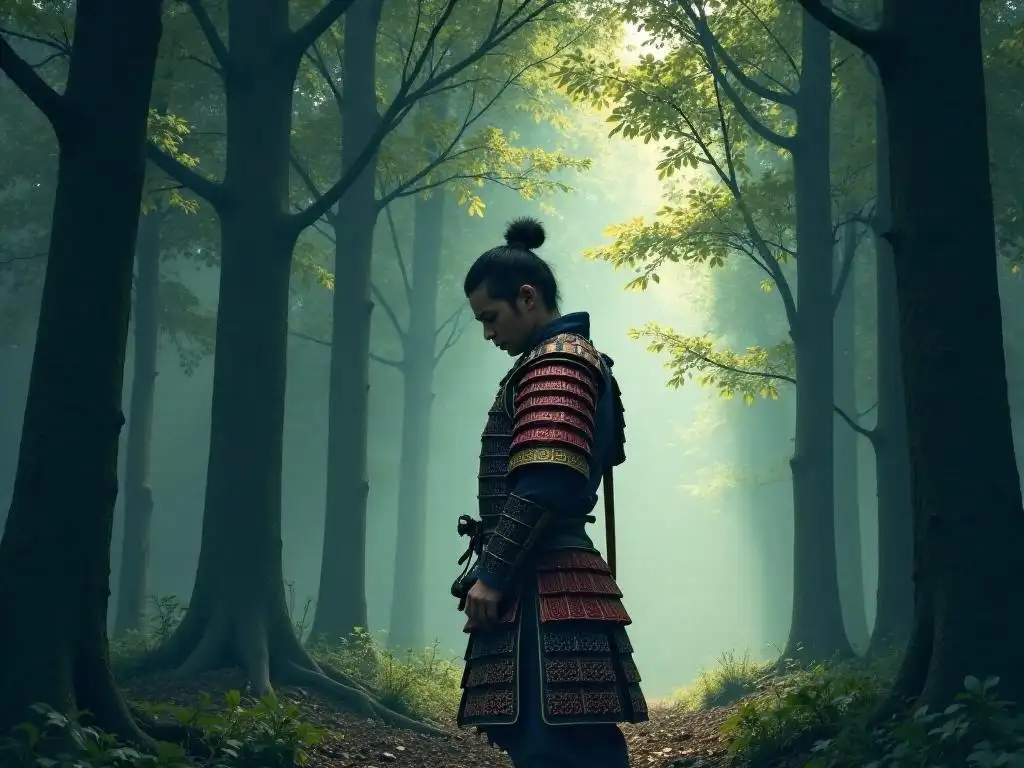
An In-Depth Exploration of Samurai Culture
In Samurai: The Last Warrior, John Man provides a comprehensive exploration of the samurai class, focusing on their historical evolution, cultural significance, and enduring legacy. Man delves into the life of the samurai, detailing their rigorous training, martial prowess, and adherence to the bushido code, which emphasized loyalty, honor, and discipline. The book offers vivid descriptions of samurai battles, the art of swordsmanship, and the philosophical underpinnings of their way of life. Man's narrative is enriched with anecdotes and historical accounts, painting a vivid picture of a warrior class that shaped Japan's feudal society.
Historical Accuracy and Narrative Style
One of the notable aspects of Man's work is his commitment to historical accuracy, supported by extensive research and primary sources. He weaves together historical facts with engaging storytelling, making complex historical events accessible to a broad audience. The narrative style is both informative and captivating, allowing readers to immerse themselves in the world of the samurai. Man's ability to balance scholarly rigor with narrative flair sets his work apart, making it a valuable contribution to the study of feudal Japan.
Reception in Western Literature
Upon its release, Samurai: The Last Warrior was well-received in Western literature, praised for its depth and clarity. Critics lauded Man's ability to convey the intricacies of samurai culture without resorting to romanticized or simplistic portrayals. The book has been influential in shaping Western understanding of the samurai, often serving as a reference point in discussions about Japan's feudal past. Its popularity reflects a growing interest in Japanese history and culture, highlighting the importance of nuanced foreign perspectives on feudal Japan.
"In the Shadow of the Sun" by William H. Seward
Overview of the Author's Journey in Japan
William H. Seward, best known for his role as the U.S. Secretary of State under Presidents Abraham Lincoln and Andrew Johnson, embarked on a transformative journey to Japan in the late 19th century. His visit occurred during a pivotal time in Japanese history, as the country was emerging from centuries of isolation under the Tokugawa shogunate and beginning to engage with the Western world. Seward's travel in 1871 was not merely a diplomatic mission but a quest to understand this exotic culture and its rapidly changing society.
During his time in Japan, Seward traveled extensively, documenting the landscapes, people, and political climate he encountered. His writings reflect his awe at Japan's unique culture and traditions, offering insights into the daily lives of its citizens. Through his observations, Seward provides a valuable perspective on a society in transition, grappling with modernization while trying to preserve its rich heritage. His narrative serves as a bridge between the West and Japan, showcasing the complexities of cross-cultural interactions during this transformative era.
Cultural Reflections and Historical Context
Seward's experiences in Japan were set against a backdrop of significant cultural and political shifts. The Meiji Restoration of 1868 marked the end of feudalism and the beginning of Japan's modernization efforts, which included the adoption of Western technologies and ideas. In "In the Shadow of the Sun," Seward captures this dynamic environment, providing readers with a window into the Japanese mindset as they navigated the challenges of modernization while striving to maintain their cultural identity.
His reflections on Japanese customs, social structures, and artistic expressions reveal the depth of a civilization that was both ancient and modern. Seward particularly noted the contrast between the traditional samurai class and the emerging merchant class, emphasizing the tensions and transformations within society. His vivid descriptions of festivals, rituals, and everyday life illustrate the richness of Japanese culture, inviting readers to appreciate its nuances.
Contribution to Understanding Feudal Japan
Seward's work is significant in the landscape of foreign perspectives on feudal Japan. By documenting his journey, he provides a narrative that is both personal and historical, enriching the understanding of Japan's transition from feudalism to modernity. His insights are particularly valuable for scholars and enthusiasts of Japanese history, as they capture the complexities of a society undergoing profound changes.
Moreover, Seward's observations help contextualize Japan's place in the world during the 19th century. His writings highlight the cultural exchanges that took place between Japan and the West, illustrating the mutual influences that shaped both societies. By bridging the gap between two distinct cultures, Seward's "In the Shadow of the Sun" offers a unique lens through which to view the evolution of Japan, making it a crucial contribution to the discourse on foreign perspectives on feudal Japan.
Comparative Analysis of Foreign Perspectives on Feudal Japan

Understanding feudal Japan through the lens of foreign authors offers a unique insight into how the external world perceived this intricate era. These authors, often influenced by their own cultural backgrounds, provide a compelling juxtaposition between the realities of Japanese history and the narratives shaped by Western ideologies. This comparative analysis highlights both the similarities and differences in representation, the influence of Western contexts on interpretations, and the lasting impact of these works on modern views of feudal Japan.
Similarities and Differences in Representation
When examining notable works by foreign authors on feudal Japan, several common themes emerge, alongside distinct variations in how these themes are articulated.
Common Themes:
- Honor and Loyalty: Many foreign authors emphasize the samurai code of bushido, portraying it as a central tenet of Japanese society. This focus often romanticizes the concept of honor, suggesting that it was a guiding principle for all facets of life.
- War and Conflict: The portrayal of feudal Japan is often dominated by narratives of warfare and political intrigue, with authors like Lafcadio Hearn and Edwin Arnold detailing the dramatic battles and power struggles that characterized this period.
- Cultural Richness: Foreign authors frequently acknowledge the rich cultural tapestry of feudal Japan, from art and literature to religion and philosophy. This appreciation often leads to a portrayal of Japan as a land of beauty and tradition.
Differences in Interpretation:
- Cultural Misunderstandings: Despite the common themes, foreign perspectives can sometimes misinterpret or oversimplify complex cultural practices. For instance, the concept of loyalty in the samurai tradition may be viewed through a Western lens of individualism, leading to misconceptions about its communal significance.
- Historical Context: Authors such as James Clavell in "Shogun" provide a narrative that blends historical fact with fiction. While this can make the story accessible to Western readers, it may also distort the actual historical timeline and cultural nuances, creating a sanitized or sensationalized version of events.
This blend of similarities and differences underscores the complexity of understanding feudal Japan through foreign eyes, revealing both the allure and the challenges of cross-cultural interpretation.
The Influence of Western Contexts on Japanese Interpretations
The context in which Western authors approach feudal Japan significantly shapes their narratives. The interplay between their own cultural backgrounds and the information available about Japan influences the way historical events, social structures, and cultural practices are depicted.
Factors Influencing Interpretation:
- Historical Context of Western Authoring: Many of the early Western authors were writing during periods of colonial expansion, which often led to a perspective that framed Japan as an exotic other. This viewpoint could skew their representation, emphasizing themes of mystique and otherness rather than accurate historical reality.
- Cultural Stereotypes: Western stereotypes about Asia often found their way into writings about feudal Japan. Authors sometimes relied on existing tropes, which led to the reinforcement of clichés about samurai, geishas, and the supposed rigidity of Japanese society, overshadowing the diversity and dynamism of the era.
- Political Motivations: The geopolitical interests of the time often influenced the portrayal of Japan in foreign literature. For example, during the Meiji Restoration, some authors highlighted modernization to illustrate Japan's departure from its feudal roots, while others focused on feudal elements to critique or romanticize the past.
This dynamic interplay between Western contexts and Japanese interpretations reveals how external narratives can both illuminate and obscure the true nature of feudal Japan.
How These Works Shape Modern Views of Feudal Japan
The literature produced by foreign authors has had a profound and lasting impact on modern perceptions of feudal Japan. These works not only shaped the understanding of this historical period among Western audiences but also influenced how contemporary Japanese society reflects on its own past.
Lasting Impacts:
- Cultural Exchange: The narratives crafted by foreign authors have fostered a cultural exchange that continues to influence both Western and Japanese understandings of feudal history. The romanticized portrayals of samurai and the intricate aesthetics of Japanese culture have inspired countless adaptations in literature, film, and art.
- Educational Frameworks: Many of these works have become essential readings in academic settings, shaping curricula that explore Japanese history and culture. They serve as gateways for students to engage with feudal Japan, often prompting discussions about interpretation, representation, and the importance of context.
- Modern Identity: In Japan, the legacy of these foreign perceptions can be seen in how contemporary society negotiates its historical identity. The romanticism associated with the samurai and the feudal era continues to resonate in modern media and cultural expressions, influencing everything from anime to historical dramas.
Foreign perspectives on feudal Japan, while varied and complex, play a crucial role in shaping both historical narratives and modern interpretations. By examining these works, we gain valuable insight into the ways in which cultural intersections influence understanding and appreciation of Japan's rich historical tapestry.
Conclusion: The Legacy of Foreign Perspectives on Feudal Japan
The exploration of feudal Japan through the lens of foreign authors has profoundly influenced both Western and Japanese understandings of this unique historical period. These perspectives have not only shaped narratives about Japan's past but have also contributed to the global appreciation of its culture, society, and historical complexities.
As foreign authors delved into the intricacies of feudal Japan, they brought with them diverse viewpoints that often contrasted sharply with native interpretations. This duality has enriched the discourse surrounding Japan's feudal era, allowing for a more nuanced understanding of the social hierarchies, cultural practices, and the overarching themes of honor and warfare that defined the age. The literary legacy of these works serves as a bridge between cultures, fostering deeper connections and insights into the Japanese experience during this formative period.
The Enduring Impact of Foreign Literature on Japanese History
The works of foreign authors have played a crucial role in reshaping the narrative of feudal Japan. For example, the writings of Lafcadio Hearn introduced Western readers to the spiritual and aesthetic dimensions of Japanese culture, emphasizing the significance of tradition and nature in everyday life. His observations provided a counter-narrative to the more transactional depictions of Japan that were prevalent at the time, highlighting the depth and richness of its cultural heritage.
Moreover, authors like Edward Seidensticker and John Nathan contributed to the understanding of Japan’s literary evolution during the Edo period. Their analyses not only shed light on the literary forms that emerged during feudal times but also contextualized these within broader societal changes. By framing Japanese literature and history within an international context, these authors have ensured that the narratives of feudal Japan remain relevant and accessible to contemporary audiences.
The impact of these foreign perspectives extends beyond literature; they have influenced art, film, and even academic discourse about Japan. The interplay of cultural exchange has allowed for a more comprehensive examination of feudal Japan, encouraging scholars and enthusiasts alike to consider the implications of these narratives on modern Japanese identity.
Recommendations for Further Reading on Feudal Japan
For those interested in gaining deeper insights into feudal Japan through foreign perspectives, the following books are highly recommended:
- "The Tale of Genji" by Murasaki Shikibu (translated by Edward Seidensticker)
- A classic work that provides a glimpse into the court life of the Heian period, often referenced by Western authors for its rich storytelling.
- "Japan: An Illustrated History" by John W. Dower
- An engaging overview that contextualizes Japan’s historical developments, including the feudal era, through a foreign lens.
- "Hagakure: The Book of the Samurai" by Yamamoto Tsunetomo (translated by William Scott Wilson)
- A collection of thoughts on the samurai code that has been influential in shaping Western perceptions of the samurai.
- "The Last Samurai" by Helen DeWitt
- A contemporary novel that interweaves themes of feudal Japan with modern narratives, showcasing the lasting allure of this historical period.
- "The Making of Modern Japan" by Joshua A. Fogel
- This book provides a broader historical perspective, linking the feudal era to modern Japan and examining the transformations that followed.
Additional Notable Works by Foreign Authors
In addition to the recommendations provided, here are a few more notable works that offer unique insights into feudal Japan:
- “The Samurai” by Stephen Turnbull
- This book explores the life and culture of the samurai class, offering a detailed account of their role within the feudal system.
- “The Japanese Mind: Understanding Contemporary Japanese Culture” by Roger J. Davies and Osamu Ikeno
- While focused on modern Japan, this book draws parallels to the feudal era, providing a deeper understanding of cultural continuities.
- “The Book of Five Rings” by Miyamoto Musashi (translated by Thomas Cleary)
- A classic text on strategy and philosophy, Musashi’s insights reflect the martial values of the samurai during the feudal era.
- “Japan's Feudal Period” by John E. Thayer
- This historical overview provides a comprehensive analysis of the political and social structures during Japan's feudal era.
These works collectively enrich the narrative of feudal Japan, offering diverse perspectives that continue to resonate with readers today. By engaging with these texts, one can appreciate the complexity of Japan's history and the lasting impact of foreign interpretations on its cultural legacy.
The rich tapestry of Japan's feudal era offers a wealth of cultural products that provide deeper insights into its historical, social, and artistic landscape. To truly appreciate the complexities of this period, diving into various forms of media—such as literature, film, art, and theater—is essential. Each of these cultural products not only reflects the era's unique characteristics but also allows us to engage with the perspectives of those who have interpreted feudal Japan, both from within and outside its borders.
Diverse Literary Works
One of the most accessible ways to explore feudal Japan is through literature. Numerous novels, essays, and historical accounts penned by foreign authors reveal how the West perceived Japan's feudal structures, samurai codes, and cultural nuances.
For instance, works like Shogun by James Clavell, while fictional, offer readers a vivid portrayal of the complexities of samurai life and the clash of cultures during the early contact period. Engaging with these texts can provide a compelling lens through which to view Japan's history, encouraging readers to reflect on the contrasts and similarities between their own cultures and that of feudal Japan.
Visual Arts and Cinema
In addition to literature, visual arts and cinema serve as powerful conduits for understanding historical narratives. Films such as Akira Kurosawa's Seven Samurai not only showcase the aesthetic qualities of samurai culture but also delve into the philosophical dilemmas faced by individuals in a feudal society. Furthermore, artworks inspired by the era—be it through traditional woodblock prints or contemporary interpretations—allow viewers to appreciate the intricate beauty and depth of feudal Japan's artistic heritage. Exploring these mediums invites a broader appreciation of the era and its ongoing influence on modern artistic expressions.
Theatrical Representations
Theatrical performances, such as Noh and Kabuki, also offer unique insights into the cultural fabric of feudal Japan. These traditional forms of theater often reflect the societal values, historical events, and emotional landscapes of the time. For those interested in a more interactive engagement, attending performances or viewing recordings can provide a visceral connection to the themes and narratives that have persisted through centuries.
Conclusion
The exploration of cultural products related to feudal Japan is not just an academic pursuit; it is an invitation to experience a world rich in history and emotion. By engaging with foreign perspectives on feudal Japan, we can enrich our understanding of this fascinating era while also appreciating the diverse ways in which it has been interpreted and represented in global contexts. Whether through reading, viewing, or experiencing, these cultural products serve as bridges that connect us to the past, fostering a deeper appreciation for the complexities of feudal Japan.
Frequently Asked Questions
What are the main themes explored in foreign perspectives on feudal Japan?
Foreign authors often focus on cultural exchanges, social structures, and political dynamics of feudal Japan, providing a unique lens through which to understand this historical period.
Notable authors include Lafcadio Hearn, who wrote extensively about Japanese culture, and Williamm Scott Wilson, known for his translations and interpretations of Japanese literature and history.
How did foreign perspectives influence the understanding of feudal Japan?
These perspectives introduced Western audiences to the complexities of Japanese society, often challenging stereotypes and providing a richer, more nuanced depiction of the era.
What role did travel literature play in shaping views of feudal Japan?
Travel literature by foreign visitors helped to document and share firsthand experiences, thereby influencing popular perceptions and creating a bridge between cultures.
Many of these works are available through libraries, online archives, and bookstores, with some being part of the public domain for easy access.
Final Reflection: Understanding Feudal Japan Through Diverse Lenses
The exploration of foreign perspectives on feudal Japan reveals not only the complexities of a historical era but also the ongoing relevance of these interpretations in today's globalized world. As we delve into the works of foreign authors who have sought to understand and depict feudal Japan, we uncover layers of cultural exchange that continue to shape our understanding of this fascinating period. The insights gained from these narratives remind us that history is not a monolith; rather, it is a tapestry woven from various viewpoints that enrich our collective memory.
The influence of these foreign perspectives extends beyond mere historical documentation; they actively shape our cultural and social landscapes. By engaging with these narratives, we gain a deeper appreciation for the nuances of Japanese culture and the complexities of its feudal system. This cross-cultural dialogue fosters empathy and understanding, allowing us to bridge gaps between different societies. As the renowned author Lafcadio Hearn once said, The Japanese are a race of poets, and their poetry is the expression of their soul.
This sentiment underscores the importance of recognizing and valuing diverse voices in our understanding of history.
As we reflect on the lessons drawn from these foreign perspectives, let us consider how we can apply this understanding in our own lives. We are invited to embrace the richness of cultural diversity and to seek out stories that challenge our perceptions. By doing so, we not only honor the past but also cultivate a more inclusive future. Take a moment to reflect on how the narratives we engage with shape our worldview, and let this inspire you to explore beyond the familiar, fostering connections that transcend borders and time.
Explore the Richness of Feudal Japan!
Thank you for diving into the captivating world of Feudal Japan through the eyes of foreign authors! You've unearthed unique perspectives and gained insights that deepen your understanding of this remarkable era. Now, let’s take your curiosity further and engage with this enthralling history.
Here are a few exciting actions you can take right now:
- Dive Deeper: Select a notable literary work that explores Feudal Japan and immerse yourself in its narrative to fully appreciate the landscape, culture, and challenges of the time.
- Join the Discussion: Share your thoughts and insights in the comments below! What surprised you most about these diverse perspectives?
- Connect with Others: Post your favorite quotes or passages from these literary works on social media to spark engaging conversations with friends and fellow history enthusiasts.
What’s one insight you gained from this article that challenges your previous understanding of Feudal Japan?