
The Art of War: Essential Literature on Feudal Japanese Warfare

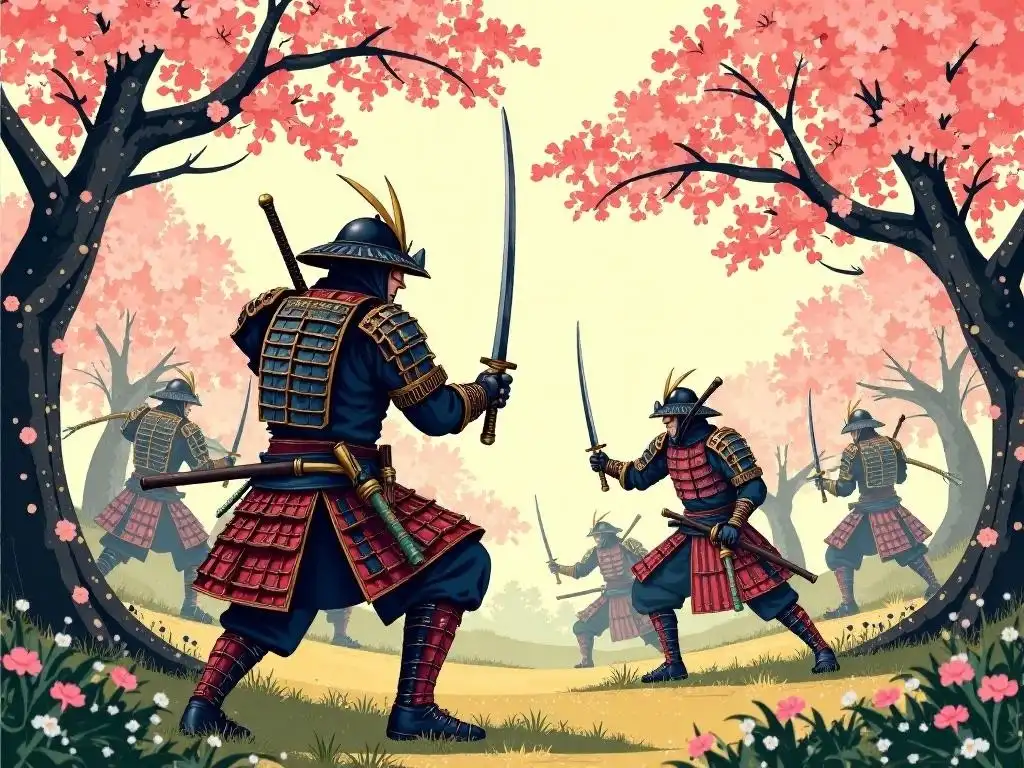
Welcome to Feudal Japan History, where we delve into the intricate tapestry of Japan's feudal era, rich with historical narratives, cultural insights, and societal shifts. In our featured article, “The Art of War: Essential Literature on Feudal Japanese Warfare,” we embark on a captivating journey through the profound literature that shaped the strategies and philosophies of warfare in feudal Japan.
As you explore this compelling topic, prepare to uncover the wisdom of ancient texts and their lasting impact on the art of combat. Join us as we unravel the stories behind the ink and the valor that defined an era!
Introduction to Feudal Japanese Warfare Literature
Feudal Japan, a period marked by samurai valor, political intrigue, and military stratagems, has left an indelible mark on the world’s historical and cultural landscape. The literature that emerged during this era serves not only as a window into the martial practices and philosophies of the time but also as a reflection of the societal values and cultural norms that shaped the lives of the samurai and the people they governed.
Understanding feudal Japanese warfare literature is vital for anyone interested in the complexities of Japan's past. This body of work encompasses a variety of texts, from strategic treatises to poetic accounts, each illuminating different facets of warfare—tactics, ethics, and the psychological underpinnings of battle.
The significance of these texts extends beyond mere military instruction. They encapsulate the essence of bushido, the way of the warrior, which emphasizes honor, loyalty, and discipline. Through the lens of this literature, readers gain insight into how these principles governed not only the battlefield but also the broader social structures of feudal Japan.
In this article, we will embark on a comprehensive exploration of essential literature concerning feudal Japanese warfare. We will delve into notable works, their authors, and their lasting impacts on both historical scholarship and contemporary understanding of military arts in Japan. By examining these texts, we aim to provide readers with a nuanced appreciation of the intricate relationship between literature and warfare during a time of tumultuous change, setting the stage for a deeper understanding of Japan's feudal legacy.
Key Themes in Feudal Japanese Warfare Literature
Feudal Japanese warfare literature is a rich tapestry that weaves together the principles of strategy, cultural identity, and the moral code of the samurai. This literature not only serves as a guide for military tactics but also offers insights into the societal values and cultural constructs of feudal Japan. Below, we delve into the key themes that define this genre, exploring how these works have shaped our understanding of samurai warfare and its broader implications.
The Influence of Bushido on Samurai Culture
The concept of Bushido, or "the way of the warrior," is central to understanding samurai culture and is extensively discussed in feudal Japanese warfare literature. This ethical code emphasizes virtues such as loyalty, honor, and personal courage, shaping the behavior and mindset of samurai warriors.
- Historical Context: The origins of Bushido can be traced back to the Kamakura period (1185–1333) and gained prominence during the Edo period (1603–1868). Influential texts like Hagakure and The Book of Five Rings by Miyamoto Musashi articulate the principles of Bushido, emphasizing the importance of self-discipline and moral integrity in warfare.
- Psychological Impact: Bushido instilled a sense of purpose and identity among samurai, encouraging them to view warfare not merely as a physical confrontation but as a means of demonstrating their virtues. This perspective is evident in literature where the samurai's resolve in battle is often depicted as a reflection of their adherence to Bushido.
- Literary Reflections: Many authors used Bushido as a backdrop for their narratives, illustrating how the code influenced decision-making on the battlefield. For instance, in the Tale of the Heike, the honor of a warrior in life and death plays a critical role, showcasing Bushido's profound impact on samurai actions and motivations.
Strategies and Tactics in Samurai Warfare
Feudal Japanese warfare literature is rich with discussions on military strategies and tactics, revealing the intricacies of samurai combat and the evolution of warfare during this period.
- Battlefield Tactics: Texts like The Book of Five Rings detail Musashi’s innovative strategies, including the importance of adaptability and understanding one’s opponent. His dual-wielding technique and emphasis on timing and distance are highlighted as critical components of effective combat.
- Siege Warfare and Defense: Literature from the Sengoku period (1467–1603) offers insights into the complexities of siege warfare, including fortifications and the psychological warfare tactics employed to demoralize the enemy. The works of authors such as Takeda Shingen provide examples of strategic planning and resource management during extended conflicts.
- Naval Warfare: While often overshadowed by land battles, naval engagements were crucial during the feudal era. Literature from this period covers tactics used in naval confrontations, such as the significance of mobility and the use of ships for surprise attacks. The Chronicles of the Kamakura Period contains accounts of notable naval battles that illustrate these tactics in action.
The Cultural Impact of Warfare Literature
The literature on feudal Japanese warfare transcends mere military instruction; it reflects the cultural ethos of the time and has had a lasting impact on Japanese society and beyond.
- Influence on Arts and Literature: The themes of warfare have inspired various art forms, including Noh and Kabuki theatre, where stories of valor and tragedy are conveyed. The narratives from warfare literature continue to resonate, influencing modern storytelling and popular culture representations of samurai.
- Moral and Ethical Discussions: Warfare literature often engages with the moral dilemmas faced by warriors, prompting discussions about the righteousness of war and the responsibilities of leadership. This is evident in works like The Art of War by Sun Tzu, which, although not Japanese, has been integrated into samurai literature, emphasizing the ethical considerations of warfare.
- Legacy and Modern Relevance: The principles found in feudal Japanese warfare literature have permeated modern military strategy and leadership training, as they offer timeless insights into human nature, conflict resolution, and the complexities of power dynamics.
Feudal Japanese warfare literature serves as a significant cultural artifact, encapsulating the values, strategies, and ethical considerations that defined the samurai way of life. The themes discussed above not only enhance our understanding of historical warfare but also continue to influence contemporary perspectives on conflict and leadership.
Best Books on Feudal Japanese Warfare
The study of feudal Japanese warfare literature offers profound insights into the martial strategies, philosophies, and ethics that shaped Japan's historical battles and conflicts. This literature not only reflects the tactical aspects of warfare but also delves into the cultural and spiritual dimensions that governed the samurai class. Below are three essential texts that are pivotal in understanding feudal Japanese warfare.
1. The Book of Five Rings by Miyamoto Musashi
The Book of Five Rings (Go Rin no Sho) is a seminal work authored by the legendary swordsman Miyamoto Musashi in the 17th century. This text serves as both a treatise on martial arts and a philosophical exploration of strategy. Musashi emphasizes the importance of adaptability and the need for a warrior to understand both the physical and psychological aspects of combat.
- Structure: The book is divided into five sections, each named after an element:
- Earth: Focuses on foundational principles and the importance of a stable mindset.
- Water: Discusses adaptability and the fluid nature of combat.
- Fire: Explores aggression and the spirit of battle.
- Wind: Looks at the strategies of other schools of thought.
- Void: Reflects on the intangible aspects of combat, including intuition and instinct.
Musashi's writing style combines practical advice with philosophical reflections, making it a cornerstone of not just martial arts literature but also Japanese culture.
2. Hagakure: The Book of the Samurai
Hagakure, written by Yamamoto Tsunetomo in the early 18th century, is a collection of sayings and reflections on the samurai way of life. Often considered a manual for samurai conduct, it emphasizes loyalty, honor, and the acceptance of death.
- Key Themes:
- Bushido: The text encapsulates the code of ethics that samurai adhered to, highlighting virtues such as courage, respect, and integrity.
- Zen Influence: The integration of Zen Buddhist principles offers insights into the mental discipline required for a samurai.
- Practical Wisdom: Tsunetomo’s observations provide practical advice for warriors, focusing on how to live a life of purpose and dedication.
Hagakure is not only a guide to warfare but also a profound exploration of the samurai's inner life, making it vital for understanding the cultural context of feudal Japanese warfare.
3. The Art of War by Sun Tzu: Japanese Perspectives
While The Art of War is originally a Chinese text attributed to Sun Tzu, its influence permeated Japanese military thought. Translated and interpreted through various lenses, the principles outlined by Sun Tzu have been adopted and adapted by Japanese strategists throughout history.
- Key Adaptations:
- Strategic Planning: Japanese interpretations focus on the importance of intelligence and planning in warfare, resonating with the samurai's need for tactical awareness.
- Psychological Warfare: The teachings on deception and the use of psychological tactics are particularly relevant to the feudal Japanese context.
- Cultural Integration: The synergy between Sun Tzu’s principles and the existing Japanese martial codes, such as Bushido, illustrates the text's enduring relevance.
Understanding these adaptations reveals how The Art of War has shaped strategies in feudal Japanese warfare literature, emphasizing the cross-cultural exchange of military knowledge.
These texts provide a comprehensive view of the philosophies, strategies, and ethical considerations that defined feudal Japanese warfare. Each work reflects the unique interplay between martial practice and cultural identity, making them indispensable resources for anyone interested in this captivating era of history.
4. The Tale of the Heike
The Tale of the Heike is an epic account of the struggles between the Taira and Minamoto clans during the late Heian period, culminating in the Genpei War (1180-1185). This literary masterpiece, composed in the 13th century, is not just a chronicle of battles; it encapsulates the ethos of feudal Japanese warfare and the samurai code of honor (bushido). Through its vivid storytelling, it portrays the valiant efforts of warriors, the tragic downfall of the Taira clan, and the impermanence of life, a central theme in Japanese culture.
The text is composed of poetic narratives interwoven with historical events, making it a unique fusion of literature and history. Its structure reflects the oral traditions of the time, often performed by traveling storytellers known as biwa hōshi, who recited the tales accompanied by the lute. This method of storytelling not only preserved the history but also made it accessible to the common people, ensuring that the lessons of warfare and honor resonated across social classes.
Key themes in The Tale of the Heike include the transience of power and glory, the inevitability of death, and the moral dilemmas faced by warriors. The famous phrase "the sound of the bell at the temple of Gion" serves as a poignant reminder of the fleeting nature of life, emphasizing the Buddhist belief in impermanence. This work is essential for understanding the cultural and spiritual dimensions of feudal Japanese warfare, as it encapsulates the honor, sacrifice, and tragedy that defined the samurai ethos.
5. Samurai Warfare: The Book of the Samurai
Samurai Warfare: The Book of the Samurai is a comprehensive examination of the military strategies, tactics, and philosophies that shaped the samurai class throughout Japan's feudal era. This literary work is pivotal for those seeking an in-depth understanding of feudal Japanese warfare literature, as it delves into the practical aspects of warfare while also exploring the underlying cultural values that influenced samurai conduct in battle.
The book covers a range of topics, including weaponry, battlefield formations, and the significance of honor and loyalty in combat situations. It discusses various military texts, such as The Book of Five Rings by Miyamoto Musashi, which emphasizes the importance of strategy and adaptability in warfare. These texts not only provide insights into the techniques employed by samurai but also reflect the philosophical underpinnings that guided their actions.
Moreover, Samurai Warfare examines the evolution of samurai tactics over different periods, highlighting how changes in political structures and warfare technology influenced combat practices. It illustrates the transition from large-scale battles characterized by cavalry and infantry formations to more personalized combat styles as the samurai class became more defined during the Sengoku period.
This work is essential reading for anyone interested in the martial traditions of feudal Japan, as it not only provides detailed analyses of combat techniques but also places them within the broader context of Japanese society, politics, and culture. Through its exploration of the samurai’s martial code and the ethical considerations that governed their actions, the book serves as a vital resource for understanding the complex world of feudal Japanese warfare.
Comparative Analysis of Feudal Japanese Warfare Literature
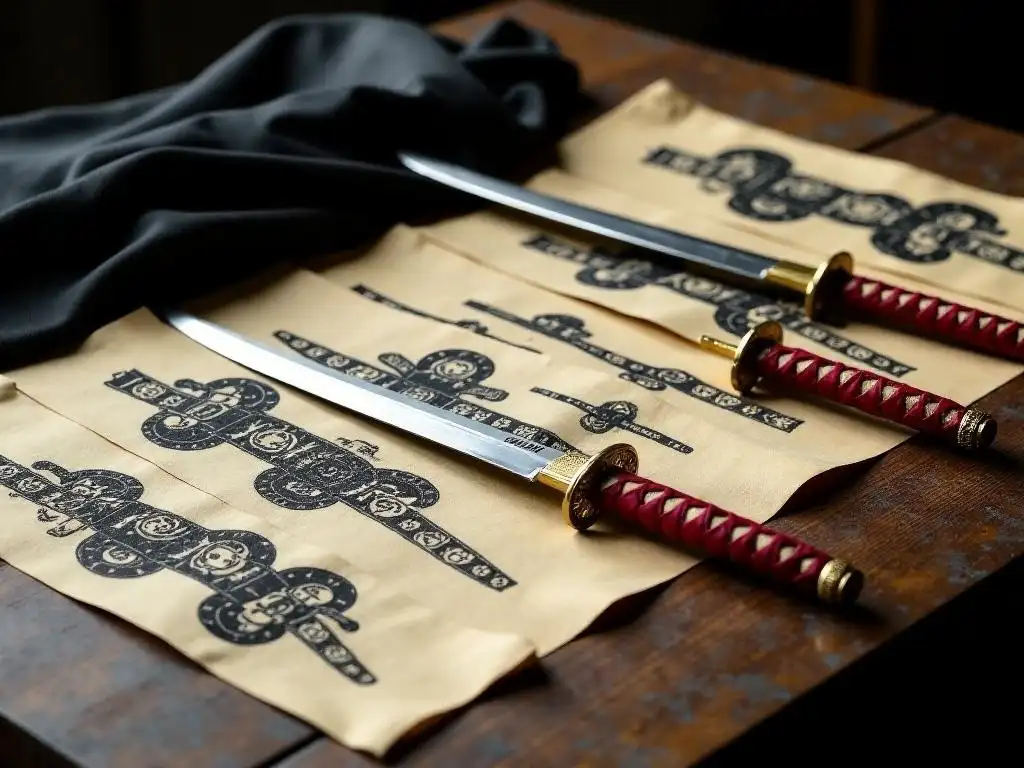
The literature surrounding feudal Japanese warfare is rich and diverse, providing insights into the philosophies, strategies, and cultural intricacies of the time. By examining key texts, particularly the works of Miyamoto Musashi and Sun Tzu, we can identify distinct approaches to warfare that reflect broader societal values and beliefs.
Comparing the Philosophies of Musashi and Sun Tzu
Miyamoto Musashi, a legendary swordsman and strategist, authored "The Book of Five Rings" (Go Rin no Sho), a treatise that emphasizes the importance of adaptability, intuition, and the understanding of one's self in the context of warfare. His philosophy can be encapsulated in the following principles:
- Self-Mastery: Musashi stresses that understanding oneself is paramount for effective strategy. He believed that a warrior must cultivate not just physical skills, but also mental fortitude.
- Adaptability: The ability to adjust tactics according to the unfolding dynamics of battle is a recurring theme in Musashi's work. He famously states, "The ultimate aim of martial arts is not having to fight."
- Nature of Conflict: Musashi views combat as an extension of one's inner conflict, advocating for a holistic approach to understanding both the opponent and the environment.
In contrast, Sun Tzu’s "The Art of War" focuses on strategy, planning, and the psychological aspects of warfare. Key elements of his philosophy include:
- Deception: Sun Tzu famously asserts, "All warfare is based on deception." He emphasizes the need to mislead the enemy, creating opportunities for victory through cunning rather than brute force.
- Strategic Planning: The importance of meticulous preparation is central to Sun Tzu’s teachings. He encourages commanders to assess conditions, both external and internal, before engaging in conflict.
- Efficiency: Sun Tzu advocates for minimizing losses and maximizing gains, stressing that the best victory is one that is achieved without fighting.
When comparing these two philosophies, it is evident that while Musashi emphasizes personal mastery and adaptability within the chaos of battle, Sun Tzu focuses on strategic foresight and manipulation of circumstances to secure victory. Both perspectives have left a profound impact on the understanding of feudal Japanese warfare literature and continue to influence military thought today.
The Evolution of Warfare Themes in Japanese Literature
The themes of warfare in Japanese literature have evolved significantly over the centuries, reflecting changes in society, politics, and technology.
- Early Literature: In the early periods, texts like "The Tale of the Heike" illustrate the samurai code of honor and the tragic nature of warfare. This narrative style presents battles not merely as conflicts for power, but as events laden with emotion and loss.
- The Rise of the Samurai: As the samurai class solidified its power during the Kamakura period, literature began to focus on the virtues of loyalty, bravery, and the samurai's relationship with their lords. Works from this era often glorified the warrior's duty to fight and die for their master.
- Strategic Treatises: The Muromachi period brought forth more analytical texts, such as Musashi’s "The Book of Five Rings" and "The Unfettered Mind" (Fudochi Shin-ju), which delved into not just the act of fighting, but the mindset and philosophy behind it. This shift marked a transition from merely chronicling battles to exploring the deeper implications of conflict.
- Modern Interpretations: In contemporary literature, themes of warfare are often intertwined with critiques of militarism and reflections on the human condition. Authors like Yukio Mishima and Haruki Murakami explore the psychological ramifications of conflict, illustrating how warfare shapes identity and society.
The evolution of warfare themes in Japanese literature highlights a shift from glorification of battle towards a more nuanced understanding of its complexities and consequences. This progression not only enriches the literary landscape but also provides essential insight into the cultural fabric of feudal Japan, making it a vital area of study for anyone interested in feudal Japanese warfare literature.
Conclusion: Why Feudal Japanese Warfare Literature Matters
Feudal Japanese warfare literature serves as a vital lens through which we can understand the complexities of Japan's historical conflicts, societal structures, and the cultural ethos surrounding warfare during the feudal era. These texts not only illuminate the strategies and tactics employed by samurai and military leaders but also reflect the philosophical underpinnings that guided their actions. The insights derived from these works provide a deeper comprehension of how warfare shaped Japan's development and continues to influence its cultural identity today.
Through the study of feudal Japanese warfare literature, modern readers can appreciate the intricate relationship between warfare and the societal norms of the time. The values of honor, loyalty, and discipline are prevalent themes that resonate throughout these texts, offering lessons that extend beyond the battlefield. Furthermore, understanding the historical context of these writings allows us to grasp how they contributed to the formation of Japan's national consciousness and its perceptions of heroism and virtue.
The Lasting Legacy of Samurai Literature
The legacy of samurai literature is deeply embedded in Japan's cultural fabric. Works such as The Book of Five Rings by Miyamoto Musashi and Hōjōki by Kamo no Chōmei exemplify the philosophical and strategic insights derived from warfare experiences. These texts not only serve as manuals for martial prowess but also explore broader themes of existence, morality, and the impermanence of life.
- Philosophical Insights:
- Many samurai texts delve into the moral dilemmas faced by warriors, emphasizing the importance of inner peace and self-discipline. For instance, Musashi's reflections on strategy reveal a profound understanding of the psychological aspects of combat.
- Cultural Influences:
- Samurai literature has influenced various forms of Japanese art, including theater, painting, and poetry. The portrayal of samurai ideals in these works has contributed to an enduring image of the warrior class in Japanese culture.
- Educational Value:
- Today, these texts are studied not only by historians but also by military strategists and leaders who seek to glean lessons from historical conflicts. The principles outlined in samurai literature continue to be relevant in modern strategic thinking.
Final Thoughts on Exploring Feudal Japanese Warfare through Literature
Delving into feudal Japanese warfare literature offers more than just a historical account of battles; it provides a rich tapestry of cultural, philosophical, and strategic thought. The exploration of these texts allows readers to engage with the values and beliefs that shaped a significant era in Japanese history.
As contemporary society grapples with its own conflicts and ethical dilemmas, the teachings embedded in samurai literature provide timeless wisdom. The emphasis on strategy, preparation, and ethical conduct in warfare can inform modern approaches to conflict resolution and leadership.
The study of feudal Japanese warfare literature is essential for anyone interested in the profound impact of warfare on Japanese culture and society. These works not only preserve the memory of the samurai but also invite ongoing reflection about the nature of conflict and the ideals that govern human behavior in times of strife. As such, they remain a crucial component of Japan's cultural heritage, deserving of continued exploration and appreciation.
Frequently Asked Questions
What is feudal Japanese warfare literature?
Feudal Japanese warfare literature refers to texts that explore military strategies, tactics, and philosophies during Japan’s feudal era. These works often reflect the cultural values and historical context of the time.
Why is literature on feudal Japanese warfare important?
This literature provides insight into the military mindset of the samurai and other warriors, illustrating how warfare influenced society, politics, and culture in feudal Japan.
Notable authors include Sun Tzu, whose principles influenced Japanese tactics, and Miyamoto Musashi, known for his treatise on strategy, "The Book of Five Rings," which explores the philosophy of combat.
How did feudal Japanese warfare literature shape military practices?
These texts established guidelines for strategy, leadership, and tactics, which were integral to the development of military practices in feudal Japan, influencing both historical battles and samurai training.
Where can I find essential literature on feudal Japanese warfare?
Essential texts can be found in libraries, academic publications, and online resources dedicated to Japanese history. Many are also available in translated versions to reach a wider audience interested in feudal Japanese warfare.
Final Reflection: The Enduring Legacy of Feudal Japanese Warfare Literature
The exploration of feudal Japanese warfare literature remains profoundly relevant today, as it not only illuminates the complexities of historical conflicts but also offers timeless insights into strategy, leadership, and the human condition. In an age where the lessons of the past can guide our present and future decisions, understanding the intricacies of these texts can empower us to navigate our own battles, whether they be personal, professional, or societal.
Cultural narratives surrounding feudal Japanese warfare have significantly shaped our understanding of honor, loyalty, and the art of conflict. These themes resonate deeply in contemporary society, where the principles of strategy and resilience continue to influence various fields, from business to politics. As Sun Tzu famously stated, In the midst of chaos, there is also opportunity.
This quote encapsulates the essence of what these historical texts teach us: that even in the most tumultuous times, there exists the potential for growth and transformation.
As we reflect on the lessons imparted by feudal Japanese warfare literature, I invite you to consider how these teachings can be applied in your own life. Take a moment to ponder your personal battles and the strategies you employ to overcome them. Let the wisdom of the past inspire you to approach challenges with a renewed perspective, fostering resilience and adaptability in the face of adversity. Embrace the art of war not just as a historical study, but as a guide for navigating the complexities of modern life.
Unleash Your Inner Warrior: Dive Deeper into Feudal Japan!
Thank you for taking the time to explore the fascinating world of Feudal Japanese warfare with us! You've gained valuable insights into the strategies and literature that shaped this remarkable culture. Now, it’s time to put that knowledge into action and further immerse yourself in this epic history.
Here are a few steps to continue your journey:
- Read a classic text on Feudal Japanese warfare, such as The Book of Five Rings, to understand the principles of strategy from a master’s perspective.
- Join a discussion forum or online community dedicated to historical military tactics, where you can share insights and ask questions with fellow enthusiasts.
- Share this article with friends or on social media to spark conversations about the intriguing strategies of the samurai.
What aspect of Feudal Japanese warfare has inspired you the most, and how will you apply these lessons in your own life?