
Celebrating the Seasons: How Festivals Reflected the Agricultural Cycle in Feudal Japan

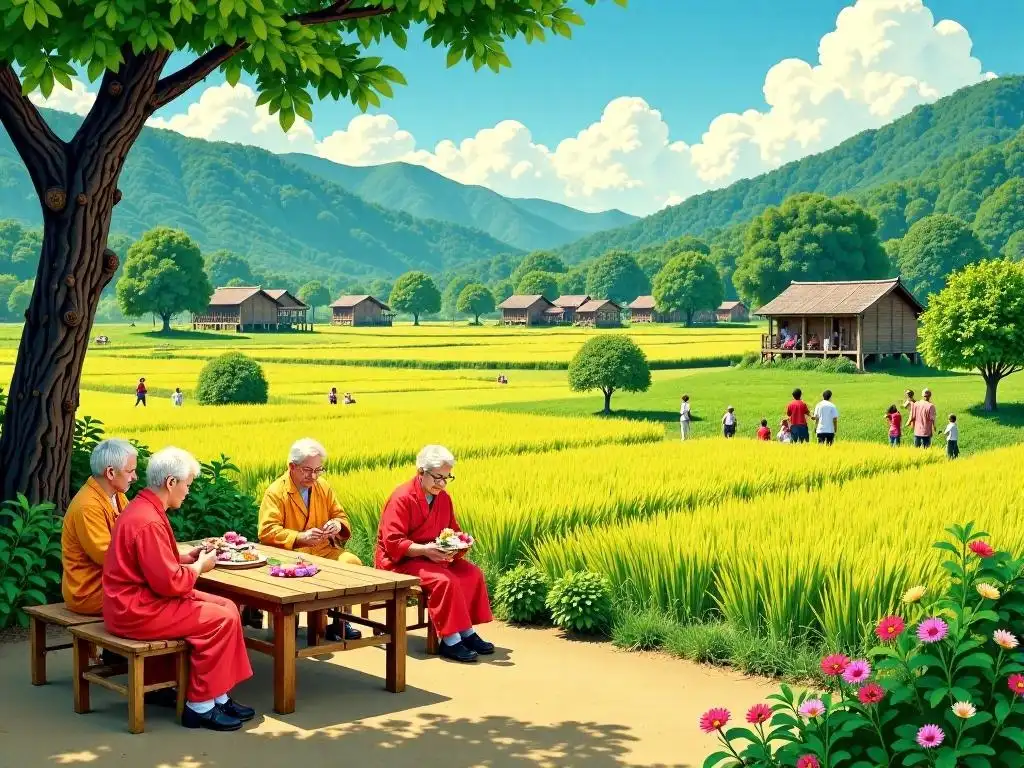
Welcome to Feudal Japan History, where we invite you to embark on a fascinating journey through the rich tapestry of Japan’s feudal era. In our featured article, "Celebrating the Seasons: How Festivals Reflected the Agricultural Cycle in Feudal Japan," we delve into the vibrant world of Feudal Japan agricultural festivals, uncovering how these celebrations were not just joyous occasions but pivotal reflections of the agricultural rhythms that sustained society.
Prepare to explore the intricate connections between culture and agriculture, and discover how these festivals shaped the very essence of feudal life. Curiosity awaits—let's dive deeper into the heart of this captivating historical landscape!
Introduction to Feudal Japan Agricultural Festivals
The rich tapestry of Feudal Japan is woven with threads of cultural significance, particularly through its vibrant agricultural festivals. These festivals served as a reflection of the agricultural cycle, marking the transitions between seasons and celebrating the bounty of the earth.
In an era where agriculture was the backbone of society, deeply intertwined with daily life, spirituality, and social structure, these festivals were not just moments of joy; they were essential rituals that fostered community cohesion and expressed gratitude to the deities for the harvest. Understanding these festivals offers invaluable insights into the agricultural practices, societal norms, and cultural heritage that defined Feudal Japan.
Overview of Festivals in Feudal Japan
Feudal Japan was characterized by a myriad of festivals, known as matsuri, which were held throughout the year. These festivals often featured:
- Religious ceremonies: Honoring the gods and spirits associated with agriculture.
- Community gatherings: Bringing people together to celebrate shared cultural traditions.
- Ritual performances: Including traditional music, dance, and theater that reflected local folklore.
Each festival typically coincided with specific points in the agricultural calendar, such as planting, harvesting, or seasonal changes. Examples of popular agricultural festivals include:
| Festival Name | Season | Key Activities |
|---|---|---|
| Tsuya Matsuri | Spring | Rice planting rituals |
| Kagura Matsuri | Summer | Dance and music performances |
| Niinamesai | Autumn | Harvest celebration |
| Oni Matsuri | Winter | Welcoming the new year |
These festivals were more than mere celebrations; they were essential for ensuring successful agricultural practices and maintaining the balance between humanity and nature.
Importance of Agriculture in Japanese Society
Agriculture was foundational to Japanese society during the feudal era, influencing not only the economy but also social structures and cultural practices. The agrarian lifestyle shaped community interactions and dictated the rhythm of life. Key points about the significance of agriculture include:
- Economic reliance: The majority of the population was engaged in farming, making it crucial for sustenance and trade.
- Cultural identity: Festivals reflected local traditions and the unique agricultural practices of different regions, fostering a sense of identity among communities.
- Spiritual beliefs: Many agricultural practices were embedded within Shinto and Buddhist beliefs, emphasizing the connection between the land and the divine.
The Agricultural Cycle in Feudal Japan
Understanding the agricultural cycle in Feudal Japan is essential to grasp how festivals mirrored the rhythms of nature and farming practices. The cycle was marked by seasonal changes that dictated planting and harvesting times, shaping the festivals celebrated throughout the year.
Seasonal Changes and Their Impact on Agriculture
The agricultural year in Feudal Japan was divided into distinct seasons, each with its own agricultural activities and associated festivals:
- Spring (March to May): Time for planting rice and other crops. Festivals like Tsuya Matsuri celebrated the beginning of the agricultural year.
- Summer (June to August): A period of growth and cultivation, with festivals such as Kagura Matsuri that invoked blessings for a fruitful harvest.
- Autumn (September to November): Marked by the harvest, festivals like Niinamesai were held to give thanks for the bounty.
- Winter (December to February): A time of rest and preparation for the next cycle, with traditions that welcomed the new year and honored ancestral spirits during Oni Matsuri.
Key Agricultural Practices During Feudal Japan
The agricultural practices during Feudal Japan were deeply rooted in tradition, utilizing techniques that had been refined over generations. Some key practices included:
- Rice cultivation: The staple food of Japan, rice was central to the economy and cultural identity.
- Crop rotation: Farmers rotated different crops to maintain soil fertility and prevent disease.
- Irrigation systems: Ingenious water management practices helped maximize agricultural yield.
These practices were often celebrated and honored through festivals, reinforcing the community's relationship with their land and the divine forces believed to oversee agricultural success.
By exploring the intricate connections between festivals and agriculture, we can gain a deeper understanding of Feudal Japan's cultural history and the vital role that the agricultural cycle played in shaping societal norms and traditions.
Major Feudal Japan Agricultural Festivals
Overview of Significant Festivals
Feudal Japan was marked by a rich tapestry of agricultural festivals that celebrated the changing seasons and the cycles of farming. These festivals were not only pivotal in the agricultural calendar but also served as social glue, bringing communities together. Prominent festivals included the Taue Matsuri (rice planting festival), the Niinamesai (harvest festival), and various New Year celebrations. Each festival played a crucial role in reinforcing the agricultural practices and cultural traditions of the time, reflecting the deep connection between the Japanese people and their land.
Rice Planting Festivals: Celebrating the Start of the Agricultural Year
The rice planting festivals, or Taue Matsuri, marked the beginning of the agricultural year and were typically held in late spring. These events were characterized by rituals performed to ensure a good harvest. Villagers would gather in their rice paddies, dressed in traditional attire, to participate in the planting of rice seedlings.
The ceremonies often included offerings to the deities, prayers for rain, and performances of traditional music and dance. The communal effort and joyous atmosphere highlighted the importance of collaboration in agriculture, as well as the hopes for a bountiful crop that would sustain the community throughout the year.
Harvest Festivals: Giving Thanks for Bountiful Crops
As the agricultural year progressed, the Niinamesai emerged as a significant harvest festival celebrated in the autumn. This festival was a time for communities to express gratitude for the year’s yields, particularly rice, which was central to the Japanese diet and culture. Rituals included the presentation of the first harvested rice to the deities, communal feasting, and various forms of entertainment.
The festivities fostered a sense of unity among villagers while reinforcing the connection between the land, the harvest, and the people. The appreciation for the fruits of labor symbolized a deep respect for nature’s cycles and the sustenance it provided.
New Year Festivals: Welcoming Prosperity and Abundance
New Year celebrations in feudal Japan, known as Oshogatsu, were steeped in traditions that sought to welcome prosperity and abundance for the coming year. These festivities typically included the preparation of special foods, such as osechi, and various rituals aimed at warding off evil spirits. Families would visit shrines to pray for health and success, and community events showcased traditional games and performances. The New Year festivals encapsulated the hopes and aspirations of the people, emphasizing themes of renewal and gratitude for past harvests while looking forward to the future.
Cultural Significance of Agricultural Festivals
Festivals as a Reflection of Community Values
Agricultural festivals in feudal Japan served as a mirror of community values and social structures. They emphasized collaboration, gratitude, and a shared identity among villagers. Festivals often showcased the craftsmanship and artistic expressions of the community, including textiles, pottery, and traditional music. This collective participation not only reinforced social bonds but also cultivated a sense of belonging and responsibility towards one another and the land. The festivals were a time for both celebration and reflection, allowing communities to honor their heritage while fostering a spirit of togetherness.
The Role of Rituals and Traditions in Agricultural Festivals
Rituals and traditions played a vital role in the agricultural festivals of feudal Japan, serving as a means to connect the spiritual and physical realms. Each festival included specific practices, such as offerings, prayers, and symbolic acts, which were believed to invoke blessings from deities. These rituals reinforced the agricultural cycle, marking significant transitions throughout the year. The adherence to traditions also provided a framework for education, as younger generations learned the importance of agriculture, spirituality, and communal life through participation in these festivals.
Connection Between Festivals and Shinto Beliefs
The agricultural festivals of feudal Japan were deeply intertwined with Shinto beliefs, reflecting the religion's emphasis on nature and the veneration of kami (spirits). Festivals often involved rituals to honor the kami associated with agriculture, such as Inari, the deity of rice. These spiritual practices underscored the belief that human prosperity depended on the favor of the kami, emphasizing the interconnectedness of people and the natural world. By celebrating agricultural festivals, communities not only acknowledged their dependence on the land but also reinforced their cultural identity and spiritual beliefs, ensuring the sustainability of these traditions for generations to come.
Regional Variations of Agricultural Festivals in Feudal Japan
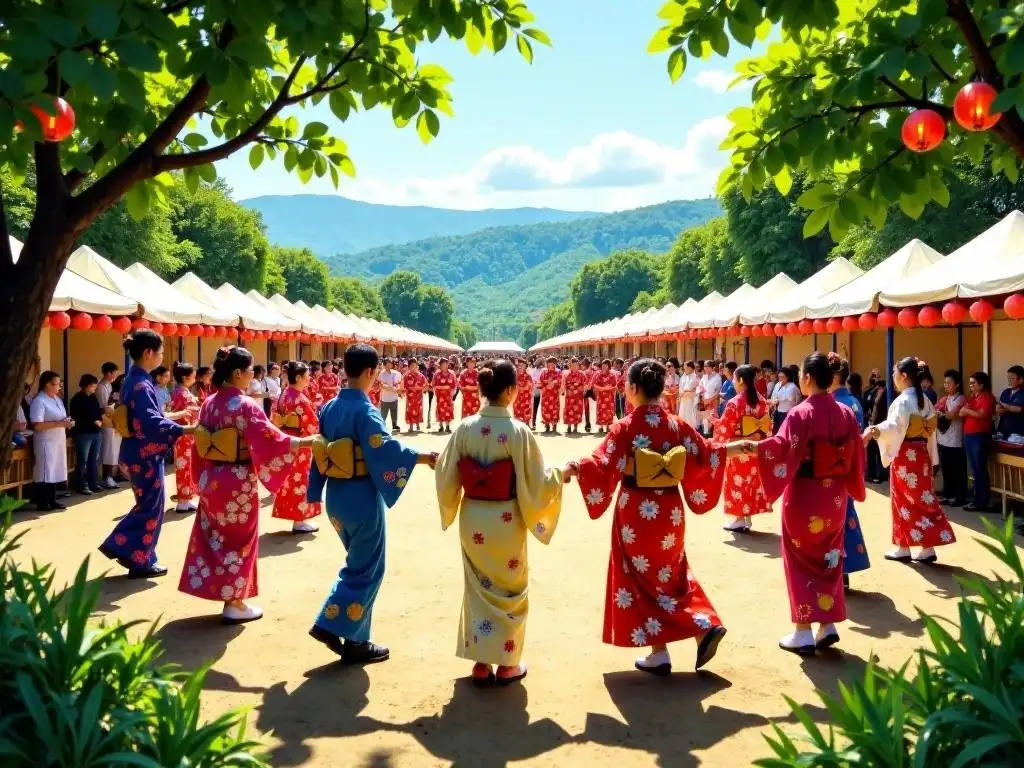
In feudal Japan, the agricultural festivals were not only a reflection of the farming cycles but also deeply intertwined with the local traditions and culture of different regions. Each area had its unique customs, deities, and agricultural practices, which shaped the specific festivals celebrated. These regional variations showcased the diverse ways in which communities expressed gratitude for bountiful harvests or sought blessings for future crops.
Festivals Unique to Different Regions
Different regions in Japan had their signature festivals that highlighted local crops and seasonal changes. For instance, the Tōhoku region celebrated the Kanto Matsuri, honoring the rice harvest with vibrant processions and rituals. In contrast, the Kinki region, particularly in Kyoto, hosted the Aoi Matsuri, featuring a procession to the imperial palace to pray for good harvests, where participants adorned themselves in traditional clothing reminiscent of the Heian period.
The Shikoku region held the Kagura Matsuri, which included theatrical performances dedicated to deities associated with agriculture. Meanwhile, in Kyushu, the Yamaboko Junko celebrated the rice planting season with elaborate floats and music, emphasizing the connection between agriculture and community spirit. These festivals not only marked agricultural milestones but also served as a means of reinforcing regional identity and cultural heritage.
Influence of Local Agriculture on Festival Practices
The specific crops grown in each locality greatly influenced the practices and themes of agricultural festivals. For example, in rice-growing regions, rituals often centered around rice deities, with offerings and prayers for a prosperous harvest. In areas where sugarcane or tea was cultivated, festivals reflected the unique agricultural calendar associated with these crops.
Moreover, local festivals often included traditional foods made from the region's staple crops, reinforcing a sense of community and shared identity. For instance, during the Mizuki Matsuri in Ibaraki, locals celebrated the sweet potato harvest with dishes made from the root vegetable, showcasing the integral role of local agriculture in shaping not only the festivals but also the dietary habits of the people. This strong connection between festivals and local agriculture emphasizes how deeply rooted the celebration of the seasons was in the everyday lives of feudal Japanese communities.
The Role of Nobility and Samurai in Agricultural Festivals
The nobility and samurai played a significant role in the agricultural festivals of feudal Japan, often serving as patrons and participants. Their involvement not only lent prestige to the festivals but also fostered a deeper connection between the ruling class and the agrarian society.
Patronage of Festivals by Feudal Lords
Feudal lords often acted as patrons of agricultural festivals, providing financial support and resources to ensure their successful execution. This patronage was crucial, as it helped maintain the cultural traditions that reflected the agrarian society. Lords would often attend these festivals, reinforcing their status and authority within the community while simultaneously promoting agricultural productivity.
The presence of a feudal lord during a festival could elevate its significance, attracting larger crowds and enhancing the overall atmosphere. These festivals also served as opportunities for lords to engage with their subjects, fostering loyalty and a sense of unity among the populace. Such interactions were vital for maintaining the social order and ensuring the cooperation of the peasant class, which was essential for the agrarian economy.
Samurai Participation and Its Cultural Implications
The participation of samurai in agricultural festivals further underscored their role as both warriors and custodians of the land. Samurai often took part in the celebrations, performing rituals, leading processions, or even competing in traditional games that coincided with the harvest. This involvement illustrated their dual responsibilities: protecting the realm and promoting agricultural prosperity.
Moreover, samurai participation in these festivals had cultural implications, as it helped bridge the gap between the warrior class and the agrarian community. By actively engaging in the celebrations, samurai demonstrated their support for agricultural practices and the peasantry, emphasizing the importance of agriculture in sustaining the feudal economy. This connection fostered a sense of shared identity and purpose, reinforcing the social hierarchy while promoting the values of respect and gratitude towards the earth’s bounty.
The role of nobility and samurai in agricultural festivals was essential in shaping the cultural landscape of feudal Japan, highlighting the intricate ties between social classes, agricultural practices, and seasonal celebrations.
Evolution of Festivals Beyond Feudal Japan
The evolution of festivals in Japan transcends the confines of the feudal era, reflecting changes in societal structure, religious beliefs, and agricultural practices. As Japan moved from a feudal society into a more modernized nation-state in the late 19th century, many festivals began to adapt to new cultural dynamics. The Meiji Restoration in 1868 marked a significant turning point, as the government sought to promote national unity and modernity, leading to the revival and transformation of traditional festivals.
New agricultural techniques and the introduction of Western practices influenced these celebrations, resulting in a hybridization of old customs with new ideologies. For instance, Shinto festivals, which originally focused on agricultural rituals to ensure bountiful harvests, began to incorporate modern elements that highlighted industrial achievements and national pride. This evolution illustrates how festivals have continually adapted to meet the changing needs and identities of the Japanese people.
Changes in Agricultural Festivals Over Time
Throughout history, agricultural festivals in Japan have undergone significant changes, influenced by socio-political developments and environmental factors. In the feudal period, these festivals were primarily localized, with each region celebrating its own harvests and seasonal changes according to its unique climate and agricultural practices. The festivals played a crucial role in community cohesion, as they involved communal participation, rituals, and offerings to deities for a successful harvest.
As Japan transitioned into the modern era, some traditional agricultural festivals began to diminish in importance, especially in urban areas where farming became less prevalent. However, others have adapted and persisted, evolving into larger cultural events that draw in participants from various backgrounds. The introduction of tourism has also played a role in this transformation, as many festivals have been revitalized to attract visitors, blending historical significance with modern entertainment.
Conclusion: The Legacy of Agricultural Festivals in Japanese Culture
The legacy of agricultural festivals in Japan is profound, serving as a testament to the nation’s deep-rooted agricultural heritage and cultural identity. These festivals encapsulate the relationship between the Japanese people and the land, reflecting the rhythms of the agricultural calendar and the spiritual beliefs tied to farming practices. They remind modern society of the importance of honoring and preserving traditions that have shaped community life throughout the centuries.
Lasting Impact on Contemporary Japanese Festivals
Contemporary Japanese festivals continue to draw inspiration from their agricultural roots, often featuring elements that pay homage to traditional practices. While many festivals have expanded to include modern influences, the core themes of gratitude for the harvest and communal celebration remain. Events such as the rice planting festival (taue shinji) and the harvest moon festival (tsukimi) are celebrated with traditional music, dance, and food, ensuring that the agricultural heritage is passed down to future generations.
Moreover, the integration of local agricultural products in modern festivals helps to sustain regional identities and promote local economies. This connection to the land not only fosters a sense of community but also emphasizes the importance of sustainable agricultural practices in contemporary Japan.
Reflection on the Importance of Agricultural Heritage in Japan
Agricultural heritage in Japan is vital, not only for its historical significance but also for its role in shaping the cultural landscape of the nation. Festivals rooted in agricultural practices serve as a reminder of the enduring connection between people and the environment. They foster a sense of identity and belonging, celebrating the cycles of nature that have long dictated the rhythms of life in Japan.
In a world increasingly detached from agricultural practices, these festivals offer a valuable opportunity for reflection on the importance of preserving traditional knowledge and practices. They encourage contemporary society to appreciate the cultural significance of agriculture and its role in sustaining communities, thus ensuring that the agricultural legacy remains an integral part of Japanese culture for generations to come.
- Introduction to Feudal Japan Agricultural Festivals
- The Agricultural Cycle in Feudal Japan
- Major Feudal Japan Agricultural Festivals
- Cultural Significance of Agricultural Festivals
- Regional Variations of Agricultural Festivals in Feudal Japan
- The Role of Nobility and Samurai in Agricultural Festivals
- Evolution of Festivals Beyond Feudal Japan
- Conclusion: The Legacy of Agricultural Festivals in Japanese Culture
Frequently Asked Questions
What were the main agricultural festivals in Feudal Japan?
Feudal Japan celebrated seasonal agricultural festivals like Tanabata, Obon, and Matsuri which honored the harvest and sought blessings for prosperity.
How did these festivals reflect the agricultural cycle?
These festivals were intricately tied to the agricultural calendar, marking key seasons such as planting or harvest time, thus reinforcing the cultural significance of farming.
What role did rituals play during these festivals?
Rituals in festivals often included offerings to deities, dances, and music, aimed at expressing gratitude and ensuring a bountiful harvest in the upcoming seasons.
Were these festivals exclusive to certain regions?
While many festivals were celebrated nationally, some were region-specific, showcasing local customs and agricultural practices, thereby highlighting regional diversity.
How did agricultural festivals influence Japanese society?
These festivals fostered community bonding, encouraged collaboration among farmers, and played a crucial role in maintaining the social fabric of feudal Japan.
Final Reflection: Embracing the Rhythms of Nature in Feudal Japan
The intricate relationship between agricultural festivals and the cycles of nature in Feudal Japan remains profoundly relevant today. As we navigate an increasingly urbanized world, the lessons from these festivals remind us of the importance of honoring our agricultural roots and the natural rhythms that sustain us. In a time when many are disconnected from the sources of their food, understanding the significance of these celebrations can inspire a deeper appreciation for the land and its cycles.
Celebrating the seasons through festivals in Feudal Japan not only marked the agricultural calendar but also fostered a sense of community and cultural identity. These festivals were a reflection of the people's gratitude towards nature and the divine forces believed to govern their harvests. As we witness a resurgence of interest in sustainable practices and local food movements, it is clear that the values embedded in these ancient traditions continue to resonate. The earth has music for those who listen,
a reminder that our connection to the land is both timeless and essential.
As we reflect on the enduring legacy of Feudal Japan's agricultural festivals, I invite you to consider how you can integrate these lessons into your own life. Take a moment to celebrate the seasons in your own way—whether through community gatherings, local harvests, or simply a deeper awareness of the natural world around you. By honoring the cycles of nature, we not only enrich our lives but also contribute to a more sustainable future, echoing the wisdom of those who came before us.
Embrace the Rhythm of Nature Through Festivals!
Thank you for diving into the fascinating world of seasonal festivals in Feudal Japan! You've gained insights into how these vibrant celebrations intertwined with the agricultural cycle, offering a unique glimpse into historical life and cultural richness. Now, it's time to bring that inspiration to your everyday life!
Here are some engaging ways you can connect with this theme:
- Organize a seasonal celebration in your own home, inspired by traditional Japanese festivals! Choose one that resonates with you and incorporate authentic foods, decorations, or rituals into your gathering.
- Explore local celebrations that honor nature and agriculture. Attend these events and share your experiences on social media to inspire others to appreciate the beauty of seasonal changes.
- Join or start a community garden! Embrace the spirit of agriculture by cultivating your own vegetables and plants. Share the joy of harvest celebrations with friends to keep that festive spirit alive.
Which festival resonates most with you, and how can you incorporate its essence into your life this season? Let's discuss in the comments!