🏯 Cultural History of Feudal Japan
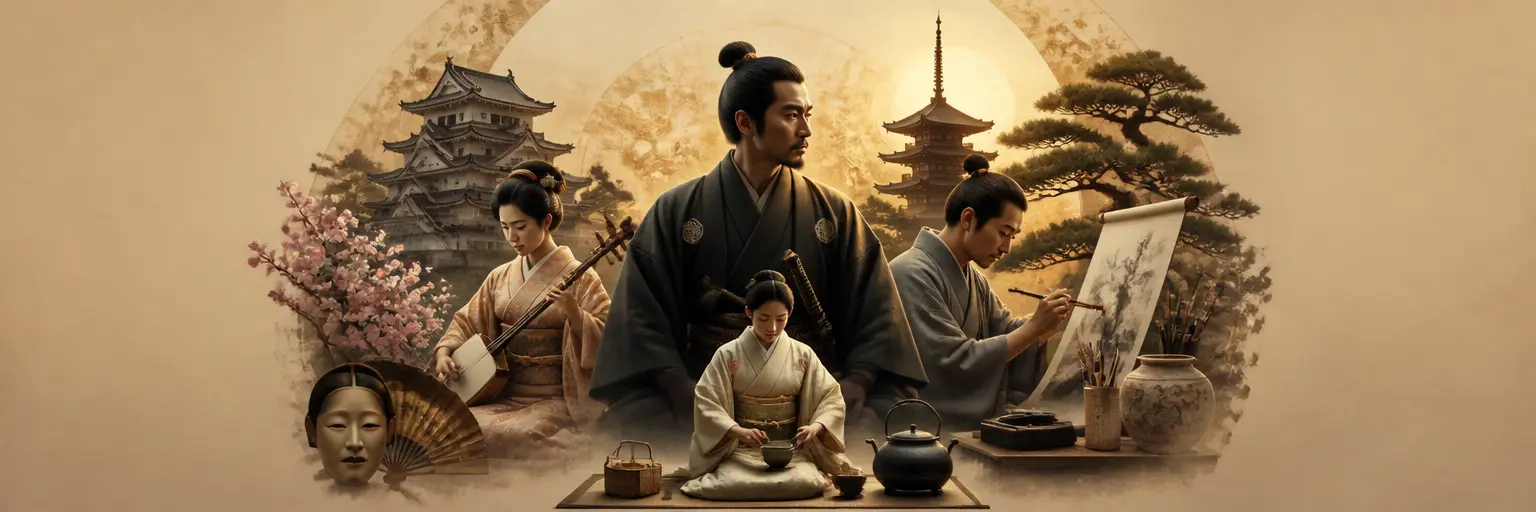
Explore the rich cultural history of feudal Japan through expert-driven articles on art, religion, literature, performance, customs, and everyday life. This category examines how samurai values, Buddhist philosophy, court traditions, merchant culture, and regional communities shaped Japanese society from the Kamakura period through the Edo period.
Discover how cultural practices developed within Japan’s feudal social structure and how they continue to influence modern Japanese identity. From traditional Japanese theater and tea ceremonies to festivals, crafts, literature, and Zen Buddhism, each topic provides historical context, clear explanations, and valuable insight into the beliefs and traditions of medieval and early modern Japan.
Readers can expect detailed guides covering feudal Japanese culture, samurai customs, Edo period society, religious influence, artistic traditions, and the preservation of cultural heritage. Whether you are studying Japanese history or exploring the origins of Japan’s most recognizable traditions, these articles offer an accessible and informative resource.
🎭 Traditional Japanese Theater
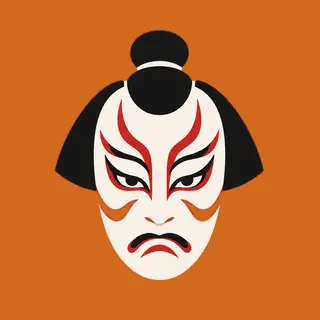
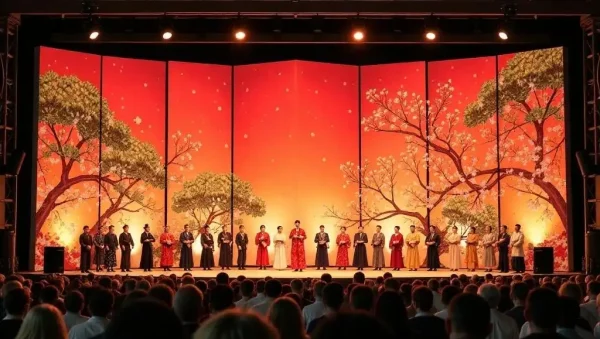
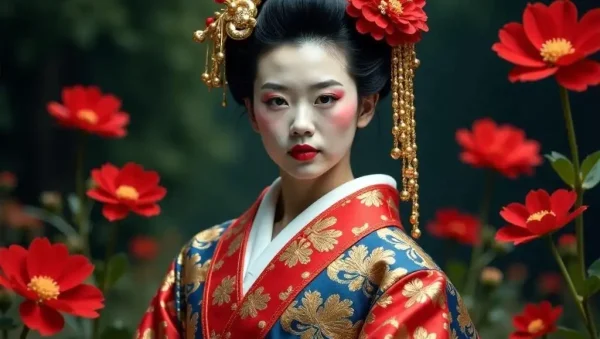
Learn about the development of traditional Japanese theater, including Noh, Kyogen, Kabuki, and Bunraku. This subcategory explores how dramatic performance combined music, dance, masks, elaborate costumes, storytelling, and symbolic movement to reflect the values of feudal Japanese society.
Articles will explain the roles of samurai patrons, merchant audiences, performers, playwrights, and theater districts, with particular attention to Kabuki theater and Edo period entertainment. Readers can also discover how Japanese theater preserved legends, historical events, religious themes, and social commentary.
🍵 Tea Ceremonies
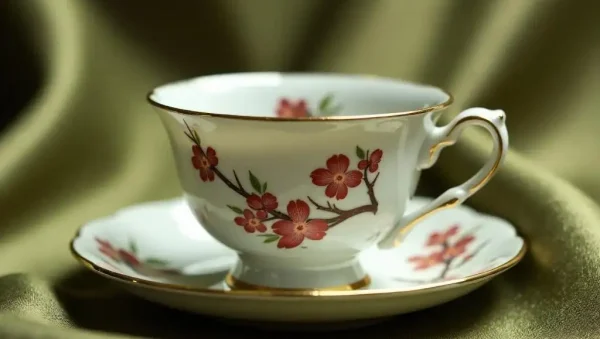
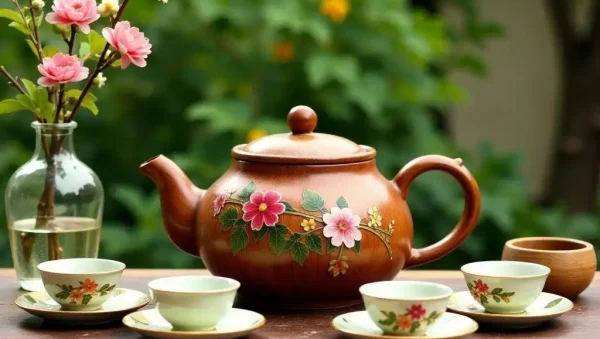
Explore the history of Japanese tea ceremonies and the cultural ideals behind chanoyu, or the Way of Tea. Learn how tea gatherings developed through Zen Buddhist influence and became associated with harmony, respect, purity, mindfulness, and carefully designed spaces.
This section examines influential tea masters such as Sen no Rikyū, as well as tea houses, utensils, architecture, etiquette, and the relationship between tea culture and the samurai class. Expect useful historical context on Japanese tea ceremony traditions and their continuing importance today.
🏮 Edo Period Culture
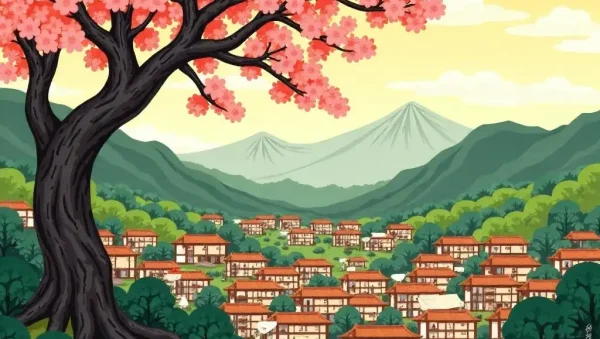
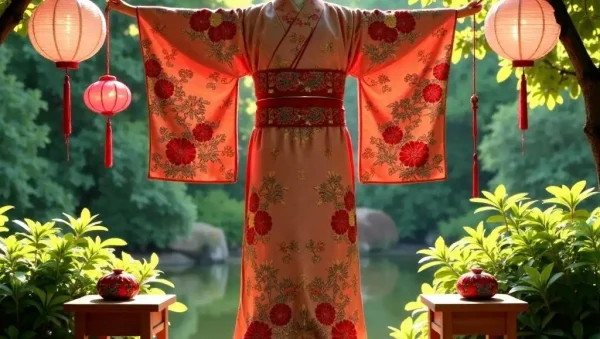
Discover the vibrant culture of the Edo period, when peace, urban growth, and economic development transformed Japan. Articles cover the rise of castle towns, merchant communities, popular entertainment, fashion, food, publishing, travel, and the distinctive lifestyle of Edo, Osaka, and Kyoto.
Readers will learn how social classes interacted and how ordinary people participated in cultural life despite the formal hierarchy of the Tokugawa shogunate. Topics such as ukiyo-e, pleasure districts, popular festivals, and Edo period daily life reveal the complexity of early modern Japanese society.
🎨 Arts and Crafts
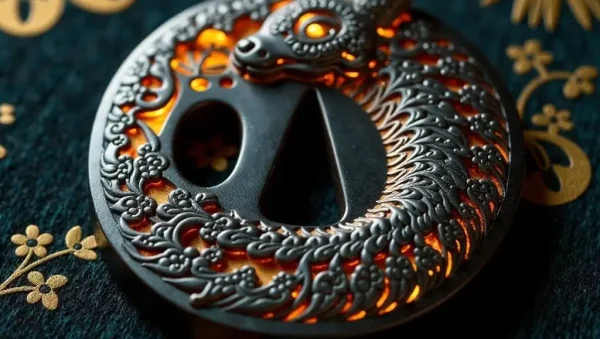
Study the artistic traditions and skilled craftsmanship that flourished during feudal Japan. This subcategory explores ceramics, lacquerware, calligraphy, painting, textiles, sword fittings, woodblock printing, metalwork, and architecture, emphasizing the techniques and materials behind each art form.
Articles also examine the relationship between artisans, samurai patrons, temples, shrines, merchants, and regional workshops. Discover how Japanese craftsmanship expressed aesthetic principles such as simplicity, asymmetry, natural beauty, and wabi-sabi, while also preserving important cultural and historical knowledge.
🎊 Festivals and Traditions
Learn about the festivals, seasonal celebrations, religious observances, and community customs that shaped life in feudal Japan. These traditions often combined Shinto beliefs, Buddhist practices, agricultural cycles, local legends, and political ceremonies.
This section explains the origins and meaning of major Japanese festivals, including shrine processions, harvest celebrations, New Year customs, ancestor observances, and regional events. Readers can explore how traditional Japanese festivals strengthened community identity and connected everyday life with the spiritual world.
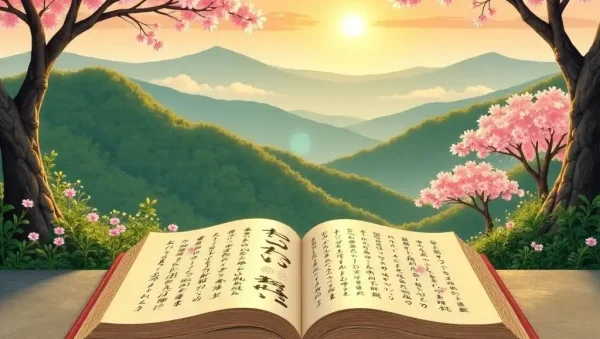
📚 Literature of Feudal Japan
Explore the literature of feudal Japan through historical chronicles, Buddhist writings, warrior tales, poetry, drama, travel diaries, and popular fiction. Articles introduce major works, literary forms, and authors while explaining how writing reflected the changing values of warriors, nobles, monks, and townspeople.
Key themes include loyalty, impermanence, honor, nature, love, conflict, and spiritual reflection. Readers can learn about works such as The Tale of the Heike, haiku poetry, literary diaries, and Edo-period illustrated books, gaining insight into Japanese literature and cultural history.
🧘 Zen Buddhism Influence
Examine the profound influence of Zen Buddhism on feudal Japanese culture, politics, education, architecture, gardens, tea, martial traditions, and the visual arts. This subcategory explains how Zen institutions developed connections with warrior governments and shaped elite cultural practices.
Readers will discover the meanings of meditation, discipline, impermanence, simplicity, and direct experience within Japanese history. Articles also explore Zen temples, ink painting, rock gardens, tea culture, and the ways Zen Buddhism influenced samurai culture and Japanese aesthetics.
❓ Frequently Asked Questions
What is cultural history in feudal Japan?
Cultural history in feudal Japan studies the beliefs, customs, arts, literature, religions, performances, and daily practices of people living under warrior governments. It includes both elite traditions and popular culture from the Kamakura, Muromachi, Azuchi-Momoyama, and Edo periods.
How did samurai influence Japanese culture?
Samurai influenced Japanese culture through patronage of temples, gardens, literature, theater, tea ceremony, martial arts, and visual arts. Their ideals of loyalty, discipline, honor, and impermanence became important themes in Japanese cultural history.
Why was the Edo period important for Japanese culture?
The Edo period was important because prolonged peace encouraged urbanization, education, publishing, commerce, and popular entertainment. It saw the expansion of Kabuki, ukiyo-e, haiku, merchant culture, festivals, and many traditions associated with modern Japan.
What role did Buddhism play in feudal Japan?
Buddhism shaped Japanese religious life, education, funerary customs, architecture, art, literature, and political relationships. Zen Buddhism was especially influential among warrior elites, while other Buddhist schools served communities throughout Japan.
What can readers learn from this Cultural History category?
Readers can learn how Japanese traditions developed, why they mattered to different social groups, and how they changed across the feudal era. The articles connect historical events with Japanese art, religion, literature, festivals, theater, tea culture, and everyday life.