🏯 Edo Period Culture: History, Traditions, and Daily Life in Tokugawa Japan
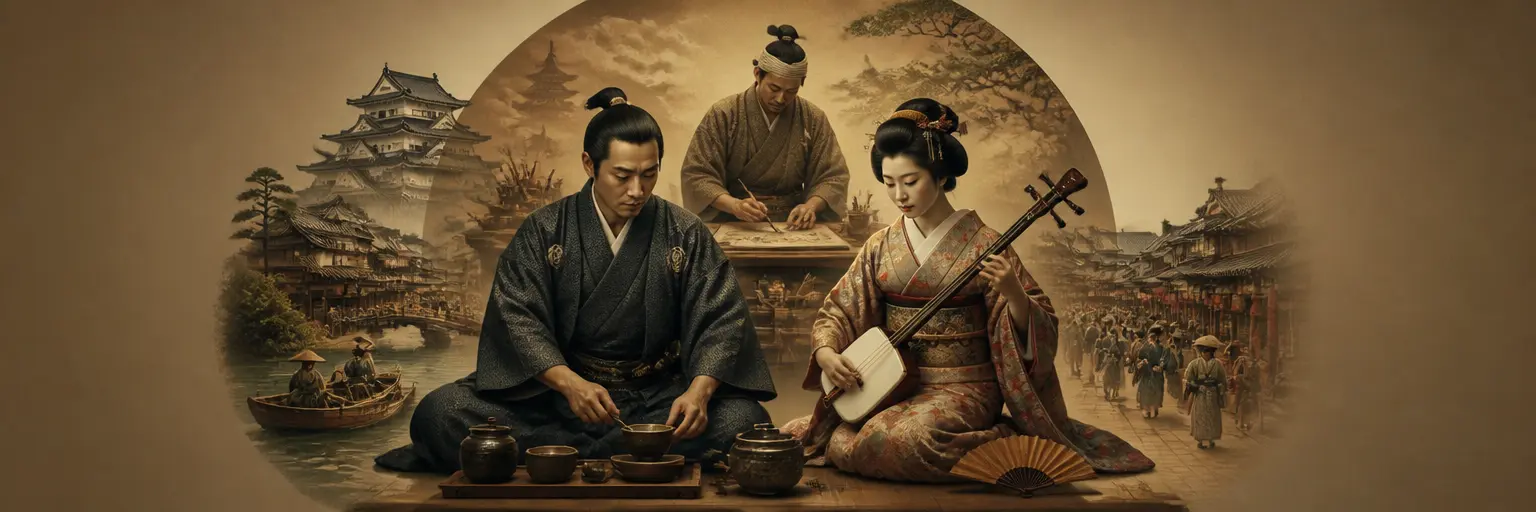
Explore Edo Period Culture through the customs, beliefs, arts, social structures, and everyday experiences that shaped Japan between 1603 and 1868. This subcategory examines how Tokugawa rule influenced samurai values, merchant society, religion, education, fashion, food, entertainment, and urban life. Readers will discover how feudal Japanese culture developed during an era of relative peace, economic growth, strict social order, and remarkable artistic innovation. From the bustling streets of Edo to the refined traditions of the tea ceremony, these expert-driven articles provide a detailed guide to the cultural history of Japan’s Edo period.
🎎 Everyday Life in Edo Japan
Learn how ordinary people lived during the Tokugawa shogunate, including the routines of samurai, farmers, artisans, merchants, women, and urban residents. Articles explore Edo-period daily life, household organization, housing, hygiene, clothing, work, family relationships, and community responsibilities.
Discover the contrasts between castle towns, rural villages, and major cities such as Edo, Osaka, and Kyoto. Readers can expect clear explanations of social customs, economic conditions, seasonal celebrations, and the practical realities that shaped life in feudal Japan.
🍵 Traditional Arts, Tea, and Aesthetic Culture
Examine the artistic traditions that flourished during the Edo period, including the tea ceremony, flower arranging, calligraphy, ceramics, garden design, textiles, and traditional theater. These articles explain how concepts such as wabi-sabi, discipline, simplicity, and refinement influenced Japanese aesthetics.
Explore the relationship between art and social status, from samurai patronage to merchant support for popular culture. Special attention is given to Edo-period craftsmanship, artistic schools, cultural institutions, and the lasting influence of Tokugawa-era traditions on modern Japanese culture.
🎭 Theater, Entertainment, and Popular Culture
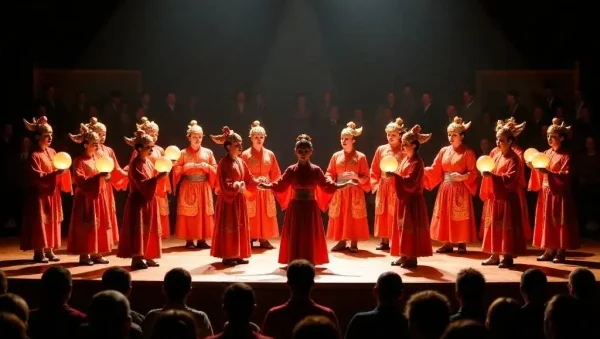
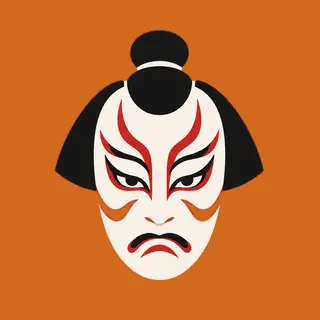
Discover the vibrant entertainment world of Tokugawa Japan, including kabuki, bunraku puppet theater, rakugo storytelling, sumo wrestling, festivals, pleasure districts, and public performances. Readers will learn how entertainment became a major part of urban culture and provided opportunities for artistic expression across social classes.
This section also explores Ukiyo-e prints, celebrity culture, popular novels, travel literature, and the famous pleasure districts of Edo. Articles reveal how performers, publishers, actors, courtesans, and artists shaped the cultural identity of the period.
📚 Education, Literacy, and Intellectual Life
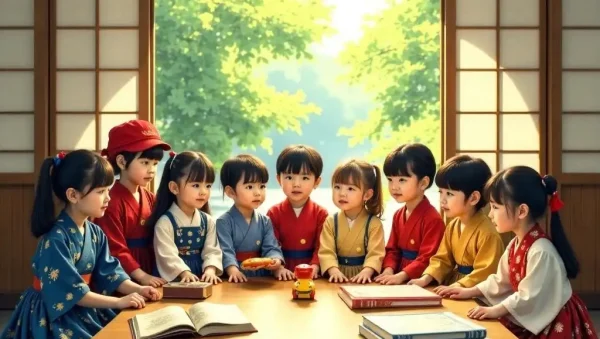
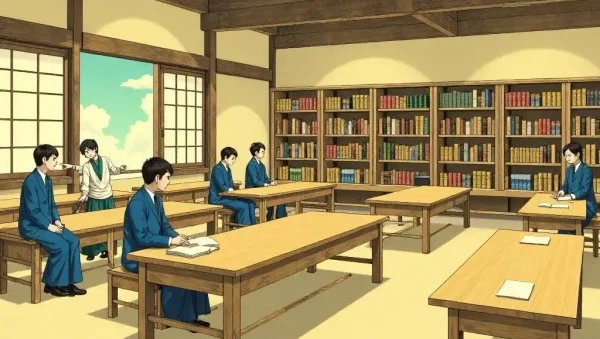
Understand the development of education and learning under the Tokugawa shogunate. Topics include samurai schools, temple schools, merchant education, Confucian teachings, private academies, literacy, and the circulation of books. The subcategory highlights how education expanded beyond the ruling warrior class.
Readers can also explore Edo-period intellectual history, including Japanese studies, Neo-Confucianism, Buddhist scholarship, rangaku, scientific knowledge, medicine, geography, and historical writing. These developments helped prepare Japan for the political and social transformations of the nineteenth century.
⛩️ Religion, Philosophy, and Spiritual Beliefs
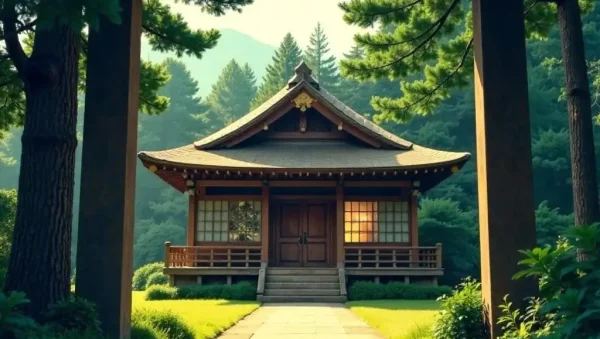
Explore the religious landscape of Edo Japan, where Buddhism, Shinto, Confucianism, folk beliefs, and local shrine traditions influenced daily behavior and social identity. Articles explain temple registration, household rituals, ancestor veneration, pilgrimages, festivals, and the role of religious institutions.
Learn how Tokugawa religious policy supported social control while also allowing diverse spiritual practices to continue. This section examines the relationship between faith, morality, family life, community organization, and the philosophical ideals that shaped samurai and civilian society.
👘 Fashion, Food, and Material Culture
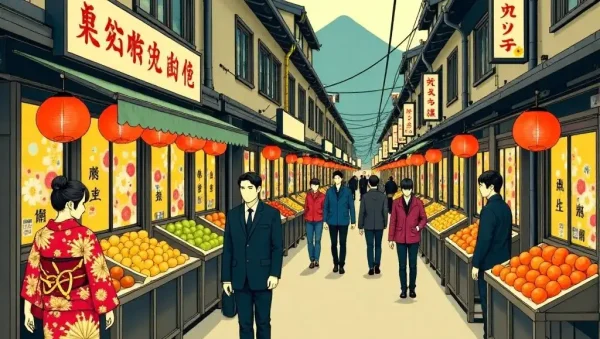
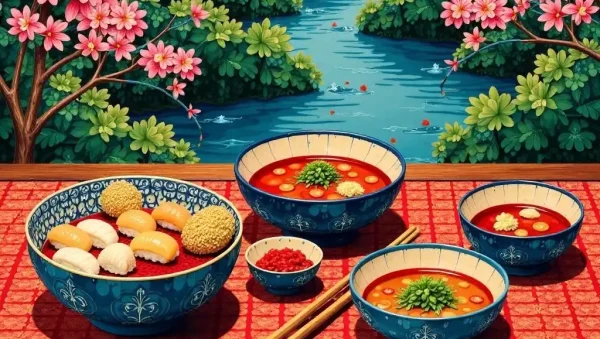
Discover what people wore, ate, purchased, and displayed during the Edo period. Topics include kimono styles, hairstyles, cosmetics, samurai dress, merchant fashion, regional cuisine, tea, sake, rice, street food, and the growth of commercial markets.
These articles offer insight into Edo-period material culture and explain how clothing, food, household objects, architecture, and consumer goods reflected status, occupation, gender, wealth, and changing urban tastes. Readers will gain a vivid understanding of how culture appeared in everyday life.
🏙️ Cities, Castles, and Urban Society
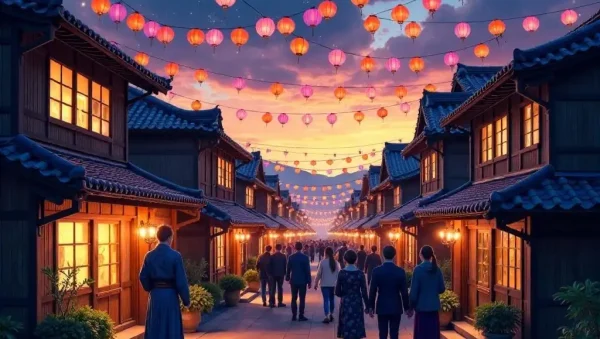
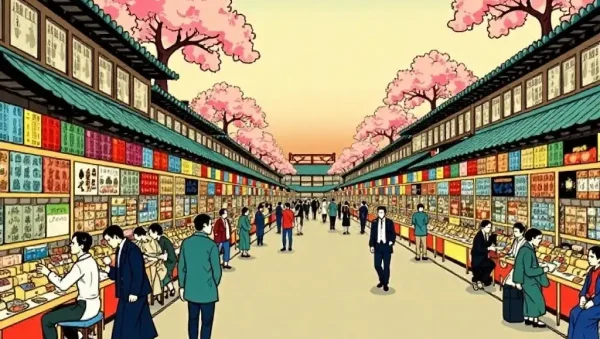
Study the growth of Edo, Osaka, Kyoto, and other castle towns during the Tokugawa era. Articles examine urban planning, daimyo residences, merchant districts, bridges, roads, markets, fire prevention, transportation, and the social geography of early modern Japanese cities.
Readers will learn how the sankin-kōtai system, domestic trade, and expanding transportation networks connected regional domains with the shogunal capital. This urban history explains why Edo-period Japan became a dynamic environment for commerce, publishing, entertainment, and cultural exchange.
❓ Frequently Asked Questions About Edo Period Culture
What was Edo Period culture?
Edo Period culture refers to the traditions, beliefs, arts, social practices, and everyday customs that developed in Japan under the Tokugawa shogunate from 1603 to 1868. It included samurai ethics, merchant prosperity, kabuki theater, ukiyo-e art, tea ceremony, religious practices, education, fashion, food, and urban entertainment.
Why is the Edo period important in Japanese cultural history?
The Edo period was important because prolonged political stability encouraged economic growth, urbanization, education, literacy, publishing, and artistic innovation. Many cultural traditions associated with Japan today, including kabuki, refined tea practices, popular woodblock prints, and distinctive regional cuisines, expanded or took recognizable form during this era.
What did people do for entertainment in Edo Japan?
People enjoyed kabuki theater, bunraku puppet performances, sumo wrestling, festivals, storytelling, music, travel, tea gatherings, pleasure districts, and illustrated books. Ukiyo-e prints also made images of actors, landscapes, courtesans, and famous places accessible to a broad audience.
How did social class influence Edo-period culture?
Tokugawa society was formally organized into status groups commonly associated with samurai, farmers, artisans, and merchants. Although laws regulated clothing, housing, occupations, and public behavior, prosperous merchants and urban residents often became major patrons of theater, publishing, fashion, art, and luxury goods.
What can readers learn from studying Edo Period Culture?
Studying Edo Period Culture reveals how political authority, social hierarchy, religion, commerce, and creativity interacted in early modern Japan. It also provides valuable context for understanding the origins of modern Japanese cities, arts, customs, institutions, and national identity.