The Revival of Traditional Japanese Theater in Modern Times
The revival of traditional Japanese theater in modern times reflects a profound cultural renaissance, bridging historical art forms with contemporary expressions. This…
Read article
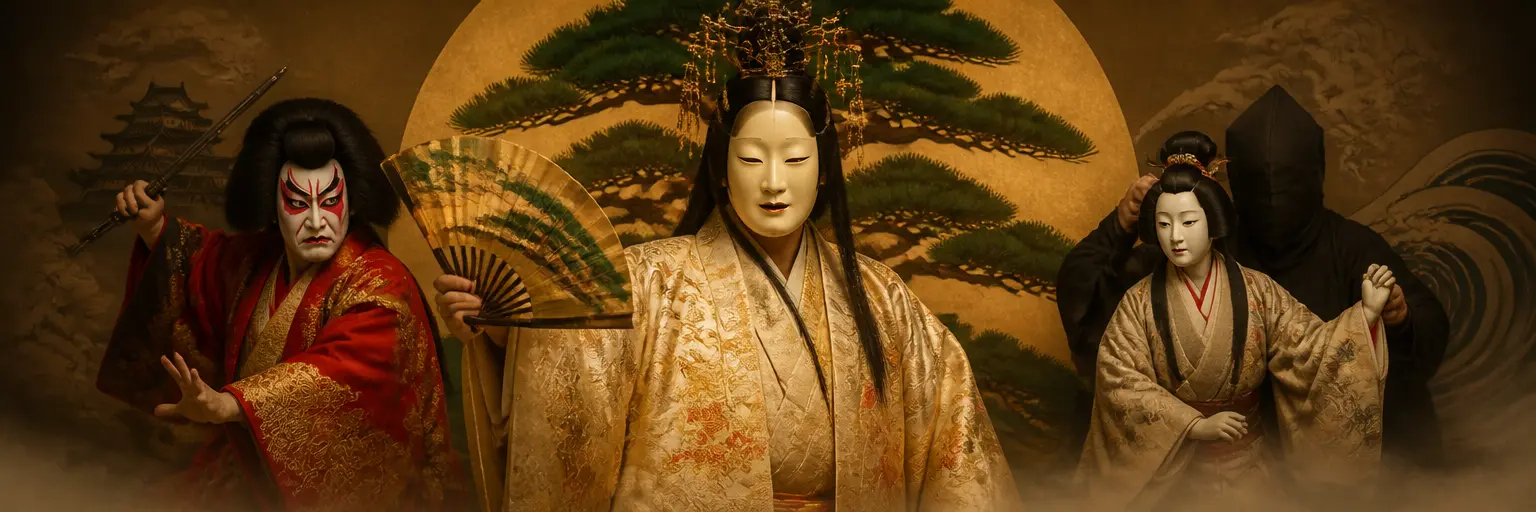
Explore Traditional Japanese Theater 🎭 and discover how kabuki, nō, bunraku, and other performance traditions shaped Japan’s cultural history. From elaborate costumes and stylized movement to legendary stories, music, and spiritual themes, uncover the enduring artistry and social influence of Japan’s classical stage. ✨ Perfect for history enthusiasts seeking expert insights into the dramatic heritage of Feudal Japan.
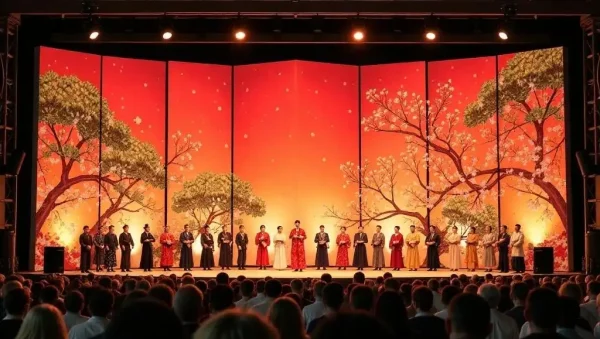
The revival of traditional Japanese theater in modern times reflects a profound cultural renaissance, bridging historical art forms with contemporary expressions. This…
Read article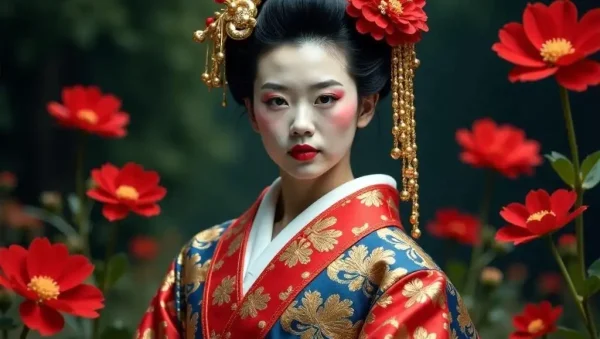
😊 Delving into the intricate world of Noh theater costume symbolism reveals the profound cultural narratives woven into each garment and mask.…
Read article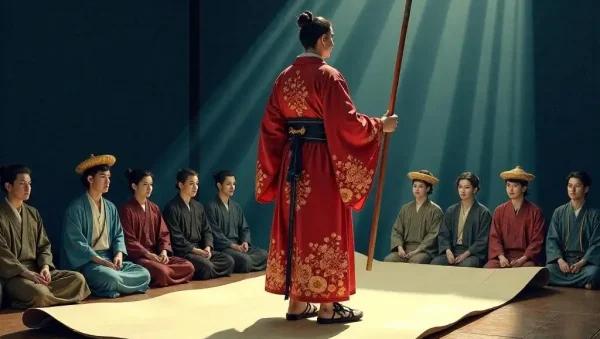
✨ Japanese calligraphy in theater intertwines artistry and performance, reflecting the nuanced emotions of feudal-era narratives. This exploration reveals how calligraphic techniques…
Read article
Discover the intricate Japanese theater and literature connection, where traditional performances like Noh and Kabuki intertwine with literary masterpieces, reflecting the cultural…
Read article
Discover the captivating world of Kabuki, where beauty in motion unfolds through intricate choreography and vibrant costumes. This article delves into the…
Read article
As traditional Japanese theater faces future challenges, it grapples with modernization, audience engagement, and preservation of artistic integrity. Exploring these dynamics reveals…
Read article
The Onnagata in Kabuki theater captivates audiences with its intricate portrayal of femininity by male actors. This tradition not only highlights the…
Read article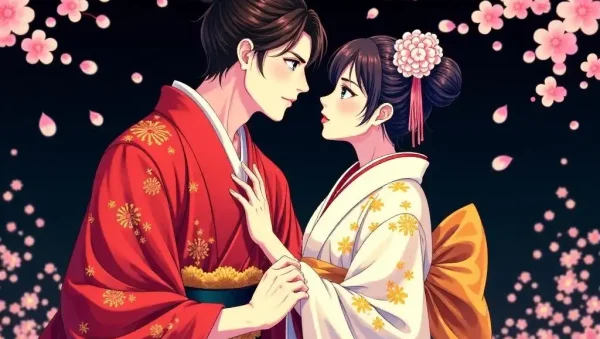
💔 Kabuki plays love and betrayal reveal the intricate dynamics of human emotions set against Japan's feudal backdrop. This article delves into…
Read article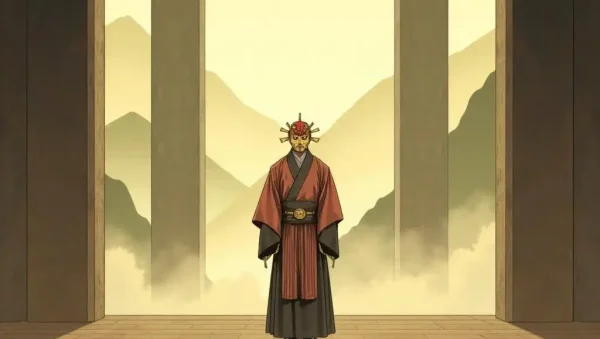
🌸 Zen Buddhism in Noh Theater profoundly shapes its performances, infusing them with a sense of spirituality and introspection. This article delves…
Read article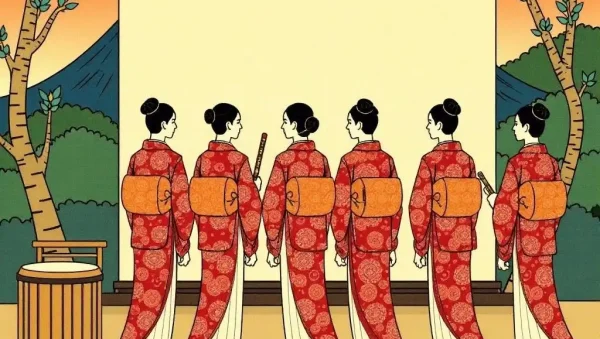
🎭 Explore the captivating journey of Kabuki music history and innovations, where traditional instruments blend with contemporary influences, reflecting Japan's rich feudal…
Read article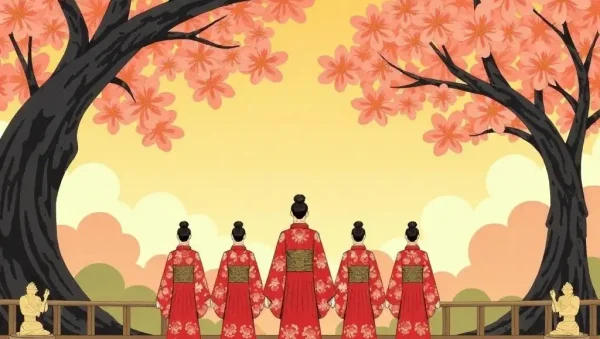
🎭 Traditional Japanese theater serves as a vivid mirror of societal changes throughout history, capturing the evolution of cultural values, social hierarchies,…
Read article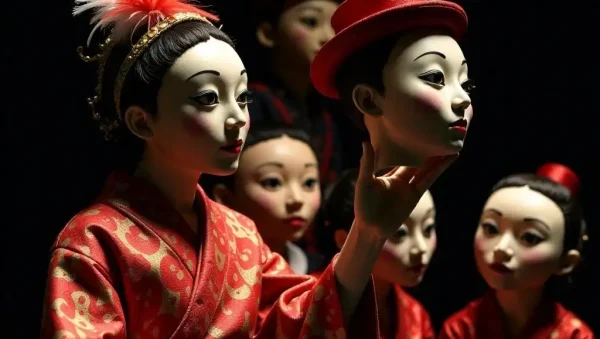
🎭 Bunraku puppetry transcends mere entertainment, embodying profound emotional significance that resonates deeply with audiences. This traditional Japanese art form masterfully weaves…
Read articleExplore Traditional Japanese Theater through the history, artistry, and cultural traditions that shaped performance during Japan’s feudal era. This subcategory examines iconic forms such as Noh theater, Kabuki, Bunraku puppet theater, Kyogen comedy, court performances, and regional dramatic customs. Discover how religion, samurai culture, social hierarchy, music, dance, costume, masks, and storytelling influenced Japanese theater history. With expert-driven articles from Feudal Japan History, readers can gain a deeper understanding of how performance became a powerful expression of Japanese identity and cultural history.
Learn about Noh theater, one of Japan’s oldest and most influential dramatic traditions. Articles explore its origins in medieval Japan, its connections to Buddhist thought and Shinto ritual, and the refined movement, chanting, music, masks, and symbolism that define Noh performance. Readers will discover how stories of warriors, spirits, monks, and tragic figures reflect the Japanese concept of impermanence.
This section also examines the role of Zeami, the development of Noh under samurai patronage, and the structure of a traditional Noh play. Expect detailed explanations of the stage, musicians, chorus, costumes, character types, and performance conventions that make Noh theater a central subject in Japanese cultural history.
Discover the origins and evolution of Kabuki theater, a vibrant form of Japanese drama known for striking costumes, dramatic poses, stylized acting, music, and elaborate stage effects. This section explores how Kabuki developed during the Edo period and became a major form of entertainment for urban audiences in cities such as Edo, Osaka, and Kyoto.
Readers can learn about famous Kabuki actors, onnagata performers, historical dramas, domestic plays, theater districts, censorship, and the relationship between Kabuki and merchant culture. Articles highlight how Kabuki reflected social values while also challenging expectations through spectacle, humor, romance, and heroic storytelling.
Explore Bunraku puppet theater, a sophisticated dramatic art combining large puppets, skilled manipulators, narrative chanting, and traditional shamisen music. Discover how this form of Japanese puppet theater developed during the Edo period and became closely associated with the playwright Chikamatsu Monzaemon and the cultural life of Osaka.
This section explains the roles of the tayu narrator, shamisen musician, and puppet operators, as well as the emotional themes found in Bunraku plays. Expect insights into love suicides, family duty, social obligation, merchant life, and the tension between personal desire and Confucian values in feudal Japan.
Learn how Kyogen comedy provided humor and social commentary alongside the solemnity of Noh theater. Kyogen performances often feature recognizable characters, misunderstandings, clever servants, foolish masters, and exaggerated situations that reveal the humor of ordinary life in medieval Japan.
Articles in this section examine Kyogen language, movement, costumes, performance structure, and relationship to Noh programs. Readers will see how comic theater offered audiences entertainment while also questioning authority, exposing human weakness, and presenting a lively view of Japanese society beyond the aristocratic and samurai classes.
Understand how traditional Japanese theater was shaped by the political and social structures of feudal Japan. From aristocratic courts and Buddhist temples to samurai households and urban pleasure districts, performances were influenced by systems of patronage, class status, religious belief, and government regulation.
This section connects Japanese theater history with broader themes in Cultural History, including the rise of the warrior class, the Tokugawa shogunate, merchant prosperity, gender roles, and the growth of cities. Readers can expect historically grounded explanations of how performances both reinforced and reflected the values of Japanese feudal society.
Discover the visual and musical elements that make Japanese theater distinctive. Articles explore Noh masks, Kabuki makeup, elaborate costumes, wigs, fans, props, shamisen music, drums, flute ensembles, chanting, and the symbolism of color and movement. These features were not merely decorative; they communicated identity, emotion, rank, age, gender, and supernatural status.
Readers will also learn about traditional Japanese theater architecture and stage technology, including the Noh stage, Kabuki hanamichi walkway, revolving stages, trapdoors, and hidden mechanisms. This detailed approach helps explain how historical performers created dramatic transformations long before modern cinema and digital effects.
The best-known forms include Noh, Kyogen, Kabuki, and Bunraku. Noh is highly stylized and spiritual, Kyogen is comedic, Kabuki emphasizes dramatic spectacle, and Bunraku combines puppetry, narration, and shamisen music.
Japanese theater developed over many centuries. Noh became established during the Muromachi period, while Kabuki and Bunraku flourished during the Edo period under the Tokugawa shogunate. Earlier court, religious, and folk performances also influenced these traditions.
Noh theater is minimalist, slow-paced, symbolic, and closely connected to spiritual themes. Kabuki theater is more colorful, energetic, and theatrical, using elaborate costumes, expressive acting, dramatic stage effects, and popular stories.
Noh masks represent specific character types, including spirits, women, demons, and elderly figures. Subtle changes in the actor’s angle and movement can make a mask appear joyful, sorrowful, or frightening, giving the performance its distinctive emotional depth.
Feudal politics, samurai patronage, religious institutions, social class, and government censorship all shaped theatrical performance. Theater also reflected merchant culture, family duty, gender expectations, urban life, and the conflicts between social obligation and personal emotion.