
How Traditional Japanese Theater Reflects Societal Changes Throughout History

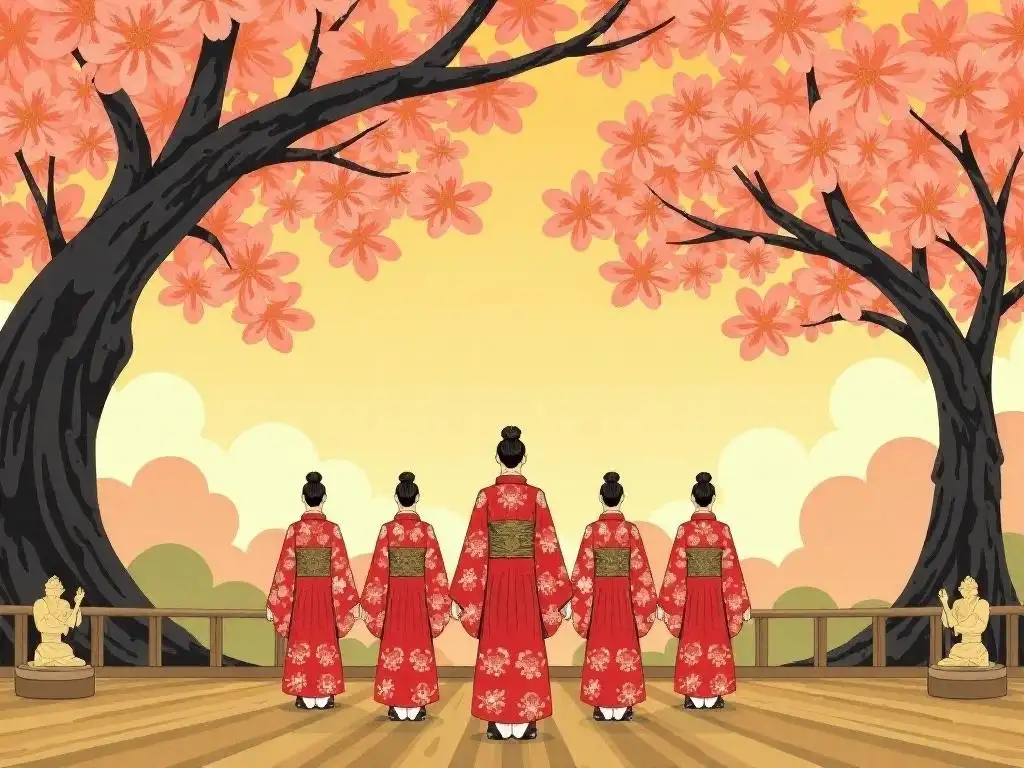
Welcome to Feudal Japan History, where we invite you on a captivating journey through the intricate tapestry of Japan's feudal era. In our featured article, "How Traditional Japanese Theater Reflects Societal Changes Throughout History," we delve into the profound ways in which theatrical performances mirror the evolving cultural and societal dynamics of Japan. What secrets do the stages of traditional theater hold about the lives and values of those who came before us?
Join us as we uncover the fascinating interplay between art and society, and discover how the echoes of the past continue to shape the present. Your exploration of this rich history begins here!
- Introduction to Japanese Theater and Societal Changes in History
- Historical Background of Japanese Theater
- Societal Changes Reflected in Japanese Theater
- Case Studies of Specific Plays and Performances
- The Transformation of Japanese Theater in Modern Times
- Conclusion: The Enduring Legacy of Japanese Theater
- References and Further Reading on Japanese Theater and Society
-
Frequently Asked Questions
- What is the significance of traditional Japanese theater in reflecting societal changes?
- How did the different forms of Japanese theater emerge?
- In what ways did the samurai class influence Japanese theater?
- How does Japanese theater address themes of gender and societal roles?
- What impact did modernization have on traditional Japanese theater?
- Final Reflection: The Enduring Legacy of Japanese Theater in Societal Transformation
- Embark on a Journey Through Japanese Culture!
Introduction to Japanese Theater and Societal Changes in History
The evolution of Japanese theater is intrinsically linked to the societal changes that have shaped the nation throughout its history. From the ancient rituals of the Noh drama to the vibrant performances of Kabuki and the contemporary influences of modern theater, each form reflects the shifting dynamics of Japanese culture, politics, and social structure. This article delves into the intricate relationship between traditional Japanese theater and the societal transformations that have occurred over the centuries, highlighting how these performances not only entertain but also serve as a mirror to the prevailing ideologies, values, and challenges of their times.
Overview of Traditional Japanese Theater
Traditional Japanese theater encompasses several distinct forms, each with its own unique characteristics and historical context:
- Noh Theater: A classical form known for its slow-paced, meditative performances, Noh combines music, dance, and drama, often drawing on themes from Japanese mythology and literature. It originated in the 14th century and was patronized by the samurai class, reflecting the aesthetics and values of the time.
- Kabuki Theater: Emerging in the early 17th century, Kabuki is characterized by its dynamic performances, elaborate costumes, and lively storytelling. Initially performed by women, it eventually became dominated by male actors. Kabuki's themes often address social issues and human emotions, making it accessible to a broader audience.
- Bunraku: This form of puppet theater, which dates back to the late 17th century, features large, intricately crafted puppets and live narration. Bunraku often tells poignant stories of love, betrayal, and tragedy, mirroring the complexities of human relationships in society.
Each of these theatrical forms not only serves as a mode of entertainment but also encapsulates the historical context in which they developed, showcasing the values, struggles, and aspirations of the people.
Importance of Theater in Japanese Culture
Theater has played a pivotal role in shaping and reflecting Japanese culture. It is a medium through which folklore, history, and moral lessons are conveyed, often incorporating elements of spirituality and philosophy. The significance of theater in Japanese culture can be observed through several key aspects:
- Preservation of Tradition: Traditional theater acts as a vessel for preserving age-old customs and narratives, passing down cultural heritage from generation to generation.
- Social Commentary: The performances often incorporate social critique, offering insights into the prevailing issues of the time, thus fostering a deeper understanding of society's evolving nature.
- Community Engagement: Theater serves as a communal activity, bringing people together to witness and engage with stories that resonate with their lives, fostering a sense of belonging and identity.
Through these facets, Japanese theater not only entertains but also educates and unites, making it an essential component of cultural expression.
Connection Between Theater and Society
The connection between Japanese theater and societal changes is profound and multifaceted. As Japan transitioned through various historical periods, such as the feudal era, the Meiji Restoration, and into modern times, theater has reflected and responded to these changes in several ways:
- Feudal Influences: During the feudal era, theater was heavily influenced by the samurai class and their values. Noh, in particular, was patronized by the elite, embodying their ideals of beauty, loyalty, and honor.
- Urbanization and Kabuki: The rise of urban centers in the Edo period saw Kabuki flourish, reflecting the interests and experiences of the growing merchant class. Kabuki's themes often mirrored the societal struggles and aspirations of ordinary people, making it a crucial outlet for social expression.
- Modern Adaptations: In contemporary Japan, theater continues to evolve, incorporating modern themes and techniques while still paying homage to traditional forms. This adaptability showcases how theater remains relevant amidst societal changes, addressing contemporary issues such as globalization and technological advancement.
The interplay between traditional Japanese theater and societal changes highlights the resilience and adaptability of this cultural form, affirming its role as a vital reflection of Japan's historical and cultural narrative.
Historical Background of Japanese Theater
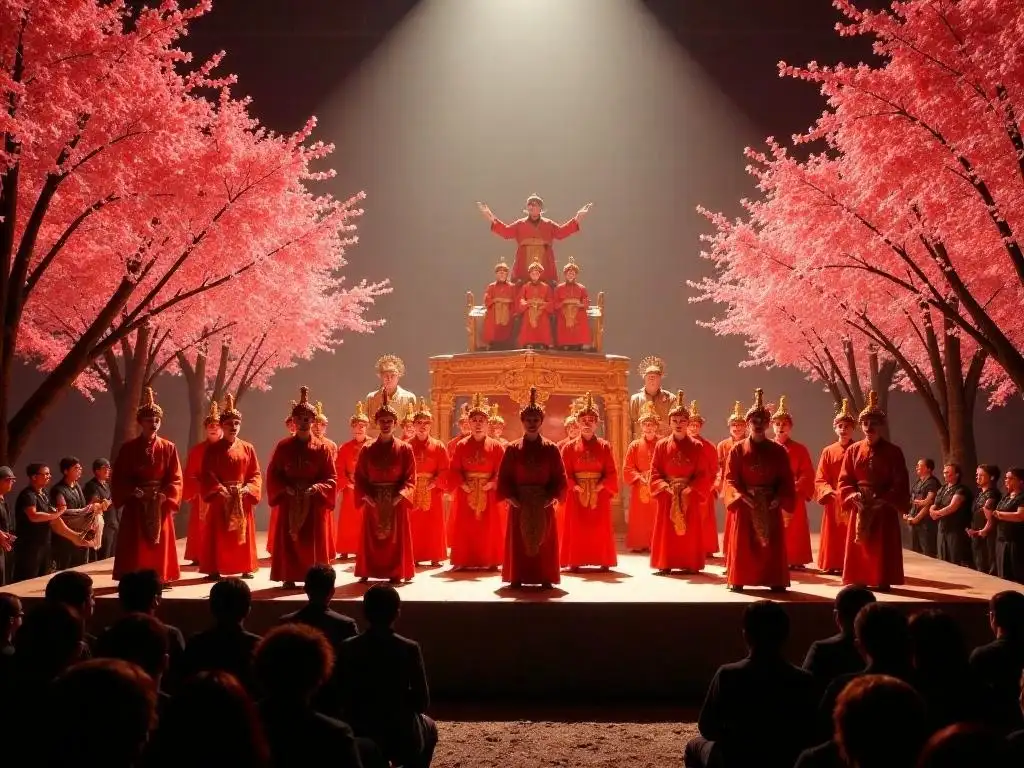
Origins of Japanese Theater: Noh, Kabuki, and Bunraku
Japanese theater has its roots deeply embedded in the cultural traditions of ancient Japan, evolving through various forms that reflect societal values and historical contexts. The three principal forms of traditional Japanese theater are Noh, Kabuki, and Bunraku, each with unique characteristics and historical significance.
- Noh Theater:
- Originating in the 14th century, Noh is regarded as one of the oldest theatrical forms in Japan. It is characterized by its slow, stylized movements, elaborate costumes, and the use of masks. Thematically, Noh often explores profound philosophical themes, such as the transience of life and the nature of existence.
- Noh was initially patronized by the samurai class, serving both as entertainment and a reflection of their values. The performances were often held in the context of religious rituals and ceremonies.
- Kabuki Theater:
- Emerging in the early 17th century, Kabuki was designed to be more accessible to the general populace. Its vibrant, exaggerated performances were marked by colorful costumes, dynamic makeup, and lively music. Unlike Noh, Kabuki often incorporates themes from popular culture, including stories of love, betrayal, and adventure.
- The rise of Kabuki coincided with the Edo period, a time of peace and stability in Japan, which allowed for greater public participation in the arts. Kabuki became a favorite among merchants and townspeople, reflecting their emerging societal influence.
- Bunraku Theater:
- Bunraku, or puppet theater, also gained prominence in the 17th century. It involves intricately crafted puppets operated by skilled puppeteers, accompanied by live narration and music. The narratives often focus on the lives of common people, exploring their struggles and aspirations.
- The blend of visual artistry and storytelling in Bunraku provides a unique lens through which to view societal changes, as its themes often resonate with the experiences of the lower classes.
Each of these forms of Japanese theater not only showcases artistic creativity but also serves as a mirror reflecting the evolving societal norms and values of their respective eras.
Evolution of Japanese Theater Through Different Eras
The evolution of Japanese theater is closely tied to the socio-political landscape of Japan throughout history. Each era brought about distinct changes in themes, styles, and audience engagement.
- Heian Period (794-1185):
- This era saw the emergence of early performance arts, influenced by Chinese traditions. The gagaku, a form of court music and dance, laid the groundwork for later theatrical forms. The aristocracy enjoyed performances that were subtle and introspective, reflecting the values of the time.
- Kamakura and Muromachi Periods (1185-1573):
- The rise of the samurai class led to the development of Noh theater, which was patronized by the elite. Noh performances became a means for the samurai to connect with their cultural heritage, as well as to convey their ideals of honor and loyalty.
- Edo Period (1603-1868):
- The Edo period marked a significant transformation in Japanese theater with the rise of Kabuki and Bunraku. The shift from aristocratic patronage to popular entertainment mirrored the growing influence of the merchant class. The themes in Kabuki and Bunraku began to reflect the everyday lives and struggles of ordinary people, showcasing societal changes and aspirations.
- Meiji Period (1868-1912):
- With the arrival of Western influence, traditional Japanese theater faced challenges. However, this period also led to a renaissance in the arts, as performers sought to blend Western techniques with traditional styles. The struggle to maintain cultural identity amidst modernization became a recurring theme in theatrical narratives.
- Post-War Era (1945-Present):
- Japanese theater has continued to evolve, integrating contemporary issues and modern techniques while retaining its traditional roots. The rise of avant-garde and experimental theater reflects Japan's rapid societal changes in the wake of globalization and technological advancement.
The evolution of Japanese theater serves as a narrative of societal transformation, highlighting the interplay between culture and history.
Key Historical Events Influencing Japanese Theater
Several key historical events have significantly influenced the trajectory of Japanese theater, shaping its forms and themes.
- The Mongol Invasions (1274 and 1281):
- These invasions had a profound impact on the samurai class, fostering a sense of nationalism that later found expression in Noh theater. The themes of heroism and loyalty became more pronounced as theater began to reflect the samurai's role in defending the nation.
- The Onin War (1467-1477):
- This conflict led to the fragmentation of the feudal system and prompted a shift in power dynamics. The decline of the samurai's exclusive patronage of Noh allowed for the emergence of Kabuki, which catered to the newly empowered merchant class.
- The Edo Period’s Economic Growth:
- The growth of cities and the merchant class during the Edo period created a vibrant urban culture that embraced Kabuki and Bunraku. These forms of theater became tools for social commentary, addressing the challenges and aspirations of everyday life.
- Western Influence during the Meiji Restoration (1868):
- The Meiji Restoration marked Japan's rapid modernization and westernization. Traditional theater faced the challenge of adapting to new societal norms while striving to maintain its cultural essence. This period saw the introduction of Western theatrical techniques, leading to new forms of expression in Japanese theater.
- Cultural Revival Post-World War II:
- After World War II, there was a significant revival of interest in traditional forms of Japanese theater. This resurgence was driven by a desire to reconnect with cultural roots in the face of globalization. The themes explored in theater often centered around the trauma of war and the quest for identity in a changing world.
Through these events, Japanese theater has continually evolved, reflecting the complexities of societal changes throughout history. The interplay between tradition and innovation remains a central theme in understanding the rich tapestry of Japan's theatrical heritage.
Societal Changes Reflected in Japanese Theater
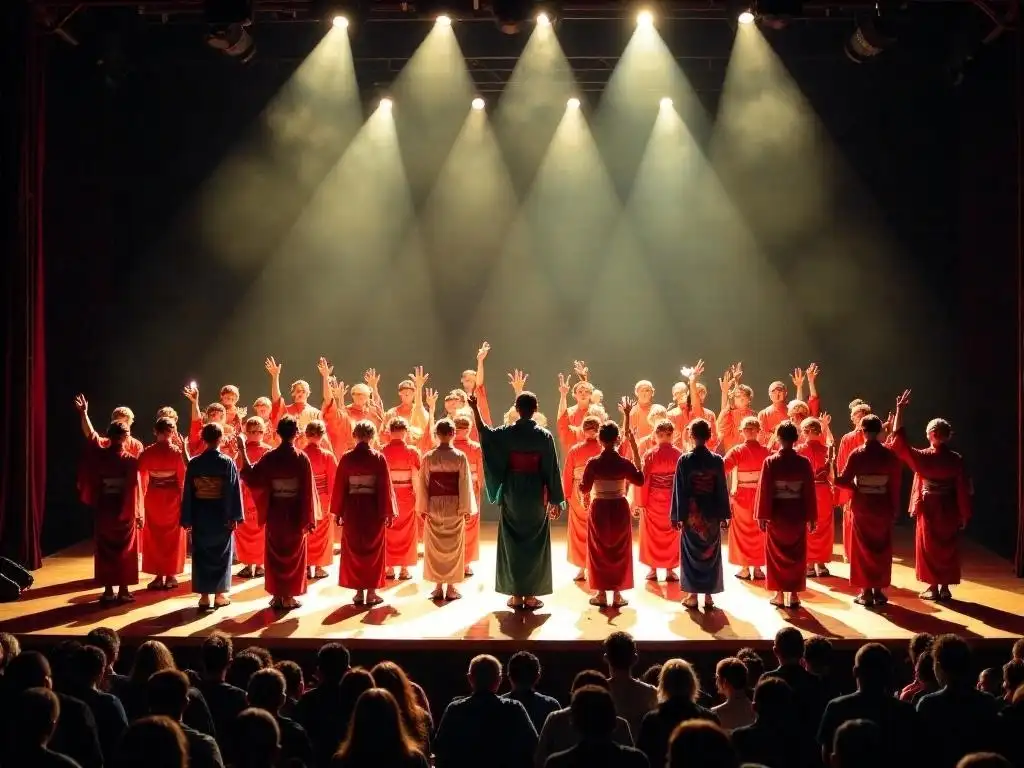
The Role of Japanese Theater in Feudal Society
Japanese theater has played a vital role in mirroring the societal changes throughout feudal Japan. During this period, which spanned from the 12th to the 19th centuries, theater forms such as Noh, Kabuki, and Bunraku emerged as significant cultural expressions. Each of these genres served not only as entertainment but also as a reflection of the political, social, and economic conditions of their time.
- Noh Theater: Originating in the 14th century, Noh represents the aristocracy's values and aesthetics. The performances often depicted themes of loyalty, honor, and the supernatural, resonating with the samurai class's ideals. Noh was characterized by its slow movements and minimalistic staging, which underscored the philosophical underpinnings of the society.
- Kabuki Theater: In contrast, Kabuki emerged in the early 17th century, initially attracting the common people. Its vibrant costumes, exaggerated movements, and lively music reflected the growing merchant class's aspirations. The themes in Kabuki often celebrated the lives of everyday individuals, thus highlighting the societal shift from the feudal class structure towards a more inclusive representation of various social strata.
- Bunraku Theater: This puppet theater form became popular alongside Kabuki and provided a platform for discussing societal issues and moral dilemmas. It often tackled themes such as love, betrayal, and social injustice, making it a mirror to the complexities of feudal life.
The evolution of these theatrical forms illustrates how Japanese theater adapted to reflect the tumultuous changes of feudal society, from the rise of the samurai to the flourishing of the merchant class.
Representation of Class Dynamics in Theater
The representation of class dynamics is a critical theme in Japanese theater, showcasing the hierarchical nature of feudal society. Each form of theater offered unique insights into the interactions between different social classes.
- Samurai and Nobility: In Noh, the portrayal of samurai and noble characters often emphasized their virtues and shortcomings. The narratives focused on loyalty, honor, and the consequences of betrayal, which were central to the samurai ethos. This form of theater reinforced the social order by glorifying the samurai's role as protectors of the realm.
- Merchants and Commoners: Kabuki, on the other hand, democratized theater by bringing the stories of merchants and commoners to the stage. It often highlighted the struggles and aspirations of these classes, reflecting the shifting power dynamics during the Edo period. The use of humor and satire in Kabuki provided a vehicle for critiquing the upper classes, revealing the growing discontent among the lower classes.
- Integration of Classes: Bunraku's complex narratives often intertwined the lives of characters from various social backgrounds, showcasing their interconnectedness. This form emphasized the shared human experiences across classes, such as love, loss, and betrayal, thus blurring the rigid class distinctions prevalent in feudal Japan.
Through these representations, Japanese theater not only entertained but also educated audiences about the societal structures and class dynamics of their time, serving as a platform for reflection and critique.
Gender Roles and Their Evolution in Japanese Theater
Gender roles in Japanese theater have undergone significant evolution throughout history, reflecting broader societal changes regarding women and their place in feudal Japan.
- Early Representations: In the early days of Japanese theater, women were often portrayed in a limited capacity. In Noh, female roles were played exclusively by male actors, known as "onnagata." This practice highlighted the constraints on women's public presence and participation in the arts.
- Kabuki's Impact: The rise of Kabuki in the 17th century marked a turning point for gender representation. Initially, women performed in Kabuki, attracting a diverse audience. However, due to moral concerns and regulations by the government, women were eventually banned from the stage. This led to a reinforcement of male-centric narratives, yet the female characters, often depicted with strength and complexity, began to challenge traditional gender roles.
- Modern Interpretations: In contemporary interpretations of classic plays, there has been a resurgence of interest in women's roles. Modern productions often re-examine the narratives to highlight female perspectives and experiences, thus contributing to ongoing discussions about gender equality in Japanese society.
The evolution of gender roles in Japanese theater reflects the shifting perceptions of women’s status in society, illustrating a complex interplay between tradition and modernity. The continued exploration of these themes in theater ensures that the dialogue surrounding gender remains relevant and dynamic.
The exploration of Japanese theater societal changes history reveals a rich tapestry of cultural expression that not only entertained but also informed society about its own evolving identity. Each theatrical form served as a lens through which the multifaceted dynamics of feudal Japan could be examined, making it an essential aspect of the nation’s cultural history.
The Impact of Western Influence on Japanese Theater
The 19th and 20th centuries marked a pivotal period for Japanese theater as the country opened its doors to Western influences. This transformation was not merely an introduction of new styles but a profound integration that led to significant changes in traditional forms such as Noh, Kabuki, and Bunraku. The incorporation of Western theatrical elements began during the Meiji Restoration (1868-1912), a time when Japan was eager to modernize and adapt to global trends.
One of the primary impacts of Western influence was the introduction of realistic acting techniques. Before this period, Japanese theater heavily relied on stylized movements and exaggerated expressions to convey emotions and narratives. However, as Western plays and acting methods gained popularity, many Japanese actors began to experiment with more naturalistic performances. This evolution in acting style allowed for deeper emotional engagement and a more relatable connection with audiences.
Additionally, Western theatrical practices led to innovations in stagecraft and production design. The use of elaborate sets, lighting techniques, and sound effects were introduced, enhancing the visual and auditory experiences of performances. Traditional theaters, which often featured minimalistic staging, started to embrace more complex designs that could evoke different settings and moods. This shift not only transformed the aesthetic of Japanese theater but also expanded the storytelling possibilities, allowing for more dynamic narratives that resonated with contemporary audiences.
Moreover, the themes explored in Japanese theater began to reflect Western societal issues. While traditional works often focused on historical events, folklore, and the samurai code, the influence of Western literature introduced new themes such as individualism, existentialism, and social critique. Playwrights began to address contemporary issues like class struggle, gender roles, and the impact of modernization on society. This thematic evolution provided a platform for audiences to engage with relevant social issues, thereby solidifying theater's role as a reflection of societal changes.
The impact of Western influence on Japanese theater was profound and multifaceted. It not only altered the performance styles and production techniques but also enriched the thematic depth of plays. This blending of traditions ultimately created a unique theatrical landscape that continues to evolve, showcasing the dynamic interplay between cultural heritage and global influences. The changes initiated during this period have laid the foundation for contemporary Japanese theater, making it a vibrant and essential part of Japan's cultural narrative.
Case Studies of Specific Plays and Performances
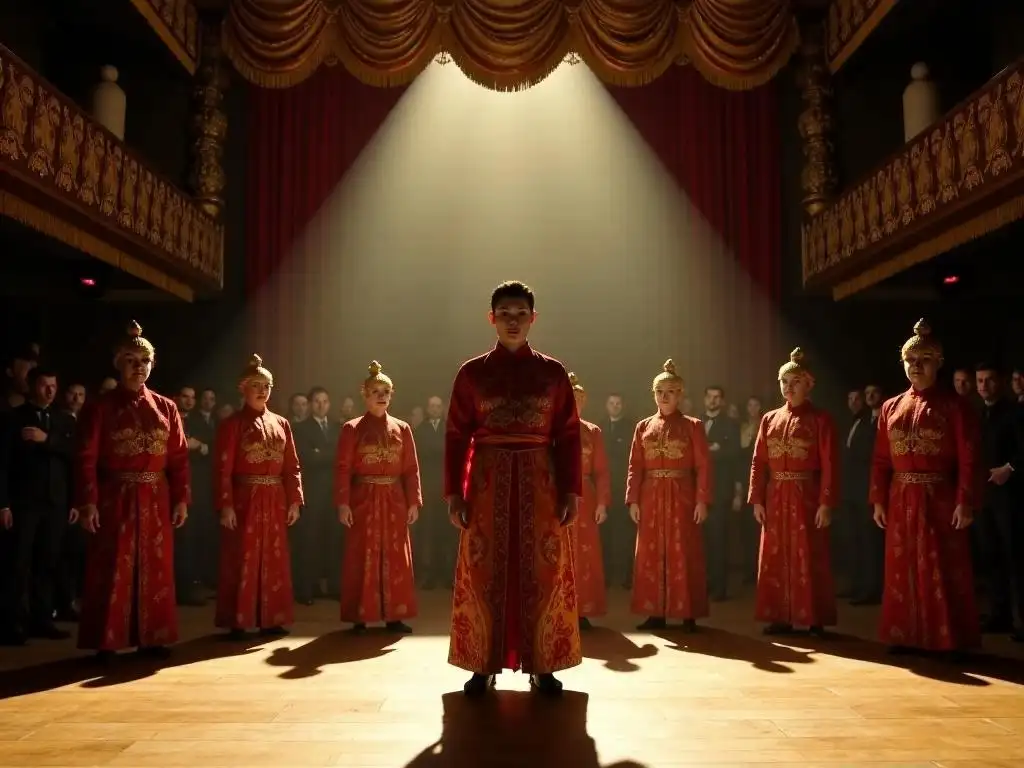
Examination of Noh Plays and Their Societal Commentary
Noh theater, one of the oldest traditional Japanese performance arts, offers profound insights into the societal values and transformations of feudal Japan. Its origins in the 14th century, attributed to the visionary Kan'ami and his son Zeami, marked a departure from the more chaotic performances of earlier times, introducing a refined aesthetic that mirrored the evolving Japanese society.
Noh plays often delve into themes of mortality, human emotion, and supernatural elements, reflecting the Buddhist and Shinto beliefs prevalent in the era. For instance, the Noh play Aoi no Ue (The Lady Aoi) explores themes of jealousy and the consequences of desire, resonating with the courtly values and the intricate relationships of the Heian period. The character of Lady Aoi serves as a poignant symbol of the fragility of human life and the weight of societal expectations.
Moreover, Noh's emphasis on slow, deliberate movement and minimalistic staging serves as a commentary on the chaotic nature of life in contrast to the serene acceptance of fate. This aesthetic choice reflects a shift in societal values towards introspection and the appreciation of subtlety, which became increasingly significant as Japan transitioned through periods of war and peace.
Analysis of Kabuki Theater and Its Reflection of Urban Life
Kabuki theater emerged in the early 17th century as a vibrant form of entertainment that encapsulated the dynamic urban life of Edo (now Tokyo). Unlike Noh, Kabuki is characterized by its colorful costumes, exaggerated movements, and elaborate makeup, which together create a spectacle that mirrors the bustling energy of city life.
Kabuki plays often depict common people, their struggles, and their aspirations, making it a relatable form of performance for the masses. For example, the famous play Kanadehon Chūshingura (The Treasury of Loyal Retainers) not only tells the tale of samurai loyalty and honor but also reflects the growing sentiment of social justice among the commoners. This play, based on historical events, resonated deeply with audiences, particularly during the Edo period, when the rigid class structure became increasingly scrutinized.
Additionally, Kabuki's incorporation of live music and dance not only entertains but also serves as a vehicle for social commentary. The portrayal of gender roles in Kabuki, particularly through the use of onnagata (male actors portraying female roles), challenges societal norms and opens discussions about identity and gender fluidity. This complexity in representation has allowed Kabuki to evolve, mirroring the societal changes that continue to shape Japan.
Bunraku, the traditional puppet theater of Japan, offers a unique perspective on societal issues through its intricate storytelling and visually compelling puppetry. Emerging in the late 17th century, Bunraku was developed by combining the artistry of puppetry with live narration and music, creating a multi-layered experience that captivates audiences.
The narratives within Bunraku often highlight social injustices, love, and betrayal, reflecting the experiences of the lower classes during a time of significant economic disparity. For instance, the play Shinju Ten no Amijima (The Love Suicides at Amijima) portrays the tragic love story of two young lovers from different social standings, ultimately leading to their demise. This poignant tale not only captivates the audience but also serves as a critique of the societal constraints that dictate personal relationships.
Bunraku's puppets, controlled by skilled puppeteers dressed in black, symbolize the puppeteers of fate that manipulate the characters' lives, echoing the helplessness felt by individuals in a rigid social hierarchy. The emotional depth and complexity of the characters resonate with audiences, allowing them to reflect on their own societal roles and the broader human condition.
Through these case studies of Noh, Kabuki, and Bunraku, it becomes evident that traditional Japanese theater is more than mere entertainment; it serves as a living document of societal changes, cultural values, and historical contexts, inviting audiences to engage with the past while contemplating the present.
The Transformation of Japanese Theater in Modern Times
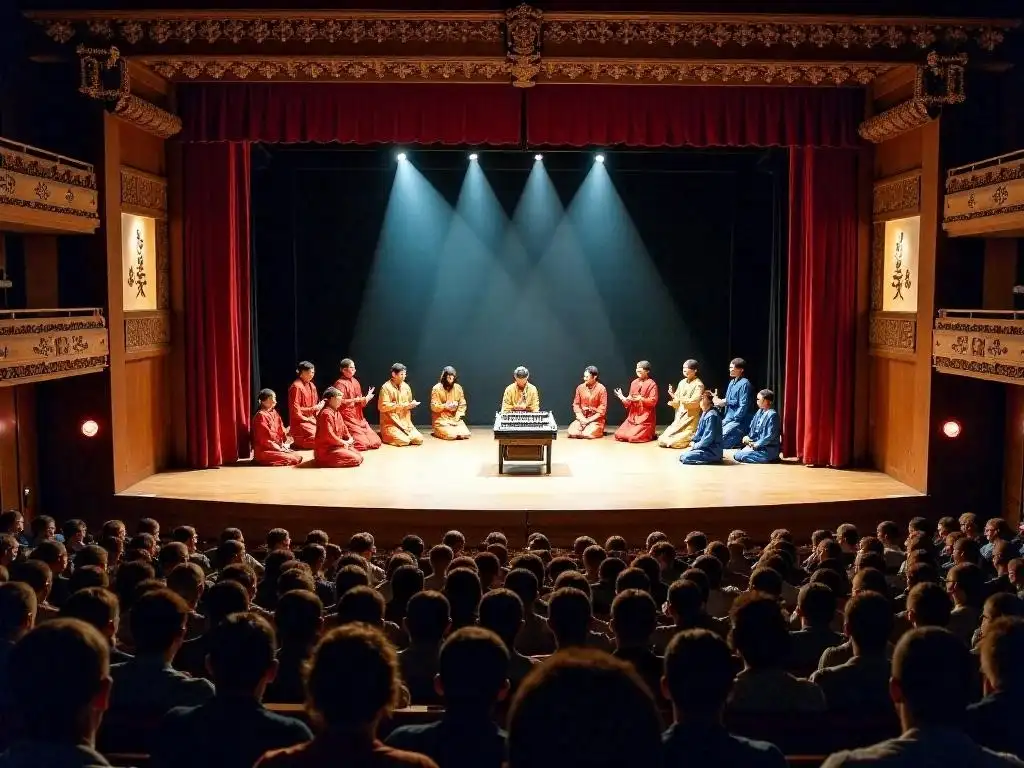
Contemporary Japanese Theater and Its Historical Roots
Contemporary Japanese theater is a vibrant tapestry woven from the rich historical threads of its predecessors. The evolution from traditional forms such as Noh, Kabuki, and Bunraku to modern expressions showcases not only artistic growth but also significant societal transformations. Each of these traditional forms emerged in response to various cultural and political climates, reflecting the values and struggles of their respective eras.
- Noh Theater: Originating in the 14th century, Noh is characterized by its minimalist aesthetic and spiritual themes. It often reflects the samurai ethos and the connection to the supernatural. As Japan modernized, Noh's themes began to resonate with contemporary issues, prompting adaptations that bridge the historical and the modern.
- Kabuki: Emerging in the early 17th century, Kabuki's vibrant costumes and dynamic performances catered to the common people. This form has been pivotal in addressing social issues, often using satire to critique the ruling class. Today's Kabuki productions still utilize these elements, embedding modern societal critiques within traditional frameworks.
- Bunraku: This puppet theater, which flourished during the Edo period, is notable for its intricate puppetry and storytelling. In contemporary times, Bunraku has seen a resurgence as artists experiment with technology, integrating multimedia elements that appeal to younger audiences while preserving its historical narratives.
By examining these roots, one can see how traditional Japanese theater has shaped and been shaped by societal changes, creating a dialogue between the past and present.
How Modern Productions Address Historical Societal Changes
Modern Japanese theater often serves as a mirror reflecting the complexities of contemporary society, echoing historical societal changes while addressing current issues. This dynamic interplay is achieved through innovative storytelling techniques and the adaptation of classical works.
- Reinterpretation of Classics: Many theater companies today are revisiting classic plays, infusing them with modern themes. For example, a Kabuki play originally critiquing feudal loyalty may now address issues of personal freedom and societal expectations in a globalized world.
- Diverse Voices: Contemporary productions increasingly feature diverse narratives, highlighting marginalized voices. This shift acknowledges the historical context of oppression and the struggle for representation, paralleling Japan’s own societal changes regarding gender and identity.
- Cultural Fusion: The incorporation of Western theatrical techniques and themes has led to unique hybrid performances. For instance, plays that combine traditional Japanese storytelling with contemporary Western narratives reflect a society in flux, grappling with globalization while honoring its heritage.
Through these modern adaptations and innovations, Japanese theater not only preserves its historical significance but also engages with the ongoing evolution of Japanese society, fostering conversations about identity, belonging, and cultural continuity.
The Future of Japanese Theater and Its Societal Relevance
As Japan continues to navigate the challenges of modernity, the future of its theater remains promising and relevant. The interplay between tradition and innovation will likely shape its trajectory, ensuring that it remains a vital cultural force.
- Embracing Technology: The integration of technology in performances, such as virtual reality and digital projections, is expected to enhance storytelling capabilities. This fusion presents an opportunity to explore historical narratives in new ways, making them accessible and engaging to a broader audience.
- Global Outreach: With an increasing interest in Japanese culture worldwide, theater companies are seeking international collaborations. This outreach not only expands the influence of Japanese theater but also invites cross-cultural dialogues that enrich both Japanese and global perspectives on societal issues.
- Educational Initiatives: As awareness of the importance of preserving cultural heritage grows, educational programs are being developed to teach the next generation about traditional forms of Japanese theater. These initiatives aim to create a deeper understanding of how historical contexts have shaped contemporary narratives.
The future of Japanese theater is poised to reflect ongoing societal changes while remaining anchored in its historical roots. By addressing contemporary issues through the lens of tradition, it will continue to serve as a powerful medium for cultural expression and societal reflection, ensuring its relevance in an ever-evolving world.
Conclusion: The Enduring Legacy of Japanese Theater
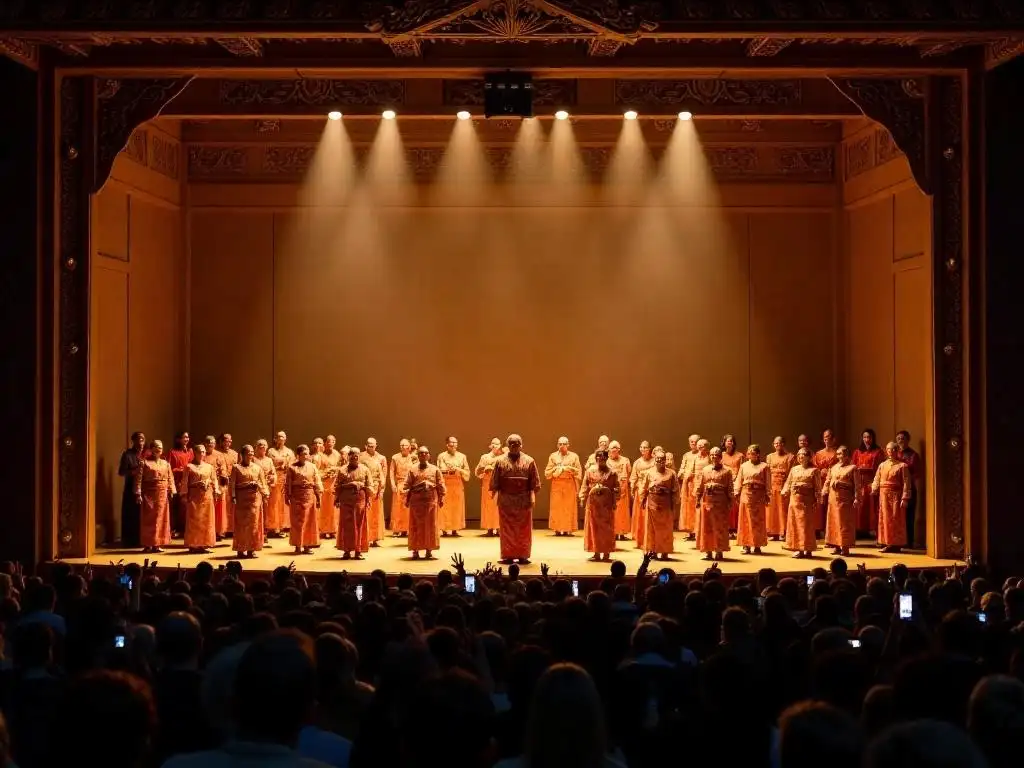
Summarizing the Connection Between Japanese Theater and Societal Changes
The intricate relationship between Japanese theater and societal changes reflects a dynamic historical narrative that spans centuries. Traditional forms such as Noh, Kabuki, and Bunraku have not only entertained audiences but have also served as mirrors to the evolving cultural and social norms of their times.
- Noh Theater: This ancient form often embodies the philosophical and spiritual elements of Japanese society. Its themes frequently explore the transient nature of life, reflecting the Buddhist influences during the Muromachi period. As Japan faced political upheaval and shifting power dynamics, Noh adapted to incorporate these societal changes, emphasizing themes of loss and redemption.
- Kabuki Theater: Emerging in the Edo period, Kabuki was initially associated with the lower classes and provided a vibrant platform for social commentary. The flamboyant performances often addressed contemporary issues such as class struggles and societal norms, making it a vehicle for public discourse. Over time, Kabuki evolved into a respected art form, showcasing its ability to adapt to changing societal values while maintaining its core essence.
- Bunraku Puppetry: This unique form of theater also reflects societal changes through its intricate storytelling and character development. Originating in the Edo period, Bunraku presented narratives that highlighted the complexities of human emotions and relationships, often mirroring the shifting ideals of love, loyalty, and honor in Japanese society.
The evolution of these theatrical forms demonstrates how Japanese theater has been inextricably linked to the historical context in which it was produced. By examining the themes, styles, and audience perceptions of these performances, we gain insight into the societal changes that shaped Japan throughout its feudal era and beyond.
Final Thoughts on the Importance of Understanding Historical Context in Theater
Understanding the historical context of Japanese theater is crucial for several reasons. First, it allows us to appreciate how performances were influenced by the sociopolitical environment of their times. For instance, recognizing the impact of the Tokugawa shogunate on Kabuki helps us comprehend the censorship and regulations that shaped its content and presentation.
Moreover, analyzing the themes present in Japanese theater enriches our understanding of cultural identity and heritage. The transition from feudal values to modern ideals is beautifully encapsulated in the narratives portrayed on stage, offering a lens through which we can view the evolution of Japanese society.
Finally, the legacy of Japanese theater serves as a reminder of the power of art as a form of resistance, commentary, and reflection. As society continues to change, so too will the narratives told through this vibrant medium, ensuring that the societal changes reflected in Japanese theater remain relevant for future generations.
The exploration of Japanese theater's societal changes history not only deepens our appreciation for these traditional art forms but also fosters a greater understanding of Japan's cultural evolution and the enduring impact of its artistic expressions.
References and Further Reading on Japanese Theater and Society
Recommended Books and Articles on Japanese Theater
- "The World of Japanese Theater" by John J. O'Brien
- This comprehensive guide delves into the various forms of Japanese theater, including Noh, Kabuki, and Bunraku, highlighting how each reflects the societal norms and changes of its time. O'Brien’s work is essential for understanding the evolution of performance arts in Japan.
- "Kabuki: A History of the Japanese Theater" by J. Thomas Rimer
- Rimer provides an in-depth analysis of Kabuki theater, exploring its origins, transformations, and the cultural contexts that shaped its development. The book emphasizes the interplay between Kabuki and social changes in Japan from the Edo period to the present.
- "Noh and the Theater of Japan" by David S. Cohen
- This text focuses on Noh theater, explaining its historical significance and the philosophical themes that resonate with Japan's societal values. Cohen’s analysis includes how Noh has adapted through various historical epochs, reflecting societal shifts.
- "Performing Arts in Contemporary Japan: A Comparative Approach" by David W. W. H. Choi
- Choi's work examines modern adaptations of traditional Japanese theater forms, discussing their relevance in contemporary society and how they mirror ongoing cultural dialogues within Japan.
- "The Influence of Traditional Theatre on Modern Japanese Culture" by Hiroshi Sugimoto
- This article explores how traditional theater has influenced various aspects of modern Japanese culture, including film and literature, and how these mediums reflect societal changes over time.
Resources for Deeper Exploration of Societal Changes in Japan
-
Japan Society
An organization that offers a range of resources, including online articles, educational materials, and events focused on Japanese culture and history.
-
The National Noh Theatre
A resource that provides information about Noh performances, workshops, and the historical contexts of this traditional art form.
-
Kabuki-za Theatre
The official website of the Kabuki-za Theatre in Tokyo, featuring performance schedules, history, and educational resources related to Kabuki theater.
-
The Japan Foundation
This organization promotes cultural exchange and understanding through a variety of programs, including those focused on the performing arts. They often publish reports and articles on the impact of traditional theater on society.
-
Academic Journals
Journals such as Asian Theatre Journal and The Journal of Japanese Studies regularly publish research articles examining the relationship between theater and societal changes, offering scholarly perspectives on the subject.
These resources not only provide valuable insights into the evolution of Japanese theater but also illustrate the broader societal changes that have shaped Japan throughout its history. By engaging with these materials, readers can gain a more nuanced understanding of how traditional Japanese theater reflects and responds to the shifting dynamics of Japanese society.
Frequently Asked Questions
What is the significance of traditional Japanese theater in reflecting societal changes?
Traditional Japanese theater serves as a mirror to the societal shifts and cultural transformations throughout history, showcasing how art evolves in response to changing values and norms.
How did the different forms of Japanese theater emerge?
Various forms, such as Noh, Kabuki, and Bunraku, emerged as responses to social dynamics and political landscapes, each encapsulating unique aspects of Japanese culture and society's evolving narrative.
In what ways did the samurai class influence Japanese theater?
The samurai class played a crucial role in shaping the themes and styles of theater, reflecting their values and aesthetic preferences, which were often depicted in the stories and performances of the time.
How does Japanese theater address themes of gender and societal roles?
Japanese theater often explores gender dynamics and societal roles, revealing the expectations and challenges faced by individuals in different eras, thereby highlighting the changes in gender perceptions over time.
What impact did modernization have on traditional Japanese theater?
Modernization introduced new themes and styles, leading to a fusion of traditional and contemporary elements, while still maintaining a connection to historical narratives and cultural identity.
Final Reflection: The Enduring Legacy of Japanese Theater in Societal Transformation
The intricate tapestry of Japanese theater serves as a mirror reflecting the societal changes throughout history, revealing the profound connections between art and culture. As we navigate an increasingly complex world, understanding how traditional forms of expression adapt and respond to societal shifts is more crucial than ever. The evolution of Japanese theater not only showcases the resilience of cultural heritage but also highlights the transformative power of storytelling in shaping societal values and perspectives.
The influence of Japanese theater extends far beyond the stage; it resonates deeply within the cultural consciousness, continuously inspiring new generations. The themes explored in these performances—love, conflict, and the human condition—remain relevant, reminding us of our shared experiences across time. As noted by theater scholar Richard Emmert, > “Theater is a living art; it evolves with the society that creates it.” This observation underscores how traditional Japanese theater not only preserves historical narratives but also actively participates in the ongoing dialogue about identity and change in contemporary society.
As you reflect on the lessons embedded within the rich history of Japanese theater, consider how these narratives can inspire your own journey. Embrace the stories that shape your understanding of the world and recognize the power of art to influence change. Whether through attending a performance, exploring the themes in your own creative endeavors, or simply engaging in conversations about cultural heritage, let the legacy of Japanese theater encourage you to become an active participant in the ongoing story of societal transformation.
Embark on a Journey Through Japanese Culture!
Thank you for diving into the fascinating world of traditional Japanese theater! You've uncovered not just a form of art, but a mirror reflecting the rich societal changes throughout history. Now, let's take what you've learned and explore it further.
Here are some inspiring steps you can take next:
- Join a local workshop on traditional Japanese arts or theater to experience this captivating culture firsthand.
- Share your insights by discussing this article with friends or online communities interested in global art forms.
- Attend a performance of Noh or Kabuki if available in your area, and witness the historical narratives come alive on stage!
What aspect of traditional Japanese theater surprised you the most, and how do you think it resonates with today's societal issues?